


Ganja
Discover what ganja means, its Sanskrit roots, and its role in Rastafari and global culture.
What Is Ganja and Where Does the Word Come From
Ganja is one of the oldest and most widely recognized names for cannabis, carrying a weight of cultural and spiritual meaning that distinguishes it from clinical or slang alternatives. When someone uses the word ganja, they are usually pointing to more than just a plant — they are evoking a tradition of use that stretches back thousands of years across the Indian subcontinent, the Caribbean, and beyond.
The term specifically refers to the flowering tops and leaves of the female cannabis plant, the parts richest in resin and active compounds. This distinction matters in the cultures that coined the word, where different preparations of the plant were given different names depending on potency and intended use.
Why the name still resonates today: Unlike purely commercial labels, ganja arrived in modern vocabulary loaded with history. It signals reverence, ritual, and a connection to a plant that humans have cultivated alongside grain and fruit for millennia. Understanding the word is a small window into how deeply intertwined cannabis has been with human society.
The Sanskrit Origins of Ganja
The word ganja descends from Sanskrit, the ancient liturgical language of the Indian subcontinent. In Sanskrit, "gañjā" referred specifically to a potent preparation of cannabis derived from the cultivated flowering tops of the plant. This linguistic root anchors the term firmly in South Asian history, long before cannabis became a topic of global debate.
Ancient Indian texts mention cannabis in several forms, and the vocabulary used to describe it was remarkably precise. The plant appears in religious literature, traditional medicine systems, and folk practice, each context shaping how the herb was named, prepared, and consumed.
The role of language in classification: Sanskrit terminology distinguished between the leaf-based preparation, the resin, and the flowering tops. Ganja occupied the middle ground — more potent than the simple leaf infusion but less concentrated than the pressed resin. This careful naming reflects a sophisticated understanding of the plant that predates modern cannabinoid science by centuries.
That this single word survived the journey across oceans and into dozens of languages speaks to how culturally durable it has been. Few botanical terms travel so far while keeping their essential meaning intact.

How Ganja Spread Across the Globe
The global spread of the word ganja is largely a story of migration. During the nineteenth century, the British Empire moved indentured laborers from India to colonies across the Caribbean and Central America, particularly Jamaica. These workers carried their language, customs, and plants with them, and ganja entered the local vocabulary of their new homes.
In Jamaica especially, the term took deep root. The plant and its name became woven into working-class life and, eventually, into spiritual and musical movements that would broadcast the word to a worldwide audience. By the twentieth century, ganja had become inseparable from Jamaican identity in the global imagination.
Migration as a vehicle for vocabulary: Words rarely travel alone. Ganja moved with people, practices, and entire ways of understanding the plant. The Indian laborers who introduced the term also brought methods of cultivation and consumption, so the word carried practical knowledge alongside its cultural baggage.
From the Caribbean, reggae music and its global popularity in the 1970s carried ganja into living rooms and record collections far from any cannabis field. A word born in ancient India had become a piece of international pop culture.
Ganja vs Other Cannabis Terms
Cannabis goes by an extraordinary number of names, and each one carries its own connotations. Ganja sits among a crowded field of terms including marijuana, weed, herb, and dozens of regional slang words. What separates ganja is its tone — it tends to carry spiritual or traditional weight rather than casual or clinical neutrality.
Understanding the distinctions between these terms helps clarify the cultural register of a conversation. Here is how some of the most common names compare:
- 🌿 Ganja: Traditional and often spiritual, rooted in Sanskrit and popularized through Indian and Jamaican culture.
- 📜 Marijuana: A term with Spanish-language roots that became dominant in North American legal and political language.
- 🌱 Cannabis: The scientific and botanical name, neutral and increasingly used in medical and legal settings.
- 🍃 Herb: A gentle, organic-sounding term common in Rastafari and casual contexts.
- 💨 Weed: The most casual and widespread slang in everyday English.
Choosing between these words often reveals something about the speaker's relationship to the plant. A medical patient may say cannabis, a casual user may say weed, and someone honoring tradition may say ganja. The vocabulary is a quiet form of cultural expression.
Ganja in Rastafari and Spiritual Culture
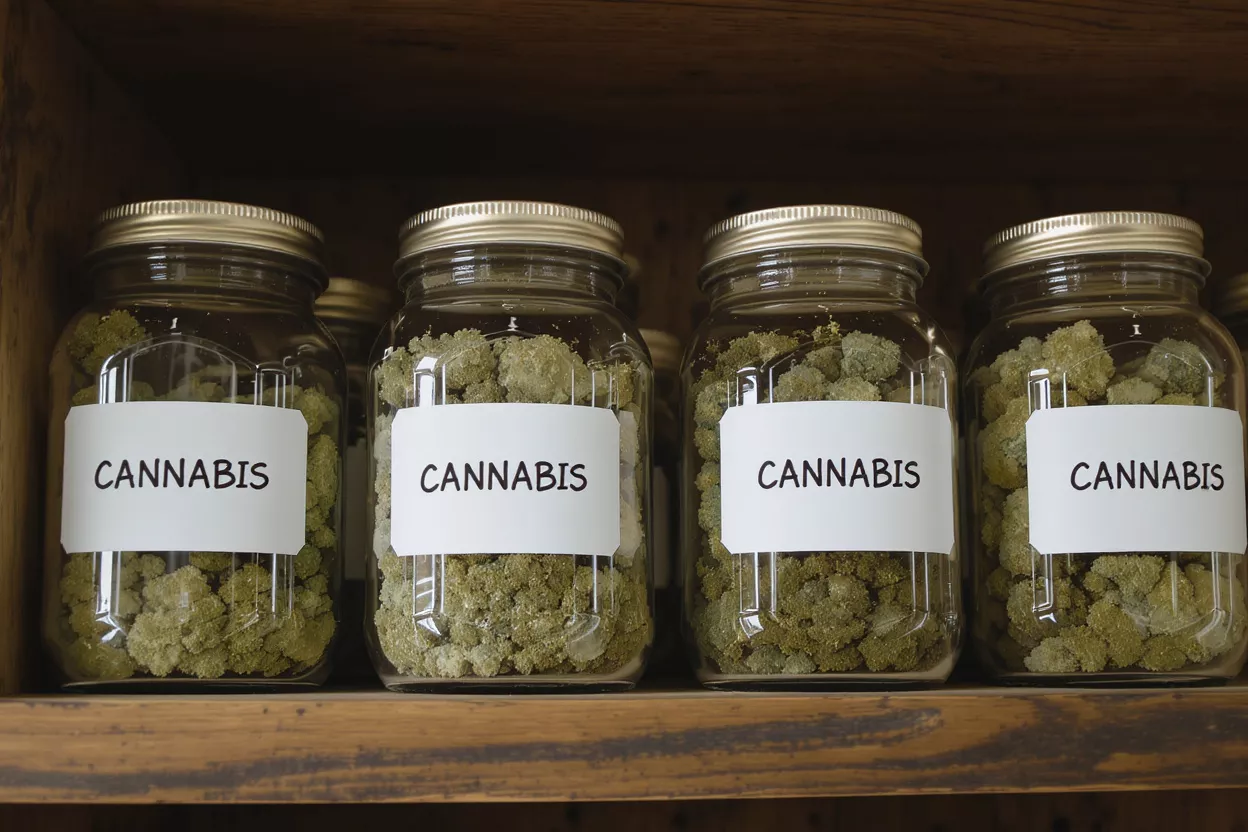
For the Rastafari movement, ganja is not a recreational substance but a sacrament. Practitioners regard the plant as a holy herb, citing biblical passages about the growth and use of plants from the earth. In this context, smoking ganja becomes a meditative and communal act intended to bring clarity, unity, and closeness to the divine.
This spiritual framing transformed how millions of people around the world perceive cannabis. Through reggae music and the global visibility of Rastafari culture, ganja gained an association with peace, reflection, and resistance to oppressive systems that continues to shape public imagination today.
The reasoning behind sacramental use: Rastafari practitioners describe ganja as a tool for reasoning sessions, the communal discussions where philosophy and scripture are explored together. The herb is believed to open the mind and encourage honest dialogue, making it central to community life rather than a private indulgence.
It is worth noting that this religious use has been at the heart of legal battles over freedom of worship in several countries. The deep sincerity of the practice has forced courts and governments to grapple with where personal liberty and drug policy intersect.
Traditional and Ceremonial Ganja Uses
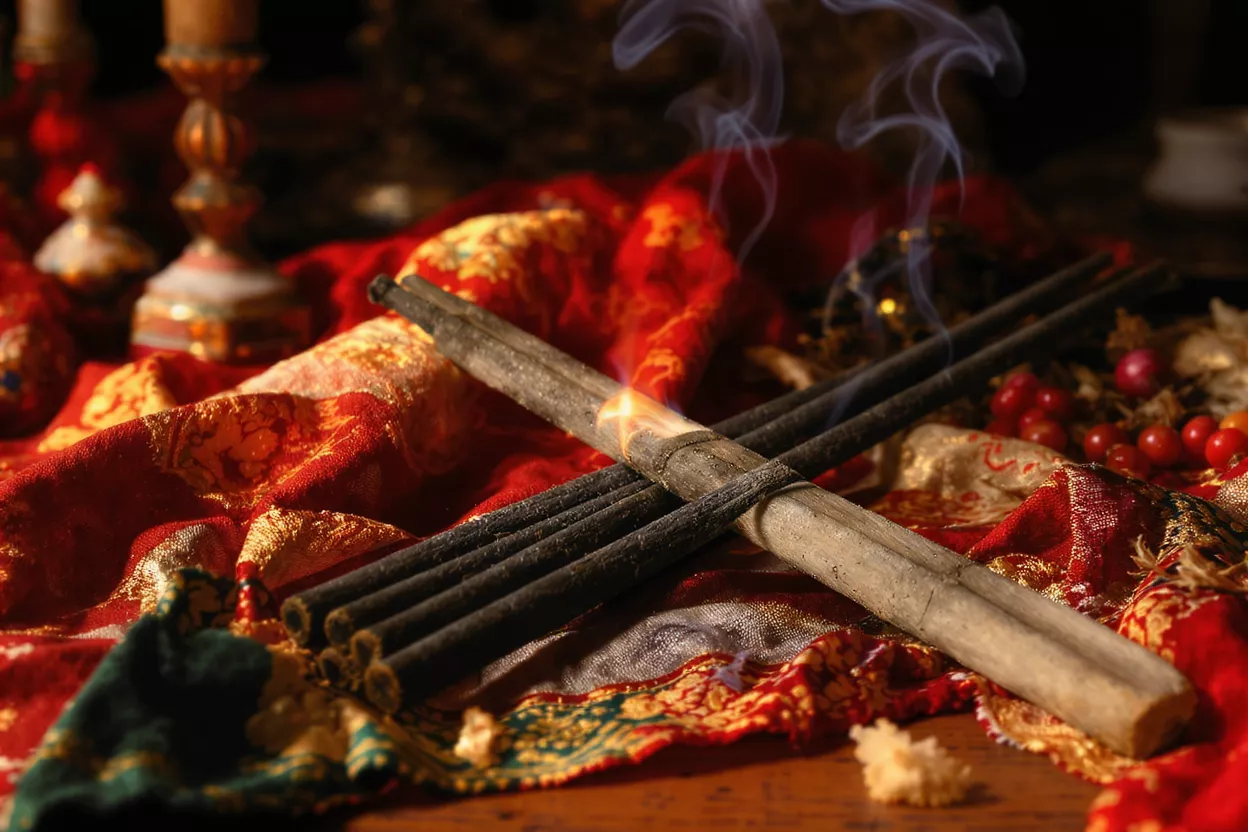
Long before cannabis appeared in dispensaries, ganja held a place in traditional medicine and ritual. In Ayurvedic practice, cannabis preparations were used cautiously to address pain, sleeplessness, and digestive complaints, always within a framework that respected the plant's potency.
Ceremonial use spread across many cultures that adopted the term. From religious festivals in India to community gatherings in the Caribbean, ganja often appeared at moments meant to mark transition, celebration, or reflection. These uses were governed by custom and shared understanding rather than commercial intent.
Several traditional applications recur across the cultures that embraced the herb:
- 🪔 Religious festivals: Cannabis preparations appear during certain Hindu celebrations, consumed as part of devotional practice.
- 🧘 Meditation aid: Some traditions used the herb to deepen contemplative and spiritual states.
- 🌙 Rest and recovery: Folk medicine turned to cannabis for sleep and easing physical discomfort.
- 🤝 Community bonding: Shared consumption reinforced social ties and communal identity.
What unites these traditional uses is intention. Ganja was rarely consumed thoughtlessly in these settings; it was approached with respect for its effects and its cultural significance, a mindset that modern wellness advocates often try to recover.
Types and Grades of Ganja
In the traditional South Asian classification that gave us the word, ganja referred to a specific grade of cannabis preparation. The plant yielded several distinct products, and ganja occupied a particular tier defined by which parts of the plant were used and how potent the result was.
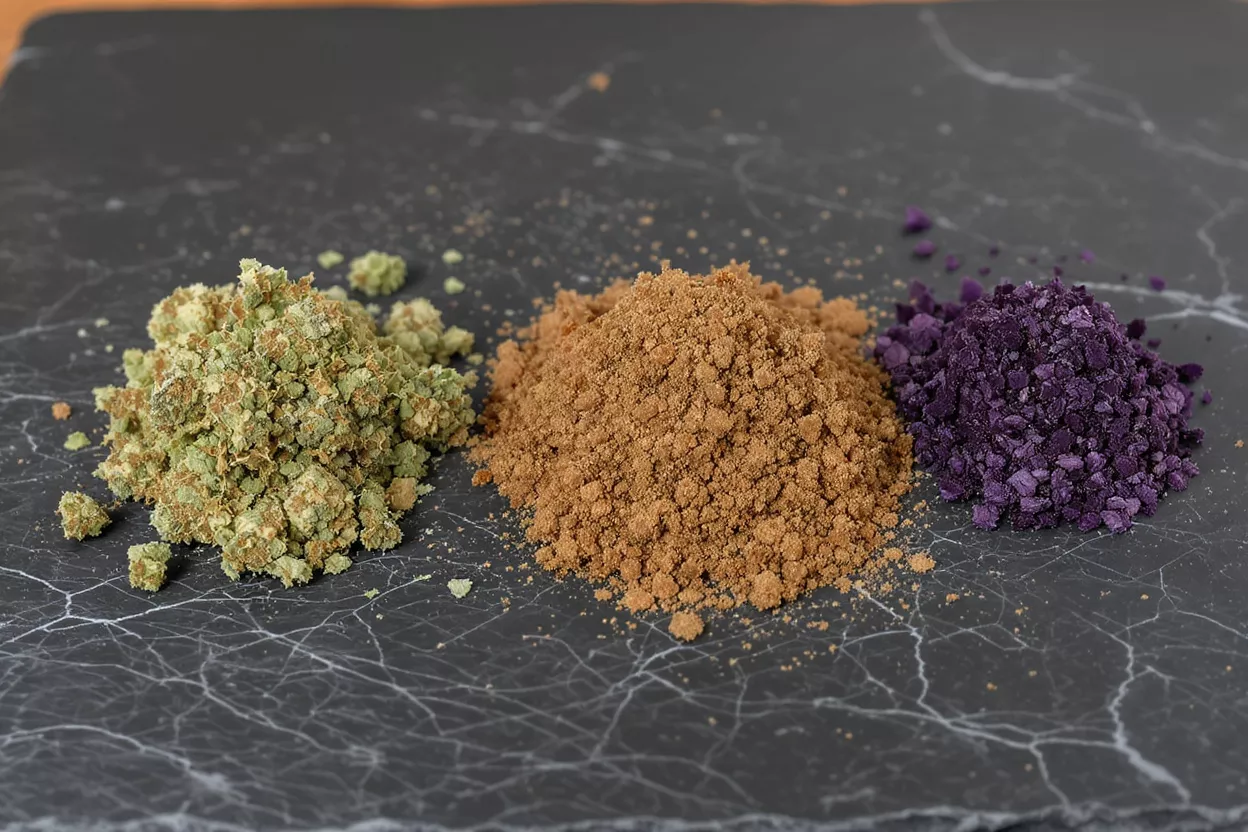
The traditional three-tier system: South Asian custom recognized roughly three preparations. The mildest came from the leaves and was used in drinks and edibles. Ganja, the middle grade, came from the resinous flowering tops of cultivated female plants. The most concentrated was the collected resin, prized for its strength. This hierarchy mirrors how modern consumers distinguish between flower, hash, and other concentrates.
Today, when people speak of ganja, they usually mean the dried flower of the cannabis plant — the buds that are smoked, vaporized, or processed further. The richness of these flowers in THC and other compounds is what gives ganja its characteristic effects.
Modern cultivation has produced an enormous diversity of cannabis varieties, each with its own profile of aroma, flavor, and effect. While the ancient grading system was simpler, the underlying principle — that different preparations and plants offer different experiences — remains as relevant as ever.
How Ganja Affects the Body
The effects of ganja come from its rich content of cannabinoids, the active chemical compounds the plant produces. The most well known of these is THC, responsible for the characteristic euphoria, altered perception, and relaxation associated with the herb. Alongside it sits CBD, a non-intoxicating compound that many users value for its calming qualities.
These compounds interact with the body's endocannabinoid system, a network of receptors involved in regulating mood, appetite, pain, and sleep. This biological partnership explains why cannabis produces such a wide range of effects and why those effects vary so much from person to person.
Factors that shape the experience: The way ganja affects someone depends on dose, the particular variety consumed, individual tolerance, and the method of consumption. Smoking and vaporizing produce rapid onset, while edible preparations act more slowly but often more intensely and for longer.
Beyond THC and CBD, ganja contains aromatic compounds called terpenes that contribute to its scent and may subtly influence its effects. The interplay of all these compounds is part of what makes each variety distinct.
Is Ganja Safe to Use
Like any substance that affects the mind and body, ganja carries both benefits and considerations that responsible users should understand. For most healthy adults, moderate use is generally well tolerated, though it is not entirely without risk, particularly for certain groups.
Who should be cautious: Adolescents, whose brains are still developing, are advised to avoid cannabis, as are people who are pregnant or breastfeeding. Those with a personal or family history of certain mental health conditions should approach the herb thoughtfully and ideally consult a healthcare provider.
Common short-term effects to be aware of include dry mouth, red eyes, increased appetite, and in some cases anxiety or impaired coordination. These effects are usually temporary, but they underline the importance of starting with a low dose and going slowly, especially with unfamiliar varieties or edible forms.
The principle of mindful, moderate use echoes the traditional reverence that surrounded ganja for centuries. Treating the herb with respect rather than excess remains the soundest approach to enjoying it safely.
Ganja in Modern Cannabis Conversation
As cannabis legalization spreads across the world, the vocabulary surrounding the plant continues to evolve. Ganja persists as a beloved term, often chosen deliberately to honor the plant's cultural roots rather than its commercial or clinical dimensions. In an age of branded products and laboratory testing, the word offers a connection to something older and deeper.
Many enthusiasts appreciate that ganja resists the sterilization of cannabis culture. Where some terms emphasize science or commerce, ganja keeps alive the memory of the plant as sacred herb, communal experience, and inheritance from ancient traditions that understood its value long before modern research caught up.
From its Sanskrit origins to its role in Rastafari spirituality and its place in today's global conversation, ganja has traveled a remarkable path. The word reminds us that cannabis is not merely a product but a plant entwined with human history, ceremony, and meaning. Understanding where the term comes from enriches any appreciation of the herb itself, connecting modern users to a lineage of cultivation and reverence stretching back thousands of years.




Comments