

Gram
Learn exactly what a gram of cannabis looks like, costs, and lasts.
What Is a Gram of Cannabis?
A gram is the foundational unit of weight in the cannabis world, equal to one thousandth of a kilogram in the metric system. When you walk into a dispensary or browse an online menu, nearly every quantity you encounter—from a single pre-roll to a bulk ounce—traces back to this basic measurement. Understanding what a gram represents is the first step toward buying confidently, comparing prices fairly, and knowing exactly how much product you are taking home.
Why the metric gram, not the avoirdupois system? Cannabis weights are universally expressed in metric grams rather than the imperial ounces used for everyday groceries in some countries. This standardization keeps scales, lab reports, and packaging consistent across the entire supply chain. A gram measured in Toronto weighs precisely the same as a gram measured in Vancouver or anywhere else, removing ambiguity from transactions and lab testing alike.
The gram became the default unit partly out of practicality and partly out of tradition. It is small enough to describe an individual serving of flower yet large enough to remain tangible. For most consumers, the gram is the unit they will reach for most often, making it worth understanding in real detail.
How Much Is a Gram of Weed?
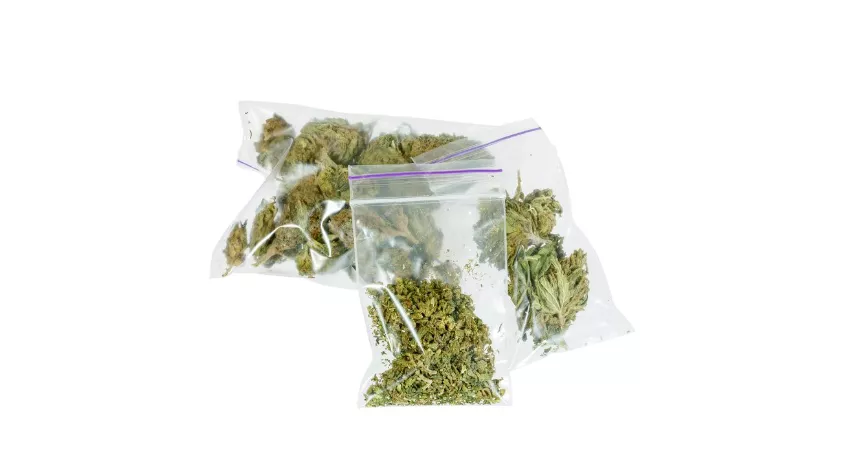
A single gram of cannabis flower is a modest amount that typically yields one or two generously packed joints, two to three smaller ones, or several bowls in a pipe. For a casual consumer, a single gram can stretch across multiple sessions, while a daily user may move through it more quickly. It is the standard "try it out" quantity that lets you sample a strain without committing to a larger purchase.
What a gram delivers in practice depends heavily on density and potency. A dense, well-cured indica bud can look surprisingly small for its weight, while a fluffy, airy sativa may appear larger at the same weight. Two grams sitting side by side can look quite different even though the scale reads identically.
Because a gram is the entry point for most menus, it is also the unit dispensaries use to showcase new arrivals and limited single-strain drops. Buying by the gram lets you build a varied stash, rotating through cultivars rather than locking into a large quantity of one.
Gram to Ounce Conversions Explained
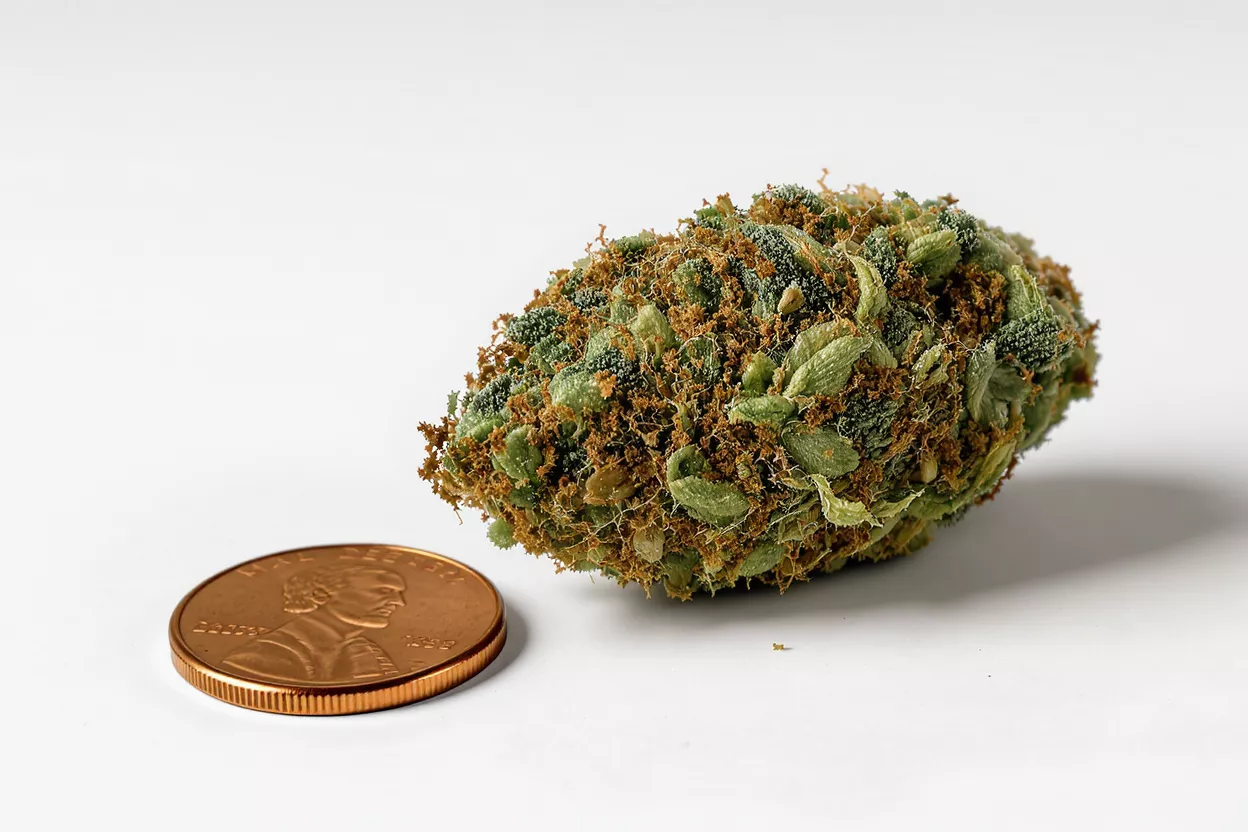
Although cannabis is weighed in grams, larger quantities are often named using ounce-based terminology that traces back to imperial measurement. Knowing how grams map onto these familiar quantities helps you understand pricing tiers and spot value at every level of purchase. The conversions are fixed, so once you memorize them, comparing deals becomes straightforward.
Here are the standard weight tiers you will encounter, expressed in grams:
- ⚖️ Eighth: 3.5 grams—the most popular mid-range quantity
- ⚖️ Quarter: 7 grams—two eighths combined
- ⚖️ Half-ounce: 14 grams—a substantial supply for regular users
- ⚖️ Ounce: 28 grams—the legal possession benchmark in many regions
Why an ounce equals 28 grams rather than the precise 28.35 grams of the avoirdupois ounce comes down to rounding conventions that became industry standard. Dispensaries round down to a clean 28 grams for simplicity, which slightly favours the buyer. This small discrepancy is consistent across the market, so prices and quantities remain predictable no matter where you shop.
Weighing Cannabis Flower by the Gram
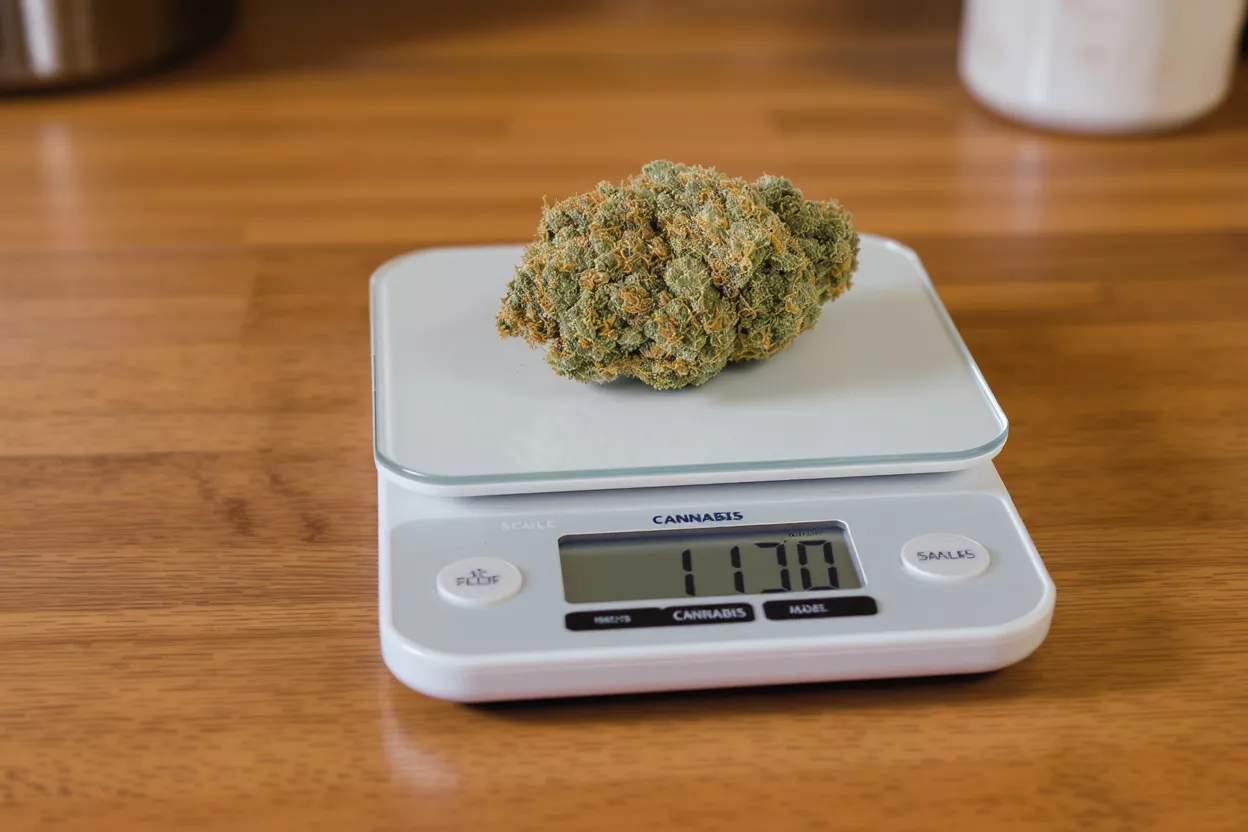
Accurate weighing is the backbone of fair cannabis commerce, and a calibrated digital scale reading to two decimal places is the industry standard. Licensed producers weigh flower before packaging, and lab partners verify quantities during compliance testing. The number printed on your package reflects the dried, cured weight of the flower at the time it was sealed.
Moisture content and weight drift are worth understanding. Freshly packaged flower retains a small amount of moisture, and over time some of that can evaporate, very slightly reducing the weight. This is why proper storage in an airtight container matters—it preserves both the weight and the quality of your cannabinoid and terpene content.
If you choose to weigh your own flower at home, invest in a small scale that measures to the hundredth of a gram and calibrate it periodically. This lets you verify package weights and portion out consistent servings for personal use.
Measuring Concentrates in Grams
The gram is equally central to the world of concentrates, though the visual reality is dramatically different. Because concentrates are far more potent and dense than flower, a single gram of shatter, wax, or live resin occupies a tiny footprint—often no bigger than a fingernail.
A gram of concentrate goes much further than a gram of flower because of its elevated cannabinoid concentration. Where flower might test in the high teens or twenties for THC percentage, concentrates frequently reach 70 to 90 percent. As a result, the servings drawn from a single gram of concentrate are measured in tiny fractions, and that one gram can last a long time.
Concentrates are almost always sold in gram and half-gram increments, with the gram serving as the baseline package size for everything from vape cartridges to dab-ready extracts. This consistency makes it easy to compare potency and value across very different product formats.
How Many Grams in Common Purchases
Different cannabis products package the gram in their own characteristic amounts, and knowing these defaults helps you understand exactly what you are buying. A standard pre-roll, for instance, usually contains between half a gram and a full gram of ground flower, while infused pre-rolls may weigh slightly more once concentrate is added.
Here is a quick reference for how grams appear across common formats:
- 🌿 Single pre-roll: 0.5 to 1 gram of flower
- 🌿 Pre-roll multipack: often 3 to 5 grams total
- 🌿 Vape cartridge: 0.5 or 1 gram of concentrate
- 🌿 Flower eighth: 3.5 grams
- 🌿 Concentrate package: typically 1 gram
Matching the format to your needs becomes intuitive once you think in grams. A single-gram vape cartridge delivers far more total servings than a single-gram pre-roll because of the potency difference. Reading every product through the lens of grams lets you weigh true value rather than reacting to the sticker price alone.
What a Gram Looks Like
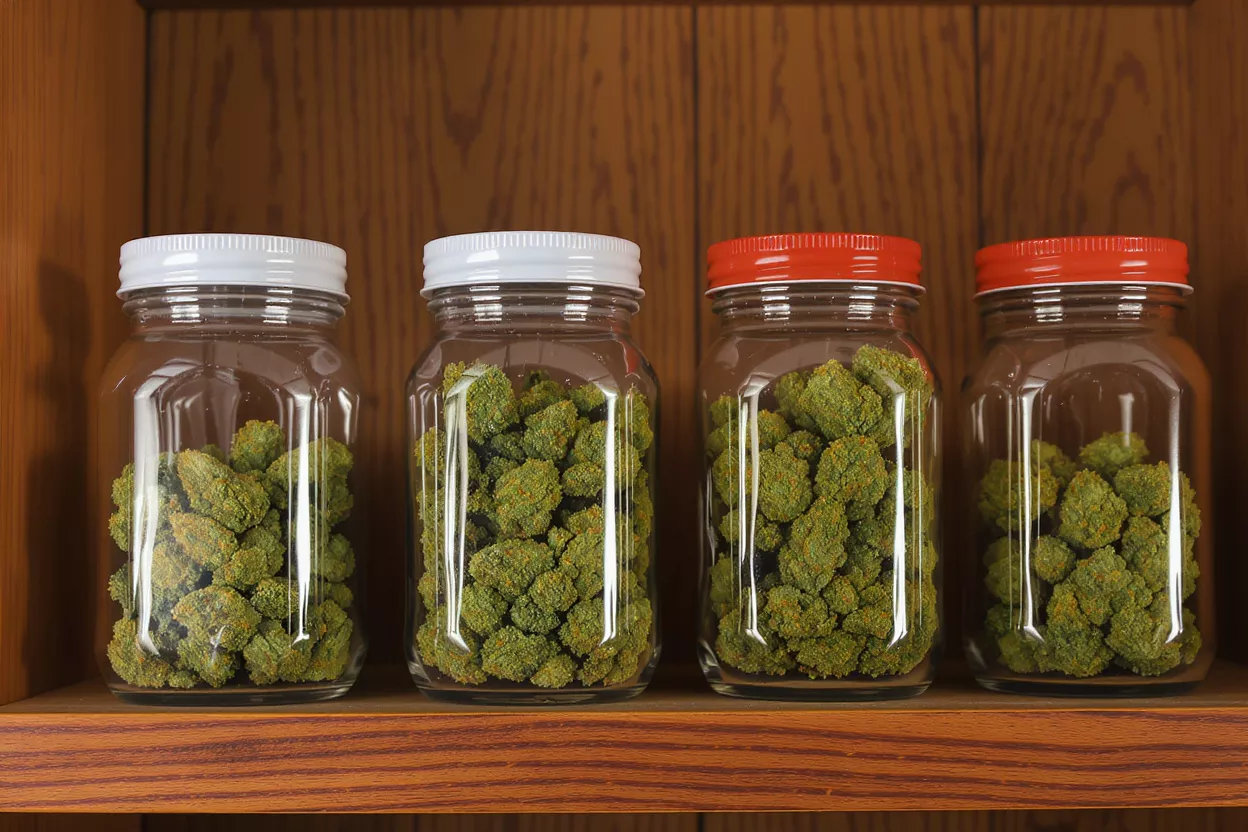
One of the most common questions new consumers ask is what a gram actually looks like in the hand. For flower, a gram of dense, compact bud is roughly the size of a large grape or a small walnut, while the same gram of fluffy, low-density flower might fill the palm more visibly. This variability is normal and reflects genetics, curing, and trim style rather than any difference in actual weight.
Density tricks the eye more than almost any other factor. Two buds can read identically on a scale yet look like very different amounts. This is precisely why relying on visual estimation is unreliable, and why every legitimate transaction is settled by weight rather than appearance.
For concentrates, a gram is even more deceptive to the untrained eye. A gram of shatter spread thin can cover a credit-card-sized area, yet that same gram balled up looks like a small bead. Trusting the printed weight is always more reliable than judging volume.
Gram Pricing and Value
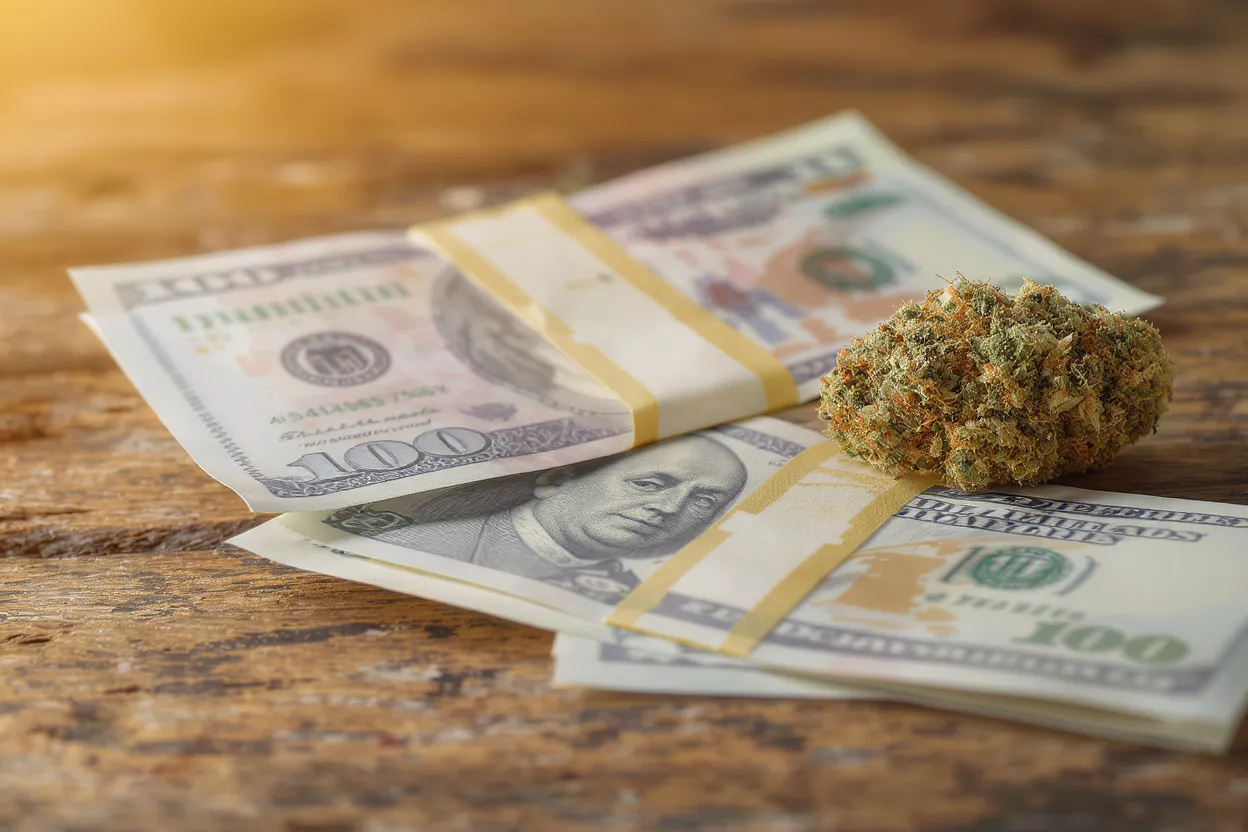
The price of a single gram serves as the reference point against which all bulk discounts are measured. Buying by the gram almost always carries the highest per-unit cost, because larger quantities like eighths and ounces are priced to reward volume. Understanding the cost-per-gram across tiers is the single most useful skill for shopping value.
Calculating cost per gram is simple and revealing. Divide the total price of any package by the number of grams it contains, and you instantly have a fair comparison across products of any size. An ounce that seems expensive at first glance often delivers a far lower per-gram cost than buying twenty-eight individual grams.
That said, single-gram purchases retain real value for variety seekers and cautious buyers. Sampling a new cultivar one gram at a time avoids the commitment—and potential disappointment—of a large purchase that does not suit your taste. The slight premium per gram is the price of flexibility. 💡
How Long a Gram Lasts
How far a single gram stretches depends entirely on consumption habits, method, and tolerance. For an occasional consumer rolling modest joints or packing small bowls, one gram might cover several evenings across a week or more. A heavier daily user, by contrast, could move through a gram in a single day.
Consumption method changes the math significantly. A gram smoked through a pipe in small bowls lasts longer than a gram rolled into one large joint, simply because you control the portion each session. Vaporizing dried flower tends to be the most efficient method, extracting more from each gram than combustion does.
For concentrates, the longevity is even more pronounced. Because each dab uses only a fraction of a gram, a single gram of extract can supply dozens of sessions. This efficiency is a major reason experienced consumers gravitate toward concentrates for daily use, reserving flower for its fuller flavour and ritual.
Common Questions About the Gram
A few practical questions come up again and again once people start thinking in grams. The most frequent is whether the weight on a package includes the container or any added moisture. The answer is that listed weight always refers to the cannabis product itself, measured at packaging, never the jar or bag holding it.
Is a gram the same for flower and concentrate? Yes—a gram is a gram regardless of what is being weighed, since it is purely a unit of mass. The difference lies entirely in potency and volume, not in the measurement itself. One gram of flower and one gram of concentrate weigh exactly the same on any calibrated scale.
Understanding the gram unlocks the entire vocabulary of cannabis commerce. Once you internalize that every eighth, quarter, and ounce is simply a multiple of this single foundational unit, menus stop feeling cryptic and pricing becomes transparent. Whether you are sampling a fresh single-gram drop of flower or stretching a gram of concentrate across weeks, this humble metric measurement remains the constant thread connecting every cannabis purchase you will ever make.

Comments