

Heirloom
Explore heirloom cannabis strains, their ancient roots, regional varieties, and why preserving these pure genetics matters.
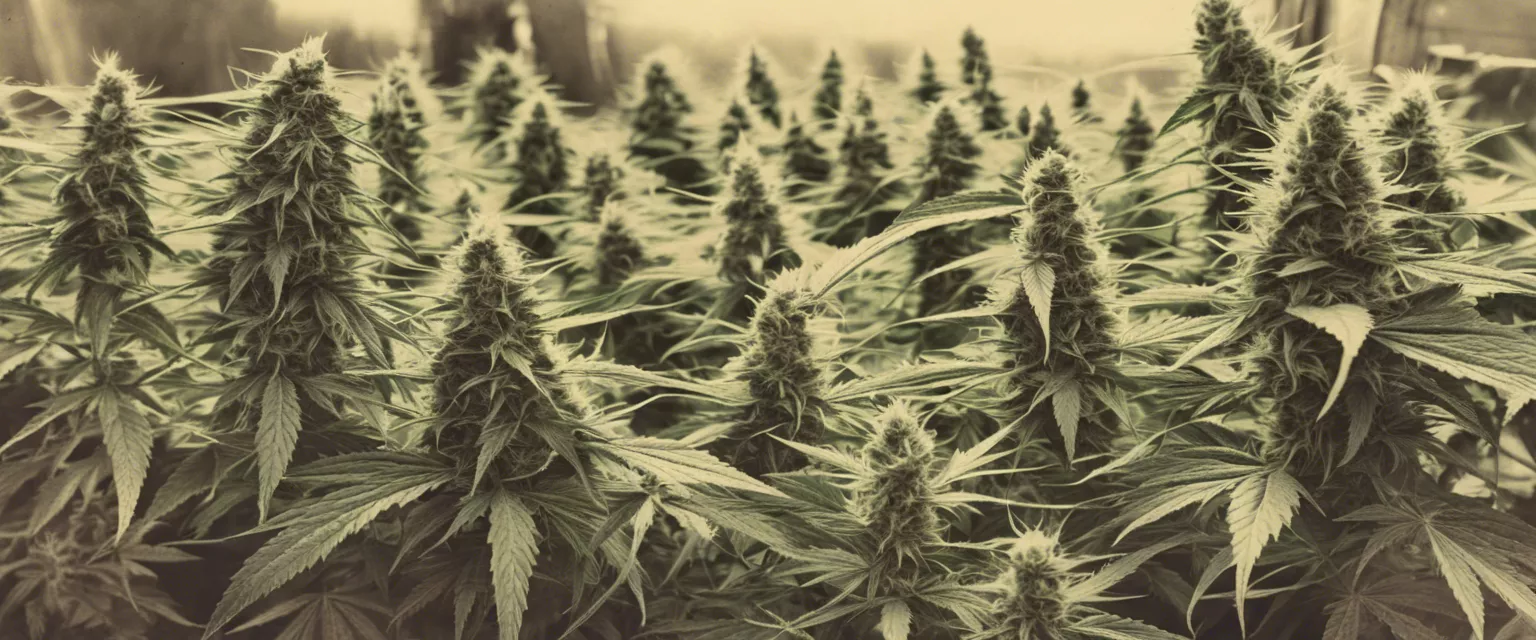
The word heirloom carries a sense of inheritance, of something valuable handed carefully from one generation to the next. In cannabis, heirloom describes the original genetic lines that grew wild and were cultivated long before commercial breeding reshaped the plant into the thousands of named hybrids on shelves today. These strains are living artifacts, carrying genetic information shaped over centuries by specific climates, soils, and the hands of the farmers who tended them. Understanding heirloom cannabis means looking past the marketing and into the deep roots of the plant itself.
For growers, connoisseurs, and the simply curious, heirloom genetics offer a window into what cannabis was before selective breeding chased ever-higher potency. They tell a story about geography, human migration, and the slow patient work of natural selection. This guide walks through what heirloom truly means, how these strains differ from the hybrids most consumers know, and why preserving them has become a quiet mission for a dedicated community of cultivators around the world.
What Are Heirloom Cannabis Strains
An heirloom cannabis strain is a variety that has been cultivated and stabilized over many generations without significant crossbreeding from outside genetic lines. The term borrows directly from heirloom agriculture, where tomatoes, beans, and grains are passed down for their distinctive traits rather than their commercial uniformity. In the same spirit, heirloom cannabis preserves a genetic signature that reflects a particular place and time.
The difference between heirloom and landrace is subtle but worth understanding. A true landrace grows wild or semi-wild in its native region, adapting naturally to local conditions over centuries. An heirloom is typically a landrace that has been deliberately removed from its origin and cultivated elsewhere, yet kept genetically pure through careful breeding. Every heirloom traces back to a landrace ancestor, though not every landrace becomes an heirloom.
What makes these plants compelling is their stability. Because they have not been crossed with dozens of other lines, heirloom strains express predictable, consistent traits generation after generation. The flavor, growth pattern, and effects you encounter in an authentic heirloom are essentially the same ones a farmer would have known decades or even centuries ago.
Heirloom vs Landrace vs Hybrid Genetics
The cannabis world throws around terms like landrace, heirloom, and hybrid almost interchangeably, but each describes something distinct. Sorting them out clarifies why heirloom genetics hold such a special place in the plant's history.
A landrace is the wild starting point, shaped entirely by its native environment. A hybrid is the opposite end of the spectrum, the result of deliberately crossing two or more genetically different parents to combine desirable traits. Heirloom sits between these poles, rooted in landrace purity yet maintained through intentional human cultivation away from its origin.
- 🌱 Landrace: Naturally adapted to a specific geographic region with no human-directed crossbreeding, fully shaped by local climate and soil.
- 📜 Heirloom: A genetically pure line descended from landrace stock, cultivated and stabilized across generations outside its native habitat.
- 🧬 Hybrid: An intentional cross of two or more distinct genetic lines, bred to combine potency, yield, flavor, or growth characteristics.
- ⚗️ Polyhybrid: A modern cross involving multiple hybrid parents, often several generations removed from any pure landrace ancestry.
This distinction matters because nearly every strain you find in a modern dispensary is a hybrid, sometimes a dozen generations removed from any pure source. Heirloom genetics represent the unbroken thread back to the plant's geographic origins, a reference point against which all that breeding can be measured.
Where Do Heirloom Strains Come From
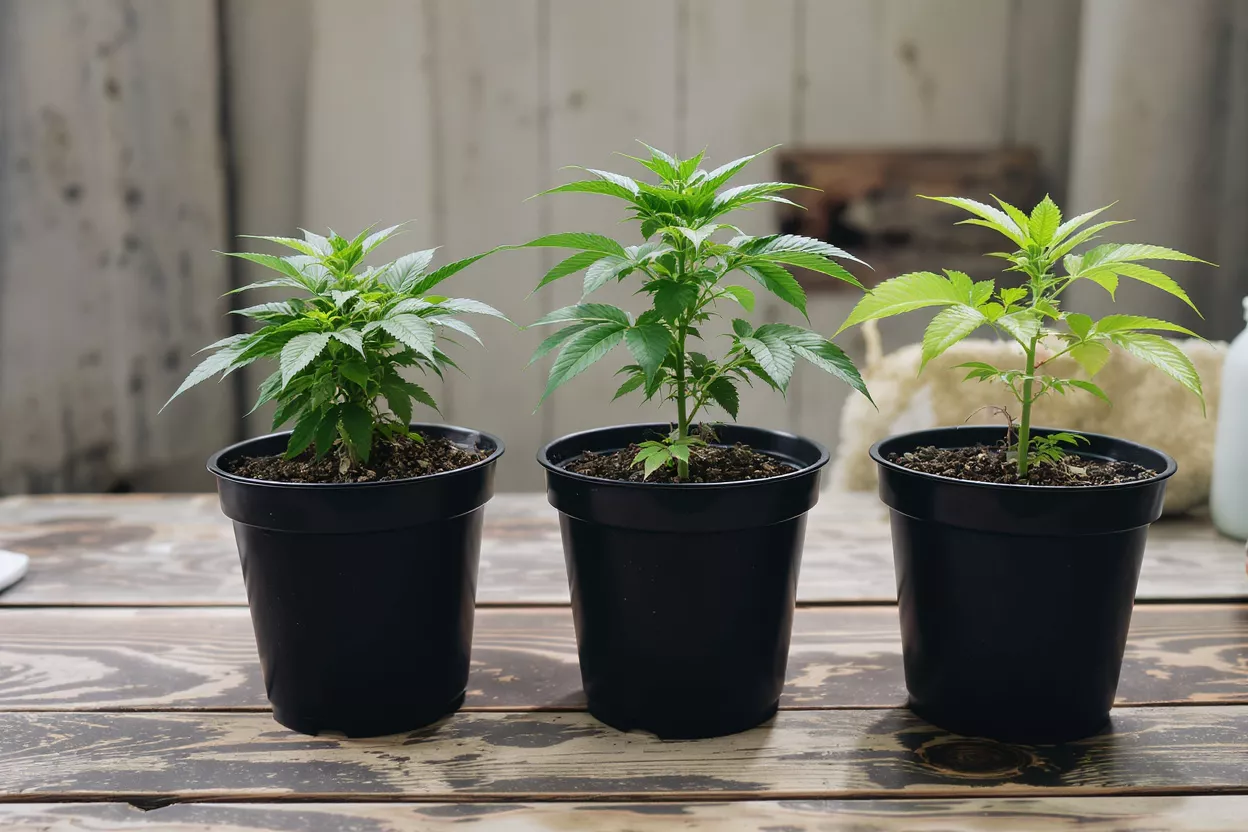
Heirloom cannabis strains originate from regions where the plant has grown for centuries, often along the ancient trade and migration routes that carried seeds across continents. The mountainous belt stretching from Morocco through the Hindu Kush and into the valleys of the Himalayas produced some of the most influential genetic lines in cannabis history.
The role of geographic isolation cannot be overstated. When a population of cannabis plants grows in relative isolation for many generations, it adapts tightly to its environment, developing resistance to local pests, tolerance for specific temperatures, and flowering cycles tuned to regional daylight patterns. This is precisely how landraces, and the heirlooms derived from them, acquired their distinctive and stable characteristics.
Famous origin regions include the Hindu Kush mountains spanning Afghanistan and Pakistan, the Rif Mountains of Morocco, the highlands of Colombia and Mexico, the Thai lowlands, and the slopes of the South African Drakensberg. Each region imprinted its own signature on the plants that grew there, producing the broad-leaf indica types of cooler mountain climates and the tall, narrow-leaf sativa varieties of warmer equatorial zones.
How Heirloom Genetics Are Preserved
Preserving heirloom cannabis is painstaking work that demands discipline and a deep respect for genetic integrity. The central challenge is keeping a line pure while still maintaining enough genetic diversity within it to avoid the problems of inbreeding.
Seed preservation and breeding programs form the backbone of conservation efforts. Dedicated breeders maintain seed banks of original genetics, growing out plants periodically to refresh seed stock before viability declines. They carefully select parent plants that best express the strain's defining traits, then isolate them to prevent accidental pollination by outside genetics. This open-pollination approach, breeding many plants together rather than cloning a single specimen, helps retain the natural diversity that makes a population resilient.
The threat of genetic erosion looms over every heirloom line. As commercial hybrids dominate the market and original growing regions face political and environmental pressures, many pure landrace populations have been crossbred into oblivion or lost entirely. Conservation-minded organizations now treat heirloom seeds the way agricultural institutions treat ancient grain varieties, as irreplaceable biological heritage worth safeguarding for future generations.
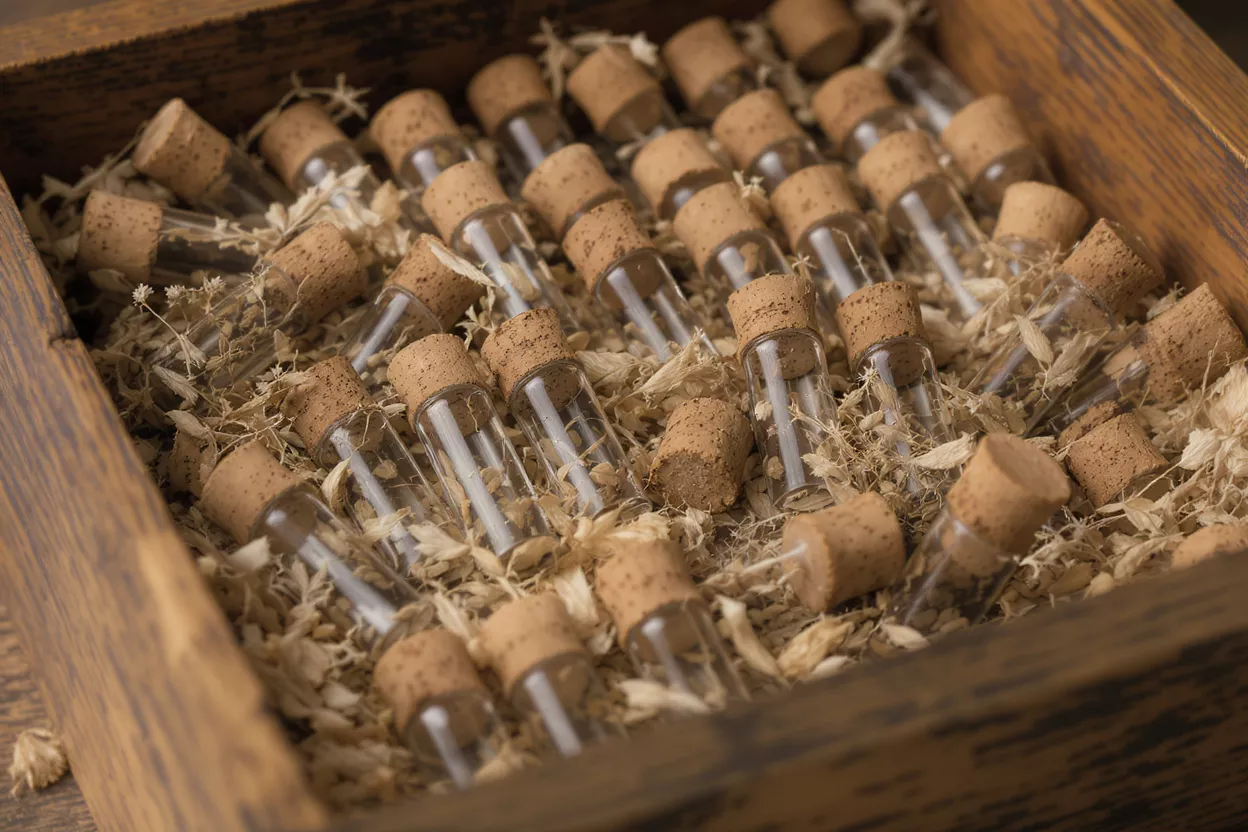
Some preservation projects collaborate directly with farmers in origin regions, documenting growing practices and collecting seeds at the source. These expeditions capture not just the plant material but the cultural knowledge surrounding it, ensuring that the human context of these strains is recorded alongside their genetics.
Why Heirloom Cannabis Matters Today
In an era when breeders chase ever-higher THC percentages, heirloom strains offer something different and increasingly rare: balance, complexity, and a connection to the plant's authentic character. Their value extends well beyond nostalgia.
Heirloom genetics serve as a vital genetic reservoir for breeders. Every new hybrid ultimately draws from the trait library that landraces and heirlooms established. Disease resistance, drought tolerance, unique terpene profiles, and rare cannabinoid expressions all trace back to these original populations. Without preserved heirloom stock, the entire breeding ecosystem would lose its foundation.
For consumers, heirloom strains often deliver a more nuanced experience. Rather than the overwhelming potency of modern hybrids, they tend to offer a fuller spectrum of effects shaped by their complete terpene and cannabinoid makeup. Many people describe heirloom experiences as more rounded and less one-dimensional than the spike-driven effects of high-THC commercial varieties.
Types of Heirloom Cannabis by Region
Heirloom cannabis can be roughly organized by the regions that shaped it, since geography is the single biggest factor in how each line developed. The broad categories reflect both growth structure and chemical profile.
- 🏔️ Hindu Kush indicas: Short, dense, broad-leaf plants from the Afghan and Pakistani mountains, prized for resin production and earthy, hash-like aromas.
- 🌴 Equatorial sativas: Tall, lanky varieties from Thailand, Colombia, and Central Africa with long flowering times and bright, energetic effects.
- 🌍 African landraces: Hardy lines such as those from South Africa and Malawi, adapted to intense sun and known for clear, uplifting qualities.
- 🏜️ North African types: Moroccan and surrounding varieties traditionally grown for hashish, with compact structure and resinous flowers.
- 🌄 Latin American sativas: Mexican and Colombian lines that influenced countless modern hybrids with their sweet, spicy profiles.
Indica-dominant mountain strains evolved in harsh, cool climates with short growing seasons. Their compact stature and rapid flowering were survival adaptations, and these same traits made them invaluable to breeders seeking faster, more manageable plants. The thick resin coating that protects them from cold and UV exposure also made them ideal for traditional hash production.
Equatorial sativas tell the opposite story. Growing near the equator where day length stays relatively constant, they developed long flowering periods and towering frames. Their effects skew toward the cerebral and stimulating, a profile that has become harder to find as breeding pushed toward faster, heavier-yielding plants.

Heirloom Strain Effects and Terpenes
The effects of heirloom cannabis flow from their unaltered chemical profiles, which often differ markedly from modern hybrids. Where commercial breeding tends to maximize a narrow set of traits, heirloom strains preserve the full, complex chemistry their environment produced.
Terpene complexity in heirloom genetics is one of their defining features. These plants frequently express a wider and more balanced array of terpenes than heavily bred hybrids, contributing to richer aromas and a more layered sensory experience. Myrcene, pinene, limonene, and caryophyllene appear in proportions tuned by generations of natural selection rather than by breeders chasing a single dominant scent.
The cannabinoid picture is equally distinctive. Many heirloom strains carry lower peak THC than today's hybrids but feature meaningful levels of secondary cannabinoids like CBD and CBN. This broader cannabinoid spread is thought to contribute to the entourage effect, where compounds work together to shape an experience that feels more complete than potency numbers alone would suggest.
Growing Heirloom Cannabis at Home
Cultivating heirloom cannabis appeals to growers who want to experience the plant in its more original form, but these varieties come with their own quirks. Because they evolved for specific climates, they often perform best when their growing conditions echo their region of origin.
Climate matching for heirloom success is the most important consideration. An equatorial sativa accustomed to long, warm seasons may struggle with the short flowering window of a northern outdoor grow, while a Hindu Kush indica thrives in cooler conditions that mirror its mountain home. Indoor growers gain an advantage here, since controlled environments let them recreate the temperature, humidity, and light cycles a given heirloom expects.
Patience is essential, particularly with sativa-leaning heirlooms. Their long flowering times, sometimes stretching well beyond twelve weeks, test the discipline of growers used to the faster turnaround of modern hybrids. The reward is a harvest that expresses traits rarely seen in commercial flower.
- 🌡️ Match the climate: Replicate the temperature and humidity of the strain's native region for the healthiest growth.
- ⏳ Plan for long flowering: Equatorial sativas can take three to four months or more to finish, so budget time accordingly.
- 📏 Allow vertical space: Many sativa heirlooms stretch dramatically, demanding height that indoor setups may need to manage with training.
- 🌾 Save your seeds: Growing multiple plants and preserving seed lets you continue the line and contribute to genetic conservation.
Are Heirloom Strains Better Than Modern Hybrids
Whether heirloom strains are objectively better than modern hybrids depends entirely on what a grower or consumer values. Neither category is universally superior; they simply serve different purposes and priorities.
Modern hybrids excel at the things commercial cultivation demands: high potency, heavy yields, fast flowering, and consistent appearance. Decades of focused breeding have produced plants that are easier to grow profitably and that deliver the intense effects many consumers seek. For sheer THC content and predictable commercial performance, hybrids win handily.
Where heirloom genetics shine is in character, complexity, and authenticity. They offer terpene profiles and balanced effects that breeding has often sacrificed, along with the irreplaceable value of preserving the plant's heritage. For the connoisseur chasing a particular vintage experience, or the breeder seeking foundational genetics, an heirloom delivers something no hybrid can replicate. The choice comes down to whether you prize raw potency and convenience or depth, diversity, and historical authenticity.
How to Find Authentic Heirloom Genetics
Finding genuine heirloom cannabis takes a discerning eye, because the term is sometimes applied loosely to strains that are actually hybrids with a distant landrace ancestor. Authenticity matters most to those who want the real genetic heritage rather than a marketing label.
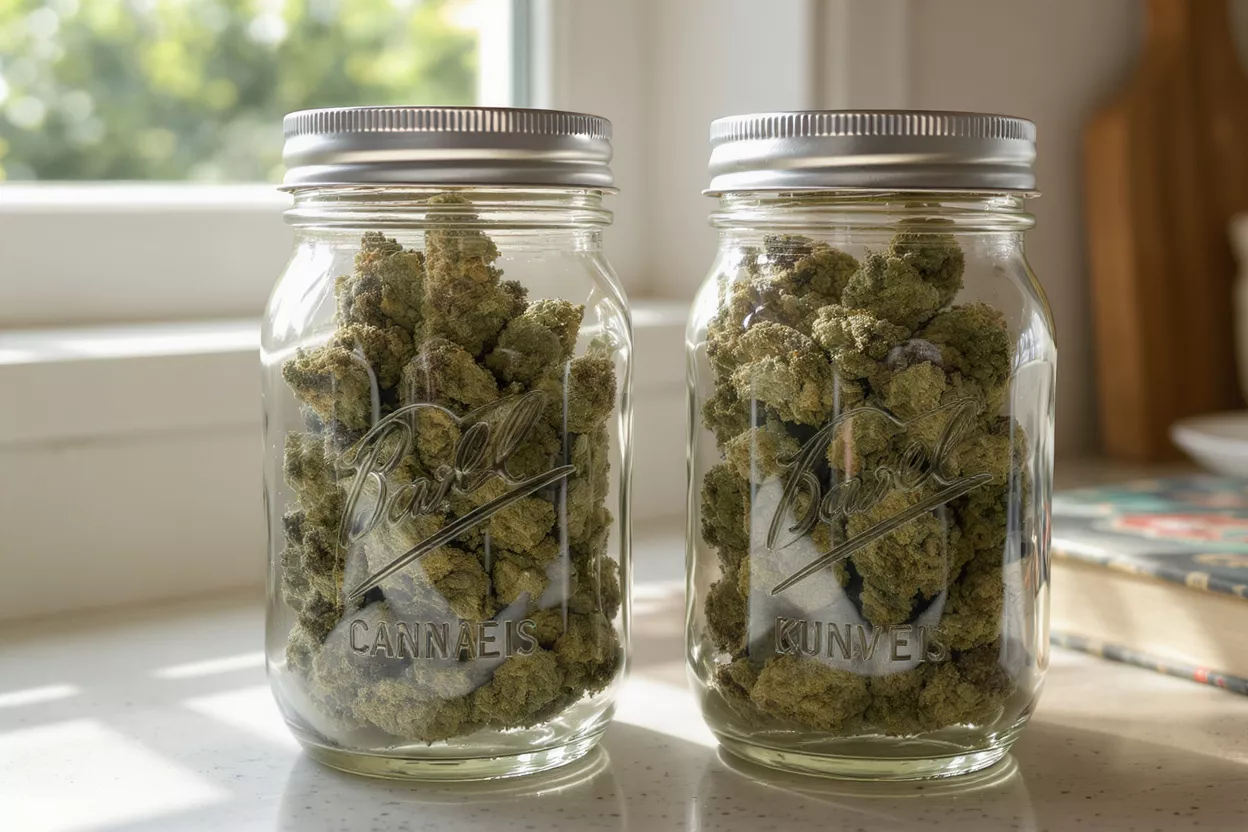
Verifying heirloom authenticity starts with the source. Reputable seed banks and preservation projects that specialize in landrace and heirloom genetics document the lineage and origin of their seeds, often including the region and sometimes the year of collection. Transparency about provenance is the strongest signal that a strain is what it claims to be.
Reading the genetics carefully helps too. A true heirloom should trace back to a single geographic origin without modern hybrid parents in its recent lineage. If a listing describes a strain as a cross of several named hybrids, it is by definition not an heirloom, no matter how the marketing frames it. When in doubt, look for breeders who treat genetic preservation as a mission rather than a selling point.
Heirloom cannabis represents far more than a category on a menu; it is the living genetic memory of the plant, shaped by geography, time, and generations of human care. From the resin-heavy indicas of the Hindu Kush to the soaring sativas of the equator, these strains preserve the diversity and complexity that intensive modern breeding has steadily narrowed. Whether you grow them, consume them, or simply appreciate the story they carry, heirloom genetics offer a meaningful connection to where cannabis began and a foundation that ensures its future remains rich and varied. Seeking out and supporting authentic heirloom lines is, in a real sense, an act of preservation for the entire plant.




Comments