

Humulene
Discover humulene, the earthy cannabis terpene with anti-inflammatory and appetite-suppressing properties.
What Is Humulene?
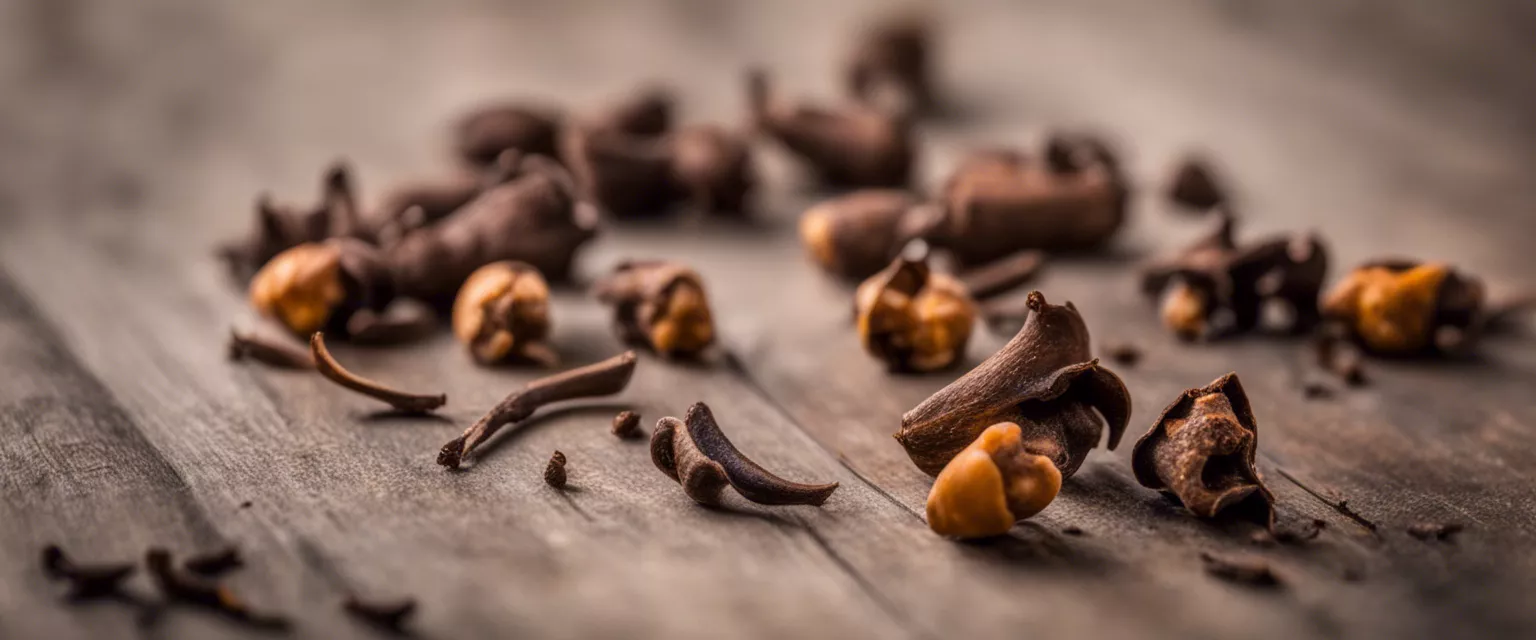
Humulene is a sesquiterpene that gives many plants their warm, earthy, woody character — and it happens to be one of the most studied aromatic compounds in the cannabis plant. If you have ever caught the herbal bite of hops in a craft beer or the spicy snap of fresh cloves, you have already met humulene. In cannabis, it works alongside dozens of other terpenes to shape both the scent of a strain and the texture of its effects.
Chemically, humulene is known as alpha-humulene or alpha-caryophyllene, reflecting its close relationship to beta-caryophyllene. The two terpenes frequently appear together because they share a common biosynthetic origin in the plant. That pairing matters: where you find one, you often find the other, and their combined presence tends to signal an earthy, peppery strain rather than a fruity or citrusy one.
Unlike monoterpenes such as myrcene or limonene, which are lighter and more volatile, humulene is a larger molecule. That size influences how it behaves during extraction, how slowly it evaporates, and how it contributes to the lingering, grounded notes you smell at the bottom of a jar of well-cured flower.
How Humulene Works in Cannabis
Humulene is produced in the trichomes — the resinous glands that coat cannabis flowers and also house cannabinoids like THC and CBD. As the plant matures, it synthesizes terpenes as part of its natural defense system, using aromatic compounds to deter pests and resist microbial threats. Humulene is part of that chemical toolkit, which is one reason it shows up across so many unrelated plant species.
The concentration of humulene depends on genetics and growing conditions. Light intensity, soil composition, and harvest timing all influence how much of any given terpene a plant expresses. Two phenotypes of the same strain grown in different environments can produce noticeably different terpene profiles, which is why lab testing and certificates of analysis matter when you are tracking a specific compound.
Because humulene is heavier and less volatile than many terpenes, it tends to survive moderate heat better during processing. This makes it relatively stable in concentrates and extracts when temperatures are kept reasonable. Overheating still degrades terpenes, but humulene's molecular structure gives it a bit more resilience than the lighter, faster-evaporating monoterpenes.
Humulene Aroma and Flavor Profile
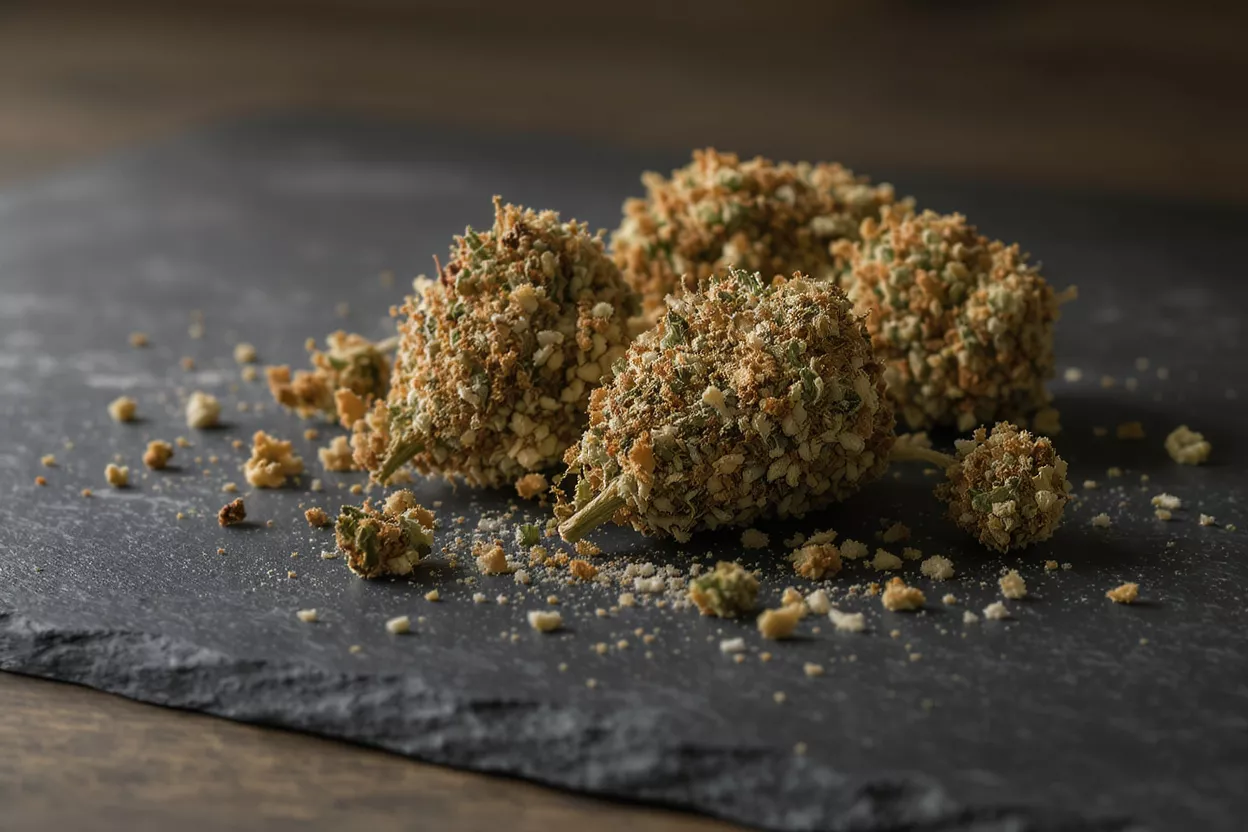
Humulene smells earthy, woody, and subtly spicy. Think of the dry, herbal aroma of a forest floor, the resinous scent of fresh-cut timber, or the warm bite of cloves and sage. It is rarely sweet or fruity on its own. Instead, it provides the grounding base note that balances brighter, more volatile terpenes in a strain's overall bouquet.
On the palate, humulene contributes a savory, almost peppery quality. When paired with beta-caryophyllene, that spiciness becomes even more pronounced, which is why hop-forward, earthy strains often taste herbal and a little sharp rather than candy-sweet. This flavor signature is a useful cue for consumers who prefer traditional, classic cannabis profiles over the dessert and fruit varieties that dominate modern menus.
Here is how humulene tends to express itself across the senses:
- 🌲 Woody: Reminiscent of cedar, pine bark, and dry timber.
- 🌿 Herbal: Sage, clove, and basil notes that read as savory rather than sweet.
- 🍺 Hoppy: The same earthy bitterness found in craft beer made from hops.
- 🌶️ Spicy: A warm, peppery edge amplified when caryophyllene is present.
Where Humulene Is Found in Nature
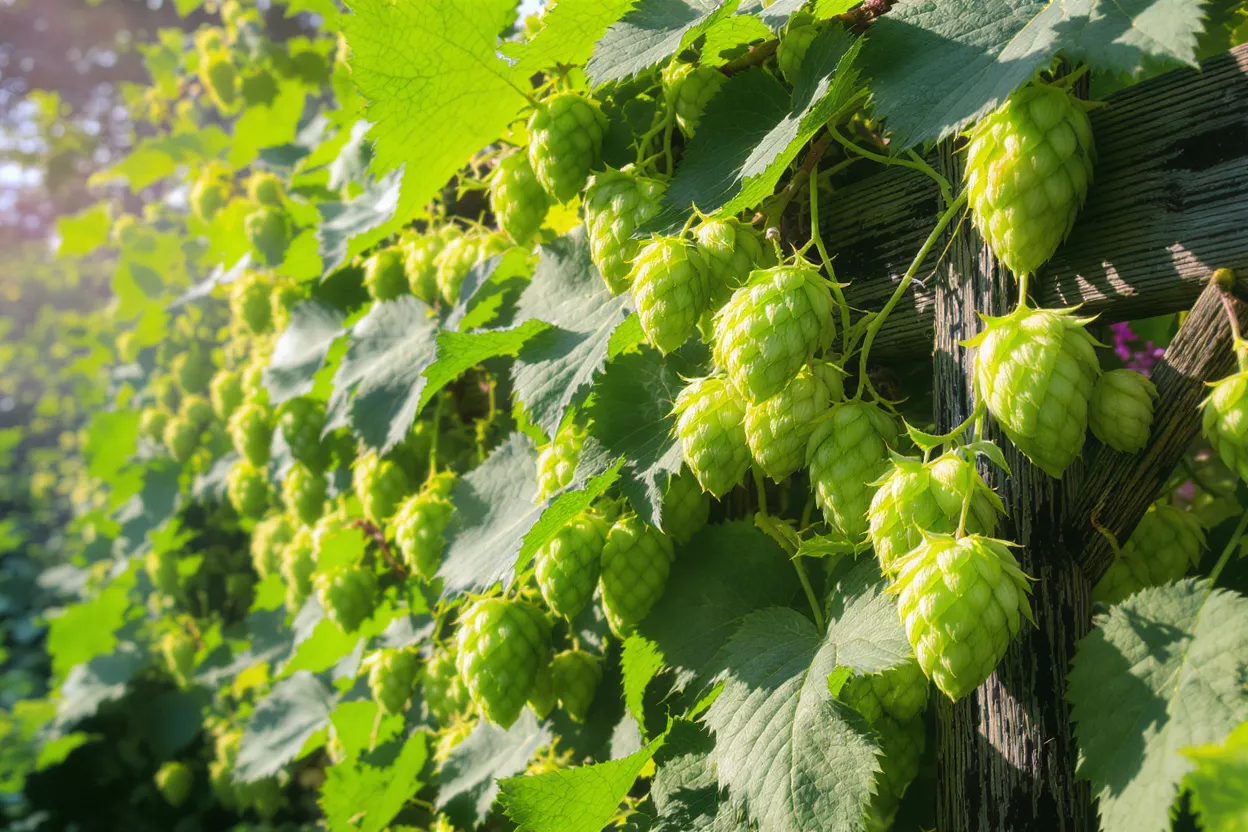
Humulene takes its name from Humulus lupulus, the hop plant, where it occurs in abundance and contributes much of the characteristic aroma of beer. Long before cannabis terpene profiles became a consumer talking point, brewers were already prizing humulene-rich hops for the depth they brought to certain ales and lagers.
This terpene is remarkably widespread in the botanical world. Beyond hops and cannabis, it appears in cloves, sage, ginseng, basil, black pepper, coriander, and ginger. Many of these plants have long traditions of culinary and medicinal use, and humulene is part of what gives them their shared earthy, spicy character.
Common natural sources of humulene include:
- 🍺 Hops: The defining source, central to beer aroma.
- 🌿 Cloves: Warm, pungent, and rich in aromatic terpenes.
- 🌱 Basil: Adds a peppery undertone beneath its fresh green notes.
- 🌶️ Black pepper: Shares its spicy profile with caryophyllene.
- 🫚 Ginger and ginseng: Traditional medicinal roots with earthy depth.
Humulene Health Benefits
Humulene's most researched property is its anti-inflammatory potential. Preclinical studies have explored how the terpene may help modulate inflammatory responses in the body, and some research suggests it could contribute to reduced swelling in laboratory models. While these findings are promising, it is important to frame them as early-stage science rather than established medical treatment.
Researchers have also examined humulene for antibacterial activity. Some studies indicate it may help inhibit certain bacterial strains, which aligns with the plant's evolutionary role in defending against microbial threats. This antimicrobial character is one reason humulene-containing plants have featured in traditional remedies across many cultures for centuries.
A summary of the effects researchers are investigating:
- 🔬 Anti-inflammatory: May help moderate inflammatory pathways in preclinical models.
- 🦠 Antibacterial: Shows activity against certain bacterial strains in lab settings.
- 🌿 Antioxidant: Contributes to the protective qualities of aromatic plants.
- 🍽️ Appetite-related: Studied for potential influence on hunger signaling.
It is worth emphasizing that most humulene research has been conducted in cell cultures and animal models. Human clinical trials remain limited, so these benefits should be viewed as areas of active scientific interest rather than confirmed therapeutic outcomes.
Does Humulene Suppress Appetite?
Humulene is unusual among cannabis terpenes for its potential appetite-suppressing reputation. Cannabis is widely associated with stimulating hunger — the familiar "munchies" effect tied largely to THC. Humulene stands out because some preliminary research has explored whether it may have the opposite influence, dampening appetite rather than driving it.
This makes humulene-forward strains an interesting consideration for users who want the effects of cannabis without a pronounced surge in appetite. That said, the interplay between THC, other terpenes, and individual physiology is complex. A strain's overall effect on hunger cannot be predicted from a single terpene in isolation, and personal response varies considerably.
If appetite management is a goal, it makes sense to pay attention to the full chemical profile of a product rather than chasing humulene alone. The terpene may contribute to a particular experience, but it works within a larger ensemble of compounds that collectively shape how a strain feels.

Humulene and the Entourage Effect
The entourage effect describes how cannabis compounds work better together than in isolation. Cannabinoids and terpenes interact in ways that can modulate, enhance, or soften one another's effects. Humulene is frequently cited as a contributor to this synergy, particularly because of its close partnership with beta-caryophyllene.
Caryophyllene is notable for interacting directly with the body's endocannabinoid system, and because humulene and caryophyllene so often appear together, their combined presence may amplify certain anti-inflammatory and soothing qualities. This is a clear example of why whole-plant and full-spectrum products are valued over isolated single compounds.
For consumers, the practical takeaway is that terpene profiles matter as much as cannabinoid percentages. A strain rich in humulene and its terpene companions may deliver a more nuanced, rounded experience than THC content alone would suggest. Reading a full certificate of analysis gives a far clearer picture than a single headline number.
Cannabis Strains High in Humulene
Earthy, herbal strains are your best bet for higher humulene content. Because humulene rides alongside caryophyllene, varieties known for spicy, woody, and peppery profiles tend to carry more of it. Classic hashplant lineages and older landrace-influenced genetics often lean in this direction more than modern fruit-forward hybrids.
Strains frequently reported to contain notable humulene levels include earthy classics like Original Glue (GG4), Sour Diesel, Girl Scout Cookies, and various Headband phenotypes. Because terpene expression varies between batches, the only reliable way to confirm humulene content is to check a current certificate of analysis from the producer.
When shopping, look for these signals of a humulene-rich strain:
- 🌲 Earthy aroma: Woody, herbal scents over sweet or fruity ones.
- 🌶️ Peppery notes: A spicy edge that hints at caryophyllene as well.
- 📋 Lab data: A terpene panel that lists humulene by percentage.
- 🌿 Classic genetics: Older, landrace-influenced lineages over dessert hybrids.
Is Humulene Safe to Consume?
Humulene is generally recognized as safe in the small quantities found in food and plants. People have consumed humulene for centuries through hops, herbs, and spices without issue, and it is widely used in the food and fragrance industries. The amounts present in cannabis are likewise modest compared with the overall plant material.
As with any aromatic compound, individual sensitivity exists. Some people may react to concentrated terpene products, and inhaling any combusted plant material carries its own considerations independent of the terpene itself. Concentrated terpene isolates should always be handled and dosed carefully, since the diluted levels in whole plants differ greatly from purified extracts.
If you have allergies to hops, cloves, or related botanicals, or if you are pregnant, nursing, or managing a medical condition, it is wise to consult a healthcare professional before deliberately seeking out high-terpene products. General culinary exposure is one thing; targeted supplementation is another.
How to Choose Humulene-Rich Products
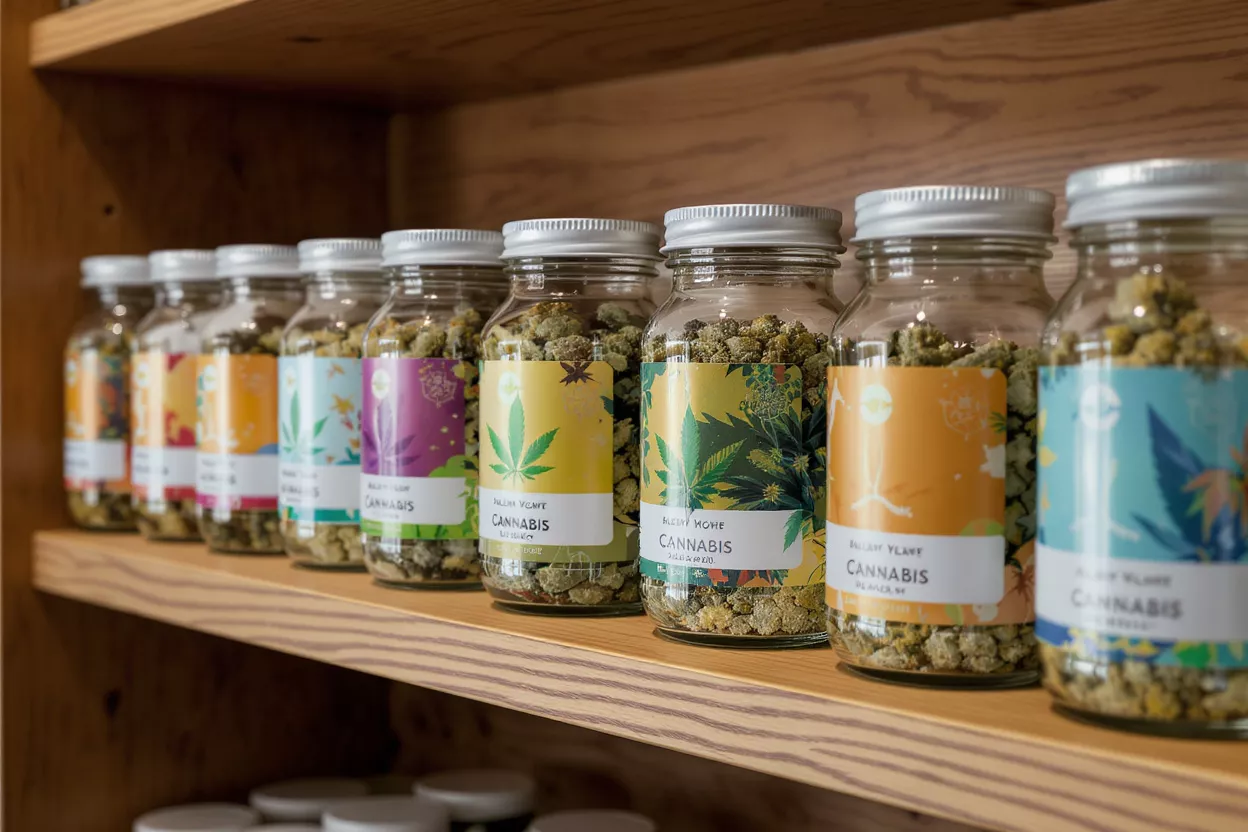
Start with the certificate of analysis. The single most reliable way to find humulene-rich cannabis is to read the lab-tested terpene panel rather than relying on strain names or marketing copy. A good COA breaks down each terpene by percentage, letting you compare products directly and confirm that humulene is actually present in meaningful amounts.
Trust your nose as a secondary guide. Earthy, woody, and peppery aromas are strong indicators of humulene and its terpene companions. If a flower smells like sage, cloves, or fresh timber rather than candy or citrus, there is a reasonable chance humulene is part of its profile. Pairing that sensory check with lab data gives you the clearest picture.
A quick checklist before you buy:
- 📋 Check the COA: Confirm humulene appears on the terpene panel.
- 👃 Smell first: Look for earthy, spicy, herbal aromas.
- 🌿 Favor full-spectrum: Whole-plant products preserve the entourage effect.
- 🏷️ Buy from transparent producers: Choose brands that publish detailed testing.
Humulene may not get the spotlight that THC or CBD commands, but it is a quietly influential part of what makes cannabis smell, taste, and feel the way it does. From its earthy hop-derived aroma to its researched anti-inflammatory and appetite-related properties, this sesquiterpene rewards the curious consumer. By reading lab results, trusting your senses, and favoring full-spectrum products, you can seek out the grounded, herbal character humulene brings — and appreciate the deeper chemistry behind every well-grown strain.




Comments