

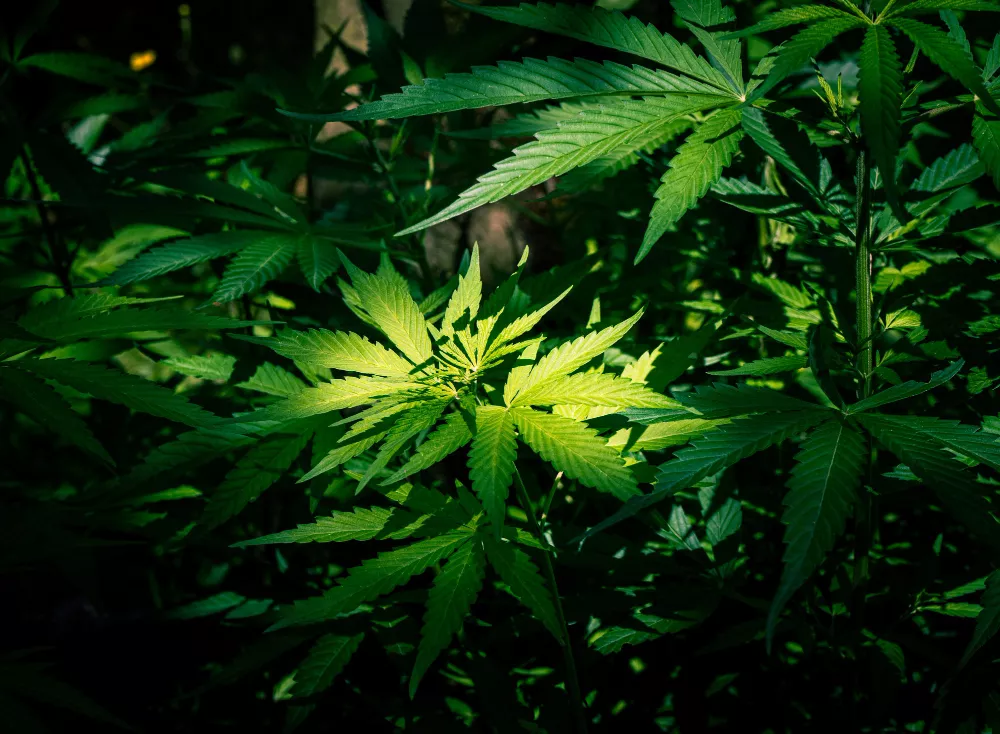
Indoor
Master indoor cannabis cultivation with expert tips on lighting, humidity, and nutrients.
What Is Indoor Cannabis Cultivation
Indoor cannabis cultivation is the practice of growing plants entirely within an enclosed, controlled environment rather than relying on natural sunlight and outdoor weather. Instead of waiting on the seasons, the grower becomes the architect of every variable the plant experiences — light intensity, photoperiod, temperature, humidity, airflow, and nutrient delivery. This level of command is the defining feature that separates indoor growing from every other method, and it is why connoisseur-grade flower so often carries an indoor designation.
The concept took hold as prohibition pushed cultivation behind closed doors, but it has since matured into a refined science. Modern indoor operations range from a single tent in a closet to vast warehouse facilities running thousands of plants under banks of high-efficiency fixtures. What unites them is a shared philosophy: by removing the unpredictability of the outdoors, the grower can dial in conditions that coax out the fullest expression of a plant's genetic potential.
At its heart, indoor cultivation is about replication and refinement. A skilled grower studies how a particular cultivar responds, records the inputs, and reproduces success harvest after harvest. That consistency is nearly impossible to guarantee under an open sky, where a single storm or heat wave can undo months of work.
How Indoor Growing Works Step by Step
Indoor growing follows a deliberate sequence that mirrors the plant's natural life stages, but every stage is engineered rather than left to chance. The process begins with germination and an extended vegetative phase under long daily light periods, then transitions into flowering when the grower shortens the light cycle to trigger bud development. Because nothing is left to the season, a single room can produce multiple harvests per year.
Manipulating the photoperiod is the lever that controls the entire timeline. During the vegetative stage, plants typically receive 18 hours of light, encouraging vigorous leaf and stem growth. Flipping to a 12-hour cycle signals the onset of flowering, prompting the plant to redirect its energy into producing dense, resinous buds.
Closing the environmental loop is what makes the rest possible. Sealed rooms with active climate control, carbon filtration, and supplemental CO₂ let the grower hold conditions steady around the clock. Sensors track temperature and humidity in real time, and automated systems adjust fans, dehumidifiers, and irrigation so the plants never drift outside their ideal range.
Indoor vs Outdoor Cannabis: Key Differences
The debate between indoor and outdoor cultivation comes down to a trade-off between control and cost. Outdoor growing leans on free sunlight and natural ecosystems, producing large yields at minimal expense but surrendering precision to the weather. Indoor growing flips that equation, demanding significant energy and equipment investment in exchange for total command over the final product.
Understanding where each method excels helps explain why premium dispensary shelves are dominated by indoor flower while value-priced product often comes from the field. The differences show up in appearance, potency consistency, and the grower's ability to fine-tune the terpene profile.
- 💡 Environmental control: Indoor offers complete command of light, climate, and airflow; outdoor is at the mercy of the seasons and daily weather swings.
- 🌱 Yield and cost: Outdoor produces larger plants for far less money, while indoor trades higher operating costs for premium quality.
- ✨ Appearance: Indoor flower tends to be denser, frostier, and more visually uniform thanks to stable conditions.
- 🔁 Harvest frequency: Indoor rooms can run several cycles a year; outdoor is generally limited to a single seasonal harvest.
Neither approach is universally superior. A craft grower chasing show-stopping flower will choose indoor every time, while a producer focused on extract feedstock or sheer volume may find outdoor the smarter economic play.
Best Lighting for Indoor Grows
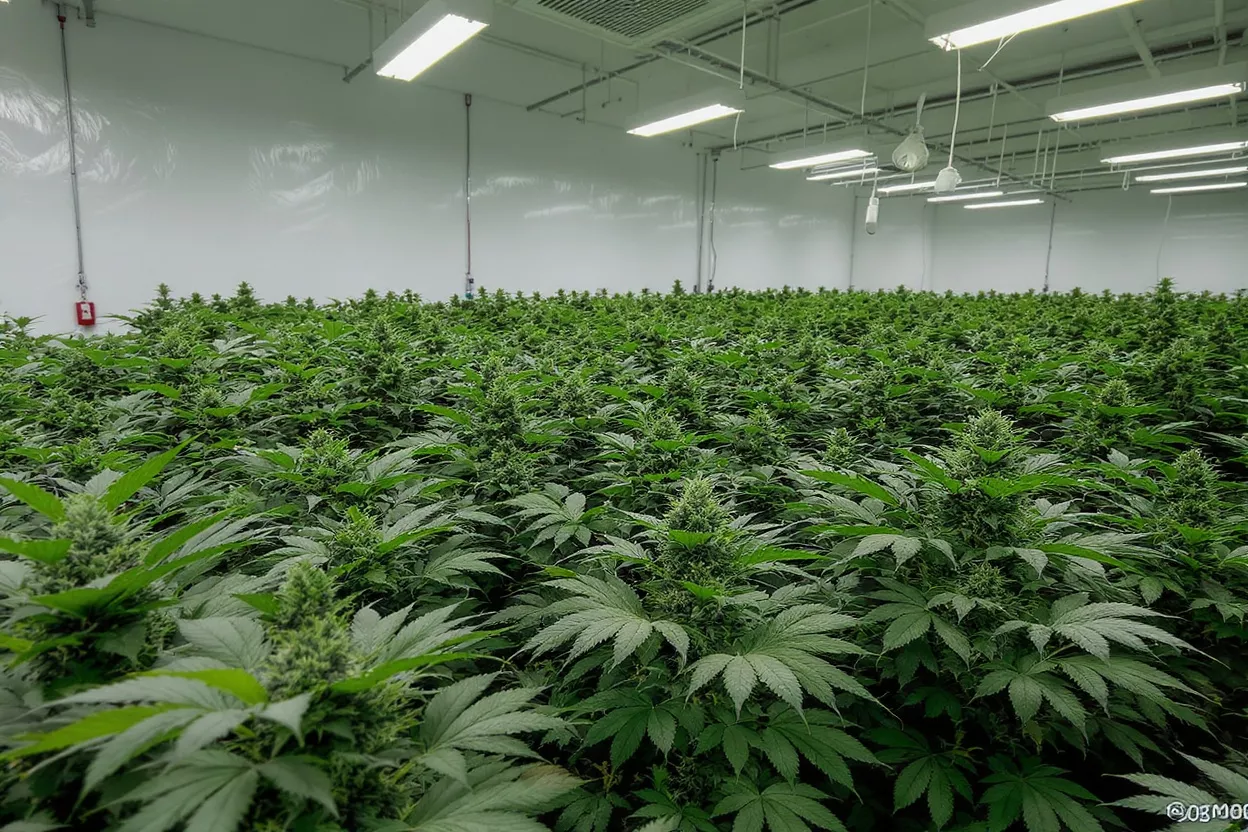
Light is the engine of an indoor grow, and choosing the right system is the single most consequential decision a cultivator makes. Because the artificial source must replicate the sun entirely, both intensity and spectrum matter. The market has shifted dramatically over the past decade, with energy-efficient LED arrays steadily displacing the traditional high-intensity discharge fixtures that once defined serious growing.
LED versus HID lighting is the central question for new growers. LEDs run cooler, sip less electricity, and last for years, but carry a higher upfront price. High-intensity discharge lights — including metal halide and high-pressure sodium — remain prized for their raw penetrating power and the dense flower they produce, at the expense of significant heat output that strains the room's cooling.
Spectrum tuning lets advanced growers steer plant behavior. Bluer light favors compact, bushy vegetative growth, while a warmer red-shifted spectrum encourages robust flowering. Many modern fixtures allow the spectrum to be adjusted on the fly, giving the cultivator one more dial to optimize each phase of the plant's life.
- 🔆 LED panels: High efficiency, low heat, long lifespan, and tunable spectrum — the modern default for most growers.
- 🟠 HPS (high-pressure sodium): Heavy red output favored for flowering, with strong penetration but high heat.
- 🔵 Metal halide: Cooler blue spectrum well suited to vigorous vegetative growth.
- ⚡ CMH (ceramic metal halide): A balanced full-spectrum option that splits the difference between LED and traditional HID.
Indoor Temperature and Humidity Control
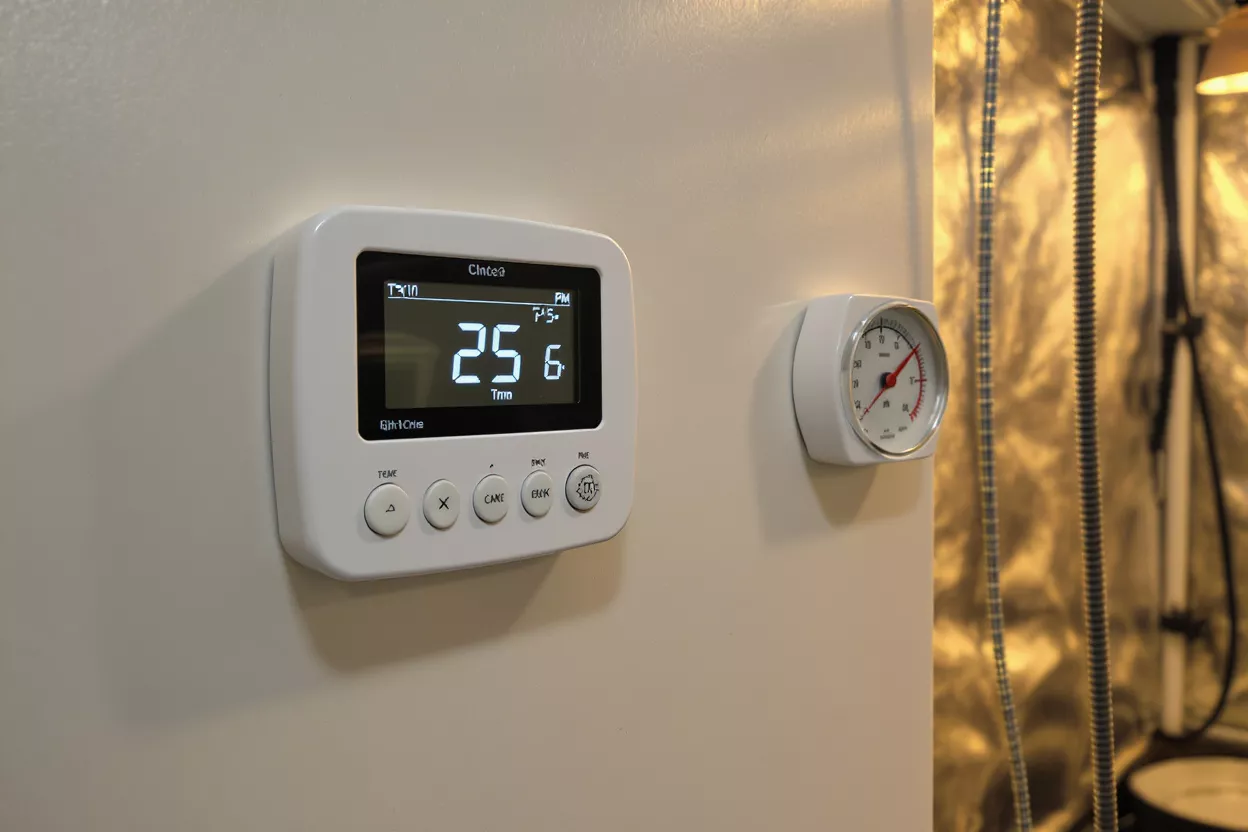
Beyond light, the air itself must be managed with care, because temperature and humidity govern how efficiently a plant breathes, drinks, and resists disease. Indoor growers think in terms of vapor pressure deficit — the relationship between heat and moisture that determines how readily a plant transpires. Hitting the sweet spot keeps growth brisk and stress low.
As a general rule, plants prefer temperatures in the low-to-mid seventies Fahrenheit with the lights on, and humidity that starts high during the seedling stage and tapers as the plant matures. During flowering, drier air becomes essential to ward off bud rot and mold that can ruin a harvest in days.
Why airflow matters is often underestimated by beginners. Gentle, constant air movement strengthens stems, deters pests, and prevents the stagnant pockets of humidity where pathogens thrive. Pairing oscillating fans with proper exhaust ensures every plant receives fresh, CO₂-rich air and that excess heat and moisture are continuously carried away.
Indoor Growing Mediums and Nutrients
The medium a plant's roots live in shapes how it feeds and how forgiving the grow will be. Indoor cultivators choose among soil, soilless mixes like coco coir, and fully hydroponics systems where roots sit in nutrient-rich water. Each option trades simplicity for control, and the right pick depends on the grower's experience and goals.
Soil versus hydroponics is the classic fork in the road. Living soil rewards a hands-off approach and tends to buffer mistakes, making it ideal for beginners and growers chasing nuanced flavor. Hydroponic setups deliver nutrients directly to the roots for faster growth and bigger yields, but they punish neglect — a clogged pump or a pH swing can spiral quickly.
Whatever the medium, nutrient management revolves around the major elements nitrogen, phosphorus, and potassium, balanced against careful monitoring of pH. When the root zone drifts too acidic or alkaline, plants lose the ability to absorb nutrients even when those nutrients are present, producing deficiencies that confuse new growers.
Benefits of Indoor Grown Cannabis
The reputation of indoor flower as a premium product is earned, not marketing. When a grower can hold every variable steady, the plant expresses its genetics fully — translating into tighter bud structure, brighter color, a heavier coat of trichomes, and a more pronounced aroma. These traits are not just cosmetic; they reflect the careful conditions the plant was raised under.
Consistency batch after batch is the benefit that matters most to serious consumers and dispensaries alike. Because the environment never changes, an indoor grower can reproduce the same potency, flavor, and effect harvest after harvest. That reliability is what allows a brand to build trust around a specific strain.
Indoor cultivation also dramatically reduces exposure to the contaminants that plague outdoor crops. Sealed rooms keep out airborne pests, wild pollen, and environmental pollutants, and the controlled setting makes integrated pest management far easier to enforce. The result is cleaner flower that more readily passes the rigorous lab testing required in regulated markets.
- 💎 Premium appearance: Dense, frosty, vibrant buds that command top-shelf pricing.
- 🎯 Repeatable quality: Identical conditions yield consistent potency and terpene profiles every cycle.
- 🛡️ Cleaner product: Sealed environments limit pests, mold, and environmental contamination.
- 📅 Year-round harvests: Production never pauses for winter or bad weather.
Common Indoor Growing Mistakes to Avoid
Most indoor failures trace back to a handful of avoidable errors rather than bad luck. Because the grower controls everything, every problem is ultimately a problem the grower can fix — but only once they learn to read the warning signs. Recognizing these pitfalls early is what separates a frustrating first attempt from a rewarding one.
Overwatering and overfeeding top the list by a wide margin. Eager growers assume more water and more nutrients mean faster growth, when in reality drowned roots and nutrient burn stunt the plant and invite root disease. The healthiest grows come from restraint — letting the medium dry appropriately and feeding at conservative concentrations.
Ignoring environmental drift is the second great trap. A room that holds perfect conditions during the day can swing wildly at night when lights and equipment cycle off. Without monitoring, humidity can spike, temperatures can crash, and mold can take hold before the grower ever notices. Cheap sensors and a simple logging habit prevent most of these surprises.
Finally, crowding too many plants into too small a space sabotages airflow and light penetration alike. Generous spacing and disciplined pruning ensure light reaches lower bud sites and air circulates freely, rewarding patience with a fuller, healthier canopy.
Indoor Grow Room Setup Guide
Building a functional indoor space is less about budget and more about getting the fundamentals right in the correct order. A workable grow room can be assembled in a closet or a spare bedroom, scaled to the number of plants and the grower's ambitions. The goal is a sealed, reflective, well-ventilated box where every input can be controlled.
Start with the enclosure and work outward to the systems that support it. A reflective tent or painted room maximizes light efficiency, while a properly sized exhaust fan and carbon filter manage heat, humidity, and odor. From there, the lighting, irrigation, and monitoring equipment fill in to complete the controlled environment.
Sizing the components together is the secret to a smooth-running room. A light that overpowers a small tent will cook the plants, while an undersized fan leaves heat and moisture nowhere to go. Matching the wattage of the lights to the footprint, and the fan's airflow rating to the room's volume, keeps the whole system in balance from day one.
As a starting checklist, a complete first setup generally includes the enclosure, lighting, ventilation, a means of climate control, the growing medium and containers, and instruments to measure what is happening inside. Add automation gradually once the basics are dialed in.
Is Indoor Cannabis Worth the Cost
For all its advantages, indoor cultivation carries a real price tag in equipment, electricity, and attention, which raises the fair question of whether it is worth the investment. The honest answer depends entirely on the grower's priorities — what they value in the final product and how much time and money they are prepared to commit.
For the connoisseur who prizes flawless flower, repeatable results, and the satisfaction of mastering every variable, indoor is unquestionably worth it. The control it offers simply cannot be matched outdoors, and the premium that indoor flower commands reflects genuine differences in quality rather than hype. For high-volume or extract-focused operations, the calculus may favor outdoor or greenhouse hybrids that capture some control while leaning on free sunlight.
Ultimately, indoor growing represents the most precise expression of the cultivator's craft. It transforms cultivation from a seasonal gamble into a repeatable discipline, rewarding knowledge and diligence with consistently exceptional results. Whether you are tending a single tent or planning a commercial room, mastering the indoor fundamentals covered here — light, climate, medium, and airflow — is the surest path to flower you can be proud of harvest after harvest.

Comments