

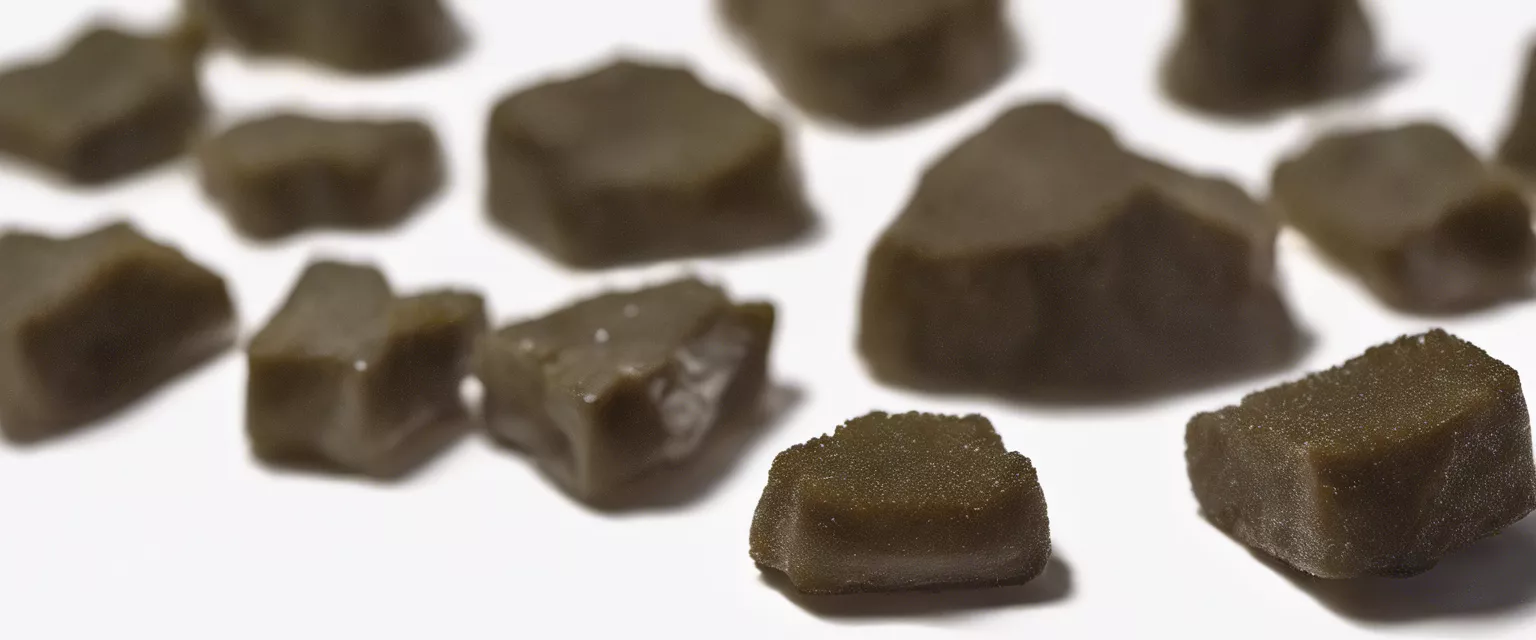
Jelly hash
Discover jelly hash, a malleable, terpene-rich cannabis concentrate blending hash oil with kief.
Jelly Hash
Jelly hash represents a premium cannabis concentrate combining hash oil with traditional hash or kief, creating a malleable, terpene-rich product that delivers the potency of modern extracts with the full-spectrum effects of classic hashish. This unique consistency, resembling fruit jelly or jam, results from the interaction between decarboxylated hash oil and powdered trichome heads, producing a texture that's both user-friendly and exceptionally flavorful. Originating in European cannabis circles before spreading globally, jelly hash bridges old-world hash traditions with new-world extraction technology, appealing to connoisseurs seeking complexity beyond simple high-THC extracts.
The production of jelly hash requires masterful understanding of both traditional hash-making and modern extraction techniques, as producers must balance oil viscosity, trichome quality, and mixture ratios to achieve the characteristic jelly-like consistency. Unlike shatter or wax that prioritize purity and potency, jelly hash celebrates the entourage effect by preserving the complete spectrum of cannabinoids, terpenes, and other compounds present in both components. This full-spectrum approach often results in more nuanced effects and richer flavor profiles than single-extraction concentrates.
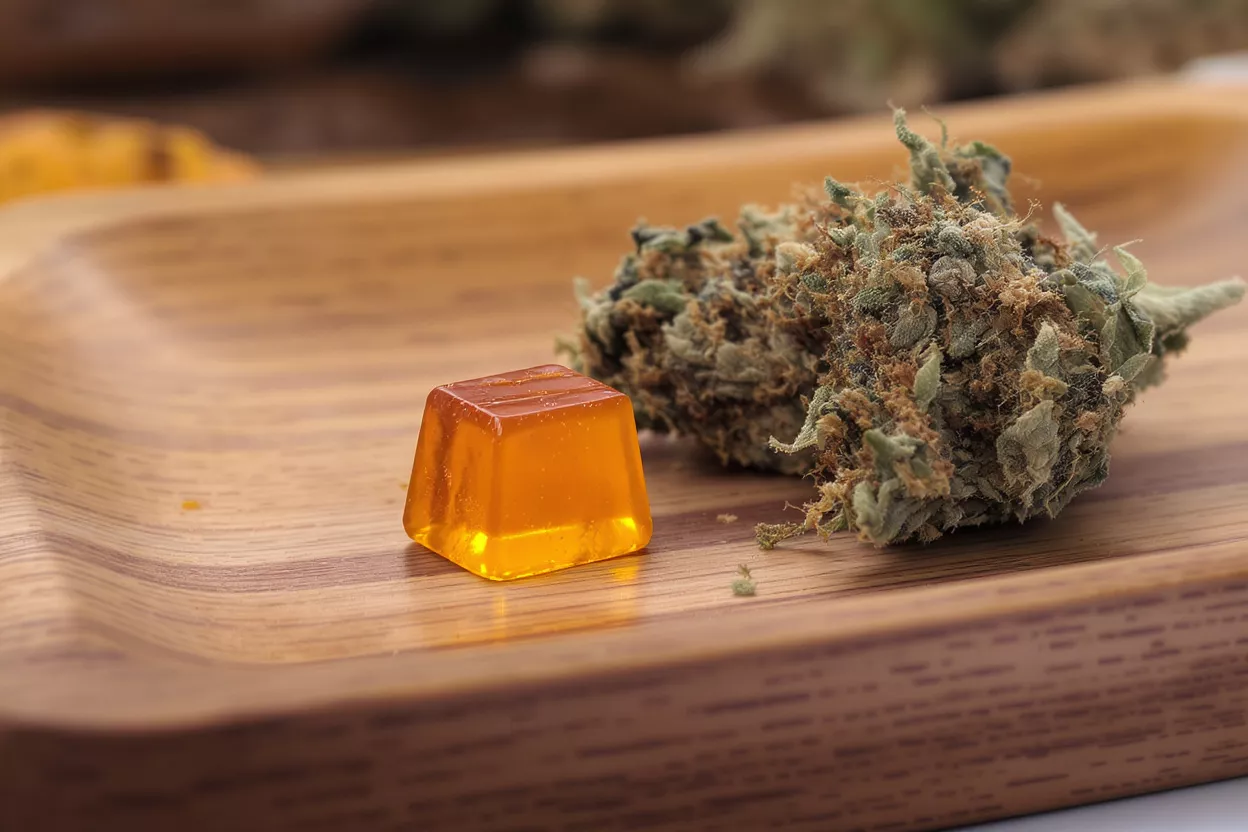
Commercial interest in jelly hash reflects growing consumer sophistication and desire for artisanal cannabis products that offer unique experiences beyond maximum THC content. Understanding jelly hash requires examining its production methods, chemical composition, consumption techniques, and position within the broader concentrate market, revealing why this traditional-meets-modern product continues gaining popularity among discerning cannabis enthusiasts worldwide.
Production Techniques
Traditional production methods for jelly hash evolved from European hash culture where producers discovered mixing hash oil with dry sift created superior textures and effects. Initial techniques involved warming high-quality dry sift or bubble hash while gradually incorporating hash oil or rosin, hand-mixing until achieving uniform consistency. Temperature control remains critical with gentle heating around 100-120°F preventing terpene loss while ensuring proper amalgamation. Ratios typically range from 1:1 to 1:3 oil to hash depending on desired consistency and starting material quality. Curing processes lasting days to weeks allow components to fully integrate developing complex flavor profiles. Traditional producers often guard specific techniques passing knowledge through apprenticeships. Manual mixing creates variations adding artisanal character to each batch. Small-batch production emphasizes quality over quantity maintaining craft heritage. Regional variations reflect local hash-making traditions and available cultivars. These time-honored methods produce jelly hash with unmatched complexity and character.
Modern manufacturing approaches to jelly hash incorporate precision equipment and standardized processes ensuring consistency while maintaining quality. Closed-loop extraction systems produce the oil component using butane, propane, or CO2 achieving specific consistencies. Mechanical mixing equipment ensures homogeneous distribution eliminating hot spots of concentrated oil. Temperature-controlled environments maintain optimal conditions throughout production preventing degradation. Vacuum ovens remove residual solvents while preserving terpenes through low-temperature purging. Automated dosing systems ensure precise ratios between components for reproducible results. Quality control testing at multiple stages verifies potency and purity standards. Scale considerations require modified techniques maintaining quality at commercial volumes. Packaging innovations preserve jelly consistency during storage and transport. Standard operating procedures document exact parameters ensuring batch-to-batch consistency. These modern approaches balance efficiency with quality preservation meeting market demands.
Starting material quality fundamentally determines jelly hash characteristics with both components requiring exceptional standards. Hash selection favors full-melt varieties with high trichome purity typically 70%+ heads content. Micron-specific bubble hash provides consistency using 73-120μ screens for optimal quality. Dry sift requires multiple screening passes achieving pure trichome heads without contamination. Oil components demand clean extraction from premium flower avoiding trim-run products. Live resin or fresh-frozen extractions preserve monoterpenes enhancing final flavors. Strain selection considers terpene profiles that complement when combined. Harvest timing optimizes both trichome maturity and terpene content. Storage conditions before processing maintain material integrity preventing degradation. Testing verifies absence of contaminants that concentrate during processing. Terroir considerations recognize how cultivation methods affect final products. These quality requirements exceed standard concentrate production reflecting premium positioning.
Jelly hash is married together by hand from two components:
- 🌡️ Gently warm the dry sift or bubble hash to 100–120°F
- 🥄 Fold in hash oil at roughly 1:1 to 1:3
- 🤲 Hand-mix until the texture is a uniform jelly
- ⏳ Cure for days to weeks so the components integrate
Chemical Composition
Cannabinoid profiles in jelly hash demonstrate enhanced entourage effects from combining different extraction methods capturing various compounds. Total THC content typically ranges 50-70% lower than pure extracts but with superior effect complexity. CBD, CBG, CBN presence depends on starting materials with full-spectrum retention. THCA decarboxylation varies based on processing temperatures affecting psychoactivity. Minor cannabinoids concentrate differently in oil versus hash components creating unique ratios. Acidic cannabinoids partially preserve in cold-processed versions offering different effects. Degradation products from hash aging contribute to sedative qualities. Synergistic interactions between cannabinoid profiles exceed single-source extracts. Testing reveals complex fingerprints distinguishing quality jelly hash from simple mixtures. Bioavailability may improve through lipid components aiding absorption. These diverse cannabinoid profiles create nuanced effects appealing to experienced consumers.
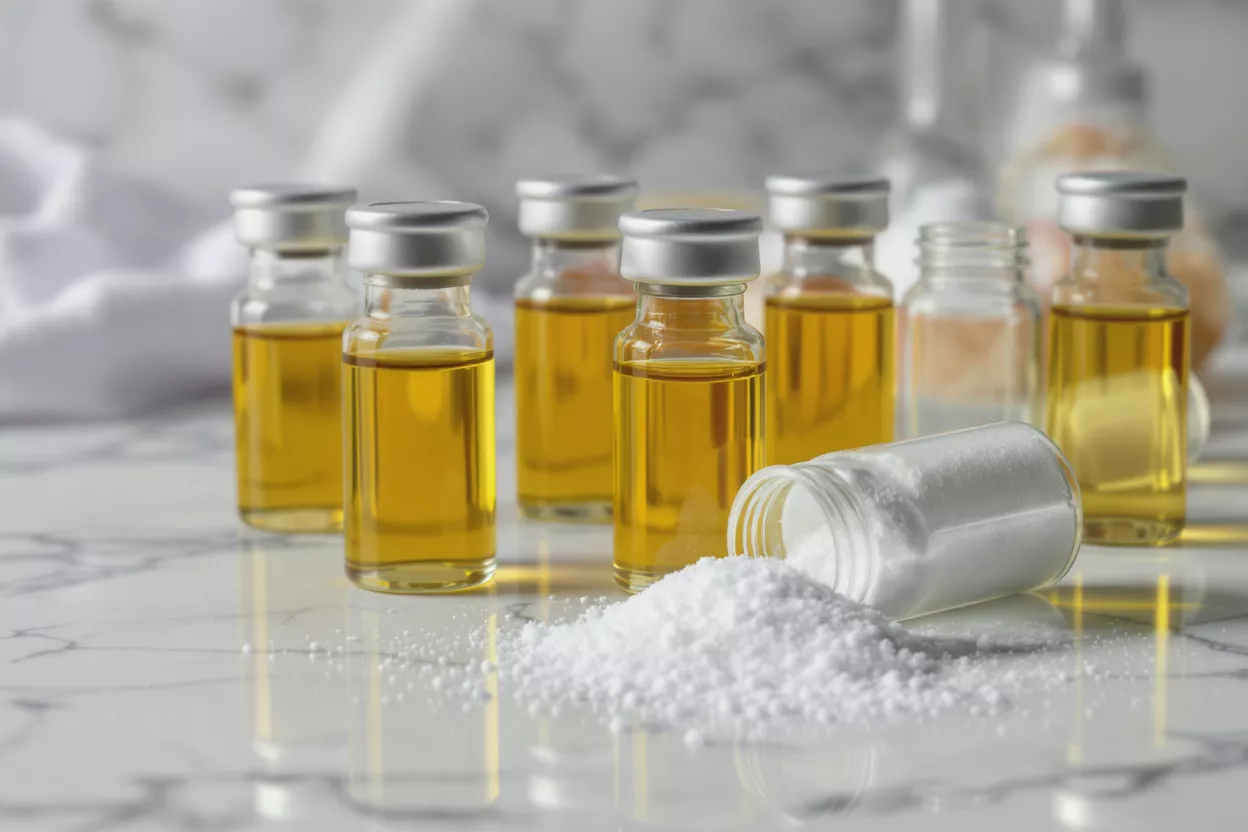
Terpene preservation in jelly hash exceeds many modern concentrates through gentle processing and complementary extraction methods. Monoterpenes from oil components include limonene, pinene, myrcene providing top notes. Sesquiterpenes like caryophyllene and humulene from hash contribute deeper base notes. Temperature control throughout production minimizes volatile terpene loss maintaining profiles. Curing processes allow terpene migration creating integrated flavor experiences. Oxidation products from aged hash add complexity reminiscent of fine wine. Strain-specific terpene signatures remain identifiable in quality products. Total terpene content often reaches 5-10% significantly enhancing effects. Terpene degradation produces novel compounds through chemical interactions. Storage conditions critically affect terpene retention over time. Analytical testing reveals dozens of aromatic compounds creating complex bouquets. These rich terpene profiles distinguish jelly hash from high-THC focused concentrates.
Physical and chemical interactions between oil and hash components create jelly hash's unique properties beyond simple mixing. Lipophilic compounds in oil dissolve waxy trichome membranes creating smooth textures. Decarboxylated cannabinoids act as solvents integrating powdered trichomes. Temperature-dependent viscosity changes enable working consistency manipulation. Molecular entanglement between long-chain compounds provides structural integrity. Crystallization inhibition from mixed matrices maintains stable consistency. Oxidation rates differ between components creating evolving profiles. pH interactions may affect cannabinoid stability requiring consideration. Water activity remains low preventing microbial growth while maintaining malleability. Glass transition temperatures determine storage requirements. Surface chemistry affects handling properties and consumption methods. These complex interactions require understanding for consistent production and optimal storage.
Consumption Methods
Traditional consumption techniques for jelly hash honor hashish culture while adapting to the unique consistency. Hot knife methods vaporize small portions between heated metal surfaces producing intense effects. Bottle tokes use pin-and-glass techniques popular in hash circles modified for jelly consistency. Hand-rolled snake additions to joints or spliffs distribute evenly unlike harder hashes. Bowl topping provides enhanced potency while maintaining flower smoking rituals. Hash pipes with screens accommodate jelly consistency better than oil-focused designs. Hookah or water pipe mixing with shisha creates social consumption experiences. Chillum use requires specific packing techniques preventing liquefaction. Traditional consumption often emphasizes ritual and social aspects beyond mere intoxication. Regional preferences reflect local hash culture traditions. Portion control challenges exist with potent, malleable consistency requiring experience. These traditional methods connect modern products to historical consumption patterns.
Modern vaporization and dabbing approaches optimize jelly hash consumption for flavor and efficiency. Low-temperature dabbing around 450-550°F preserves terpene profiles while fully vaporizing. E-nail systems maintain consistent temperatures ideal for jelly consistency. Portable concentrate vaporizers require specific loading techniques preventing overflow. Cold-start dabbing places jelly hash before heating preserving maximum flavor. Terp pearls and directional caps optimize vaporization of thicker consistencies. Cleaning requirements increase due to residue from mixed concentrate types. Temperature stepping reveals different flavor notes throughout sessions. Micro-dosing becomes practical with precise temperature control. Water filtration cooling enhances smoothness of dense vapor. Reclaim collection captures valuable residuals for reprocessing. These modern techniques maximize jelly hash's complex profiles through precise control.
Creative applications for jelly hash extend beyond traditional smoking into culinary and topical uses. Decarboxylated versions readily incorporate into edibles providing full-spectrum effects. Infusion into cooking oils or butter creates versatile culinary ingredients. Topical preparations utilize jelly consistency for easy spreading and absorption. Suppository formulations leverage bioavailability for medical applications. Tincture production dissolves jelly hash in alcohol creating sublingual products. Capsule filling provides precise dosing for consistent effects. Moon rock creation uses jelly hash as adhesive and potency enhancer. Beverage infusions require emulsification overcoming hydrophobic properties. Aromatherapy applications utilize terpene-rich vapor for non-intoxicating benefits. Combination with other concentrates creates custom effect profiles. These diverse applications demonstrate jelly hash versatility beyond traditional consumption.
Its malleable consistency suits both old-world and modern methods:

- 🔪 Hot-knife hits between heated surfaces
- 🍾 Bottle tokes, as in classic hash circles
- 🐍 Rolled into a joint as a snake
- 🔥 Low-temp dabbing (450–550°F) for flavor
Market Position
Premium positioning of jelly hash reflects artisanal production methods and superior starting materials commanding higher prices. Retail pricing typically exceeds standard concentrates by 20-50% justified by complexity and craftsmanship. Limited batch sizes create scarcity driving collector interest and premium valuations. Connoisseur markets appreciate nuanced effects over maximum potency metrics. European influence adds cache appealing to sophisticated consumers. Dispensary placement in top-tier sections alongside other premium concentrates. Budtender education requirements exceed standard products due to uniqueness. Gift market potential for special occasions given presentation and quality. Tourism appeal in legal markets seeking unique regional products. Medical markets value full-spectrum effects for complex conditions. Competition remains limited due to production expertise requirements maintaining margins. These positioning factors establish jelly hash as luxury cannabis product.
Quality indicators for jelly hash help consumers identify authentic, well-made products versus inferior imitations. Color variations from golden to dark amber indicate starting material quality and processing. Consistency should remain stable at room temperature without separation or oil pooling. Aroma complexity revealing both hash and oil components suggests proper integration. Clarity absence distinguishes from simple oil-hash mixtures lacking integration. Handling properties allowing manipulation without sticking indicates correct ratios. Melting characteristics showing clean vaporization without excessive residue. Laboratory testing verifying potency claims and contaminant absence. Packaging quality protecting product integrity during storage and transport. Producer reputation and transparency about methods and materials. Price points reflecting quality inputs and artisanal production. These indicators guide educated purchasing decisions in unregulated markets.
Future market evolution for jelly hash suggests growth potential as consumers seek unique experiences beyond commoditized concentrates. Craft cannabis movements embrace traditional techniques with modern twists. International trade could introduce authentic European jelly hash to new markets. Appellation systems might protect regional production methods and names. Innovation in consistency and flavor through new mixing techniques. Pharmaceutical interest in full-spectrum delivery methods for entourage effects. Sustainability focus on solventless versions using rosin instead of BHO. Genetic development optimizing strains for jelly hash production characteristics. Automated production balancing craft quality with commercial scale. Education initiatives teaching appreciation for complexity over potency. Regulatory frameworks adapting to recognize traditional concentrate categories. These developments position jelly hash for expanded market presence as cannabis sophistication grows.



Comments