


KD
Discover how KD (Kushman's Dark) supercharges flowering cannabis.
What Is KD in Cannabis Cultivation
KD, short for Kushman's Dark, is a proprietary liquid nutrient line built to push cannabinoid and terpene production to its genetic ceiling during the flowering stage. Unlike general-purpose plant foods that simply keep a crop alive, KD is formulated around a single goal: feeding the metabolic pathways that generate resin, aroma, and potency. For growers chasing dense, fragrant flower, this kind of targeted nutrition has become a serious point of interest.
The "Dark" in the name nods to the philosophy behind the formula. Many of the compounds that drive secondary metabolite production are best supported when light, feeding, and environmental stress are carefully balanced rather than maxed out blindly. KD positions itself as a finishing-focused system, meaning it earns its keep in the back half of the grow cycle when buds are bulking and trichomes are stacking.
Where KD fits among other nutrients: Most feeding programs are built around a base of nitrogen, phosphorus, and potassium, supplemented with calcium, magnesium, and micronutrients. KD is not a replacement for that backbone. Instead, it operates as a specialized layer that complements a complete base feed, sharpening the qualities that ultimately determine whether a harvest is mediocre or memorable. Understanding that distinction is the foundation for using it well.
How KD Nutrients Work During Flowering
The flowering stage is when a cannabis plant shifts its energy from vegetative growth toward reproduction, and that shift triggers a cascade of biochemical activity. Trichome heads begin secreting cannabinoids and terpenes, and the raw materials for those compounds come directly from how the plant is fed. KD targets this window deliberately.
Carbohydrate and sugar support: Resin production is energy-intensive. KD supplies readily usable carbohydrates that feed beneficial microbes in the root zone and give the plant accessible fuel, freeing it to redirect its own photosynthetic energy toward building cannabinoids rather than scrambling for baseline metabolic needs. This is one reason finishing supplements often emphasize sugars and complex organics.
Beyond carbohydrates, the formula leans on phosphorus and potassium ratios calibrated for bloom. Phosphorus drives flower-site development and energy transfer, while potassium governs water regulation, enzyme activation, and the transport of sugars throughout the plant. When those two elements are dialed in, buds swell denser and the trichome layer becomes more uniform.
Stress-driven metabolite boosting: A subtle part of how KD works involves nudging the plant toward its natural defensive responses. Many terpenes evolved as protective compounds, so mild, controlled signals during late flower can encourage richer aromatic profiles. KD is designed to support this without tipping the plant into genuine stress that would stall growth or burn leaves. 🌿
What Is in the KD Nutrient Line
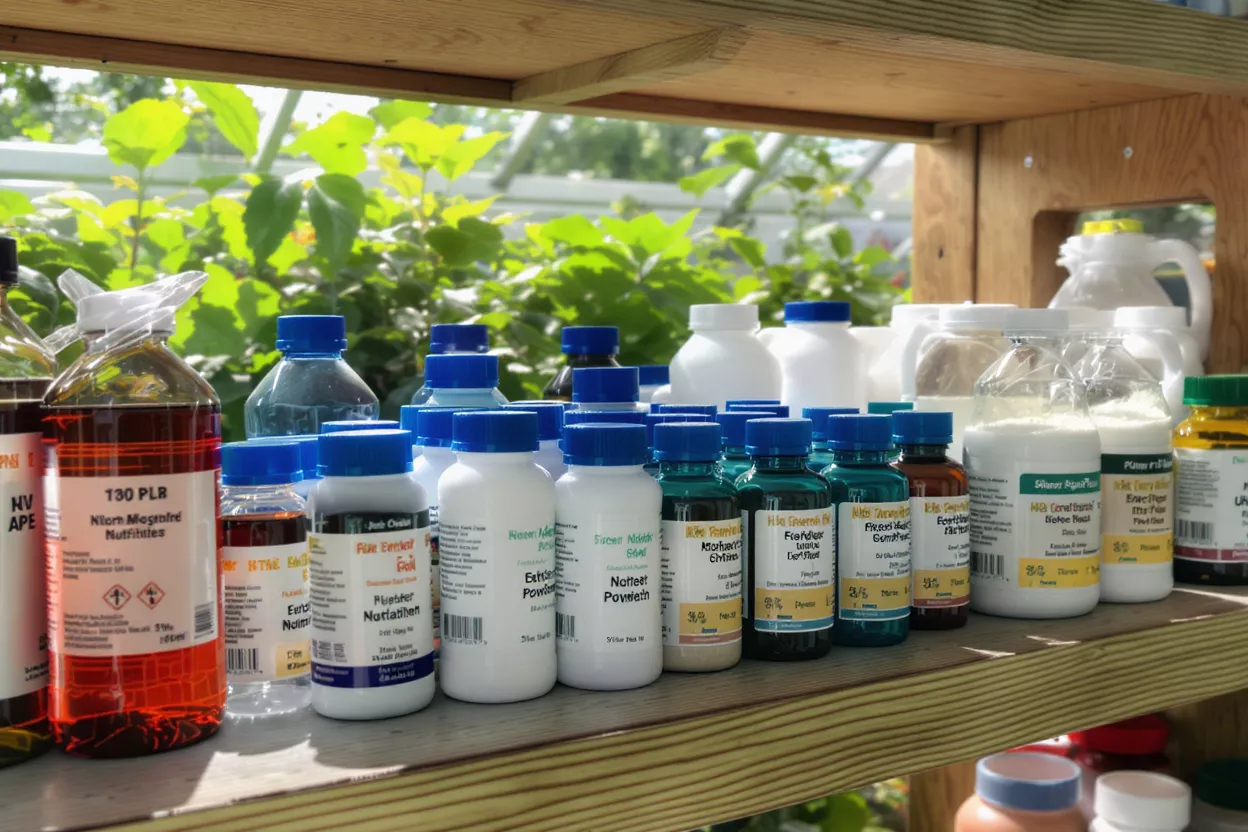
A complete KD program is more than a single bottle. It is a coordinated set of products, each addressing a specific phase or function within the bloom cycle. Knowing what each component does prevents the common mistake of treating every bottle as interchangeable.
The core lineup typically breaks down into a base bloom nutrient, a carbohydrate and sugar supplement, a finishing or ripening formula, and a microbial or root-zone booster. Used together, they form a closed loop where each product reinforces the others rather than competing for uptake.
- 🌱 Base bloom feed: Delivers the foundational phosphorus and potassium that flower sites depend on, anchoring the entire program.
- 🍯 Carbohydrate supplement: Provides sugars and complex carbon to fuel microbial life and free the plant's energy for resin synthesis.
- ✨ Finishing formula: Applied in the final weeks to sharpen terpene expression and encourage trichome density before harvest.
- 🦠 Microbial booster: Strengthens the root zone with beneficial organisms that improve nutrient availability and uptake efficiency.
The strength of the system lies in coordination. A finishing formula on its own cannot compensate for a weak base feed, and a carbohydrate supplement does little if the microbial community in the medium is depleted. Treating KD as an ecosystem rather than a shopping list is what separates good results from great ones.
KD Dosing Guide for Each Grow Stage
Dosing is where most growers either unlock KD's potential or undermine it. The guiding principle is restraint early and precision late. Cannabis is sensitive to overfeeding, and the symptoms of nutrient burn, such as clawed leaf tips and brown margins, can cost you exactly the yield and quality you were chasing.
Early bloom dosing: During the first two to three weeks of flower, plants are still stretching and establishing flower sites. Start KD at roughly half the maximum recommended rate and observe how your specific genetics respond. Conservative early feeding builds a buffer that lets you ramp up confidently later.
Peak bloom dosing: In the middle weeks, when buds are bulking fastest, demand for phosphorus, potassium, and carbohydrates peaks. This is the window to feed at fuller strength, watching runoff pH and PPM to confirm the plant is actually consuming what you give it rather than letting salts accumulate.
As harvest nears, the strategy inverts. Heavy feeding gives way to the finishing formula and, eventually, a clean flush. Tapering nutrients in the final stretch helps the plant translocate stored resources into the flowers and reduces harsh residual minerals in the smoke.
- 📉 Weeks 1–3: Half-strength base feed, introduce carbohydrate supplement lightly, monitor for any sign of sensitivity.
- 📈 Weeks 4–6: Ramp to full strength, layer in microbial support, feed carbohydrates consistently.
- 🎯 Weeks 7–8: Shift to finishing formula, reduce base nutrients, prepare for flush.
- 💧 Final 7–10 days: Plain pH-balanced water to clear residual salts before harvest.
KD Benefits for Cannabinoids and Terpenes
The entire reason a specialized line like KD exists is to influence the compounds that define a strain's character. Yield matters, but a heavy harvest of bland, low-resin flower satisfies no one. KD's benefits cluster around quality metrics that growers and consumers actually notice.
Stronger terpene expression: Terpenes are responsible for the aroma and flavor that make one cultivar distinct from another, and they also shape the entourage effect alongside cannabinoids. By supporting the plant's metabolic pathways during peak resin production, KD aims to amplify the natural terpene profile a strain is genetically capable of expressing.
Higher cannabinoid potential: A plant with abundant energy and balanced nutrition can devote more resources to producing THC, CBD, and minor cannabinoids. KD does not change a plant's genetic ceiling, but it helps growers approach that ceiling more reliably by removing nutritional bottlenecks during the critical resin-building phase.
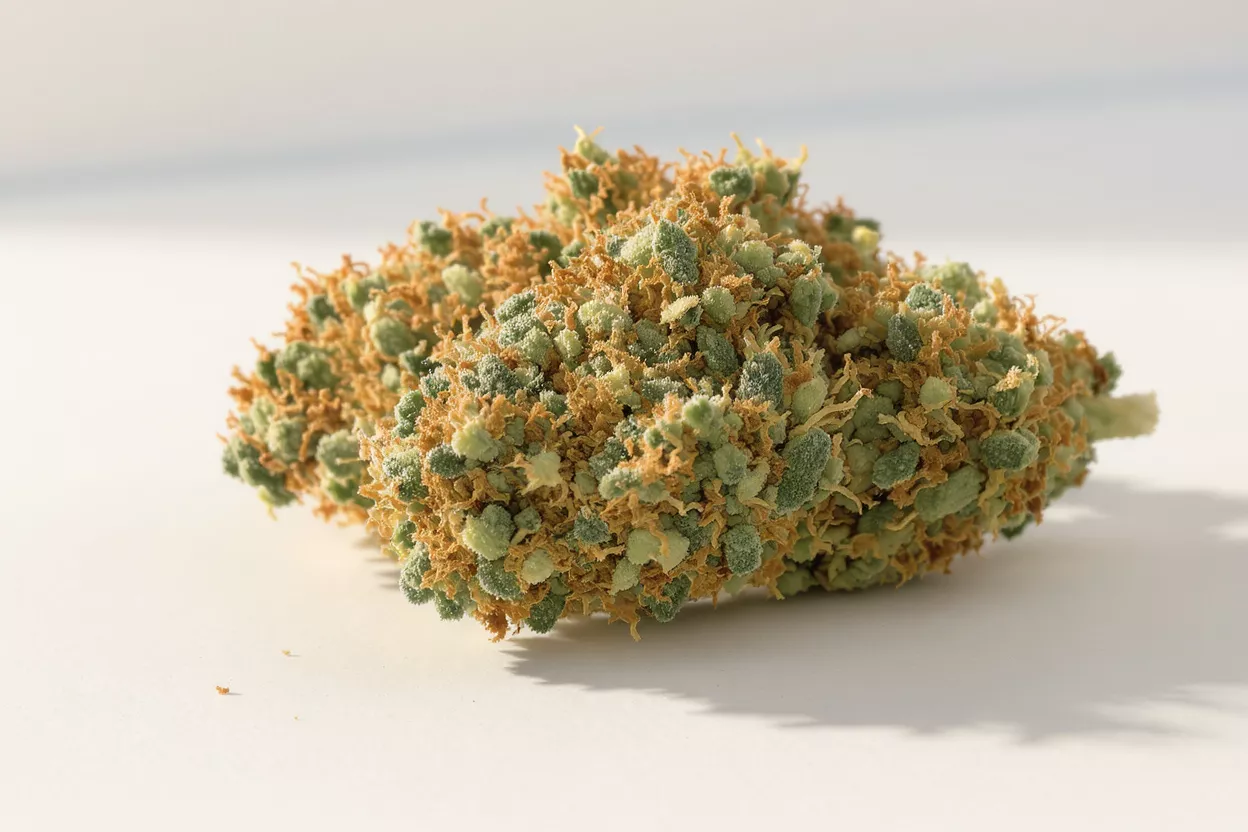
There is also a visual and structural payoff. Properly fed flowers tend to be denser, frostier, and more uniform, which improves both bag appeal and the practical quality of the final cure. These outcomes compound: better structure means better airflow during drying, which protects the very terpenes you worked to build.
How to Mix KD Into a Feeding Schedule
Integrating KD into an existing routine requires a methodical approach rather than dumping every bottle into one reservoir. Order of operations matters because certain concentrated components can react if combined directly before dilution.
Mixing order best practices: Always add products to fully diluted water one at a time, stirring between additions. Begin with base nutrients and silica if you use it, then introduce calcium and magnesium supplements, and add carbohydrate and finishing products toward the end. This sequence minimizes the risk of nutrient lockout caused by elements binding together before the plant can absorb them.
Checking pH after mixing: Adding multiple products shifts the solution's acidity, so always verify and adjust pH as the final step. For most soil systems a target range of 6.2 to 6.8 works well, while hydroponic and coco setups generally prefer 5.5 to 6.2. Skipping this check is one of the fastest ways to sabotage an otherwise excellent feed.
Consistency beats intensity. A reservoir mixed fresh, used within a day or two, and applied on a steady schedule outperforms occasional heavy feeds. Keep a simple log of what you mixed, the resulting PPM and pH, and how the plants responded, and your program will tighten with every cycle.

KD for Soil Versus Hydroponic Systems
KD can perform in nearly any medium, but the way it behaves differs sharply between living soil and inert hydroponic systems. Recognizing those differences lets you adjust dosing and expectations accordingly.
KD in soil and organic media: In soil, the microbial booster and carbohydrate components shine because they feed an existing web of biological life. The medium buffers pH and holds nutrients, which makes feeding more forgiving but also slower to correct if something goes wrong. Soil growers often run KD at slightly lower concentrations because the medium itself contributes nutrition.
KD in hydroponic and coco systems: In hydro and coco, there is little to no buffering, so the plant receives exactly what is in the reservoir, almost immediately. This precision is powerful but unforgiving. PPM and pH must be monitored closely, and reservoirs should be refreshed regularly to prevent the carbohydrate-rich solution from breeding unwanted pathogens in warm conditions.
Neither approach is superior in absolute terms. Soil tends to reward patience with nuanced, complex flavor, while hydro rewards precision with speed and explosive growth. KD adapts to both, provided you match your feeding discipline to the demands of your chosen medium.
Common KD Mistakes and How to Avoid Them
Even a well-designed nutrient line can disappoint if used carelessly. The mistakes that undercut KD are predictable, which means they are also preventable with a little awareness.
The single most frequent error is overfeeding. Growers see a premium product and assume more equals better, then watch their plants develop nutrient burn and leaf claw. KD rewards a measured hand far more than an aggressive one. The second common pitfall is neglecting the root zone, treating the microbial component as optional when it is genuinely foundational to the system's logic.
- ⚠️ Overfeeding too early: Start low and scale up; sensitive genetics show stress quickly when pushed hard during the stretch.
- 🧪 Ignoring pH and PPM: Without regular testing you are feeding blind, and small imbalances compound into lockout over weeks.
- 🗓️ Skipping the flush: Failing to taper and flush leaves harsh residual minerals that degrade flavor and smoothness.
- 🔀 Mixing concentrates directly: Combining products before dilution can cause precipitation and waste expensive nutrients.
Most of these errors trace back to impatience. Cannabis grows on its own timeline, and a finishing program like KD works best when you respect that rhythm. Slow, observant feeding consistently beats reactive corrections made after damage is already visible.
Is KD Safe for Organic Growing
Growers committed to clean, organic cultivation reasonably ask whether a proprietary nutrient line fits their standards. The answer depends on which components you use and how the formula is sourced, so transparency from the manufacturer matters.
Reading the label for organic compatibility: Carbohydrate supplements and microbial boosters often align well with organic principles because they rely on sugars, molasses-derived carbon, and beneficial biology. Mineral-based bloom boosters may be salt-based rather than organic, so growers pursuing a strictly organic harvest should verify each product individually rather than assuming the whole line qualifies.
Safety for the final product: A properly executed flush is the key safeguard for consumer safety, clearing residual salts and ensuring the cured flower tastes clean. When a program is dosed correctly and finished with adequate plain water, the result is flower that is both potent and smooth, with no lingering chemical harshness.
Ultimately, KD can serve organic and conventional growers alike, but the responsibility rests with the cultivator to understand the inputs. Treat any nutrient line as a tool whose safety depends on informed, disciplined application rather than blind trust.
KD Frequently Asked Questions
New users tend to share a handful of practical questions before committing to KD. Addressing them directly removes the guesswork and helps set realistic expectations from the first grow.
Does KD replace my base nutrients? No. KD is a flowering-focused system that complements a complete base feed rather than substituting for the nitrogen, calcium, and micronutrients a plant needs throughout its life. Think of it as the specialist you bring in for the finish, not the foundation.
When should I start using KD? Introduce the bloom-oriented components at the transition into flower, ramp through peak bloom, and shift to finishing products in the final weeks. Starting too late means missing the window where the formula does its most valuable work on resin and terpenes.
In summary, KD is a targeted finishing system that rewards growers who feed with discipline, monitor their root zone, and respect the plant's natural timeline. It will not transform poor genetics into elite flower, but it reliably helps a healthy plant reach the upper edge of its potential for cannabinoids, terpenes, and overall bag appeal. Used thoughtfully alongside a solid base program and a proper flush, KD earns its place in a serious grower's toolkit.





Comments