

Kief
Learn what kief is, how to collect it, and the best ways to use it.
What Is Kief in Cannabis?
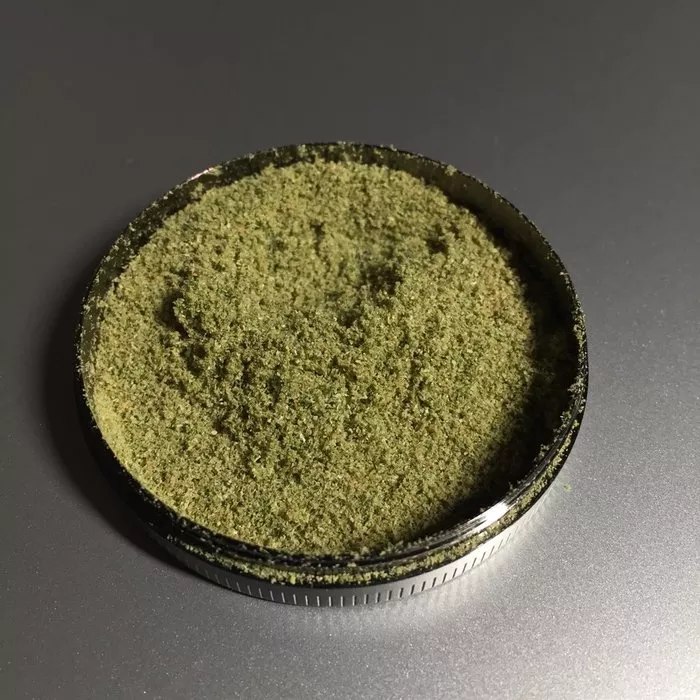
Kief is the fine, powdery accumulation of trichomes that separate from dried cannabis flower as it is handled, ground, or shaken. These trichomes are the tiny, crystalline glands that coat mature buds, and they hold the lion's share of the plant's cannabinoids and terpenes. When you see that glittering dust collecting in the bottom chamber of your grinder, you are looking at one of the most concentrated forms of cannabis available without any chemical processing whatsoever.
The word "kief" comes from the Arabic term kayf, loosely meaning pleasure or well-being, a nod to the substance's long history across North Africa and the Middle East. Because kief is essentially the plant's resin glands stripped away from the leafy plant matter, it delivers a far more intense experience than the same weight of flower. A spoonful of flower is mostly fiber and chlorophyll; a spoonful of kief is almost pure trichome.
Understanding kief matters because it sits at the foundation of nearly every traditional cannabis concentrate. Long before butane extraction or CO2 systems existed, people pressed and refined kief into hashish. For the modern consumer, kief represents an accessible, solventless way to boost potency using material that would otherwise go to waste at the bottom of a grinder.
How Kief Is Made and Collected
Kief forms through mechanical separation. The resin glands on cannabis flower are attached by thin stalks, and when buds are agitated, dried, or ground, those glands snap off and fall away as loose powder. Gravity and a fine mesh screen do the rest of the work, allowing the small trichome heads to fall through while larger plant fragments stay behind.
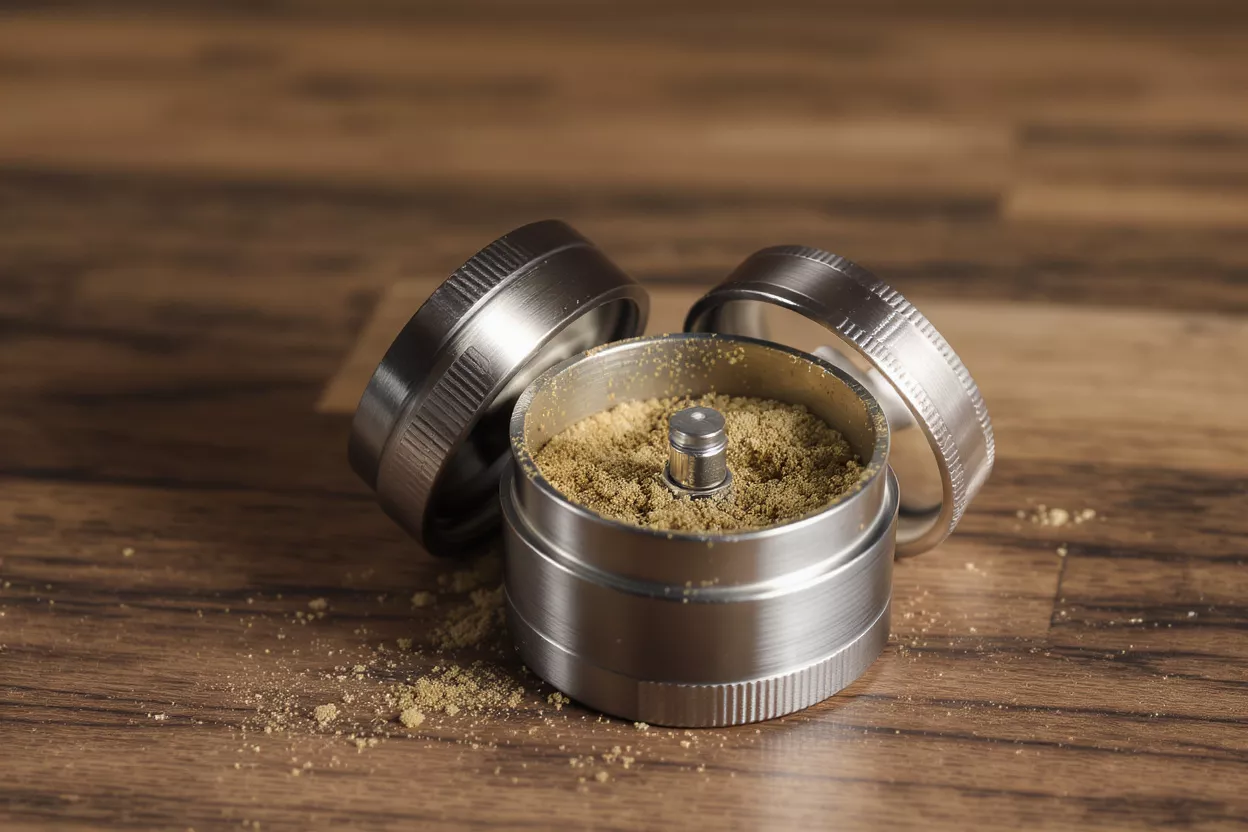
Grinder collection: The most common source of kief for everyday consumers is a multi-chamber grinder. Quality grinders include a fine screen above a dedicated catch chamber. Each time you grind flower, a small amount of kief sifts down and accumulates over weeks of use, ready to be scooped out when you have collected enough.
Dry sifting: On a larger scale, cultivators and hash makers use stacked sifting screens with progressively finer mesh sizes. Dried flower is gently tumbled or rubbed over these screens, and the falling trichomes are separated by particle size. This method produces the cleanest, most refined kief and forms the basis of traditional dry-sift hash production.
Kief vs Other Cannabis Concentrates
Kief occupies an interesting middle ground between raw flower and refined extracts. It is more potent than bud but less processed than products like shatter, wax, or distillate. Because no solvents are involved, kief retains a full, natural profile of cannabinoids and terpenes exactly as they existed on the living plant.
Compared with solvent-based concentrates, kief is far simpler to produce and carries no risk of residual chemicals. The trade-off is purity: kief always contains a small amount of fine plant material that pure extracts have removed. Here is how kief stacks up against common alternatives:
- 🌿 Kief: Solventless, easy to collect at home, typically 40–60% THC, retains natural terpenes.
- 💎 Shatter and wax: Solvent-extracted, 60–90% THC, highly refined but requires lab equipment.
- 🧊 Live rosin: Solventless and premium, pressed from fresh-frozen material, rich flavour.
- 🔥 Hash: Made by pressing kief, denser and slightly more potent than loose powder.
For most people, kief is the gateway concentrate. It requires no special gear, no purchases beyond a decent grinder, and no familiarity with extraction chemistry. That accessibility is exactly why it has remained popular for centuries while extraction techniques have come and gone.
What Makes Kief So Potent
The potency of kief comes down to concentration. Cannabinoids like THC and CBD are produced almost exclusively inside trichome heads, not in the leaf or stem tissue. By stripping away everything but those glands, kief concentrates the active compounds into a much smaller mass.
THC content: Where typical dried flower tests between 15% and 25% THC, well-collected kief often lands in the 40% to 60% range. The exact figure depends on the starting flower and how cleanly the kief was sifted. Cleaner kief with less plant contamination tests higher because there is proportionally more trichome material in the sample.
Terpene preservation: Because kief is collected mechanically and never heated or chemically treated, its terpenes survive largely intact. This is why fresh kief smells so intensely of the strain it came from. Those terpenes also shape the experience, working alongside cannabinoids in what is often called the entourage effect.
Types and Grades of Kief
Not all kief is created equal. The quality of a batch depends heavily on how it was separated and what particle sizes were captured. Hash makers grade kief much like jewellers grade gemstones, paying close attention to colour, texture, and purity.
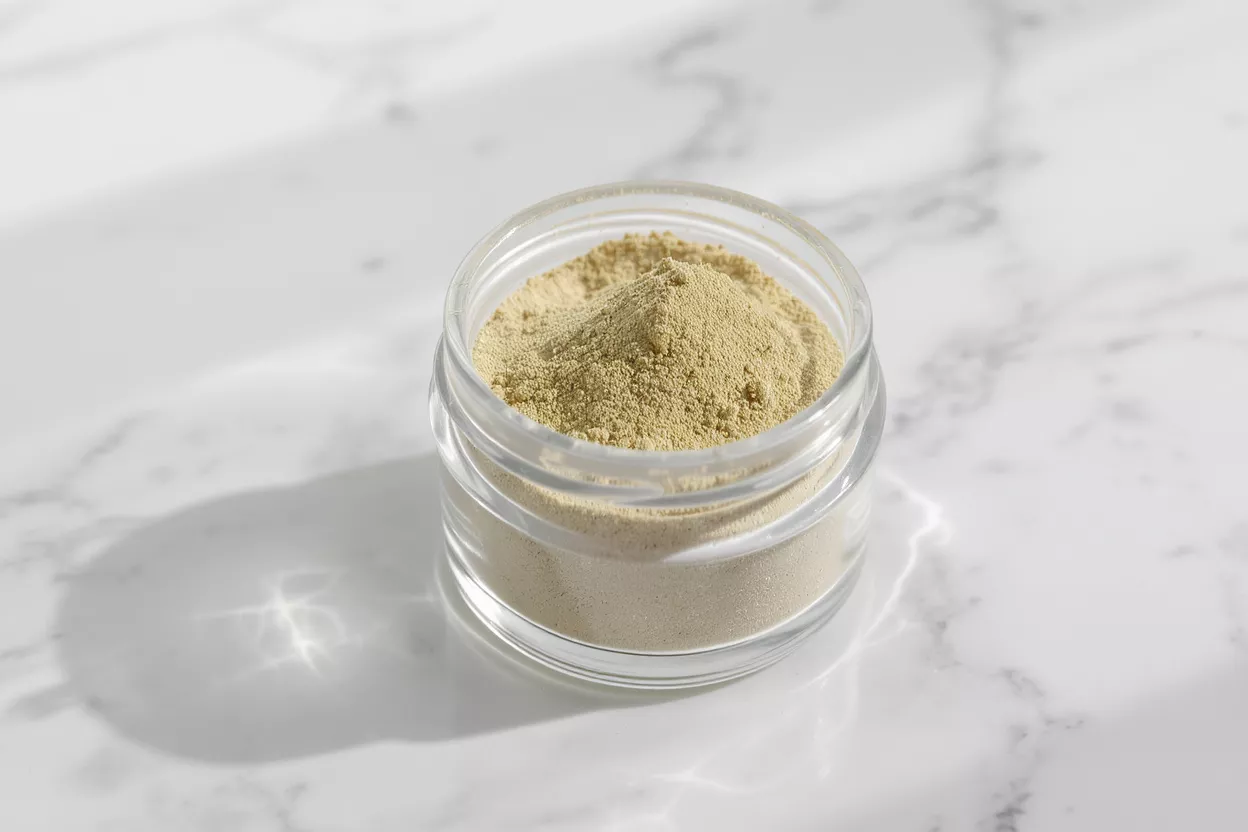
The cleanest kief is sometimes called "full-melt" because it is pure enough to vaporize completely when heated, leaving almost no residue behind. Lower grades contain more plant fragments and burn with visible char. Here is a simple breakdown of common quality tiers:
- ⭐ Full-melt: Nearly pure trichome heads, pale blonde, bubbles and melts cleanly when heated.
- ✨ High grade: Light tan, minimal plant matter, excellent for pressing into rosin or hash.
- 🍂 Standard grinder kief: Greener tint, more contamination, perfect for topping bowls or joints.
Colour is the quickest visual cue. Pale, blonde kief signals a high proportion of intact resin glands, while darker green kief indicates more leaf material made it through the screen. Both are usable, but the lighter material delivers a smoother, more flavourful experience.
How to Collect Kief From a Grinder
Building up a usable stash of kief takes patience, but the process is effortless. Every time you grind flower in a four-piece grinder, a little powder sifts through the screen into the bottom chamber. Over a few weeks of regular use, that chamber fills with enough kief to make a meaningful difference.
Speed up collection: A few simple tricks help maximize yield. Some users drop a clean coin into the grinder's herb chamber, which acts as a tumbler and knocks loose more trichomes as you twist. Storing your grinder in a cool place before collecting also helps, since cold trichomes are more brittle and snap off more readily.
When the chamber is full, use the small scraper that comes with most grinders to gather the powder into a neat pile. Tap the grinder firmly against a hard surface first to dislodge any kief clinging to the screen. The result is a fine, fragrant powder ready to use however you like.
How to Use Kief: Best Methods
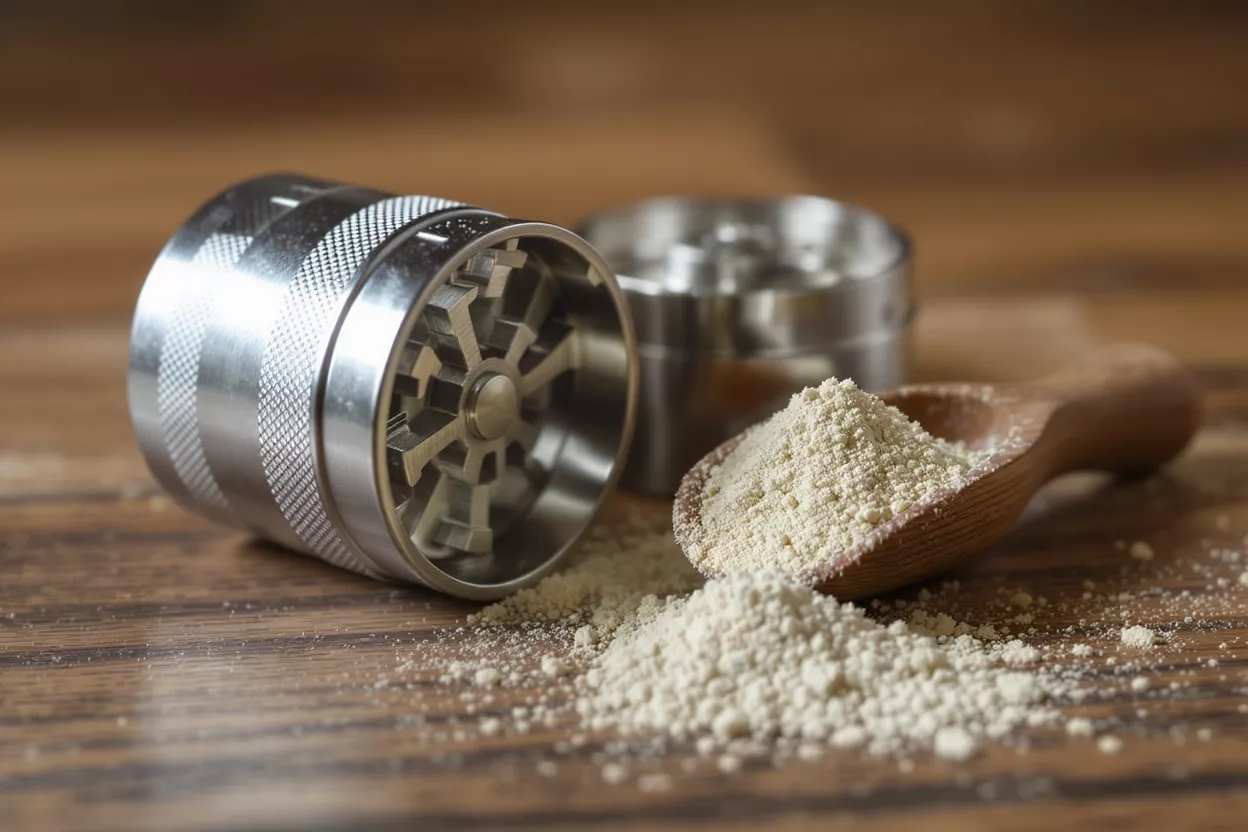
The simplest way to enjoy kief is to sprinkle it directly onto a bowl of flower or into a rolled joint. This boosts potency noticeably without requiring any preparation. A light dusting on top of a packed bowl turns an ordinary session into something considerably stronger.
Twaxing joints: Rolling kief into a joint, often called twaxing, distributes the concentrate throughout the smoke. Some people coat a damp joint in kief for a crystallized exterior, while others layer it inside before rolling. Either approach extends burn time and intensifies the effect.
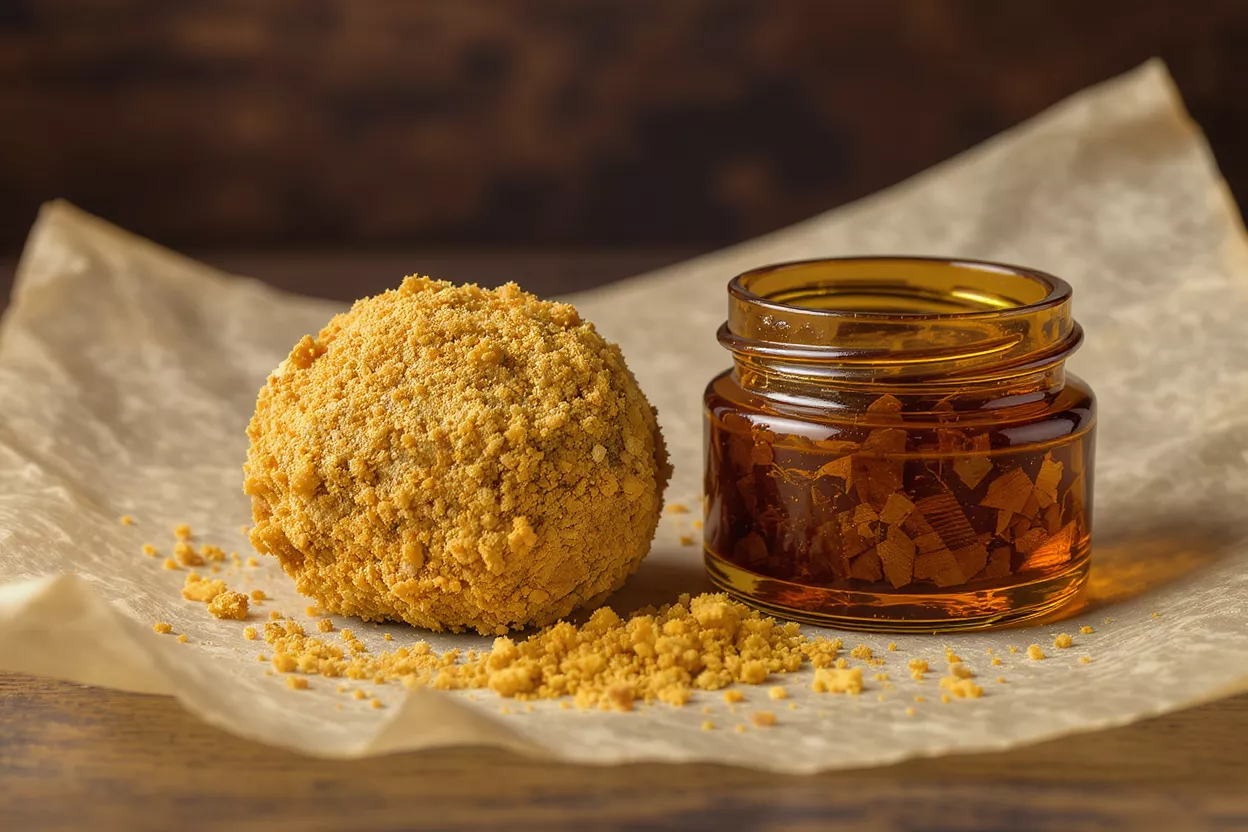
Making moon rocks: For an advanced treat, kief is the finishing layer of a moon rock. A nug is dipped in cannabis oil and then rolled in kief until fully coated. The result is an extremely potent product best broken apart by hand rather than ground, since the oil gums up most grinders.
Kief can also be sprinkled into coffee, melted into butter for edibles, or added to a vaporizer designed for concentrates. Whichever route you choose, remember that kief is far stronger than flower, so start with a smaller amount than you think you need.
Turning Kief Into Hash and Rosin
Kief is the raw ingredient for two of the oldest and most respected cannabis products. Traditional hashish is nothing more than kief that has been pressed under heat and pressure until the resin glands rupture and bind together into a solid, malleable block.
Pressing hash: The simplest home method uses a pollen press, a small metal cylinder that compacts kief into a dense puck. Applying gentle warmth, sometimes by wrapping the press in a warm cloth, helps the trichomes meld. The finished hash is darker, denser, and slightly more potent than the loose kief it came from.
Pressing rosin: Kief also presses beautifully into solventless rosin. Using a small heat press, kief is squeezed between parchment paper until the resin liquefies and oozes out as a golden, sappy concentrate. This dab-ready product captures the flavour and potency of the original trichomes in a clean, vaporizable form.
Kief Storage and Freshness Tips
Like all cannabis products, kief degrades over time when exposed to heat, light, air, and moisture. Because its surface area is so high, kief can lose terpenes and potency faster than dense flower if stored carelessly. Proper storage keeps your collection fragrant and effective for months.
The ideal container is small, airtight, and opaque, kept somewhere cool and dark. Glass jars work well, as do dedicated concentrate containers. Keeping the headspace minimal limits oxygen exposure, which slows the breakdown of cannabinoids and the evaporation of volatile terpenes.
A few habits preserve quality and protect your stash:
- ❄️ Keep it cool: Store away from heat sources and direct sunlight to protect potency.
- 🫙 Use airtight glass: Limit oxygen contact and avoid plastic, which can attract fine particles via static.
- 🌑 Block light: UV exposure degrades cannabinoids, so opaque or stored-in-the-dark containers are best.
Is Kief Worth Collecting?
For anyone who grinds their own flower, collecting kief is essentially free potency. The material accumulates whether you save it or not, so capturing it from your grinder simply means putting otherwise wasted trichomes to good use. Over time, those small daily contributions add up to a genuinely valuable concentrate.
Kief also serves as a bridge for curious consumers. It introduces the world of concentrates without the cost, equipment, or chemical concerns of solvent extraction. From there, it opens doors to pressing hash, making rosin, and experimenting with stronger products, all from a single grinder chamber.
Ultimately, kief endures because it is simple, potent, and deeply rooted in cannabis tradition. Whether you sprinkle it on a bowl, twax a joint, or press it into hash, that glittering layer of trichomes captures the essence of the plant in its most concentrated natural form. Collect it patiently, store it carefully, and you will always have a potent reserve on hand.

Comments