


Kush
Discover Kush cannabis strains, their Hindu Kush mountain origins, effects, and aromas.
What Is Kush Cannabis?
Kush is one of the most recognized names in cannabis, and for good reason. The term refers to a distinct lineage of indica-leaning plants whose genetics trace back to the rugged Hindu Kush mountain range that straddles the border between Afghanistan and Pakistan. When someone mentions Kush, they are usually describing a plant with squat, resin-heavy buds, a heavy-bodied effect, and an earthy aroma that has become a benchmark for an entire category of cannabis.
Over the past few decades, the word has grown into something larger than any single plant. It now functions as both a genetic marker and a marketing shorthand, attached to hundreds of hybrids that carry even a fraction of the original mountain genetics. Understanding what genuinely qualifies as Kush, and what simply borrows the name, is the first step toward making sense of this storied family of strains.
Why the name carries weight: Kush built its reputation on consistency. Unlike many fleeting trends in cannabis, the core traits associated with these plants — dense flower structure, potent sedation, and a pungent earthiness — have remained remarkably stable across generations of breeding. That reliability is exactly why growers and consumers keep returning to it.
Where Does Kush Come From?
The Hindu Kush origin story: The original Kush plants are true landrace varieties, meaning they adapted naturally to a specific geography over thousands of years without deliberate human crossbreeding. The harsh, high-altitude climate of the Hindu Kush — with cold nights, intense sun, and a short growing season — shaped plants that are compact, fast-flowering, and coated in protective resin. That thick trichome layer was an evolutionary response to UV exposure and temperature swings, and it happens to be exactly what makes the buds so potent.
These plants reached the West largely through the so-called "Hippie Trail" of the 1960s and 1970s, when travelers carried seeds back from Afghanistan and surrounding regions. Breeders in the United States and the Netherlands quickly recognized the value of these hardy, resinous genetics and began incorporating them into their own breeding programs.
The result was a foundation that underpins a huge portion of modern cannabis. Many of today's most famous hybrids owe their structure, resin production, and sedative qualities to that original infusion of Hindu Kush stock.

How to Identify Kush Strains
Spotting authentic Kush traits becomes easier once you know what to look for. These plants tend to express a recognizable set of physical characteristics inherited from their mountain ancestors, even after generations of hybridization.
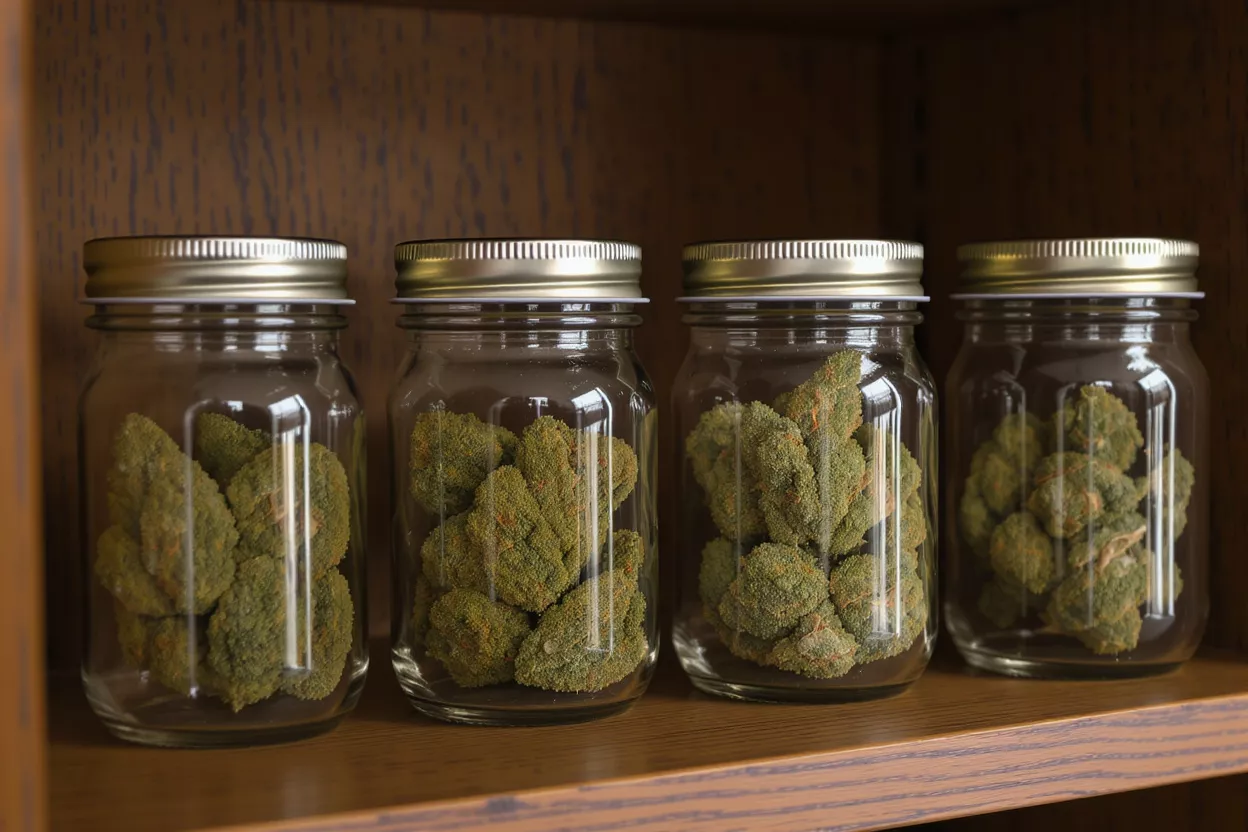
- 🌿 Bud structure: Dense, chunky, and tightly packed flowers rather than airy, elongated colas.
- 🍃 Leaf shape: Broad, dark green fan leaves typical of indica genetics.
- 💜 Color: Frequent purple hues, especially when grown in cooler temperatures late in flowering.
- ✨ Resin: Heavy trichomes coverage giving buds a frosted appearance.
- 👃 Aroma: Earthy, piney, and often hashy with subtle sweet or floral undertones.
The hash connection: Because Hindu Kush plants produce so much resin, they have long been prized for traditional hashish production. That heritage shows up in the aroma and flavor of modern Kush strains, many of which carry a distinctively earthy, almost incense-like quality that hash enthusiasts immediately recognize.
Keep in mind that the Kush label gets applied loosely in dispensaries. A strain may carry the name while expressing only some of these traits, so reading genetics and trusting your senses matters more than the name on the jar.
Types of Kush Strains
The Kush family has expanded into a sprawling collection of cultivars, ranging from near-pure landrace preservations to heavily hybridized crosses. A few have become genuine icons within the broader cannabis world.
- ⛰️ Hindu Kush: The closest expression to the original landrace, prized for its purity and heavy sedation.
- 🌌 OG Kush: A foundational hybrid whose exact origins are debated but whose influence is undeniable.
- 🌸 Purple Kush: A pure indica known for its striking color and deeply relaxing effects.
- 🍫 Bubba Kush: Famous for its coffee-and-chocolate aroma and heavy body load.
- 👑 Master Kush: An award-winning blend of two Kush landraces with a smooth, earthy profile.
OG Kush and its legacy: Few strains have shaped modern cannabis as profoundly as OG Kush. It serves as a parent or grandparent to countless contemporary hybrids, passing along its potent effects and unmistakable lemon-fuel-pine aroma. Whether or not it qualifies as a "true" Kush by strict genetic standards, its cultural and breeding impact is enormous.
These named varieties represent only a slice of the family. New crosses appear constantly, but most trace some lineage back to that original mountain stock, which is what unifies them under the Kush banner.
What Does Kush Feel Like?
The signature body high: Kush strains are best known for producing a deeply physical, relaxing experience. The effects tend to settle into the body, easing tension and encouraging a sense of calm that many describe as warm and sinking. This is the classic indica sensation, and Kush genetics deliver it reliably thanks to their high THC content and sedative terpene profiles.
Mentally, the experience often leans toward introspection and tranquility rather than energy or focus. Many users reach for Kush in the evening, when winding down is the goal. The combination of physical heaviness and mental quiet makes it a natural fit for relaxation rather than productivity.
That said, potency varies widely across the family. Some modern Kush hybrids deliver an intense, couch-locking experience, while others offer a gentler, more balanced relaxation. New consumers should approach the heavier cultivars with respect and start with a modest amount.
Kush Terpenes and Aroma
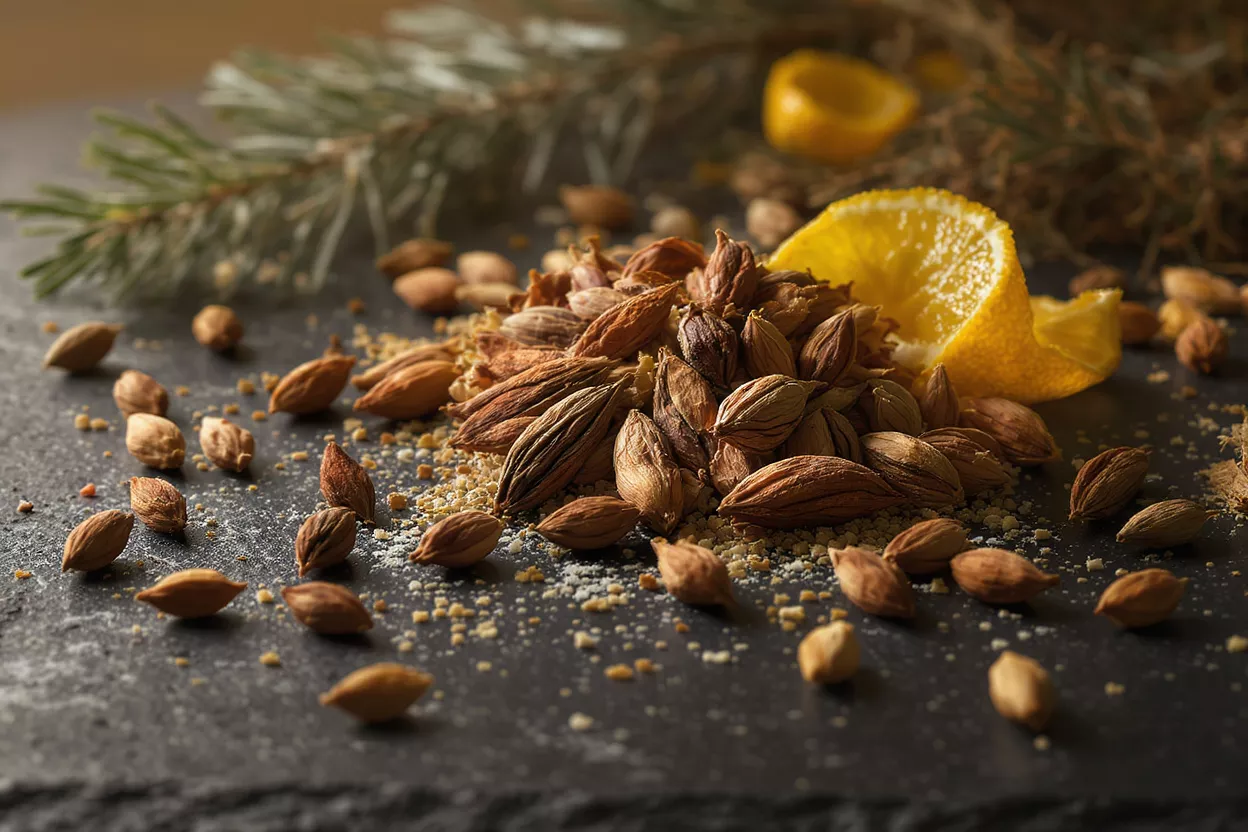
The unmistakable scent of Kush comes down to its terpenes, the aromatic compounds that shape both flavor and effect. Kush strains typically lean toward earthy, spicy, and herbal notes rather than the fruity or citrus dominance found in other families.
The dominant terpene trio: Most Kush varieties are rich in myrcene, which contributes earthy, musky tones and is associated with sedation. Caryophyllene adds a peppery spice, while limonene can lend subtle brightness in certain crosses. Together these compounds create the grounded, hashy aroma that defines the category.
This terpene makeup is not just about smell. The entourage effect suggests that terpenes and cannabinoids work together, meaning the sedative reputation of Kush likely stems from the interplay between its high THC and myrcene-heavy profile. The result is a strain family whose aroma genuinely hints at its effects.
Growing Kush Genetics
Why Kush is grower-friendly: The same traits that helped Kush survive in the mountains make it appealing in the garden. These plants tend to be short, bushy, and quick to flower, which suits indoor setups and regions with shorter outdoor seasons. Their compact structure also makes them easier to manage in tight spaces compared to towering sativa varieties.
Kush plants generally finish flowering in around seven to nine weeks, a relatively fast turnaround that rewards growers with resinous, dense buds. Their hardiness, inherited from generations of adapting to a punishing climate, gives them a degree of resilience against temperature swings and environmental stress.
One consideration is airflow. Because the buds grow so dense, they can be prone to moisture retention, so proper humidity control and ventilation are important to avoid mold during late flowering. With attentive care, though, Kush genetics reward growers with some of the most visually striking and potent flowers in cannabis.
Kush vs Haze Strains
Comparing Kush to Haze highlights two opposite ends of the cannabis spectrum. While Kush represents the indica tradition, Haze embodies the energetic, cerebral sativa lineage. Understanding the contrast helps clarify what makes Kush distinctive.
- ⛰️ Genetics: Kush is indica-dominant from the Hindu Kush; Haze is sativa-dominant with tropical and equatorial roots.
- 🛋️ Effects: Kush relaxes the body, while Haze tends to energize and stimulate the mind.
- ⏱️ Flowering time: Kush finishes quickly; Haze can take twelve weeks or more.
- 🌿 Structure: Kush stays short and bushy; Haze grows tall and lanky.
- 👃 Aroma: Kush is earthy and hashy; Haze is bright, spicy, and citrus-forward.
Neither lineage is inherently better — they simply serve different purposes. Someone seeking deep evening relaxation gravitates toward Kush, while a person wanting daytime creativity often prefers Haze. Many modern hybrids deliberately blend the two to capture qualities from both worlds.
Medical Uses of Kush
Relief through relaxation: The sedative qualities of Kush make it a popular choice among medical cannabis users seeking help with sleep and physical discomfort. The deep body relaxation associated with these strains can ease muscle tension, and the calming mental effects may help quiet a racing mind at the end of a long day.
Many patients turn to Kush varieties in the evening specifically for their ability to encourage rest. The combination of high THC and myrcene-rich terpenes lends itself to the kind of full-body sedation that some find helpful when winding down. Others appreciate the way these strains can shift attention away from persistent discomfort.
As always, individual responses vary, and cannabis affects everyone differently. Anyone considering Kush for a specific health concern should consult a qualified healthcare professional and start with conservative amounts to gauge personal tolerance before settling into a routine.

How to Choose a Kush Strain
With so many Kush options available, narrowing the field comes down to matching a strain's profile to your goals. Start by clarifying what you want from the experience, whether that is deep sedation, gentle relaxation, or a particular flavor.
Reading the genetics: Look beyond the name and examine the lineage. A strain advertised as Kush should show meaningful Hindu Kush ancestry rather than borrowing the label for marketing. Checking the parent strains, terpene profile, and lab-tested cannabinoid content gives you a far more accurate picture than the name alone.
Consider potency as well. If you are newer to cannabis or sensitive to strong effects, a balanced Kush hybrid will be more forgiving than a heavy, couch-locking pure indica. Reading the THC percentage and asking about the dominant terpenes helps you anticipate the experience before you commit.
Ultimately, the Kush family offers something for nearly everyone who values relaxation and rich, earthy character in their cannabis. From the pure landrace heritage of Hindu Kush to the sprawling influence of OG Kush, these strains represent a living connection to one of the oldest and most respected lineages in the plant's history. Take time to explore the variations, trust your senses, and you will find a Kush that suits both your palate and your purpose.




Comments