Landrace
Discover landrace strains — the original cannabis varieties behind every modern cultivar.
If you have ever wondered where every modern cannabis cultivar traces its roots, the answer almost always leads back to landrace strains. These are the original, region-specific populations of cannabis that grew and adapted in isolation for centuries before anyone thought to cross them. Landrace varieties are the genetic bedrock of the plant we know today, and understanding them unlocks a deeper appreciation for everything from a classic Diesel to the most carefully engineered modern hybrid. This guide breaks down what these foundational plants are, where they came from, and why cultivators still chase them with near-religious devotion.
What Are Landrace Strains
A landrace strain is a cannabis variety that has adapted naturally to a specific geographic region over a long stretch of time, without deliberate human crossbreeding from outside populations. The word itself borrows from agricultural science, where a "landrace" refers to any domesticated species that developed its traits primarily through local environmental pressure rather than formal breeding programs. In cannabis, these plants represent the closest thing we have to the species in its wild, uncorrupted state.
What makes a strain truly landrace? Isolation is the defining factor. A population must grow in relative reproductive separation for many generations, allowing the local climate, soil, altitude, and even pest pressure to shape its genetics. According to research summarized by Drugs.com, the cannabinoid and terpene profiles of any cannabis plant are strongly influenced by both genetics and growing conditions, which is exactly why a strain from the Hindu Kush behaves so differently from one near the equator.
Why the terminology gets confusing. People often label any old or potent strain as "landrace," but the term has a precise meaning. Heirloom strains, by contrast, are landrace genetics that were taken somewhere new and grown there—still pure, but no longer in their native environment. Keeping these distinctions clear matters when you are evaluating seed banks that promise authentic stock.
How Landrace Genetics Developed Over Time
Landrace genetics are the product of natural selection working over hundreds, sometimes thousands, of years. Cannabis is believed to have originated in Central Asia, and as humans carried it along trade routes, isolated pockets of the plant took root in dramatically different climates. Each environment rewarded different survival traits, and over countless generations those traits became fixed and heritable.
Environmental pressure as the breeder. In a cold, dry mountain region, plants that finished flowering quickly and produced thick, protective resin survived to reproduce—this is where the dense, hash-friendly indica body type was forged. In humid tropical zones, taller plants with long flowering cycles and airy buds resisted mold and thrived, producing the soaring sativa types prized for their energetic effects. The Delta-9 THC content, terpene balance, and growth structure of each line all reflect these ancient adaptations.
Because no one was selecting for yield, flavor, or marketability, landrace populations retained enormous genetic diversity within their type. That diversity is precisely what makes them so valuable today. A single landrace population might express a wide range of phenotypes, giving breeders raw material that modern, heavily inbred lines simply do not contain anymore.
Where Landrace Strains Come From
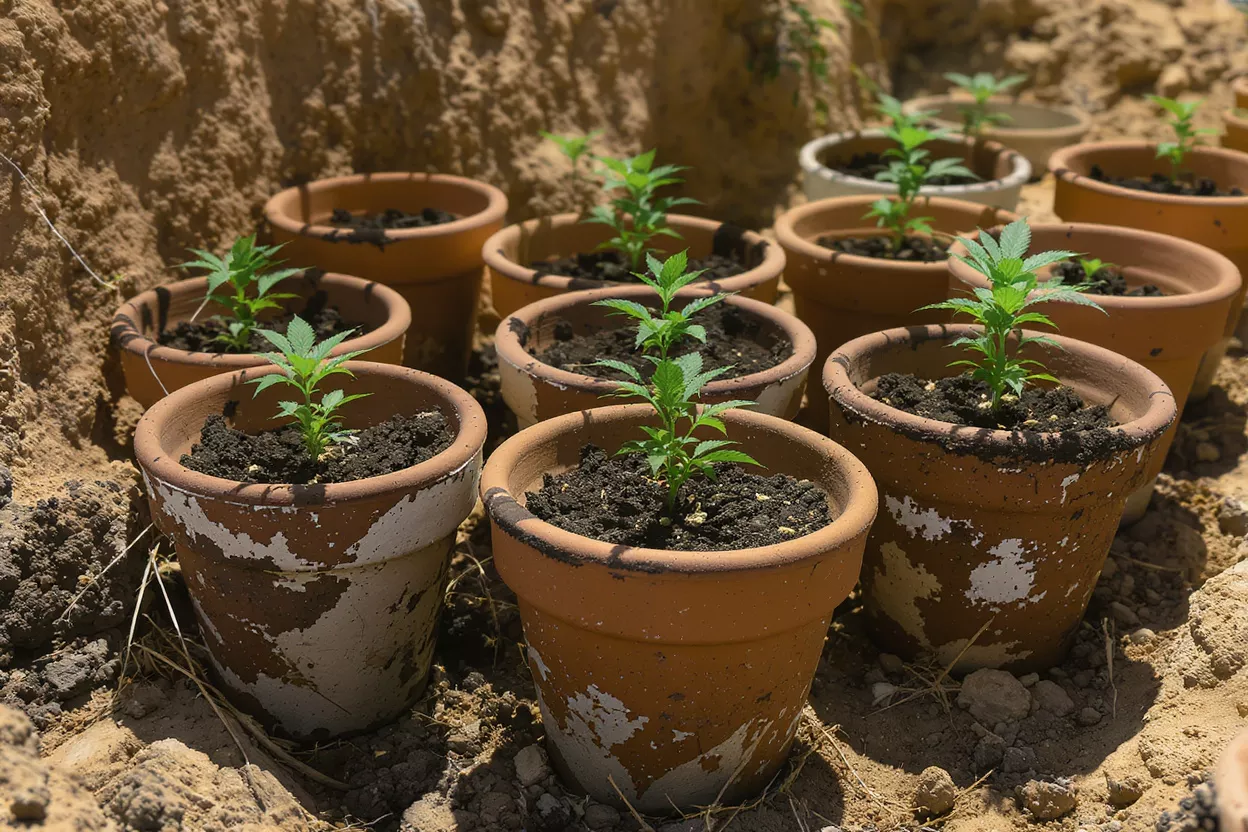
The geography of landrace cannabis reads like a map of the ancient world. These strains are typically named after the region where they evolved, and that name carries real information about how the plant looks, grows, and feels. Knowing the origin tells you a great deal before you ever crack a seed.
Some of the most historically significant landrace regions include:
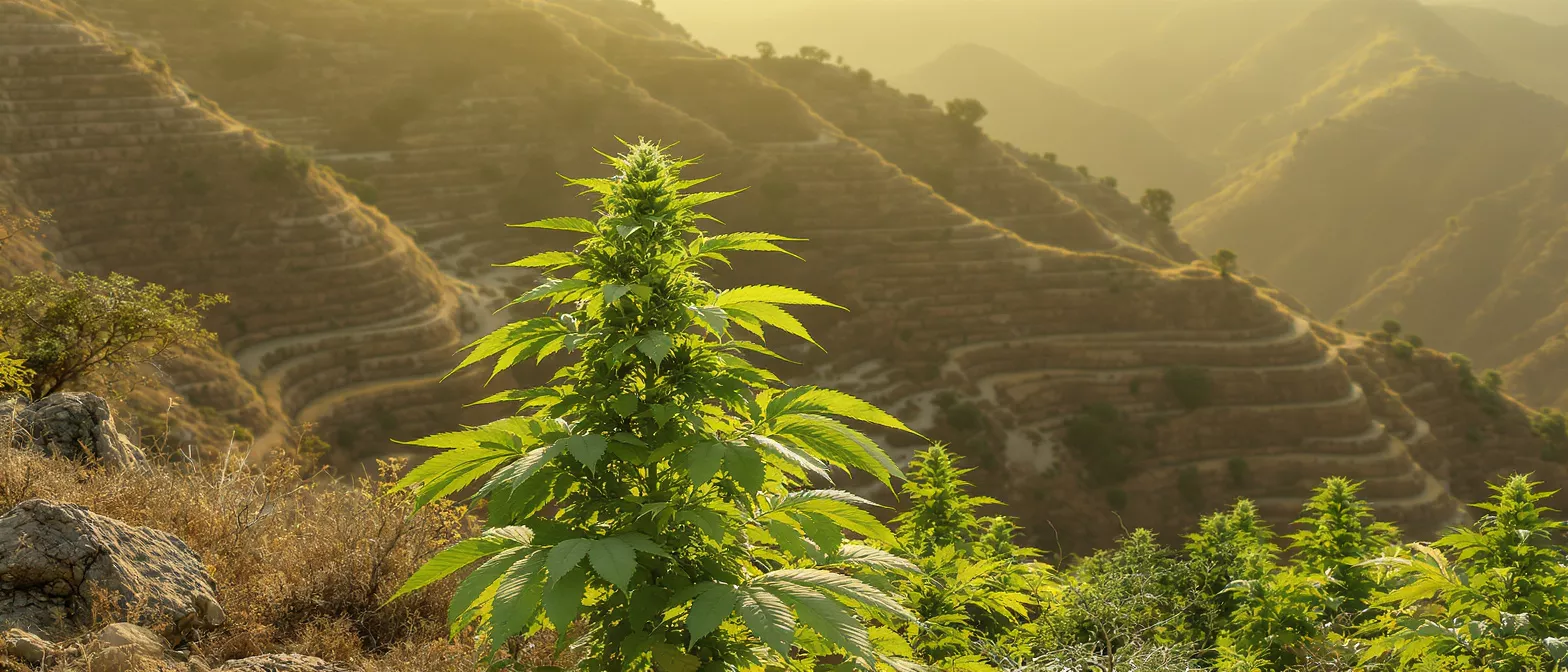
- 🏔️ Hindu Kush: The mountainous border region of Afghanistan and Pakistan, source of the squat, resinous indica genetics behind countless hash traditions and the famous Kush lineage.
- 🌴 Thailand: Home to towering "Thai stick" sativas with intense, cerebral effects and long flowering times.
- 🌍 Africa: Durban Poison from South Africa and Malawi Gold are pure sativas known for clarity and sweetness.
- 🌶️ Mexico and Colombia: Classic equatorial sativas that fueled much of the early American cannabis scene.
- 🏜️ Morocco: The backbone of traditional North African hash production.
Why region equals identity. When growers reference a strain like Acapulco Gold or Panama Red, they are invoking a specific landrace heritage with a documented sensory signature. These names became shorthand for quality long before anyone was producing concentrates like Diamonds or experimenting with cannabinoids such as Delta-8 and Delta-10. The original landraces set the standard everything else is measured against.
Types of Landrace Strains
Landrace strains generally fall into recognizable categories based on the latitude where they evolved. This is the original source of the indica versus sativa framework that still organizes how we talk about cannabis, even if modern science views the distinction as more of a spectrum than a hard line.
The broad landrace types include:
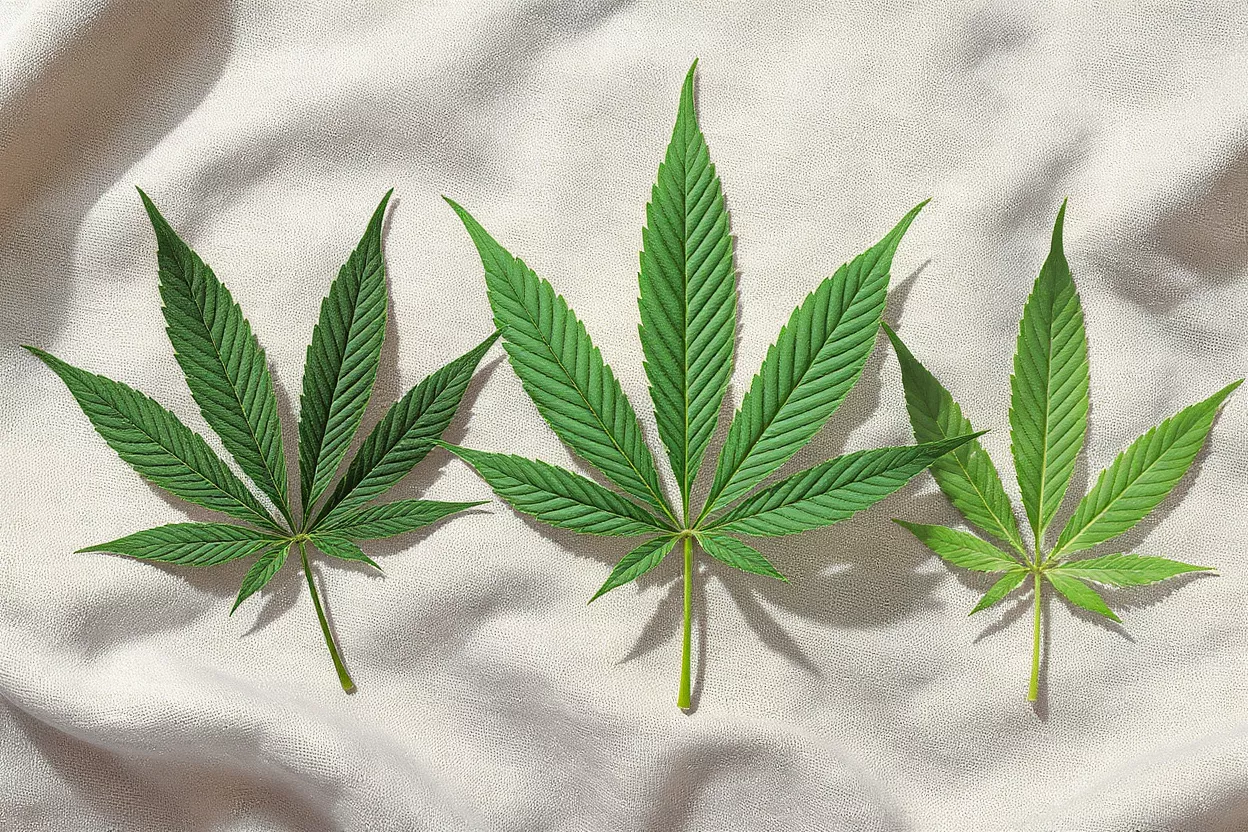
- 🌙 Indica landraces: Short, bushy plants from cooler, high-altitude regions like the Hindu Kush. Heavy resin, broad leaves, fast flowering, and relaxing body-focused effects.
- ☀️ Sativa landraces: Tall, lanky plants from equatorial zones with thin leaves, long flowering cycles, and uplifting, cerebral highs.
- 🌾 Ruderalis landraces: Small, hardy, low-THC plants from Russia and Central Asia that flower based on age rather than light cycle—the genetic source of autoflowering varieties.
How type shapes the experience. A pure indica landrace and a pure sativa landrace can feel like two different plants entirely, and in evolutionary terms they nearly are. Anyone exploring full-spectrum indica concentrates for evening use is enjoying effects that trace directly back to those mountain-adapted populations. The terpene differences alone—earthy and sedating versus bright and energizing—are an artifact of thousands of years of separate adaptation.
Ruderalis deserves special mention because it rarely gets grown for its effects. Its real contribution to modern cannabis is the autoflowering trait, which breeders have crossed into thousands of hybrids to create plants that finish on their own schedule regardless of light. It is a perfect example of a humble landrace transforming the entire industry.
Landrace vs Hybrid Cannabis
The difference between a landrace and a hybrid comes down to genetic purity and intent. A landrace is a stable, naturally selected population; a hybrid is the deliberate human cross of two or more genetic lines aimed at combining desirable traits. Nearly every strain on a dispensary menu today is a hybrid many generations removed from its landrace ancestors.
What hybridization gained—and lost. Crossbreeding gave us higher yields, dramatically increased potency, predictable flowering times, and an explosion of flavors. But it also homogenized the gene pool. The same handful of elite parents appear in countless modern lines, which is why so much commercial cannabis tastes vaguely similar. Landrace genetics offer an escape from that bottleneck. A reliable batch of heirloom landrace seeds gives a breeder access to traits that have been bred out of the mainstream entirely.
It is worth noting that hybrids dominate for good reasons. The research collected by Drugs.com on THC potency trends shows that average cannabis strength has risen sharply over recent decades, a direct result of selective breeding that landrace plants, left to nature, never pursued. Purity and potency are simply different goals.
Why Landrace Strains Matter to Breeders
For serious breeders, landrace strains are not a novelty—they are an irreplaceable genetic resource. Every time a cultivator wants to introduce a new trait, fix a fading characteristic, or restore vigor to an inbred line, landrace genetics are where they turn. These populations are living libraries of cannabis evolution.
Genetic diversity as insurance. Modern cannabis breeding has narrowed the gene pool considerably, and that monoculture creates risk. A pest or pathogen that exploits a common genetic weakness could devastate similar lines across the market. Landrace populations, with their deep and varied genetics, provide the raw diversity needed to breed resistance and resilience back into cultivated stock.
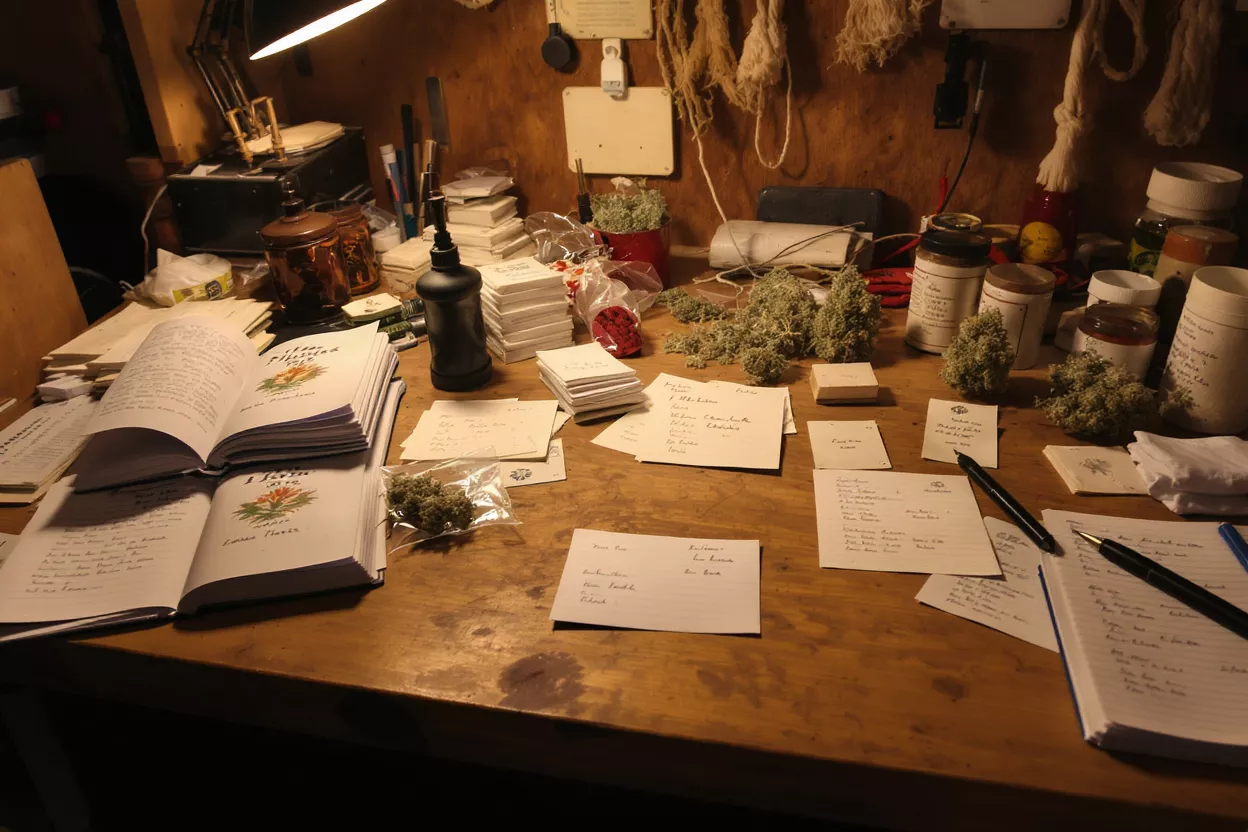
Beyond practical genetics, there is a preservation argument. As legal cannabis expands and industrial cultivation spreads, many original landrace populations are being crossed out of existence in their home regions. Seed preservationists and breeding collectives now treat authentic landrace seeds the way botanists treat heirloom crop varieties—as a heritage worth protecting before it disappears.
Growing Landrace Strains at Home
Cultivating a true landrace is one of the most rewarding and humbling projects a grower can take on. These plants evolved for a specific climate, and they often perform unpredictably when you pull them out of it. A tropical sativa landrace may stretch enormously and flower for sixteen weeks or longer, behavior that frustrates anyone expecting a tidy commercial timeline.
Matching environment to origin. Success with landrace plants starts with replicating their native conditions as closely as possible. Mountain indicas tolerate cold and want strong, direct light. Equatorial sativas crave warmth, humidity, and patience. Indoor growers have an advantage here because they can fine-tune everything—proper directional airflow helps tall, humidity-sensitive tropical lines resist mold during their extended flowering. A solid set of climate control tools makes a real difference with finicky genetics.
Patience is the central virtue. Landrace strains were never selected for convenience, so they reward growers who let the plant dictate the timeline rather than the other way around. The payoff is a genuinely rare experience: flower that tastes and feels the way cannabis did before the modern hybridization era reshaped it. According to general cultivation guidance noted by Drugs.com, growing conditions strongly influence the final cannabinoid expression of any plant, so dialing in the environment is not optional with these heritage lines.
What to Expect From Landrace Strain Effects
One of the most common surprises for people accustomed to modern flower is that landrace strains often feel different rather than simply weaker. While their total THC may be lower than a contemporary hybrid bred for maximum potency, the experience tends to be more focused and characteristic of its type. A pure sativa landrace delivers a clean, energetic head high; a pure indica produces a deep, grounding body relaxation.
The full-spectrum character. Because landrace plants carry rich, undiluted terpene profiles, many users describe their effects as more nuanced and less overwhelming than high-THC hybrids. This is the same logic behind appreciating a complex craft edible over a generic one—the supporting compounds shape the experience. People who find modern concentrates intense sometimes prefer well-grown landrace flower for exactly this reason, and a curated selection of full-spectrum flower options can be a great entry point.
Effects also vary more from plant to plant within a landrace population than they do in a stabilized hybrid. That variability is part of the charm and part of the challenge. One Durban Poison phenotype might lean sweet and clear while another runs spicy and intense, reflecting the genetic diversity that makes these strains so valuable in the first place.

Are Landrace Strains Still Genetically Pure
This is the uncomfortable question at the heart of the landrace conversation. The honest answer is that truly pure, uncontaminated landrace populations are increasingly rare. Globalization, tourism, and the spread of high-potency commercial seeds into traditional growing regions have introduced foreign genetics into populations that were isolated for centuries.
Contamination in the source regions. In many famous landrace areas, local farmers have crossed their traditional plants with imported elite hybrids to chase higher yields and potency. The result is that a strain sold as a regional landrace may carry significant hybrid DNA. This makes verified, well-documented seed lineage more important than ever for anyone seeking authentic stock.
The preservation community has responded by maintaining isolated seed collections and carefully documenting the provenance of their genetics. Reputable preservation breeders treat their landrace lines with rigorous record-keeping, much like a distributor of rare heirloom crops would. When the genetics are real, the dank, distinctive character of a true landrace is unmistakable—it simply does not taste or grow like anything from the modern hybrid factory.
Finding Authentic Landrace Strains Today
Tracking down genuine landrace genetics requires patience and a healthy dose of skepticism. The market is full of strains marketed as "landrace" that are anything but, so knowing what to look for protects both your money and your project. The good news is that dedicated preservation seed banks have made authentic stock more accessible than at any point in the past.
When evaluating a potential landrace source, keep these markers in mind:
- 📜 Documented provenance: Legitimate sellers can explain exactly where their genetics came from and how they were preserved.
- 🧬 Preservation focus: Breeders who specialize in heirloom and landrace lines, rather than the latest hype hybrid, tend to be more reliable.
- 🌱 Honest expectations: Authentic sellers warn you about long flowering times and variable phenotypes rather than promising hybrid-style performance.
- 💬 Community reputation: Preservation circles are tight-knit, and reputable breeders build their names over years.
It is also worth remembering that "pure landrace" and "great smoke" are not always the same thing. Many growers prefer heirloom-grown landrace genetics—original lines cultivated outside their native region—because they keep the distinctive character while adapting somewhat to modern growing conditions. The research compiled by Drugs.com consistently emphasizes how much environment shapes the final product, which is why where and how a landrace is grown matters as much as the seed itself.
Landrace strains are far more than a historical footnote—they are the living foundation of every cannabis variety in existence today. From the resin-caked indicas of the Hindu Kush to the soaring sativas of the equator, these naturally selected populations preserve a genetic heritage that modern breeding has spent decades both building on and slowly eroding. Whether you are a breeder hunting for rare traits, a grower craving an authentic challenge, or simply a curious enthusiast who wants to taste cannabis the way it existed before the hybrid era, landrace genetics offer something no engineered strain can replicate. They are worth seeking out, worth preserving, and worth understanding as the true origin story of the plant.