

Licensed facility
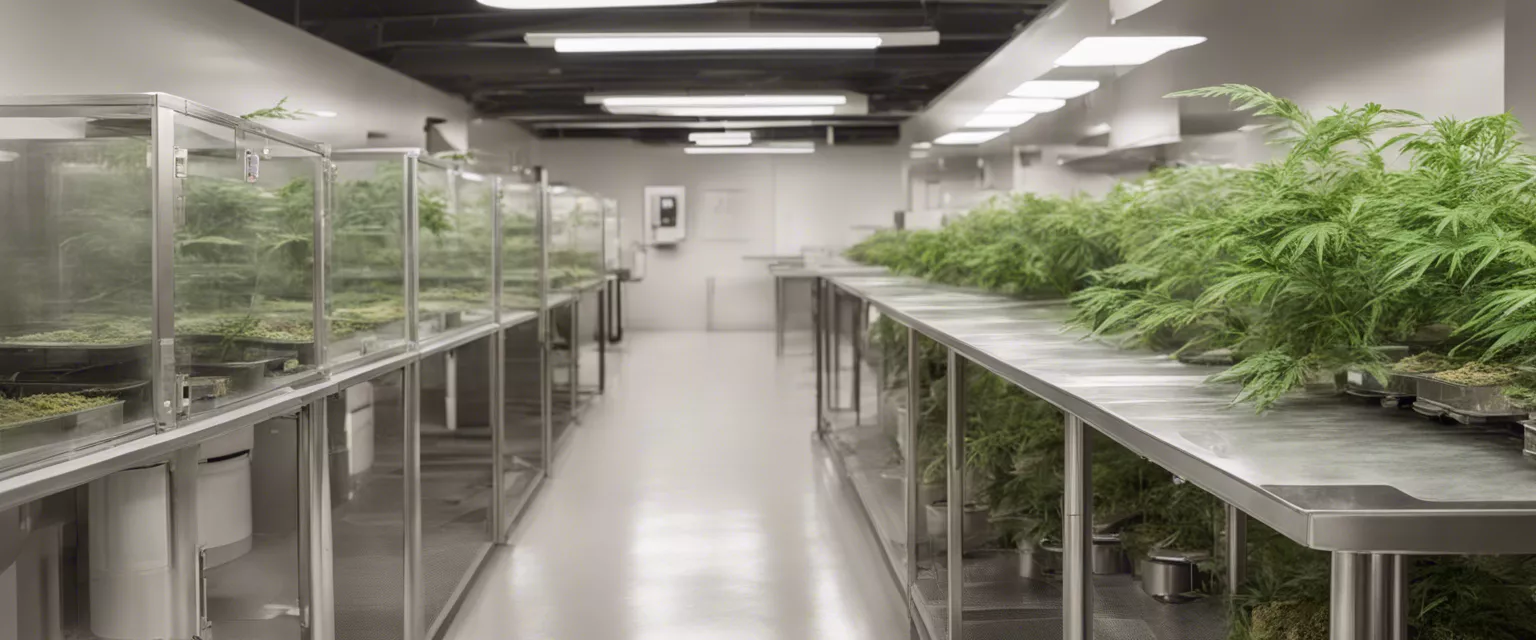
A licensed facility ensures safe, legal cannabis from seed to sale.
What Is a Licensed Facility in Cannabis?
A licensed facility is any cannabis operation that has received formal authorization from a government regulator to cultivate, process, test, distribute, or sell cannabis products. The word "licensed" is doing the heavy lifting here: it signals that the site has passed background checks, satisfied zoning and safety requirements, and agreed to ongoing oversight. In legal markets, this single qualification separates a legitimate business from the grey and illicit trade that still circulates outside regulatory reach.
The concept matters because cannabis is not treated like an ordinary consumer good. Regulators in Canada, the United States, and other jurisdictions impose strict controls on every gram that moves through the system. A licensed facility is the controlled environment where those rules are enforced — from the moment a seed is planted to the point where a finished product reaches a dispensary shelf.
Who issues the license? Authority varies by region. In Canada, Health Canada grants licenses under the Cannabis Act, while individual U.S. states run their own programs through agencies like a Department of Cannabis Control or a Bureau of Marijuana Regulation. Each body sets its own application standards, fees, and inspection schedules, but the underlying purpose is identical: ensure that cannabis is produced and sold safely, accountably, and within the law.
How a Licensed Facility Works Day to Day
Behind the scenes, a licensed facility operates more like a pharmaceutical plant than a corner store. Staff log inventory, sanitize equipment, document every batch, and follow standard operating procedures written to satisfy regulators. The goal is repeatability — a consumer buying the same strain twice should receive a product that meets the same verified standards both times.
Standard operating procedures (SOPs) form the backbone of daily work. These are written, approved protocols covering everything from how trimmers wash their hands to how waste cannabis is rendered unusable before disposal. Inspectors routinely ask to see SOPs and the records proving staff actually follow them. A facility that cannot demonstrate adherence risks fines, suspension, or loss of its license entirely.
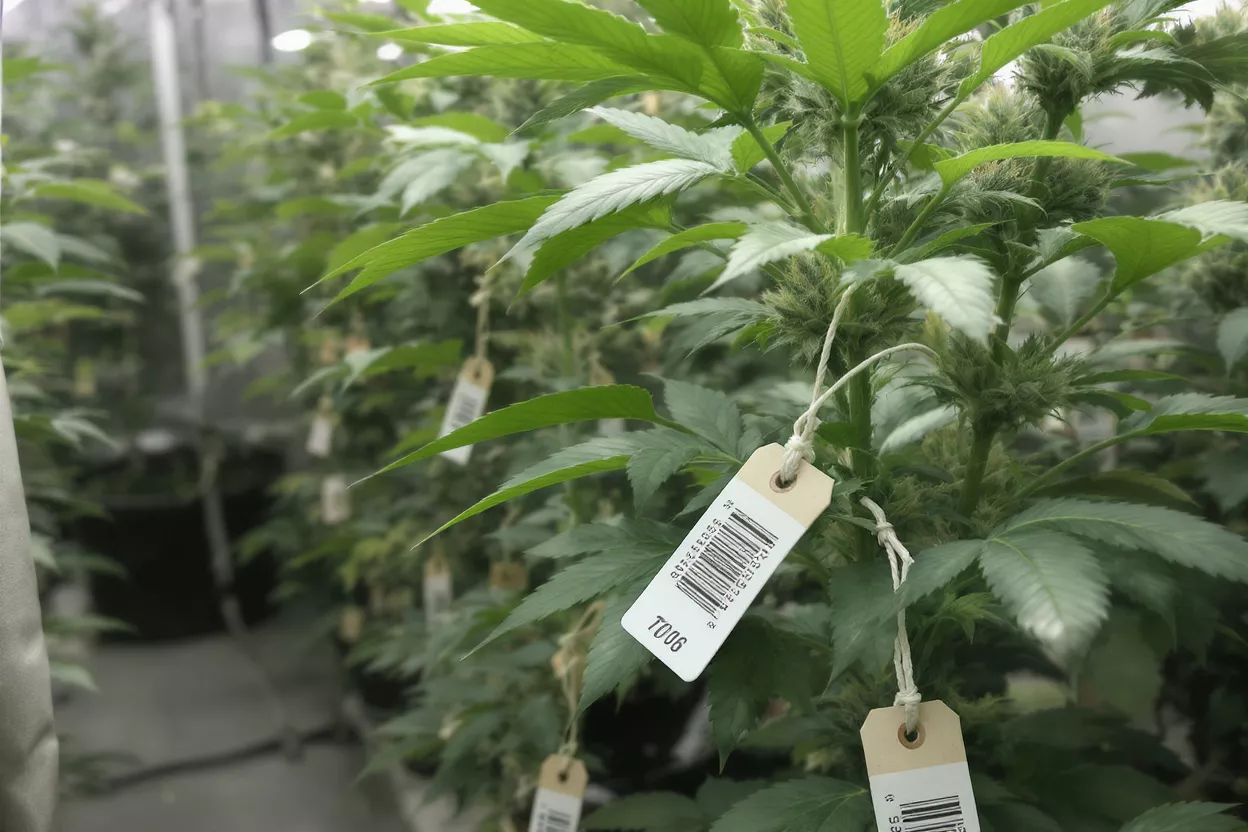
Recordkeeping is relentless. Every plant is tagged, every harvest weighed, and every transfer documented. This paper trail allows regulators to reconcile what a facility produced against what it sold, ensuring nothing leaks into the illicit market. The administrative burden is significant, but it is precisely this discipline that earns consumer and regulatory trust.
Types of Licensed Facility in the Cannabis Supply Chain
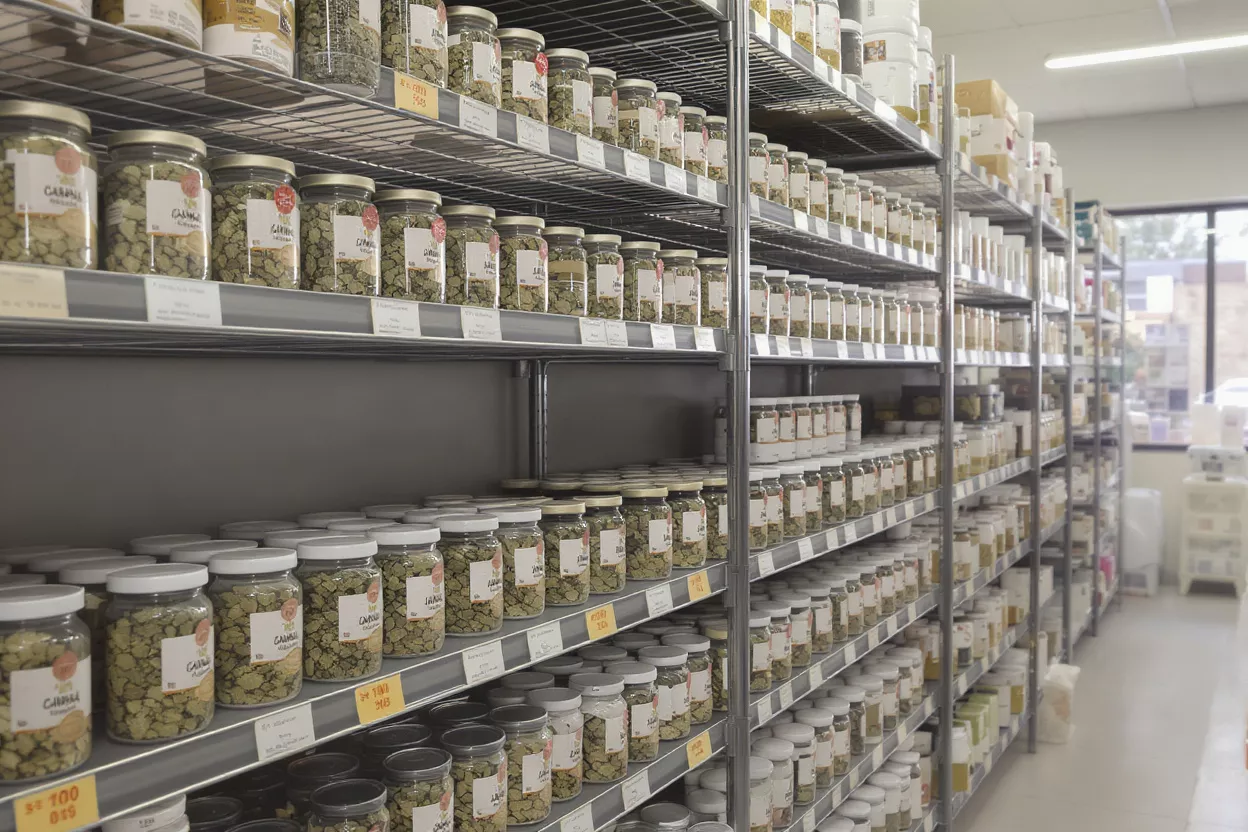
Not every licensed facility does the same thing. Most regulatory frameworks issue distinct license classes, each authorizing a specific activity. Understanding these categories clarifies how a plant travels from a grow room to a consumer's hands, with verified checkpoints along the way.
A single company may hold several license types under one roof, or specialize in just one. Vertical integration — where one operator controls cultivation through retail — is permitted in some markets and restricted in others to prevent monopolies.
- 🌱 Cultivation: Licensed growers produce raw cannabis flower, whether indoors, in greenhouses, or in outdoor fields under controlled conditions.
- ⚗️ Processing: Processors transform flower into concentrates, edibles, vapes, and other derivatives using approved extraction methods.
- 🔬 Testing labs: Independent laboratories analyze potency and screen for contaminants before products are released.
- 🚚 Distribution: Licensed distributors warehouse and transport product between facilities under tracked manifests.
- 🏪 Retail: Dispensaries and online stores hold the final license needed to sell directly to consumers.
How to Get a Cannabis License for a Facility
Securing a license is rarely quick or cheap. Applicants typically submit detailed business plans, security blueprints, financial disclosures, and personal background information for every owner and key employee. Regulators scrutinize all of it, and the review process can stretch from several months to well over a year depending on the jurisdiction and license class.
Zoning approval is often the first hurdle. A proposed site must sit a minimum distance from schools, parks, and other sensitive locations, and the local municipality must permit cannabis activity at that address. Many promising applications stall here because the real estate simply does not qualify.
Capital requirements can be substantial. Beyond application and licensing fees, operators must finance build-outs, security systems, and compliant equipment before opening. Some jurisdictions also require proof of liquid assets to demonstrate the business can survive its early, often unprofitable months. The high barrier to entry is intentional — it filters out undercapitalized operators who might cut compliance corners.
What Compliance Rules a Licensed Facility Must Follow
Compliance is the ongoing price of holding a license. Once approved, a facility submits to regular inspections, reporting deadlines, and audits that verify it continues to meet the standards it promised at application. Falling out of compliance can trigger penalties ranging from corrective action notices to full license revocation.
The specific rules vary, but several themes appear in nearly every framework. A licensed facility must track inventory accurately, package and label products according to regulation, restrict access to authorized staff, and dispose of waste in documented, tamper-evident ways. Labeling alone is heavily regulated, requiring accurate THC and CBD content, batch numbers, and health warnings.
Employee training is another pillar. Staff frequently need credentials or permits proving they understand handling, age-verification, and security protocols. In retail settings, budtenders must reliably check identification and refuse sales to anyone underage or visibly intoxicated, because a single failed compliance check can jeopardize the entire operation's standing.
Why Seed-to-Sale Tracking Matters at a Licensed Facility
One of the defining features of a modern licensed facility is seed-to-sale tracking. This is a digital system that follows every cannabis plant and product through its entire lifecycle, assigning unique identifiers that regulators can audit at any time. Systems like METRC are mandated in many U.S. states, while Canada uses its own federal reporting framework.
How tracking prevents diversion is the core rationale. By reconciling recorded weights at every stage, regulators can detect if product disappears between cultivation and sale — a red flag for diversion into the illicit market. The data also enables rapid recalls; if a contaminated batch is identified, its unique IDs let everyone trace exactly where that product went.
For the operator, this tracking is both a burden and a shield. Maintaining accurate data demands software, staff time, and discipline. But a clean, complete record is also the strongest defense during an audit, demonstrating that the facility has nothing to hide and everything under control.
Licensed Testing Labs and Product Quality
Licensed testing laboratories occupy a unique and critical position in the supply chain. Unlike cultivators or retailers, their job is to remain independent and objective, analyzing samples to confirm that products are both potent as labeled and free of harmful contaminants. Without this checkpoint, consumers would have no reliable way to know what they are actually consuming.
Accredited labs screen for a range of hazards that can compromise safety. The results determine whether a batch passes to market or must be remediated or destroyed.
- 🧪 Potency: Confirms cannabinoid levels like THC and CBD match label claims within allowed tolerances.
- 🦠 Microbials: Detects mold, yeast, and bacteria that could make consumers ill.
- ☠️ Pesticides: Screens for residual agricultural chemicals above legal limits.
- ⚙️ Heavy metals: Identifies lead, arsenic, cadmium, and mercury that plants can absorb from soil.
- 💧 Residual solvents: Ensures extraction chemicals were properly purged from concentrates.
When you see a certificate of analysis (COA) attached to a product, it traces back to a licensed testing facility. Reputable retailers make these documents available, and learning to read one is among the most useful skills a cannabis consumer can develop.
Licensed Facility vs Unlicensed Operations
The contrast between licensed and unlicensed cannabis is stark once you understand what licensing guarantees. An unlicensed seller operates outside the entire framework described above — no mandated testing, no tracking, no accountability, and no recourse if something goes wrong. The product may look identical on the surface, but the assurances behind it are absent.
The safety gap is the most important difference. Unregulated products have repeatedly been found to contain pesticides, heavy metals, and dangerous additives that no licensed lab would ever pass. Consumers buying outside the legal market are trusting an anonymous source with their health, with no testing data to verify any claim on the package.
There is also a legal and economic dimension. Purchases from a licensed facility contribute tax revenue that funds public services and feed a system designed to displace organized crime. Choosing the regulated market is, in a real sense, a vote for accountability over the shadow economy that legalization was designed to dismantle.
Security and Monitoring Requirements for a Licensed Facility
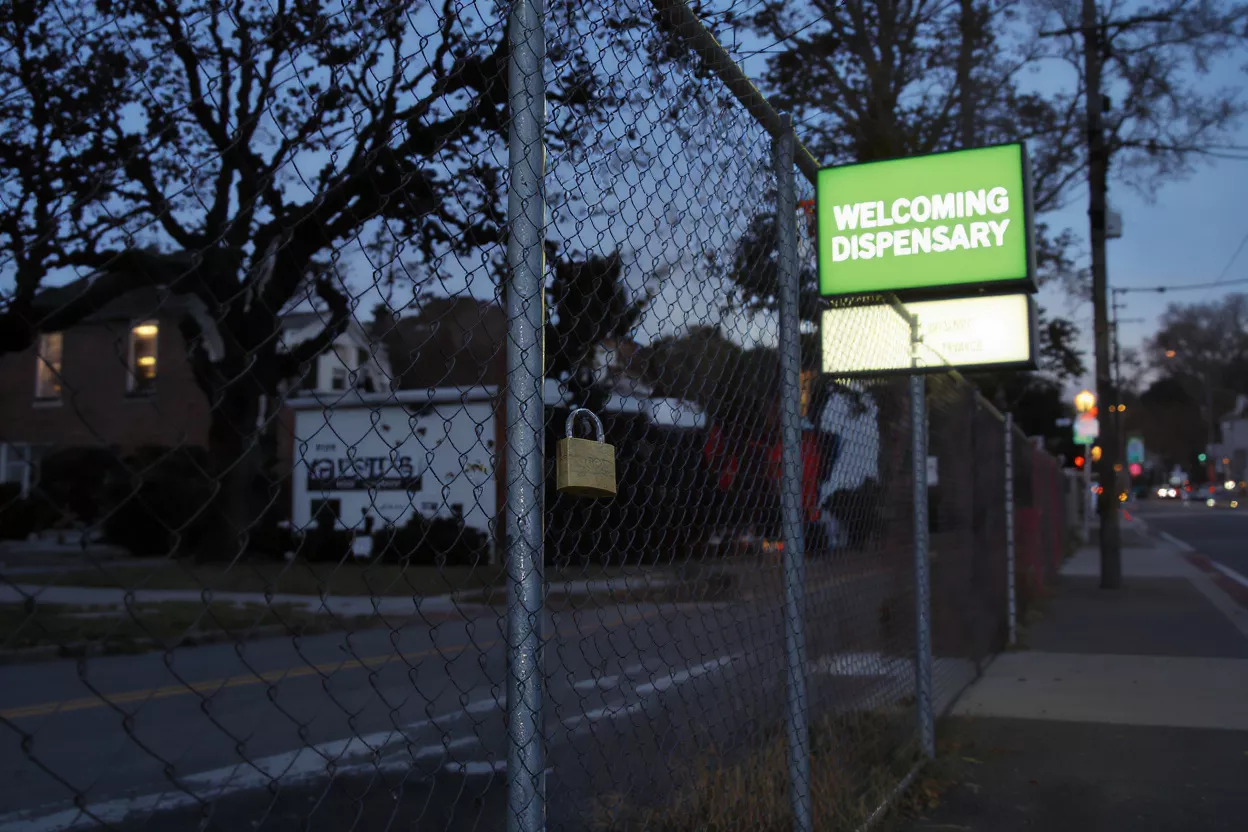
Security is one of the most visible and demanding aspects of running a licensed facility. Because cannabis is valuable and tightly controlled, regulators require operators to lock down their sites with measures that often exceed those of a bank. These requirements protect both the inventory and the surrounding community.
Continuous video surveillance is standard, with cameras covering every room where cannabis is present and footage retained for weeks or months. Access control systems log who enters restricted areas and when, and alarm systems tie into monitoring services that alert authorities to any breach. Many jurisdictions also dictate how product must be stored in vaults or secured rooms when the facility is closed.
Transport security extends these rules onto the road. Product moving between licensed facilities travels under documented manifests, often in unmarked vehicles with GPS tracking and strict chain-of-custody procedures. Every handoff is recorded, ensuring that the chain remains unbroken from cultivation through to the retail counter.
Why Buying From a Licensed Facility Matters for Consumers
For the everyday consumer, all of this regulation translates into one simple benefit: confidence. When you buy from a licensed facility, you are buying a product that has been tested, tracked, and labeled honestly. You know what cannabinoids it contains, you know it was screened for contaminants, and you have a clear path to recourse if anything is wrong.
That confidence is not a marketing slogan — it is the cumulative result of every checkpoint described in this guide. The grower followed cultivation rules, the processor used approved methods, the lab verified safety, and the retailer confirmed your age and provided accurate information. Each licensed link in the chain reinforces the next.
Cannabis consumers today have more transparency available to them than at any point in history, and a licensed facility is the foundation that makes that transparency possible. Choosing the regulated market protects your health, supports legitimate businesses, and strengthens the legal framework that keeps the entire industry accountable. Understanding how these facilities operate turns you into a more informed buyer — and an informed buyer is always the safest one.




Comments