


Limonene
Limonene is a citrus terpene in cannabis that boosts mood, focus and energy.
What Is Limonene in Cannabis
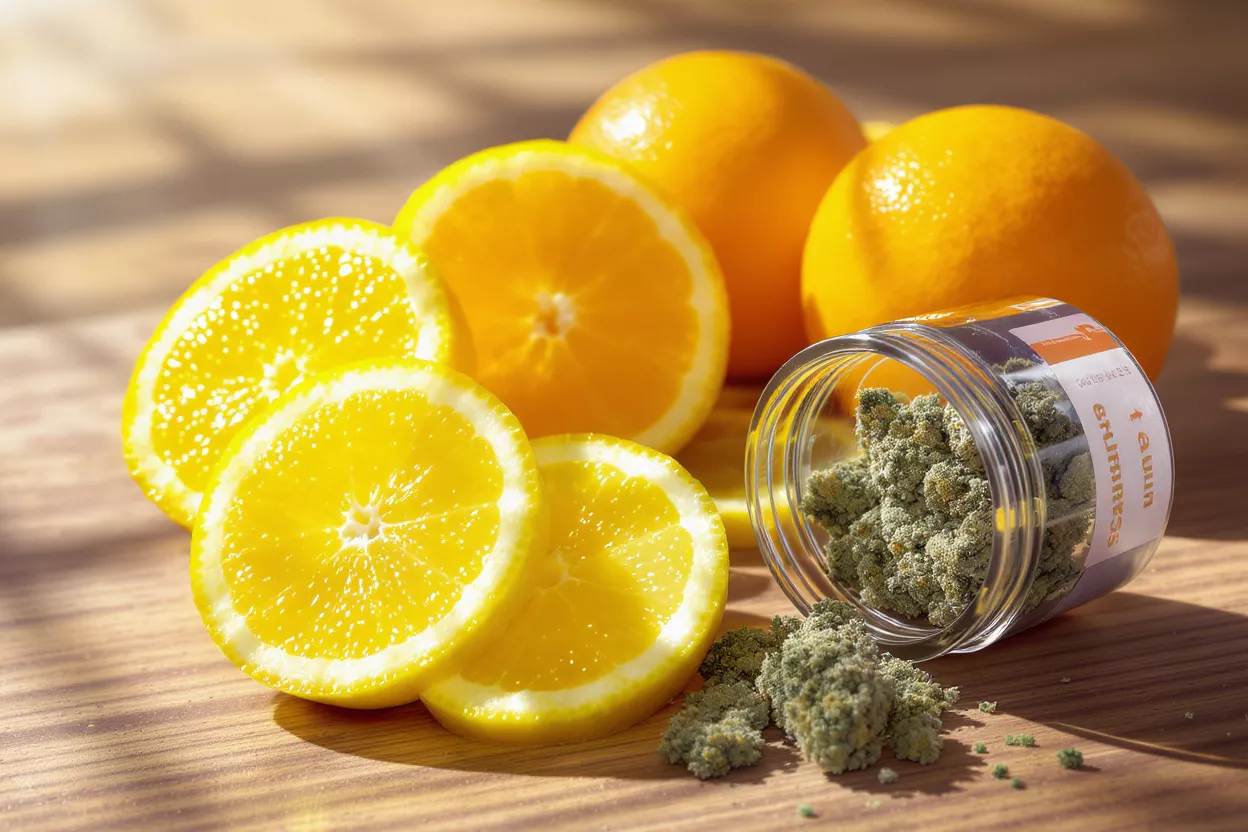
Limonene is one of the most abundant and recognizable terpenes found in cannabis, responsible for the bright, citrusy aroma that wafts from certain strains the moment you crack open the jar. As a member of the terpene family, it occurs naturally not only in the resin glands of cannabis flowers but also in the rinds of lemons, oranges, and grapefruit. If you have ever zested a citrus fruit and caught that sharp, clean burst of fragrance, you already know exactly what limonene smells like.
Chemically, limonene is a cyclic monoterpene, meaning it is built from two isoprene units arranged in a ring structure. It exists in two mirror-image forms, but the variety that dominates in cannabis and citrus peel is d-limonene, the one with the familiar sweet-orange and lemon character. This molecule is volatile and aromatic, which is why it evaporates quickly and why proper curing and storage matter so much for preserving it.
Beyond aroma, limonene has earned attention for the way it may shape the overall experience of a given cultivar. Cannabis is far more than its THC percentage, and terpenes like limonene are a major reason two strains with identical potency can feel completely different. Understanding this single compound opens a window into why certain flowers feel uplifting and energetic rather than heavy and sedating.
How Limonene Works in the Body
Absorption through inhalation and ingestion: When you inhale vaporized cannabis or consume an edible rich in limonene, the terpene enters the bloodstream and crosses biological membranes with ease thanks to its lipophilic, fat-soluble nature. Research on essential oils suggests limonene is rapidly absorbed and distributed to tissues, where it is metabolized into compounds such as perillic acid and limonene-1,2-diol before being excreted.
Interaction with neurotransmitters: Animal studies indicate that limonene may influence serotonin and dopamine activity in regions of the brain associated with mood, anxiety, and reward. This neurochemical interaction is one proposed mechanism behind the terpene's reputation for promoting an uplifted, clear-headed feeling. While human clinical data remains limited, the preclinical signals are consistent enough to keep researchers interested.
Limonene does not bind to cannabinoid receptors the way THC does. Instead, it appears to work through separate pathways and may subtly modulate how cannabinoids are absorbed and felt, which is part of the broader synergy discussed later in this guide.
What Does Limonene Smell and Taste Like
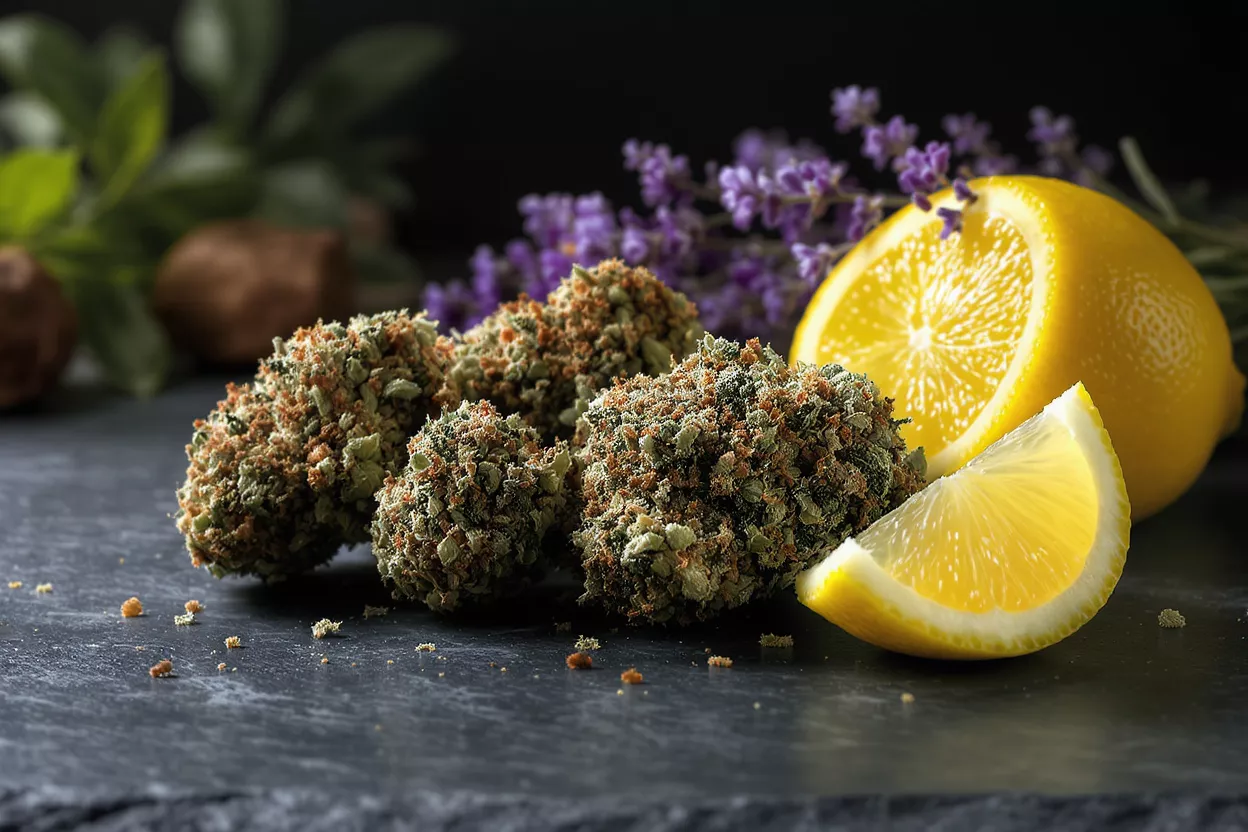
The signature of limonene is unmistakable: a fresh, zesty citrus punch that leans toward lemon and sweet orange with occasional hints of lime or grapefruit. In cannabis, this aroma often presents as a clean, almost sparkling top note that sits above earthier or piney background tones contributed by other terpenes.
On the palate, limonene-forward strains tend to deliver a tangy, slightly sweet citrus flavor that many consumers find refreshing and easy to enjoy. This makes high-limonene cultivars popular among those who dislike the harsh, skunky character of certain other profiles. The flavor is one of the clearest sensory cues that a strain carries a meaningful limonene content.
It is worth noting that aroma intensity is fragile. Heat, light, and oxygen degrade volatile terpenes over time, so a flower that smelled intensely citrusy at harvest may mellow if stored poorly. Keeping cannabis in cool, dark, airtight conditions helps preserve that bright limonene signature. 🍋
Limonene Effects on Mood and Focus
Uplift and stress relief: Limonene is most frequently associated with elevated mood and a reduction in stress. Inhalation studies using citrus aromas have reported decreases in markers of stress and improvements in subjective wellbeing, lending some scientific footing to the anecdotal reports from cannabis users who reach for citrusy strains when they want to feel brighter.
Energy and daytime use: Many consumers describe limonene-dominant strains as energizing and well-suited to daytime activity rather than couch-lock. This perceived liveliness makes such cultivars a common recommendation for creative work, socializing, or simply staying productive without feeling weighed down.
It is important to keep expectations realistic. Mood effects are shaped by the full chemical profile of a strain, the dose, the consumption method, and the individual's own physiology. Limonene contributes a recognizable character, but it is one instrument in a larger orchestra rather than a solo act.
Limonene Health Benefits and Research
Limonene has been studied well beyond the cannabis context, largely because it is generally recognized as safe and widely used in food and fragrance. Several lines of preclinical and early clinical research point to potential therapeutic properties that make this terpene genuinely interesting to scientists.
Among the most discussed properties are the following, drawn from laboratory and animal research:
- 😌 Anti-anxiety potential: Animal models suggest anxiolytic effects, possibly via serotonergic pathways.
- 🛡️ Antioxidant activity: Limonene can help neutralize free radicals that contribute to cellular stress.
- 🦠 Antimicrobial and antifungal action: It shows activity against certain bacteria and fungi in lab settings.
- 🔥 Anti-inflammatory effects: Studies report reduced inflammatory markers in preclinical models.
- 💧 Digestive support: D-limonene has been investigated for soothing heartburn and gastric discomfort.
It bears repeating that much of this evidence comes from cell cultures and animal studies rather than large human trials. The findings are promising and warrant continued investigation, but they should be understood as early-stage science rather than settled medical fact. Anyone exploring limonene for a specific health concern should speak with a qualified healthcare professional.
Best Cannabis Strains High in Limonene
Certain cultivars have built their reputations partly on a dominant limonene profile, and their names often hint at the citrus character within. Lab testing is the only way to confirm exact terpene content, but the following strains are widely regarded as reliable limonene producers.
Popular limonene-rich strains frequently include:
- 🍋 Super Lemon Haze: A sativa-leaning favorite bursting with sharp lemon zest.
- 🍊 Wedding Cake: A balanced hybrid carrying sweet citrus alongside earthy depth.
- 🌿 Do-Si-Dos: Known for a citrus-forward profile with relaxing undertones.
- 🍈 Quantum Kush: A potent variety with bright tangy notes.
- 🟡 Jack Herer: A classic blending limonene with spicy, piney terpenes.
When shopping, the most dependable approach is to read the certificate of analysis or terpene panel rather than relying on a strain name alone. Growing conditions, harvest timing, and curing all influence the final terpene expression, so two batches of the same strain can differ noticeably in their limonene levels.
Limonene and the Entourage Effect
What the entourage effect means: The entourage effect is the theory that cannabis compounds work better together than in isolation. Terpenes like limonene are thought to interact with cannabinoids and other terpenes to shape the overall experience, modulating effects in ways that pure THC or CBD alone cannot.
In the case of limonene, some researchers propose that its mood-elevating character may complement the effects of THC, potentially smoothing anxiety that higher doses can sometimes provoke. By influencing how compounds cross membranes, limonene may also affect the rate and intensity of absorption, though this remains an area of active study.
The practical takeaway is that full-spectrum products, which preserve the natural blend of cannabinoids and terpenes, are often favored by those seeking the nuanced experience the entourage effect describes. Isolates strip away these supporting compounds, including limonene, and with them some of the synergy.
Where Else Limonene Is Found in Nature
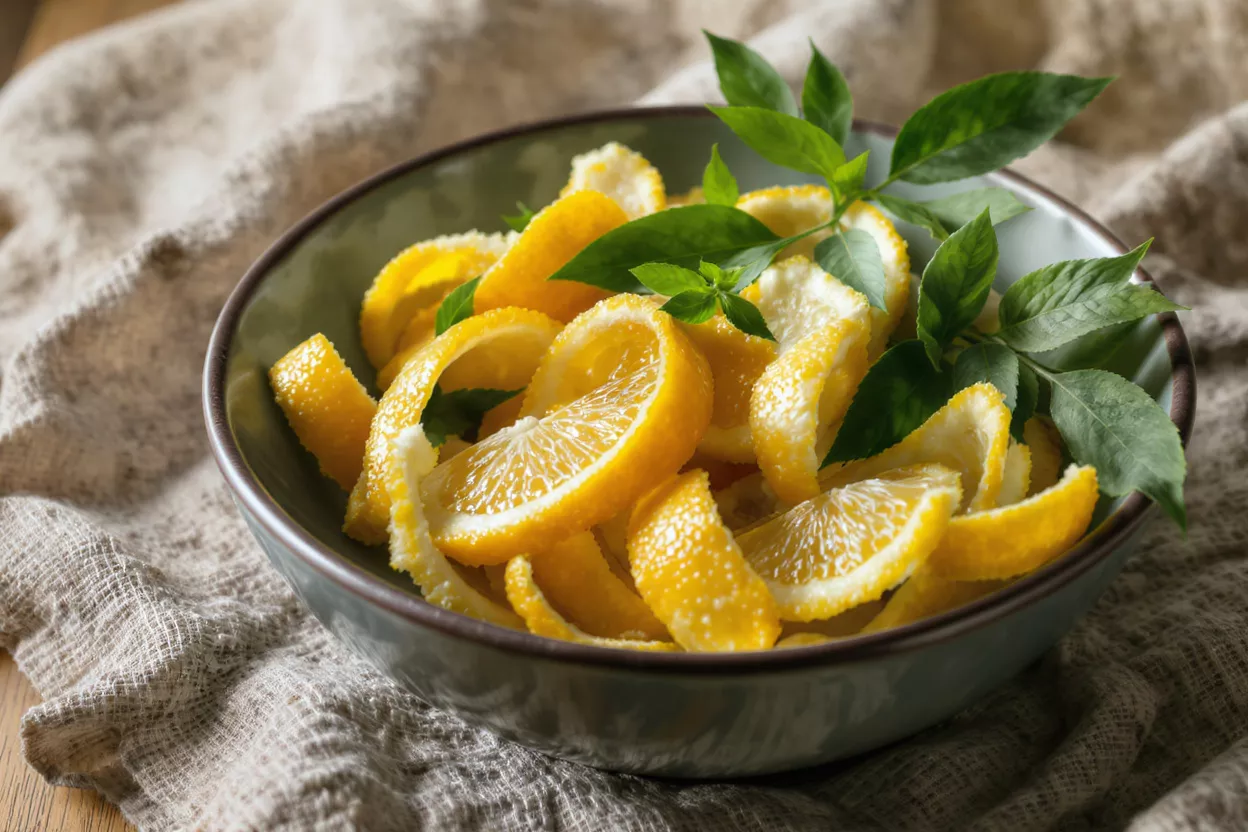
Although cannabis enthusiasts know limonene as a prized terpene, the compound is far more common in the citrus aisle than in any dispensary. The peels of lemons, oranges, limes, and grapefruits are packed with d-limonene, which is why citrus zest releases such a vivid burst of fragrance.
Beyond fruit, limonene appears in juniper, rosemary, peppermint, and dill, contributing to the aromatic complexity of countless herbs. Because it is so abundant and pleasant, industry has embraced it widely, using it as a flavoring agent in foods and beverages and as a natural fragrance in cosmetics and cleaning products.
Its solvent qualities have even made it a popular eco-friendly degreaser, since limonene can dissolve oils and grease while smelling far more agreeable than petroleum-based alternatives. This versatility underscores just how ubiquitous and well-tolerated the molecule is across everyday life.
Is Limonene Safe to Consume
Regulatory standing: Limonene is generally recognized as safe by food authorities when consumed in the small quantities found in foods and beverages. Its long history of use in cooking, cosmetics, and household products speaks to a strong overall safety profile for the average person.
Possible sensitivities: The main caution involves skin contact. Oxidized limonene can act as a mild irritant or allergen for some individuals, which is why concentrated essential oils should be diluted before topical use. Inhaling or ingesting the modest amounts present in cannabis is not associated with the same concern for most people.
As with any compound, moderation and awareness matter. Those with known sensitivities, pregnant or nursing individuals, or anyone managing a medical condition should consult a healthcare provider before deliberately increasing their limonene intake. Used sensibly, however, limonene is among the more benign components of the cannabis plant.

How to Choose Limonene-Rich Products
For consumers who want to prioritize this bright, citrusy terpene, the surest strategy is to seek out lab-tested products that publish a full terpene profile. A certificate of analysis takes the guesswork out of shopping and confirms that limonene is genuinely present in meaningful amounts rather than implied by a clever strain name.
Quick guidance for choosing limonene-forward products includes checking the terpene panel for limonene listed near the top, favoring full-spectrum extracts over isolates to preserve the entourage synergy, and trusting your nose, since a strong, fresh citrus aroma is a reliable real-world indicator of limonene content. Proper storage in cool, dark, airtight containers will then protect that profile until you are ready to enjoy it.
Limonene is a perfect example of why cannabis appreciation goes well beyond cannabinoid percentages. This single terpene brings a refreshing citrus character, a reputation for uplifted and focused effects, and a growing body of research suggesting genuine therapeutic promise. Whether you are drawn to it for the aroma, the mood, or the science, understanding limonene helps you make more informed, satisfying choices and deepens your relationship with the plant as a whole.




Comments