

Linalool
Discover linalool, the calming floral terpene in cannabis.
What Is Linalool in Cannabis?
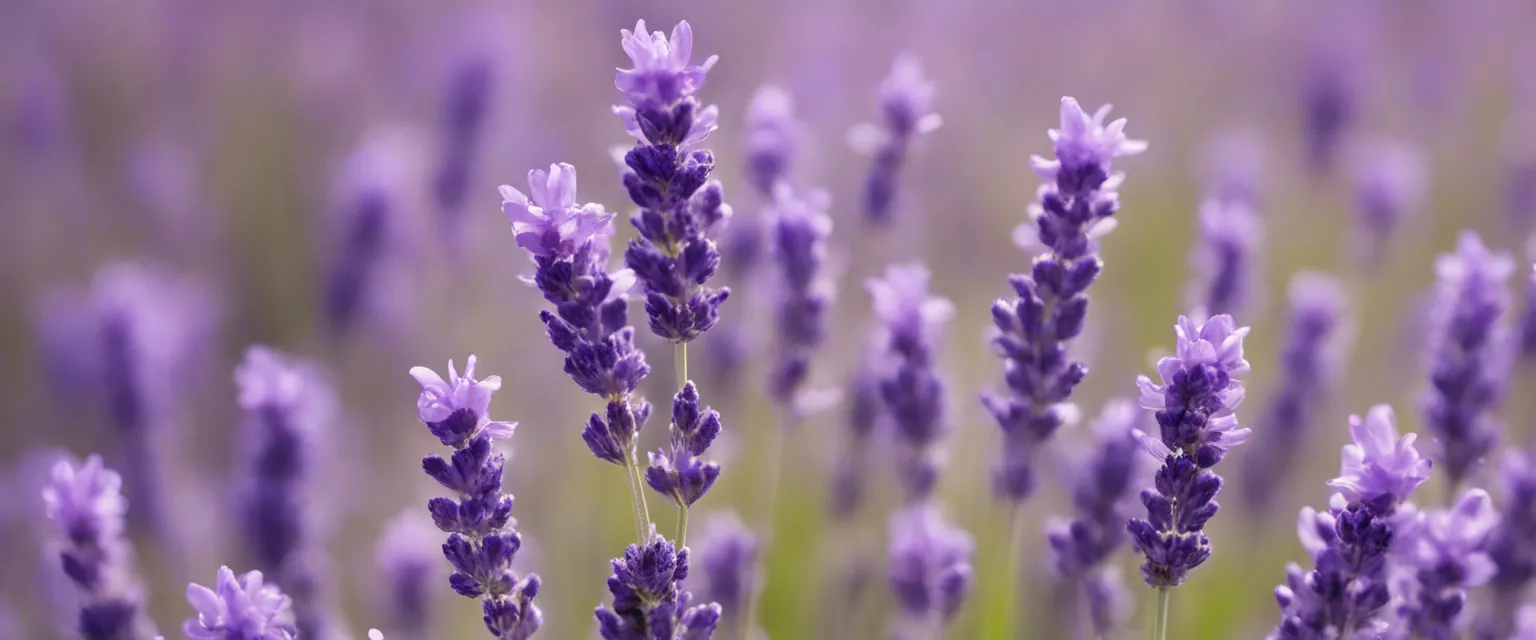
Linalool is one of the most recognizable terpenes found in cannabis, prized for the soft, floral lavender scent it lends to certain strains. As a naturally occurring aromatic compound, it shapes both the sensory character and the potential therapeutic profile of the flower it appears in. While terpenes like myrcene and limonene often dominate conversations about cannabis aroma, linalool occupies a special place thanks to its calming reputation and its long history of use far beyond the cannabis plant.
The chemistry behind the calm: Linalool is a monoterpene alcohol, a class of compounds built from two isoprene units with an attached hydroxyl group. This structure makes it volatile enough to evaporate readily and reach your nose, while also lending it the bioactivity researchers have studied for decades. It exists in two mirror-image forms, with the licareol variant being the one most associated with the lavender-like scent.
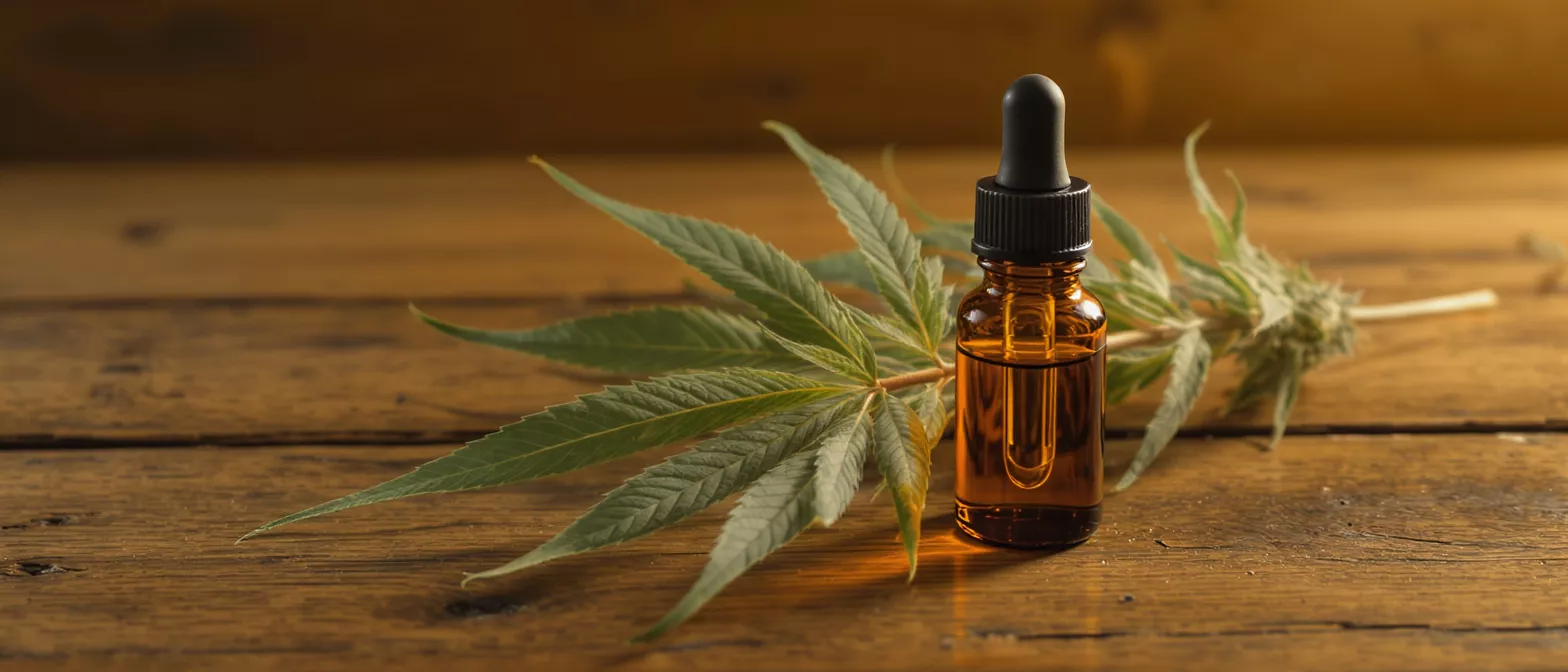
Cannabis plants produce linalool in their trichomes, the tiny resin glands that also manufacture cannabinoids like THC and CBD. Although it usually appears in smaller concentrations than terpenes such as myrcene, even trace amounts contribute meaningfully to a strain's overall character and effects.
Where Does Linalool Come From in Nature?
Long before anyone studied it in cannabis, linalool was already one of the most widespread terpenes in the plant kingdom. It occurs naturally in more than 200 species, which is part of why its scent feels so familiar even to people who have never thought about terpenes. From the herb garden to the spice rack, traces of linalool are woven through everyday life.
The most famous source is lavender, whose flowers owe much of their signature perfume to this compound. But lavender is far from alone, and the list of linalool-bearing plants reads like a tour through a kitchen and an apothecary at once.
- 🌿 Lavender: The archetypal source, used in aromatherapy and traditional sleep remedies for centuries.
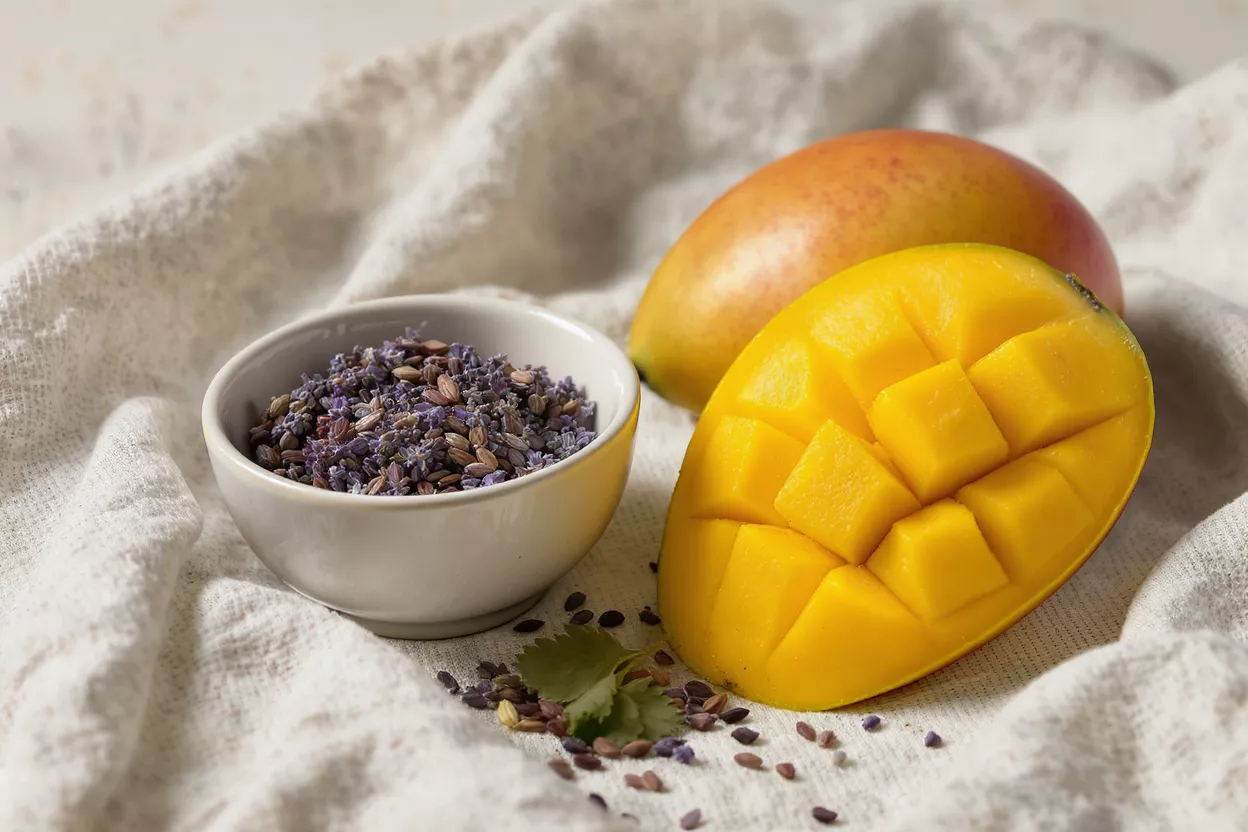
- 🌸 Coriander and basil: Culinary herbs where linalool adds a bright, slightly sweet aromatic edge.
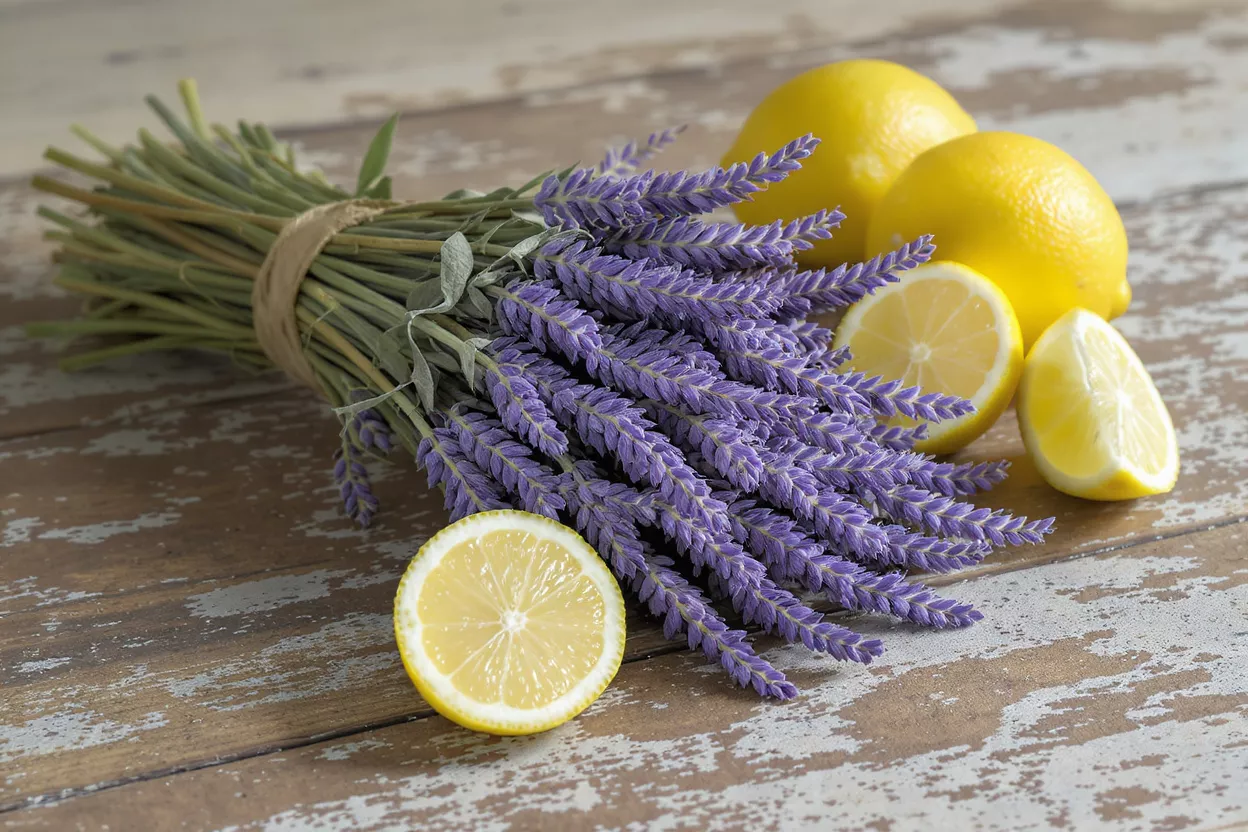
- 🍊 Citrus rinds: Bergamot and other citrus fruits carry linalool alongside their zesty oils.
- 🌳 Rosewood and laurel: Tree species historically distilled for fragrance and essential oils.
- 🌶️ Cinnamon and mint: Spices and herbs where it rounds out the overall aroma.
This botanical ubiquity matters for cannabis because it means linalool has a long safety record in food and fragrance. Regulatory bodies have evaluated it as a flavoring agent, and humans have been exposed to it through diet and perfume for as long as those traditions have existed.
How Does Linalool Work in the Body?
Understanding how linalool produces its effects requires looking at how it interacts with the nervous system. Unlike cannabinoids, which bind primarily to the body's endocannabinoid system, linalool works through several distinct pathways that influence mood, pain perception, and relaxation.
Calming neurotransmitter activity: Research suggests linalool modulates the GABA system, the brain's primary inhibitory network. By enhancing GABA signaling, it can dampen overactive neural firing, which helps explain its long-observed sedative and anti-anxiety qualities. Some studies also point to effects on glutamate, an excitatory neurotransmitter, further tilting the balance toward calm.
Pain and inflammation pathways: Beyond its calming reputation, linalool has demonstrated analgesic activity in preclinical research. It appears to interact with receptors involved in pain signaling and may reduce inflammatory markers. These mechanisms have made it a subject of interest for researchers exploring natural approaches to discomfort and tension.
It is worth emphasizing that much of this evidence comes from animal models and laboratory studies. The picture is promising and consistent with centuries of traditional use, but human clinical trials remain limited. Treat the science as a strong foundation rather than a finished conclusion.
Linalool Aroma and Flavor Profile
The sensory signature of linalool is what most people notice first. When a strain carries a noticeable amount, you encounter a soft floral bouquet reminiscent of fresh lavender, sometimes with hints of citrus and a faintly spicy undertone. It is delicate rather than pungent, often working as a backdrop that smooths the sharper edges of other terpenes.
On the palate, linalool translates into flavors that feel clean and slightly sweet. Many tasters describe a lavender-forward smoothness with subtle herbal and citrus notes layered underneath. Because it rarely overpowers, it tends to enhance the overall experience rather than define it on its own.
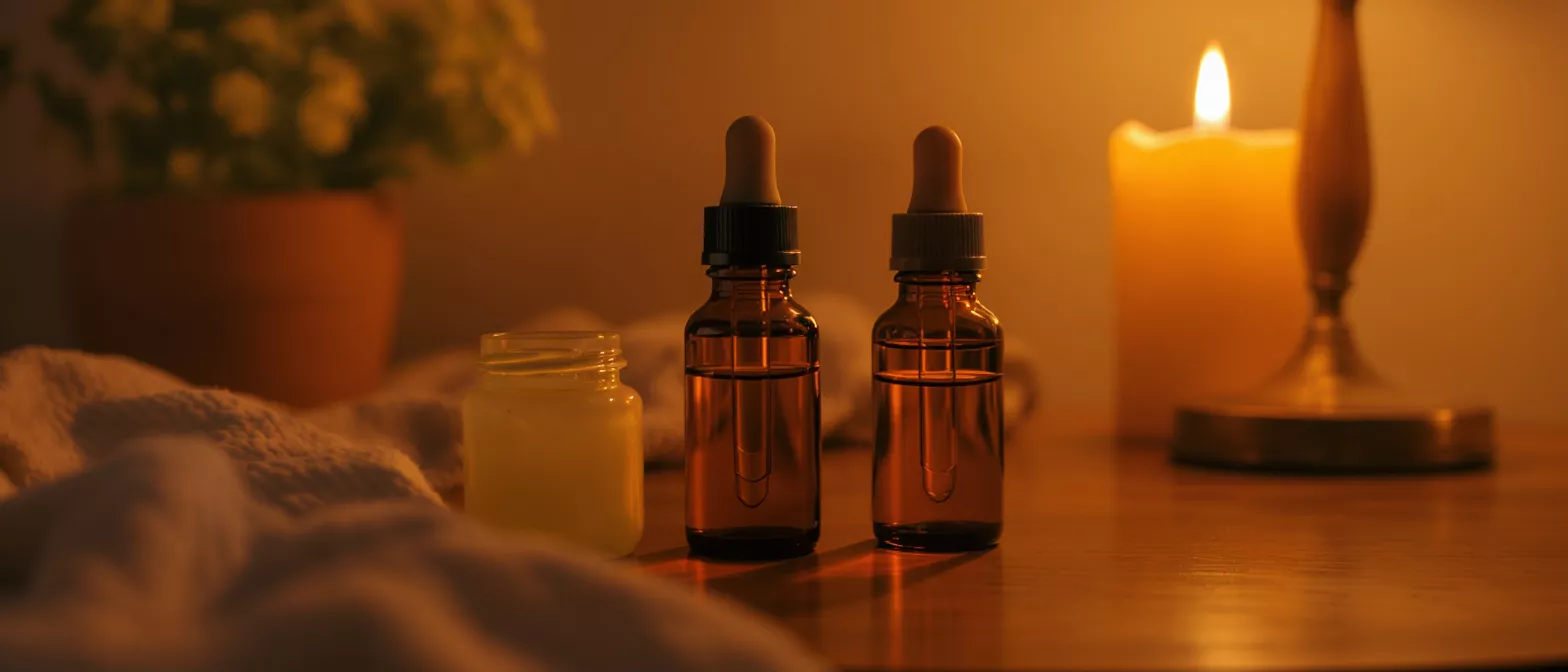
For consumers learning to identify terpenes by smell, linalool is one of the easier ones to recognize once you know what to look for. If a strain reminds you of a relaxing aromatherapy candle or a walk past a blooming lavender bush, there is a good chance linalool is part of the equation.
Linalool Effects and Potential Benefits
The appeal of linalool extends well beyond its pleasant aroma. Drawing on both traditional aromatherapy practice and a growing body of laboratory research, this terpene has become associated with a cluster of wellness-oriented effects that complement the relaxing strains it tends to appear in.
Here is a concise summary of the benefits most often attributed to linalool, based on preclinical findings and historical use:
- 😌 Anxiety reduction: Calming effects on the nervous system that may ease feelings of stress and tension.
- 🌙 Sleep support: Sedative qualities that help quiet a racing mind and encourage rest.
- 💪 Pain relief: Analgesic activity that may soften aches and physical discomfort.
- 🔥 Anti-inflammatory action: Reduction of inflammatory signaling in laboratory studies.
- 🧠 Neuroprotection: Early research suggesting protective effects on brain cells under stress.
These effects rarely operate in isolation. In a whole-flower context, linalool works alongside cannabinoids and other terpenes, meaning the experience you feel reflects a blend rather than any single compound acting alone. That synergy is central to how modern cannabis science understands plant effects.
Linalool for Anxiety and Sleep
If there is one area where linalool has earned its reputation, it is relaxation. The connection between lavender and restful sleep is so deeply embedded in folk medicine that it predates any chemical analysis, and modern research has begun to validate what tradition long assumed.
Why it pairs well with evening use: Because linalool nudges the nervous system toward calm, strains and products rich in it are frequently chosen for nighttime or wind-down routines. Its sedative leaning makes it a natural complement to indica varieties, which are themselves associated with body-heavy relaxation.

Stress and the modern wind-down: Many people gravitate toward linalool-rich options specifically to manage everyday stress. The terpene's anxiolytic profile, combined with the ritual of a calming evening session, can create a meaningful sense of decompression after a demanding day. For those sensitive to the more racy effects of high-energy strains, linalool offers a gentler path.
As with all wellness applications, individual responses vary. Body chemistry, dose, and the full cannabinoid and terpene profile of a product all influence how pronounced these calming effects feel. Starting low and paying attention to your own response remains the wisest approach.
Cannabis Strains High in Linalool
Not every cannabis strain contains meaningful amounts of linalool, but certain cultivars have become known for it. These tend to be the relaxing, floral-smelling varieties that consumers reach for when they want to unwind rather than energize.
Classic linalool-forward cultivars: Strains in the lineage of relaxing indicas frequently test higher for this terpene. Many of these carry names and aromas that hint at their floral character, and they are popular evening choices precisely because of how linalool shapes their effects.
- 💜 Lavender: Named for its aroma, this strain is one of the most reliable sources of the terpene.
- 🌌 Granddaddy Purple: A famous indica with a sweet, floral profile and strong relaxing reputation.
- 🍇 LA Confidential: Known for calming, sedative effects suited to nighttime use.
- 🌸 Amnesia Haze: A more uplifting option where linalool tempers the brighter notes.
- 🌿 Do-Si-Dos: A potent, floral-leaning strain favored for deep relaxation.
If you want to confirm a product's linalool content, look for lab-tested terpene reports. Reputable producers increasingly publish full terpene breakdowns, letting you choose flower based on its aromatic and effect profile rather than guesswork.
Linalool and the Entourage Effect
One of the most important concepts in modern cannabis science is the entourage effect, the idea that cannabis compounds work better together than in isolation. Linalool is a frequently cited example of how a single terpene can shape the broader experience of a strain.
In practice, linalool may modulate the effects of THC, potentially softening some of the anxiety or paranoia that high-THC products can provoke in sensitive users. By contributing its own calming influence, it can shift the overall character of a strain toward a more balanced, manageable experience.
It also interacts with other terpenes. Combined with myrcene, the sedative qualities of both can deepen, reinforcing the couch-lock relaxation associated with many indicas. Paired with limonene, the result may feel more balanced, blending mood lift with underlying calm. These combinations explain why two products with identical THC percentages can feel remarkably different.
Is Linalool Safe to Consume?
For most people, linalool is well tolerated, and its long history in food and cosmetics speaks to a strong safety profile. Regulatory agencies have approved it as a flavoring agent, and the amounts present in cannabis are modest compared to many dietary sources.
Skin sensitivity considerations: The one well-documented caveat involves topical exposure. When linalool oxidizes through prolonged contact with air, it can form compounds that occasionally trigger skin irritation or allergic reactions in sensitive individuals. This is far more relevant to cosmetics and aromatherapy oils than to inhaled or ingested cannabis, but it is worth noting for anyone using terpene-rich topicals.
When consumed as part of whole-plant cannabis, linalool has not been associated with significant adverse effects at typical concentrations. As always, the broader cautions around cannabis use apply, including starting with a low dose, avoiding impaired activities, and consulting a healthcare provider if you take medications or have underlying conditions.
Choosing Linalool-Rich Cannabis Products
Selecting cannabis with a meaningful linalool presence comes down to reading labels and understanding what you want from the experience. As terpene awareness grows, more producers highlight these compounds, making it easier than ever to shop by profile rather than by THC percentage alone.
What to look for on a label: Seek out lab-tested products that list terpene percentages, and prioritize those where linalool appears prominently. Pair that information with the strain's reputation and your own goals, whether that is relaxation, sleep support, or simply a softer floral aroma to enjoy.
- 🔍 Check the COA: A certificate of analysis confirms terpene content and overall product quality.
- 🌙 Match the timing: Reserve linalool-heavy products for evenings and wind-down moments.
- 📊 Consider the full profile: Look at how linalool sits alongside cannabinoids and other terpenes.
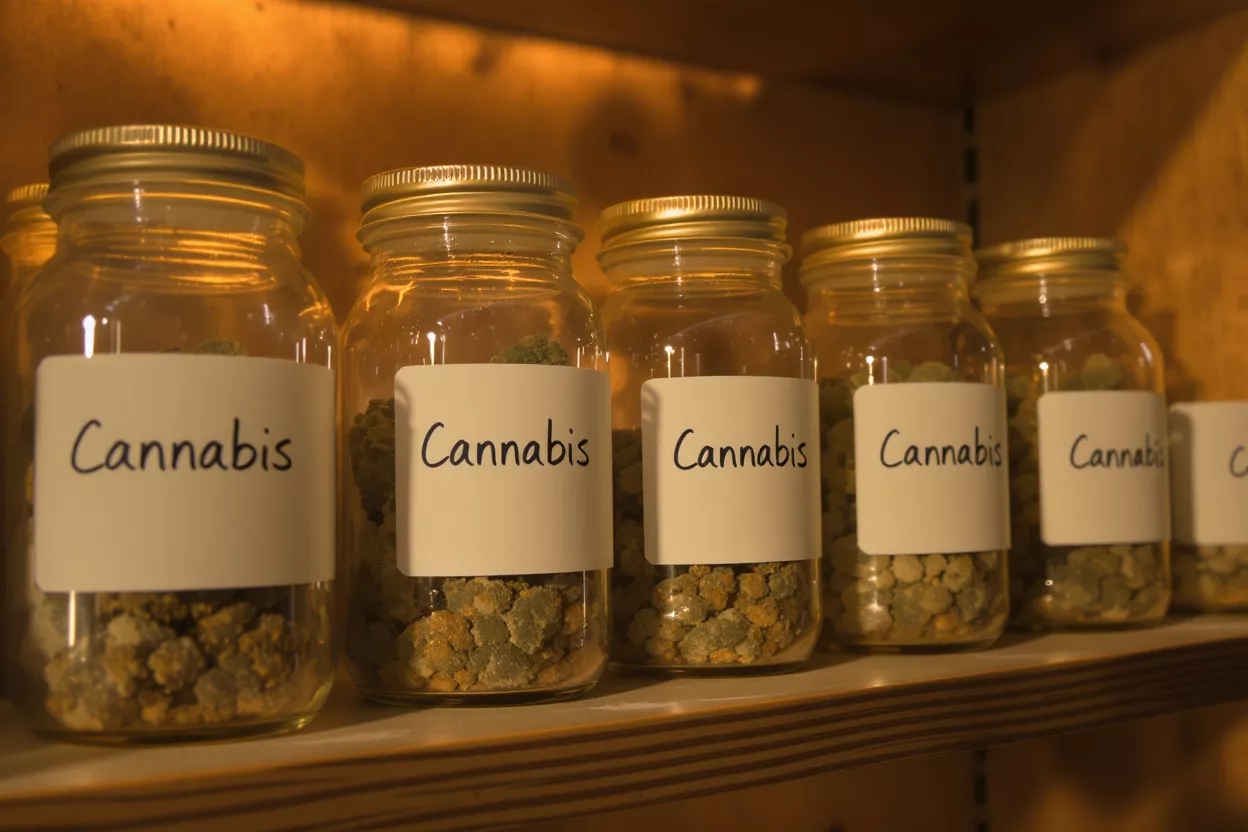
Ultimately, linalool is a quiet but influential player in the cannabis experience. Its lavender-soft aroma, calming reputation, and supportive role in the entourage effect make it a terpene worth understanding. Whether you are chasing better sleep, gentler relaxation, or simply a more nuanced appreciation of the plant, learning to recognize and seek out linalool gives you one more tool for choosing cannabis that fits your needs. As research continues to catch up with tradition, this floral terpene is sure to remain a favorite among those who value calm over chaos.



Comments