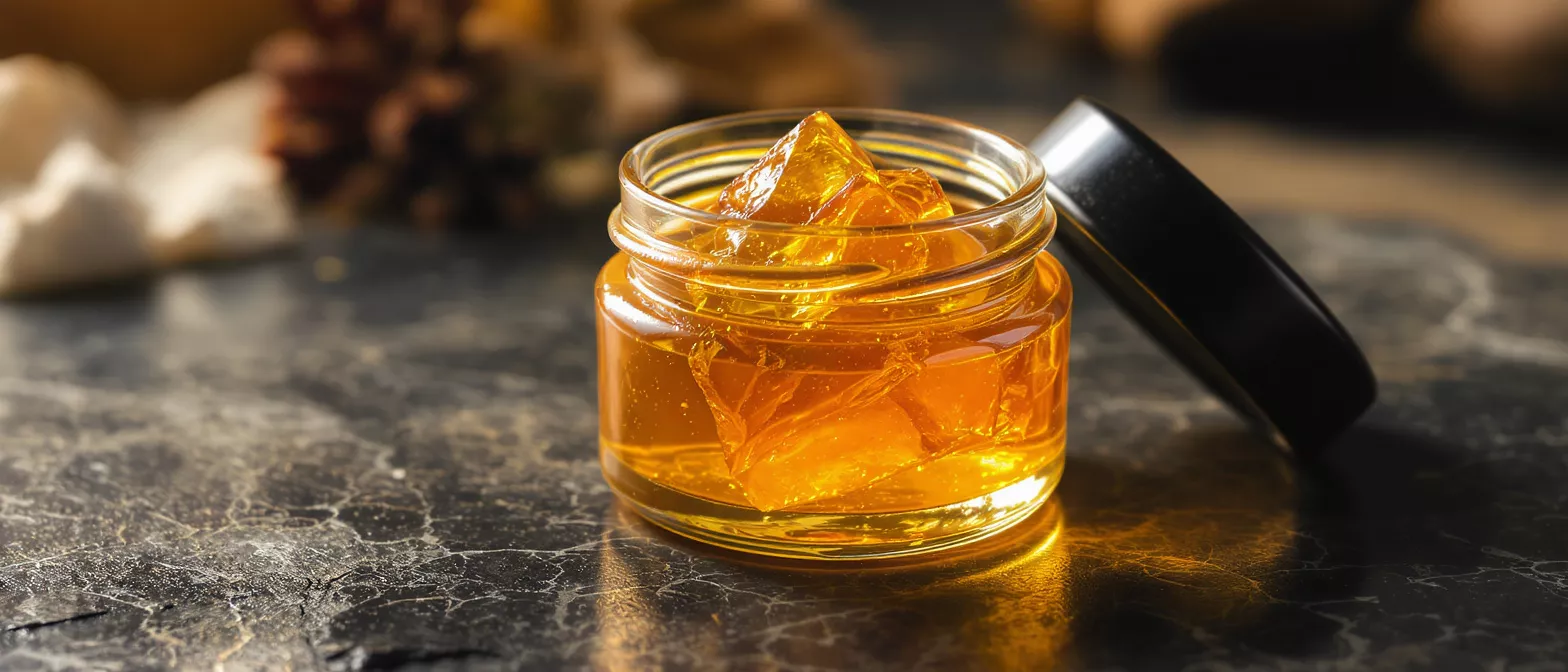
Live rosin
Learn what live rosin is, how it's made solvent-free, and why it delivers unmatched flavour.
What Is Live Rosin and How Is It Made
Live rosin sits at the premium end of the cannabis concentrate world, prized by connoisseurs for its purity and full-spectrum flavor. Unlike many extracts that rely on chemical solvents, live rosin is produced using nothing more than heat, pressure, and ice water. The result is a concentrate that captures the living essence of the plant — the terpenes, cannabinoids, and aromatic compounds that give each strain its distinct personality. If you have ever wondered why some dab enthusiasts pay a premium for that small gram jar, the answer lies in how this material is made.
The "live" in live rosin refers to the starting material. Producers freeze freshly harvested cannabis immediately rather than drying and curing it first. This flash-freezing locks in volatile terpenes that would otherwise evaporate during a traditional cure, preserving the bright, vivid aromas that make a strain like a citrus Diesel or a gassy cut so recognizable. That frozen flower is then washed in ice water to separate the trichome heads, which contain the bulk of the plant's resin.
Once the trichomes are collected and dried into a substance called bubble hash, they are pressed between heated plates. The gentle combination of warmth and force coaxes out a golden, oily extract — that final product is live rosin. Because no butane, propane, or ethanol hash oil (EHO) ever touches the material, what you inhale is a remarkably clean expression of the original flower.
Live Rosin vs Live Resin: Key Differences
The names sound nearly identical, and that confusion trips up plenty of new buyers. The crucial distinction comes down to one word: solvents. Live resin is made by blasting frozen cannabis with a hydrocarbon solvent like butane, then purging that solvent away. Live rosin uses no solvent at all, relying purely on the mechanical ice-water-and-press method described above.
Why does the solvent difference matter so much? For many consumers, it is about purity and peace of mind. Solventless products leave no chance of residual chemicals in the finished concentrate, which appeals to anyone who prefers a cleaner inhale. A Forbes report on the maturing cannabis market noted that demand for solventless, craft-tier products has grown sharply as consumers become more ingredient-conscious, much the way they scrutinize food labels.
Is one stronger than the other? Potency between the two is often comparable, since both start from terpene-rich frozen flower. The real difference shows up in flavor nuance and production cost. Live rosin demands more labor and higher-quality starting material to yield well, which is why it commands a higher shelf price. If you are weighing your options, a quality solventless concentrate sampler lets you taste the contrast firsthand before committing to a full gram.
How Live Rosin Is Pressed Without Solvents
The pressing stage is where art meets engineering. After the bubble hash is collected and freeze-dried to remove moisture, it gets loaded into a fine micron filter bag and placed between the heated plates of a rosin press. Temperature, pressure, and time all interact to determine the final yield and consistency.
Temperature is the single most important variable. Press too hot and you scorch the delicate terpenes, dulling the flavor and darkening the color. Press too cold and the resin refuses to flow, leaving valuable material trapped in the bag. Most skilled pressers work in a narrow window — roughly 160 to 200°F — adjusting based on the specific hash and the texture they want to achieve.
Pressure and bag micron size round out the equation. A finer micron bag filters out more plant matter for a cleaner product but can lower yield, while a coarser bag flows more freely. The best operators treat each batch individually, almost like a chef tasting and adjusting a sauce. This hands-on craft is part of why live rosin feels closer to a small-batch artisan good than a mass-produced commodity, and why a well-made cold-cure rosin jar can taste so distinct from one press house to the next.
Types of Live Rosin and Textures Explained
Live rosin is not a single texture — it shifts and transforms depending on how it is cured after pressing. Understanding these variations helps you pick the experience that suits you, whether you chase maximum flavor or prefer a more stable, easy-to-handle consistency.
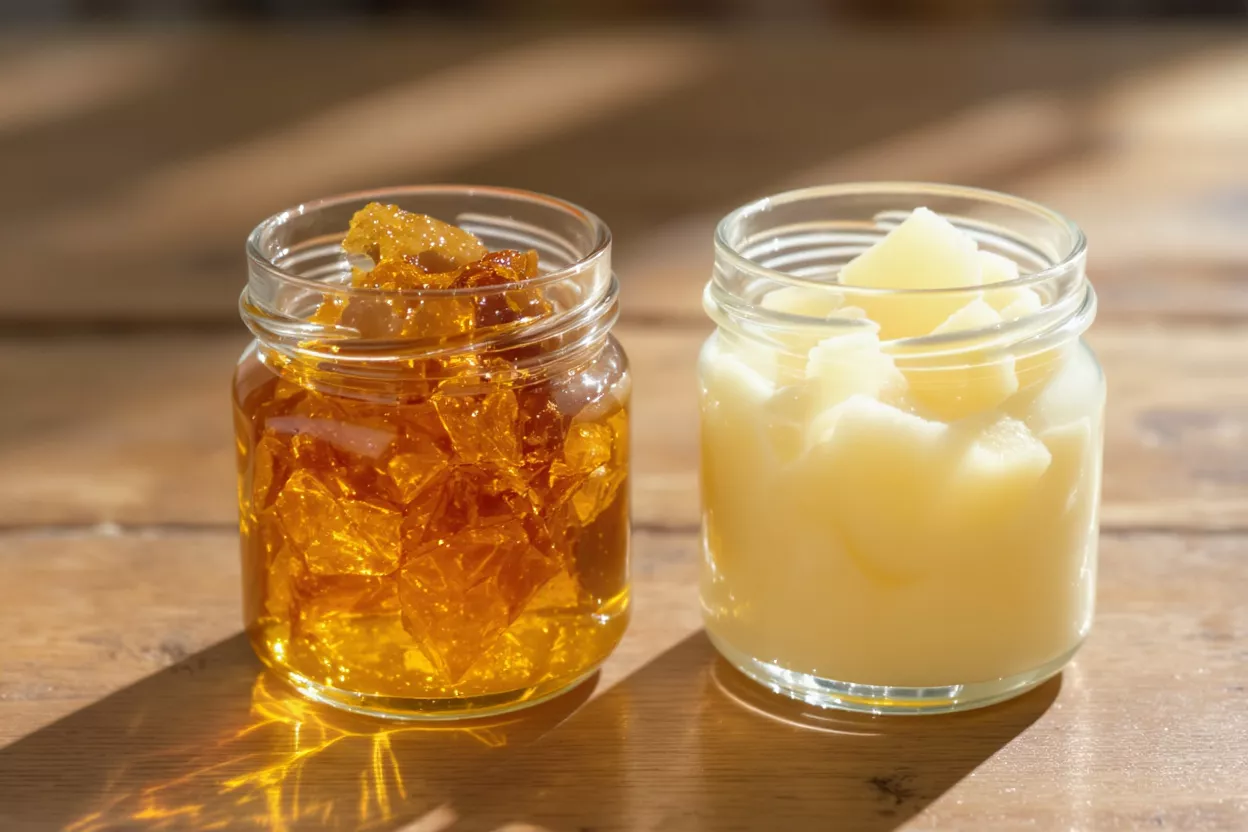
The two broad families are fresh-press and cold-cure rosin. Fresh-press is used soon after extraction and tends to be runnier and more sappy. Cold-cure rosin is jarred and held at a controlled low temperature for days, allowing it to "batter up" into a creamy, peanut-butter-like consistency that many enthusiasts consider the gold standard for flavor retention.
Here are the textures you are most likely to encounter on a menu:
- 🧈 Badder: A whipped, creamy consistency that spreads easily and loads onto a dab tool without fuss.
- 💎 Cold-cure: Often develops crystalline Diamonds suspended in a terpene-rich sauce, prized for bold flavor.
- 🍯 Fresh-press: Glossy and sappy, captured straight off the plates for a vivid, immediate taste.
- 🪨 Jam: A thick, spoonable texture sitting between sauce and badder, easy to portion.
None of these is inherently superior — the right choice depends on your dab style and flavor priorities. Newcomers often gravitate toward a stable badder, while seasoned dabbers chase the complex, layered profiles of a well-cured cold-cure batch.
Live Rosin Benefits for Flavor and Potency
The headline benefit of live rosin is flavor. Because the extraction preserves the plant's full terpene profile, each hit delivers a layered aromatic experience that solvent-stripped or distillate-based products simply cannot match. Tasting a fresh citrus or pine note from a clean press is the closest thing to smelling the living flower itself.
Full-spectrum effects are the second draw. Live rosin retains a broad range of cannabinoids and terpenes working together — an interaction researchers often describe as the entourage effect. This means the experience tends to feel more rounded and nuanced than a single-compound product. Cannabinoid science is still evolving, but as Forbes has reported, interest in full-spectrum and minor cannabinoids continues to climb as consumers seek more than just raw Delta-9 THC potency.
Purity is the third, and for many the deciding, benefit. With no residual solvents to worry about, live rosin appeals to the wellness-minded user who wants the cleanest possible inhale. That said, potency is still substantial — concentrates routinely test far higher in cannabinoids than flower, so a little goes a long way. Beginners should start with a rice-grain-sized dab and work up. For those who want versatility, a temperature-control e-rig makes it easy to dial in lower heat that protects those precious terpenes.
How to Dab Live Rosin the Right Way
Dabbing live rosin is all about low-temperature technique. Terpenes are fragile, and the high heat of an old-school torch-and-nail approach can burn off the very compounds you paid extra to enjoy. The modern approach favors precision and patience over a roaring red-hot banger.
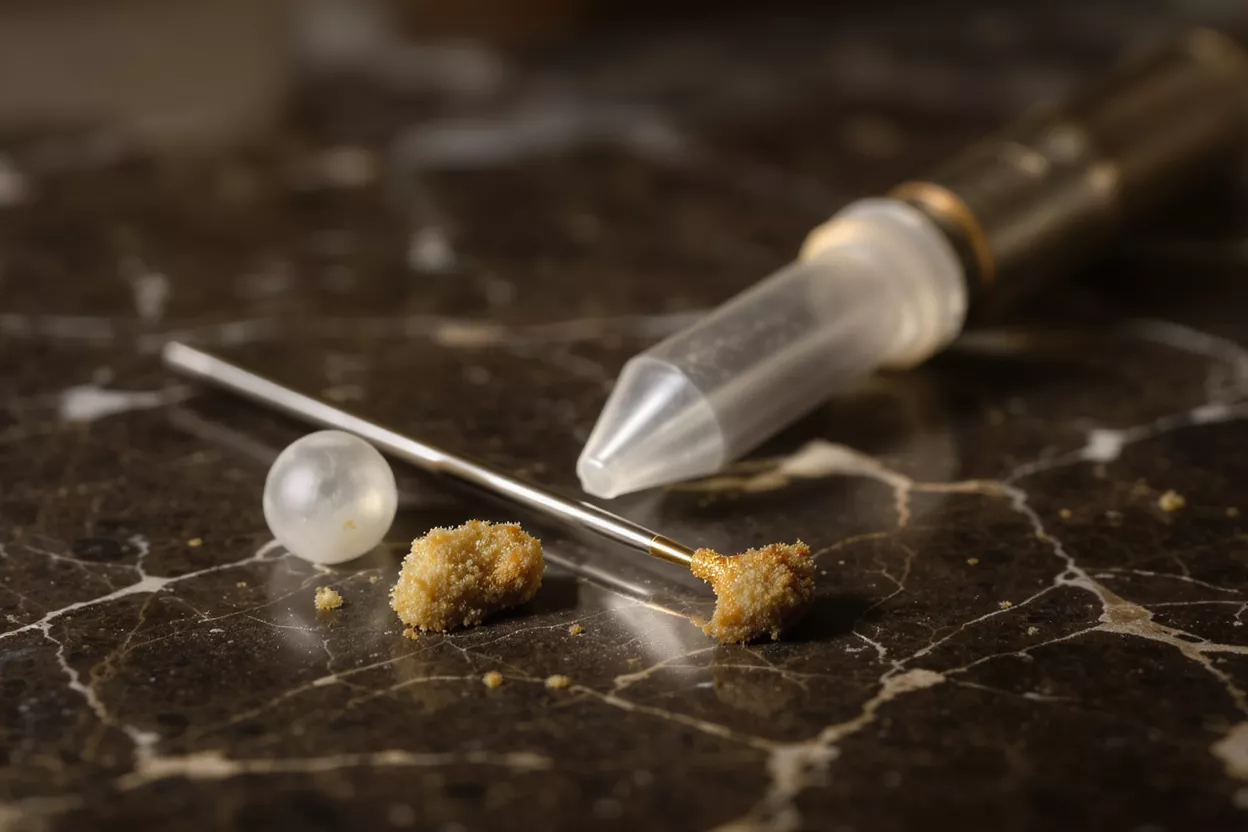
An e-nail or e-rig is the easiest way to maintain a consistent low temperature, typically in the 500 to 580°F range for solventless extracts. If you use a traditional torch and quartz banger, heat the nail, then let it cool for 45 to 60 seconds before dropping in your dab. A directional airflow carb cap helps swirl the rosin across the surface so nothing pools and wastes away. Some purists also enjoy a domeless nail setup for its simplicity, though e-rigs have largely taken over for terpene preservation.
Here is a simple low-temp dabbing sequence to follow:
- 🌡️ Set your temperature: Aim for 500–580°F on an e-nail, lower for more flavor.
- 🥄 Portion a small dab: Rice-grain size is plenty; rosin is potent.
- 💨 Drop and cap: Place the dab, cover with a carb cap, and inhale slowly.
- 🔄 Swirl the airflow: Rotate the cap to spread rosin evenly and avoid pooling.
- 🧹 Clean while warm: Swab the banger after it cools slightly to keep flavor pure.
Slow, steady inhales beat aggressive pulls. Letting the rosin vaporize gently rather than combust is what unlocks that signature clean, flavorful Dank character experienced dabbers rave about.
Live Rosin Storage and Shelf Life Tips
Live rosin is more perishable than solvent extracts because those living terpenes degrade with exposure to heat, light, and air. Proper storage is the difference between a jar that still sings months later and one that has gone flat and dark.
Cold storage is your best friend. Most enthusiasts keep their rosin in the refrigerator or even the freezer in an airtight, non-stick silicone or glass container. Cold slows terpene evaporation and preserves both color and aroma. Just allow the jar to return to room temperature before opening to prevent condensation, which can introduce moisture.
Light and air are the other enemies. UV exposure breaks down cannabinoids over time, so an opaque or amber container stored in a dark drawer extends shelf life considerably. Air exposure oxidizes the oils, so keep the jar sealed tight and only open it when you are ready to dab. Handled well, a quality batch of live rosin can hold its character for many months, though most agree it tastes best fresh while those volatile aromatics are at their peak.
Is Live Rosin Safe and What Affects Quality
One of the strongest selling points of live rosin is that its solventless process eliminates the risk of residual chemicals. There is no butane or ethanol to purge, so a properly made product is about as clean as concentrates get. That said, "safe" still depends on the quality of the starting material and the integrity of the producer.
Source flower matters enormously. Because rosin is a mechanical extraction, any contaminants on the original plant — pesticides, mold, or heavy metals — can carry through into the final product. This is why third-party lab testing is non-negotiable. Reputable producers publish a certificate of analysis showing the rosin tested clean for contaminants and accurately for potency. As coverage in Forbes on cannabis regulation has highlighted, lab transparency has become a defining marker of trustworthy brands in a crowded market.
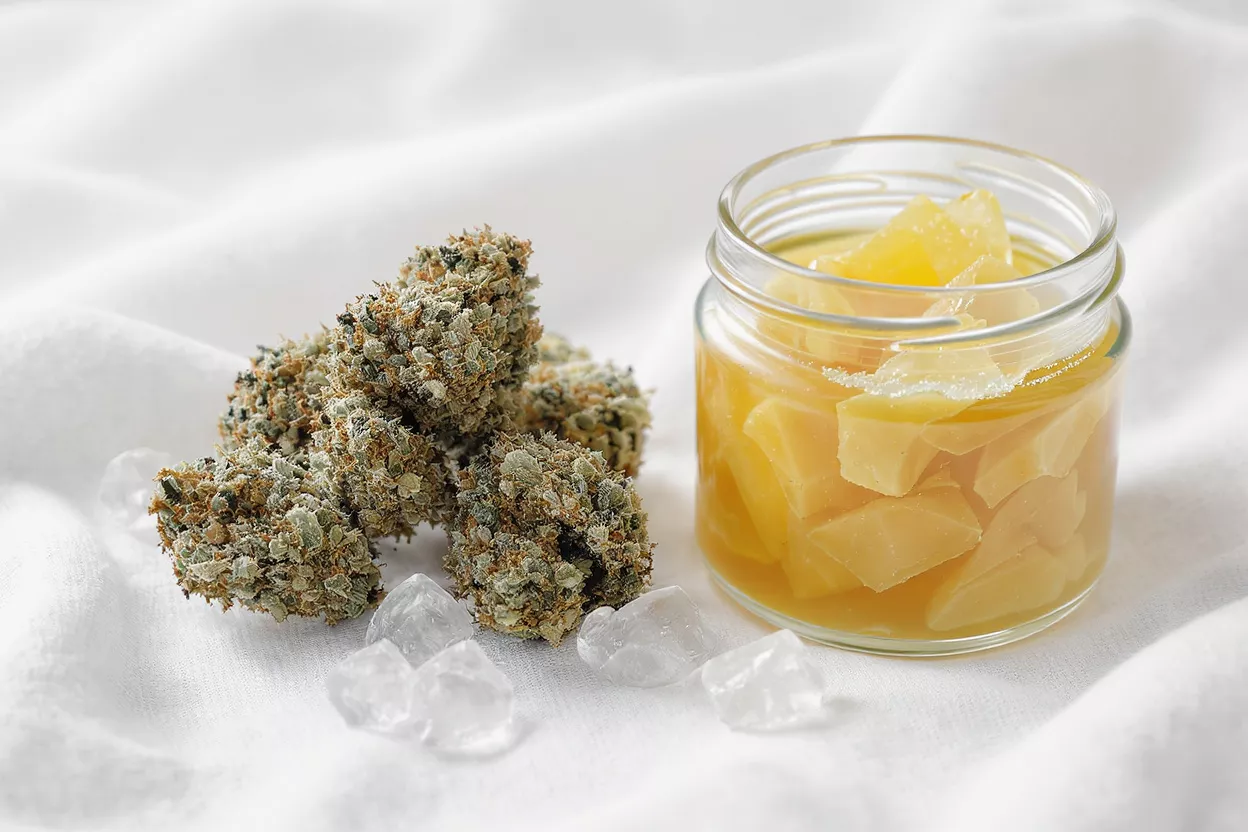
Quality also depends on freshness and craftsmanship. A poorly washed hash or an over-hot press yields a dark, harsh product that loses the appeal of the category entirely. The best rosin is light in color, aromatic, and pressed with care. When you encounter a jar that looks like liquid gold and smells like the living plant, you are looking at the work of a skilled extractor — not a mass-market shortcut.
Live Rosin vs Distillate and Other Concentrates
To appreciate where live rosin fits, it helps to compare it against the broader concentrate landscape. Distillate sits at the opposite end of the spectrum: it is a highly refined, nearly flavorless oil stripped down to a single cannabinoid like Delta-9 THC, sometimes used as a base for Delta-8 or Delta-10 products. It is potent and versatile but lacks the aromatic soul of a solventless extract.
Here is how live rosin stacks up against common alternatives:
- 🌿 Distillate: Ultra-refined, near-tasteless, single-cannabinoid; great for potency, weak on flavor.
- 🧊 Live resin: Solvent-based, full flavor, lower cost than rosin but uses hydrocarbons.
- 🏆 Live rosin: Solventless, full-spectrum, top-tier flavor at a premium price.
- 🍬 Edible elixir: Infused tinctures and Elixir products offer a smoke-free option but slower onset.
Other extraction artifacts you may see include Diamonds (crystalline THC-A) suspended in terpene sauce, products made via dewaxing to remove fats, and various solvent-based shatters and waxes. Live rosin distinguishes itself by skipping every chemical step. For the consumer who values flavor purity above all else, it occupies a category of its own — closer to craft spirits than to bulk commodity oil.
Choosing the Best Live Rosin for Your Needs
With so many options on the menu, picking the right live rosin comes down to a handful of practical checks. Color, aroma, lab results, and texture all tell you something about what is in the jar before you ever take a dab.
Start with appearance and smell. High-grade live rosin ranges from pale blonde to warm gold, never muddy brown. A vivid, complex aroma — citrus, fuel, floral, or fruit depending on the strain — signals well-preserved terpenes. If a jar looks dark and smells faint, it was likely pressed too hot or made from subpar hash.
Always check the lab work and the strain. A certificate of analysis confirms the product is clean and tells you the cannabinoid breakdown. Match the strain to your goals, too: an energizing daytime cut behaves very differently from a heavy nighttime one. Whether you are upgrading your hardware with a fresh e-nail or simply hunting for the most flavorful gram on the shelf, prioritizing tested, well-pressed, cold-cured rosin will rarely steer you wrong.
Live rosin represents the meeting point of craftsmanship and purity in modern cannabis. From its ice-water origins to the careful low-temperature press, every step is designed to honor the plant's natural flavor and full-spectrum character. It costs more than solvent extracts for good reason — the labor, the premium starting material, and the solventless promise all add up to an experience that connoisseurs consider worth every penny. Whether you are taking your first dab or refining a long-held ritual, understanding how live rosin is made, stored, and enjoyed lets you get the very most out of this remarkable concentrate.