

Marijuana
Learn what marijuana is, where the word comes from, and how it affects the body.
What Is Marijuana? A Clear Definition
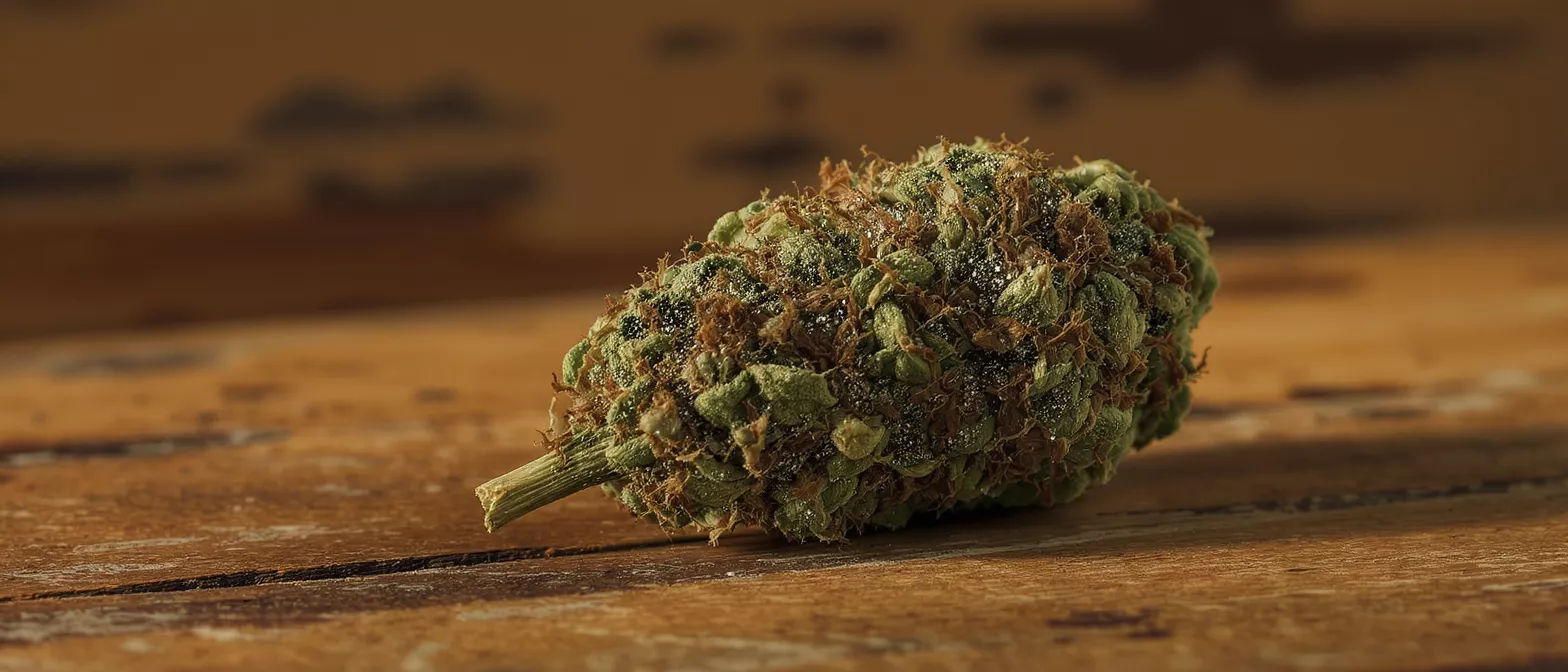
Marijuana refers to the dried flowers, leaves, and stems of the cannabis plant, consumed for its psychoactive and therapeutic properties. Though the word has become shorthand for the plant in everyday speech, its meaning carries layers of botanical, cultural, and political history that most casual users never explore. Understanding what marijuana actually is — and what the term implies — gives you a far richer picture of one of humanity's oldest cultivated plants.
At its core, marijuana is defined by its chemistry. The plant produces hundreds of compounds, but the most famous is THC, the molecule responsible for the characteristic "high." When people speak of marijuana rather than industrial hemp, they are usually pointing to varieties bred for elevated THC content and the experiences it produces.
Marijuana as a botanical category: Botanists classify the plant under the genus Cannabis, with the species sativa, indica, and ruderalis frequently cited. The word marijuana itself is not a scientific term — it is a cultural and legal label that gained traction in the twentieth century. This distinction matters because the science describes a plant, while the vocabulary reveals how societies have chosen to frame it.
Where Does the Word Marijuana Come From?
The origin of the word marijuana is a genuine linguistic mystery that scholars still debate. The term entered American English from Mexican Spanish in the early twentieth century, but its deeper roots remain contested. Some etymologists trace it to Chinese immigrant languages, others to indigenous Nahuatl, and still others to a blending of the Spanish names María and Juana. What is certain is that the word arrived attached to a specific cultural moment.
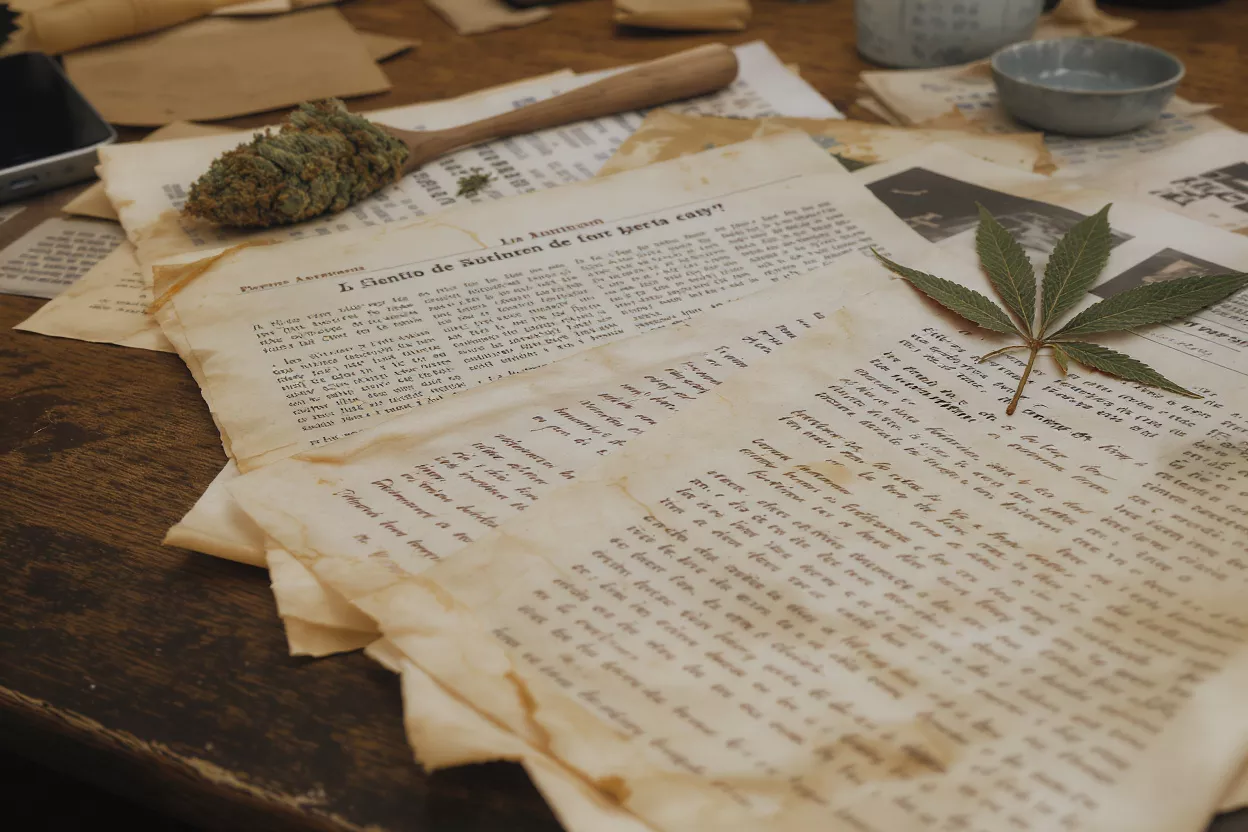
Before "marijuana" became the dominant American term, the plant was known by older names like cannabis, hemp, and Indian hemp in medical and legal documents. Pharmacies stocked cannabis tinctures throughout the nineteenth century, and the plant appeared in the United States Pharmacopoeia. The shift in vocabulary was not accidental — it accompanied a deliberate reframing of the plant in the public imagination.
Why the name changed: When prohibition advocates wanted to turn public opinion against the plant, the foreign-sounding "marijuana" proved more useful than the familiar "cannabis." A word that sounded exotic and unfamiliar made it easier to associate the substance with outsiders and to frighten the general population. The terminology itself became a tool of persuasion.
Marijuana vs Cannabis: What's the Difference?
The distinction between marijuana and cannabis confuses many newcomers, and for good reason — the two words are often used interchangeably. Technically, cannabis is the proper botanical name for the entire plant genus, encompassing both high-THC varieties and low-THC industrial hemp. Marijuana, by contrast, specifically refers to varieties cultivated for their intoxicating effects.
Many advocates and industry professionals now prefer "cannabis" precisely because "marijuana" carries the baggage of its prohibition-era history. The choice of word signals something about the speaker's stance: clinical and neutral, or casual and colloquial. Neither is wrong, but each frames the plant differently.
Here is a simple breakdown of how the terms typically differ in usage:
- 🌿 Cannabis: The scientific genus name covering all varieties, including hemp and psychoactive types. Preferred in medical and legal writing.
- 🔥 Marijuana: Refers specifically to THC-rich plants grown for recreational or medicinal intoxication.
- 📜 Hemp: Legally defined as cannabis containing less than 0.3% THC, used for fiber, seeds, and CBD products.
- 💬 Weed, pot, ganja: Informal slang terms used in everyday conversation across different cultures and eras.
The Racial History Behind Marijuana Prohibition
No honest discussion of marijuana is complete without confronting the racial dimensions of its prohibition. In the early twentieth century, the campaign to outlaw the plant was deliberately entangled with anxieties about Mexican immigrants and Black Americans. Public officials and newspapers spread sensational claims linking the substance to violence and moral decay, and these claims were frequently racialized.
Harry Anslinger, the first commissioner of the Federal Bureau of Narcotics, became a central figure in this campaign during the 1930s. His public statements drew explicit connections between marijuana, minority communities, and supposed criminality. The choice to popularize the Spanish-derived term over the medical word cannabis was part of a broader strategy to make the plant feel foreign and threatening.
Lasting consequences of prohibition: The legacy of this era persists in modern enforcement statistics. Decades of research have documented that marijuana arrests have fallen disproportionately on minority communities, even though usage rates across racial groups are broadly similar. Understanding this history is essential for anyone thinking seriously about cannabis policy and the ongoing movement toward equitable reform.

How Marijuana Affects the Body
Marijuana interacts with the human body through the endocannabinoid system, a network of receptors found throughout the brain, nervous system, and immune cells. When THC enters the bloodstream, it binds to these receptors and produces the cognitive and physical effects associated with being high. This system was only discovered in the early 1990s, which explains why so much remains to be learned.
The effects vary widely depending on dose, individual physiology, consumption method, and the specific chemical profile of the plant. Some users report relaxation and euphoria, while others experience heightened sensory perception or increased appetite. The presence of other compounds, particularly CBD, can significantly modulate how THC feels.
Short-term versus long-term effects: In the short term, marijuana can affect memory, coordination, and reaction time, which is why driving under its influence is dangerous. Long-term effects remain an area of active study, with particular attention paid to adolescent use, since the developing brain may be more vulnerable to lasting changes. Responsible use means respecting both the immediate impairment and the open scientific questions.
Types of Marijuana Strains and Categories
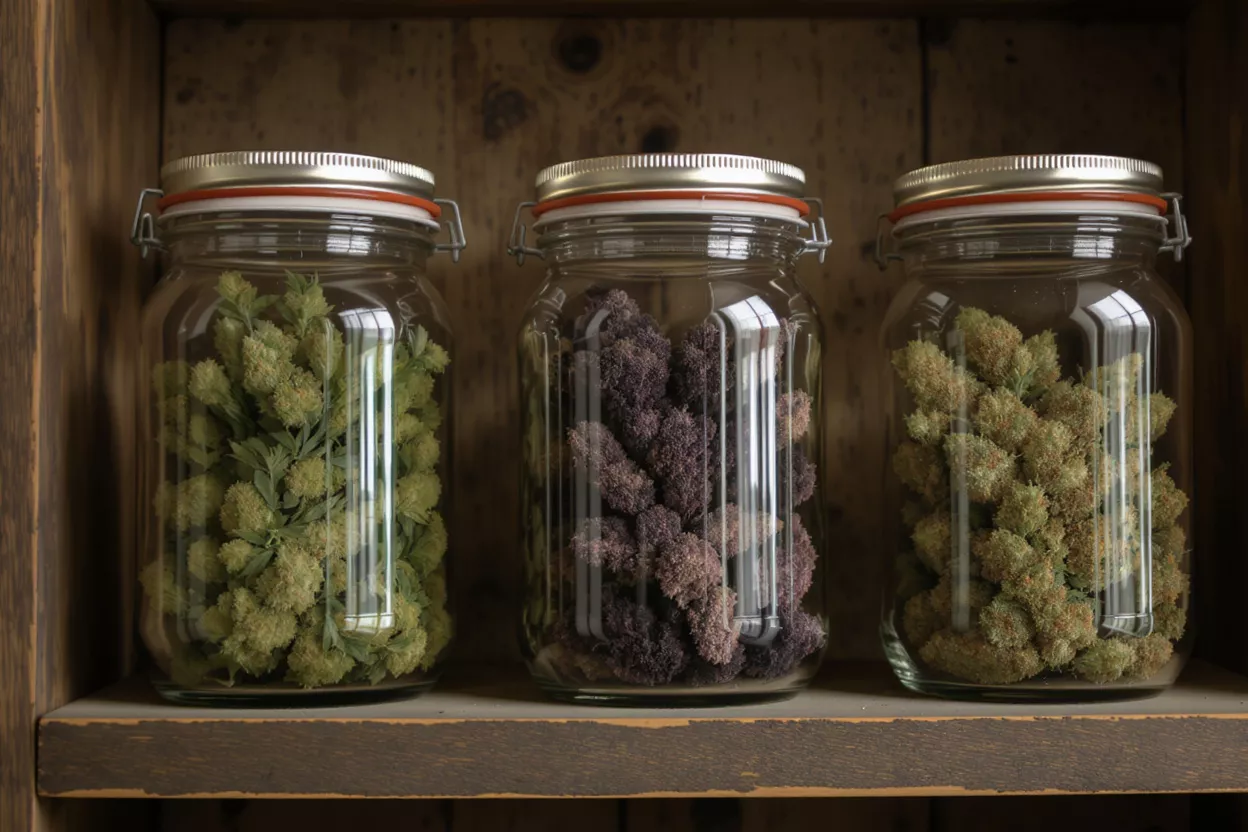
One of the first things newcomers encounter is the dizzying array of marijuana strains, each with evocative names and reputed effects. Traditionally, these are sorted into three broad categories: indica, sativa, and hybrid. While these labels are popular, modern research suggests the picture is more nuanced than the simple indica-sativa binary implies.
The reputed differences between these categories have shaped consumer expectations for decades, even as scientists debate how meaningful the distinctions truly are. What clearly matters more is the underlying chemistry — the ratio of cannabinoids and the aromatic compounds called terpenes that give each variety its distinct profile.
Here is how the traditional categories are commonly described:
- 🌙 Indica: Associated with relaxing, sedating body effects, often chosen for evening use and rest.
- ☀️ Sativa: Linked to uplifting, energizing cerebral effects, frequently favored for daytime activity.
- ⚖️ Hybrid: Crossbred varieties blending traits of both, bred to target specific balanced experiences.
- 🧪 Chemotype focus: A growing emphasis on cannabinoid and terpene content rather than strain name alone.
Medical Marijuana Uses and Research
Medical marijuana has moved from the fringes to mainstream medicine over the past few decades, with a growing body of research supporting specific applications. Patients and physicians have explored cannabis for conditions ranging from chronic pain to epilepsy, and several jurisdictions have built formal medical programs around supervised access.
The strongest evidence currently supports marijuana and its derivatives for a handful of conditions. Chronic pain, chemotherapy-induced nausea, multiple sclerosis spasticity, and certain rare seizure disorders all show meaningful clinical support. For many other conditions the evidence is promising but preliminary, which means patients should approach claims with healthy skepticism.
How medical and recreational use differ: Medical marijuana programs typically emphasize dosing precision, consistent chemical profiles, and physician oversight. A patient managing a chronic condition needs predictable, repeatable effects, whereas recreational use prioritizes the experience itself. This difference shapes how products are formulated, tested, and labeled in regulated markets.
How Marijuana Is Consumed
The way marijuana is consumed dramatically changes the experience, the onset time, and the duration of effects. Smoking the dried flower remains the most iconic method, but the modern market offers a remarkable variety of alternatives that suit different preferences and needs. Each delivery method has distinct advantages and trade-offs worth understanding before you choose.
Inhalation methods like smoking and vaporizing deliver effects within minutes, making them easy to titrate but harder on the lungs. Edibles, by contrast, take far longer to kick in because the THC must pass through the digestive system and liver, where it converts into a more potent metabolite. This delayed onset is the single most common reason new users accidentally overconsume.
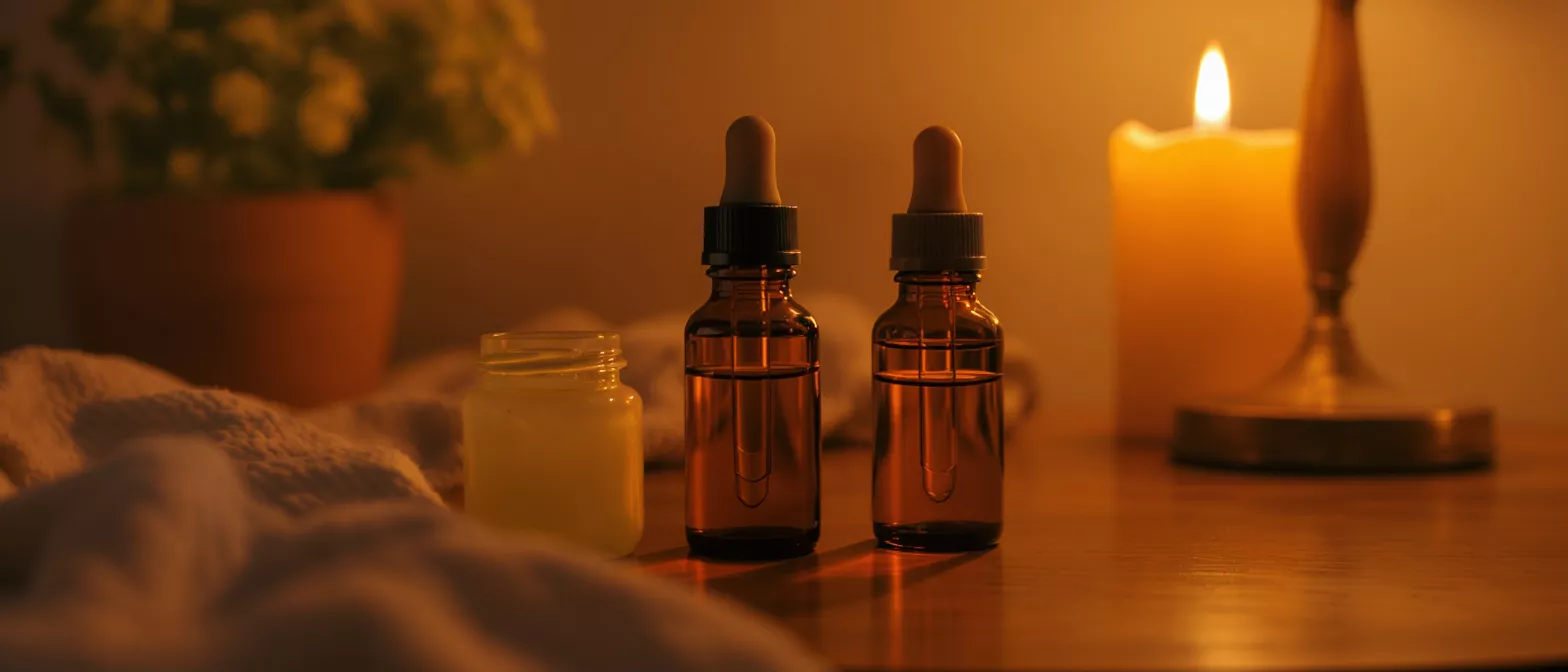
Choosing a consumption method: Beyond smoking and edibles, the market includes tinctures, topicals, capsules, and concentrates. The right choice depends on your goals — fast relief, discretion, long-lasting effects, or localized application. Beginners are wise to start low and go slow, especially with edibles, where patience prevents an unpleasant experience.
Is Marijuana Safe? Understanding the Risks
Whether marijuana is safe is a question without a single tidy answer, because safety depends heavily on the person, the dose, and the context. Compared with many legal substances, marijuana has a relatively favorable safety profile — there is no known lethal overdose threshold for THC. That said, "no fatal overdose" is not the same as "no risk," and responsible users should understand the genuine concerns.
The most significant risks involve cognitive impairment, dependency in a minority of users, and potential harm to adolescent brain development. A subset of people also experience anxiety or paranoia, particularly with high-THC products consumed in large amounts. Cannabis use disorder is real, though it affects a smaller fraction of users than dependency on alcohol or tobacco.
Key safety considerations to keep in mind:
- 🚗 Impaired driving: Marijuana affects coordination and reaction time, making driving genuinely dangerous.
- 🧠 Adolescent use: The developing brain is more vulnerable, so delaying use is the cautious choice.
- 😰 Anxiety risk: High doses can trigger paranoia, especially in inexperienced or sensitive users.
- 💊 Drug interactions: Cannabis can interact with medications, so consult a physician if you take prescriptions.
The Future of Marijuana Legalization
The legal landscape surrounding marijuana has transformed at remarkable speed. What was once universally prohibited is now legal for medical or recreational use in many regions, and the momentum shows little sign of reversing. This shift reflects changing public attitudes, mounting research, and a growing recognition of prohibition's social costs.
Legalization brings its own complex challenges, from designing fair taxation and regulation to addressing the injustices of past enforcement. Many jurisdictions now grapple with expungement of old convictions and equity programs designed to help communities harmed by the drug war participate in the legal industry. The conversation has expanded well beyond simple questions of legality.
As the world reconsiders this ancient plant, the language we use continues to evolve alongside the law. The story of marijuana — from medical cannabis tinctures to prohibition propaganda to a thriving regulated market — is ultimately a story about how societies decide what to fear and what to embrace. Understanding that history, the science, and the ongoing debates equips you to engage with the subject thoughtfully, whether you are a curious newcomer, a patient, or simply someone who wants to know what the word really means.




Comments