


Marinol
Discover how Marinol works, its FDA-approved uses, and why natural cannabis may offer more.
What Is Marinol and How Does It Work
Marinol is a prescription medication built around a single, lab-made molecule that imitates one of the most studied compounds in cannabis. Approved by the FDA decades ago, it represents an early attempt to harness the therapeutic value of THC in a controlled, standardized form. Rather than asking patients to inhale smoke or measure inconsistent plant material, Marinol delivers a precise dose in a soft gelatin capsule swallowed like any other pill.
The active compound binds to the same receptors that natural cannabinoids target throughout the body. When you take a capsule, the synthetic THC travels through the digestive system, gets metabolized by the liver, and eventually interacts with the endocannabinoid system. This network of receptors helps regulate appetite, nausea, mood, and pain perception, which explains why the drug found its niche in supportive care.
Why a pharmaceutical version of THC exists: Regulators wanted a cannabinoid medicine that could be prescribed, dosed, and tracked like conventional drugs. Smoking cannabis was never going to pass through that approval pathway, so a purified, dosable capsule offered a way to bring cannabinoid therapy into mainstream medicine while sidestepping the legal and quality-control headaches that come with whole-plant material.
Marinol vs Natural Cannabis: Key Differences
The most important thing to understand about Marinol is that it is not cannabis. It is a single isolated molecule, while the cannabis plant contains hundreds of active compounds working together. That distinction shapes nearly everything about how the two compare in real-world use.
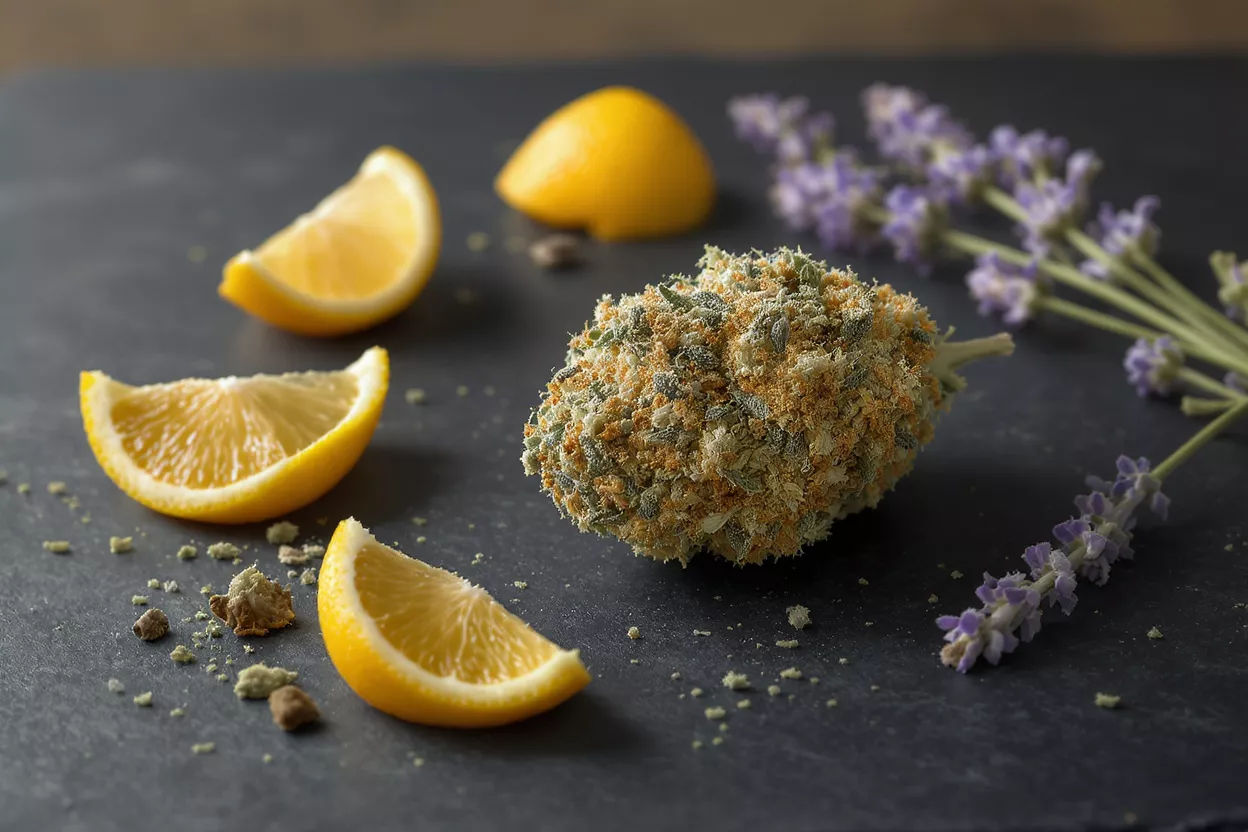
Natural cannabis flower carries dozens of cannabinoids alongside aromatic terpenes and flavonoids. Marinol strips all of that away and leaves only the THC analog. For some patients that simplicity is an advantage, but for many it means losing the broader therapeutic profile that whole-plant medicine provides.
Here is how the two stack up across the factors patients care about most:
- 💊 Composition: Marinol is one synthetic molecule; cannabis contains a full spectrum of cannabinoids and terpenes.
- ⏱️ Onset: Capsules can take one to two hours to kick in, while inhaled cannabis works within minutes.
- 📋 Legality: Marinol is a federally approved prescription drug; cannabis legality varies by region.
- 🎯 Predictability: Each capsule delivers an exact dose, whereas plant potency fluctuates.
- 🌿 Entourage effect: Whole-plant cannabis offers compound synergy that an isolated molecule cannot replicate.
What Is Dronabinol, the Active Ingredient in Marinol
Dronabinol is the generic name for the synthetic THC inside Marinol. Chemically, it is identical to the delta-9-tetrahydrocannabinol that occurs naturally in cannabis, but it is manufactured in a laboratory rather than extracted from a plant. Because the molecule matches the natural version atom for atom, the body cannot tell the difference once it reaches the bloodstream.
The capsule itself suspends dronabinol in sesame oil, which helps the fat-soluble cannabinoid absorb through the gut. This oil base is part of why oral THC behaves so differently from inhaled THC. The liver converts a portion of the dose into a more potent metabolite, producing effects that are often stronger and longer lasting than patients expect from the milligram count alone.
Dronabinol is also available as a standalone generic, not just under the Marinol brand. This gives prescribers flexibility and often lowers cost, while delivering the same standardized cannabinoid experience that makes pharmaceutical THC appealing for clinical settings.
Marinol Medical Uses and FDA-Approved Conditions
Marinol earned its FDA approval for two specific clinical problems, and those remain its core indications today. The first is nausea and vomiting caused by chemotherapy when standard anti-nausea drugs have not worked. The second is appetite loss and weight wasting associated with AIDS, where stimulating hunger can be genuinely life-sustaining.
Chemotherapy-induced nausea was one of the earliest recognized benefits of cannabinoids. Patients undergoing aggressive cancer treatment often struggle to keep food down, and the antiemetic properties of THC can break that cycle. Marinol gave oncologists a prescribable tool that fit neatly into existing treatment protocols.
Appetite stimulation is the other headline use. THC is well known for triggering hunger, and for patients losing dangerous amounts of weight, that effect becomes a clinical asset rather than a side effect. Beyond these approved uses, physicians sometimes prescribe Marinol off-label for chronic pain, sleep disturbances, and certain neurological symptoms, though the evidence base for those uses is thinner.
How Marinol Dosing Works for Patients
Marinol dosing is deliberately conservative, especially at the start. Capsules come in standardized strengths, and prescribers typically begin patients on the lowest effective dose before adjusting upward. This cautious approach exists because oral THC is unpredictable in onset and can feel surprisingly intense once it takes hold.
Start low and go slow is the governing principle. Because the capsule must travel through the digestive tract and pass through the liver, effects can take one to two hours to appear. Patients who do not feel anything quickly are sometimes tempted to take more, which can lead to an uncomfortably strong experience once both doses finally activate together.
A typical dosing approach for appetite stimulation looks something like this:
- 🕐 Initial dose: A small amount taken before meals to gauge tolerance.
- 📈 Titration: Gradual increases under medical supervision if the starting dose is well tolerated.
- 🍽️ Timing: Doses often scheduled before lunch and dinner to maximize appetite effects.
- 🌙 Adjustment: Some patients shift dosing to evening hours to reduce daytime drowsiness.
Every patient metabolizes the drug differently, so the right dose is highly individual. Working closely with a prescriber to fine-tune timing and quantity makes the difference between a helpful therapy and an unpleasant one.
Marinol Side Effects and What to Expect
Because Marinol is concentrated synthetic THC without any moderating compounds, its side effect profile leans heavily toward the psychoactive. Many patients report feeling noticeably high, and for medical users who simply want symptom relief, that intensity can be unwelcome rather than enjoyable.
The most commonly reported effects cluster around the central nervous system and include:
- 😵 Dizziness: A frequent complaint, especially when standing up too quickly.
- 🧠 Altered thinking: Confusion, difficulty concentrating, or a clouded mental state.
- 😰 Anxiety: Some patients experience heightened nervousness or paranoia at higher doses.
- 😴 Drowsiness: Sedation that can interfere with daytime activities.
- ❤️ Rapid heartbeat: A temporary increase in heart rate after dosing.
The absence of CBD is part of why these effects can feel sharper than expected. In whole-plant cannabis, CBD and other compounds tend to soften the more uncomfortable edges of THC. With pure dronabinol, there is nothing to buffer the experience, so patients prone to anxiety should be especially careful with dosing.
Marinol and the Missing Entourage Effect
The entourage effect is the theory that cannabis compounds work better together than in isolation. Cannabinoids, terpenes, and other plant molecules appear to modulate one another, producing effects that no single compound delivers on its own. Marinol, by design, has none of that synergy.
Why isolation matters clinically: When you remove THC from its natural context, you also remove the compounds that shape and balance its behavior. CBD can temper anxiety, certain terpenes may contribute anti-inflammatory or calming effects, and minor cannabinoids add their own subtle contributions. A single-molecule drug captures one instrument from what is essentially a full orchestra.
This is not to say Marinol fails as a medicine. For its approved uses it works, and standardization carries real clinical value. But patients who have tried both pharmaceutical THC and whole-plant cannabis frequently describe the plant as more rounded and easier to tolerate, which many researchers attribute to the synergy that an isolated capsule simply cannot reproduce.
Is Marinol Safe Compared to Whole-Plant Cannabis
Marinol carries an established safety record backed by decades of clinical use and FDA oversight. As a prescription drug, it has been studied, dosed, and monitored in ways that whole-plant cannabis often has not, which gives both physicians and patients a clearer picture of what to expect.
That said, safety is not the same as comfort. The very purity that makes Marinol predictable also makes it potent and sometimes overwhelming. Because oral THC is hard to dose intuitively and the metabolite produced by the liver is so strong, accidental over-intensity is a real risk, particularly for cannabis-naive patients.
Who should be cautious: People with a history of heart conditions, psychiatric disorders, or substance sensitivity should approach the drug carefully and only under medical guidance. Marinol is not recommended during pregnancy, and it can interact with other medications, so a full conversation with a prescriber about existing prescriptions is essential before starting.
Marinol vs Other Cannabinoid Medications
Marinol is not the only cannabinoid-based pharmaceutical on the market, though it was among the first. Understanding how it compares to newer options helps patients and prescribers choose the right tool for a given condition.
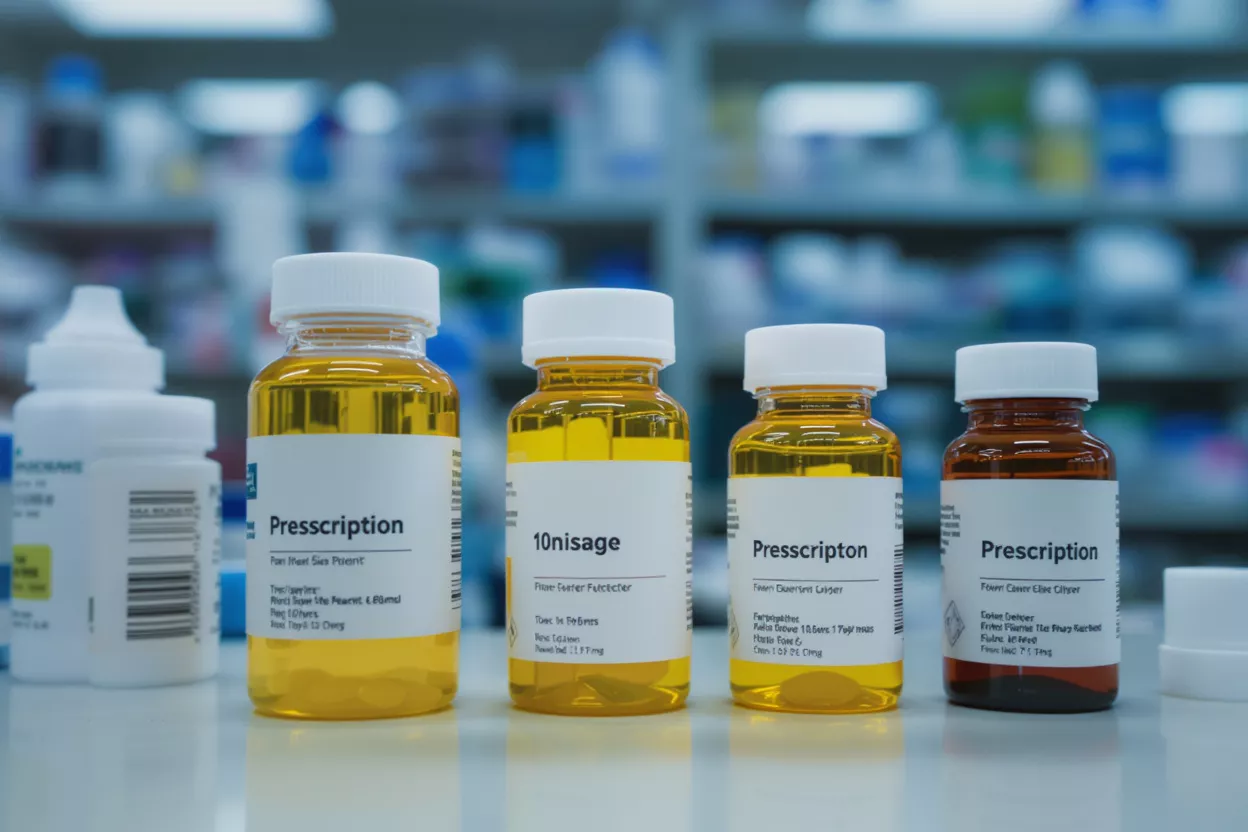
The pharmaceutical cannabinoid landscape has grown to include several distinct products. Each targets different conditions and uses a different active compound, reflecting how much the field has matured since Marinol first appeared.
- 💊 Marinol: Synthetic THC for nausea and appetite loss.
- 🧪 Nabilone: A different synthetic cannabinoid also used for chemotherapy nausea.
- 🌱 CBD-based prescriptions: Plant-derived cannabidiol approved for specific seizure disorders.
- 💧 Oromucosal sprays: Combination THC and CBD formulations used for spasticity in some countries.
The trend in cannabinoid medicine is moving toward formulations that include more than one compound, a tacit acknowledgment that isolated THC has limits. Marinol remains relevant for its approved indications, but the broader direction of research increasingly favors balanced, multi-compound approaches.
Who Should Consider Marinol
Marinol makes the most sense for patients who need standardized, prescribable cannabinoid therapy and who benefit from precise dosing. People managing chemotherapy nausea or appetite loss, especially in clinical settings where consistency and legality matter, are the clearest candidates for this medication.
It also suits patients who prefer to avoid inhalation entirely. For those with respiratory concerns or a simple aversion to smoking and vaping, an oral capsule offers a clean, lungs-free route of administration. The pharmaceutical packaging and physician oversight provide reassurance that some patients value highly.
Ultimately, Marinol occupies a specific and useful place in cannabinoid medicine. It delivers reliable, FDA-approved synthetic THC in a form that fits comfortably into conventional healthcare, but it trades away the synergy of the whole plant for that consistency. Whether that trade-off is worthwhile depends entirely on the patient, the condition, and a thoughtful conversation with a knowledgeable prescriber who can weigh the standardized benefits against the richer profile of natural cannabis.


Comments