

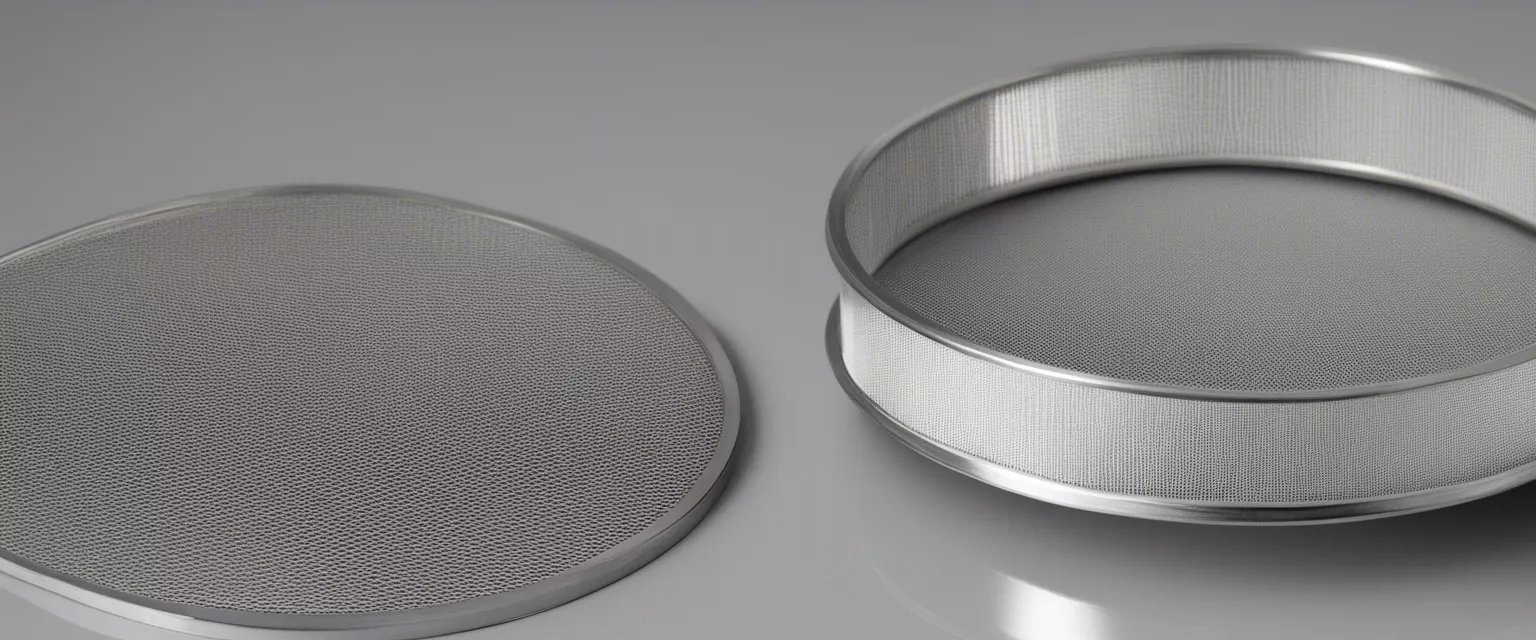
Micron screen
Learn how a micron screen filters trichomes by size to refine hash and kief quality.
What Is a Micron Screen in Cannabis Processing
A micron screen is a precisely woven mesh defined by the size of the openings between its threads, measured in microns — one micron equals one-thousandth of a millimeter. In cannabis processing, this mesh becomes a sorting tool, allowing material below a certain size to pass through while holding back everything larger. The result is a clean mechanical separation that hash makers rely on to isolate the most valuable part of the plant.
The target of all this filtering is the trichome, the tiny resin gland that holds the majority of a plant's cannabinoids and terpenes. Mature trichome heads tend to fall within a fairly narrow size band, so a screen with the right opening can catch them while letting fine dust escape and blocking coarse plant matter. This is the foundational concept behind both kief collection and traditional hash making.
What makes the micron screen so enduring is its simplicity. There are no solvents, no heat, and no chemistry involved — only physics and a well-calibrated mesh. A grower with a single screen and a steady hand can produce a concentrate that captures the character of the flower it came from, which is why these tools remain central to artisanal hashish production worldwide.
How Micron Screens Work to Sort Trichomes
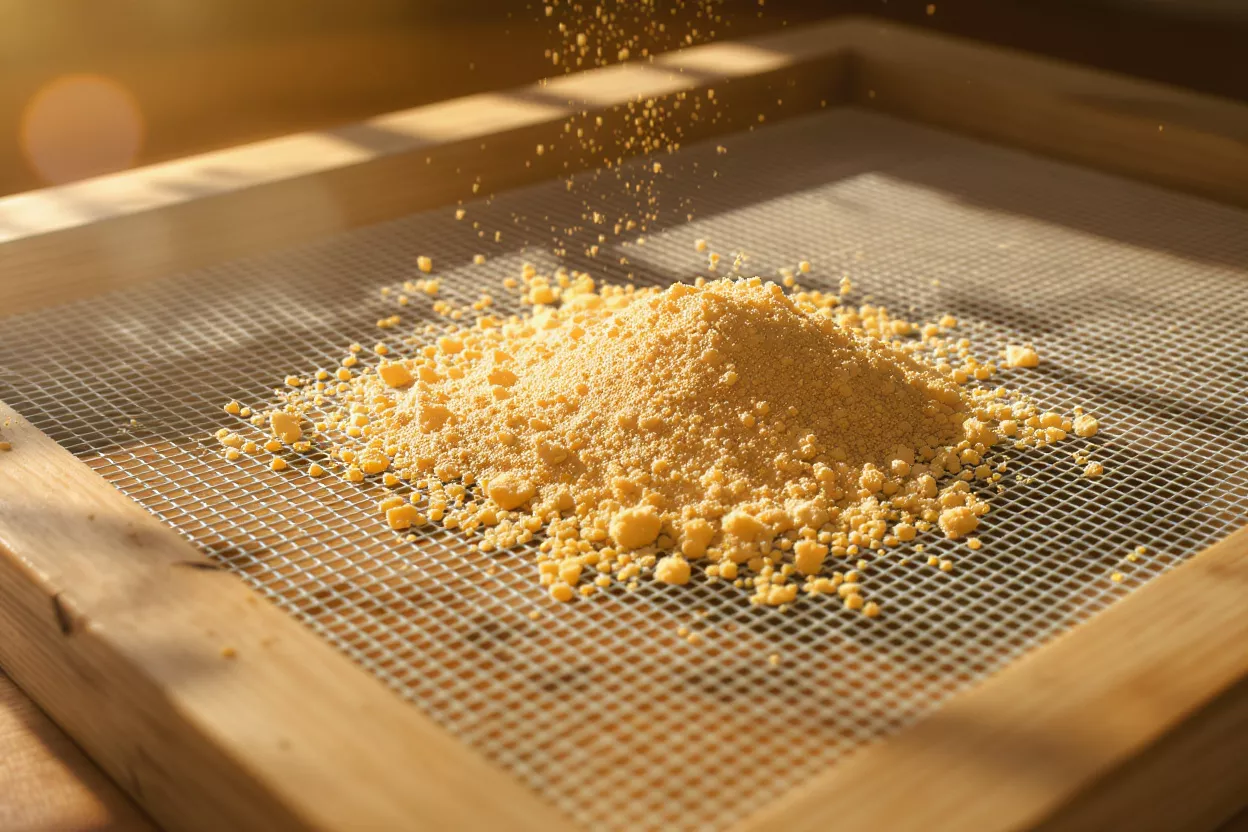
The mechanics of mechanical separation: A micron screen works by exploiting the size difference between resin glands and the rest of the plant. When dried flower is agitated against the mesh, brittle trichome heads snap off at the stalk and fall through openings sized to admit them. Larger fragments of leaf and bud cannot pass, so they stay behind. The powder that collects beneath is concentrated resin, far richer in active compounds than the flower that produced it.
Why cold and dryness matter: Trichomes separate cleanly only when they are brittle. At room temperature resin is sticky and tends to smear across the mesh rather than break free, clogging openings and contaminating the yield. Processors chill their material — often well below freezing — so the glands become glassy and fracture neatly. Dry, cured flower behaves the same way, which is why dry sifting and cold are nearly always paired.
Agitation technique determines how much contamination ends up in the final product. Gentle, brief movement releases the ripest glands first and produces the cleanest grade. More vigorous or prolonged work knocks loose immature heads and bits of plant material, lowering purity. Skilled producers stop early to capture the premium fraction, then continue working the same material for progressively lower grades.
Understanding Micron Sizes and Mesh Counts
Micron ratings describe the width of each opening in the mesh, and smaller numbers mean tighter weaves. A 25-micron screen has openings a quarter the size of a 100-micron screen, so it admits only the finest particles. Understanding this scale is the key to predicting what any given screen will and will not collect.
Microns versus mesh count: Older screens are sometimes labeled by mesh count — the number of threads per inch — rather than microns. The two are inversely related, because higher thread counts create smaller openings, but the relationship also depends on thread thickness. Micron ratings have become the standard precisely because they describe the actual opening size rather than leaving it to be inferred. When comparing screens, always favor the micron figure.
Trichome heads in cannabis generally fall between roughly 50 and 120 microns, with stalks and immature glands sitting smaller. This biological range is why hash screens cluster in predictable bands, and why a single screen rarely tells the whole story. Most serious producers work with a graduated set rather than one all-purpose mesh.
- 🔬 25–45 microns: Captures only the smallest heads and fine particulate; often produces a less flavorful, dustier grade.
- ✨ 70–90 microns: The sweet spot for full, mature trichome heads — the most prized fraction.
- 🌿 120–160 microns: Admits larger heads along with some contaminant; a serviceable working grade.
- 🍂 180+ microns: Coarse separation that lets through plant matter; usually a lower-purity yield.
Best Micron Screen Sizes for Hash and Kief
The best micron screen size depends entirely on what you are trying to capture. For premium dry sift, most producers consider the band between 70 and 90 microns to be ideal, because it admits the full, ripe trichome heads while excluding the smaller stalks and immature glands that dilute flavor and potency. This range consistently yields the cleanest, most aromatic product.
Single screen versus graduated set: A lone screen forces a compromise — too tight and you lose larger heads, too loose and you gather debris. A graduated set sidesteps this by stacking screens so material falls through successively finer meshes, sorting the resin into grades as it goes. The middle layers hold the prize fraction while coarser and finer screens isolate the rest.
For bubble hash made with water, the same micron principles apply but through bag filters rather than rigid screens. The full-melt grades typically come from the 73 to 90 micron bags, mirroring the dry sift ideal almost exactly. Resin biology, not the method, sets the target.
Dry Sift Micron Screen Sets Explained
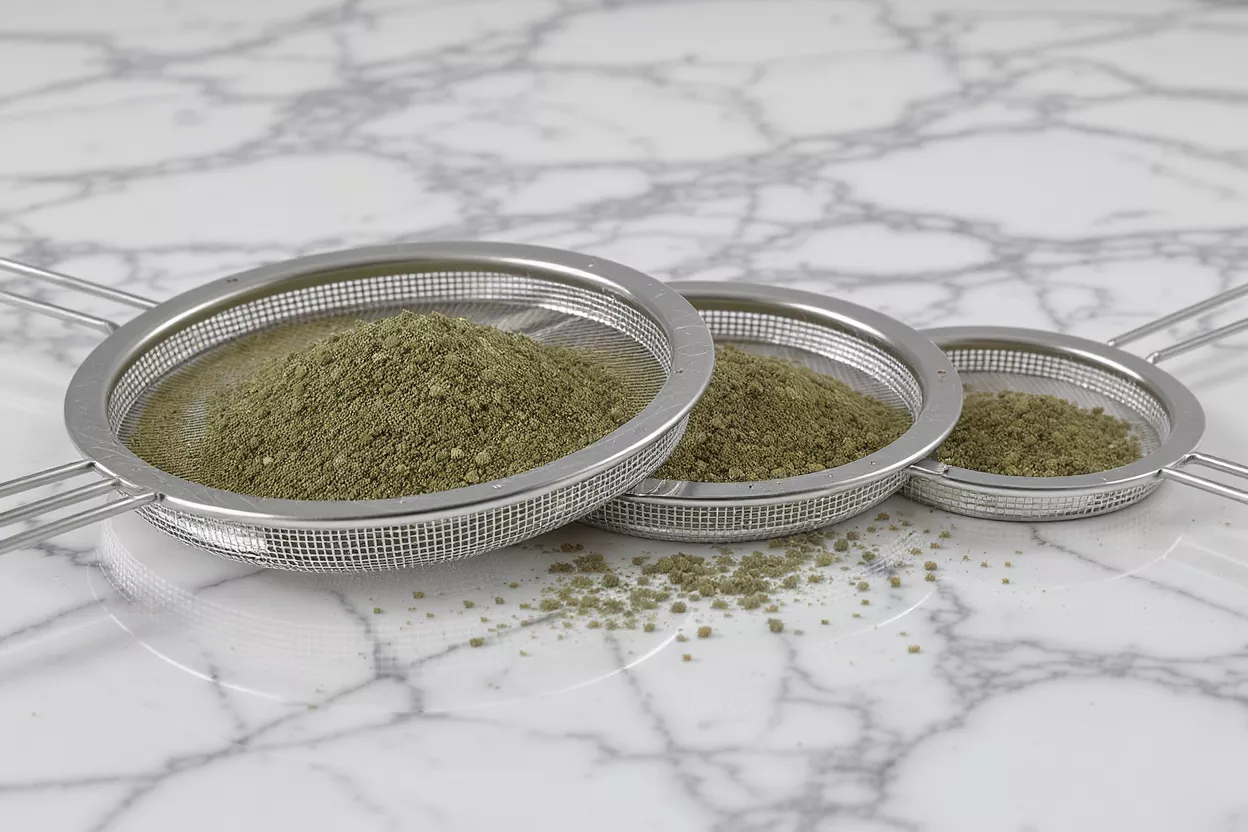
A dry sift micron screen set is a series of flat screens, each a different mesh size, used to refine resin in stages. The process begins by passing cold, dry flower over a coarse screen to remove the bulk of the plant matter, then carrying the collected powder through progressively finer screens that strip away contaminants and sort the glands by size.
How a typical refining sequence works: The first pass through a coarse screen knocks loose everything that will detach, gland and debris alike. The semi-refined powder is then worked across finer screens — each one removing a layer of impurity — until only clean, uniformly sized heads remain. Each stage trades a little yield for a meaningful gain in purity, and the operator decides where to stop based on the grade they want.
The reward for this patient work is a tiered harvest from a single batch. Premium full-melt comes off the ideal screens, while the coarser and finer fractions still hold value for edibles, pressing into rosin, or general use. Nothing is wasted, and the producer controls quality at every step.
- 📦 Coarse pre-screen: Removes stems, leaf, and large debris before fine sorting begins.
- ⚙️ Working screens: Mid-range meshes that do the bulk of the gland separation.
- 💎 Refining screen: The finest mesh that polishes the final premium grade.
Bubble Hash Bags vs Dry Micron Screens
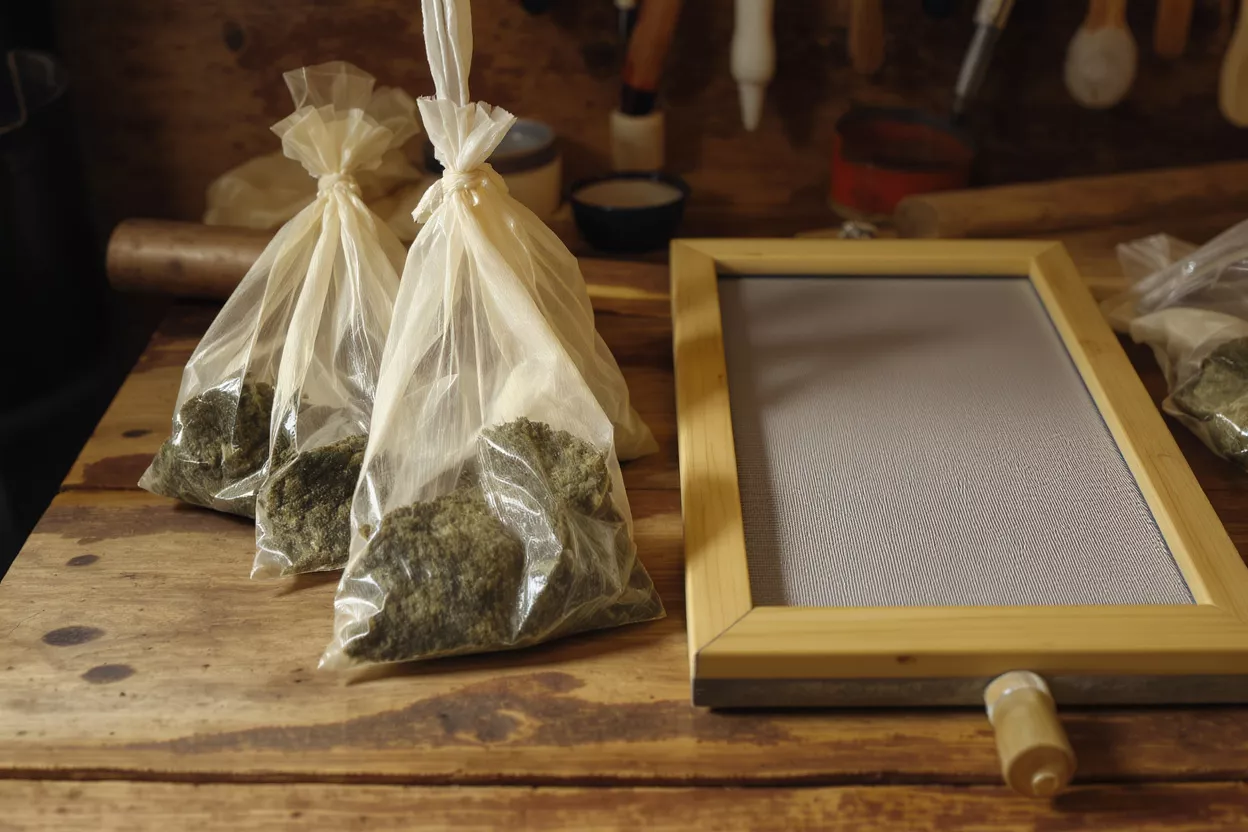
Both bubble hash bags and dry micron screens sort trichomes by size, but they do it in different mediums. Dry screens separate brittle glands from cured flower through agitation in open air, while bubble bags suspend frozen material in ice water and let the resin settle through a stack of mesh bags. The micron ratings on each follow the same logic — the openings determine what is captured.
What sets the methods apart: Dry sifting is faster, equipment-light, and preserves terpenes well because nothing gets wet, but it tends to carry slightly more contamination unless carefully refined. Water extraction washes away water-soluble impurities and can reach very high purity, though it requires more gear, careful drying, and risks losing some volatile aromatics to the water. Neither is inherently superior; they suit different goals.
Many producers use both. A grower might dry sift fresh, high-grade flower to preserve its terpene profile and reserve water extraction for trim or larger batches where purity and yield matter more than maximum aroma. The micron screen remains the common thread — the size-based gatekeeper at the heart of each technique.
How Micron Screens Create Grades of Hash
Grading hash comes down to controlling which trichomes end up in each batch, and micron screens are the instrument that makes this control possible. By stacking meshes and limiting agitation, a producer can separate the ripest, most uniform glands from the immature stalks and plant fragments that lower quality. The result is a spectrum of grades from a single run.
Full-melt and the role of purity: The highest grade, often called full-melt, consists almost entirely of intact, mature trichome heads with little to no contaminant. It earns the name because it melts cleanly and completely when heated, leaving negligible residue. Reaching this grade demands tight micron control, cold material, and restrained technique — the screen does the sorting, but the operator's discipline decides the outcome.
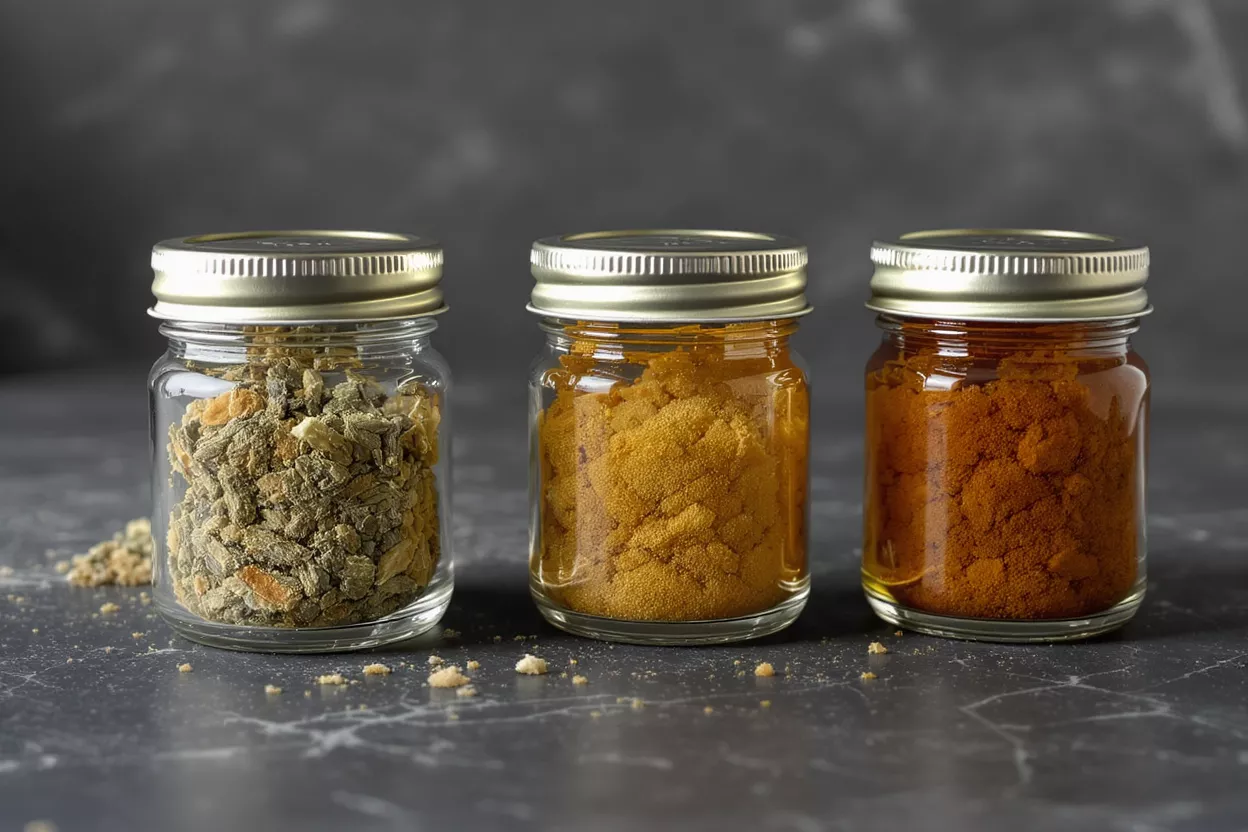
Lower grades are not failures; they are simply different points on the same scale. Half-melt and cooking grades carry more plant matter and may not vaporize as cleanly, yet they remain potent and useful for edibles, pressing, or everyday consumption. A well-run micron screen process turns one harvest into a full range of products.
Choosing a Micron Screen for Your Setup
Choosing a micron screen starts with honest expectations about scale and goals. A casual collector content with a little kief needs nothing more than a single mid-range screen or a grinder with a built-in mesh. Someone chasing full-melt across multiple grades will want a graduated set and the patience to use it properly.
Build quality and frame design: Look for stainless steel mesh or high-grade polyester stretched taut over a sturdy frame. Loose or wavy mesh distorts opening sizes and undermines the very precision you are paying for. Rigid frames hold tension over time, resist warping, and make agitation more consistent — all of which translate directly into cleaner separation.
Match the micron range to your material and method. If you work with frozen, high-quality flower for dry sift, prioritize screens in the 70 to 120 micron range with a finer refining mesh on hand. For water extraction, invest in a quality bag set spanning coarse work bags down to the fine collection grades. The right tool depends on the resin you intend to capture and how clean you want it.
Common Micron Screen Mistakes to Avoid
The most common micron screen mistake is over-agitation. Enthusiastic, prolonged working of the material feels productive but steadily contaminates the yield by knocking loose plant matter and immature glands. The cleanest hash comes from the gentlest, briefest contact — capture the premium fraction first, then escalate effort only if you want lower grades.
Working with warm or moist material: Resin that is not cold and dry will smear instead of snap, clogging the mesh and ruining separation. Skipping the freezing step or rushing damp flower onto the screen sabotages the whole process. Always chill thoroughly and ensure material is properly cured before sifting.
Choosing the wrong micron size for the goal is another frequent error. Reaching for a very fine screen in hope of higher purity often just collects fine dust and stalk fragments, while an overly coarse screen lets contaminants flood through. Knowing the roughly 50-to-120-micron biology of trichome heads keeps screen selection grounded in what the plant actually offers.
Micron Screen Care and Maintenance
Caring for a micron screen protects both its accuracy and your yield. Resin residue left on the mesh hardens over time, shrinking the effective opening size and degrading separation. Cleaning after each session keeps openings true to their rated micron value and prevents cross-contamination between batches.
Safe cleaning practices: Cold work helps here too — chilled residue brushes away as powder rather than smearing. A soft brush clears most buildup, and isopropyl alcohol dissolves stubborn resin from durable stainless mesh, though delicate polyester screens should be treated more gently. Always let a screen dry completely before storing it to prevent any moisture damage or mesh distortion.
Store screens flat or hung where nothing can press against and deform the mesh. A warped or punctured screen no longer filters at its rated size, quietly undermining every batch that follows. Treated with care, a quality micron screen is a durable instrument that delivers consistent, gradeable results for years — proof that the simplest tools, used well, still produce the finest hash. With clean technique, cold material, and the right mesh, the micron screen remains the most reliable path from flower to refined, flavorful resin.





Comments