


Nail
Learn everything about the dab nail — types, temps, and care tips.
What Is a Nail in Dabbing?
The nail sits at the heart of every dabbing setup, serving as the heated surface where cannabis concentrates vaporize on contact. When dabbers talk about a nail, they mean the bowl-shaped or flat component fitted to a dab rig that receives a dose of concentrate once it reaches the right temperature. Without this single piece, the entire ritual of dabbing simply would not function.
The word "nail" is a holdover from the earliest days of dabbing. Pioneers improvised with literal metal nails or screws heated with a torch, pressing sticky extracts against the glowing surface to release vapor. Modern hardware has refined that crude concept into precision-engineered pieces, yet the name endured. Today a nail might be milled from quartz, machined from titanium, or kilned from ceramic, but its job remains identical to that first hot piece of metal.
Understanding the nail matters because it shapes the entire flavor and potency of every dab. Material, thickness, and shape all influence how heat transfers into the concentrate, which in turn determines whether you taste rich terpenes or harsh, scorched vapor. For anyone moving from flower into extracts, learning how this component behaves is the single most useful step toward better sessions.
How Does a Dab Nail Work?
A nail works on a deceptively simple principle: heat plus surface contact equals vapor. You apply heat to the nail until it reaches the target temperature, then drop a small portion of wax, shatter, or live resin onto the surface. The cannabinoids and terpenes flash into vapor almost instantly, traveling through the rig and into your lungs.
Heat retention is the variable that separates a mediocre nail from an excellent one. Dense materials like thick quartz hold thermal energy longer, giving you a steady, even vaporization rather than a sudden spike that scorches the extract. Thin or low-mass nails cool quickly, forcing you to rush the dab before the surface drops below vaporization temperature. This is why experienced dabbers obsess over wall thickness and material density.
Timing ties the whole process together. After heating, most users let the nail cool for a window of several seconds so the surface settles into the ideal vaporization range rather than combustion territory. Pairing the nail with a carb cap traps heat and lowers internal pressure, allowing concentrates to vaporize at lower temperatures for smoother, more flavorful results.
Types of Dab Nails Explained
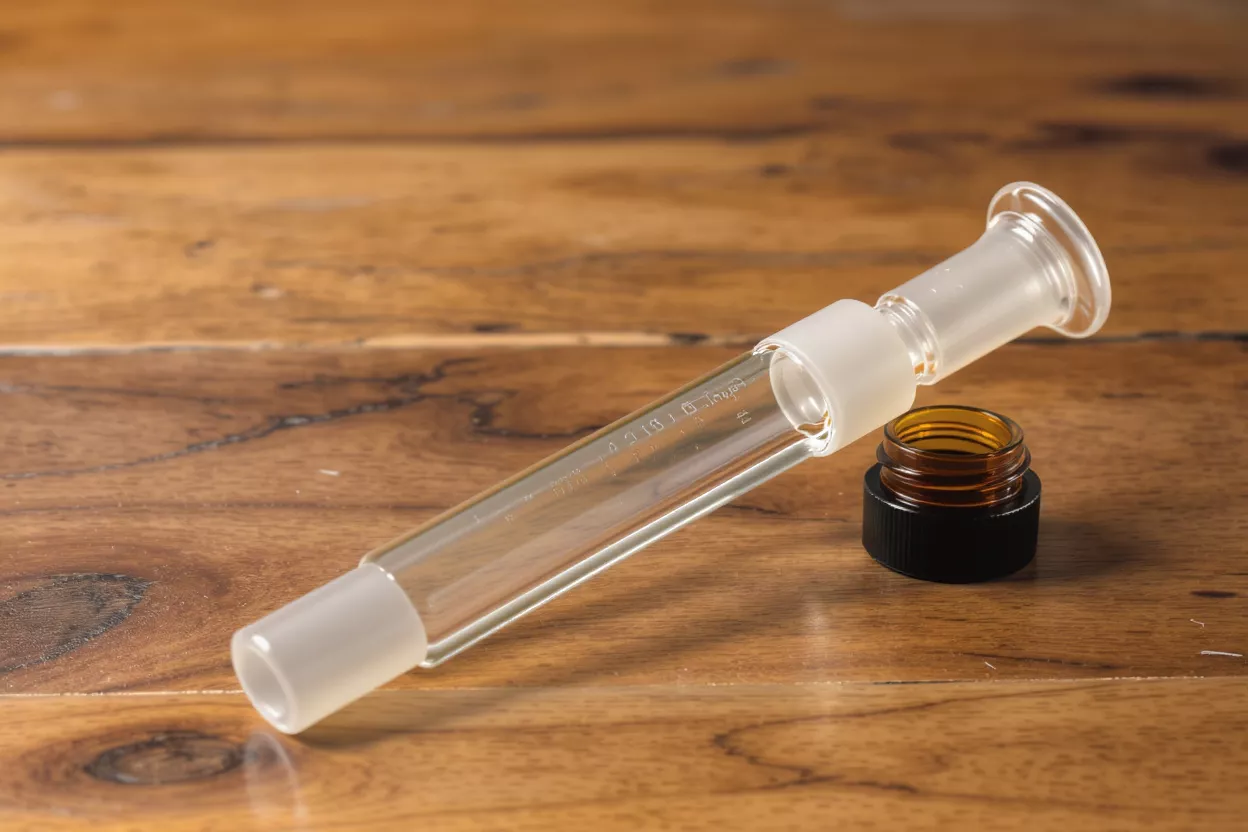
Nails come in several distinct designs, each suited to a particular style of dabbing. The classic flat-top and bowl-shaped nails dominate the market, but the category also includes domeless versions, hybrid designs, and the increasingly popular banger style. Knowing the differences helps you match hardware to your habits.
Domeless nails revolutionized the dabbing experience. Early designs required a glass dome placed over the nail to capture vapor, an awkward extra step that risked burns and lost product. Domeless nails feature built-in airflow channels and angled walls that contain vapor without any separate cover, streamlining the entire process and reducing the chance of touching hot glass.
Here is a quick breakdown of the most common nail styles you will encounter:
- 🔩 Flat-top nails: A flat heating surface that pairs perfectly with carb caps for even, low-temperature vaporization.
- 🥣 Bowl-style bangers: A deep bucket shape that holds larger dabs and pools concentrate for slow, flavorful vapor.
- 🔥 Domeless nails: Integrated vapor capture with no separate dome, ideal for quick, fuss-free sessions.
- ⚡ Electronic nails: Powered units with precise digital temperature control and no torch required.
Quartz vs Titanium vs Ceramic Nails
The material your nail is made from is arguably the most important decision you will make. Quartz, titanium, and ceramic each carry distinct strengths and trade-offs that affect flavor, durability, heat-up speed, and price. There is no single best answer, only the best fit for your priorities.
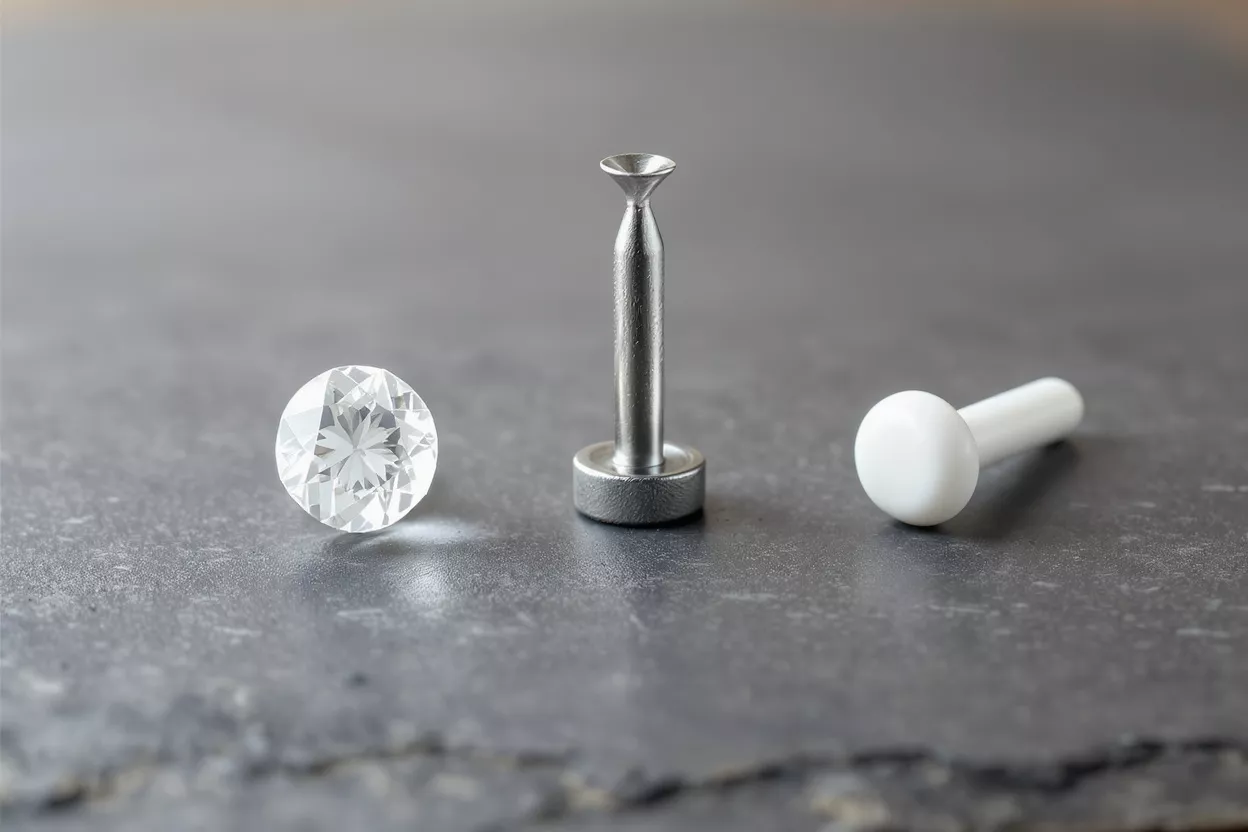
Quartz has become the connoisseur's default for a reason. It delivers the purest, most terpene-forward flavor because the glass-like surface is chemically inert and imparts nothing of its own to the vapor. Quartz heats quickly and cools quickly, demanding good timing, but rewards careful dabbers with unmatched taste. Its main weakness is fragility, since dropping a quartz banger usually ends its life.
Titanium and ceramic occupy the opposite ends of the durability spectrum. Compare them directly:
- 💎 Quartz: Best flavor, fast heat-up, fast cool-down, but fragile and needs seasoning.
- 🛡️ Titanium: Nearly indestructible and excellent heat retention, though it can carry a faint metallic note if overheated.
- 🏺 Ceramic: Clean, smooth flavor and slow even heating, but heats up slowly and cracks if thermally shocked.
- ⏱️ Heat retention winner: Titanium and thick ceramic hold heat longest for back-to-back dabs.
What Is a Banger Nail?
The banger is a specific evolution of the nail that has all but taken over modern dabbing. Shaped like a bucket or bowl with a protruding tube that connects to the rig, a banger holds concentrate in a deep well rather than on a flat plate. This design pools the extract, encouraging slow, complete vaporization and preserving delicate terpenes.
Bangers are the foundation of low-temperature dabbing. Because the concentrate sits in a contained bucket, you can heat the banger, let it cool to the ideal range, then drop the dab and cap it. The pooled extract vaporizes gently against warm quartz walls instead of flashing off a screaming-hot surface, which protects flavor and reduces harshness on the throat.
Most bangers today are crafted from quartz, prized for the same flavor purity that makes the material a favorite overall. Variations like the thermal banger, with its double-walled construction, and the terp slurper, designed to spin terp pearls and maximize surface contact, push the concept even further toward flavor optimization.
Best Nail Temperature for Dabbing
Temperature is the single most influential factor in the quality of a dab, and getting it right transforms the experience. Dab too hot and you scorch the extract into harsh, acrid vapor that wastes cannabinoids; dab too cold and the concentrate puddles without fully vaporizing, leaving sticky residue and weak hits.
Low-temperature dabbing has become the gold standard for flavor. Vaporizing in the lower range preserves the volatile terpenes responsible for aroma and taste, which begin to degrade at higher heat. Most flavor-focused dabbers aim for a surface that has cooled well below glowing, often waiting thirty to sixty seconds after heating a quartz banger before dropping the dab.
Use these general temperature zones as a starting point, then adjust to your own preference:
- ❄️ Low temp (315–450°F): Maximum flavor, smooth vapor, thicker clouds form slowly, some residue remains.
- 🌡️ Mid temp (450–600°F): A balanced sweet spot of flavor and vapor volume that most dabbers favor.
- 🔥 High temp (600°F+): Bigger, faster clouds with less flavor and a harsher throat hit; reserved for those chasing volume.
How to Season a New Nail
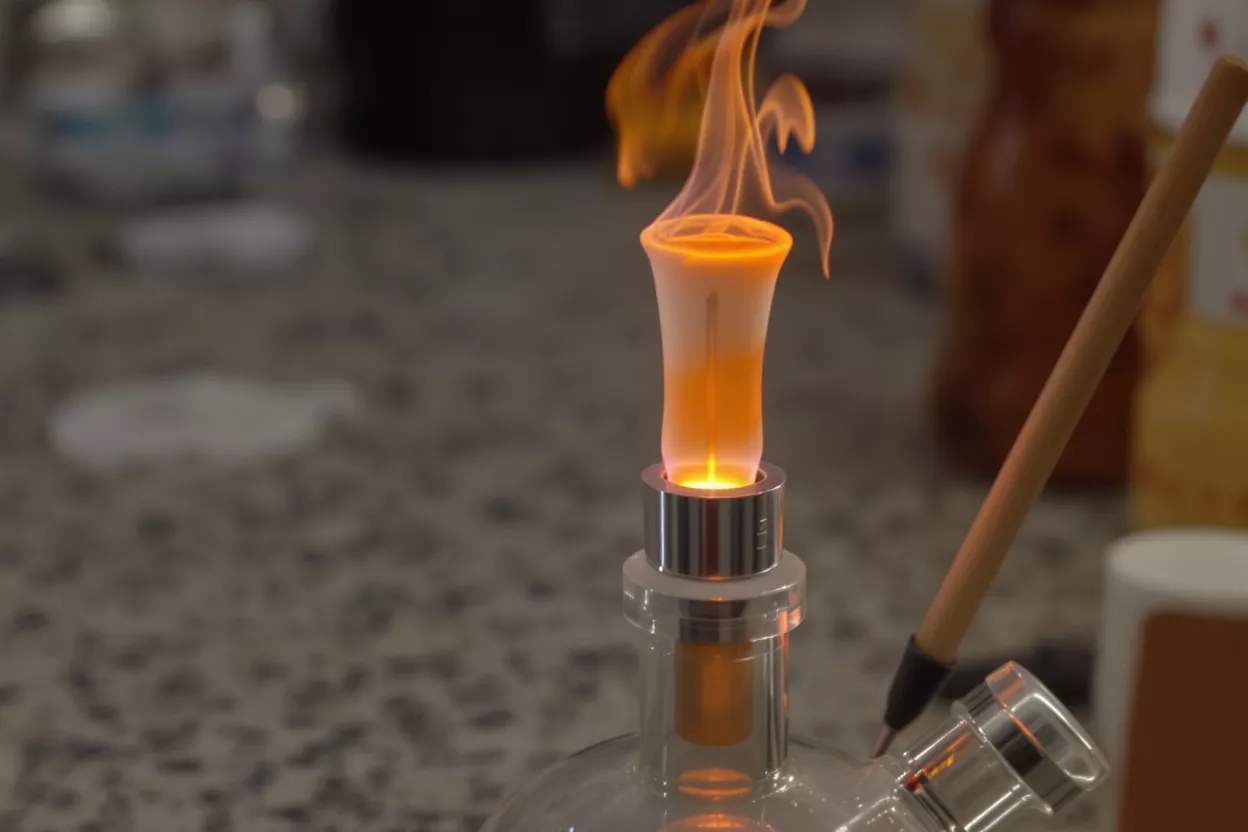
A brand-new nail, particularly quartz or titanium, benefits from a seasoning process before its first real dab. Seasoning burns off manufacturing residues, machine oils, and impurities left on the surface during production, ensuring your first sessions taste clean rather than metallic or chemical.
Seasoning titanium is essential, not optional. Raw titanium can leach a metallic flavor and even release unwanted compounds if used straight from the box. Heat the nail until it glows, let it cool, and repeat the cycle several times. Many users then apply a small amount of concentrate to coat the surface, building up a protective layer that improves flavor over time.
Quartz requires a gentler approach. Rather than repeatedly torching it to glowing temperatures, which can stress the material, heat it moderately a few times and wipe away any residue with a cotton swab between cycles. Proper seasoning extends the life of your nail and sets the stage for the clean, flavorful dabs that make quality hardware worth the investment.
How to Clean a Dab Nail
Regular cleaning keeps a nail performing at its best and protects the flavor of every session. Leftover carbon and reclaim build up quickly, and a dirty nail produces harsh, off-tasting vapor while shortening the lifespan of the hardware. A consistent cleaning routine is the easiest upgrade most dabbers overlook.
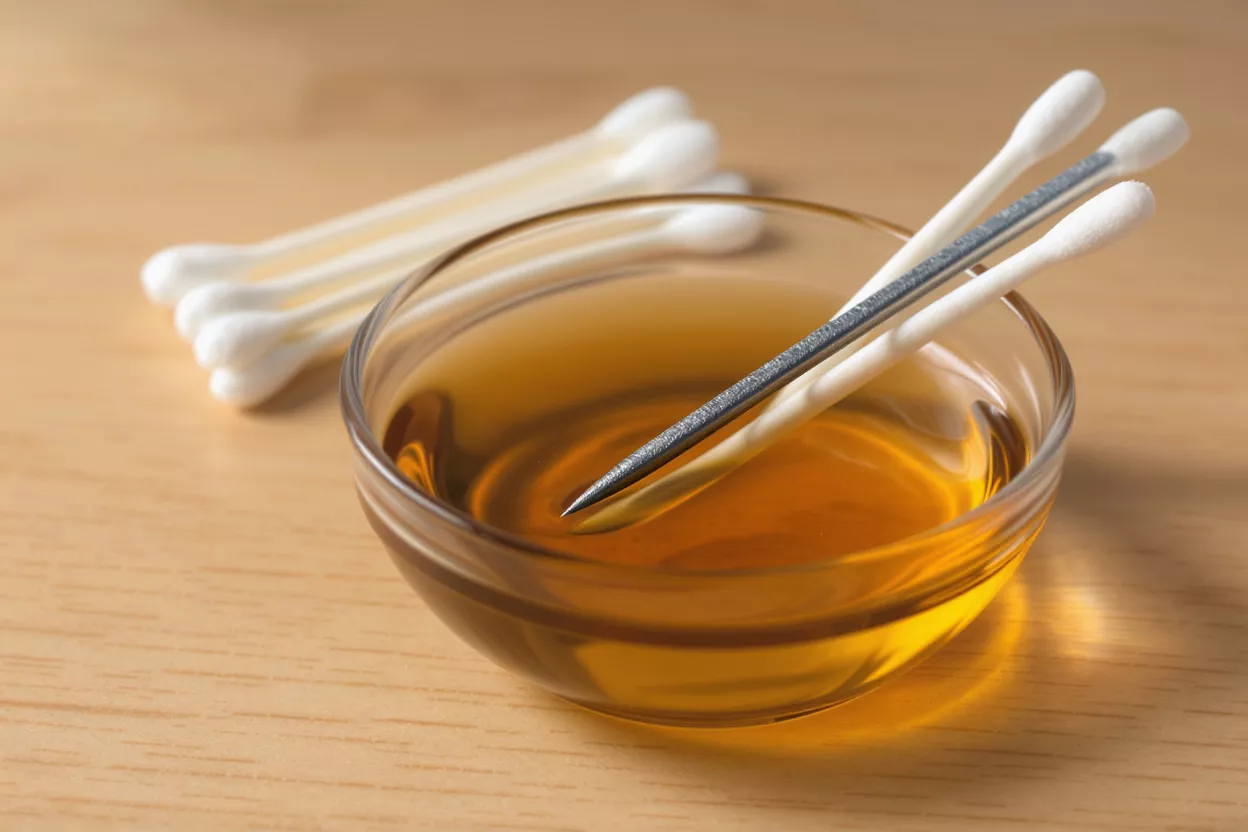
The hot Q-tip swab is your most powerful daily tool. Immediately after a dab, while the nail is still warm, wipe the interior with a cotton swab to remove the puddle of reclaim before it hardens into stubborn carbon. This simple habit, done after every session, prevents the vast majority of buildup and keeps quartz looking nearly new.
For deeper cleaning, follow these steps to restore a neglected nail:
- 🧼 Soak: Submerge a cooled quartz banger in isopropyl alcohol to dissolve hardened reclaim.
- 🧂 Scrub: Add coarse salt as a gentle abrasive and swirl to lift stubborn residue.
- 💧 Rinse: Flush thoroughly with clean water to remove all alcohol and salt before reuse.
- ⚠️ Caution: Never soak titanium for long periods, and avoid harsh chemicals on ceramic surfaces.
Electronic Nail vs Traditional Nail
The electronic nail, or e-nail, removes the torch from the equation entirely. A heating coil wraps around the nail and connects to a digital controller that holds a precise, constant temperature, eliminating the guesswork of timing a cool-down. For dabbers who value consistency above all, the e-nail is a genuine game-changer.
Precision and repeatability are the e-nail's biggest advantages. Because the controller maintains an exact temperature, every dab tastes the same and you never overheat or underheat the surface. This makes e-nails popular for group sessions and for medical users who need reliable, repeatable dosing without fumbling a torch each time.
Traditional torch-heated nails still hold their ground, however. They cost far less, require no electricity, and offer total portability, making them the practical choice for casual or on-the-go dabbing. Many purists also argue that the brief cool-down of a torched quartz banger delivers a flavor nuance that a static-temperature coil cannot quite match.
Choosing the Right Nail for Your Rig
Selecting the correct nail starts with matching it physically to your rig. Nails connect through a ground-glass joint measured in millimeters, and the joint must match your rig's joint size and gender. The three common sizes are 10mm, 14mm, and 18mm, and an incorrect fit means the nail simply will not seat properly or seal vapor.
Joint angle matters as much as joint size. Rigs come with either 45-degree or 90-degree joints, and your nail must match that angle so the bucket sits upright and concentrate pools correctly. A mismatched angle leaves the bucket tilted, causing extract to run toward one wall and vaporize unevenly. Always confirm both the size and the angle before buying.
Beyond fit, let your priorities guide the material. Choose quartz if flavor is paramount and you do not mind careful timing; pick titanium if durability and portability top your list; opt for ceramic if you want smooth, even heat and clean taste with less fragility than glass. The right nail is simply the one that aligns hardware with how you actually like to dab. With the fundamentals covered here, you are equipped to build a setup that turns every concentrate into the flavorful, potent experience it was meant to be.

Comments