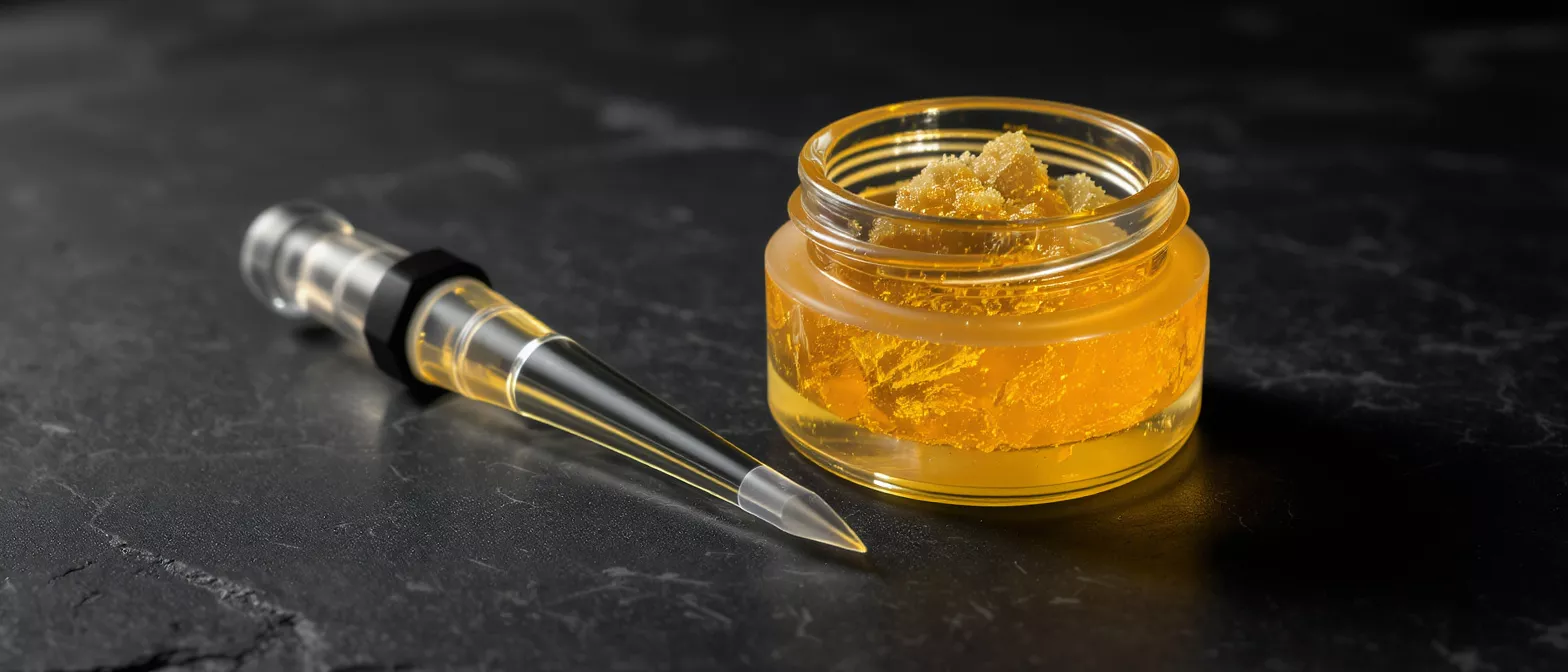
Nectar collector
Discover how a nectar collector works, explore tip types, and get step-by-step use and cleaning tips.
What Is a Nectar Collector and How Does It Work
A nectar collector is a streamlined dabbing tool that lets you vaporize cannabis concentrates by touching a heated tip directly to your extract, rather than dropping the concentrate onto a stationary nail like a traditional rig. The design works like a vertical straw: you heat one end, dip it into your dab, and inhale through the mouthpiece while vapor travels up the body. This "point and dab" approach has made nectar collectors a favorite for people who want portability and control without the ritual complexity of a full glass setup.
The core principle behind the device is contact vaporization. When the heated tip meets the concentrate, the surface temperature flash-vaporizes the cannabinoids and terpenes on contact. Because you control exactly how much extract the tip touches, you can microdose with precision or take a larger pull depending on your tolerance. Research published by MDPI on cannabis vaporization notes that temperature has a direct effect on which compounds are released, which is why tip control matters so much with this style of consumption.
Most nectar collectors share three components: a mouthpiece, a body that may include a water filtration chamber, and an interchangeable tip. The simplicity is the appeal. Unlike a full portable dab rig kit, a nectar collector breaks down into a few pieces you can rinse, pack, and carry. That convenience is part of why the tool has become a gateway for newcomers stepping up from flower into the world of diamonds, sauce, and other potent extracts.
Nectar Collector vs Dab Rig: Key Differences
Heat application is the biggest divide. With a traditional dab rig, you heat a stationary nail or e-nail, wait for it to reach temperature, then drop concentrate onto it. With a nectar collector, the heat moves to the dab instead of the dab moving to the heat. This reversal makes dosing more intuitive because you only vaporize what the tip actually contacts, reducing the waste that happens when a hot nail scorches a puddle of extract.
Portability favors the nectar collector. A full rig typically involves a glass piece, a torch, a carb cap, a dabber, and sometimes an e-nail with a power supply. A nectar collector consolidates that footprint dramatically, which is why travelers and outdoor users gravitate toward it. That said, a dedicated rig with a domeless nail or e-rig still offers richer water filtration and larger vapor volume for those who prioritize smoothness over packability.
Flavor and efficiency depend on technique with both tools, but the learning curves differ. Nectar collectors are forgiving for beginners because there is less guesswork around nail temperature timing. Dab rigs reward patience and a quality terp-saver carb cap set that traps low-temperature vapor for fuller flavor. Neither tool is objectively superior — they serve different priorities, and many enthusiasts own both.
Types of Nectar Collectors Explained
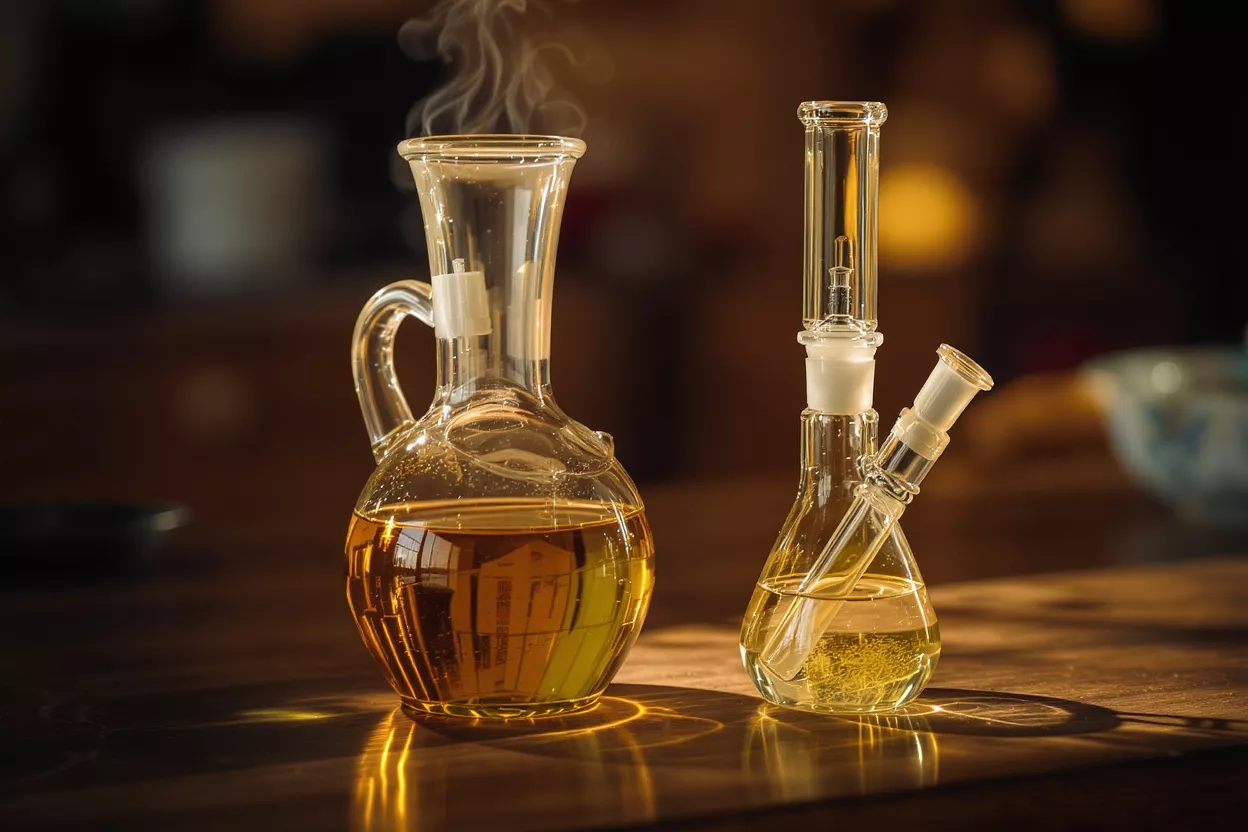
Glass nectar collectors are the classic format. Borosilicate glass delivers clean flavor and lets you watch vapor build, and many models include a small water chamber for cooling. The tradeoff is fragility — a dropped glass collector can shatter, so travelers often pack them in padded cases or reach for silicone alternatives.
Silicone nectar collectors trade some flavor purity for near indestructibility. These platform-style units flex, bounce, and survive being tossed in a backpack, making them ideal for festivals, hiking, and rough handling. Many silicone models still use a glass or quartz tip so the actual vaporization surface stays clean while the body absorbs the abuse.
Electric nectar collectors, often called e-nectar collectors or e-rigs in straw form, remove the torch from the equation entirely. A rechargeable battery heats the tip to a preset temperature, so you press a button, wait a few seconds, and dab. According to MDPI, controlled-temperature vaporization can preserve a greater fraction of volatile terpenes than uncontrolled high-heat methods, which is a meaningful advantage for flavor chasers.
- 🔬 Glass: Best flavor and visibility, but fragile and torch-dependent.
- 💪 Silicone: Nearly unbreakable and travel-friendly, with a slight flavor compromise.
- 🔋 Electric: Torchless, temperature-controlled convenience with consistent results.
- 🎒 Mini/keychain: Ultra-portable for discreet, on-the-go microdosing.
Nectar Collector Tip Materials: Quartz, Titanium, and Ceramic
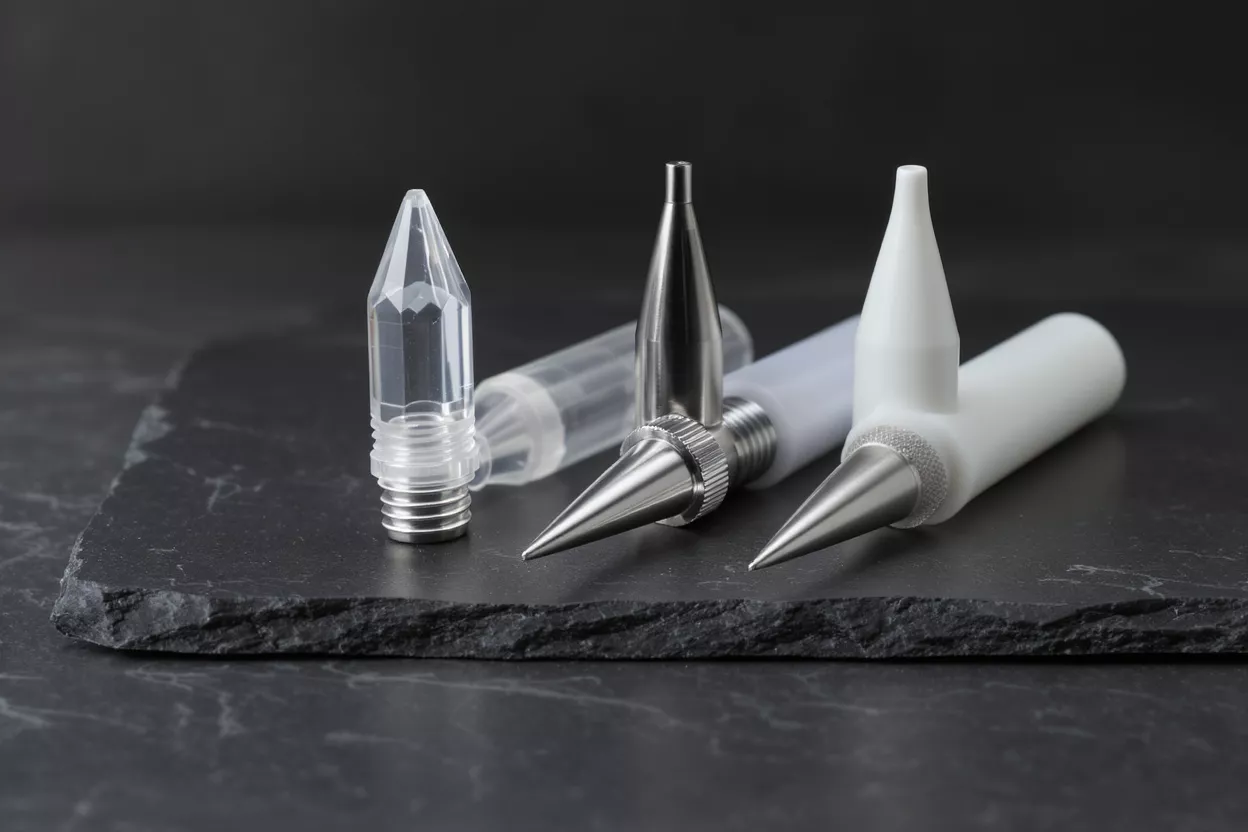
Quartz tips are the gold standard for flavor. Quartz heats quickly, cools at a reasonable pace, and is chemically inert, so it never imparts a metallic taste to your concentrate. The downside is that quartz can crack under thermal shock if you overheat it or plunge a glowing-hot tip into cold extract, so a measured approach extends its life considerably.
Titanium tips are practically unbreakable, which is why they remain popular with travelers and heavy users. The tradeoff is flavor: poorly seasoned or low-grade titanium can produce off-notes, and the metal retains heat aggressively, making it easier to scorch your dab. Properly seasoned aerospace-grade titanium minimizes these issues but rarely matches quartz for pure terpene expression.
Ceramic tips sit in the middle, offering smooth, even heat and respectable flavor with better durability than quartz. They take longer to reach temperature and longer to cool, which some users find slows the rhythm of a session. A study summarized by MDPI on heating materials notes that thermal mass affects vapor consistency, which explains why ceramic delivers steadier draws once it is fully heated. For most people, a spare quartz replacement tip pack is the smartest accessory to keep on hand regardless of which material you favor.
How to Use a Nectar Collector Step by Step
Using a nectar collector is refreshingly simple once you understand the sequence. Start by adding water to the filtration chamber if your model has one, keeping the level low enough that you do not pull liquid into your mouth. Assemble the tip onto the body and place a small portion of your concentrate — whether it is shatter, budder, or a glittering shard of diamonds — onto a heat-safe dish or directly in the container.
Heat the tip with a torch until it reaches the right temperature. Most users aim for a low-temperature dab, letting the tip cool for 10 to 20 seconds after the glow fades so the surface lands somewhere around the sweet spot for terpene preservation. With an e-nail or electric collector you skip the guesswork entirely and simply wait for the indicator. Then, while inhaling steadily, touch the heated tip to the edge of your dab and watch the vapor climb the body toward you.
Technique separates a harsh hit from a smooth one. Keep these pointers in mind as you build your rhythm:
- 🌡️ Wait for the cooldown: Dabbing on a glowing-hot tip wastes concentrate and tastes burnt.
- 👃 Inhale before contact: Start your draw a beat before touching the dab so no vapor escapes.
- 🍯 Dab small amounts: Touch only what you intend to vaporize to avoid wasting extract.
- 🔄 Rotate the tip: Clear residual oil by spinning the tip through your dab as you finish.
Best Concentrates for a Nectar Collector
Nectar collectors handle nearly every concentrate, but some textures shine more than others. Thicker, more stable extracts like wax, budder, and crumble are the easiest to manage because they stay put on a dish and do not run when the heated tip approaches. These textures give beginners the most control while they learn timing and dosing.
Runnier extracts demand more care. Sauce, terp sauce, and high-terpene full-spectrum oils can pool and shift, so a steady hand keeps you from chasing the dab around the dish. Diamonds — the crystalline THCA structures prized for purity — work beautifully once you understand that they need a slightly hotter tip to vaporize fully. Ethanol hash oil (EHO) and other solvent extracts also perform well, provided they have been properly purged.
Flavor enthusiasts often gravitate toward live resin and live rosin because their terpene profiles reward the precise temperature control a nectar collector provides. Pairing these premium extracts with a quality low-temp dabbing thermometer helps you nail the window where flavor peaks before harsh combustion sets in. Whatever you choose, store your concentrate cool and out of direct light to preserve potency and taste.

Electric Nectar Collector Benefits
No torch, no guesswork. The single biggest advantage of an electric nectar collector is removing the open flame and the timing dance that comes with it. A battery-powered tip — essentially an e-nail built into a straw — heats to a preset temperature and holds it, so every dab lands in the same flavor window. This consistency is a game changer for anyone who has scorched a dab waiting too long or rushed one waiting too little.
Temperature presets unlock flavor. Many electric models offer multiple heat settings, letting you choose a low temperature for terpene-rich flavor or a higher one for denser clouds. Because the device holds temperature, you avoid the steep cooldown curve of torch heating where the ideal window lasts only seconds. Directional airflow designs in some units further smooth the draw by channeling vapor evenly through the chamber.
Convenience extends to portability and discretion. Electric collectors charge over USB, fit in a jacket pocket, and produce far less odor and visible flame than torching glass in public. The tradeoff is that batteries need charging and electronics can fail over time, so a reliable brand and a spare tip matter. For people who dab daily, the time saved and the consistency gained usually outweigh the maintenance.
How to Clean a Nectar Collector
Regular cleaning keeps flavor crisp and prevents resin buildup from clogging your airflow. The most common method uses isopropyl alcohol — ideally 91% or higher — and coarse salt as a scrubbing agent. Disassemble the collector, soak the tip and body in alcohol, then shake or swab away the loosened residue. Rinse thoroughly with warm water and let every piece dry completely before reassembly so no alcohol taste lingers.
For the tip specifically, a quick post-session habit pays dividends. While the tip is still warm, swab it with a cotton bud to remove fresh oil before it carbonizes into stubborn black residue. Quartz and ceramic tips tolerate occasional torch reclaim burn-offs, but do this sparingly because repeated thermal stress shortens their lifespan. Titanium tips should be re-seasoned if you ever scrub them down to bare metal.
Maintenance frequency depends on use. Keep these intervals in mind to keep your device performing:
- 🧽 After each session: Swab the warm tip to stop reclaim from hardening.
- 💧 Daily users: Change chamber water and do a quick alcohol soak weekly.
- ✨ Deep clean: Full salt-and-alcohol soak every couple of weeks restores like-new flavor.
- 🔌 Electric units: Never submerge the battery — clean only the detachable tip and chamber.
Are Nectar Collectors Safe to Use
The main risks are heat-related, not inherent to the tool. A torch-heated tip can reach extreme temperatures, so burns are the most realistic hazard. Treat the heated end with the same respect you would a hot stove, set it on a heat-safe surface between dabs, and never lay a glowing tip on fabric or plastic. Electric models reduce this risk substantially by eliminating the open flame.
Material quality matters for what you inhale. Reputable quartz, titanium, and ceramic tips are inert at dabbing temperatures, but cheap, unbranded metal can off-gas or impart unwanted compounds when overheated. Research compiled by MDPI on vaporization byproducts emphasizes that excessive temperatures can degrade cannabinoids and generate undesirable thermal degradation products, which is another argument for low-temperature dabbing.
As with any cannabis concentrate, potency is the practical safety consideration. Extracts routinely test far higher in THC than flower, so dabbing demands a lighter touch — especially for newcomers who may underestimate a small dab's strength. Start tiny, wait to gauge the effect, and avoid the edible-hangover-style grogginess that can follow overconsumption. Used sensibly with quality materials, nectar collectors are a safe and efficient way to enjoy concentrates.
Choosing the Best Nectar Collector for You
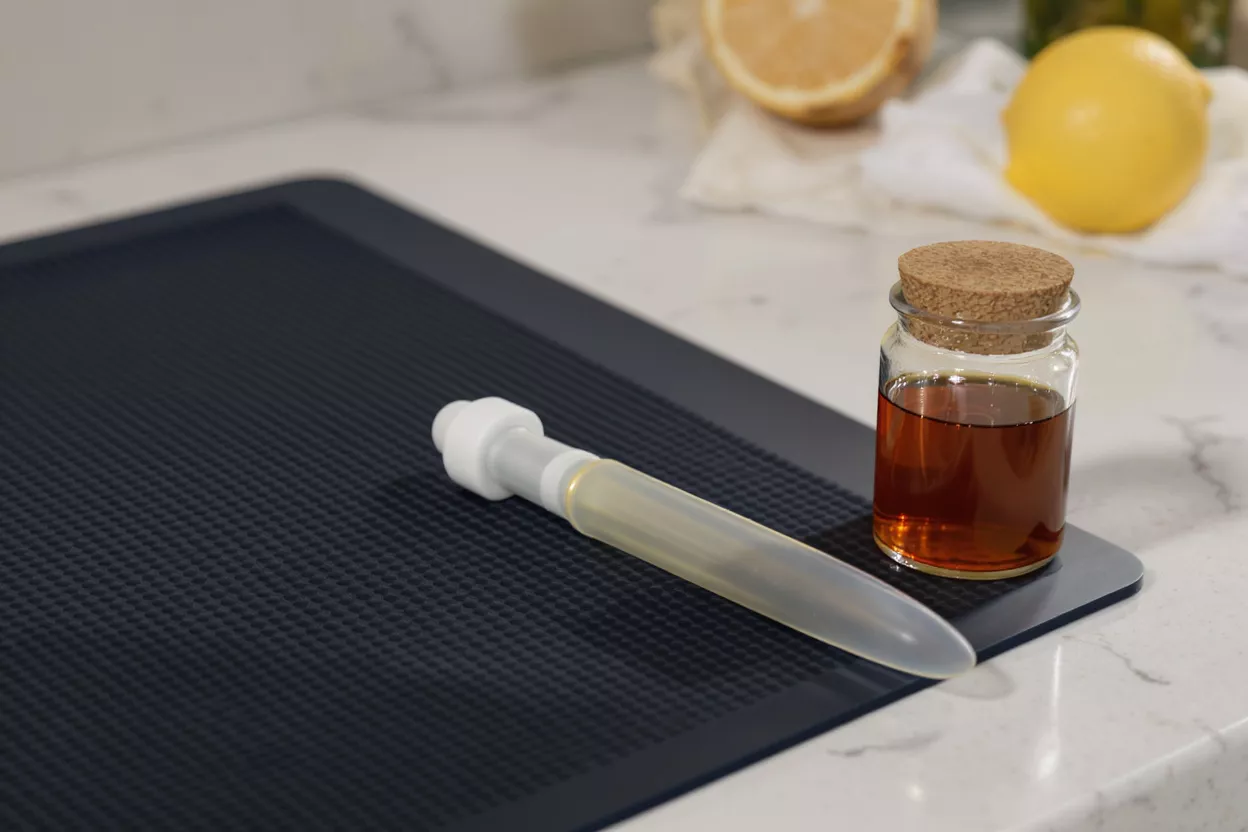
The right nectar collector depends on how and where you plan to use it. Home users who prioritize flavor and ritual often prefer a glass model with a quartz tip and a water chamber for the smoothest possible draw. The visual feedback of watching vapor build, combined with quartz's clean taste, makes this the connoisseur's choice for a dedicated dab station.
Travelers and outdoor adventurers benefit from silicone bodies or compact electric units that survive rough handling and skip the torch. A keychain-sized collector or a USB-rechargeable electric straw fits discreetly into a daily carry, and the durability means you worry less about a cracked piece far from home. Match the tip material to your priorities — quartz for flavor, titanium for resilience, ceramic for steady heat.
Before you buy, weigh these factors against your habits:
- 🏠 Use location: Glass for home flavor, silicone or electric for travel.
- 🔥 Heat source: Torch for raw simplicity, electric for torchless convenience.
- 👅 Tip material: Quartz for taste, titanium for durability, ceramic for consistency.
- 💵 Budget: Factor in replacement tips and accessories, not just the upfront price.
A nectar collector strips dabbing down to its most intuitive form — heat a tip, touch your concentrate, and inhale flavorful vapor with precise control over every dose. Whether you choose a flavor-forward glass model, a bombproof silicone platform, or a torchless electric design, the right pairing of body and tip material transforms how you enjoy diamonds, live resin, and every extract in between. Start with small dabs, keep your gear clean, prioritize quality materials, and this compact tool will reward you with efficient, flavorful sessions for years to come.