

Nug run
Discover what nug run concentrate is, how it's made, and why it delivers superior flavour.
What Is Nug Run Cannabis Concentrate
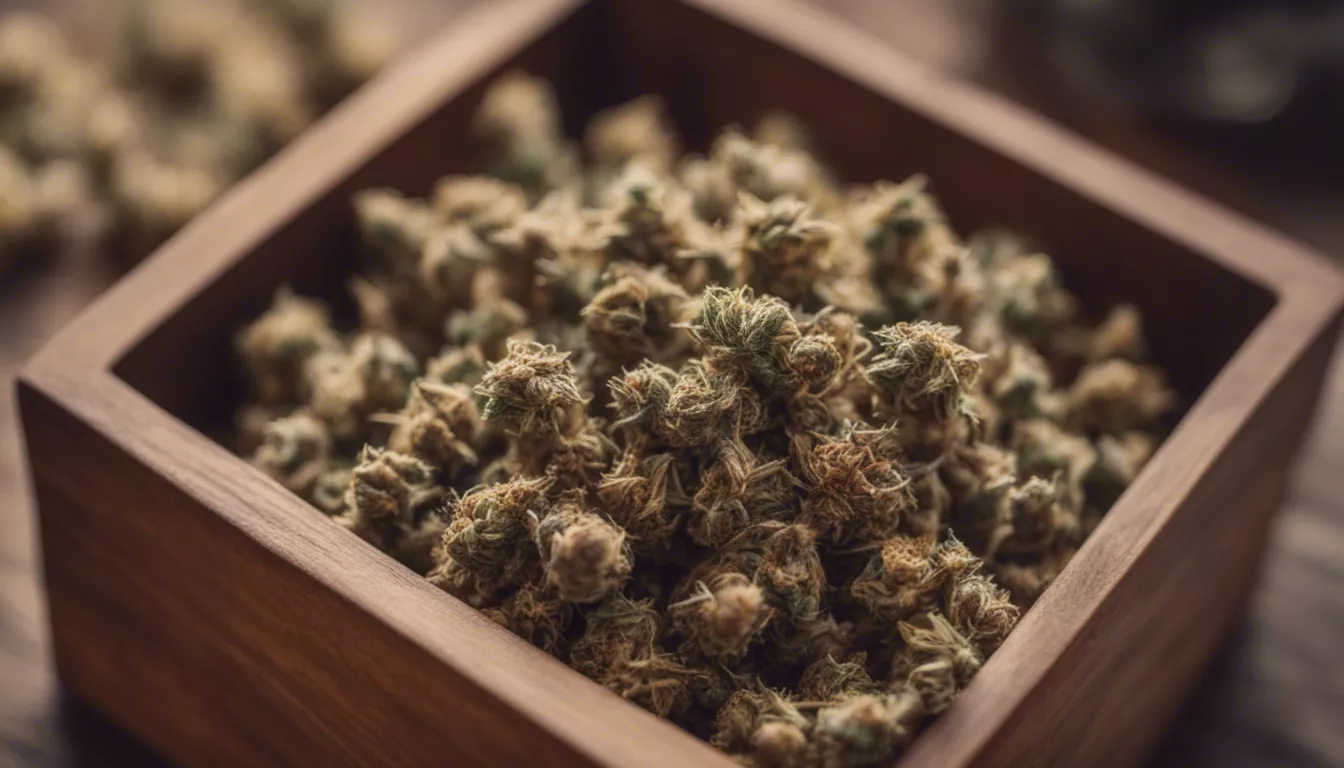
Nug run refers to a category of cannabis concentrate produced exclusively from whole, cured flower — the dense, resinous buds, or "nugs," that most consumers recognize as the premium portion of the plant. The term distinguishes this material from extracts made using leftover plant matter, and it has become shorthand among connoisseurs for a cleaner, more flavorful end product. When an extractor advertises a nug run, they are signaling that nothing but top-shelf flower entered the starting material.
The concept emerged as the concentrate market matured and consumers grew more discerning about what actually went into their dabs and vapes. Early extraction culture often relied on whatever plant material was on hand, including the trim and small leaves trimmed away during harvest. As demand for purity and flavor intensified, producers began separating their finest buds for dedicated extraction runs, and the nug run was born as both a production method and a marketing distinction.
At its core, a nug run is about input quality. The chemistry of extraction faithfully reproduces whatever you feed into it, so starting with high-quality flower rich in trichomes yields a concentrate that captures the genetics' full expression. This single principle underpins everything else that makes nug run desirable.
How Nug Run Is Made from Whole Flower
Producing a nug run begins long before any solvent touches the plant. The flower must be properly dried and cured, because moisture content and chlorophyll degradation directly influence both safety and flavor. Buds that are too wet or improperly cured introduce off-flavors and can complicate the purge process. Extractors who care about nug run quality treat the curing stage as seriously as the extraction itself.
Solvent-based extraction is the most common route for commercial nug runs. Hydrocarbon methods using butane or propane — producing BHO — strip cannabinoids and terpenes from the cured buds, after which the solvent is carefully purged under vacuum and controlled heat. CO2 extraction offers a solventless-feeling alternative that many licensed producers favor for its tunable selectivity and lack of residual hydrocarbons.
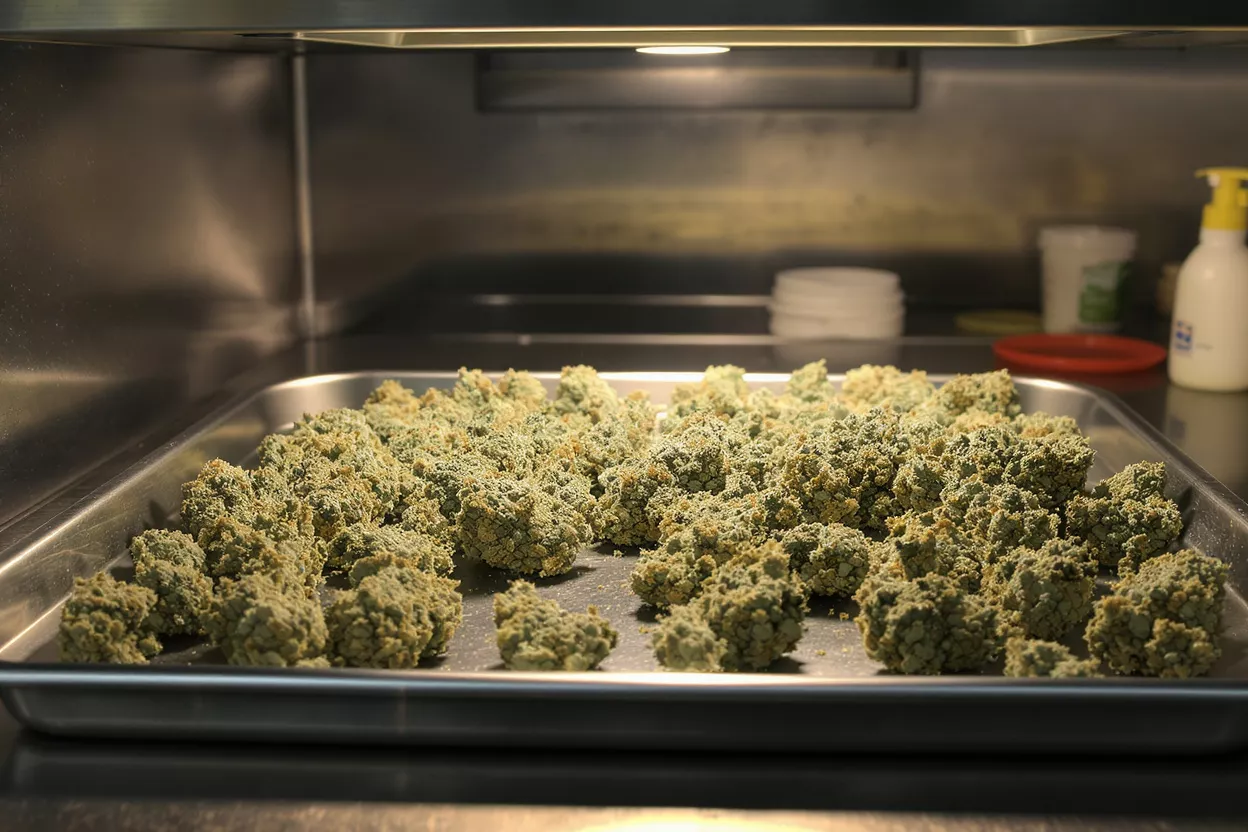
Solventless nug run appeals to purists who want zero chemical inputs. Techniques like ice water hash and rosin pressing rely on physical agitation and heat-plus-pressure rather than solvents. Pressing fresh nug-run hash into rosin has become a benchmark of craft quality, since it captures the bud's character without leaving anything behind to purge.
Nug Run vs Trim Run: What's the Difference
The clearest way to understand nug run is to contrast it with its counterpart, the trim run. Trim runs use the small leaves, stems, and shake that fall away during the manicuring of flower. While trim still carries trichomes and produces usable concentrate, it generally contains fewer resin glands per gram and a less complete terpene profile than the buds it was trimmed from.
The differences show up across several measurable dimensions that matter to anyone choosing between products:
- 🌿 Starting material: Nug run uses whole cured buds; trim run uses leftover leaves, stems, and shake from the trimming process.
- 💪 Potency: Buds concentrate trichomes more densely, so nug run typically tests higher in total cannabinoids.
- 👃 Terpene richness: Flower retains a fuller bouquet of aromatic compounds, giving nug run a more vivid, true-to-strain flavor.
- 💲 Cost: Sacrificing sellable flower for extraction raises the price, making nug run the premium tier.
- 🎨 Appearance: Nug run concentrates often show brighter color and cleaner consistency thanks to the purer input.
None of this means trim run is bad. A well-made trim run from quality genetics can outperform a sloppy nug run from mediocre flower. The label tells you about the input, not the skill of the extractor, which is why understanding both halves of the equation matters when you shop.
Types of Nug Run Extracts
Nug run is a designation about source material, not a single product, so it shows up across the entire spectrum of concentrate textures and methods. The same batch of premium buds can become wildly different final products depending on how the extractor finishes the material after the initial run.
Among the textures and forms you'll encounter labeled as nug run, the most common include several distinct consistencies:
- 🍯 Shatter: A glassy, brittle concentrate prized for stability and clarity when made from clean nug-run extract.
- 🧈 Budder and badder: Whipped to a creamy, opaque texture that highlights terpene content.
- 💎 Sauce and diamonds: Crystalline THCa structures suspended in a terpene-rich liquid.
- 🌬️ Live resin: Made from flash-frozen rather than dried buds, preserving the most volatile terpenes.
- ⚡ Rosin: The solventless flagship, pressed directly from nug-run hash or flower.
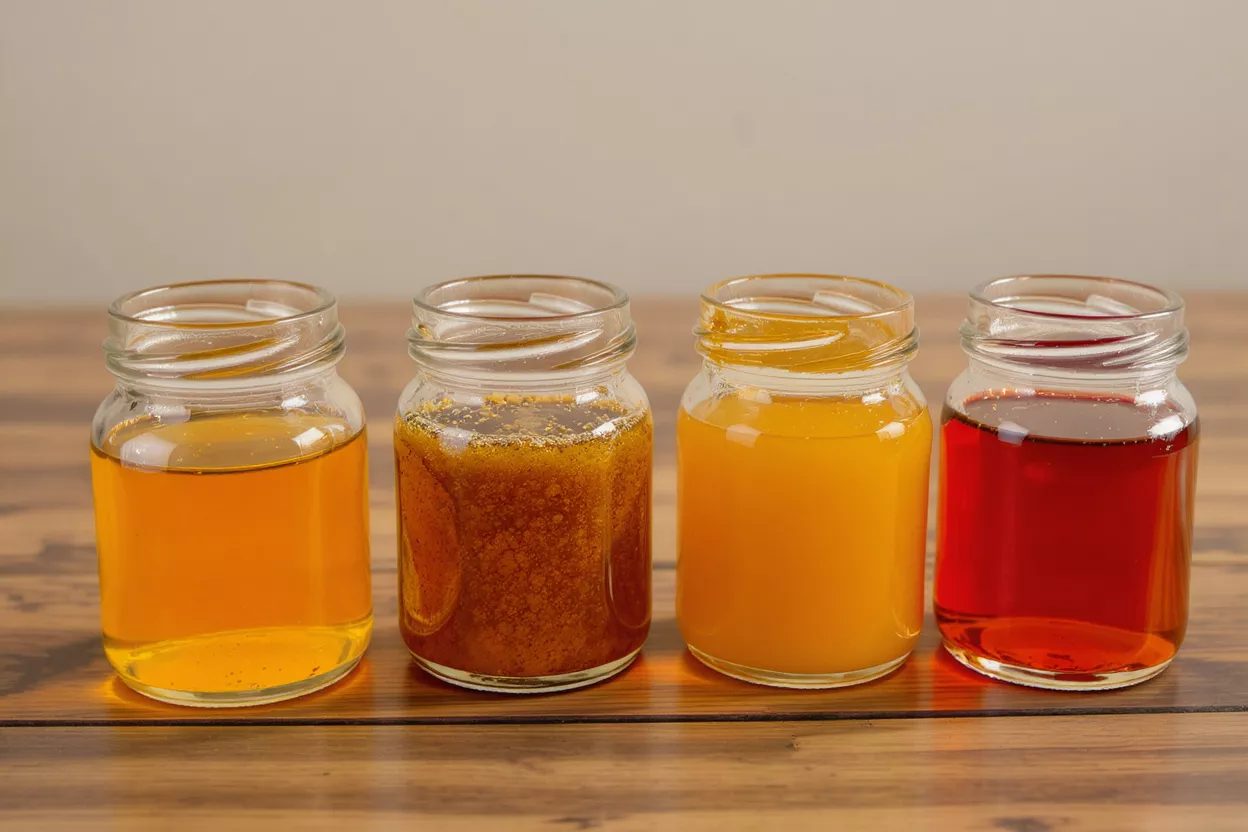
Each of these forms can theoretically be produced from trim as well, which is precisely why the nug run label carries weight. When you see "nug run shatter" or "nug run live resin," the producer is telling you the premium consistency was built on premium input — a meaningful claim that affects both the experience and the price.
The interplay between source material and finishing technique explains why two products with the same name can differ so dramatically. A nug run live resin made from a terpene-loud cultivar will deliver an entirely different sensory profile than a nug run shatter from a high-THC, lower-terpene strain.
Why Nug Run Matters for Concentrate Quality
The case for nug run rests on a simple chemical reality: concentrate quality is bounded by input quality. Extraction can only capture and concentrate what already exists in the plant. It cannot manufacture terpenes or cannabinoids that the starting material lacks, which means the ceiling for any concentrate is set the moment the buds go into the column.
Trichome density is the practical reason buds outperform trim. The resin glands that hold cannabinoids and terpenes cluster most heavily on the flower itself, particularly around the calyxes and sugar leaves immediately surrounding the bud. Trim collected from further out on the plant simply has fewer of these glands per gram, so it takes more material to yield the same amount of concentrate.
Flavor fidelity is the other major payoff. Terpenes are delicate and volatile, and the fullest expression of a strain's aroma lives in its mature flower. A nug run preserves that aromatic signature, letting you taste the difference between a gassy diesel cultivar and a sweet, fruity one. This is why discerning dabbers often pay a premium specifically for the sensory experience nug run delivers.
Nug Run Terpene Profile and Flavor
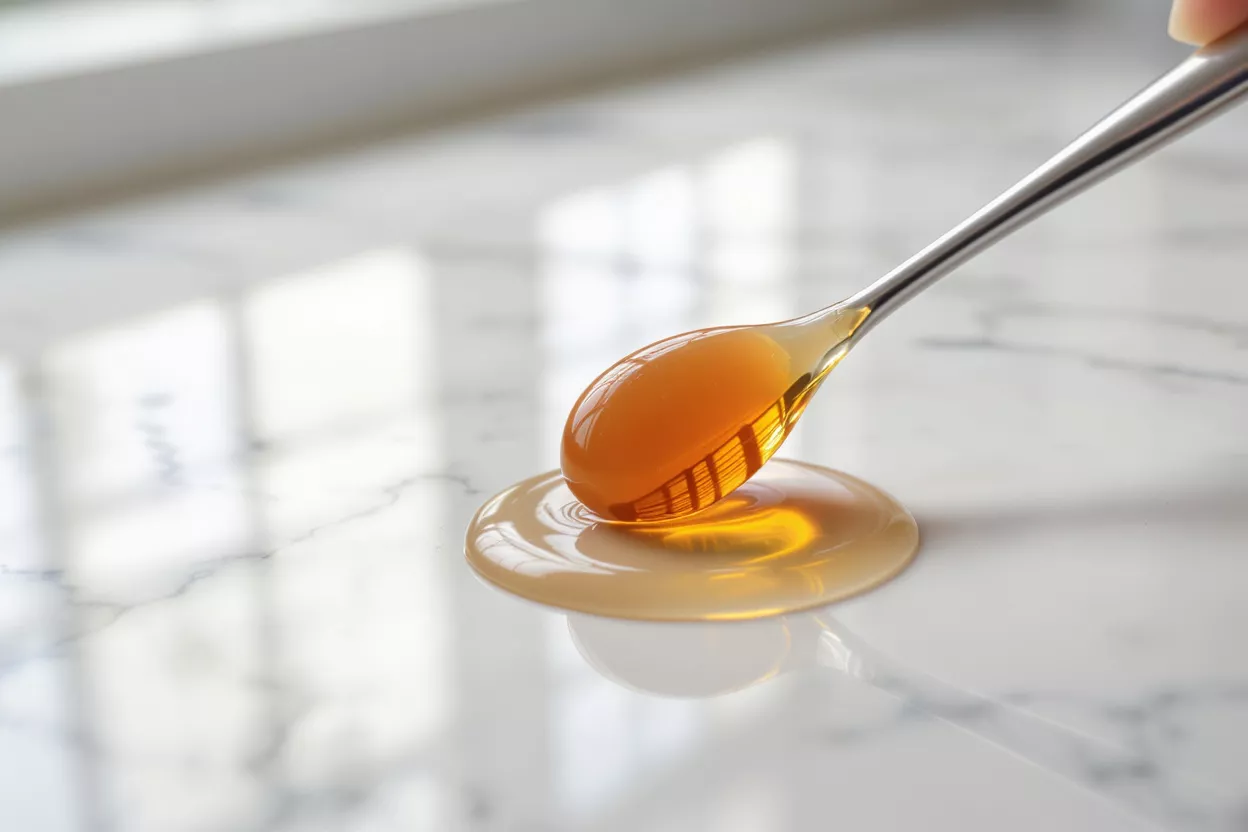
Flavor is where nug run earns its reputation most convincingly. Because terpenes concentrate in the flower's trichome heads, extract drawn from whole buds carries a denser, more nuanced aromatic load than material drawn from trim. The result is a concentrate that tastes unmistakably like the strain it came from rather than a generic "cannabis" note.
The terpene story also intersects with the entourage effect, the theory that cannabinoids and terpenes work together to shape the overall experience. A richer terpene profile doesn't just improve flavor; it may modulate how the cannabinoids feel, contributing to the subtle differences experienced users report between concentrates from different cultivars.
Preservation technique matters enormously here. Live resin nug runs, made from flash-frozen flower, lock in the most volatile and fragile terpenes that would otherwise dissipate during drying and curing. A cured nug run sacrifices some of those top notes but gains stability and a deeper, sometimes richer flavor from the curing process itself. Neither is strictly superior; they simply capture different moments in the plant's aromatic life. 🌬️
Is Nug Run Worth the Higher Price
Nug run almost always costs more than trim run, and the premium reflects a genuine economic trade-off rather than pure marketing. Every gram of flower diverted into extraction is a gram that could have been sold as premium bud, so the producer absorbs an opportunity cost that gets passed along to the buyer. Understanding that math helps you decide when the upgrade is worth it.
For some use cases the premium is clearly justified, while for others a quality trim run delivers most of the value at a friendlier price. Consider where nug run earns its cost:
- 🎯 Flavor chasers: If terpene-forward taste is your priority, nug run's richer profile justifies the spend.
- 🏆 Special occasions: For a standout session or a gift, the premium tier delivers a memorable experience.
- 🔬 Solventless fans: Top-tier rosin essentially requires nug-run input to reach its full potential.
- 💰 Everyday value: For high-volume daily use, a well-made trim run may stretch your budget further.
The honest answer is that worth depends on your priorities. A careful shopper evaluates the actual lab results and aroma rather than the label alone, because a skilled extractor working with excellent trim can rival a careless nug run. The premium buys a higher ceiling, not a guarantee.
How to Identify Genuine Nug Run
Lab results offer the most objective starting point. Certificates of analysis report total terpene percentages, and nug-run concentrates frequently test in higher terpene ranges than comparable trim runs from the same producer. While numbers don't tell the whole story, a robust terpene reading supports a nug run claim and gives you something concrete to evaluate.
Visual and aromatic cues round out the assessment. Genuine nug run often presents with brighter, cleaner coloration — golden to amber tones rather than dark, murky hues that can indicate lower-grade input or contamination. The aroma should leap from the jar, vivid and strain-specific, when you crack the lid.
Transparency from the source is the final safeguard. Reputable producers and dispensaries are happy to confirm whether a product is a true nug run and to share the starting material details. If a vendor cannot or will not clarify the source, treat the nug run claim with healthy skepticism and let the lab data and your own senses guide the decision.
How to Use Nug Run Concentrates
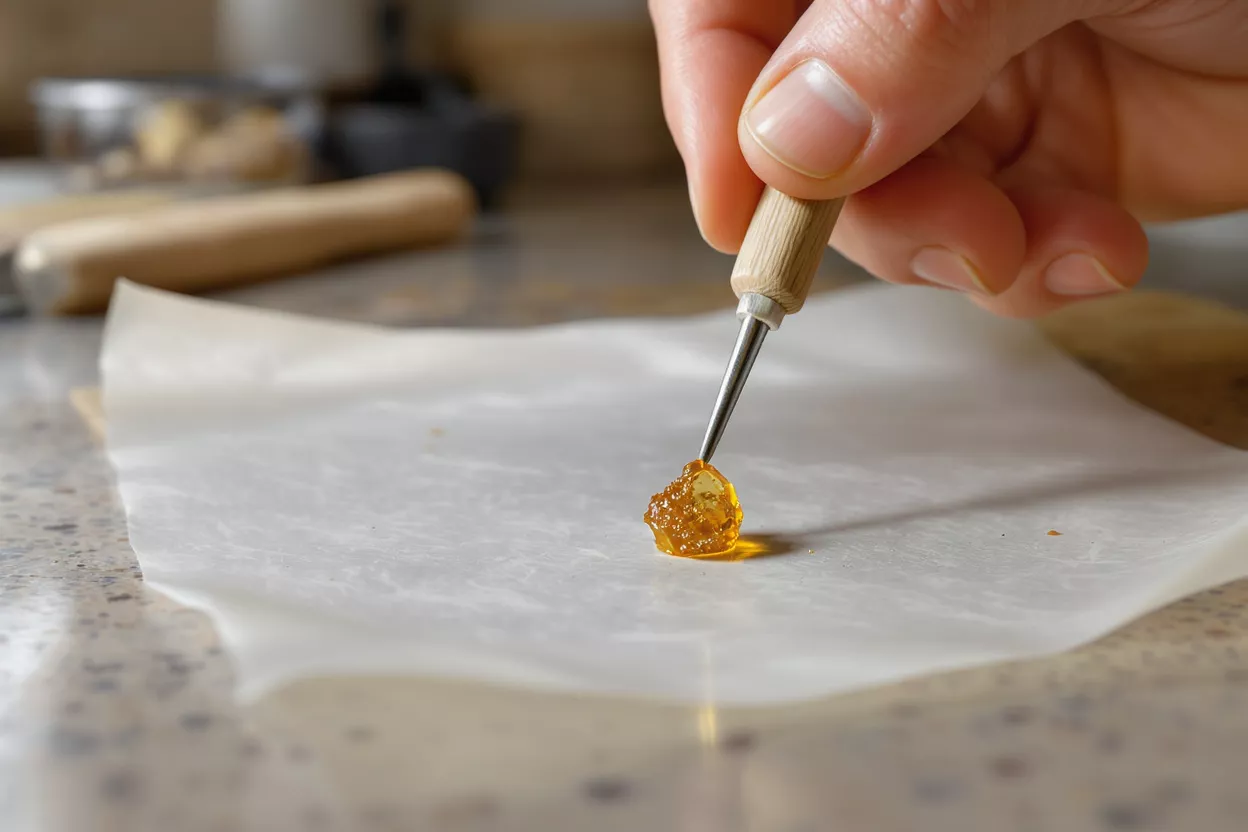
Nug run concentrates shine brightest in applications that showcase flavor, which is why temperature control is the single most important variable in your routine. Dabbing at lower temperatures — often called low-temp dabbing — preserves the delicate terpenes that make nug run worth the premium, delivering a smoother, more flavorful vapor than the harsh, scorching hits of a glowing-hot nail.
Beyond traditional dabbing, nug run extracts adapt well to several consumption methods. Portable concentrate vaporizers and electronic rigs with precise temperature settings let you dial in the sweet spot for terpene preservation. Some users add a small amount of nug run concentrate atop a bowl of flower for a flavor-boosted, more potent session.
Start low and go slow remains the wisest approach, especially given how potent these concentrates are. A grain-of-rice-sized portion delivers a substantial dose, and the rich terpene content can make the experience feel more intense than the raw THC number suggests. Respecting that potency lets you enjoy the full flavor without overdoing it.
Storing Nug Run Concentrates Properly
Because nug run's chief appeal is its terpene richness, storage is really an exercise in protecting those volatile compounds from the three forces that degrade them: heat, light, and air. Get storage right and a quality concentrate holds its flavor and potency for months; get it wrong and the terpenes evaporate, leaving a flatter, less expressive product.
A few straightforward practices preserve your investment and keep each session as vivid as the first:
- ❄️ Keep it cool: Store concentrates in a cool, dark place; cold slows terpene loss and prevents textures from going greasy.
- 🌑 Block the light: UV exposure degrades cannabinoids and terpenes, so opaque or amber containers beat clear ones.
- 🫙 Seal out air: Airtight silicone or glass containers minimize oxidation that dulls flavor over time.
- 🧊 Use proper tools: A clean dab tool prevents contamination that can shorten shelf life.
For long-term storage, some enthusiasts refrigerate or even freeze their nug run, though this requires letting the container return to room temperature before opening to avoid condensation. For most users, a cool drawer away from windows and heat sources is more than adequate to keep that prized terpene profile intact.
Nug run represents the principle that great concentrates begin with great flower. By using whole, properly cured buds instead of trim, extractors capture the fullest expression of a strain's potency and flavor, and that quality carries through whether the final product is shatter, live resin, or pressed rosin. The premium price reflects a real opportunity cost rather than empty marketing, and the payoff lands most powerfully for those who prize terpene-rich taste and craft-level quality. Armed with an understanding of how nug run is made, how to identify the genuine article, and how to use and store it, you can shop with confidence and get the most from every premium gram.





Comments