

OG
Discover what OG means in cannabis, where OG Kush came from, and what effects to expect.
What Does OG Mean in Cannabis?
Few abbreviations carry as much weight in cannabis culture as OG. The two letters appear on dispensary menus, breeder catalogs, and strain reviews across the world, yet many people who enjoy these flowers have never paused to ask what the term actually signifies. Understanding OG is a useful entry point into the broader history of modern hybrid breeding, because so many contemporary varieties trace at least part of their ancestry back to this single influential family.
The most widely repeated explanation holds that OG stands for "Ocean Grown," a nod to the coastal California environment where the strain rose to fame during the 1990s. A competing story claims the letters were originally an internet shorthand for "Original Gangster," reflecting the strain's gritty, underground reputation before legalization. Both narratives have devoted believers, and the truth is probably tangled somewhere in the informal, word-of-mouth culture that defined cannabis before regulated markets existed.
Why the name matters today: regardless of which origin story you favor, OG has evolved into a kind of quality marker. When a breeder attaches it to a new release, they are signaling a connection to a respected genetic line known for resinous flowers, pungent aromas, and a balanced body-and-mind experience. The label has become shorthand for a particular style of cannabis that growers and consumers have spent three decades refining.
Where Did OG Kush Come From?
The story of OG Kush most commonly begins in Florida in the early 1990s, where growers are said to have worked with a distinctive bag of seeds before the genetics migrated west to Los Angeles. Once it reached Southern California, the strain found the climate, community, and demand it needed to become a foundational cultivar. Cultivators in the region cloned it relentlessly, and those cuttings spread through dispensaries and personal gardens long before any of it was legal.
The Florida-to-California pipeline: this geographic journey is more than trivia. The movement from the humid Southeast to the dry, sun-soaked West Coast exposed the plant to wildly different growing conditions, and the phenotypes that survived and thrived shaped the OG we recognize now. California's competitive cannabis scene rewarded potency and aroma, pushing growers to select for the most pungent, resin-heavy expressions.
Because so much of this history unfolded in an unregulated market, precise documentation is scarce. Most of what we know comes from breeder interviews, magazine features, and the oral tradition of growers who were present during those formative years. That ambiguity is part of OG's mystique, but it also means you should treat any single, definitive-sounding origin claim with healthy skepticism.

OG Kush Genetics and Lineage
The genetic backbone of OG Kush is itself a subject of friendly debate, but the most accepted account describes it as a cross involving a Chemdawg parent combined with Hindu Kush landrace genetics. That pairing blends the sharp, diesel-like punch of Chemdawg with the dense, resinous, earthy qualities of a classic Kush, producing a plant that feels both modern and rooted in old-world tradition.
This lineage explains a great deal about the strain's behavior and character. Key inherited traits include:
- 🌿 Resin production: the Kush side contributes heavy trichome coverage, giving the flowers their frosty, sticky finish.
- ⛽ Diesel pungency: the Chemdawg influence brings the unmistakable fuel-forward aroma that OG is famous for.
- 🌍 Hardy structure: landrace ancestry lends resilience and a compact, sturdy growth habit.
- ⚖️ Balanced effects: the hybrid cross produces a layered experience rather than a one-dimensional high.
Because OG Kush has been bred and back-crossed countless times, the modern marketplace contains many variations that share the name but differ in their genetic emphasis. Some lean more heavily toward the Kush parent, while others express the brighter, sharper Chemdawg side. This is why two products both labeled OG can deliver noticeably different experiences.
What Does OG Smell and Taste Like?
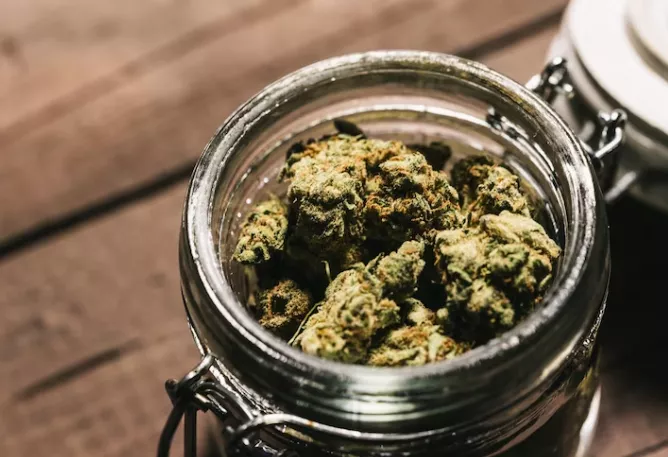
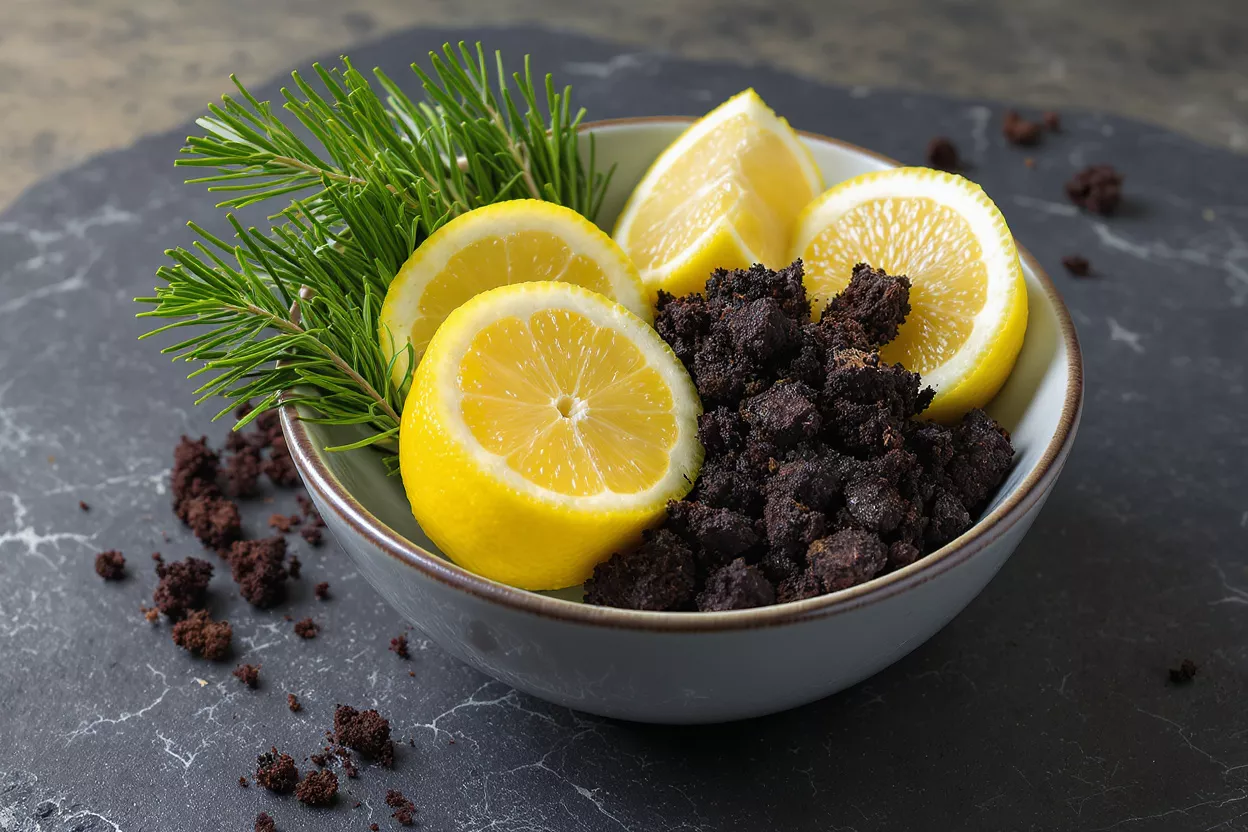
The aroma of OG is one of its most defining and beloved features. Open a jar of quality OG flower and you are typically met with a complex bouquet that combines fuel, pine, citrus zest, and a deep earthy undertone. This signature smell is so recognizable that experienced consumers can often identify an OG-derived strain by scent alone.
The terpene story behind the smell: OG's aroma comes largely from its terpene profile, which tends to be dominated by myrcene, limonene, and caryophyllene. Myrcene contributes the earthy, musky base, limonene adds the bright citrus lift, and caryophyllene brings a peppery, spicy edge. Together they create the layered, fuel-meets-forest character that defines the line.
On the palate, OG translates that aromatic complexity into flavor. Expect a smoke that carries woody pine and lemon-pepper notes, often with a lingering gassy aftertaste. The flavor is bold and assertive rather than sweet or delicate, which is exactly why it has remained a benchmark for connoisseurs who prize intensity and depth over subtlety.
OG Effects: What to Expect
OG is prized for delivering a hybrid experience that engages both the body and the mind. The onset often arrives with a euphoric, cerebral lift that can spark conversation and creative thinking, before settling into a deeply relaxing body sensation. This dual nature is the reason OG has remained relevant across so many shifting trends in cannabis preference.
How the high progresses: many users describe a wave-like arc. The early minutes feel uplifting and social, while the later stages tend toward calm, heaviness, and a pleasant sense of being settled into your surroundings. Because of this trajectory, OG occupies a sweet spot for people who want stress relief without being immediately couch-locked.
Set and setting matter with a strain this potent. New consumers should approach OG with a measured dose, since its strength can be surprising. The interplay of cannabinoids and terpenes, often described as the entourage effect, contributes to a fuller, more rounded experience than THC content alone would predict.
OG Potency and Cannabinoid Profile
OG built its reputation on potency long before high-THC numbers became a marketing standard. Most modern OG cuttings test in a robust range that places them firmly among the stronger options on a typical menu, which is part of why the line has remained a benchmark against which other strains are measured.
Here is a general snapshot of what to expect from a quality OG sample:
- 🔬 THC content: commonly falls in the high teens to low-to-mid twenties by percentage, depending on the phenotype and cultivation.
- 🌱 CBD content: typically low, usually well under one percent, so OG is not a CBD-forward choice.
- 💨 Dominant terpenes: myrcene, limonene, and caryophyllene lead the profile.
- ⏱️ Onset: relatively fast when smoked or vaporized, with effects building over the first several minutes.
Because THC percentage only tells part of the story, the most reliable way to judge an OG product is to consider the full lab panel alongside the terpene results. A flower with moderate THC but a rich, well-preserved terpene profile will frequently outperform a higher-testing sample that has degraded with age or poor storage.

Popular OG Strains and Phenotypes
The OG family has branched into a sprawling network of named cuts and crosses, each with its own loyal following. Some are stabilized phenotypes selected directly from the original line, while others are deliberate hybrids designed to amplify a particular trait. Knowing the major players helps you navigate a menu with confidence.
The most recognized cuts: several names appear again and again across legal markets. SFV OG, named for the San Fernando Valley, is treasured for its piney sharpness. Tahoe OG leans toward a heavier, more sedating expression. Larry OG and Ghost OG round out the classic roster, each prized for slightly different balances of aroma and effect.
Beyond the foundational cuts, OG genetics serve as a parent for countless modern crosses. When you see strains built on OG lineage, they often inherit the characteristic fuel aroma and balanced potency, even when paired with sweeter or fruitier partners. This breeding influence is one reason the OG name remains so deeply woven into today's catalog of indica-leaning hybrids.
How to Grow OG Kush
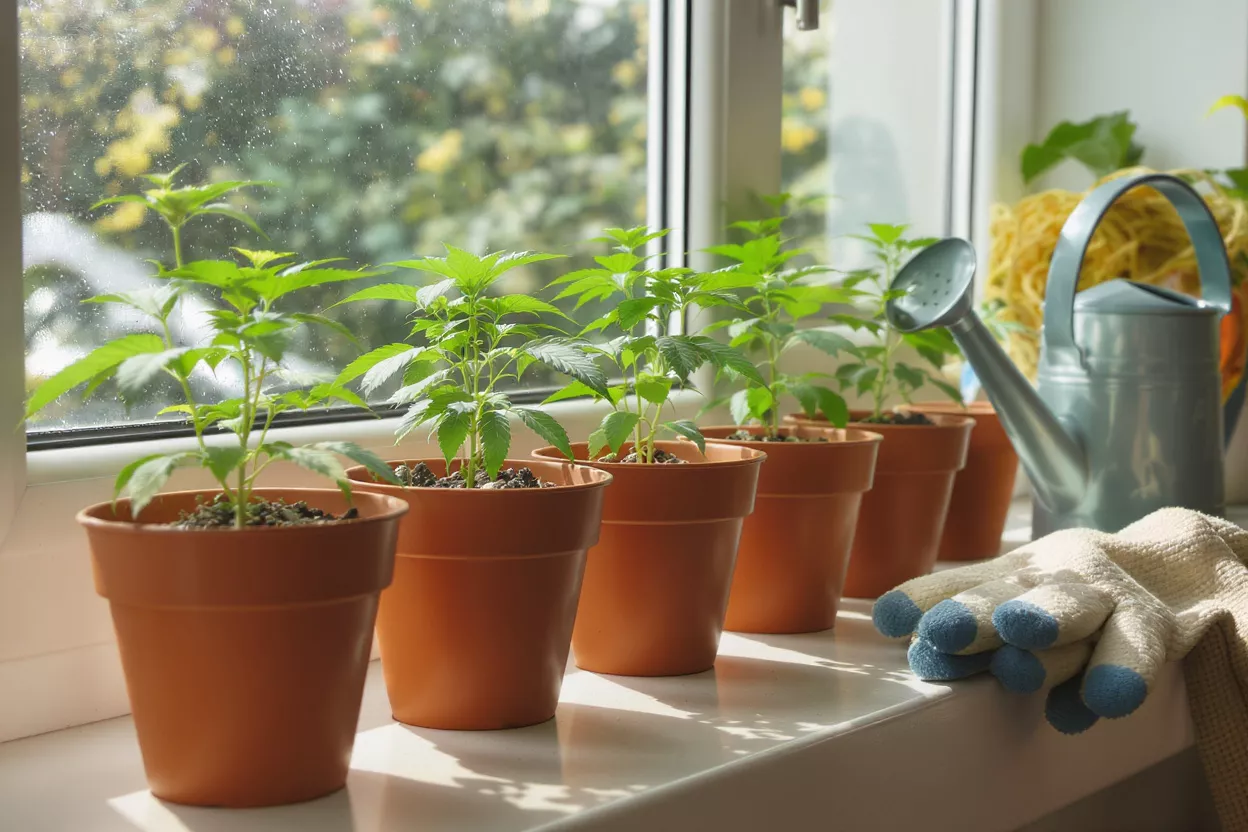
Cultivating OG Kush is rewarding but rarely effortless. The strain has a reputation for being somewhat finicky, demanding attention to feeding, environment, and structural support if you want it to express its full potential. Growers willing to meet those demands are repaid with dense, resin-coated flowers.
Common growing challenges: OG tends to stretch during the early flowering phase and can produce heavy colas that need staking or trellising. It is also sensitive to nutrient imbalances, particularly magnesium and calcium deficiencies that show up as discolored leaves. A stable environment with good airflow helps prevent mold in its dense flower clusters.
Indoor cultivation gives growers the control needed to dial in OG's preferences, though it performs well in warm, dry outdoor climates that mirror its California heritage. Flowering typically wraps up in roughly eight to nine weeks. Patience during the cure is essential, since OG's complex terpene profile sharpens considerably with proper drying and a slow, controlled cure.
Best Uses for OG Strains
OG's balanced profile makes it remarkably versatile, which partly explains its staying power. Depending on the dose and the specific phenotype, it can suit a relaxed social evening, a quiet wind-down, or a creative session. Matching the occasion to the strain's natural arc is the key to getting the most from it.
Consider these common scenarios where OG shines:
- 🌙 Evening relaxation: the body-heavy back half makes OG a natural fit for decompressing after a long day.
- 🧘 Stress relief: the early euphoric lift can quiet a racing mind before the calm settles in.
- 🍽️ Appetite support: myrcene-rich profiles often pair with a noticeable hunger boost.
- 🎨 Creative sparks: moderate doses of the more sativa-leaning cuts can encourage free-flowing ideas.
OG also translates beautifully into concentrates and extracts, where its abundant resin and bold terpenes produce flavorful, aromatic products. From live resin to traditional hash, the line's chemistry makes it a favorite raw material for processors chasing both yield and taste.
Is OG Right for You?
Deciding whether OG belongs in your rotation comes down to what you want from cannabis. If you appreciate bold, fuel-forward aromas and a balanced hybrid effect that moves from uplift to deep relaxation, the OG family is one of the most reliable places to start. Its decades-long track record means there is a wealth of consumer feedback to guide your choice.
That said, OG's potency and assertive flavor are not for everyone. Those who prefer mild, sweet, or low-THC experiences may find it overwhelming, and newcomers should respect its strength by starting low and going slow. Reading the full lab panel and choosing a reputable phenotype will dramatically improve your odds of a satisfying experience.
Ultimately, OG endures because it delivers a complete, characterful experience rooted in genuine genetic heritage. Whether you encounter it as a classic cut like SFV OG or as the backbone of a brand-new hybrid, you are tapping into one of the most influential lineages in modern cannabis. For curious consumers and dedicated connoisseurs alike, OG remains a benchmark worth understanding and worth returning to.





Comments