

Outdoor
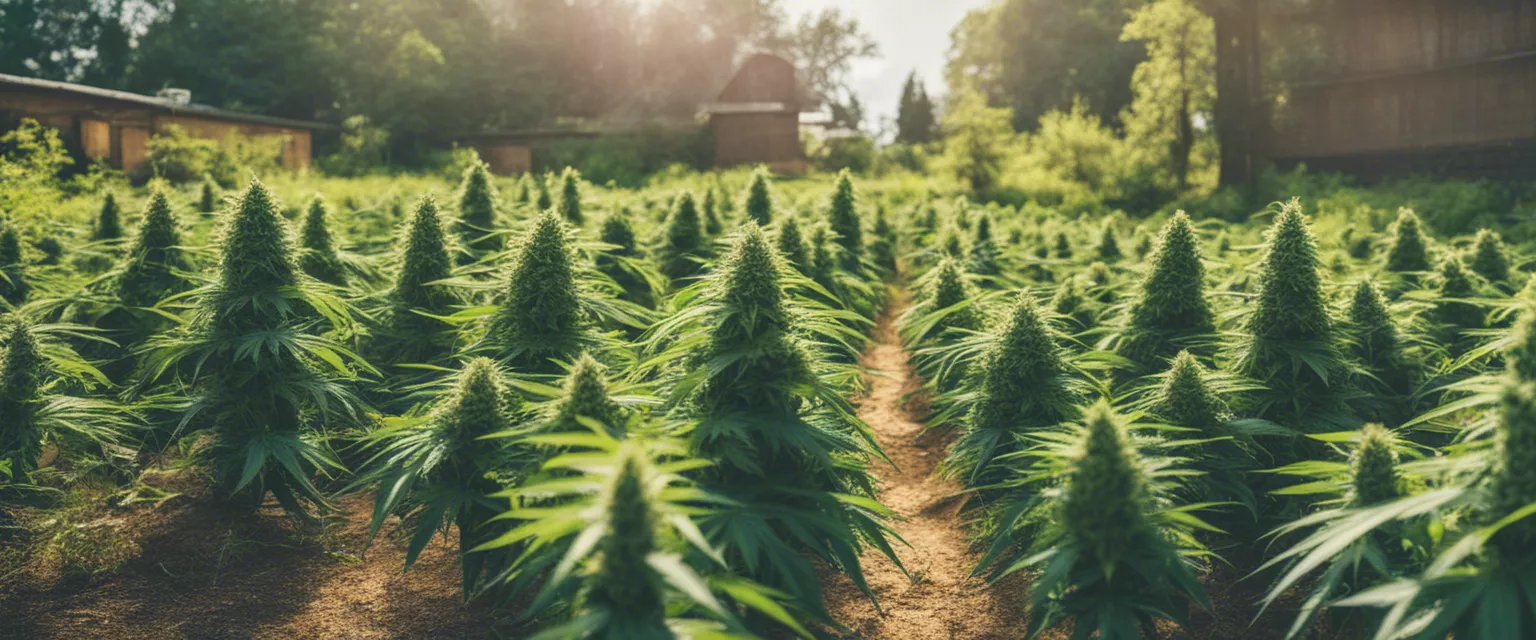
Discover how outdoor cannabis is grown using natural sunlight.
When people picture a cannabis farm, many imagine sterile rooms humming with grow lights. Yet the oldest and most natural way to cultivate the plant happens under open sky. Outdoor cannabis cultivation relies on the sun, the seasons, and the soil to bring a crop from seedling to harvest, much the way farmers have raised tomatoes, hops, and grapes for centuries. As legal markets mature, growers and consumers alike are rediscovering why sun-grown flower holds such an enduring place in the industry.
This guide breaks down how outdoor growing actually works, how it compares with indoor production, and what the finished product looks like in your jar. Whether you are a curious consumer, a home gardener, or someone weighing the economics of a commercial grow, understanding the outdoor method clarifies a lot about price, potency, and sustainability in modern cannabis.
What Is Outdoor Cannabis Cultivation
Outdoor cannabis cultivation is the practice of growing the plant in open-air environments using natural sunlight as the primary light source. Instead of replicating sun and weather with electricity and climate control, the outdoor grower works with the existing environment, planting in native soil or raised beds and timing the crop to the natural calendar. It is the closest modern equivalent to how cannabis grew in the wild for thousands of years.
Sun-grown versus greenhouse: True outdoor growing means full exposure to the elements with no permanent structure overhead. Greenhouse cultivation sits between outdoor and indoor, using glass or poly walls to capture sunlight while offering shelter from wind and rain. Many people lump the two together as "sun-grown," but pure outdoor crops face every weather event the season delivers, for better and worse.
Scale and tradition: Outdoor farms can range from a few backyard plants to sprawling commercial fields holding thousands of plants. Because the sun does the heavy lifting, the footprint per gram of finished flower is far larger than an indoor room, but the resource cost is dramatically lower. This is the method behind much of the world's hemp and a growing share of extraction-grade biomass.
How Outdoor Growing Works Through the Seasons
Cannabis is a photoperiod plant, meaning its life stages are triggered by the length of daylight. Outdoor growers exploit this natural rhythm rather than fighting it. Seeds or clones go into the ground in spring as days lengthen, the plant builds size and structure through the long days of summer, and as nights grow longer in late summer the plant shifts into flowering. Harvest typically lands in the autumn.
The vegetative stretch: From late spring through midsummer, plants focus on building roots, stems, and leaves. With 14 to 16 hours of daily sunlight and warm temperatures, outdoor plants can grow enormous, sometimes reaching heights that dwarf any indoor specimen. This vigorous vegetative stage is one reason outdoor yields per plant can be so impressive.
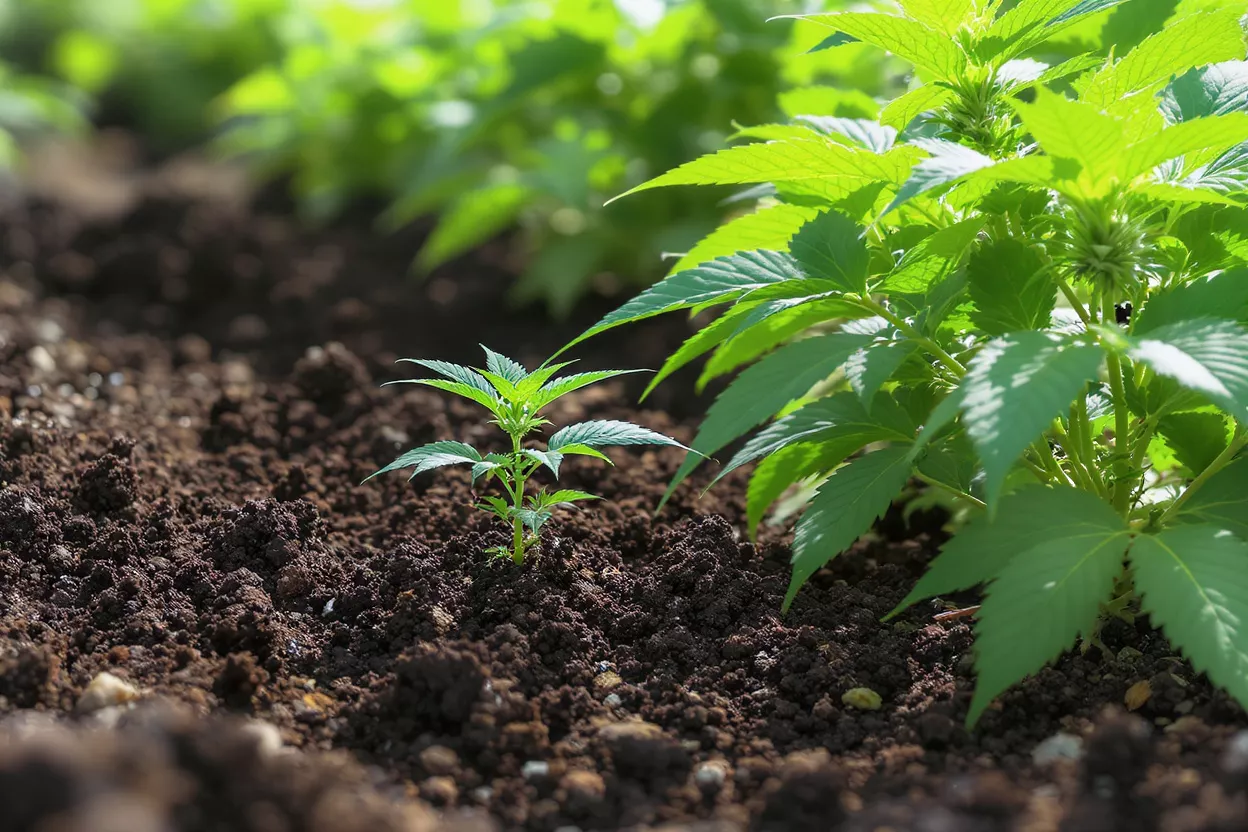
Triggering the flower: As the summer solstice passes and daylight shortens, the plant senses the change and begins producing buds. This flowering stage develops the resinous flowers prized for their cannabinoid and terpene content. Unlike indoor grows where a timer flips the light cycle on demand, outdoor flowering happens on nature's schedule, generally locking in a single major harvest each year.
Outdoor vs Indoor Cannabis: Key Differences
The choice between outdoor and indoor cultivation shapes everything from cost to consistency. Indoor growing offers total control over light, temperature, humidity, and pests, but that control comes at a steep price in electricity and infrastructure. Outdoor growing trades control for the free, full-spectrum energy of the sun and a much lighter environmental footprint.
Here is how the two approaches compare on the factors that matter most:
- ☀️ Energy cost: Outdoor uses free sunlight, while indoor grows depend on high-intensity lights that drive electricity bills and carbon output sharply higher.
- 🎛️ Environmental control: Indoor wins decisively, with growers dialing in every variable; outdoor crops are at the mercy of weather and pests.
- 📅 Harvest frequency: Indoor allows multiple cycles per year, whereas outdoor typically yields one large annual harvest.
- 💰 Production cost per gram: Outdoor is markedly cheaper, making it the backbone of affordable flower and extraction material.
- 🌱 Sustainability: Outdoor leaves a far smaller ecological footprint per unit of finished product.
Neither method is universally superior. Indoor flower often commands premium shelf prices for its polished appearance and tight quality control, while outdoor flower competes on value, volume, and environmental credentials. Many savvy producers run both to serve different market segments.
Benefits of Outdoor-Grown Cannabis
Beyond the obvious savings on electricity, outdoor cultivation offers genuine advantages rooted in biology and economics. The sun delivers a fuller and more powerful light spectrum than any artificial fixture, and plants given room to spread in living soil often develop robust root systems that fuel vigorous growth.
Lower startup and operating costs: An outdoor grow needs land, seeds or clones, soil amendments, and water rather than rows of lights, ballasts, ventilation, and climate equipment. This dramatically lower barrier to entry is why outdoor remains the dominant method for large-scale and craft growers working on tight margins.
Environmental sustainability: Sun-grown cannabis sidesteps the enormous energy demand of indoor lighting and HVAC. As consumers grow more conscious of carbon footprints, sun-grown flower carries a marketing and ethical edge that resonates with eco-minded buyers.
Terpene and character development: Many cultivators argue that the natural stress of outdoor conditions, including temperature swings and full sunlight, encourages rich terpene expression and distinctive flavor. The result can be a more nuanced, true-to-genetics aromatic profile that some connoisseurs prize.
Challenges of Outdoor Cultivation
The same openness that makes outdoor growing efficient also exposes the crop to risks an indoor room never faces. Weather is the biggest wildcard. A late frost, an early autumn rain, a heat wave, or a windstorm can damage plants or ruin a harvest that took an entire season to develop.
Pests, mold, and wildlife: Open fields invite insects, fungal diseases, and hungry animals. Botrytis, commonly known as bud rot, thrives in damp autumn conditions and can devastate dense flowers just before harvest. Growers manage these threats with integrated pest management, careful site selection, and resistant genetics rather than the sealed environment an indoor facility provides.
Less control over consistency: Because no two seasons are identical, outdoor harvests vary in yield, potency, and appearance year to year. This variability complicates branding and supply planning. The finished flower can also look less manicured than indoor buds, with looser structure and occasional weathering.
Security and privacy add another layer of difficulty. Large outdoor plots are visible and harder to protect than a locked indoor room, and in some regions, theft and regulatory scrutiny push growers toward enclosed greenhouses as a compromise.
Best Climates for Outdoor Cannabis
Cannabis thrives in conditions similar to a Mediterranean climate: warm, sunny days, mild nights, and a dry stretch leading into harvest. Regions with long growing seasons and predictable autumn weather consistently produce the highest-quality outdoor crops.
Several characteristics define an ideal outdoor location:
- 🌞 Abundant sunlight: A site with full, unobstructed sun for most of the day maximizes photosynthesis and bud development.
- 🌡️ Mild temperatures: Daytime highs in the comfortable range with cool but not freezing nights suit the plant best.
- 🍂 Dry autumn: Low humidity during the flowering and harvest window minimizes mold and bud rot.
- 💧 Reliable water: Access to irrigation matters during hot, dry summer growth spurts.
- 🛡️ Wind protection: Natural or built windbreaks shield tall plants from stem breakage.
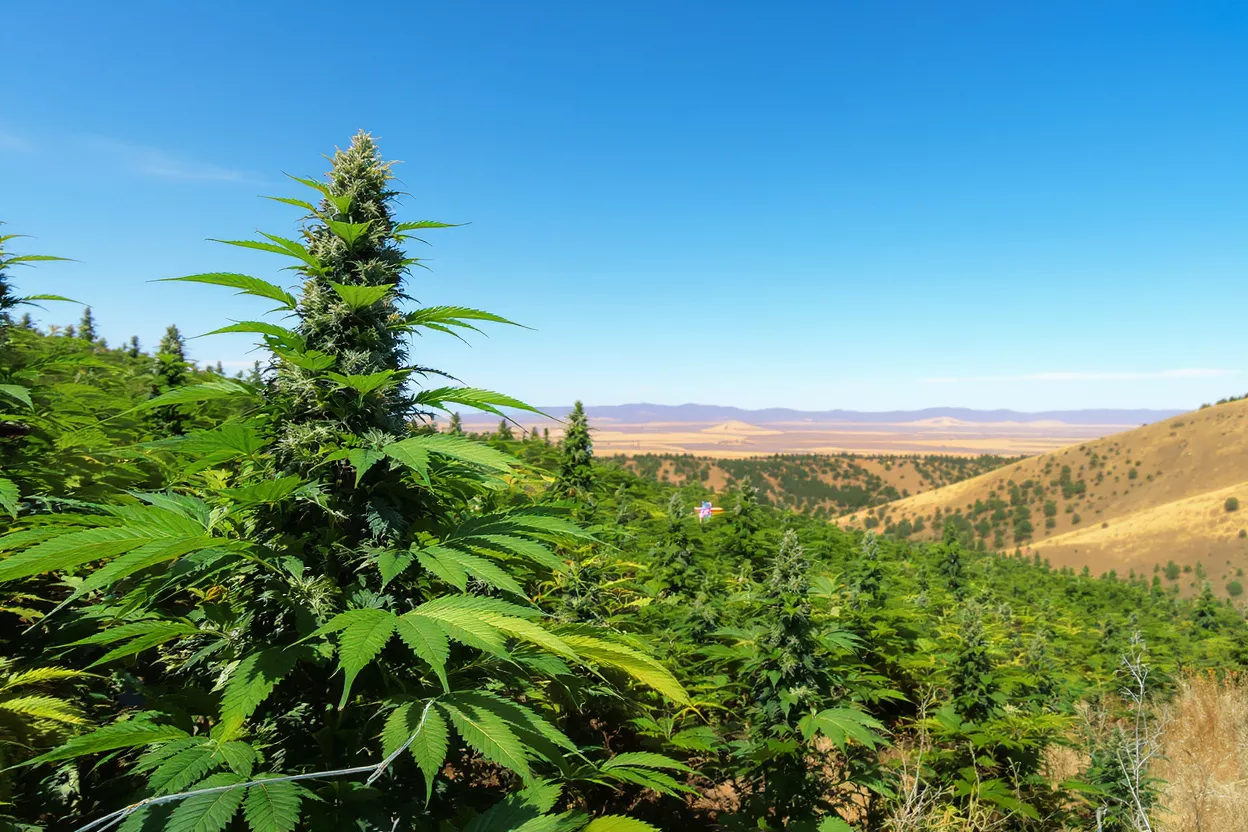
Famous cannabis-growing regions such as Northern California's Emerald Triangle, parts of Spain, and stretches of the Mediterranean owe their reputations to climates that line up neatly with these requirements. Growers in less forgiving climates often turn to greenhouses or carefully chosen fast-finishing genetics to compensate for shorter or wetter seasons.
Choosing Strains Suited to Outdoor Growing
Not every genetic line performs well outdoors. Strains that excel in a controlled indoor room may struggle with the temperature swings, humidity, and pest pressure of an open field. Successful outdoor growers prioritize hardiness, mold resistance, and a flowering window that finishes before autumn weather turns.
Mold and mildew resistance: Cultivars with airy bud structure and thick resin coats fare better against damp conditions than dense, tightly packed flowers that trap moisture. Many landrace and sativa-leaning varieties evolved outdoors and carry natural resilience.
Autoflowering options: Autoflower genetics flower based on age rather than light cycle, allowing some outdoor growers to squeeze in multiple harvests in a single season or finish early before bad weather. Their faster, more compact growth makes them a practical choice in northern climates with shorter summers.
Matching to climate: A grower in a cool, wet northern region needs early-finishing, mold-resistant genetics, while someone in a long, hot, dry climate can run late-finishing tropical varieties that would never ripen up north. Reading the local season honestly is the single most important step in strain selection.
Outdoor Harvest Timing Guide
Timing the harvest is where outdoor growing rewards patience and observation. Cut too early and the flower lacks potency and full flavor; wait too long and quality degrades or autumn weather strikes. Most outdoor cannabis in the Northern Hemisphere finishes between late September and the end of October, though this varies by strain and latitude.
Reading the trichomes: The most reliable ripeness indicator is the resin glands on the flowers. Viewed under magnification, clear trichomes signal immaturity, milky-cloudy ones indicate peak potency, and amber heads suggest a more sedative, fully ripe profile. Growers harvest based on the ratio they prefer.
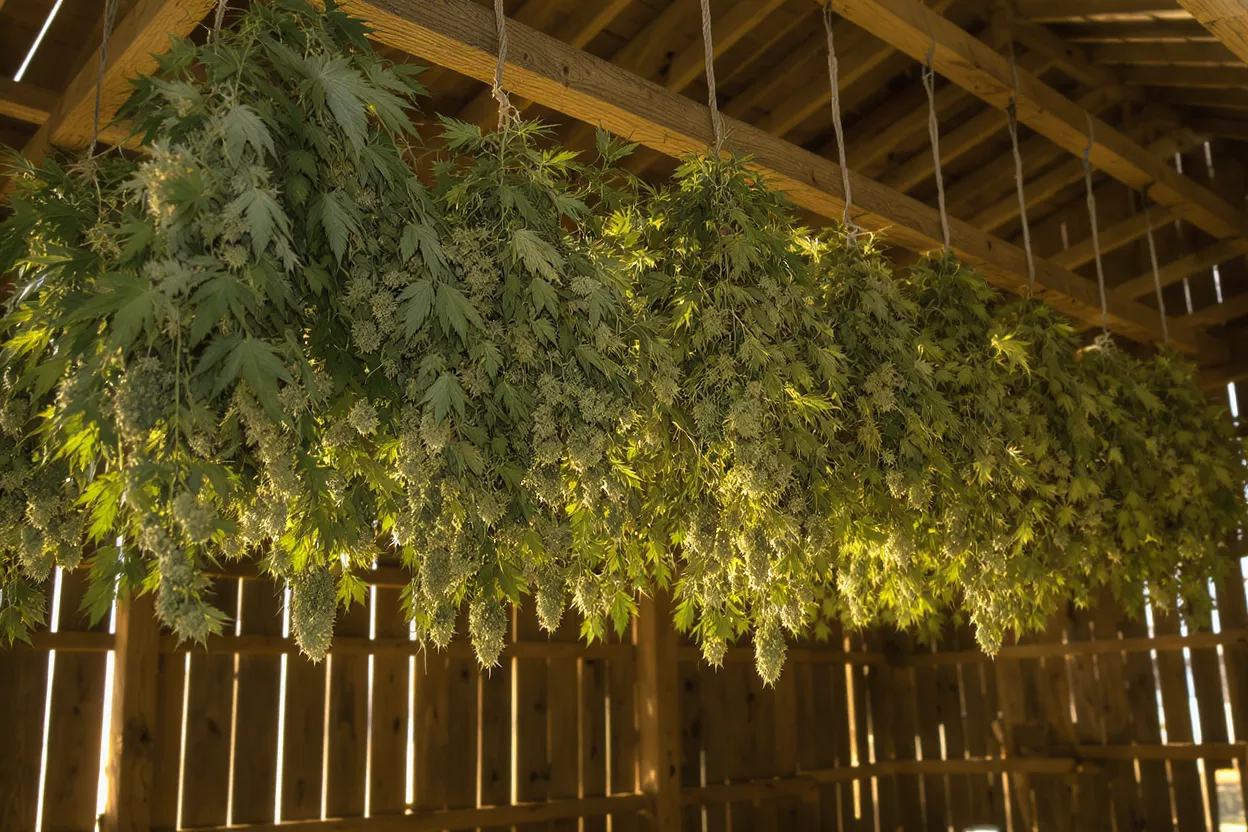
Weather as a deadline: Sometimes nature forces the decision. An incoming storm, a forecast of sustained rain, or the first hard frost can compel a grower to harvest a touch early rather than risk losing the crop to mold or cold damage. Experienced cultivators watch the forecast as closely as the plants themselves during the final weeks.
Is Outdoor Cannabis Lower Quality?
A persistent myth holds that outdoor cannabis is inherently inferior to indoor flower. The reality is more nuanced. Outdoor buds often look less polished, with looser structure and sometimes a more weathered appearance, which has driven a perception gap among consumers conditioned to prize dense, frosty indoor nugs.
On the measures that actually matter for effect and experience, well-grown outdoor cannabis competes strongly. Sun-grown plants frequently test with robust cannabinoid and terpene content, because the full solar spectrum and natural growing conditions support healthy resin production. Blind comparisons regularly surprise people who assumed indoor would dominate.
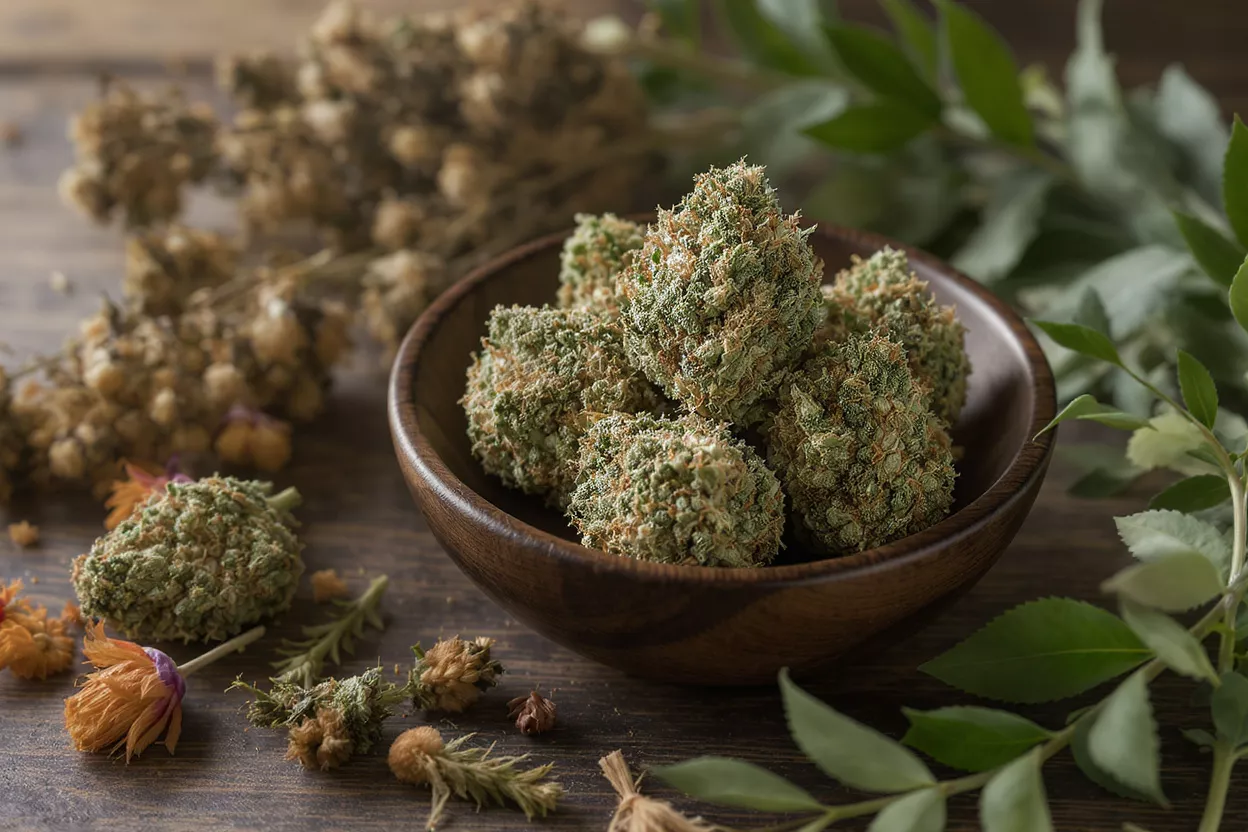
Where outdoor flower truly shines is value and extraction. Much of the cannabis destined for concentrates, edibles, and pre-rolls comes from outdoor and greenhouse farms, where the lower cost per gram makes economic sense without compromising the final infused product. For flower buyers, the appearance gap often translates into a meaningful price advantage for comparable effects.
The Future of Outdoor Cannabis
As legal markets expand and mature, economics and environmental awareness are steadily improving outdoor cannabis's reputation. The enormous energy footprint of indoor cultivation has drawn scrutiny from regulators and sustainability advocates, pushing more of the industry toward sun-grown and greenhouse production wherever climate allows.
Craft and terroir movements: Borrowing language from wine, some growers now market their outdoor flower on the concept of terroir, the idea that a specific soil, climate, and region imprint a unique character on the final product. This reframes outdoor not as a budget compromise but as an artisanal choice worth seeking out.
Genetics are also advancing rapidly. Breeders continue developing mold-resistant, fast-finishing, and high-potency cultivars tailored to outdoor conditions, narrowing the historical quality gap with indoor flower. Combined with refined organic and regenerative farming practices, the next generation of outdoor cannabis is poised to be cleaner, more consistent, and more sustainable than ever.
Outdoor cannabis cultivation is neither a relic nor a second-rate shortcut; it is the original, most sustainable way to grow the plant, and it remains central to the modern industry. By harnessing free sunlight, outdoor growers produce affordable, environmentally friendly flower and biomass at a scale indoor facilities cannot match. The trade-offs in control and consistency are real, yet thoughtful site selection, smart genetics, and careful harvest timing close much of that gap. For consumers, understanding the outdoor method offers a clearer view of why cannabis is priced and produced the way it is, and a fresh appreciation for sun-grown flower.

Comments