

Phellandrene
Discover phellandrene, the peppery, minty cannabis terpene with eucalyptus notes and therapeutic potential.
What Is Phellandrene in Cannabis?
Phellandrene is one of the lesser-known yet remarkably distinctive terpenes found across the plant kingdom, including in certain cannabis cultivars. If you have ever crushed a eucalyptus leaf or caught the sharp, minty bite of dill seed, you have already met this aromatic compound. In cannabis, it contributes a peppery, slightly citrusy character that helps shape the overall sensory profile of a strain, working alongside more famous terpenes to create the bouquet you notice the moment a jar is opened.
Chemically, phellandrene exists in two closely related forms, alpha-phellandrene and beta-phellandrene. Both are cyclic monoterpenes, meaning they are built from two isoprene units and tend to be volatile and quick to evaporate. The two isomers differ in the position of their double bonds, which subtly changes their aroma and reactivity. Alpha-phellandrene is generally the more prevalent and aromatic of the pair in botanical sources.
Why does this matter to cannabis users? Terpenes like phellandrene are far more than passive scent molecules. Modern research increasingly views them as active contributors to a strain's effects, influencing everything from aroma and flavor to potential therapeutic outcomes. Understanding phellandrene helps consumers move beyond simple THC percentages and appreciate the fuller chemistry that makes each cultivar unique.
Where Phellandrene Is Found in Nature
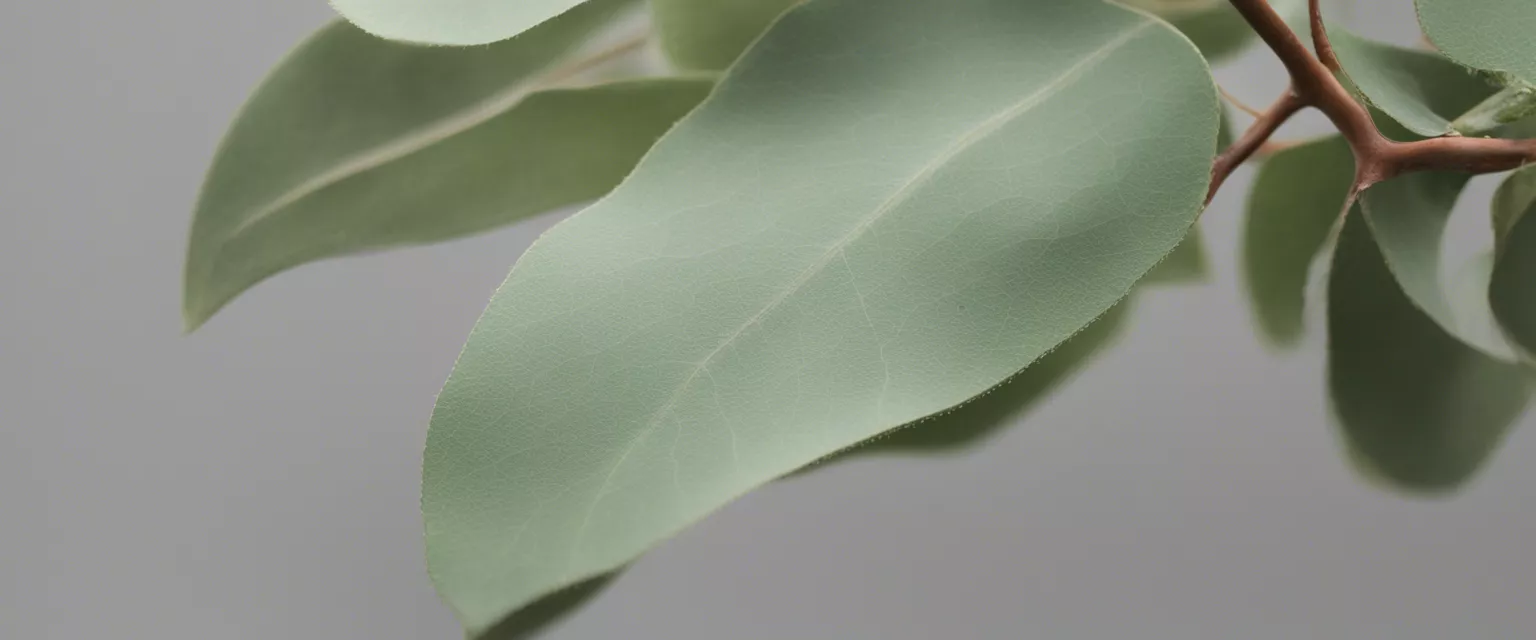
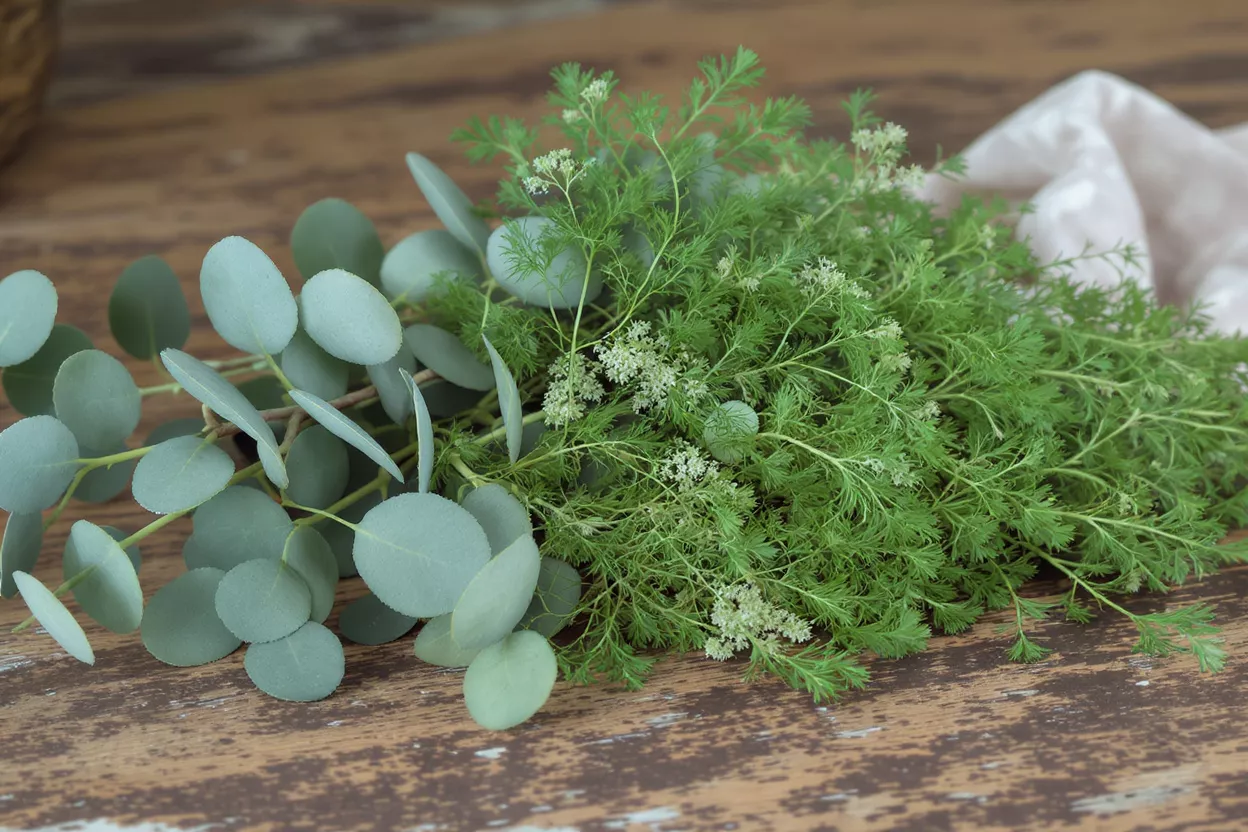
Phellandrene is widespread throughout the botanical world, which is part of why it feels so familiar even to people who have never studied terpenes. It appears prominently in eucalyptus, where it lends that crisp, medicinal sharpness, as well as in dill, fennel, ginger, parsley, and certain species of pine. The terpene takes its name from Eucalyptus phellandra, a plant in which it was historically identified in abundance.
The compound has a long history in traditional medicine and aromatherapy. Cultures around the world have used phellandrene-rich plants for digestive support, respiratory relief, and as flavoring agents in cuisine. Dill and fennel, both kitchen staples, owe a meaningful portion of their characteristic taste to this terpene and its companions.
In cannabis specifically, phellandrene typically appears in smaller concentrations than dominant terpenes like myrcene or limonene. Its presence is often subtle, contributing background notes rather than headlining the aroma. Even so, those trace amounts can meaningfully alter the personality of a strain, adding complexity that seasoned consumers learn to recognize and seek out.
What Does Phellandrene Smell and Taste Like?
The aroma of phellandrene is best described as a layered blend of mint, black pepper, and citrus, with an underlying woody or piney freshness. It carries the same invigorating quality you associate with eucalyptus oil, the kind of scent that feels clarifying and almost cooling on the nose. This is a terpene that announces itself with brightness rather than heaviness.
On the palate, phellandrene translates into a peppery, herbaceous flavor with a faintly citrusy lift. In cannabis, it can sharpen the overall taste profile and add a refreshing edge that cuts through earthier, muskier notes contributed by other terpenes. Strains carrying noticeable phellandrene often taste lively and crisp rather than dull or one-dimensional.
Because it is a volatile monoterpene, phellandrene evaporates readily and can be lost through improper curing, high heat, or prolonged storage. Protecting these delicate aromatics is one of the strongest arguments for careful low-temperature handling, whether you are storing flower or vaporizing it. 🌿
How Phellandrene Works in the Body
Like other terpenes, phellandrene interacts with the body through multiple pathways rather than a single mechanism. When inhaled, its volatile molecules reach the olfactory system quickly, where aroma alone can influence mood and alertness. Beyond scent, research suggests phellandrene may interact with various receptors and biological systems that govern inflammation, pain signaling, and oxidative stress.
Absorption and bioavailability depend heavily on how the terpene is consumed. Inhalation delivers terpenes rapidly to the bloodstream through the lungs, while topical and oral routes follow slower absorption curves. Because phellandrene is lipophilic, it dissolves easily into fats and oils, which is one reason terpene-rich extracts and infused products can carry its effects effectively.
It is worth emphasizing that much of the existing evidence comes from preclinical studies, including laboratory and animal models. These investigations are genuinely promising, but they are not the same as large-scale human clinical trials. The honest position is that phellandrene shows meaningful biological activity worth studying further, while definitive human conclusions remain a work in progress.
Phellandrene Benefits and Therapeutic Potential
The therapeutic interest in phellandrene centers on several properties documented in scientific literature. While more human research is needed, the existing findings paint a picture of a terpene with genuine functional value beyond aroma alone. Below are the areas where phellandrene has attracted the most attention from researchers.
- 🌬️ Respiratory support: Its eucalyptus-like character has long been linked to easier breathing, and it appears in many traditional remedies aimed at congestion and respiratory comfort.
- 🔥 Anti-inflammatory activity: Preclinical studies suggest phellandrene may help reduce inflammatory responses, a property shared with several cannabis terpenes.
- 💊 Pain modulation: Animal research has explored phellandrene's potential to dampen pain signaling, hinting at analgesic possibilities.
- 🛡️ Antioxidant effects: Like many monoterpenes, it may help neutralize free radicals and reduce oxidative stress in the body.
- 🍃 Digestive comfort: Its long use in dill and fennel preparations aligns with traditional reputations for soothing the gut.
The wound-healing angle deserves special mention. One frequently cited study found that alpha-phellandrene influenced certain immune responses in animal models, suggesting a role in tissue repair processes. This kind of finding helps explain the terpene's enduring presence in folk medicine across many cultures.
Taken together, these properties position phellandrene as a terpene worth tracking as cannabis science matures. None of these effects should be treated as guaranteed outcomes, but the consistency of traditional use and early research makes a compelling case for continued investigation and informed consumer curiosity.
Why Phellandrene Acts as a Natural Insect Repellent
One of phellandrene's most practical and well-documented roles is as a natural insect deterrent. In the wild, plants produce terpenes partly as a defense mechanism, discouraging pests and herbivores from feeding on them. Phellandrene fits squarely into this category, with its sharp aroma serving as a chemical warning sign to many insects.
Research has specifically examined alpha-phellandrene for its repellent and insecticidal properties against various pest species. This makes it valuable not only to the plant that produces it but also to the broader interest in plant-derived, lower-toxicity alternatives to synthetic pesticides. For cannabis cultivators, terpene-rich genetics can offer a measure of natural resilience.
For consumers, this defensive heritage is a useful reminder that terpenes evolved for real biological reasons. The same compound that gives a strain its crisp, peppery aroma is also a tool the plant developed to survive. That dual identity, sensory delight on one hand and ecological function on the other, captures much of what makes terpene science so fascinating.
Cannabis Strains High in Phellandrene
Phellandrene rarely dominates a cannabis terpene profile, but several cultivars are known to carry more of it than average, often showing up in strains with bright, minty, or peppery notes. Because terpene content varies between harvests and growing conditions, lab testing is the only reliable way to confirm a specific batch's profile. Still, certain genetics have developed reputations for leaning phellandrene-forward.
- 🌲 Trainwreck: Often cited for its sharp, slightly minty and piney character that hints at phellandrene presence.
- 🍋 Jack Herer: A spicy, peppery profile sometimes attributed in part to this terpene.
- 🌶️ SAGE: Known for herbal and peppery notes that align with phellandrene's signature.
- 🌿 Ace of Spades: A complex cultivar where minty, sweet, and herbal layers can suggest its influence.
How to find phellandrene-rich flower comes down to reading lab results rather than relying on strain names alone. A certificate of analysis that breaks down terpene content will tell you far more than a label ever could. When phellandrene appears even in modest percentages, expect a noticeably crisp, refreshing twist to the aroma.
Keep in mind that the same strain name can produce wildly different chemistry depending on the grower, phenotype, and environment. Two batches of the same cultivar can diverge significantly, which is why experienced consumers treat terpene reports as the real source of truth when chasing a particular sensory experience.
Phellandrene and the Entourage Effect
The entourage effect is the theory that cannabis compounds work better together than in isolation, with cannabinoids and terpenes shaping one another's behavior. Phellandrene is one of many supporting players in this orchestra, contributing both its aroma and its potential biological activity to the overall experience.
When phellandrene appears alongside cannabinoids like THC and CBD, along with other terpenes such as pinene and caryophyllene, the combined profile can feel more nuanced than any single compound would suggest. This synergy is a core reason full-spectrum products are prized over isolates by many users.
While the entourage effect remains an actively researched hypothesis rather than settled fact, it offers a useful framework for thinking about why whole-plant cannabis behaves the way it does. Phellandrene's contribution may be subtle, but in the context of dozens of interacting molecules, subtle inputs can shape the final character of an experience.
Is Phellandrene Safe to Consume?
Phellandrene appears in many common foods and is widely regarded as safe in the small amounts encountered through diet and ordinary cannabis use. Dill, fennel, parsley, and citrus all contain it, and humans have consumed these foods for millennia without issue. In the trace concentrations found in cannabis, phellandrene poses no special concern for most people.
Concentration is the key variable. As with virtually any compound, the dose makes the poison. Pure, concentrated terpenes are potent substances that should never be applied undiluted to skin or ingested in large quantities. Isolated terpenes used in manufacturing are handled with care and proper dilution, which is very different from the gentle exposure of consuming whole-plant cannabis.
Some individuals may experience skin sensitivity or irritation when exposed to concentrated terpenes, so patch testing is wise for any topical product. As always, anyone with specific health conditions, allergies, or who is pregnant should consult a healthcare professional before introducing new cannabis or botanical products into their routine.
Phellandrene Key Takeaways for Cannabis Users
Phellandrene may not enjoy the name recognition of myrcene or limonene, but it earns its place in the terpene conversation through a distinctive minty, peppery aroma and a genuinely interesting biological profile. From eucalyptus forests to your favorite peppery cannabis strain, this monoterpene threads through the natural world in ways that are easy to overlook until you know what to look for.
For the everyday consumer, the practical lesson is to pay attention to terpene profiles, not just cannabinoid percentages. When you spot phellandrene on a certificate of analysis, you can anticipate a crisp, refreshing aromatic experience and potentially benefit from the supporting roles it plays within the entourage effect. Its documented activity around inflammation, pain, and insect resistance only deepens the case for appreciating it.
As cannabis science continues to advance, terpenes like phellandrene will likely receive the rigorous study they deserve. For now, the combination of long traditional use, promising preclinical research, and a delightful sensory signature makes phellandrene a compound well worth understanding and seeking out in the strains and products you choose.


Comments