


Phenotype
Learn what a cannabis phenotype is, how it forms, and why it matters.
What Is a Cannabis Phenotype
A cannabis phenotype is the observable expression of a plant's characteristics — the height, leaf shape, bud structure, aroma, color, resin production, and even the way it makes you feel. When you look at a single cannabis plant and notice its purple hues or its citrus-forward smell, you are looking at its phenotype in action. The term captures everything you can actually see, smell, and measure in a living specimen, as opposed to the underlying code that programs those traits.
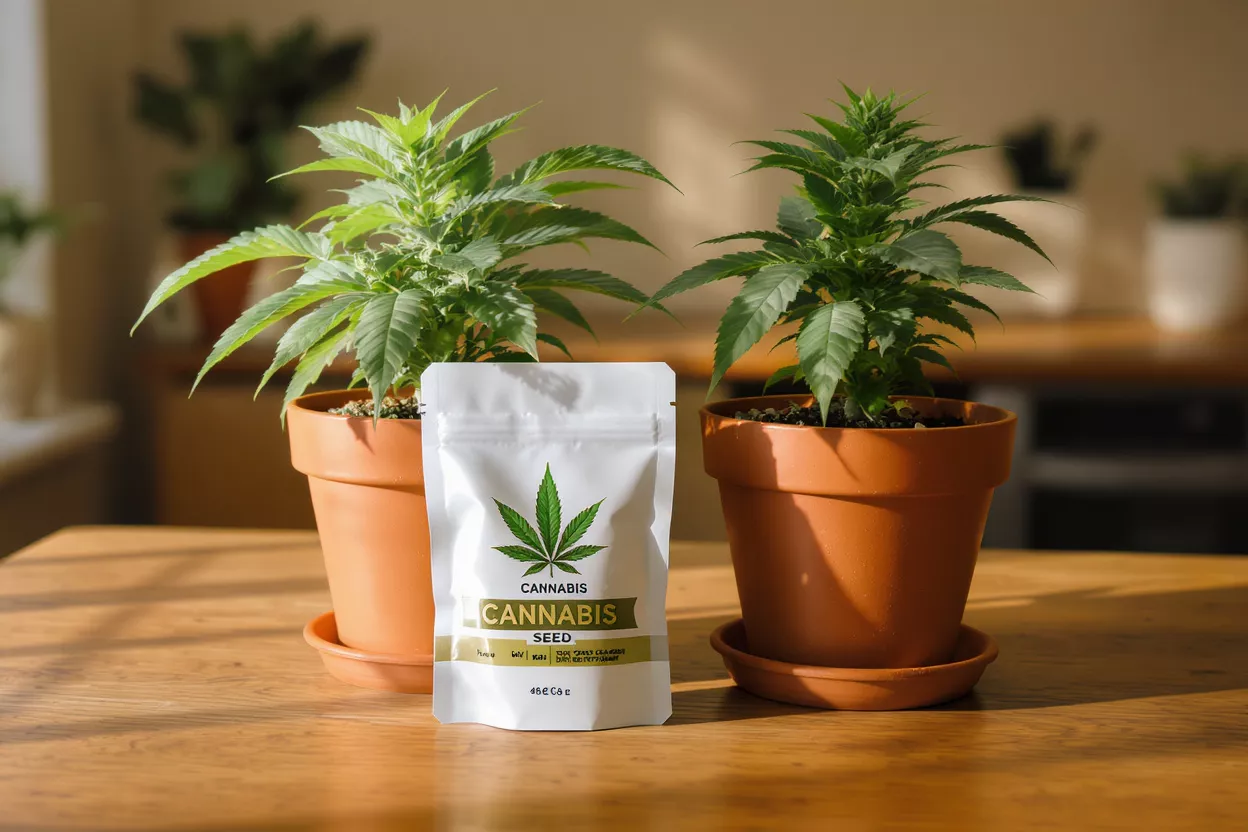
What makes the phenotype concept so important is that two seeds from the very same parent plants can grow into visibly different individuals. One might stretch tall with airy buds, while its sibling stays compact and dense. Both share the same strain name, yet they present distinct versions of it. This variation is the reason no two harvests of a beloved strain are ever perfectly identical.
Understanding phenotype gives you a vocabulary for the diversity you encounter in dispensaries and gardens alike. It explains why your favorite cultivar can taste slightly different from one grower to the next, and why breeders invest so much effort searching for that one exceptional plant. Throughout this guide we will unpack how a phenotype forms, what influences it, and why it deserves your attention as a grower or consumer.
Phenotype vs Genotype: What Is the Difference
Genotype is the blueprint, phenotype is the building. A plant's genotype is the complete set of genetic instructions encoded in its DNA. It defines the full range of possibilities a plant could express. The phenotype is what actually emerges when those instructions interact with the real world. You can think of genotype as potential and phenotype as outcome.
The classic shorthand that geneticists use is the equation Phenotype = Genotype + Environment. The same genetic code can yield dramatically different results depending on temperature, light, nutrients, and stress. This is why a clone grown indoors under controlled lights may look and smell different from the identical clone grown outdoors in mountain soil. The genes never changed, but their expression did.
For cannabis specifically, this distinction matters enormously because the plant is highly responsive to its surroundings. A strain marketed for its deep purple coloration may only turn purple when nighttime temperatures drop late in flowering. Without that environmental trigger, the genotype carrying the purple potential simply expresses green. Knowing the difference helps you set realistic expectations and avoid blaming genetics for what is really an environmental shortfall.
How Cannabis Phenotypes Form and Express
Phenotypes form through the interaction of inherited genes and the conditions a plant experiences during its life cycle. At germination, a seed carries a fixed genotype, but the way that code unfolds is anything but fixed. As the plant develops roots, leaves, and eventually flowers, countless genetic switches turn on and off in response to light cycles, available nutrients, and physical stress. The cumulative result of all those switches is the phenotype you ultimately harvest.
Gene expression is dynamic, not static. Two plants with identical DNA can express different traits because environmental cues activate certain genes while silencing others. This field of study, sometimes called epigenetics, explains how a plant can essentially read its surroundings and adjust. A specimen that experiences mild stress might ramp up resin and terpene production as a defensive response, producing a more aromatic flower than its sheltered sibling.
The flowering stage is where phenotypic differences become most visible. This is when bud density, calyx swelling, pistil color, and trichome coverage all express their final form. A grower watching two siblings flower side by side will see one finish faster, another pack on more resin, and a third develop an entirely different bouquet — all from the same seed packet.
Environmental Factors That Shape a Phenotype
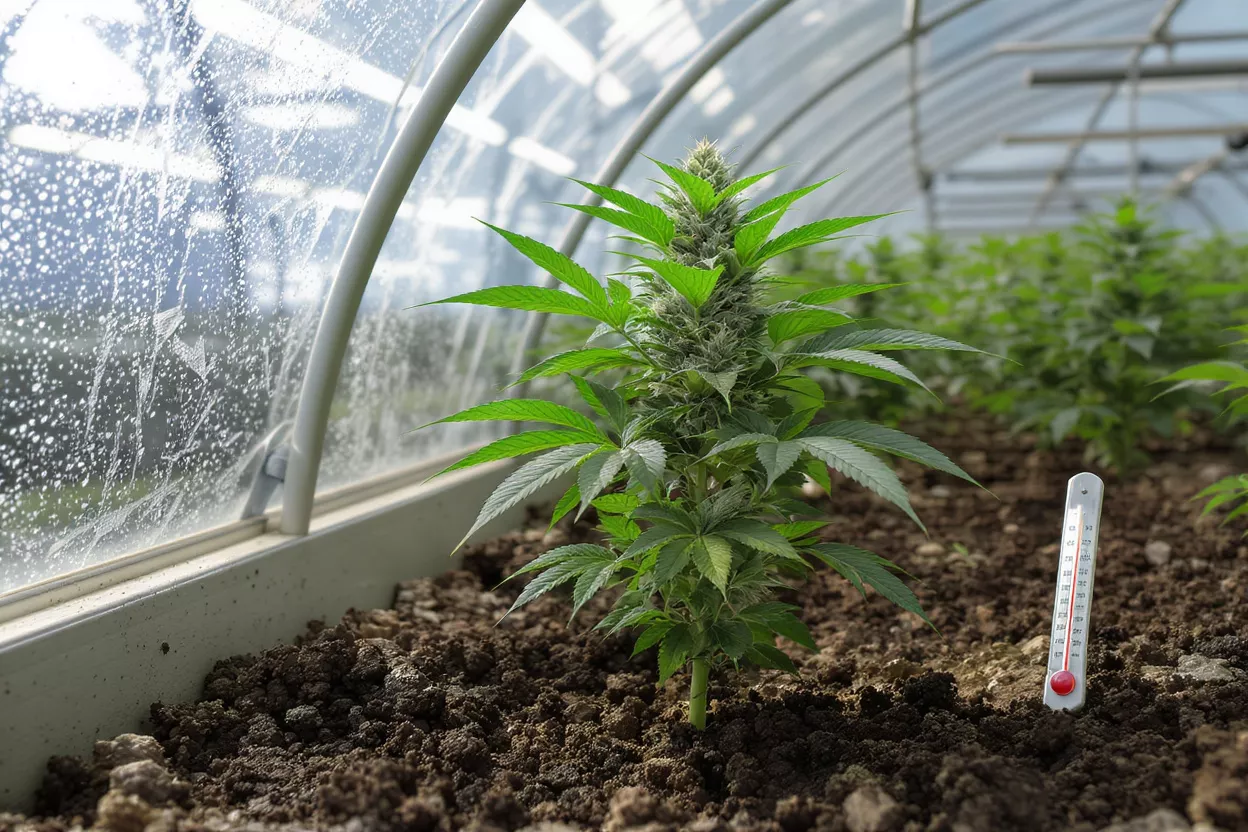
The environment is the silent co-author of every phenotype. Even the most carefully bred genetics will fail to reach their potential if growing conditions work against them. Light intensity and spectrum influence stretch, internodal spacing, and resin output. Temperature swings can coax out anthocyanin pigments responsible for blue and purple tones. Nutrient availability shapes everything from leaf color to overall vigor.
Below are the primary environmental levers that influence how a cannabis phenotype expresses itself:
- ☀️ Light: Spectrum and intensity drive resin production, bud density, and the height a plant reaches before flowering.
- 🌡️ Temperature: Cool nighttime temperatures late in flower can unlock purple and blue coloration that stays hidden in warmer rooms.
- 💧 Water and humidity: Moisture levels affect transpiration, mold resistance, and the swelling of calyxes.
- 🌱 Nutrients: The balance of nitrogen, phosphorus, and potassium influences vigor, color, and flowering quality.
- 🪨 Medium and stress: Soil composition and controlled stress can push terpene and cannabinoid output higher.
Because so many variables stack together, reproducing a specific phenotype across different gardens is genuinely challenging. This is why cultivation logs, environmental sensors, and consistent feeding schedules matter so much to serious growers. Controlling the environment is the only way to express a chosen genotype reliably batch after batch.
Common Types of Cannabis Phenotypes
Within a single strain, growers often categorize the plants that emerge into recognizable phenotype groups. These categories help describe the dominant traits a particular plant leans toward, whether structural, aromatic, or chemical. While the labels are informal, they give cultivators a useful shorthand for tracking what they are working with.
Here are some of the phenotype categories you will commonly encounter in cannabis cultivation:
- 🌲 Indica-leaning pheno: Short, bushy structure with broad leaves and dense buds, often finishing faster.
- 🌴 Sativa-leaning pheno: Tall and stretchy with narrow leaves, airier flowers, and a longer flowering window.
- 🍇 Color pheno: Expresses vivid purple, blue, or pink hues when triggered by cool temperatures.
- 🍋 Terpene-dominant pheno: Stands out for an exceptionally loud aroma, whether citrus, fuel, or floral.
- 💎 Resin-heavy pheno: Produces unusually thick trichome coverage prized for concentrate production.
It is worth remembering that a single plant can belong to more than one of these groups at once. A specimen might be both indica-leaning in structure and resin-heavy in production, making it especially desirable. Categorizing phenotypes this way helps breeders communicate clearly about which traits they want to preserve and propagate.
What Is Phenotype Hunting
Phenotype hunting, often shortened to "pheno hunting," is the practice of growing out many seeds of the same strain to find the standout individual. Because each seed expresses its genetics slightly differently, a breeder might pop dozens or even hundreds of seeds in search of the one plant that combines the best aroma, potency, yield, and resilience. That winner becomes the keeper.
The hunt is a numbers game. The more seeds a grower starts, the better the odds of finding a truly exceptional phenotype. Large breeding operations may screen hundreds of plants to isolate a single mother worth cloning. This is the painstaking work behind many of the celebrated cuts that circulate in the cannabis world, where a specific phenotype earns a reputation all its own.
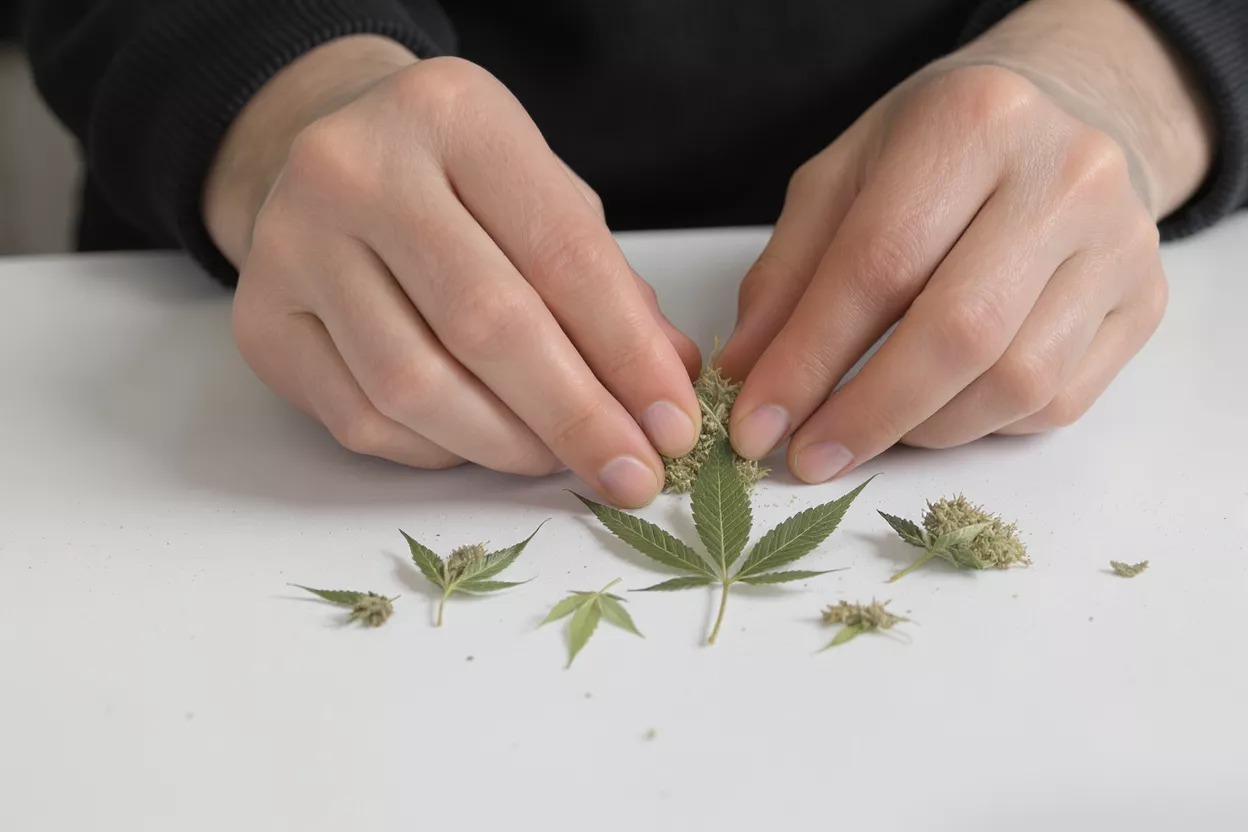
Once a hunter identifies a keeper, that plant is preserved as a mother and reproduced through cloning rather than seed. Cloning ensures the prized phenotype is copied faithfully, since every cutting shares the mother's exact genotype. This is how famous cuts maintain their consistency across years and across gardens, preserving the qualities that made them worth hunting in the first place.
How Growers Select and Stabilize Phenotypes
Selecting a phenotype is only the beginning; stabilizing it so the desirable traits reappear reliably is the harder work. When a grower keeps a phenotype as a clone, the traits are locked because the genetics never change. But when a breeder wants to sell seeds that consistently produce a certain phenotype, they must stabilize the genetics through generations of careful selection.
Stabilization happens through repeated breeding cycles. Breeders cross plants that express the target traits, grow out the offspring, and select again, repeating across many generations. Over time the gene pool narrows until most seeds reliably express the chosen phenotype. This process, sometimes spanning years, is what separates a stable, true-breeding line from a pack of seeds that throws wildly variable results.
Selection criteria vary by goal. A medical breeder might prioritize a precise cannabinoid ratio, while a commercial grower may chase yield and mold resistance. The phenotype that wins is rarely the prettiest plant alone — it is the one that best balances the qualities the breeder values most, and that passes those qualities on to the next generation.
Why Phenotype Matters for Consumers
Phenotype is not just a grower's concern — it directly shapes your experience as a consumer. When you buy flower of a particular strain, the phenotype that produced it determines the aroma you smell, the flavor on the inhale, and the character of the effects. Two batches sharing a strain name can deliver noticeably different experiences if they came from different phenotypes.
This explains a common source of confusion. You might love a strain at one dispensary and feel let down by the "same" strain elsewhere. More often than not, the difference traces back to phenotype and growing conditions rather than mislabeling. The genetics may be related, but the specific expression — and the grow that shaped it — diverged.
For consumers who want consistency, the practical takeaway is to pay attention to the producer, not just the strain name. A grower who works from a stable clone of a proven phenotype will deliver far more predictable results than one popping fresh seeds each cycle. Knowing this helps you shop smarter and find the experiences you actually enjoy repeatedly. 🌿
Phenotype and Cannabinoid Expression
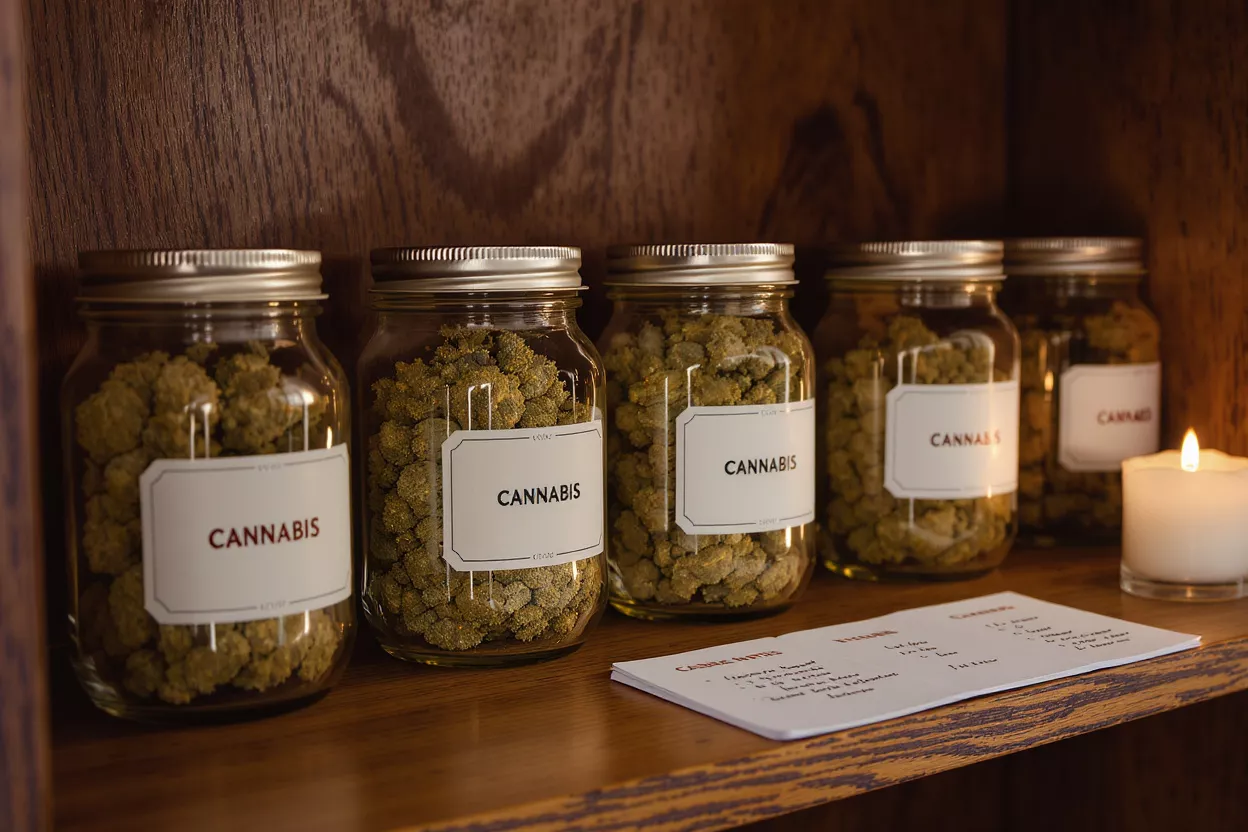
One of the most consequential aspects of phenotype is its influence on chemical composition. The same strain can produce plants with meaningfully different levels of THC, CBD, and minor cannabinoids depending on which phenotype expresses and how it is grown. This chemical variability is why lab testing two batches of one strain can return surprisingly different numbers.
Terpenes and cannabinoids travel together. A phenotype that leans heavily toward a particular terpene profile often pairs with a characteristic cannabinoid expression, shaping the overall effect through what many describe as the entourage effect. A loud, gassy phenotype and a sweet, fruity one from the same strain can feel distinct even at similar THC percentages because their broader chemistry differs.
For anyone using cannabis with intention — whether for relaxation, focus, or symptom relief — the phenotype behind the flower matters as much as the strain name on the label. Choosing producers who test their flower and work from stable, well-documented phenotypes gives you the best chance of getting the chemical profile you are actually after, batch after batch.
Frequently Asked Phenotype Questions
Can the same strain have different phenotypes? Yes, and this is the norm rather than the exception. Because seeds from the same parents inherit slightly different combinations of genes, a single strain commonly produces several distinct phenotypes. This is exactly why breeders pheno hunt and why clones are used to lock a favorite expression in place.
Do clones share the same phenotype as the mother? Clones share the mother's exact genotype, so under identical conditions they will express the same phenotype. However, if a clone is grown in a very different environment, its expression can shift — the genetics are fixed, but the environment still influences how those genes present.
Understanding phenotype ties together genetics, environment, and the real-world experience of cannabis in one concept. It explains the diversity you see in the garden, the variability you taste in the jar, and the painstaking selection work breeders pour into their best lines. Whether you grow, breed, or simply enjoy the plant, recognizing the role of phenotype helps you appreciate why every cut, every batch, and every harvest carries its own distinct character.




Comments