

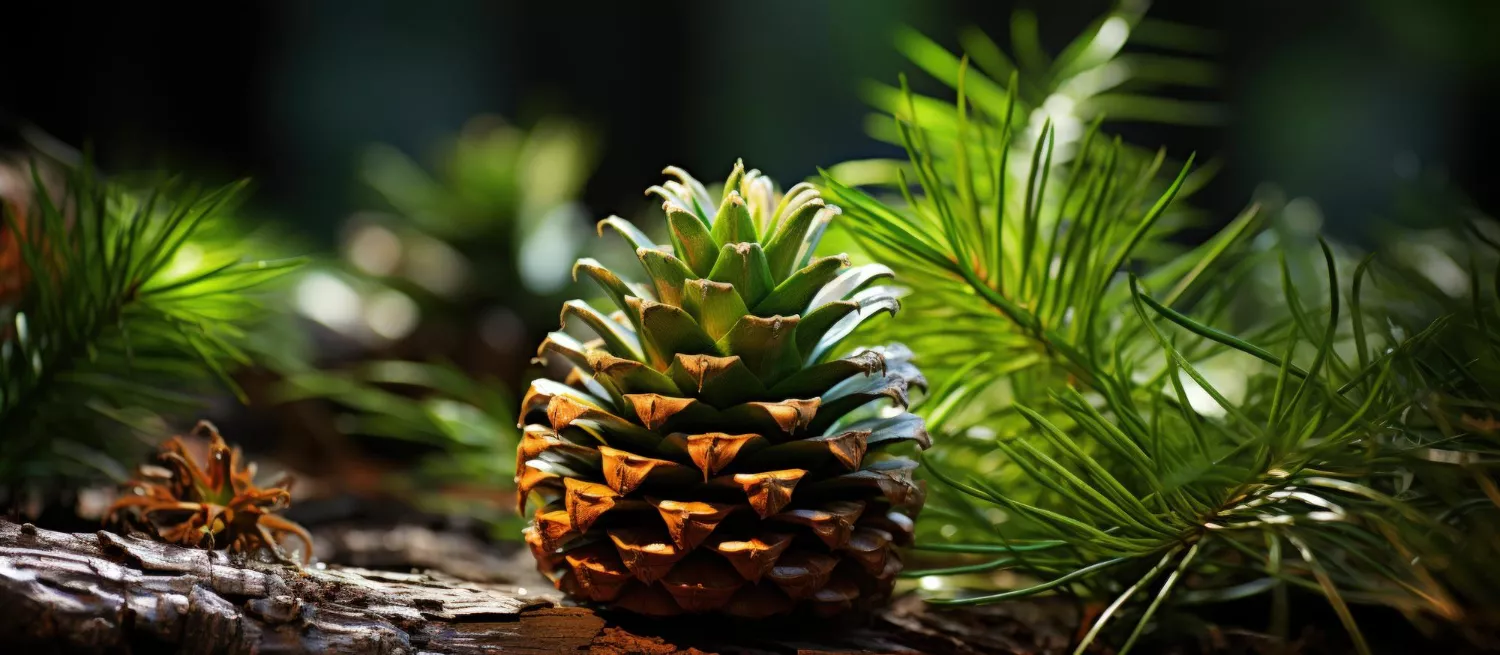
Pinene
Explore pinene, the pine-scented cannabis terpene.
What Is Pinene in Cannabis
Pinene is one of the most widely distributed aromatic compounds in the plant kingdom, and it plays a quiet but meaningful role in shaping the character of cannabis. As a terpene, it belongs to a family of volatile molecules responsible for the scents and flavors we associate with flowers, herbs, and conifers. When you crack open a jar of fresh cannabis and catch a sharp, forest-like aroma, you are very likely smelling pinene at work.
What makes pinene particularly interesting is that it is not unique to cannabis. It is, in fact, the most abundant terpene in nature, found everywhere from pine forests to your kitchen spice rack. Its presence in cannabis is just one chapter in a much larger botanical story, but it is a chapter that has drawn growing attention from researchers and enthusiasts alike for its potential effects on mood, breathing, and cognition.
Why pinene matters to the modern consumer: As interest in the full chemical profile of cannabis grows, terpenes have moved from afterthought to focal point. Consumers increasingly read lab reports not just for THC and CBD percentages but for terpene content as well. Pinene is one of the names that appears frequently, and understanding it helps you make smarter, more intentional choices about the products you bring into your routine.
Alpha vs Beta Pinene Explained
Pinene actually exists in two distinct structural forms, known as alpha-pinene and beta-pinene. While they share the same chemical formula, the arrangement of their atoms differs slightly, and that small difference gives each isomer its own personality. Both occur naturally in cannabis, though alpha-pinene is generally the more abundant of the two.
Alpha-pinene is the form most responsible for that crisp, sharp pine-needle scent. It is the dominant isomer in many conifer trees and is the variety most often studied for its bronchodilating and memory-related effects. When research discusses the cognitive or respiratory properties of pinene, alpha-pinene is usually the compound in question.
Beta-pinene carries a slightly more complex, herbaceous quality, often described as woody with hints of dill, parsley, or basil. It contributes a rounder, greener edge to a strain's aroma profile. Together, the two isomers create the layered, resinous scent that pine-forward cannabis varieties are known for. Here is a quick comparison:
- 🌲 Alpha-pinene: Sharp, dry pine aroma; the more abundant isomer; studied for respiratory and memory support.
- 🌿 Beta-pinene: Herbal and woody with dill or basil notes; adds depth and greenery to the overall scent.
- 🔬 Shared traits: Identical chemical formula, both anti-inflammatory, both contribute to the entourage effect.
Where Pinene Is Found in Nature
One of the easiest ways to understand pinene is to think about where else you encounter it. The name gives the biggest clue away: pine trees are loaded with it. That bracing, clean smell of a coniferous forest after rain is, in large part, the work of pinene molecules drifting through the air. Walking through evergreen woodland is essentially an exercise in pinene aromatherapy.
Beyond pine, this terpene shows up across an enormous range of plants. Rosemary, basil, dill, parsley, and sage all carry noticeable amounts, which is why culinary herbs and cannabis sometimes share a surprising aromatic kinship. Citrus rinds, conifer resins, and even some fruits contribute pinene to the world around us, making it nearly impossible to go a day without encountering it in some form.
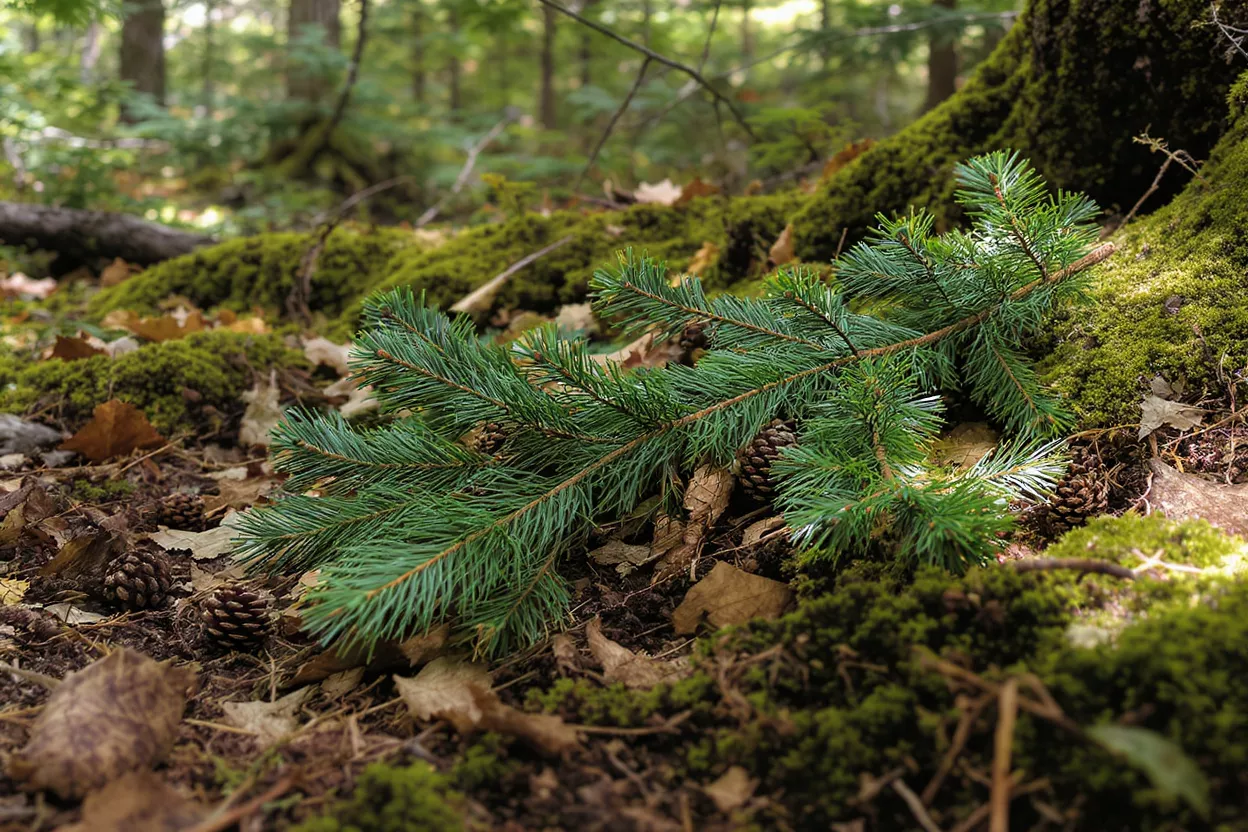
This ubiquity matters because it means humans have a long evolutionary history of exposure to pinene. We did not first meet this molecule through cannabis; we have been breathing it in forests and tasting it in food for as long as we have existed. That familiarity may help explain why pinene-rich aromas often feel grounding, refreshing, and almost instinctively pleasant.
How Pinene Works in the Body
Pinene's effects stem from its ability to interact with several biological systems at once. Unlike cannabinoids that bind primarily to specialized receptors, terpenes like pinene influence the body through a more diffuse set of pathways, affecting enzymes, neurotransmitters, and airways in subtle but measurable ways.
Bronchodilation and breathing: One of pinene's most documented properties is its ability to act as a bronchodilator, meaning it can help open up the airways. This may make breathing feel easier and could partly explain why some pine-forward cannabis varieties are described as clear-headed rather than heavy or sedating. The effect has long been observed in the context of fresh forest air.
Acetylcholine and memory: Pinene has been studied for its potential to inhibit the breakdown of acetylcholine, a neurotransmitter closely tied to memory and alertness. This is one reason researchers have theorized that pinene might help counteract some of the short-term memory effects associated with THC, contributing to a more functional, focused experience.
It is worth emphasizing that much of this research remains preliminary, drawn from laboratory and animal studies rather than large human trials. Still, the mechanisms are biologically plausible and align well with the anecdotal reports of users who gravitate toward pinene-rich strains for daytime clarity.

Pinene Benefits and Therapeutic Potential
The growing scientific interest in pinene comes down to a handful of compelling potential benefits. While terpenes should never be marketed as cures, the body of preliminary evidence around pinene paints a picture of a genuinely interesting compound with multiple avenues of action.
Anti-inflammatory activity is among the most frequently cited properties. Inflammation underlies a wide range of discomforts, and compounds that can modulate it have obvious appeal. Pinene has shown anti-inflammatory effects in preclinical models, which dovetails with its traditional use in herbal medicine for respiratory and joint complaints.
Here are several areas where pinene has attracted research attention:
- 🌬️ Respiratory support: Bronchodilating action may ease airflow and support easier breathing.
- 🧠 Memory and focus: Potential to preserve acetylcholine, supporting alertness and recall.
- 🔥 Anti-inflammatory: Demonstrated reduction of inflammatory markers in laboratory studies.
- 🦠 Antimicrobial: Shown activity against certain bacteria and fungi in lab settings.
- 😌 Mood and anxiety: Early evidence suggests possible anxiolytic and uplifting effects.
Taken together, these properties help explain why pinene is so often associated with a bright, energizing, and clear-headed profile. It is the kind of terpene that complements an active lifestyle rather than weighing it down, which is precisely why so many daytime cannabis users seek it out.
What Does Pinene Smell and Taste Like
If you want to recognize pinene by nose alone, think of the smell of a Christmas tree or a freshly cut sprig of rosemary. The aroma is unmistakably coniferous: sharp, clean, slightly sweet, and resinous. It cuts through other scents with a brightness that signals freshness and vitality.
On the palate, pinene translates into flavors that are crisp and herbaceous. Cannabis varieties high in this terpene often taste piney and green, sometimes with a subtle peppery or earthy undertone depending on the other compounds present. It is a flavor that feels clean rather than cloying, and it pairs naturally with citrus-forward and herbal profiles.
Because aroma is so closely tied to experience, pinene's scent can influence how a session feels before any compound even reaches your bloodstream. The refreshing quality of pine has a documented relationship with alertness and reduced stress, so the very act of smelling a pinene-rich strain can set an uplifting tone. 🌲
Pinene and the Entourage Effect
No terpene works in isolation, and pinene is a prime example of why the full chemical context matters. The entourage effect describes the way cannabinoids and terpenes work together to produce effects that none of them would generate alone, and pinene plays a fascinating supporting role within that system.
The most discussed interaction involves pinene and THC. Because pinene may help preserve acetylcholine and support memory, some researchers have proposed that it could soften the short-term memory fog that high-THC products sometimes produce. In practical terms, a strain that balances strong THC with meaningful pinene content may deliver a more lucid, functional high.
Pinene also interacts with other terpenes such as myrcene, limonene, and caryophyllene to shape the overall character of a strain. When pinene leads the profile, the result tends to lean toward focus and energy; when it plays a quieter role, it still adds a refreshing top note that lifts the entire experience.
Cannabis Strains High in Pinene
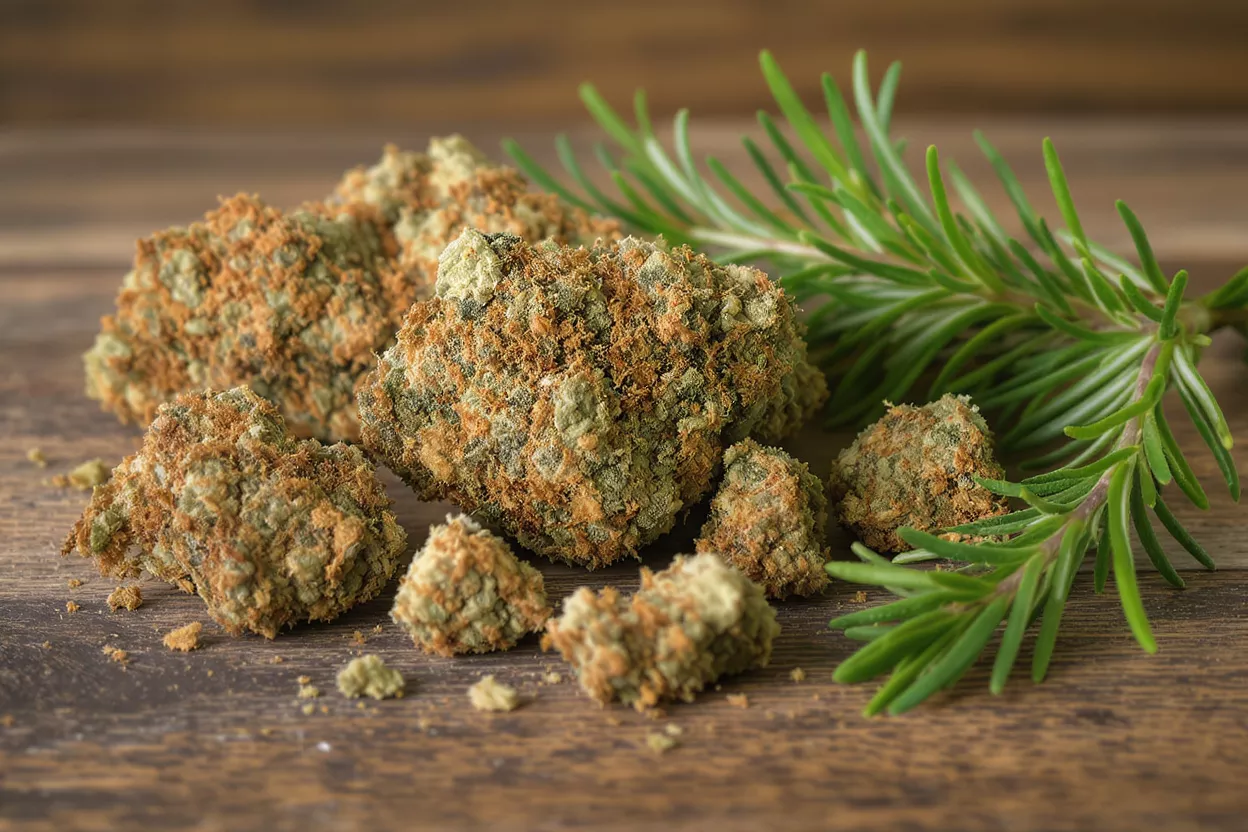
For consumers chasing the bright, piney experience that this terpene delivers, certain cultivars consistently test higher in pinene than others. While exact terpene content varies from harvest to harvest and grower to grower, some genetics have earned a reputation for their reliable pine character.
Classic varieties often associated with elevated pinene levels include Jack Herer, Blue Dream, Dutch Treat, and Big Smooth, among others. These strains tend to be celebrated for their alert, uplifting qualities, which aligns neatly with pinene's energizing reputation. Many of them are favorites for daytime use and creative pursuits.
- 🌲 Jack Herer: A legendary sativa-leaning strain prized for its piney, clear-headed buzz.
- 💙 Blue Dream: Balanced and approachable with a sweet pine and berry interplay.
- 🌿 Dutch Treat: Sharp evergreen aroma with a relaxed yet lucid effect profile.
- 🍃 Big Smooth: Smooth pine and earth notes layered with subtle sweetness.
The most dependable way to confirm pinene content is to consult a product's certificate of analysis. Lab reports list individual terpene percentages, so rather than relying on strain names alone, look for the actual numbers. Genetics provide a starting point, but the lab data tells the real story.
Is Pinene Safe to Consume
Pinene enjoys a long history of safe human exposure, which is reassuring for anyone curious about its presence in cannabis. We consume it daily through herbs, fruits, and the simple act of breathing forest air, and it is widely recognized as safe in the small concentrations found in food and botanical products.
Generally well tolerated: In the amounts present in cannabis, pinene is considered safe for most people. It is a natural component of countless foods and has been used in traditional medicine for centuries without significant safety concerns. Regulatory bodies recognize pinene as a flavoring substance, underscoring its broad acceptance.
As with any botanical compound, individual sensitivities can exist, and people with respiratory conditions or known terpene allergies should pay attention to how they respond. Highly concentrated terpene extracts should always be handled with care and properly diluted, since undiluted terpenes can be irritating to skin and airways. When consumed naturally within whole-plant cannabis, however, pinene poses minimal risk for the vast majority of users.
Choosing Cannabis Products Rich in Pinene
If pinene's bright, focused profile appeals to you, shopping with intention makes all the difference. The cannabis market now offers enough transparency that you can seek out pinene specifically rather than leaving it to chance, provided you know what to look for on a label or lab report.
Read the certificate of analysis: The single most reliable tool is the terpene section of a product's lab results. Look for alpha-pinene and beta-pinene listed by percentage. A product where pinene appears among the top two or three terpenes will deliver a noticeably piney, energizing character compared to one where it sits at trace levels.
Beyond flower, pinene shows up in full-spectrum concentrates, live resins, and vape products that preserve the plant's original terpene profile. Extraction methods that protect volatile compounds tend to retain more pinene, so live and solventless options often carry richer terpene expression than heavily processed alternatives.
Pinene is a perfect example of how cannabis is far more than its cannabinoid content. This single terpene connects the plant to pine forests, kitchen herbs, and centuries of human experience, while offering a distinctive bright and clear-headed character backed by genuinely promising research. Whether you are drawn to its crisp aroma, its potential respiratory and cognitive benefits, or simply its role in shaping a more functional high, understanding pinene empowers you to choose cannabis products with greater confidence and curiosity. The next time you catch that unmistakable scent of pine, you will know exactly what is at work.



Comments