

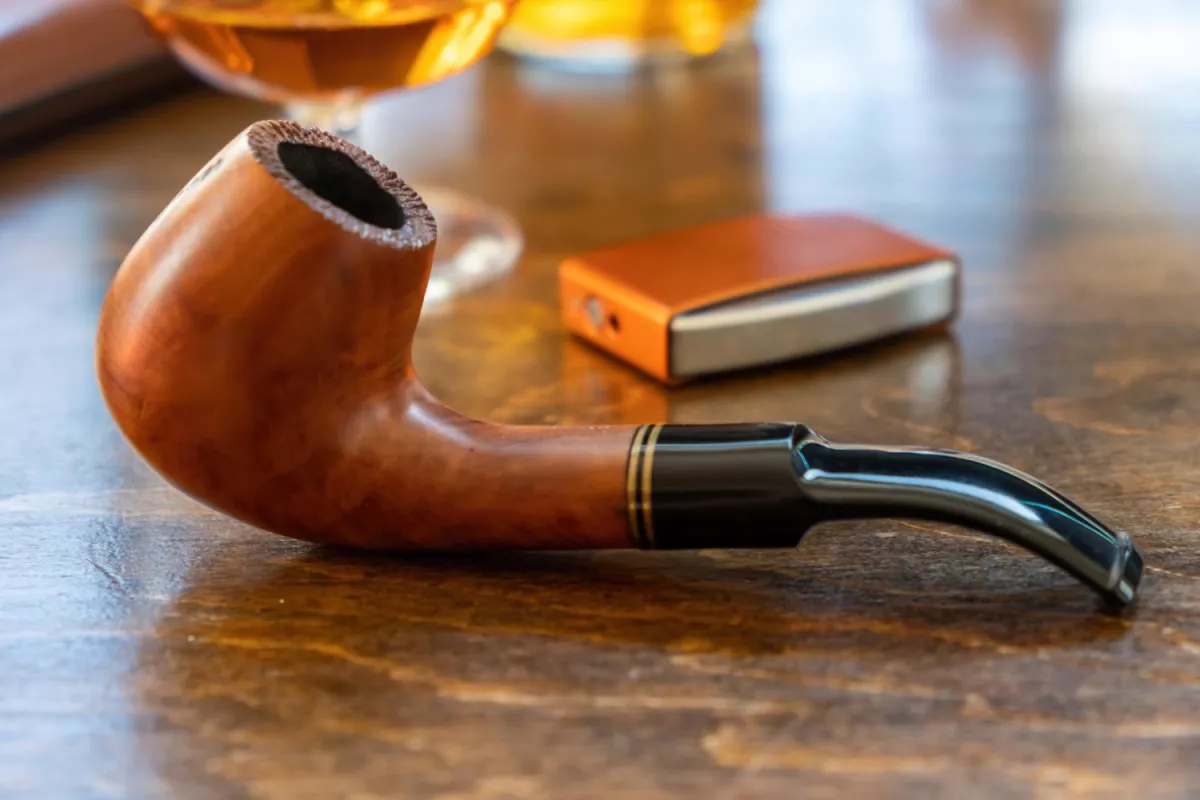
Pipe
Explore every type of cannabis pipe — from hand pipes to water pipes.
What Is a Cannabis Pipe
A pipe is one of the oldest and most enduring tools for consuming cannabis, and for good reason: it is simple, portable, and effective. At its most basic, a pipe is a hollow vessel that holds dried flower in a small bowl while you apply a flame and draw the resulting smoke through a stem into your mouth and lungs. There are no batteries to charge, no cartridges to screw in, and no learning curve beyond a few practical basics.
The appeal of the pipe lies in its directness. Unlike many modern consumption methods, it asks very little of the user while delivering a fast, predictable experience. Within seconds of lighting the bowl, the active cannabinoids in your flower are converted to inhalable smoke and absorbed through the lungs, producing effects almost immediately.
Why the pipe has survived every trend: Vaporizers, dab rigs, and edibles have all carved out loyal followings, yet the humble pipe persists because it solves the core problem elegantly. It is affordable, requires no accessories, and works the same way whether you bought it last week or inherited it a decade ago. For many people, the pipe is the first device they ever try and the one they keep returning to.
How Does a Pipe Work for Smoking
The mechanics of a pipe are refreshingly straightforward. Ground flower sits in the bowl, a flame ignites it through a process called combustion, and the smoke travels down the stem when you inhale. The negative pressure created by your breath pulls air across the burning material, sustaining the ember and carrying smoke toward your mouth.
The role of the carb hole: Many dry pipes feature a small opening on the side called a carb. Covering it while you light the bowl concentrates airflow through the flower, and releasing it at the end of your draw clears stale smoke from the chamber for a cleaner final pull. Mastering the timing of the carb is the single biggest improvement most new pipe users make.
Temperature matters more than people expect. Holding the flame directly on the flower for too long scorches it and produces harsh, hot smoke. A gentler approach, where you pull steadily and let the ember do the work, preserves more terpenes and delivers a smoother, more flavorful hit.
Types of Cannabis Pipes Explained
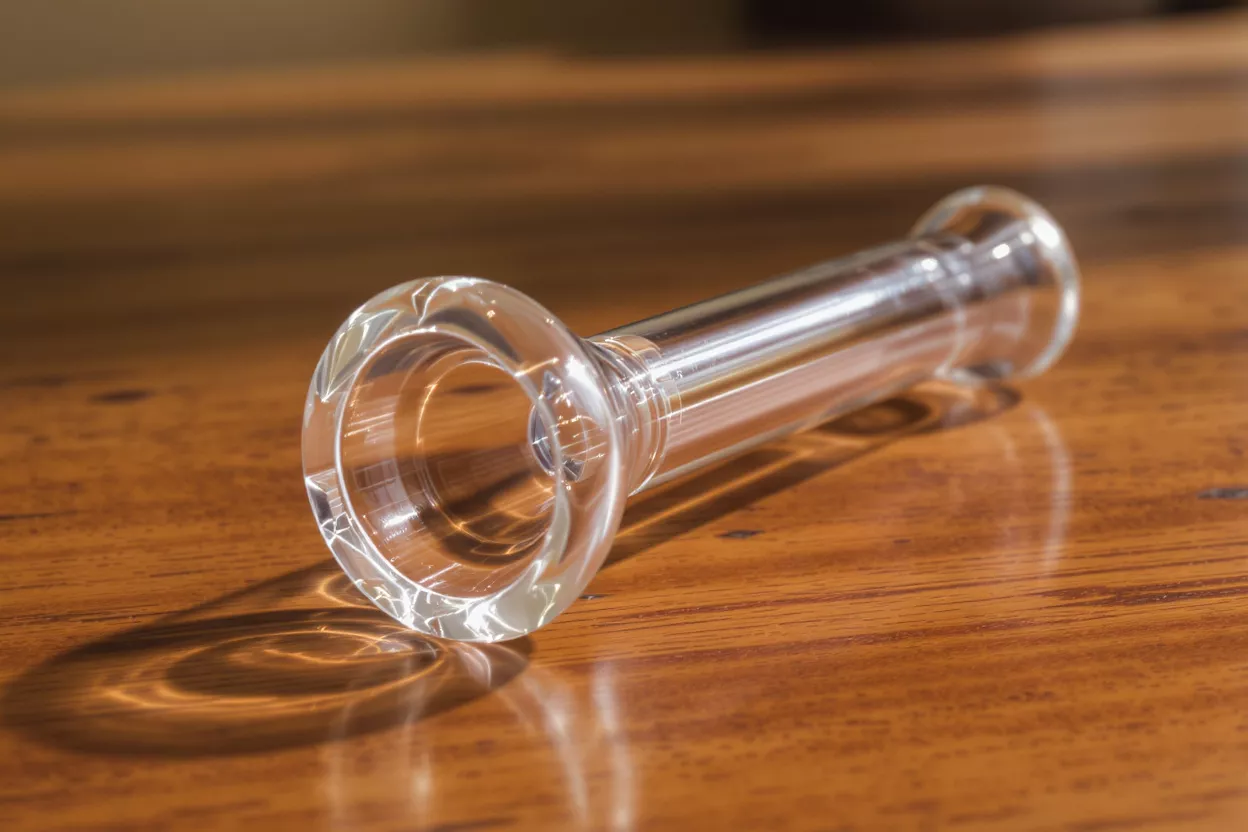
Not all pipes are built the same, and the category covers a surprising range of designs. The right one depends on how and where you like to consume, whether that means a discreet pocket piece or a centerpiece for the coffee table.
Here are the most common pipe styles you will encounter:
- 🌿 Spoon pipe: The classic hand pipe with a bowl, stem, and carb hole, named for its spoon-like shape. Compact and beginner-friendly.
- 🔨 Chillum: A straight, simple tube with no carb, valued for its portability and minimalist design.
- 💨 Sherlock: Recognizable by its curved, arching stem that keeps the bowl away from your face for a cooler draw.
- 💧 Bubbler: A hybrid that adds a small water chamber to a hand pipe, cooling and filtering smoke on the move.
- 🌀 Steamroller: A straight tube with a large bowl and open end, delivering powerful, fast hits for experienced users.
Each style trades off between portability, smoothness, and hit size. A chillum slips into any pocket but offers no filtration, while a bubbler smooths things out at the cost of being bulkier and requiring water. Understanding these tradeoffs helps you match a pipe to your habits rather than buying on looks alone.
Best Pipe Materials for Flavor and Durability
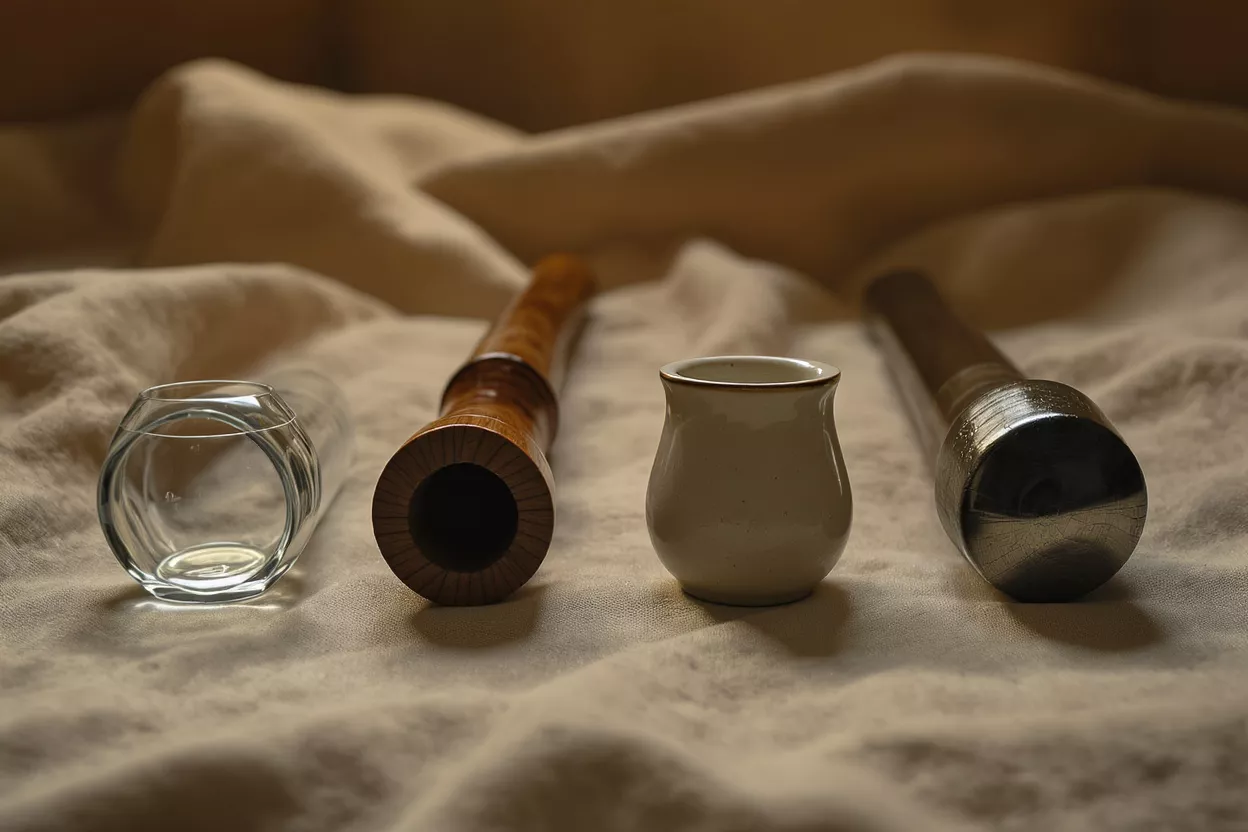
The material a pipe is made from shapes everything about the experience, from how the smoke tastes to how long the piece lasts. Glass dominates the modern market, but it is far from the only option, and each material carries distinct strengths.
Why borosilicate glass leads the field: The vast majority of quality pipes are made from heat-resistant borosilicate glass. It imparts no flavor of its own, withstands repeated heating without cracking, and lets you see the resin buildup so you know when cleaning is due. The main drawback is obvious: glass breaks when dropped, so durability comes down to careful handling.
Other materials each have their niche. Knowing the alternatives helps when you want something glass cannot provide:
- 🪵 Wood: Briar and other hardwoods offer a warm, traditional feel and remarkable durability, though they require a break-in period.
- 🪨 Stone: Soapstone and similar materials stay cool and last indefinitely, but are heavier and harder to clean.
- 🔩 Metal: Inexpensive and nearly indestructible, though metal can heat up quickly and may affect flavor.
- 🏺 Ceramic: Allows for artistic, sculptural designs and a clean taste, but can chip or shatter like glass.
For most people, glass strikes the best balance of clean flavor, easy maintenance, and reasonable cost. If you are hard on your gear or spend a lot of time outdoors, a wood or metal pipe may serve you better despite the tradeoffs in taste or upkeep.
Anatomy of a Pipe and Its Parts
Understanding the parts of a pipe makes everything else easier, from packing to cleaning to troubleshooting a clogged piece. Despite the variety of designs, nearly every dry pipe shares the same handful of components.
The bowl, stem, and mouthpiece: The bowl is the depression that holds your ground flower and takes the brunt of the heat. The stem is the hollow channel that carries smoke away from the bowl, and the mouthpiece is simply the end you draw from. On a well-designed pipe, the stem is long enough to cool the smoke slightly before it reaches your lips.
The carb, mentioned earlier, is the fourth key feature on most hand pipes. It is a deliberate hole that lets you control airflow with a fingertip. Some pipes also include a glass or metal screen at the base of the bowl to keep small bits of flower, known as scooby snacks, from being pulled through into your mouth.
Familiarity with these parts pays off quickly. When a draw feels tight, you will know to check the stem for resin buildup. When ash keeps reaching your tongue, you will know a screen is the fix. The pipe rewards the user who understands it.
How to Pack a Pipe the Right Way
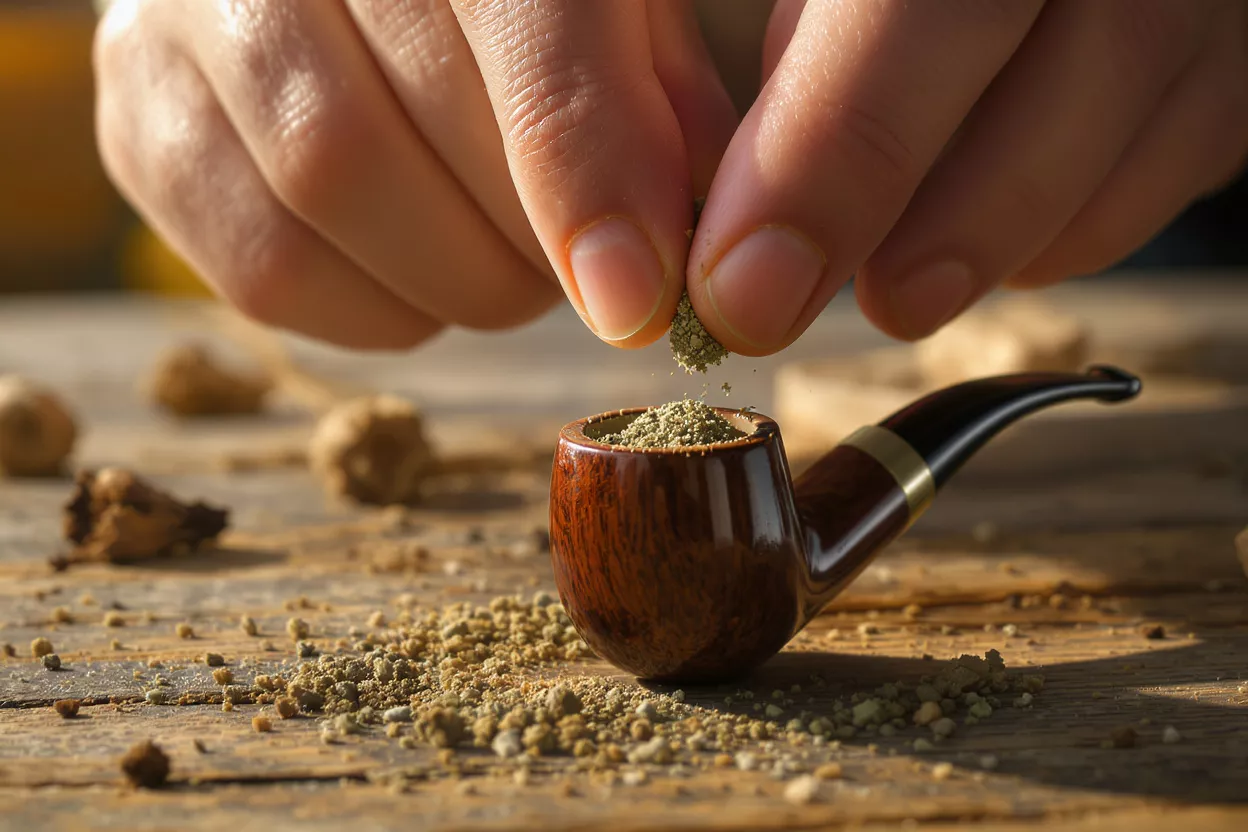
Packing a bowl well is a small skill that dramatically improves every session. The goal is an even burn with steady airflow, and getting there comes down to grind consistency and packing pressure rather than any complicated technique.
Grind before you pack: Breaking your flower down to a medium-fine consistency, ideally with a grinder, exposes more surface area to the flame and allows air to flow evenly through the material. Material that is too coarse burns unevenly, while flower ground to a fine powder packs too tightly and chokes airflow.
Layering matters more than most people realize. Place a slightly looser pinch at the bottom of the bowl and a firmer pinch on top. This gives you an even draw without clogging the airway at the base. Press gently with a fingertip; you want the flower to hold its shape but not feel compacted into a plug.
A well-packed bowl lights cleanly, burns down evenly, and rarely needs relighting. If you find yourself constantly torching the same spot or pulling hard for little smoke, the culprit is almost always the pack, not the pipe.
Dry Pipe vs Water Pipe Compared
The line between a dry pipe and a water pipe is one of the most useful distinctions to understand. Both combust flower and deliver smoke, but they handle that smoke very differently, and the right choice depends on what you value in a session.
What water adds and what it costs: A water pipe, such as a bong or bubbler, bubbles smoke through water before you inhale it. The water cools the smoke and filters out some particulates, producing a noticeably smoother hit that is easier on the throat. The tradeoff is bulk, the need to carry and change water, and a more involved cleaning routine.
A dry pipe, by contrast, prizes simplicity and portability. There is nothing to fill, spill, or maintain beyond the occasional clean, and the flavor of the flower comes through unmuted by water. The hit runs warmer and can feel harsher, especially on a poorly packed or dirty pipe.
Neither is objectively better. Many seasoned consumers keep both: a dry pipe for quick sessions and travel, and a water pipe for relaxed evenings at home where smoothness takes priority over convenience.
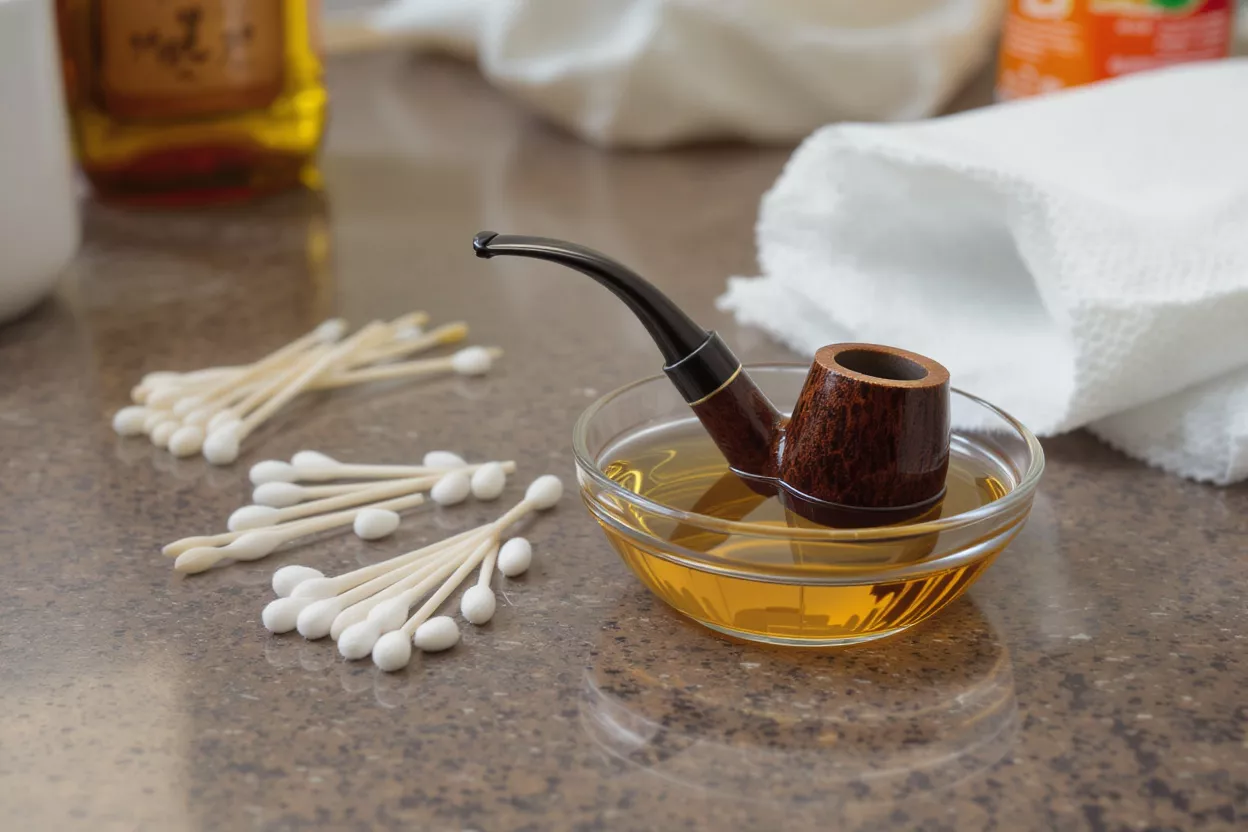
How to Clean a Pipe Properly
A clean pipe is a better pipe, full stop. Resin buildup restricts airflow, dulls flavor, and makes every hit harsher than it needs to be. Fortunately, cleaning a glass pipe is cheap and easy with a couple of common household items.
The isopropyl and salt method: Place the pipe in a sealable bag with isopropyl alcohol and a spoonful of coarse salt. The salt acts as an abrasive while the alcohol dissolves resin. Seal the bag, shake vigorously for a minute or two, let it soak, then rinse thoroughly with warm water until no alcohol smell remains. This restores most glass pipes to near-new condition.
Frequency depends on use, but a quick clean every week or two keeps a regularly used pipe performing well. Letting resin build up for months makes the eventual cleaning far harder and can permanently stain or cloud the glass.
For materials other than glass, adjust your approach. Wood pipes should never be soaked in alcohol; instead, scrape them gently and wipe with a dry pipe cleaner. Always rinse and dry any pipe completely before your next session so no cleaning residue ends up in your smoke.
Are Pipes Safe to Use
Safety with a pipe comes down to two main factors: the quality of the materials and the basic fact that you are inhaling smoke. Understanding both lets you make informed choices rather than relying on assumptions.
Material safety matters most: Stick to pipes made from materials proven safe for heating, namely borosilicate glass, food-safe ceramic, untreated hardwood, or stone. Avoid painted interiors, low-grade plastics, or unknown metals that can release fumes when heated. A reputable pipe from a quality maker removes most of this concern entirely.
The deeper consideration is that any form of smoking involves inhaling combustion byproducts. Smoke from burning plant matter contains tar and other irritants regardless of what you smoke. Those concerned about respiratory health often explore vaporization, which heats flower below the point of combustion, as a gentler alternative.
Used sensibly, with quality materials and a clean piece, a pipe is a reasonable tool for adults who choose to consume cannabis. Keep it clean, replace it if it cracks or chips, and never share during illness to avoid passing anything along.
Choosing the Right Pipe for You
With so many options, choosing a pipe can feel daunting, but a few honest questions narrow the field fast. Think about where you will use it, how often, and what matters most to you in the experience.
Match the pipe to your lifestyle: If portability and discretion top your list, a small spoon pipe or chillum makes sense. If you mostly consume at home and prioritize a smooth hit, a bubbler or water pipe earns its keep. Frequent travelers who fear breakage might lean toward a durable wood or silicone-reinforced option over fragile glass.
Budget plays a role too, but a good pipe does not have to be expensive. A simple, well-made glass spoon costs little and outperforms many flashier pieces. Spend more only when a specific feature, such as added filtration or artisan glasswork, genuinely matters to you.
Ultimately, the best pipe is the one you will actually reach for. The pipe has endured for generations because it gets the fundamentals right: simple, reliable, and satisfying. Whether you choose a pocket-sized chillum or a handcrafted glass spoon, understanding how the tool works ensures every session is smoother, cleaner, and more enjoyable than the last.





Comments