


Pistil
Discover what a pistil reveals about cannabis maturity and harvest timing.
What Is a Pistil in Cannabis?
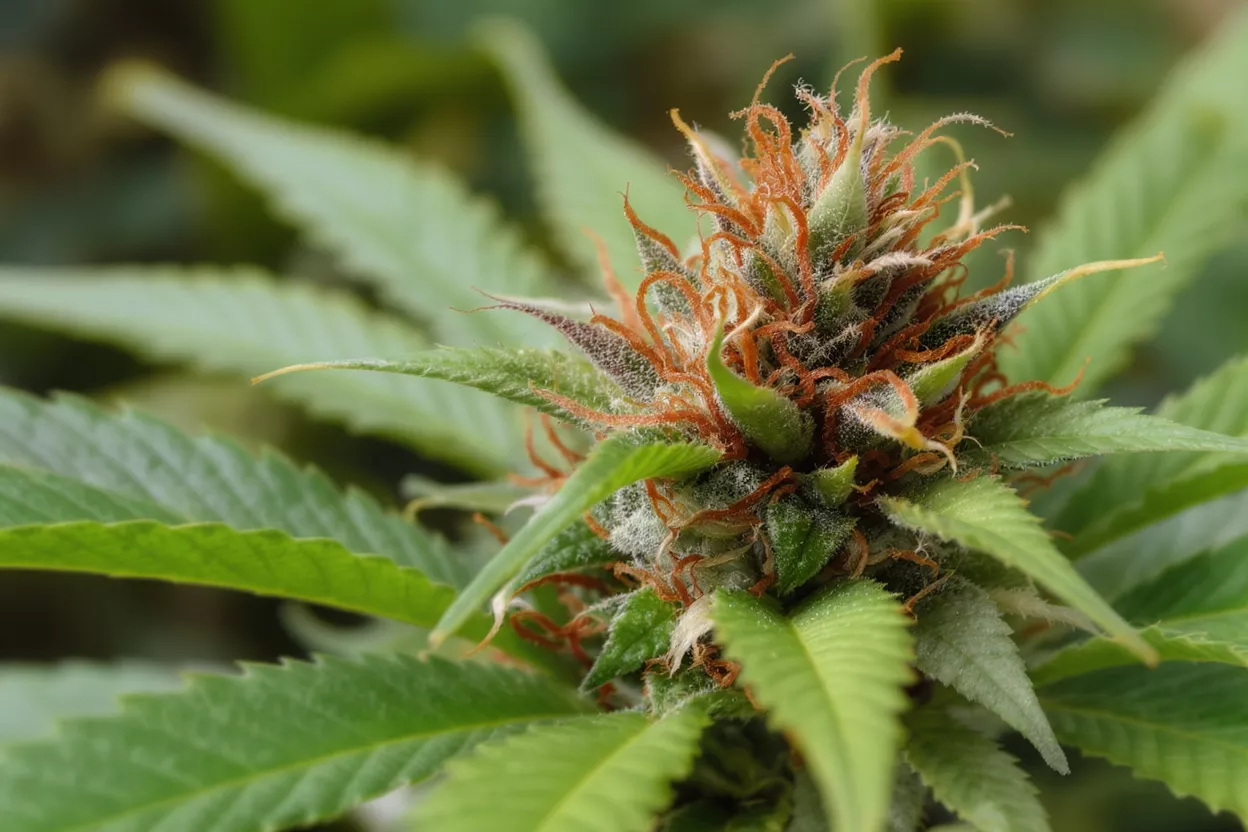
The pistil is one of the most recognizable features on a maturing cannabis flower, yet it is also one of the most misunderstood. Those wispy hairs that emerge from the buds — white when young, then deepening to orange, amber, or rust — are the visible part of the plant's female reproductive machinery. If you have ever admired a dense, hairy bud and wondered what those threads actually do, you are looking directly at the pistil at work.
In botanical terms, a pistil is the female reproductive organ of a flowering plant. On cannabis, the pistil's job is singular and ancient: to catch pollen drifting through the air so the plant can produce seeds. Everything about its design — the fine, sticky hairs, the elevated position on the bud, the gradual color shift — serves that reproductive purpose. Understanding the pistil gives growers and consumers a window into the plant's biology and a practical tool for judging maturity.
Why the pistil matters to everyday consumers: Even if you never grow a single plant, the pistil tells a story you can read on any well-photographed bud. Its color and density hint at when the flower was harvested and how the plant was treated during its final weeks. Learning to read pistils turns a bag of flower from a mystery into something you can actually evaluate with your own eyes.
What Do Cannabis Pistils Look Like?
Cannabis pistils start out as slender, hair-like structures that poke out from the small teardrop-shaped pods nestled within the bud. In their earliest stage they are bright white, almost translucent, and they stand upright with an eager, fuzzy appearance. As a plant moves through its flowering cycle, these hairs multiply rapidly, giving young buds their characteristic frosty, whiskered look.
The hairs themselves are extremely fine — comparable to a strand of human hair but more delicate. They cluster around the calyx, the protective pod that swells as the flower develops. A single bud can host hundreds of pistils, and their density is part of what gives premium cannabis its lush, almost three-dimensional texture.
How appearance changes over time: The visual transformation of pistils is dramatic. Early on they are pin-straight and snowy white. By the end of the flowering cycle they darken, shrivel slightly, and curl inward toward the bud. This progression is so reliable that experienced growers can estimate a plant's stage from a quick glance at the proportion of white to colored hairs.
How Cannabis Pistils Work in Reproduction
Cannabis is a dioecious plant, meaning individual plants are typically either male or female rather than carrying both sets of reproductive organs. The pistils belong exclusively to female plants, and their entire architecture is engineered to capture pollen released by nearby males. When pollen grains land on the sticky hairs, fertilization begins and the plant redirects its energy toward producing seeds.
Each pistil is essentially a landing pad. The fine hairs are coated with a tacky surface that grabs airborne pollen, and once a grain adheres, a tube grows down through the hair to deliver genetic material to the ovule waiting inside the calyx. This is the same fundamental process that drives reproduction across most flowering plants, refined over millions of years of evolution.
Why growers prevent pollination: Most cannabis cultivated for consumption is grown sinsemilla — literally "without seeds." When female flowers are kept away from pollen, the plant never fulfills its reproductive mission and instead keeps pouring resources into bigger flowers and richer resin production. This is why seedless buds tend to be more potent and prized.
Pistil vs Stigma: What's the Difference?
One of the most common points of confusion involves the terms "pistil" and "stigma." People often use them interchangeably when describing the hairs on a bud, but botanically they refer to different things. The pistil is the complete female reproductive structure, while the stigma is just one part of it — specifically the sticky tip designed to catch pollen.
The hairs you actually see protruding from cannabis buds are, strictly speaking, the stigmas. The full pistil includes the stigma, the style (the slender connecting strand), and the ovary tucked inside the calyx. In casual conversation and most grow guides, "pistil" has simply become shorthand for the visible hairs, and that usage is so widespread it is now effectively standard.
- 🌸 Pistil: the entire female reproductive organ, including stigma, style, and ovary.
- ✨ Stigma: the sticky outer tip — the part that actually traps pollen.
- 🧵 Style: the thread-like section linking stigma to ovary.
- 🥚 Ovary: the chamber inside the calyx where a seed would form after fertilization.
For practical purposes, you can keep using "pistil" the way most growers do. Just know that if you ever read a botany text describing the colorful hairs as stigmas, both terms are pointing at the same beautiful, functional part of the plant.
What Pistil Color Tells You About Harvest
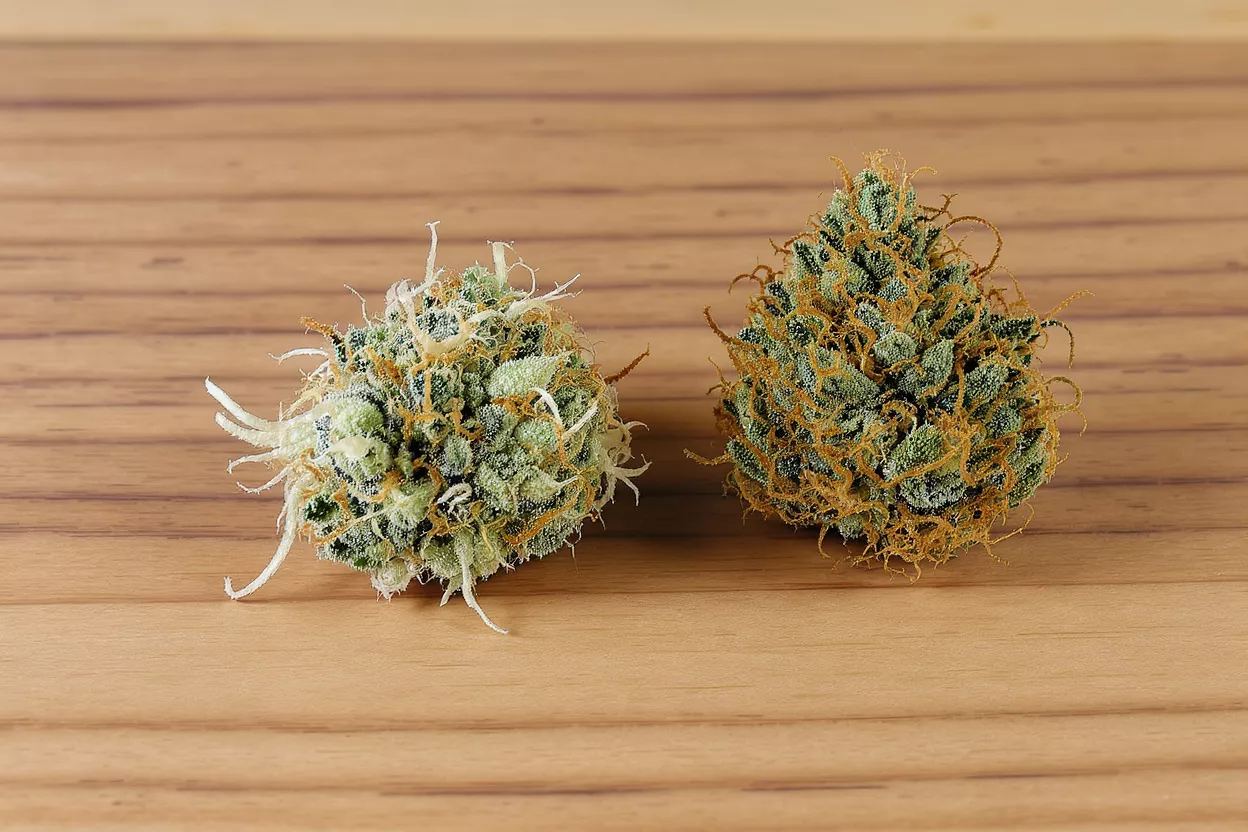
Pistil color is one of the oldest visual cues growers use to gauge ripeness. As a flower matures, its pistils transition from white to a spectrum of warmer tones — cream, amber, orange, and finally a deep rust or brown. This shift reflects the plant winding down its reproductive readiness and signals that the bud is approaching its peak.
A bud covered mostly in white, upward-pointing pistils is generally young and not ready for harvest. As more hairs darken and curl, the window for cutting opens. Many cultivators wait until roughly 60 to 80 percent of the pistils have changed color before harvesting, though the exact target depends on the strain and the effect a grower is chasing.
Reading the color spectrum at a glance: The proportion of darkened pistils gives a rough timeline, but it is not a precise instrument on its own. Environmental stress, cold nights, and even handling can darken hairs prematurely. That is why seasoned growers treat pistil color as one signal among several rather than the final word on harvest timing.
- ⚪ Mostly white pistils: the plant is still bulking up — harvesting now means lower yield and milder effects.
- 🟠 Mix of white and orange: the classic harvest window for balanced, uplifting effects.
- 🟤 Mostly dark and curled: later harvest associated with heavier, more sedating qualities.
Pistils vs Trichomes for Judging Ripeness
While pistil color is a helpful starting point, most experienced growers consider trichomes to be the more accurate measure of true ripeness. Trichomes are the tiny resin glands that coat the buds and produce the bulk of cannabinoids and terpenes. Examined under magnification, their color reveals chemical maturity in a way pistils cannot.
Pistils tell you about the plant's reproductive timeline, while trichomes tell you about cannabinoid development. The two often track together, but not always. A plant can show plenty of darkened pistils while its trichomes remain mostly clear, which would mean the buds look ready on the surface but have not yet reached their chemical peak.
Combining both cues for the best result: The most reliable approach uses pistils for the big-picture estimate and trichomes for the final call. Watch the hairs to know when harvest is on the horizon, then grab a loupe or microscope to inspect the resin glands. When milky trichomes dominate with a scattering of amber, the flower is usually at its prime regardless of the exact pistil ratio.
How to Spot Female Plants by Pistils
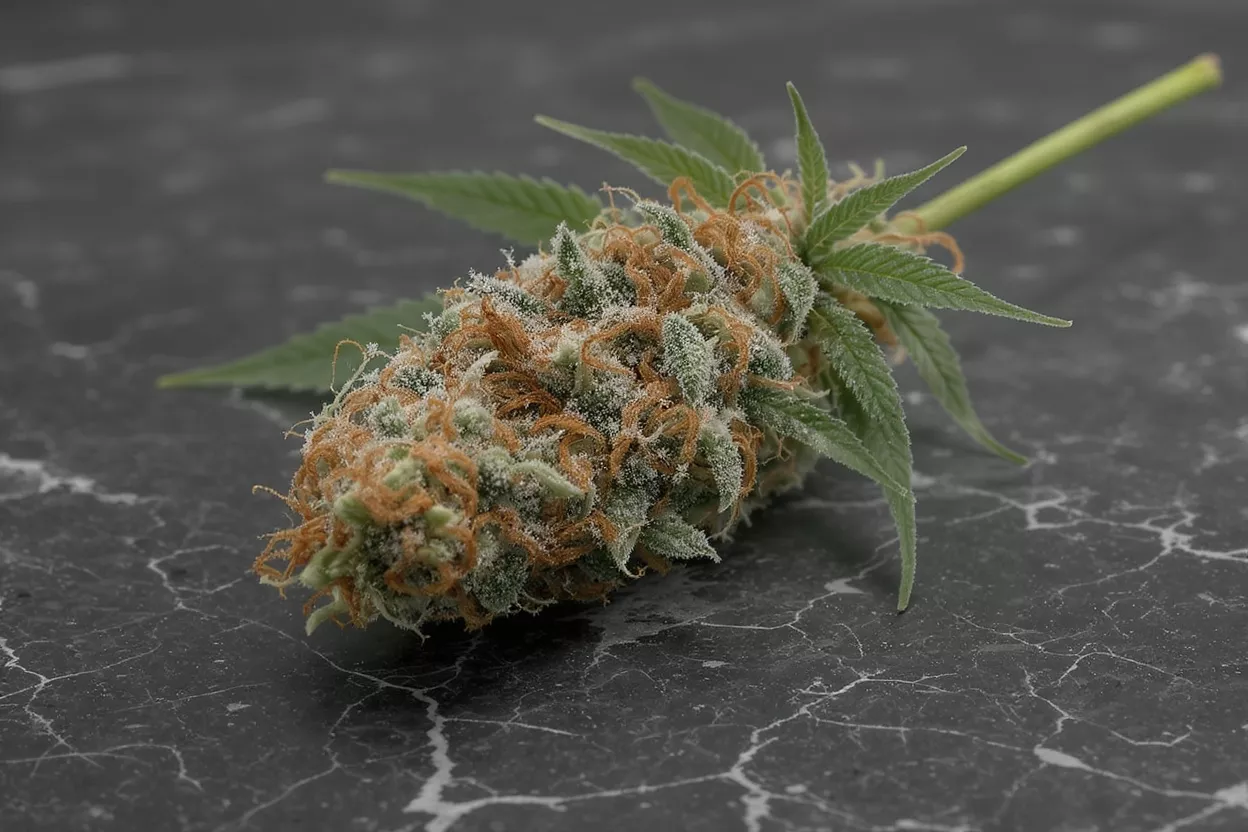
For anyone growing from regular seeds, identifying a plant's sex early is critical, and pistils are the clearest giveaway. During the pre-flowering stage, female plants begin pushing out pairs of tiny white hairs from the nodes where branches meet the main stem. These first wispy pistils confirm you are dealing with a female that can eventually produce the flowers consumers want.
Male plants, by contrast, develop small rounded pollen sacs rather than hairs. Spotting the difference early lets growers remove males before they release pollen and accidentally seed an entire crop. Because pistils appear at the nodes before full flowering begins, attentive cultivators can usually sex their plants within the first week or two of the pre-flower phase.
What to look for during pre-flowering: Focus on the nodes and use good lighting. A pair of slender white hairs emerging from a small teardrop pod means female. A cluster of tiny grape-like balls means male. Hermaphrodite plants can show both, so it pays to keep checking even after the initial determination.
Why Do Pistils Change Color and Curl?
The color change and curling of pistils are natural parts of senescence, the biological aging process that flowers undergo as they reach the end of their cycle. Once a pistil has done its job of presenting a sticky surface for pollen, the plant gradually withdraws resources from it, and the hair darkens and shrivels in response.
Several factors influence how quickly this happens. Light intensity, temperature swings, nutrient levels, and overall plant health all play a role. In a healthy seedless plant where no pollination occurs, pistils still change color on schedule because the change is driven by the flower's internal maturation clock rather than by fertilization alone.
When color change signals stress instead of ripeness: Not every darkened pistil means a bud is ready. Sudden cold, physical damage, light burn, or excessive handling can cause hairs to brown prematurely. This is why growers cross-reference pistil color with trichome development and overall plant vigor — a few isolated brown hairs on an otherwise young bud usually points to stress rather than true maturity.
Do Pistils Affect Potency or Flavor?
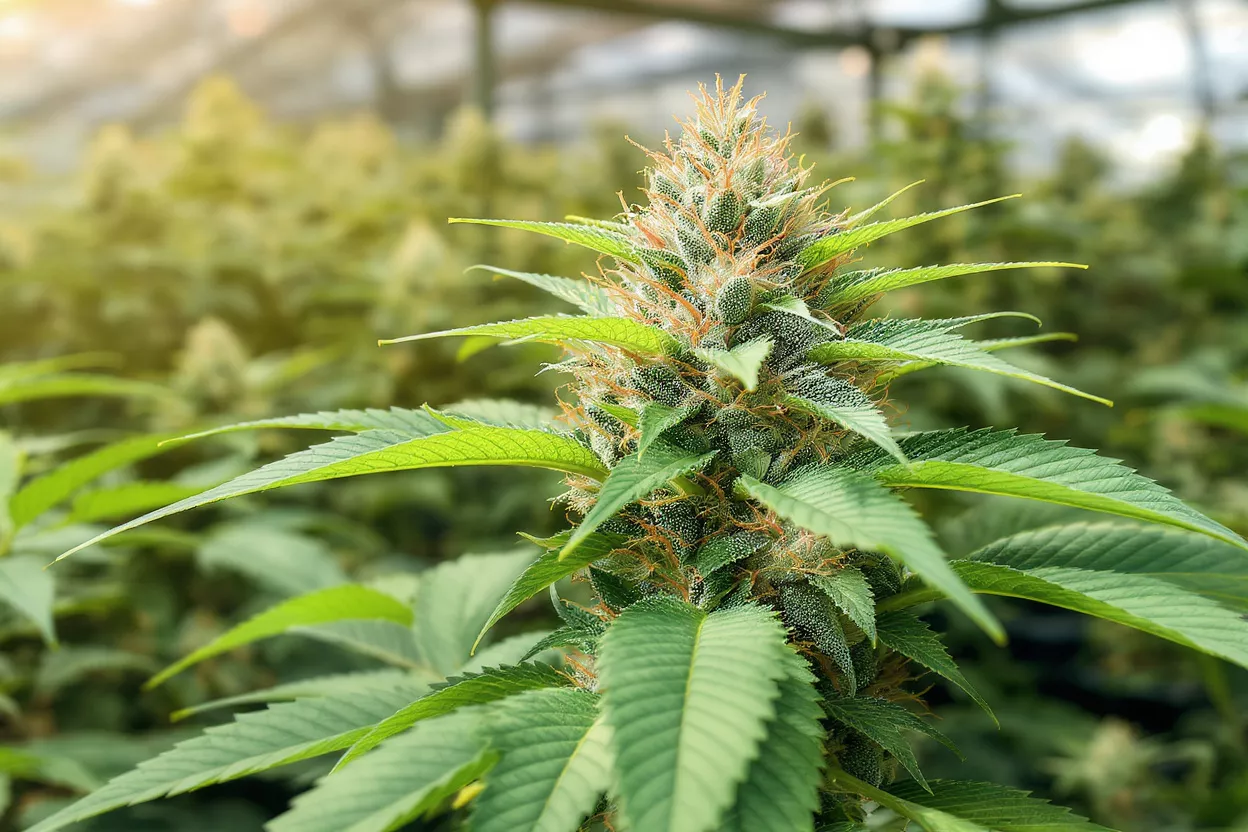
A frequent question among newer consumers is whether the abundance of pistils on a bud indicates higher potency. The honest answer is that pistils themselves contribute very little to a flower's effects, aroma, or flavor. They are reproductive structures, not resin factories, and they carry only trace amounts of the cannabinoids and terpenes that define a cannabis experience.
The compounds responsible for potency and flavor live overwhelmingly in the trichomes — those frosty resin glands clustered on the calyxes, sugar leaves, and surrounding bud surfaces. A bud can look extremely hairy yet test modestly for THC, while a less hairy flower dense with trichomes might be considerably stronger.
Why hairy buds still appeal to consumers: Even though pistils do not drive potency, a generous coat of colorful hairs adds undeniable visual appeal and signals that a flower was grown to full maturity. Many people associate vibrant orange pistils against frosted green buds with quality, and that aesthetic impression is part of why bud photography leans so heavily on showcasing them.
Common Questions About Cannabis Pistils
Because pistils are so visually prominent, they generate plenty of questions from both growers and curious consumers. Below are concise answers to the points that come up most often, drawing together the practical takeaways covered throughout this guide.
Should you smoke the pistils? Yes — there is no need to remove them. The hairs are a normal part of the flower and are consumed right along with the rest of the bud. They carry minimal active compounds, so they neither enhance nor detract from your experience in any meaningful way.
Can you judge a strain by pistil color alone? Not reliably. While pistil color hints at maturity, the genetics of a particular strain determine how vibrant or abundant the hairs become. Some cultivars produce fiery orange pistils naturally, while others stay paler even at full ripeness. Always weigh pistil color alongside trichome condition and the plant's overall structure.
The humble pistil is a perfect example of how cannabis rewards close observation. These delicate hairs are the plant's reproductive frontline, a visual harvest clock, and a major source of bud beauty all at once — even if they contribute little to potency. By learning to read their color and density, you gain a deeper appreciation for the flower in your hands and a practical skill for judging quality at a glance. Whether you grow your own or simply enjoy what others cultivate, understanding pistils makes you a sharper, more informed participant in the world of cannabis.
Comments