


Plug
Discover what plug means in cannabis culture—a trusted supplier in legacy markets.
Plug Cannabis
The term "plug" in cannabis culture refers to a reliable supplier or connection who consistently provides quality products, often operating in informal markets where trust and reputation replace traditional business credentials and regulatory oversight. This colloquialism emerged from street vernacular where being "plugged in" meant having access to desired goods through personal networks rather than formal retail channels. The plug relationship typically transcends simple transactional exchanges, encompassing elements of trust, discretion, and mutual benefit that characterize underground economies. In legacy markets, a good plug represented the difference between accessing quality cannabis and risking unknown or potentially dangerous products, making these connections highly valued within communities.
The evolution of cannabis plugs from necessity in prohibition markets to cultural fixtures in legalization-era discussions reflects the complex transition between underground and regulated markets. Even in legal jurisdictions, the plug concept persists through personal relationships that bypass formal dispensary channels, whether for price advantages, product access, or cultural preference. This persistence highlights how decades of prohibition created deeply embedded social networks and economic relationships that don't simply disappear with legalization. The plug system developed sophisticated quality assurance, pricing structures, and distribution methods that in many ways presaged legal market operations.
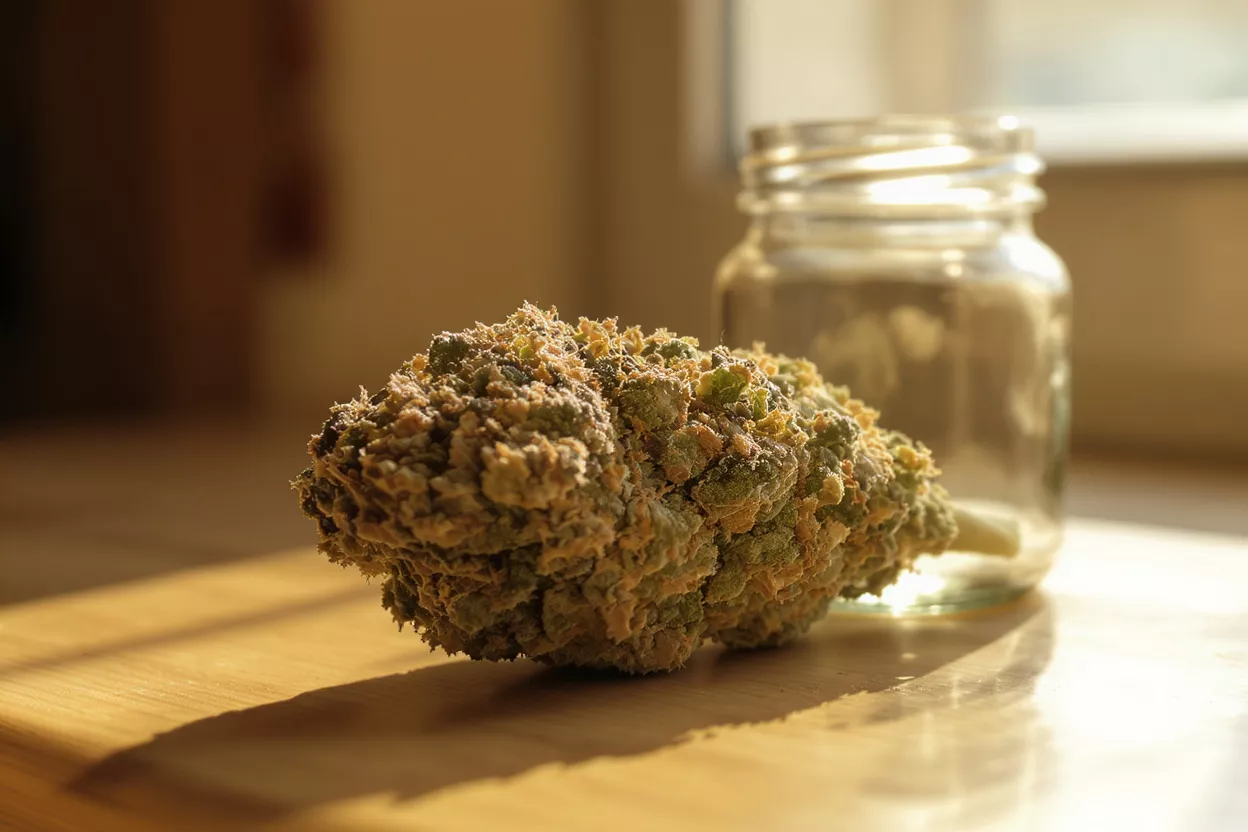
Understanding the plug phenomenon provides crucial context for contemporary cannabis markets, where legacy operators bring decades of expertise while navigating new regulatory frameworks designed by those often unfamiliar with existing culture. The term encompasses not just simple drug dealing but complex social relationships involving trust, quality assessment, fair pricing, and community connection. Modern discussions about social equity in cannabis often center on transitioning successful plugs into legal operators, recognizing their expertise and community standing. This cultural artifact of prohibition continues influencing legal market development, consumer expectations, and ongoing debates about cannabis normalization and commercialization.
Understanding Cannabis Plugs
Role and Function
Traditional plug operations centered on personal relationships and reputation-based quality assurance in the absence of regulatory oversight or formal business protections. Successful plugs cultivated extensive networks of growers, processors, and consumers, serving as crucial middlemen who vouched for product quality and facilitated transactions. They provided more than simple product access, often educating consumers about strains, effects, and consumption methods in ways that presaged modern budtender roles. Price negotiations, bulk purchasing advantages, and credit extensions characterized these relationships, creating informal economic systems within communities. The best plugs maintained consistent supply chains, fair pricing, and reliable quality that built loyal customer bases spanning years or decades.
Quality control in plug networks relied on personal expertise and market feedback rather than laboratory testing or regulatory standards, developing sophisticated assessment methods based on visual, olfactory, and effects-based evaluation. Experienced plugs could identify strain characteristics, growing methods, and potential contamination through sensory assessment alone. They maintained quality by developing relationships with trusted growers and refusing substandard products that could damage their reputation. Customer feedback loops provided rapid quality assessment, with poor products resulting in immediate reputation damage. This informal quality assurance system, while imperfect, created accountability mechanisms that protected consumers in unregulated markets where formal recourse didn't exist.
Communication and operational security represented critical skills for successful plugs, balancing accessibility with discretion in environments where legal consequences remained severe. Code words, meeting protocols, and customer vetting processes developed to minimize risk while maintaining business efficiency. Digital communication evolution from pagers through encrypted messaging apps reflected technological adaptation while maintaining operational security. Successful plugs mastered interpersonal skills that built trust while maintaining appropriate boundaries. These communication strategies influenced modern cannabis marketing and customer service approaches, particularly in markets transitioning from prohibition. The emphasis on discretion and trust continues influencing consumer expectations even in legal markets.
Without labs, licenses, or contracts, a plug ran the whole operation on personal skill and reputation:
- 👁️ Sensory grading — reading strain, grow method, and possible contamination by sight, smell, and effect alone
- 🌱 Trusted sourcing — building relationships with reliable growers and turning away product that could damage their name
- 🔁 Reputation feedback — a bad batch cost a plug customers immediately, the only enforcement the market had
- 🤐 Operational security — code words, meeting protocols, and customer vetting to stay reachable yet discreet
Economic Impact
Pricing structures in plug networks reflected complex factors including risk assessment, relationship duration, quantity purchased, and market competition, creating informal but consistent economic models. Bulk purchasing incentives encouraged larger transactions that reduced transaction frequency and associated risks. Long-term customers often received preferential pricing recognizing relationship value and reduced vetting requirements. Geographic location, local law enforcement attitudes, and market saturation significantly influenced pricing. Quality tiers emerged with corresponding price points, allowing consumers to select products matching their budgets and preferences. These pricing models demonstrated sophisticated understanding of supply, demand, and risk factors that many legal markets later adopted.
Employment and economic opportunities within plug networks extended beyond individual operators to encompass growers, transporters, processors, and various support roles creating underground economies within marginalized communities. These networks provided income opportunities when formal employment discrimination or criminal records limited mainstream options. Skills developed in these roles, from cultivation expertise to customer service and inventory management, represent valuable human capital often overlooked in legalization discussions. The economic impact extended to auxiliary businesses benefiting indirectly from cannabis commerce. Understanding these economic networks proves crucial for developing equitable legalization frameworks that recognize existing expertise and provide transition pathways.
Capital accumulation and reinvestment patterns within plug operations demonstrate entrepreneurial sophistication despite operating outside formal banking and business systems. Successful plugs reinvested profits into expanding operations, improving quality, and developing new products or services. Cash-based operations required creative solutions for capital storage and deployment. Some plugs leveraged profits into legitimate businesses, real estate, or education, creating intergenerational wealth in communities historically excluded from traditional capital access. These informal venture capital and business development models inform current social equity programs attempting to transition underground expertise into legal markets while addressing historical economic exclusion.
Plug pricing was informal but rarely arbitrary — several forces moved the number:
- ⚖️ Risk — the legal exposure of moving the product in the first place
- 🤝 Relationship history — long-standing, vetted customers paid preferential rates
- 📦 Quantity — bulk buys earned discounts that cut transaction frequency and risk
- 📍 Local market — geography, local law-enforcement attitudes, and saturation all shifted prices
- 🪜 Quality tier — distinct grades carried their own corresponding price points
Market Dynamics
Legacy to Legal Transition
Market transition challenges face legacy plugs attempting to enter legal cannabis markets, where regulatory compliance, taxation, and formal business operations differ drastically from underground models. Licensing costs and requirements often exclude successful underground operators lacking formal education or carrying criminal records from prohibition enforcement. Banking access remains problematic for those with cash-based business histories. Regulatory compliance demands documentation and transparency antithetical to survival strategies developed over decades. Competition from well-capitalized corporate entities challenges relationship-based business models. These barriers perpetuate exclusion of communities most impacted by prohibition while advantaging those with traditional business backgrounds but limited cannabis expertise.
Social equity programs designed to address these transition challenges show mixed success, with some jurisdictions creating pathways for legacy operators while others merely pay lip service to inclusion. Effective programs recognize underground expertise as valuable experience, provide compliance training and support, and offer financial assistance for licensing and startup costs. Priority licensing, reduced fees, and technical assistance help level playing fields dominated by corporate interests. However, many programs suffer from insufficient funding, bureaucratic complexity, or capture by consultants and investors seeking to profit from equity applicants. Successful transitions require comprehensive support addressing not just licensing but ongoing operational assistance.
Hybrid market persistence demonstrates how legal and legacy markets coexist and compete, with plugs maintaining relevance through price advantages, product variety, or cultural connections legal markets can't replicate. Tax burdens in legal markets often create significant price disparities favoring underground sources. Regulatory restrictions on potency, products, or marketing may drive consumers to plugs offering desired items. Cultural authenticity and community connections provide competitive advantages corporate dispensaries struggle to match. Some plugs transition to gray-market roles as consultants, brokers, or underground brands eventually seeking legitimacy. This market duality challenges policymakers seeking to eliminate underground markets while preserving community economic opportunities.

Risk Considerations
Legal and Safety Risks
Legal consequences for plug operations vary dramatically by jurisdiction but historically included severe criminal penalties disproportionately affecting marginalized communities. Arrest, prosecution, and incarceration disrupted families and communities while creating criminal records limiting future opportunities. Asset forfeiture laws allowed law enforcement to seize property and funds without conviction, devastating personal finances. Immigration consequences proved particularly severe for non-citizens. Even in legalization states, unlicensed sales carry significant penalties. These risks shaped operational practices emphasizing security and discretion. Understanding historical enforcement patterns reveals systemic inequities that social equity programs attempt to address, though criminal records continue limiting opportunities for many experienced operators.
Product safety concerns in unregulated markets include potential contamination, misrepresentation, and inconsistent potency that regulatory frameworks address through testing and labeling requirements. Without laboratory testing, consumers relied on plug reputation and personal assessment to avoid contaminated products. Pesticide residues, mold, and other contaminants posed health risks particularly for medical users. Product misrepresentation, whether intentional or through supply chain confusion, meant consumers couldn't reliably know what they purchased. Potency variations made dosing difficult, particularly for edibles. While experienced plugs developed quality assessment skills, the lack of standardized testing created inherent risks that legalization seeks to eliminate through mandatory testing protocols.
Violence and security risks associated with cash-based illegal enterprises created dangerous conditions for plugs and customers, influencing operational practices and contributing to negative stereotypes about cannabis commerce. Robbery risks increased with business success, requiring security measures that further complicated operations. Territorial disputes and supply chain conflicts occasionally resulted in violence. Law enforcement interactions carried risks of violence or planted evidence. These security concerns influenced meeting locations, customer vetting, and operational protocols. Legal markets eliminate many security risks through banking access, legitimate dispute resolution, and police protection. However, the association between cannabis and violence, largely created by prohibition, continues influencing public perception and policy discussions.





Comments