

Pot
Discover what pot means, where the word comes from, and how to choose quality pot today.
What Is Pot? Defining the Classic Cannabis Term
Pot is one of the most enduring slang terms for cannabis, a word that has survived nearly a century of cultural shifts, legal battles, and changing attitudes. When someone says they smoke pot, they are referring to the dried flowers and leaves of the cannabis plant, prepared and consumed for their psychoactive and therapeutic properties. The term carries a casual, almost nostalgic weight, evoking everything from jazz clubs to college dorms to modern dispensary shelves.
What makes pot such a fascinating word is its staying power. While newer terms come and go, pot remains instantly recognizable across generations. It sits comfortably alongside formal terms like cannabis and marijuana, yet it feels distinctly informal and approachable.
Understanding what pot really means requires looking beyond the word itself. It represents an entire relationship between people and a plant that has been cultivated for thousands of years. Today, pot is sold in regulated markets, studied in laboratories, and discussed openly in ways that would have seemed impossible just a few decades ago.
Where Does the Word Pot Come From?
The origins of the word pot are genuinely murky, and etymologists have offered several competing theories. One popular explanation traces it to the Spanish word "potiguaya" or "potaguaya," which itself may derive from "potación de guaya," a phrase describing a drink of wine or brandy steeped with cannabis leaves. Over time, English speakers may have shortened this to simply "pot."
Another theory connects the term to actual cooking vessels. Earthenware pots kept near the fire were historically used to prepare stews and infusions, and some have drawn loose parallels to the clay crucibles used in nineteenth-century hashish production. While this connection is more speculative, it speaks to the long history of preparing cannabis through heat and infusion.
Regardless of which origin story holds the most weight, the word entered widespread American usage in the 1930s and 1940s. It spread through jazz communities and counterculture circles before becoming a household term. The ambiguity of its roots only adds to the word's mystique, making pot a small linguistic puzzle wrapped in cultural history.
Pot vs. Other Slang Terms for Cannabis
Cannabis has accumulated more nicknames than perhaps any other plant on earth. Pot exists within a sprawling vocabulary that includes weed, grass, herb, bud, ganja, and dozens of regional variations. Each term carries its own connotations and historical baggage, and understanding the differences helps decode the culture around the plant.
Pot and weed are often used interchangeably, but subtle differences exist in how people perceive them. Pot tends to sound slightly older and more nostalgic, while weed feels more contemporary and casual. Both are inoffensive, everyday terms that most people use without a second thought.
Here is how some of the most common slang terms compare:
- 🌿 Pot: A timeless, mild term with mysterious origins, popular since the 1930s.
- 🍃 Weed: The most common modern slang, casual and widely understood.
- 🔥 Grass: A term that peaked in the 1960s and 1970s counterculture era.
- ✨ Ganja: Rooted in Sanskrit and strongly associated with Rastafarian culture.
- 🌱 Herb: Emphasizes the plant's natural, botanical character.
How Pot Entered Mainstream Culture
The journey of pot from underground slang to mainstream vocabulary mirrors the broader cultural acceptance of cannabis. In the early twentieth century, the word circulated quietly within musical and artistic communities. Jazz musicians in particular embraced both the plant and its slang, weaving references into lyrics and conversation.
By the 1960s, pot had become inseparable from the counterculture movement. It symbolized rebellion, peace, and a rejection of mainstream values. Films, music, and literature of the era cemented the word in the public consciousness, even as legal prohibition intensified and anti-drug campaigns demonized its use.
The decades that followed saw pot move steadily toward acceptance. Comedy films played the term for laughs, news media used it in serious policy discussions, and eventually politicians began debating legalization openly. Today the word appears in advertising, branding, and everyday conversation without the stigma it once carried.

Types of Pot and How They Differ
Not all pot is the same. The cannabis plant comes in several broad categories, each producing distinct effects and experiences. Understanding these types helps consumers make informed choices about what they purchase and consume.
Indica, sativa, and hybrid varieties form the traditional framework for categorizing pot. Indica strains are typically associated with relaxing, body-focused effects, while sativa strains tend to produce more energizing, cerebral experiences. Hybrids blend characteristics of both, offering balanced effects tailored to specific preferences.
Beyond these categories, the chemical makeup of pot matters enormously. The balance of THC and CBD, along with the presence of various terpenes, shapes the overall experience far more than the simple indica-versus-sativa distinction suggests.
How Is Pot Consumed Today?
The ways people consume pot have expanded dramatically beyond the classic rolled joint. While smoking remains the most iconic method, modern consumers have access to a remarkable variety of options suited to different lifestyles and preferences.
Smoking and vaporizing represent the fastest-acting methods of consuming pot. Inhalation delivers compounds directly to the bloodstream through the lungs, producing effects within minutes. Vaporizing has grown popular as a potentially gentler alternative that heats the plant material without combustion.
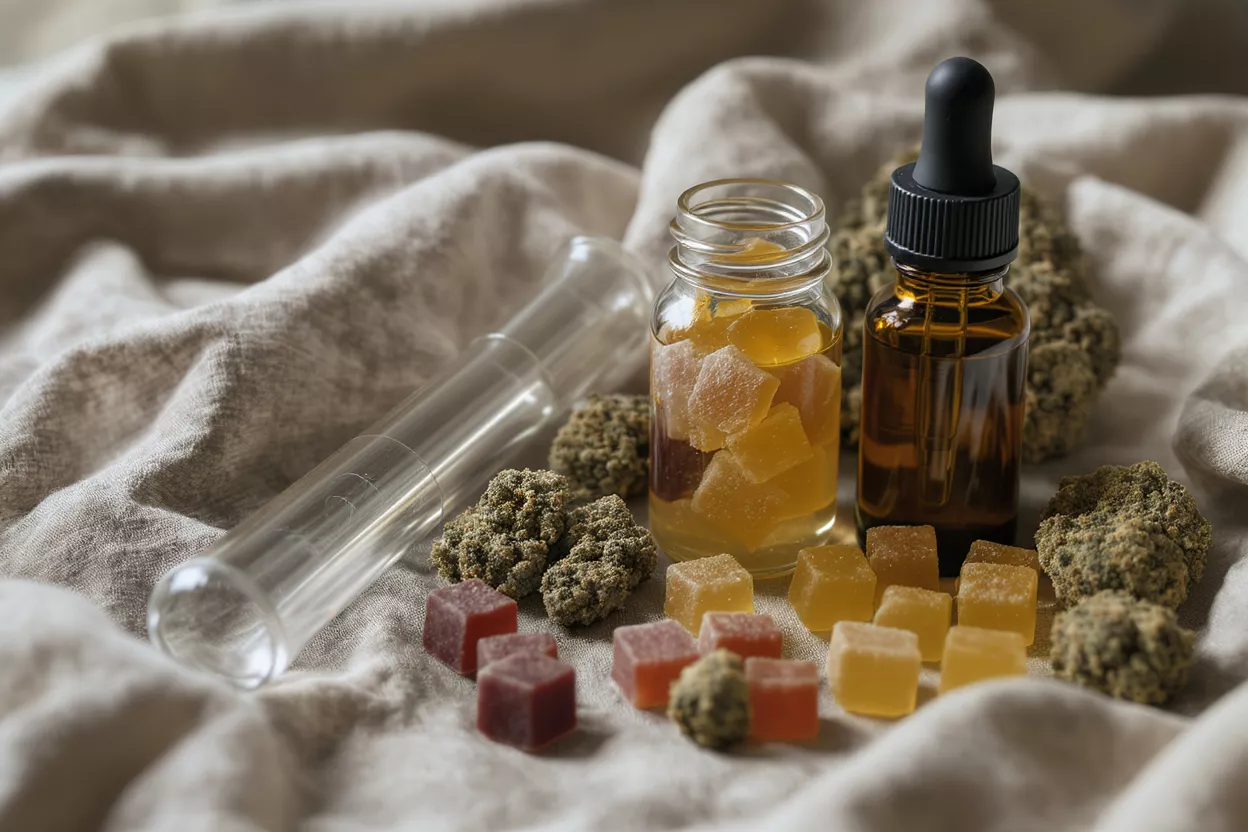
Edibles, tinctures, and topicals offer alternatives for those who prefer not to inhale. These methods provide longer-lasting effects and discreet consumption. The variety available today reflects how far cannabis culture has evolved from its smoke-only past.
- 💨 Smoking: The traditional method using joints, pipes, or bongs for fast onset.
- 🌬️ Vaporizing: Heats cannabis below combustion for a smoother experience.
- 🍪 Edibles: Food and drinks infused with cannabis for long-lasting effects.
- 💧 Tinctures: Liquid extracts taken under the tongue for measured dosing.
- 🧴 Topicals: Creams and balms applied to skin for localized relief.
What Effects Does Pot Produce?
The effects of pot vary widely depending on the strain, dose, and individual. Most users report a sense of relaxation, mild euphoria, and an altered perception of time and sensory experience. These effects stem primarily from THC interacting with the body's endocannabinoid system.
Many people use pot for its potential therapeutic benefits. Reported uses include relief from stress, support for sleep, appetite stimulation, and easing of certain types of discomfort. Research into these applications continues to expand as legal barriers fall and scientific interest grows.
Effects can also include less desirable experiences, particularly at higher doses. Some users report anxiety, dry mouth, increased heart rate, or temporary memory effects. Understanding your personal tolerance and starting with modest amounts helps ensure a more comfortable and controlled experience.
Is Pot Safe? Understanding the Basics
Safety is a reasonable concern for anyone curious about pot, and the honest answer involves nuance. For most healthy adults, moderate cannabis use carries a relatively favorable safety profile compared to many other substances. There has never been a documented case of fatal overdose from cannabis alone.
Responsible use remains the key to a positive experience. Starting with low doses, choosing products from regulated sources, and avoiding driving or operating machinery while impaired all contribute to safer consumption. Knowing the potency of what you consume is especially important with concentrated products and edibles.
Certain populations should exercise extra caution. Adolescents, pregnant individuals, and people with a personal or family history of certain mental health conditions may face elevated risks. Consulting a healthcare professional before using pot for medical purposes is always a wise step.
Pot in the Legal Era
The legal landscape for pot has transformed dramatically over the past two decades. What was once strictly prohibited is now legal for medical or recreational use across many regions, including all of Canada and a growing number of US states. This shift has reshaped how people access and discuss the plant.
Legalization has brought significant changes to quality and safety. Regulated markets require testing for potency, pesticides, and contaminants, giving consumers confidence in what they purchase. This stands in stark contrast to the uncertain quality of pot sold in unregulated markets of the past.
The legal era has also expanded options dramatically. Dispensaries now offer carefully cultivated strains, precisely dosed edibles, and a wealth of product information. Consumers can make educated decisions based on lab results, strain genetics, and detailed effect profiles that were never available before legalization.

Choosing Quality Pot: What to Look For
Knowing how to evaluate pot helps you get the best possible experience for your money. Quality cannabis reveals itself through several observable characteristics that experienced consumers learn to recognize at a glance.
Appearance, aroma, and texture all signal quality. Premium pot typically features dense, well-trimmed flowers covered in visible trichomes, the tiny crystalline structures that house cannabinoids and terpenes. A rich, complex aroma indicates a healthy terpene profile, while properly cured flower should feel slightly sticky but not damp.
Beyond the sensory cues, lab testing provides the most reliable measure of quality and safety. Reputable products come with detailed information about cannabinoid content and confirmation that they are free of harmful contaminants. When shopping in a legal market, this transparency lets you choose pot that matches your preferences and gives you peace of mind.
From its mysterious linguistic origins to its prominent place in modern legal markets, pot has remained a constant companion through generations of cultural change. Understanding the term, its history, the types available, and how to choose quality products empowers you to engage with cannabis thoughtfully and confidently. Whether you are a curious newcomer or a longtime enthusiast, appreciating the depth behind this simple three-letter word enriches the entire experience.




Comments