


Preroll
Everything about the preroll: how it's made, types, infused options & quality tips.
What Is a Preroll in Cannabis?
A preroll is a ready-to-smoke cannabis cigarette assembled, filled, and packed before it ever reaches your hands. Instead of buying loose flower and rolling it yourself, you pick up a finished joint that only needs a flame. For newcomers intimidated by rolling technique and experienced consumers who simply want something quick, the preroll has become one of the most popular formats on dispensary shelves.
The appeal is straightforward. Rolling a tidy joint takes practice, patience, and decent flower that has been ground to the right consistency. A preroll removes every step of that process. You get a consistent burn, a uniform shape, and a predictable dose of cannabinoids without owning a grinder or a single rolling paper.
Prerolls are not a watered-down version of the real thing, either. A well-made one uses quality flower, an even pack, and clean paper. The format simply packages convenience around the same plant material you would smoke any other way, which is why prerolls span the entire quality spectrum from budget singles to premium infused offerings.
How Prerolls Are Made
Understanding how a preroll comes together helps you judge what you are buying. At the most basic level, dried cannabis flower is ground, loaded into a pre-shaped paper cone, packed to a consistent density, and twisted shut at the tip. Large producers automate this with machines that fill hundreds of cones at once, while craft brands often hand-pack smaller batches for tighter quality control.
The grind matters more than people expect. Flower that is ground too fine packs dense and burns hot, sometimes choking airflow and producing a harsh draw. Ground too coarse, and the joint burns unevenly with frequent canoeing down one side. The best producers aim for a medium grind that lets air move while keeping the burn slow and even.
The paper and cone make a real difference in flavour. Unbleached rice or hemp papers burn cleaner and add little taste of their own, while cheaper bleached papers can introduce a papery, chemical note. Premium prerolls also pay attention to the crutch or filter tip, which keeps loose material out of your mouth and gives you something to hold as the joint burns down.
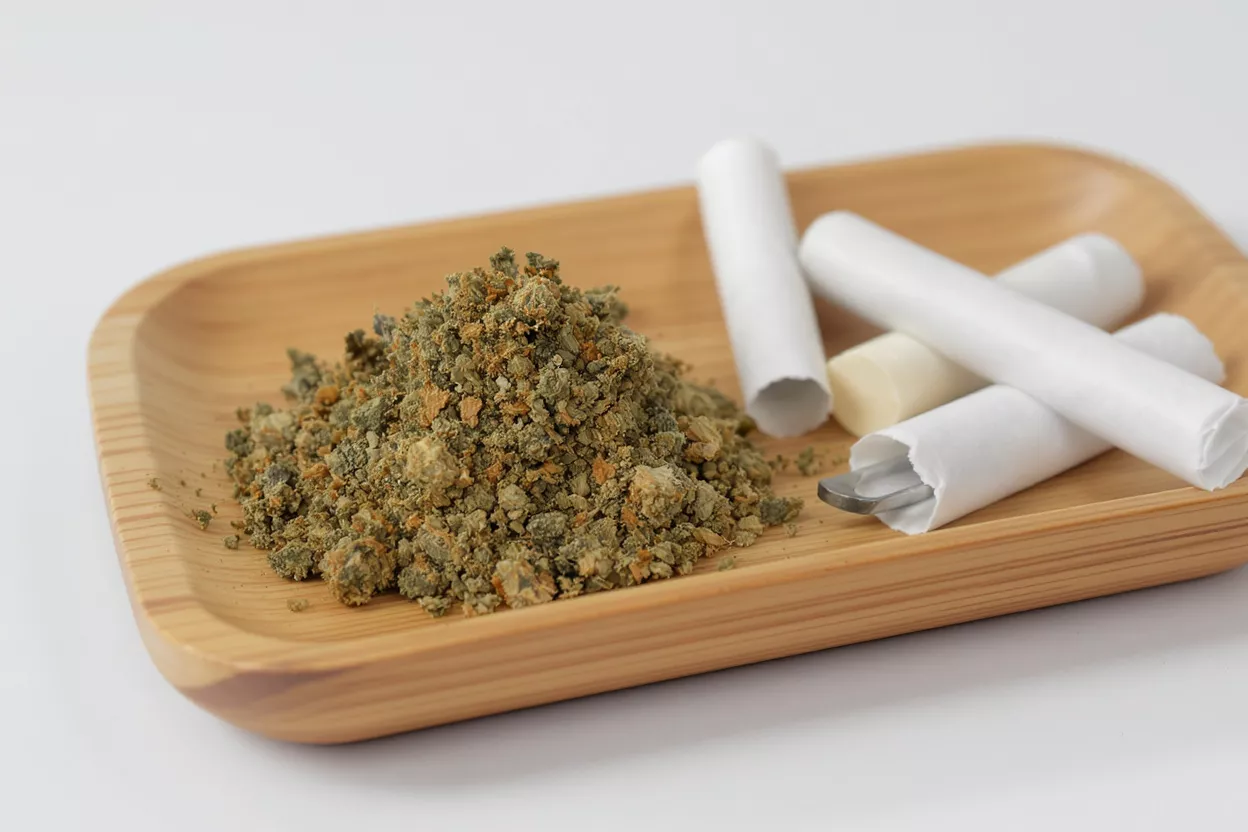
Types of Prerolls You Can Buy
Not all prerolls are built the same way, and the category has expanded well beyond a single joint in a tube. Knowing the main types helps you match a purchase to your situation, whether you want a quick solo session or something to pass around a group.
- 🌿 Standard single prerolls: One joint, usually 0.5g to 1g of flower, the most common and affordable option for casual use.
- 📦 Multi-packs: Several smaller prerolls, often 0.3g to 0.5g each, ideal for microdosing or sharing without committing to a full gram.
- 🔥 Infused prerolls: Flower enhanced with concentrate such as kief, distillate, or live resin for a stronger effect.
- 🍃 Strain-specific prerolls: Single-cultivar rolls that preserve a distinct terpene profile and predictable effect.
- 👑 Premium and king-size: Larger formats using top-shelf flower, often hand-rolled with cleaner papers and tighter packs.
The right type depends on tolerance, budget, and how you plan to consume. A solo smoker building tolerance might reach for an infused option, while someone hosting friends may prefer a multi-pack so everyone gets their own. Strain-specific rolls appeal to consumers who already know which cultivars suit them.
Price tends to track quality across these categories, but not always. Some budget multi-packs use perfectly good trim and shake, while a few overpriced singles coast on branding. Reading the label and knowing what is inside protects you from paying for marketing rather than flower.
What Are Infused Prerolls?
An infused preroll takes a standard joint and adds a concentrated form of cannabis to boost potency. The flower might be coated in kief, the inside dusted with distillate, or a core of live resin running through the centre like a wick. The result is a noticeably stronger experience than flower alone, which is why infused prerolls have become a favourite among higher-tolerance consumers.
Potency climbs fast with infusion. A typical flower preroll might test in the high teens to low twenties for THC percentage. Adding concentrate can push the effective potency well beyond that, sometimes doubling the punch of an equivalent amount of plain flower. If you are new to cannabis or have a low tolerance, an infused preroll is easy to overdo.
The type of concentrate used shapes both flavour and effect. Live resin infusions tend to preserve more of the original terpenes, delivering a richer taste, while distillate is nearly flavourless and mostly there for raw strength. Kief-coated joints land somewhere in between, adding potency while keeping much of the original flower character.
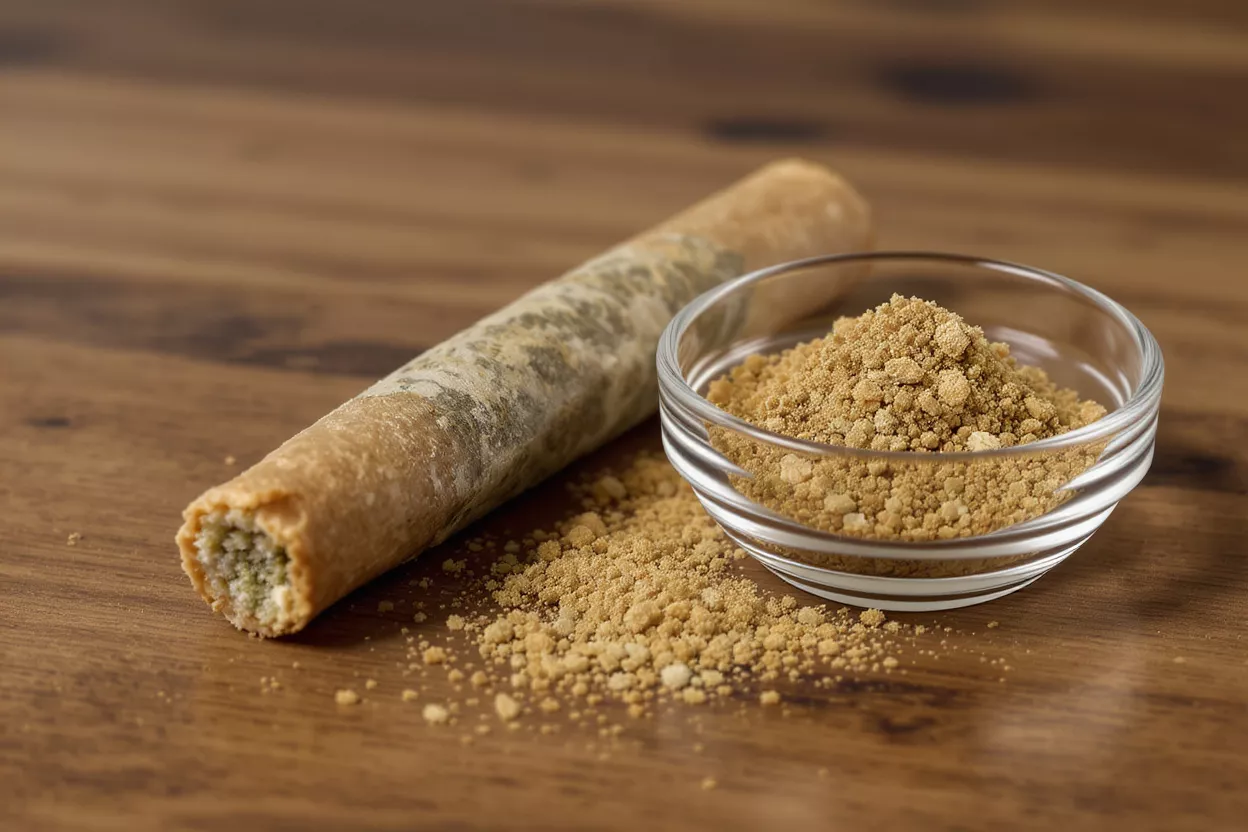
Preroll Benefits for Everyday Convenience
The single biggest draw of a preroll is convenience, and that benefit shows up in more ways than just skipping the rolling step. For people who smoke occasionally, buying a preroll means never owning equipment they rarely use. For frequent consumers, it means having something grab-and-go ready for a hike, a concert, or a quiet evening.
No learning curve required. Rolling a good joint is a genuine skill, and a poorly rolled one burns badly and wastes flower. Prerolls remove that barrier entirely, letting brand-new consumers enjoy the same quality session as someone who has been rolling for years.
Consistency is the underrated benefit. Because reputable producers pack each joint to a uniform weight, you know roughly how much you are consuming every time. That predictability makes it easier to manage your dose and avoid the guesswork that comes with eyeballing loose flower.
- ⏱️ Speed: Ready to smoke instantly, no grinding or rolling.
- 🎒 Portability: Sealed tubes travel well and protect the joint from getting crushed.
- ⚖️ Dose control: Known weight per joint makes consumption predictable.
- 💸 No equipment cost: Skip grinders, papers, and filters entirely.
- 🎁 Easy to share: Multi-packs let everyone have their own without dividing a stash.
How to Tell a Quality Preroll From a Filler-Packed One
The reputation of prerolls suffered for years because some producers used them to offload low-grade shake and stems. That stigma is fading as transparency improves, but it pays to know the signs of a quality roll versus one padded with filler. A few simple checks at the counter and at home tell you most of what you need to know.
Feel the pack before you light it. A good preroll feels evenly firm from tip to tip, with no soft hollow spots or rock-hard clumps. Gently rolling it between your fingers should reveal consistent density. If it feels lumpy or has loose powder rattling inside, the pack is uneven and the burn will suffer.
Check what the label discloses. Quality producers list the strain, the flower source, and the THC and CBD content. Vague labels that only say "indica" or "hybrid" with no cultivar name often signal blended trim rather than whole-flower buds. The more a brand tells you, the more confident they are in what is inside.
The burn itself is the final test. A well-made preroll burns slowly and evenly, leaving a tidy grey ash and a smooth cone of cherry. Constant relighting, rapid canoeing, or a harsh chemical taste are all signs of poor flower, a bad grind, or low-quality paper.
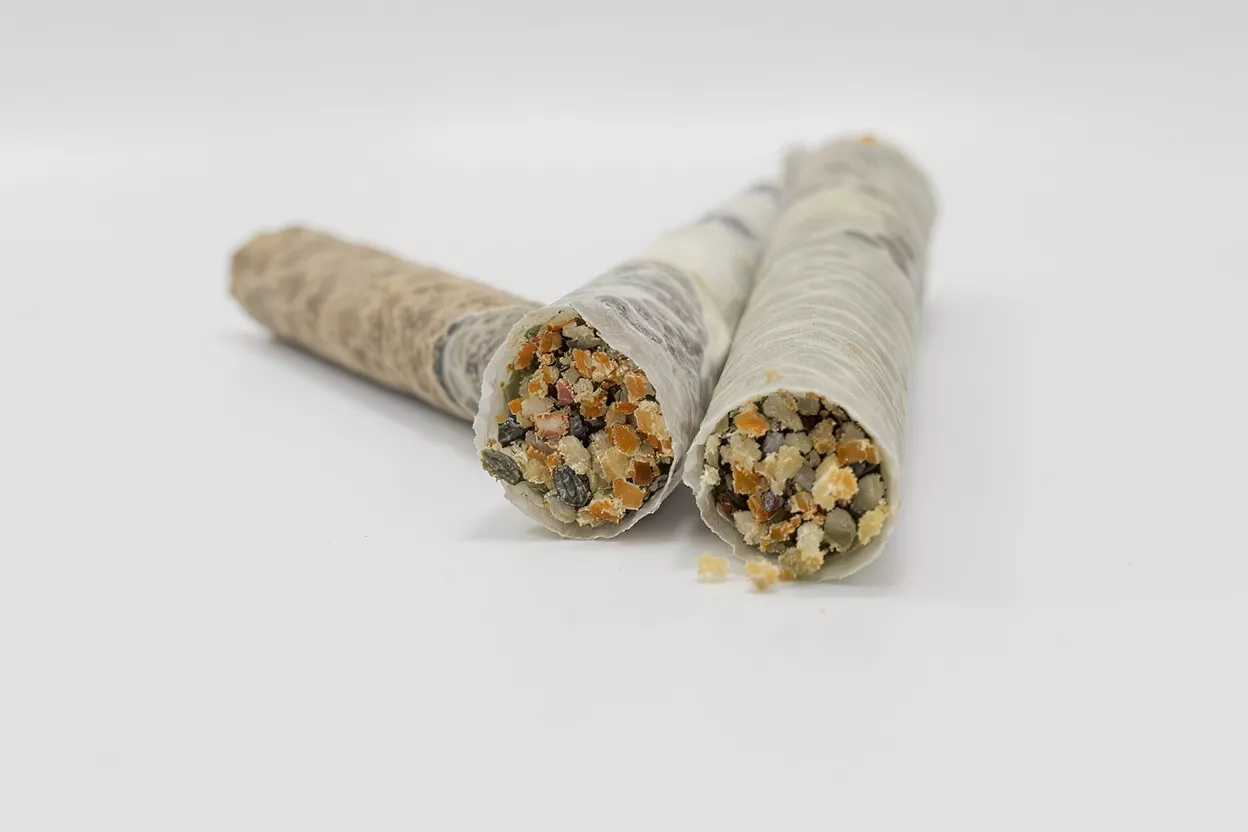
How to Store Prerolls So They Stay Fresh
A preroll is still dried flower, and like any flower it degrades when exposed to air, light, heat, and excess humidity. Proper storage keeps the cannabinoids and terpenes intact so the joint you saved for next week tastes and performs as well as the day you bought it.
Airtight and dark is the goal. The sealed tube most prerolls ship in is a decent start, but adding a small humidity pack inside an airtight container does even better for long-term storage. Keep the container somewhere cool and out of direct sunlight, since UV light breaks down THC faster than almost anything else.
Humidity is a balancing act. Too dry and the flower turns brittle, burns hot, and loses flavour. Too damp and you risk mould, which is never worth the gamble. A relative humidity around 58 to 62 percent keeps flower supple and smokable without inviting moisture problems.
- 🌑 Keep it dark: Store in opaque containers away from sunlight.
- ❄️ Stay cool: Room temperature or slightly below, never near heat sources.
- 💧 Control humidity: A two-way humidity pack holds the sweet spot.
- 🔒 Seal it up: Airtight containers stop terpenes from evaporating.
How to Light and Smoke a Preroll Properly
Lighting a preroll well is simple, but a few small habits make the difference between a smooth session and a harsh, uneven burn. Even the best-packed joint can smoke poorly if you rush the light or draw too aggressively at the start.
Toast the tip before you inhale. Hold the flame just below the end and rotate the joint slowly while drawing gentle, light puffs. This creates an even cherry around the entire tip rather than lighting one side, which prevents the canoeing that wastes flower down a single edge.
Take slow, measured draws rather than hard pulls. A preroll burns best with a steady airflow, and yanking on it overheats the cherry, scorches the flower, and turns the smoke harsh. Let the joint rest between puffs so it burns at its own pace instead of running hot.
When you reach the last stretch near the crutch, the smoke gets warmer and stronger as resin collects toward the tip. Many smokers stop here, while others appreciate the concentrated final draws. Either way, let the joint cool fully before tossing it to avoid any lingering ember.
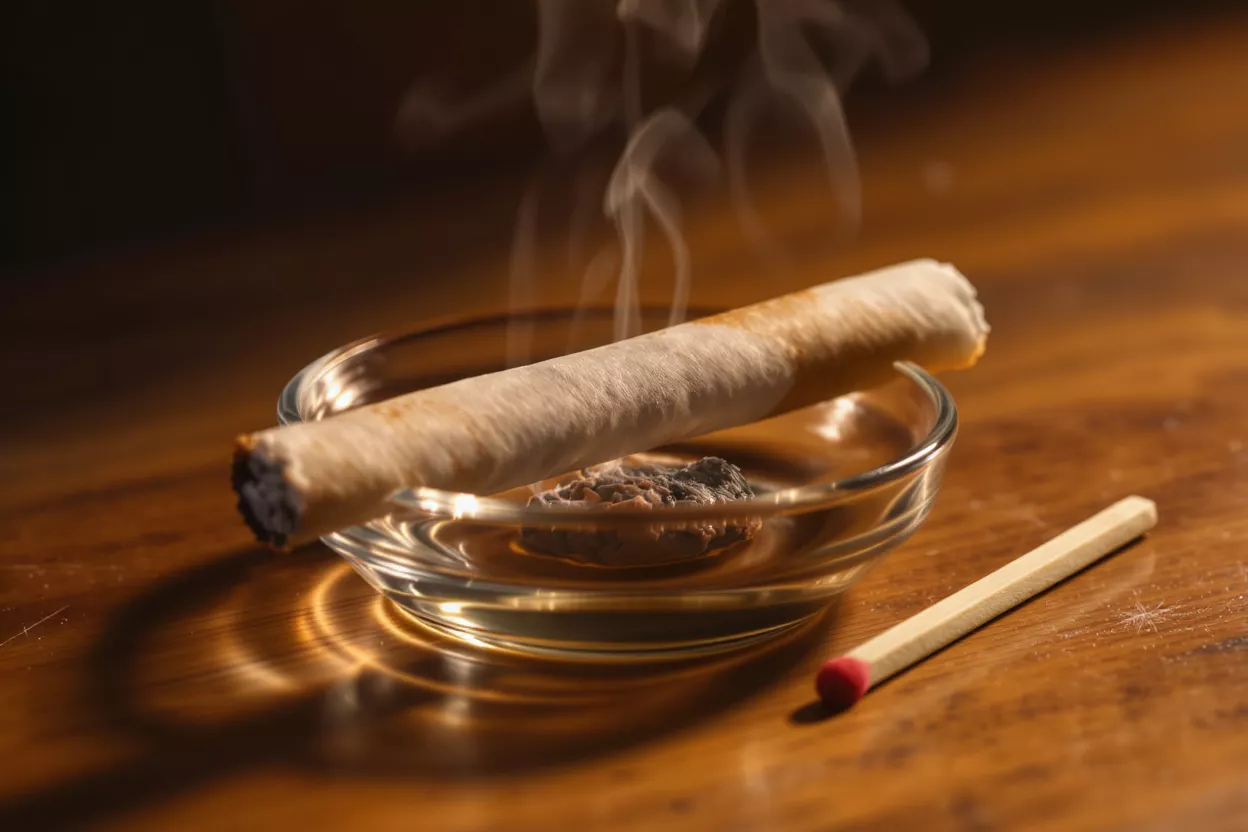
Are Prerolls Worth It Compared to Rolling Your Own?
The honest answer depends on what you value. Rolling your own from loose flower is almost always cheaper per gram and gives you total control over strain, grind, and pack. If you smoke daily and enjoy the ritual, building your own joints saves money over time and rewards the effort with a personalized session.
Convenience has a real price, and sometimes it is worth paying. Prerolls cost more per gram than buying flower in bulk because you are paying for labour, packaging, and consistency. For occasional consumers, travellers, or anyone who never mastered rolling, that premium buys a hassle-free experience that loose flower cannot match.
There is also a middle path worth considering. Plenty of consumers keep flower at home for everyday use and reach for prerolls when they want something portable, shareable, or simply effortless. The two formats are not rivals so much as tools for different moments, and most regular smokers end up using both.
- ✅ Choose prerolls when: You want speed, portability, or you do not roll well.
- ✅ Choose loose flower when: You smoke often and want the lowest cost per gram.
- ✅ Use both when: You value home savings but want grab-and-go options too.
Common Preroll Questions Answered
How long does a preroll last once opened? An opened preroll stays good for several weeks if you return it to a sealed container with stable humidity. The flavour and potency slowly fade with air exposure, so smoking it within a couple of weeks gives the best experience.
Can you put out a preroll and relight it later? Yes. Tap out the cherry gently, let it cool, and store the remainder in an airtight container. The relit joint may taste slightly stronger and more resinous, but it is perfectly usable for a second session.
Are infused prerolls too strong for beginners? They can be. Because added concentrate pushes potency well above standard flower, new consumers should start with a small puff and wait before continuing. A plain flower preroll is the gentler entry point for anyone still finding their tolerance.
The preroll has earned its place as one of the most practical ways to enjoy cannabis. It trades a small price premium for genuine convenience, consistent dosing, and zero equipment, while modern producers have largely shed the old reputation for filler-packed junk. Whether you reach for a simple single, a strain-specific roll, or a potent infused option, knowing how prerolls are made, stored, and smoked lets you buy with confidence and get the most from every joint.

Comments