

Private reserve
Discover what private reserve cannabis really means, how it's grown, and why it costs more.
What Is Private Reserve Cannabis
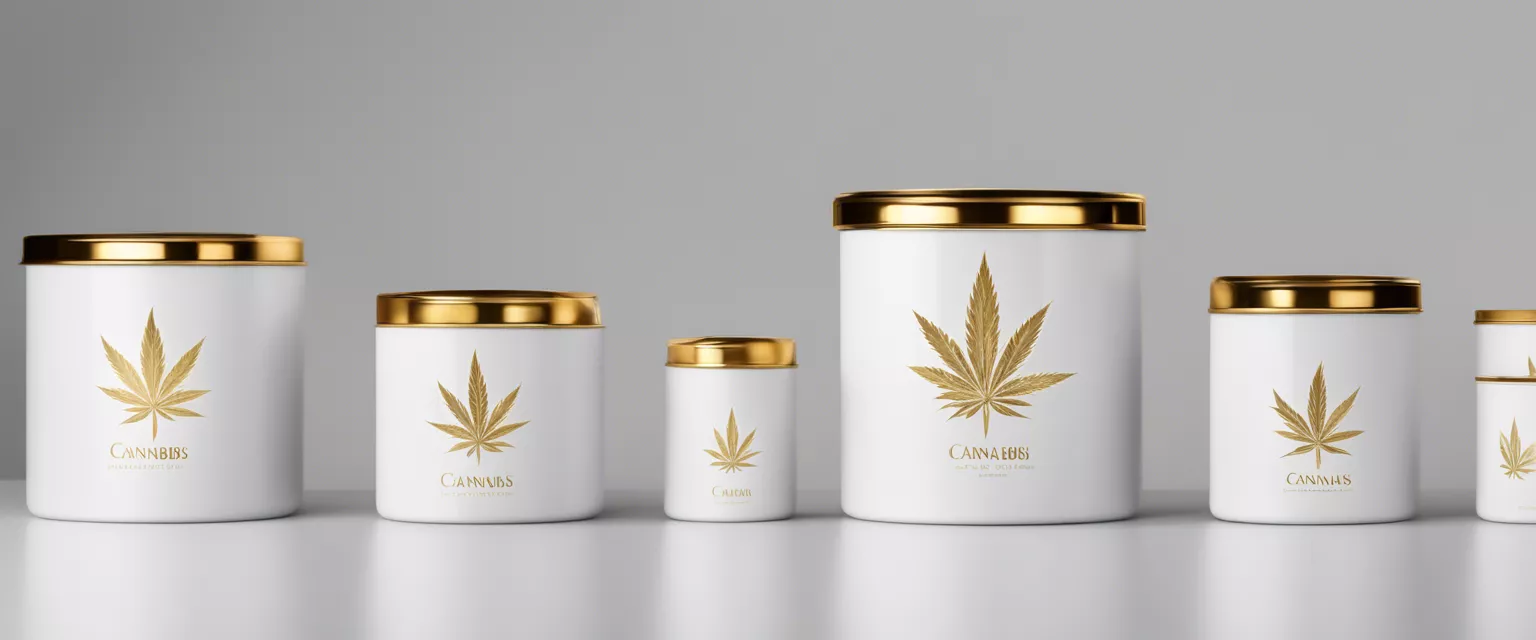
Private reserve is a designation that sits at the very top of the cannabis quality pyramid, reserved for flower that growers consider their finest expression of a given cultivar. The term borrows its prestige from the wine and spirits world, where a private reserve bottling represents the producer's best barrels held back from general release. In cannabis, it signals small-batch flower grown with meticulous attention, hand-trimmed, slow-cured, and frequently distributed only to a handful of trusted dispensaries.
The label is not legally regulated, which means its meaning depends heavily on the integrity of the cultivator using it. Reputable growers apply the private reserve tag to lots that genuinely outperform their standard harvests in terpenes, potency, and visual appeal. Less scrupulous sellers occasionally borrow the phrase as marketing gloss, which is why understanding the real markers of quality matters more than the words printed on the jar.
Where the term comes from: Cannabis culture has long mirrored the language of fine connoisseurship, and "private reserve" entered the lexicon as legacy growers began setting aside their most impressive phenotypes. These were the plants kept out of the bulk market, shared first with close friends and later with discerning patients who recognized the difference. The phrase carries that heritage of selectivity and pride into the modern regulated market.
How Private Reserve Strains Are Cultivated
Cultivating private reserve flower begins long before harvest, often with proprietary genetics that a grower has bred and stabilized over multiple generations. These in-house cultivars are selected for traits like dense bud structure, vivid coloration, robust trichomes coverage, and a distinctive terpene profile that cannot be replicated by competitors working from common seed stock.
Small-batch growing methods: Private reserve crops are typically grown in tightly controlled environments where light, humidity, airflow, and feeding schedules are dialed in for each phenotype. Many cultivators favor living soil or hand-watered hydroponic systems that prioritize flavor and resin production over raw yield. Because the goal is quality rather than volume, plant counts stay low and each plant receives individual attention through its life cycle.
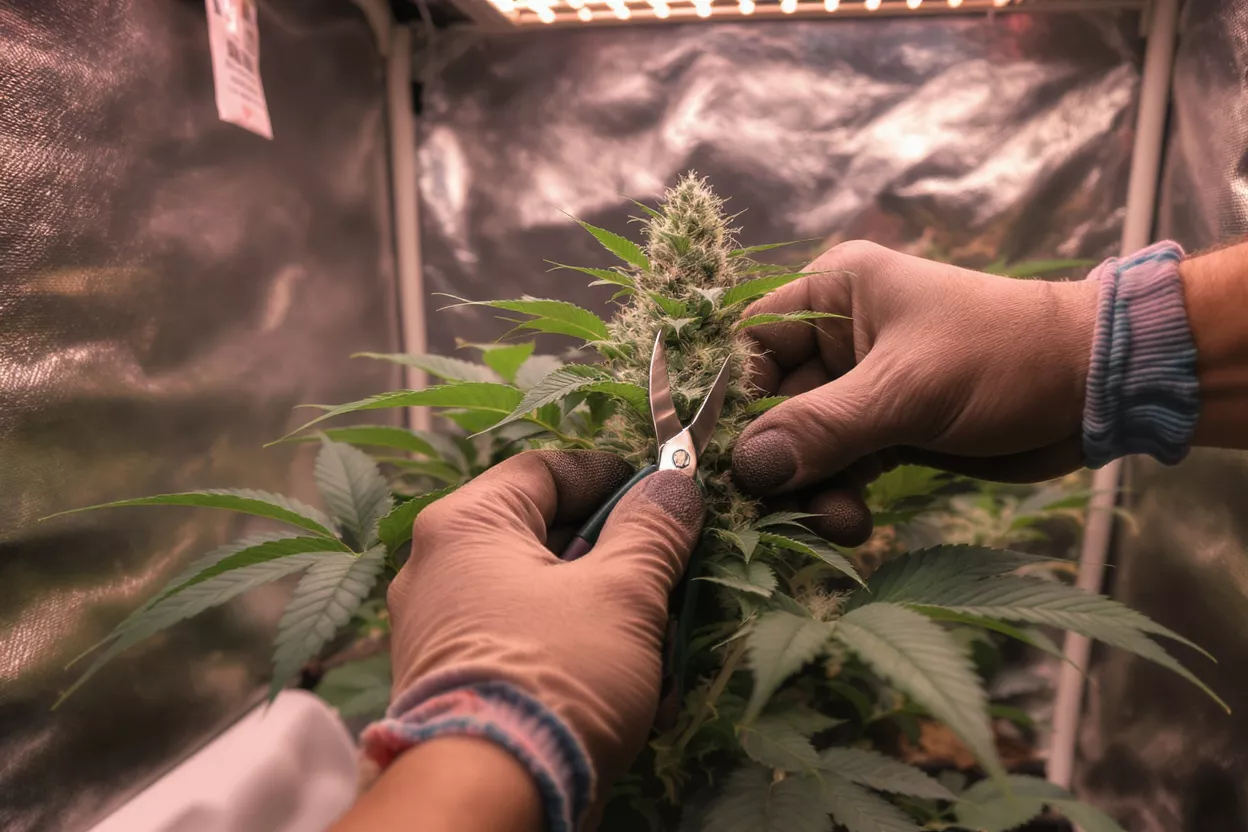
The finishing stages separate private reserve from ordinary flower more than anything else. Buds are hand-trimmed to preserve delicate trichome heads, then slow-cured in controlled conditions for weeks or months. This patient curing process breaks down residual chlorophyll, smooths harshness, and allows the full terpene bouquet to develop, producing the kind of nuanced aroma that defines a premium product.
What Makes Private Reserve Different From Top Shelf
Dispensary menus often use "top shelf" and "private reserve" interchangeably, but they are not the same thing. Top shelf describes the best tier of widely available flower a shop stocks, while private reserve implies something rarer: a limited release that may never be repeated and is held to an even higher standard of selection.
The practical difference shows up in consistency and exclusivity. Top shelf flower is produced at scale to keep shelves filled month after month, which requires compromises in pheno-hunting and batch selection. Private reserve, by contrast, represents a grower cherry-picking the standout lot from an entire harvest, sometimes a single room or even a single table of plants that simply turned out better than the rest.
How to read the distinction on a menu: When a budtender points to a private reserve offering, ask what makes it different from the standard top shelf option beside it. Honest answers reference specific traits like batch size, cure time, or a rare phenotype. Vague answers that lean only on the name suggest the label is doing more work than the flower behind it.
Types of Private Reserve Strains
Private reserve is a quality tier rather than a strain category, so it spans the full spectrum of cannabis genetics. What unites these offerings is the level of care behind them, not their lineage. Still, certain types tend to appear in private reserve collections more often because they reward the extra attention.
- 🌿 Heirloom landrace lines: Pure indica and sativa cultivars preserved from their regions of origin, prized for genetic stability and unique terpene signatures.
- 💎 Exclusive proprietary hybrids: In-house crosses that a single cultivator has bred and kept off the open market, making them impossible to find elsewhere.
- 🏆 Award-winning phenotypes: Cup-winning selections grown in micro-batches to showcase the traits that earned the recognition.
- 🔬 High-terpene rare cuts: Phenotypes selected specifically for unusual aromatic profiles that mainstream production lines rarely capture.
Because the designation is about execution, a humble classic like a well-grown hybrid can earn private reserve status if a grower treats it with enough care. The genetics set the ceiling, but cultivation technique determines whether the flower actually reaches it.
This is why two dispensaries can both sell the same named strain at wildly different quality levels. One may source a bulk version grown for yield, while the other secures a private reserve cut grown for flavor and potency, and the experience in the jar tells the whole story.
Private Reserve Quality Markers to Look For
Learning to evaluate flower yourself protects you from paying premium prices for ordinary product wearing a fancy label. The hallmarks of genuine private reserve are observable with your eyes, nose, and hands, no marketing required.
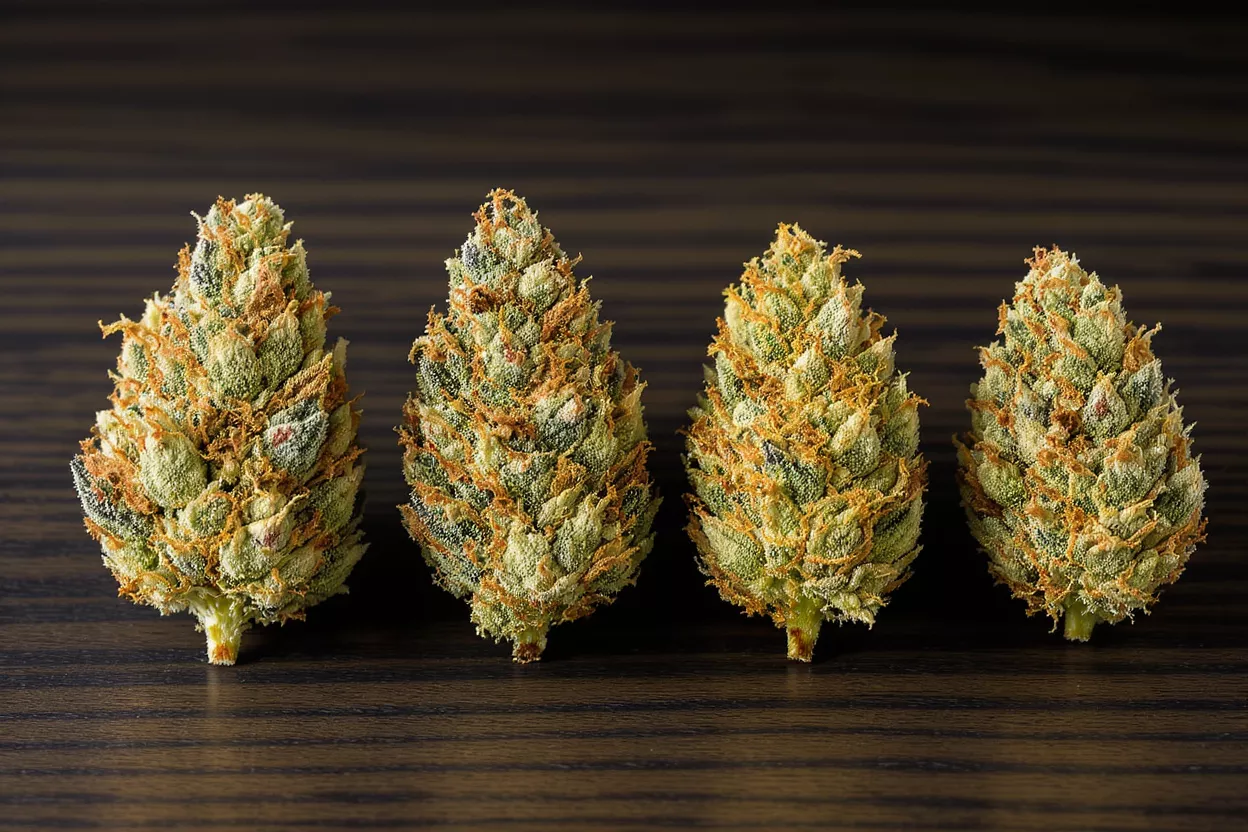
Visual and aromatic cues: Authentic private reserve flower displays a thick frosting of trichomes that catches light, vibrant color that may include deep purples or bright oranges, and tight, well-manicured bud structure free of excess leaf. The aroma should be loud and complex, hitting you the moment the jar opens with notes that match the strain's reputation.
- 👀 Trichome density: A heavy, crystalline coating signals careful growing and proper harvest timing.
- 👃 Aromatic intensity: Bold, layered scent indicates a well-preserved terpene profile from a slow cure.
- ✋ Sticky texture: Properly cured buds feel slightly tacky and spring back when gently squeezed, never crumbly or wet.
- ✂️ Tight trim: Clean, close hand-trimming reflects the labor that separates reserve flower from bulk harvests.
Trust your senses over the price tag. A jar that looks dull, smells faint, or feels brittle is not living up to the private reserve name no matter what the menu claims, and recognizing this saves both money and disappointment.
Private Reserve vs Craft Cannabis
The terms private reserve and craft cannabis overlap considerably, and many products qualify as both, but they emphasize different ideas. Craft cannabis describes a production philosophy centered on small-scale, artisanal growing, while private reserve describes a selection standard applied to the resulting flower.
A craft grower might harvest several batches and label only the best one as private reserve, treating it as the crown jewel of their lineup. In that sense, private reserve can be thought of as the top expression within a craft operation, the lot the cultivator is proudest to put their name on.
Why the distinction matters for buyers: Understanding the difference helps you set expectations. Craft cannabis signals a commitment to quality across an entire brand, while a private reserve tag points you toward the single standout offering at any given moment. When both labels appear together, you are usually looking at a thoughtfully grown, carefully selected product worth trying.
Why Private Reserve Costs More
The premium price attached to private reserve flower reflects real costs rather than pure markup. Every step that elevates the product, from low plant counts to extended cure times, reduces efficiency and increases labor, and those expenses flow through to the final price.
The economics of small-batch quality: Growing for quality instead of yield means fewer grams from the same square footage. Hand-trimming consumes hours that machine trimming would shave to minutes. Curing for months ties up climate-controlled space that could otherwise turn over multiple crops. Each of these choices sacrifices volume in pursuit of excellence.
Exclusivity adds another layer to the cost. When a grower releases only a few pounds of a proprietary cut, scarcity itself commands a premium, much the way a limited bottling does in the wine world. For consumers who value the experience, the higher price buys a product that simply cannot be obtained at commodity scale.
How to Store Private Reserve Flower
Investing in premium flower only pays off if you preserve it properly after purchase. Private reserve buds carry a delicate terpene profile that degrades quickly under poor storage, so a little care protects the quality you paid for.
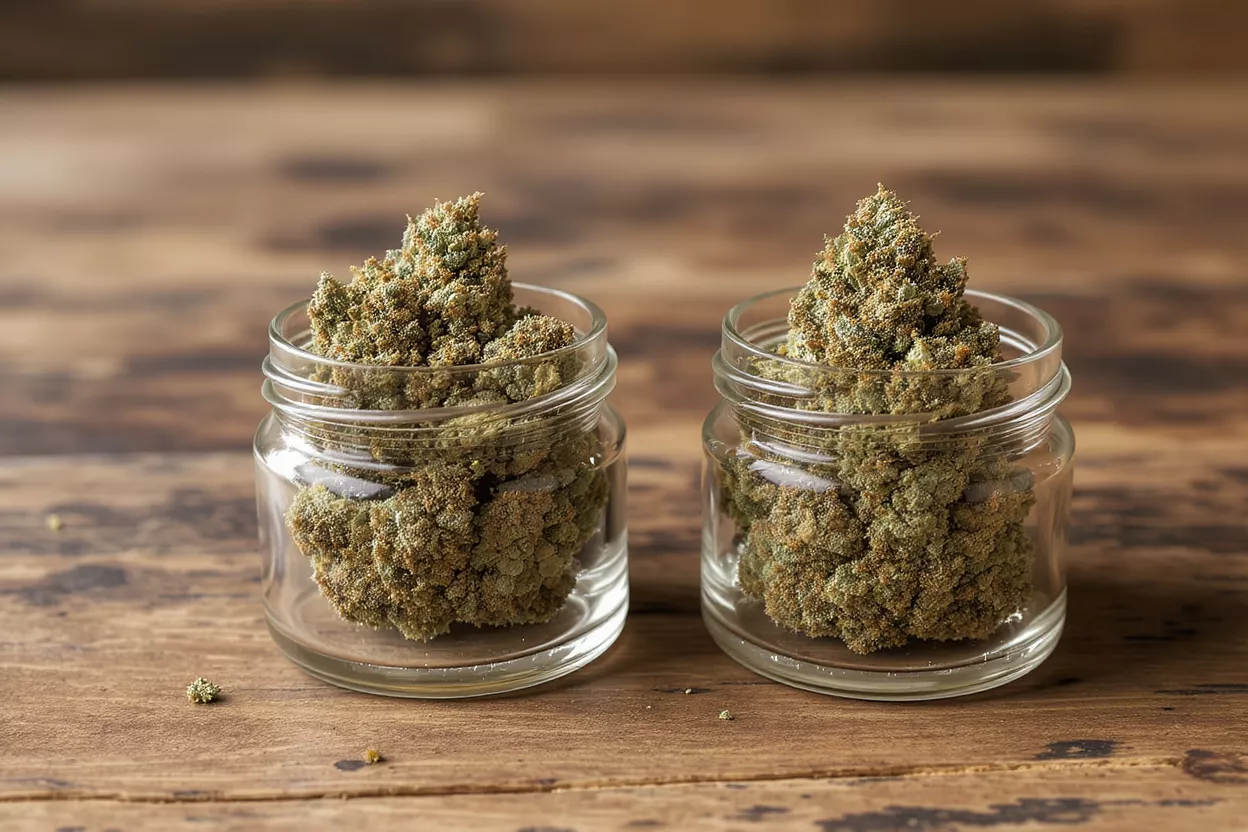
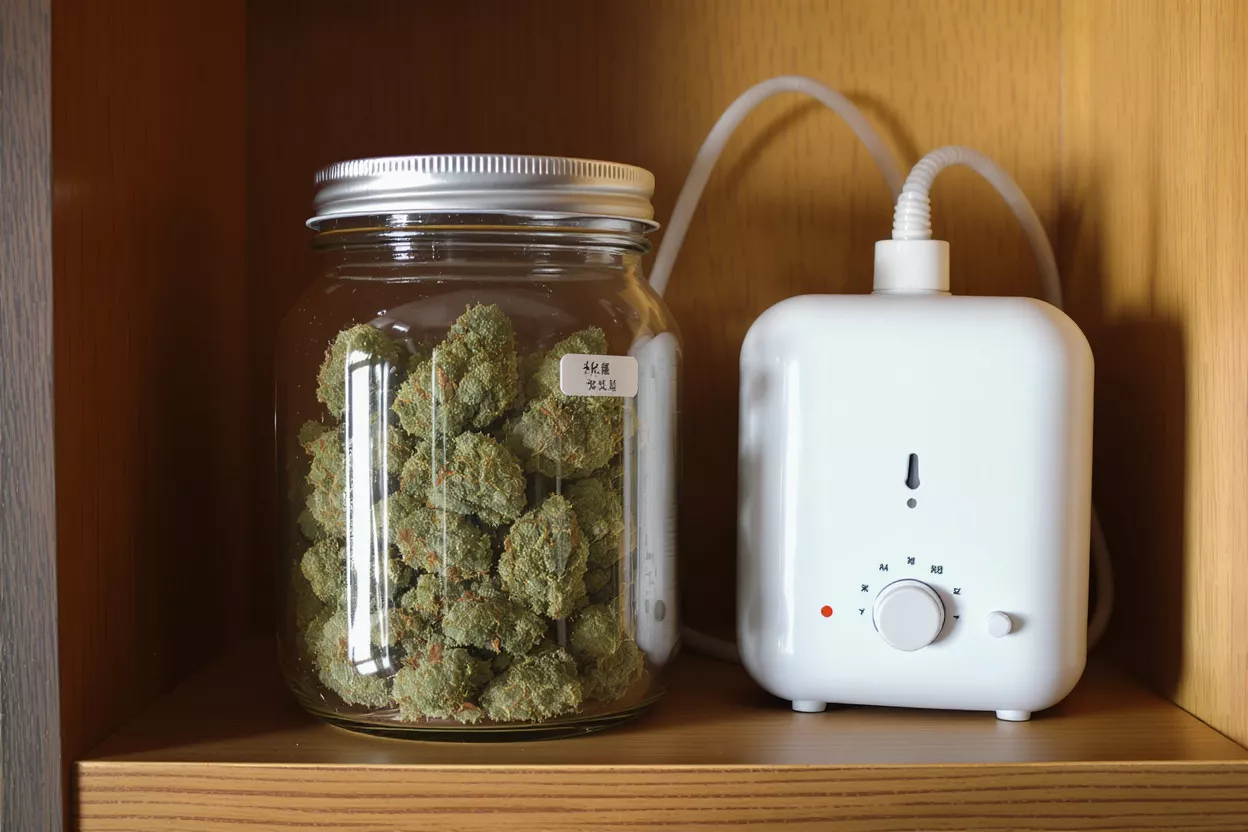
- 🫙 Airtight glass: Store flower in sealed glass jars rather than plastic, which can leach and create static that strips trichomes.
- 🌡️ Cool and dark: Keep jars away from heat and light, both of which accelerate cannabinoid and terpene breakdown.
- 💧 Humidity control: Use a two-way humidity pack to hold relative humidity near 60 percent for an ideal cure.
- 🚫 Avoid the fridge: Cold, fluctuating refrigerator conditions invite moisture and harm delicate resin.
How long private reserve stays fresh: Stored well, premium flower retains peak character for six months to a year before slowly fading. The terpenes are the first thing to go, which is why airtight, cool, dark storage matters so much for a product chosen largely for its aroma and flavor.
Handle the buds gently and only when ready to consume. Every time you open the jar and touch the flower, you knock loose trichomes and let in fresh air, so minimize handling to keep your private reserve performing at its best.
Is Private Reserve Worth It
Whether private reserve justifies its price depends on what you value in your cannabis experience. For consumers who prioritize flavor, aroma, and a smooth, nuanced effect, the upgrade is often noticeable and meaningful. For those focused purely on potency or value per gram, standard top shelf may serve just as well.
Who benefits most from private reserve: Connoisseurs and flavor-focused users gain the most, since the slow cure and careful selection deliver aromatic complexity that bulk flower rarely matches. Patients seeking a specific, well-preserved terpene profile for therapeutic reasons also benefit from the consistency a careful grower provides.
The honest answer is that private reserve is a treat rather than an everyday necessity for most people. Trying it at least once builds your palate and gives you a reference point for judging quality elsewhere, which makes you a sharper, more confident buyer across the entire menu.
Choosing Private Reserve at a Dispensary
Walking into a dispensary armed with knowledge turns the private reserve shelf from a marketing puzzle into an opportunity. The goal is to verify that the premium label matches premium reality before you commit your money.
Questions worth asking a budtender: Inquire about batch size, cure time, the grower behind the flower, and whether you can smell the product before buying. Confident, specific answers signal a shop that stocks genuine private reserve, while evasiveness suggests the label may be doing more selling than the flower deserves. A reputable dispensary welcomes these questions and often shares testing data on cannabinoid and terpene content.
In the end, private reserve represents cannabis at its most carefully crafted, a category built on selection, patience, and pride rather than scale. By learning the real markers of quality, understanding why the price runs higher, and storing your flower with care, you can decide for yourself when the premium is worth paying and enjoy the finest expressions the plant has to offer with full confidence.

Comments