

Re-up
Learn what re-up means in cannabis culture and when to restock your supply.
What Does Re-up Mean in Cannabis
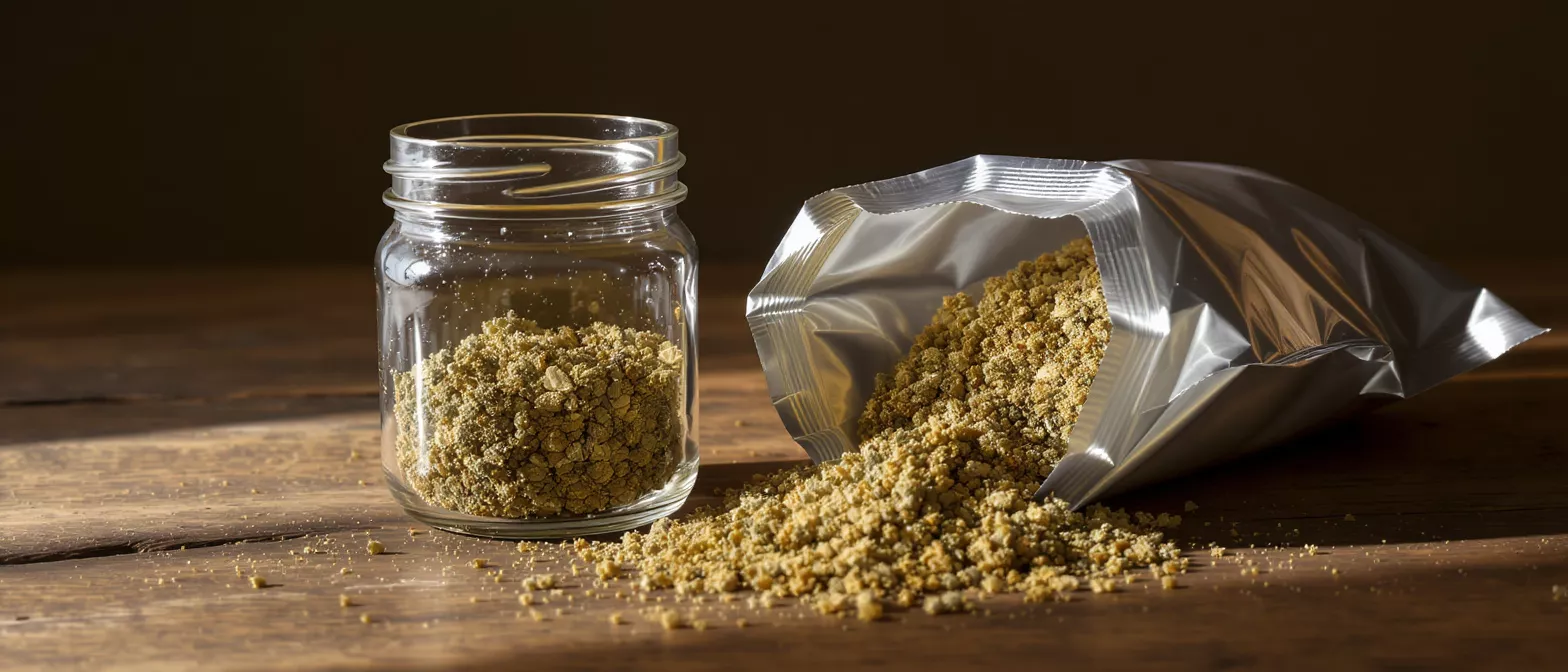
To re-up simply means to restock your cannabis supply once it has run low or run out. The phrase has traveled far beyond its street-level origins and now lives comfortably in dispensary chatter, group texts, and delivery app order histories. When someone says they need to re-up, they mean it's time to buy more weed and refill the inventory they've worked through.
The term is intentionally casual. It carries none of the formality of "purchasing additional product," yet everyone in the cannabis world understands exactly what it signals. A re-up is the recurring rhythm of consumption: you buy, you enjoy, your jar empties, and you head back for more. For regular consumers, the re-up cycle becomes almost subconscious, a quiet habit woven into daily or weekly life.
Why the word matters today is that legalization has reshaped how people talk about cannabis without erasing the slang that gives the culture its texture. Re-up bridges the old world and the new — you might use it whether you're calling a legacy connect or tapping "reorder" on a licensed retailer's website. It's a small word with a long history that still does real work in everyday conversation.
Where Did the Term Re-up Come From
The roots of re-up stretch back through decades of street and hustle vocabulary, where "up" referred to fronting capital or putting money down to acquire goods for resale. To re-up was to reinvest in fresh inventory after selling through a previous batch. The phrase appeared widely in music, film, and urban dialect long before cannabis became a legal retail category.
As the term migrated into mainstream consumer use, its meaning softened. It shed the dealer-to-dealer connotation and became something an ordinary person could say about their own personal supply. Today a casual user re-upping a quarter ounce carries no commercial implication at all — they're just buying more for themselves.
Slang that survived legalization is a fascinating subset of cannabis language. Words like re-up endured because they're efficient and culturally resonant. Even as terms like eighth and dispensary entered everyday speech, the slang vocabulary kept its grip because it expresses something the clinical language can't quite capture.
How Re-up Works in Everyday Cannabis Use
The re-up process is straightforward, but it looks different depending on how you shop. A dispensary customer might re-up in person, browsing the menu and chatting with a budtender about new arrivals. An online shopper might re-up by reordering a tried-and-true product with a couple of clicks. Either way, the underlying action is identical: replenishing a supply that's been consumed.
For many consumers, the re-up is also a moment of decision. Do you repurchase the same strain you loved last time, or do you experiment with something new? This is where re-upping becomes more than a transaction — it's an opportunity to refine your preferences and discover products that suit your evolving tastes.
Tracking your consumption rate makes the re-up cycle far more predictable. If you know roughly how long an eighth lasts you, you can anticipate when you'll need to restock and avoid the frustrating gap of running out unexpectedly. Many regular consumers naturally develop this internal calendar, sensing when a re-up is approaching before the jar is even empty.
Signs It's Time to Re-up Your Stash
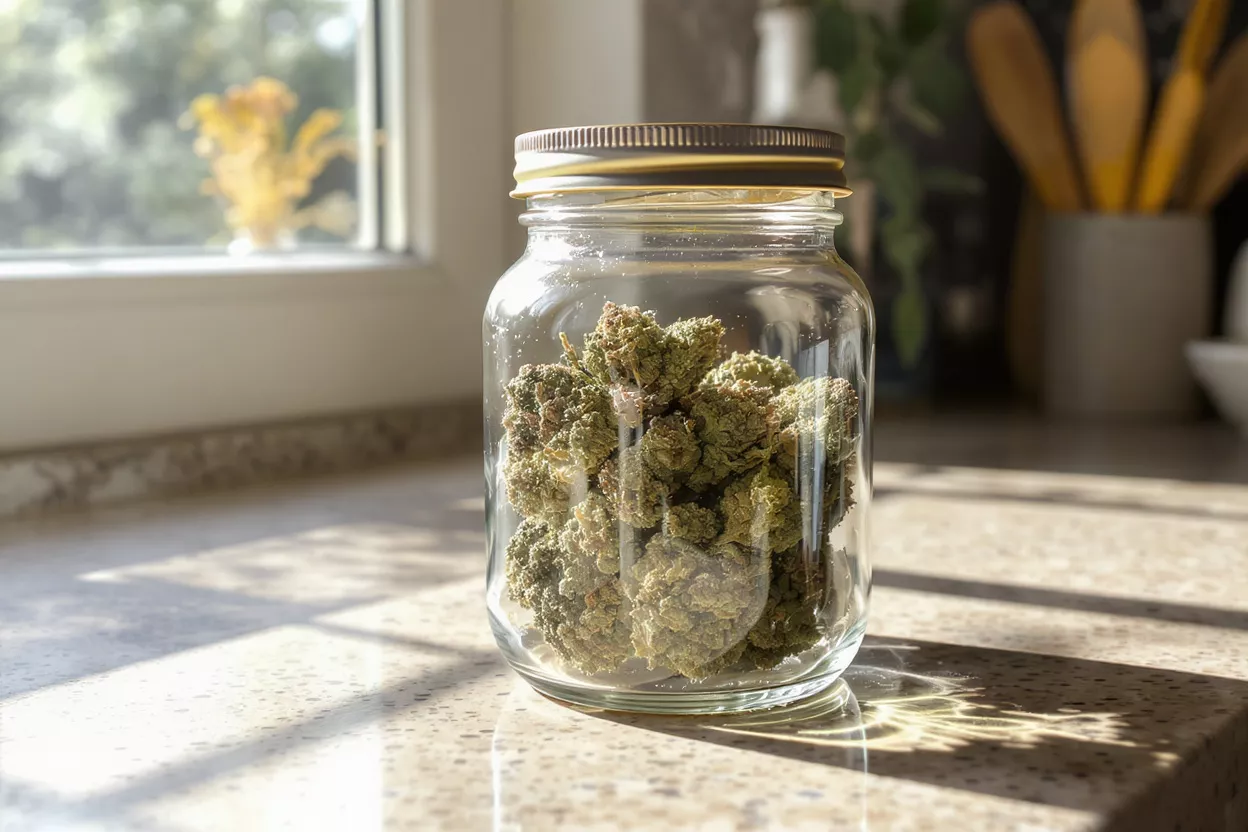
Knowing when to re-up is partly intuition and partly observation. The most obvious sign is simply running low, but seasoned consumers learn to read subtler cues before they hit empty. Planning your re-up a little early prevents the awkward dry spell that can throw off a wellness routine or a relaxing weekend.
Here are the common signals that it's time to restock:
- 🫙 Low jar: Your container is down to shake, stems, or a couple of small nugs rattling around the bottom.
- 📅 Routine timing: You've hit the point in your usual cycle when supplies typically run thin.
- 🎉 Upcoming plans: A weekend, gathering, or trip is coming up and you want to be stocked ahead of time.
- 💰 A good deal: Your retailer is running a promotion worth taking advantage of before you're forced to buy at full price.
- 🔄 Variety craving: You're bored of your current product and ready to rotate something fresh into the lineup.
The "never run out" approach is a habit many experienced users adopt, re-upping when they're roughly a quarter of the way through their current supply rather than waiting for the last crumb. This buffer keeps the gap between batches comfortable and gives you time to shop deals rather than buy in a rush.
How to Re-up Without Overspending
Re-upping frequently can quietly add up, so smart shoppers build a strategy around their restocking habits. The goal is to keep a steady supply without paying premium prices every single time. A little planning around timing and quantity makes a meaningful difference over the course of a year.
Loyalty programs, bulk discounts, and seasonal promotions are your best allies. Many retailers reward repeat customers, and timing your re-up around a sale can shave a noticeable amount off your total. Pairing your reorder with a deal turns a routine restock into a genuine saving opportunity.
Comparing price per gram is the single most useful habit for value-conscious consumers. Larger quantities almost always cost less per gram, so if you consume regularly and store properly, sizing up your re-up can stretch your budget considerably. Just be honest about how much you'll realistically use before quality starts to fade.
Re-up vs Stocking Up: What's the Difference
Re-up and stocking up are related but distinct ideas. A re-up is a routine replenishment — replacing what you've used in your normal cycle. Stocking up is a deliberate decision to buy more than usual, building a reserve that lasts well beyond your typical timeframe.
Both have their place. Re-upping keeps your supply fresh and lets you adjust your choices frequently, while stocking up offers convenience and often better bulk pricing. The right approach depends on your consumption habits, storage setup, and how much variety you enjoy.
- 🔁 Re-up: Smaller, frequent purchases that keep product fresh and let you rotate strains often.
- 📦 Stock up: Larger, occasional buys that maximize bulk value and minimize trips to the store.
- ⚖️ Hybrid: Keep a stable staple in larger quantity while re-upping smaller amounts of variety products.
Freshness as a deciding factor often tips the scale toward frequent re-ups for flower lovers. Cannabis quality degrades over time even under good storage, so buying what you'll actually use in a reasonable window keeps every session at its best.
Best Products to Keep on Hand When You Re-up
A thoughtful re-up isn't just about replacing one item — it's a chance to round out your stash. Many consumers keep a small range of products on hand so they can match the moment, whether that's a quick daytime session or a slow evening wind-down. Re-upping with variety in mind keeps your options open.
Dried flower remains the staple for most people, but edibles, vapes, and concentrates each fill a different niche. A well-stocked rotation lets you choose the right format for the occasion without scrambling. Consider what gaps exist in your current supply before you place your next order.
Here's a quick guide to what's worth keeping in your rotation:
- 🌿 Flower: The versatile core of any stash, ideal for those who enjoy the ritual of grinding and rolling.
- 🍬 Edibles: Discreet, long-lasting, and convenient for consistent dosing without any smoke.
- 💨 Vapes: Fast-acting and portable, perfect for on-the-go moments and precise control.
- 🍯 Concentrates: Potent options like shatter for experienced consumers seeking maximum strength.
- 🧴 Accessories: Papers, grinders, and fresh batteries that keep your gear ready when you re-up.
How to Store Cannabis After You Re-up
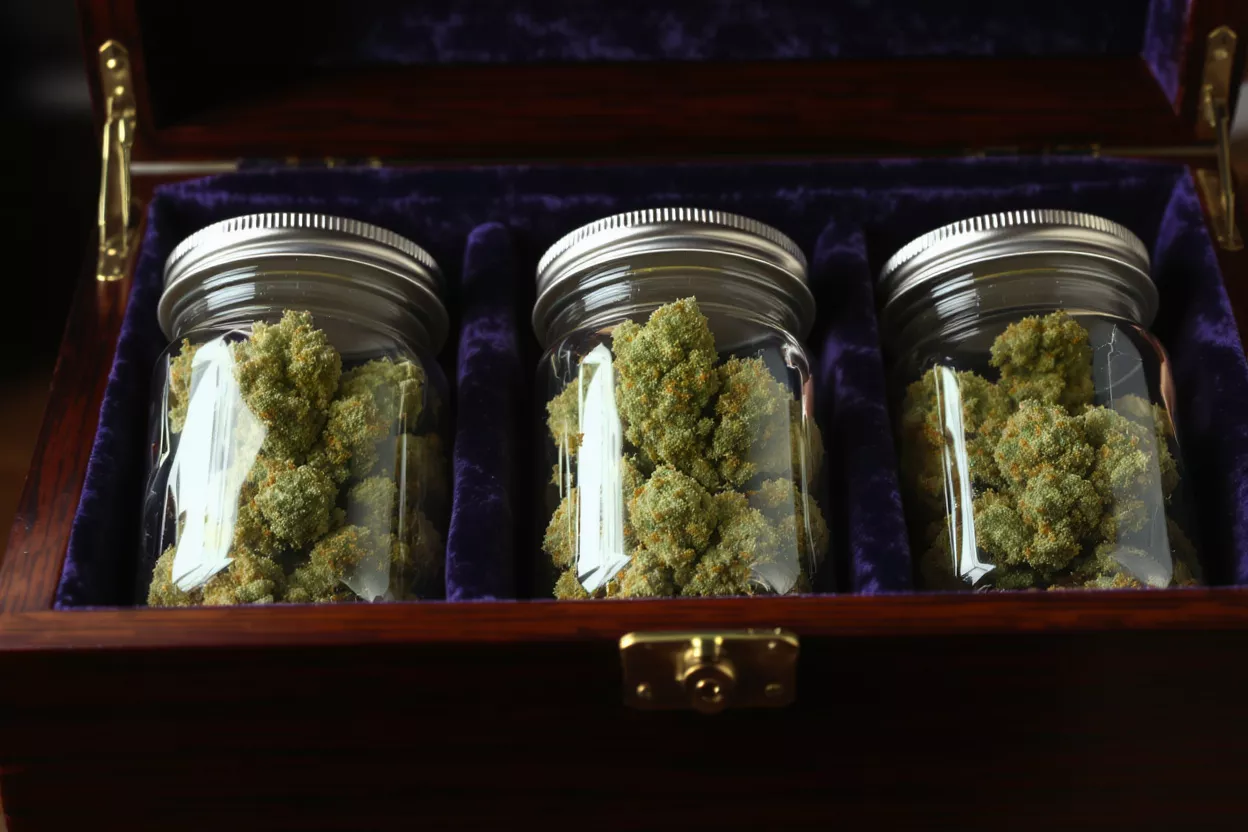
A fresh re-up is only worth it if you preserve its quality. Proper storage protects the terpenes, potency, and aroma that make cannabis enjoyable, and it can extend shelf life considerably. The moment you bring product home is the moment good storage habits start paying off.
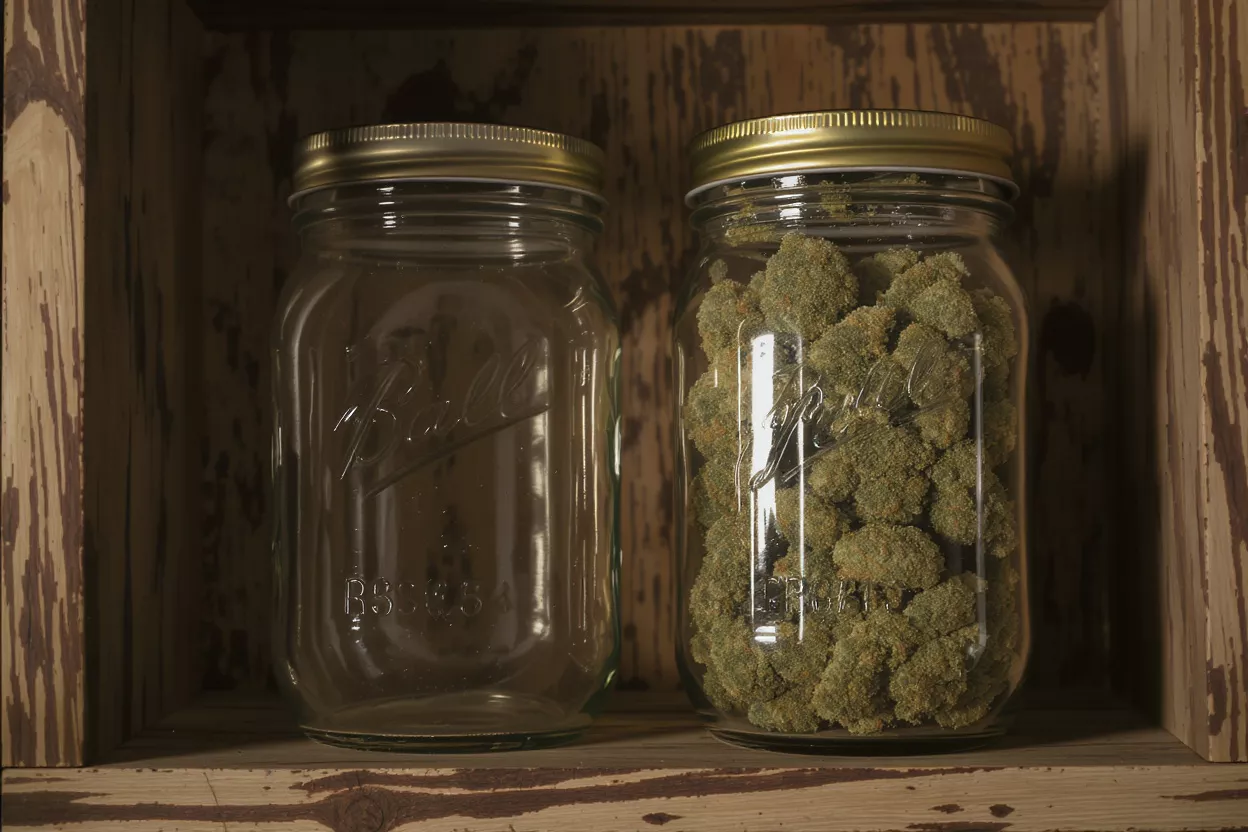
The enemies of stored cannabis are light, heat, air, and excess humidity. Airtight glass containers kept in a cool, dark place are the gold standard, and humidity packs help maintain the ideal moisture level that keeps flower from drying out or developing mold.
Why storage matters more after a big re-up is simple math: the more you buy at once, the longer some of it sits before you use it. If you stocked up rather than doing a small re-up, dialing in your storage becomes essential to protect that investment from slowly degrading on the shelf.
Common Mistakes People Make When They Re-up
Even experienced consumers fall into predictable traps when they restock. The most common is waiting too long, then buying in a panic without comparing prices or considering quality. A rushed re-up tends to be an expensive and uninspired one.
Another frequent misstep is over-buying perishable formats. Flower and certain edibles have a finite window of peak quality, so purchasing far more than you'll reasonably use means watching part of your stash fade. Matching quantity to genuine consumption is the mark of a savvy buyer.
Ignoring new options is a subtler mistake worth avoiding. Re-upping the exact same product every time is comfortable, but the cannabis market evolves constantly, with new strains and formats arriving regularly. Treating each re-up as a small chance to explore keeps your experience fresh and helps you discover products you might love even more than your old standby.
Is It Better to Re-up Often or Buy in Bulk
The eternal question for regular consumers comes down to freshness versus convenience. Frequent re-ups keep your product at its peak and let you stay flexible, rotating strains and adapting to your mood or needs. The trade-off is more trips and potentially higher per-gram costs without bulk discounts.
Buying in bulk, on the other hand, rewards you with better pricing and fewer shopping sessions, which appeals to high-volume consumers and anyone who values stocking a reliable staple. The catch is the responsibility of proper storage and the risk of quality fading if you overestimate how much you'll use.
For most people, a hybrid strategy wins. Keep a trusted staple in larger quantity for everyday use, then re-up smaller amounts of variety products to satisfy curiosity and keep things interesting. This balance captures the savings of bulk buying alongside the freshness and flexibility of frequent re-ups — the best of both worlds for anyone who enjoys cannabis as part of their regular routine.



Comments