

Resin
Discover what cannabis resin is, how it forms, and why it holds the most potency.
What Is Cannabis Resin
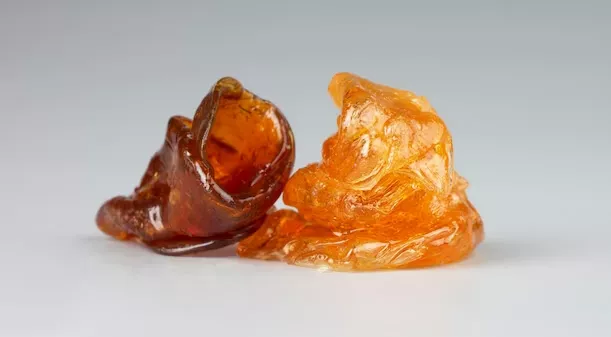
Cannabis resin is the sticky, aromatic substance that coats the surface of mature cannabis flowers and surrounding leaves. If you have ever handled a fresh bud and noticed your fingers turning tacky and fragrant, you have already touched resin firsthand. This secretion is where the plant concentrates the vast majority of its valuable compounds, making it the single most prized material in the entire cannabis plant.
From a botanical standpoint, resin is a defense mechanism. The plant produces it to deter insects, shield itself from ultraviolet radiation, and trap moisture in arid conditions. What evolved as survival chemistry happens to be exactly what cannabis consumers and extractors are after, because that same sticky coating holds the cannabinoids and aromatic oils responsible for both effect and flavor.
Why resin matters more than the rest of the plant: The fibrous green material of a cannabis flower contributes very little in terms of potency. The active compounds live almost entirely within the resin. This is why concentrate producers focus their energy on isolating and preserving resin rather than the plant matter that carries it, and why a gram of refined resin can be dramatically stronger than a gram of dried flower.
How Does Resin Form on Trichomes
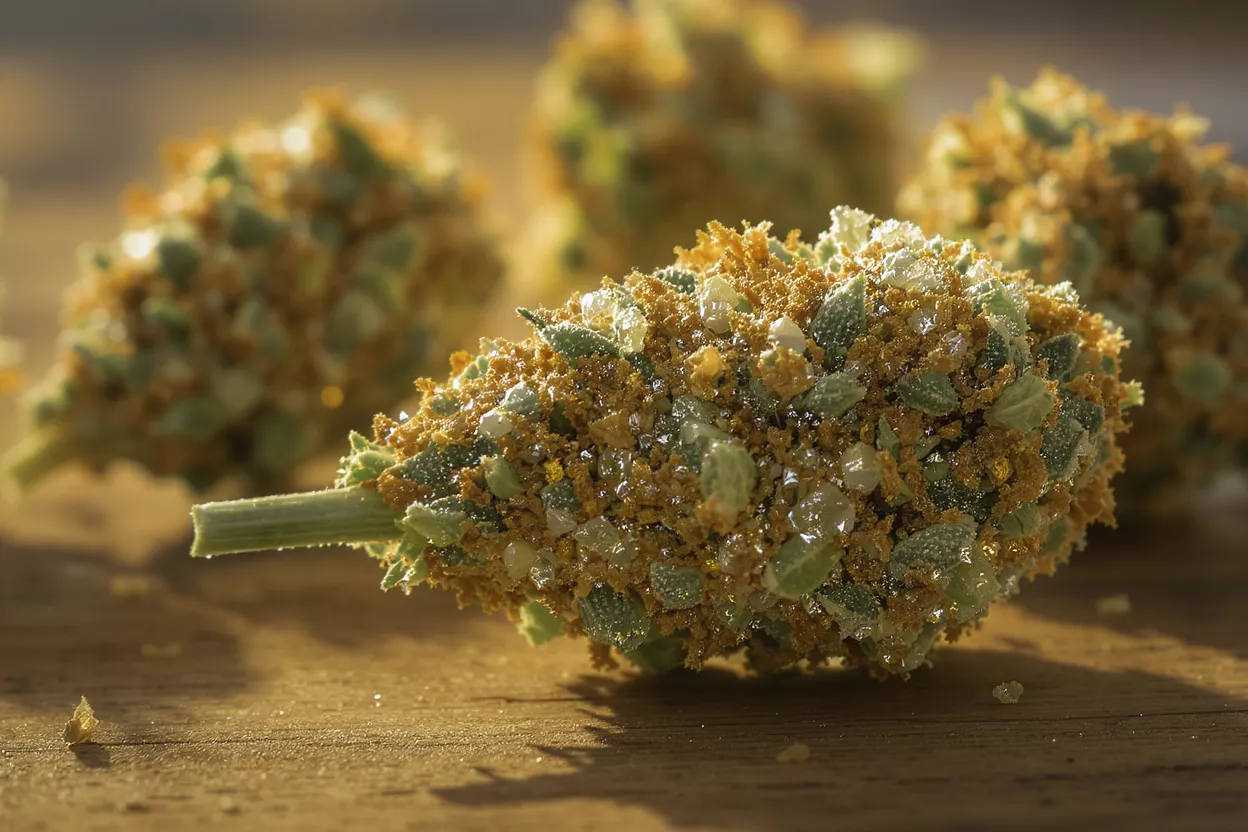
Resin does not appear randomly across the plant. It is manufactured and stored inside microscopic structures called trichomes, the tiny crystalline outgrowths that give premium flower its frosty, sugar-dusted appearance. Each trichome functions like a miniature chemical factory, drawing on the plant's resources to synthesize the compounds that ultimately fill the resin gland.
The most productive trichomes are the capitate-stalked variety, which feature a bulbous head perched atop a slender stalk. Inside that bulbous head, secretory cells produce and accumulate the resin. As the plant matures, these heads swell with oils and shift in color from clear to cloudy to amber, a visual progression that experienced growers read to judge ripeness and ideal harvest timing.
Reading trichome color to time a harvest: Clear trichomes signal an immature plant with underdeveloped cannabinoid content. Milky-white heads indicate peak potency, while amber heads suggest a portion of the THC has begun converting toward more sedating compounds. Growers who want an energetic profile harvest earlier; those chasing a heavier body effect wait for more amber to develop.
What Is Resin Made Of
Resin is a complex chemical cocktail rather than a single substance. Its composition explains why concentrates derived from it can be so potent and so flavorful at the same time. Understanding the major components helps clarify why extractors go to such lengths to preserve certain fractions while removing others.
The headline ingredients are the cannabinoids such as THC and CBD, alongside the aromatic terpenes that define each strain's scent and flavor. Beyond these, resin also carries plant waxes, lipids, flavonoids, and trace oils that contribute texture and subtle character.
- 🧪 Cannabinoids: THC, CBD, CBG, and CBN, the molecules responsible for the bulk of cannabis effects.
- 🌿 Terpenes: volatile aromatic compounds delivering citrus, pine, fuel, and floral notes.
- 🕯️ Waxes and lipids: protective fats that some concentrate processes deliberately strip away through winterization.
- 🎨 Flavonoids: pigment compounds that add color and contribute minor sensory and potential wellness effects.
The ratio of these components varies between strains, growing conditions, and harvest timing. A resin rich in myrcene will smell earthy and musky, while one dominated by limonene leans bright and citrusy. This natural variation is exactly what gives different cultivars their distinct personalities.
Types of Cannabis Resin Explained
The word resin covers a surprisingly broad family of products, ranging from raw plant secretion to highly refined extracts. The differences come down to how the resin is collected, whether heat or solvents are involved, and how much of the original material is preserved or removed during processing.
Raw versus processed resin: In its rawest form, resin is simply what coats the flower. Once collected and concentrated, it becomes the basis for products like hash, rosin, shatter, budder, and sauce. Each takes the same starting material in a different direction depending on the technique applied.
- 💎 Live resin: made from flash-frozen fresh plants to lock in a vivid terpene profile.
- 🔥 Cured resin: produced from dried and cured flower for a more traditional, mellow aroma.
- ✋ Hash and finger hash: the oldest forms, gathered by pressing or rubbing trichomes together.
- ⚙️ Rosin: solventless resin pressed from flower or hash using only heat and pressure.
This diversity means there is a resin product to suit nearly every preference, whether someone prioritizes maximum flavor, maximum potency, or a solventless process they can trust. The terminology can feel overwhelming at first, but each name simply describes a point on the spectrum from raw secretion to polished concentrate.
Live Resin vs Cured Resin
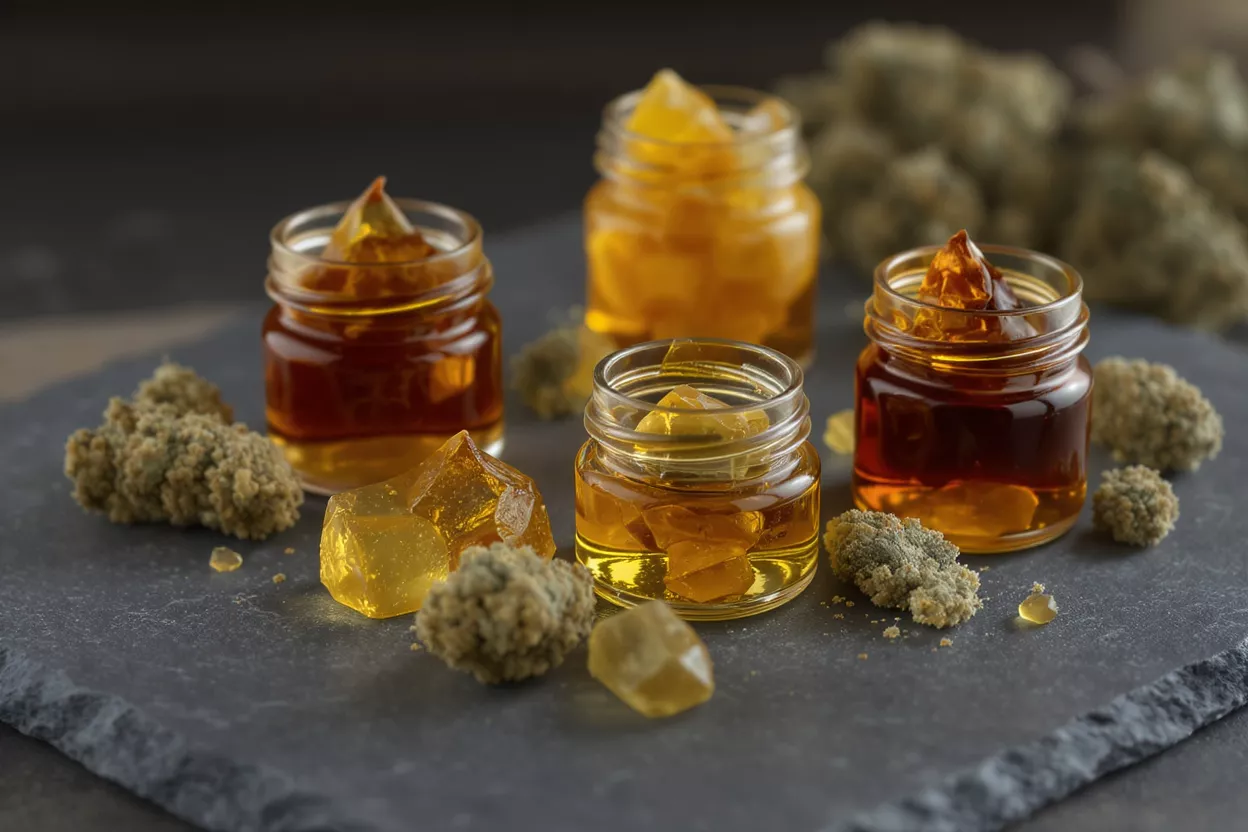
One of the most common questions newcomers ask is what separates live resin from its cured counterpart. The distinction hinges entirely on what happens to the plant immediately after harvest, and that single difference ripples through the final product's aroma, flavor, and overall character.
Why freezing changes everything: Live resin is made from cannabis that is flash-frozen the moment it comes off the plant, before any drying or curing occurs. Freezing halts the degradation of delicate terpenes that would otherwise evaporate during a conventional dry. The result is a concentrate that tastes remarkably close to the living plant, bursting with aromatic nuance.
Cured resin, by contrast, comes from flower that has been dried and cured in the traditional way before extraction. While this process sacrifices some of the most volatile terpenes, it yields a rounder, mellower profile that many longtime users genuinely prefer. Neither is objectively superior; they simply serve different palates.
- ❄️ Live resin: brighter, louder terpene expression and a fresher, more vivid taste.
- 🍯 Cured resin: warmer, more rounded aroma with classic, familiar flavor notes.
- 💰 Cost: live resin typically commands a premium due to the cold-chain handling it requires.
How Resin Is Extracted
Extracting resin means separating those precious trichome heads from the inert plant material around them. The methods fall broadly into two camps: solventless techniques that rely on physical force, and solvent-based techniques that use chemicals to dissolve and then purge the resin.
Solventless extraction: Methods like dry sifting, ice water hash, and rosin pressing use cold, agitation, heat, or pressure to mechanically free the resin without any chemical input. These approaches appeal to consumers who want the purest possible product with nothing introduced beyond the plant itself.
Solvent-based extraction, on the other hand, uses substances such as butane, propane, or supercritical CO2 to dissolve the resin away from plant matter. After extraction, the solvent is carefully purged, leaving behind a highly refined concentrate. When performed correctly in a licensed lab, this produces clean, potent products, though it demands serious expertise and equipment.
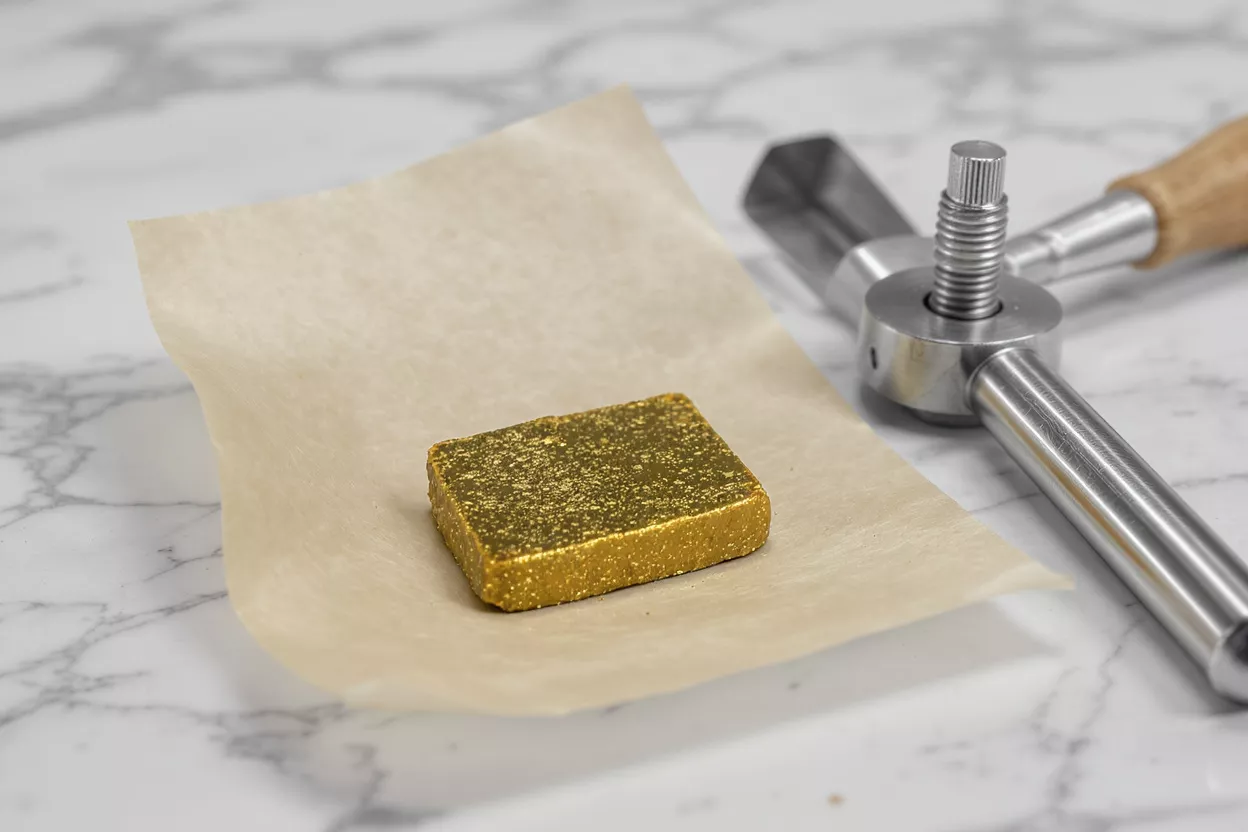
The choice of method shapes the final texture and consistency, from glassy shatter to creamy budder to liquid sauce. Each consistency is essentially the same resin compounds arranged differently based on how they were processed, agitated, and allowed to settle.
Resin Potency and THC Content
One reason resin commands so much attention is sheer potency. Where dried flower typically tests somewhere between fifteen and twenty-five percent THC, resin concentrates routinely climb well past sixty percent and frequently exceed eighty. This dramatic jump comes from removing the inert plant material and keeping only the active fraction.
Why concentrates hit so much harder: When you strip away the leaf and stem and keep only the resin, you are concentrating the cannabinoids into a far smaller mass. A single small dab of resin can deliver an effect equivalent to multiple servings of flower, which is precisely why dosing discipline matters so much with these products.
This potency is a genuine advantage for experienced consumers and patients who need substantial relief, but it also demands respect. The same intensity that makes resin efficient can easily overwhelm someone accustomed only to flower. Starting with the smallest possible amount is always the wise approach with any concentrate.
How to Use Cannabis Resin
Resin's versatility is part of its appeal. Depending on its form and consistency, it can be consumed in several different ways, each offering a distinct experience in terms of onset, intensity, and convenience.
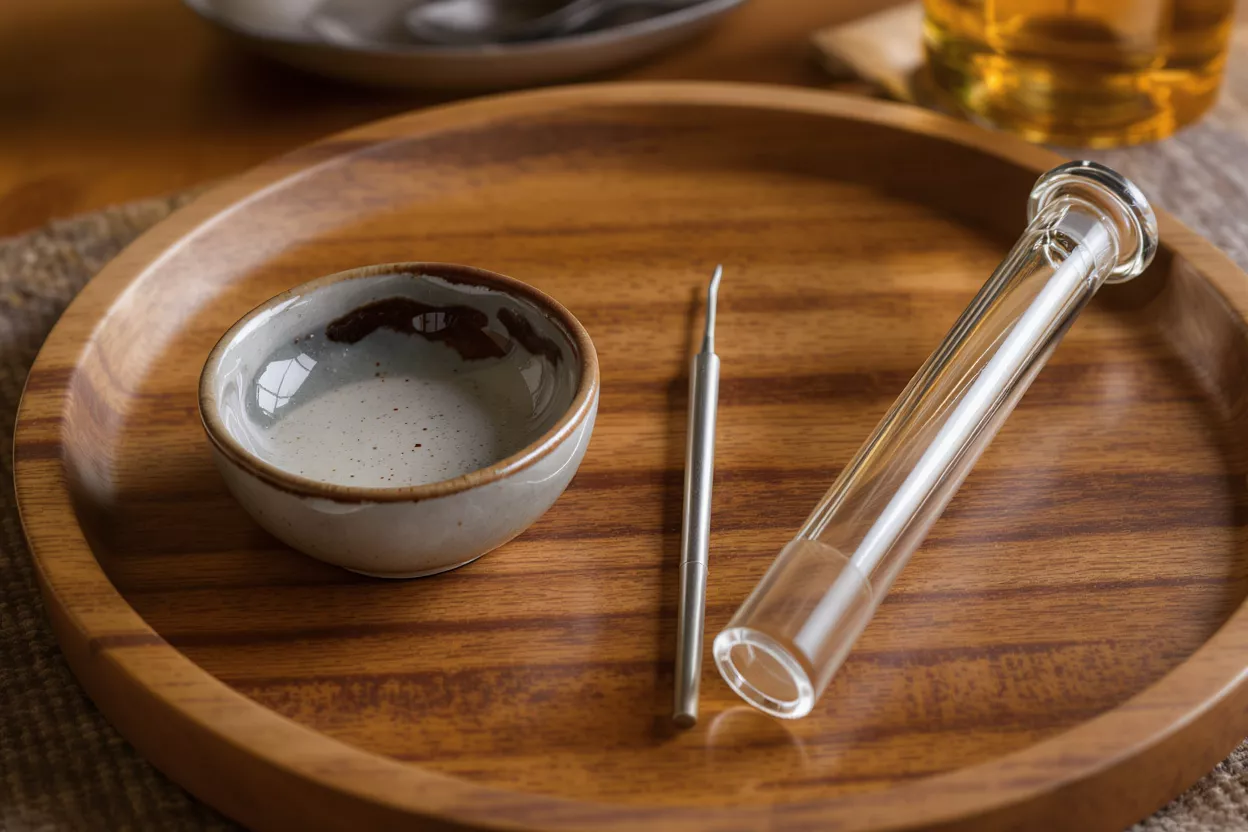
Dabbing and vaporizing: The most popular method for concentrated resin is dabbing, which involves vaporizing a small amount against a heated surface and inhaling the resulting vapor. This delivers rapid onset and full flavor. Many consumers also use dedicated concentrate vaporizers for a more portable, controlled version of the same idea.
- 🌬️ Dabbing: vaporize a small dab on a hot nail or banger for fast, potent effects.
- 🖊️ Vape pens: cartridges and dab pens offer discreet, on-the-go resin consumption.
- 🌸 Topping flower: add a touch of resin to a bowl or joint to boost potency and flavor.
- 🍪 Infusions: some resins can be incorporated into edibles after proper decarboxylation.
Whichever route you choose, temperature control is key. Lower temperatures preserve terpene flavor and deliver a smoother experience, while higher temperatures produce bigger, more intense vapor at the expense of some nuance. Experimenting within a moderate range helps most people find their personal sweet spot.
How to Store Resin Properly
Resin is a living chemical mixture that degrades when exposed to the wrong conditions. Proper storage protects both potency and flavor, ensuring the product you bought performs the way it should weeks or months down the line. The enemies are heat, light, air, and humidity.
The ideal storage environment: Keep resin in an airtight, non-stick container, ideally made of silicone or borosilicate glass, stored somewhere cool and dark. A drawer or cupboard away from windows and heat sources works well for everyday use, and refrigeration can extend longevity for products you will not finish quickly.
Temperature also affects workability. Resin that is too warm becomes runny and difficult to handle, while resin that is too cold turns brittle. Many people briefly cool sticky concentrates to make portioning easier, then let them return to a manageable temperature before use.
- 🌡️ Cool and dark: heat and light are the fastest way to degrade terpenes and cannabinoids.
- 🫙 Airtight containers: silicone or glass prevent oxidation and contamination.
- ❄️ Long-term cold storage: refrigeration or freezing preserves resin you plan to keep for months.
Is Cannabis Resin Safe to Consume
Quality resin from a reputable, regulated source is safe for adult consumption when used responsibly. The most important safety considerations revolve around production standards, residual solvents, and personal dosing rather than any inherent danger in resin itself.
What separates safe resin from risky resin: Solvent-based concentrates must be properly purged and lab-tested to confirm that residual solvents fall below safe thresholds. Reputable producers provide testing results covering potency, solvents, pesticides, and contaminants. Solventless options like rosin and ice water hash sidestep solvent concerns entirely, which is part of their appeal.
Beyond purity, the main consideration is the high potency discussed earlier. Because resin concentrates so much THC into a small amount, starting low and going slow is essential, especially for those new to concentrates. Buying from licensed sources and reading lab reports remains the single best way to ensure a safe, predictable experience.
Cannabis resin sits at the heart of everything that makes the plant valuable, from the trichomes that manufacture it to the concentrates that refine it into some of the most potent products available. Understanding what resin is, how it forms, and how it is processed gives you the foundation to navigate concentrates with confidence. Whether you gravitate toward the vivid flavor of live resin, the solventless purity of rosin, or the rounded character of cured extracts, knowing the fundamentals helps you choose products that match your preferences and use them safely. Treat resin with the respect its potency deserves, store it properly, and lean on lab-tested sources, and this remarkable plant secretion will reward you with flavor and effect that flower alone simply cannot match.

Comments