

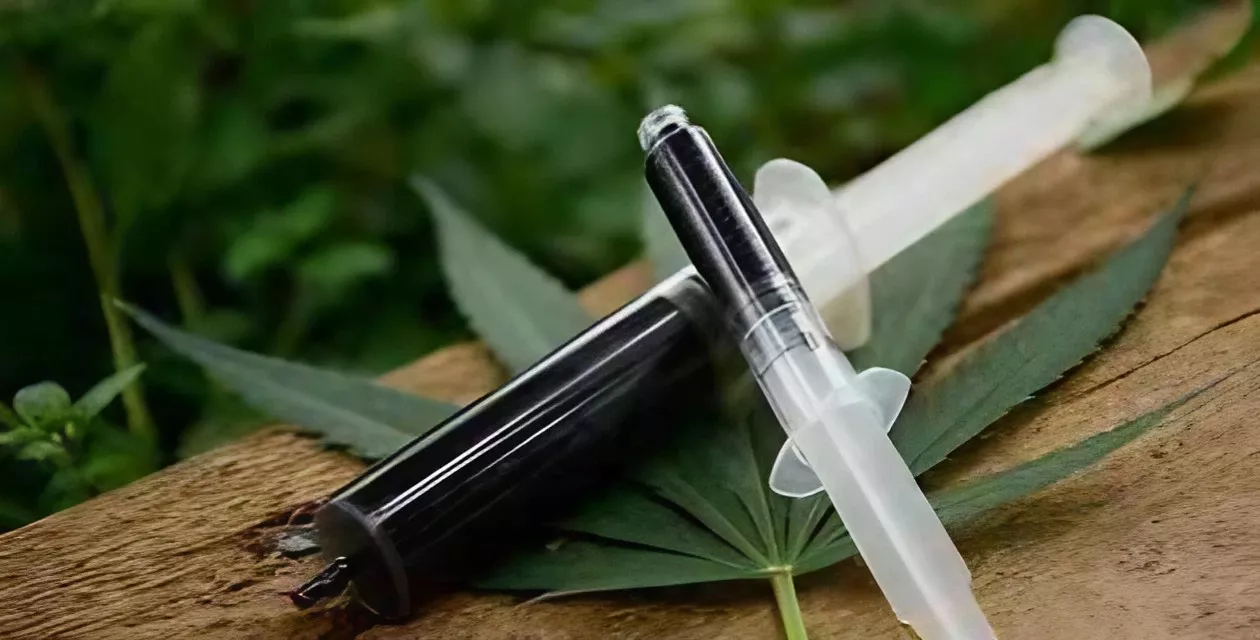
Rick Simpson Oil (RSO)
Learn about Rick Simpson Oil (RSO), the potent full-spectrum cannabis extract.
Rick Simpson Oil Cannabis
Rick Simpson Oil (RSO) represents a highly concentrated cannabis extract developed by Canadian activist Rick Simpson, who claims the oil cured his skin cancer and has promoted its use for various serious medical conditions since 2003. This thick, dark oil typically contains extremely high levels of THC (often 60-90%) along with other cannabinoids and plant compounds, created through an alcohol extraction process designed to concentrate cannabis's therapeutic compounds. RSO has become synonymous with high-potency, full-spectrum cannabis medicine in patient communities, despite lack of clinical trials and regulatory approval. The oil's popularity stems from numerous anecdotal reports of efficacy against cancer, chronic pain, and other conditions, creating a grassroots medical movement that challenges traditional pharmaceutical approaches.

The RSO phenomenon extends beyond a simple extraction method to encompass a philosophy of cannabis as medicine, patient empowerment, and resistance to pharmaceutical industry dominance in healthcare. Simpson's advocacy includes not just the oil itself but a complete protocol involving high doses, specific timing, and dietary recommendations based on his personal experience and observations. His free distribution of information and encouragement of home production democratized access to concentrated cannabis medicine, though this approach also raises concerns about safety, standardization, and medical supervision. The movement around RSO illustrates how patient-led innovation can drive medical cannabis advancement while highlighting tensions between anecdotal evidence and scientific validation.
Understanding RSO requires examining its position at the intersection of traditional cannabis medicine, modern extraction technology, and contemporary debates about cancer treatment, pharmaceutical alternatives, and patient autonomy. While Simpson's specific claims about cancer cures remain scientifically unverified, research increasingly supports cannabinoids' potential in cancer treatment as adjuncts to conventional therapy. The RSO protocol has evolved beyond Simpson's original formulation, with variations in cannabinoid ratios, extraction methods, and applications. This evolution reflects broader trends in medical cannabis toward personalized medicine, full-spectrum products, and patient-directed treatment approaches that challenge conventional medical paradigms.
Origins and Philosophy
Rick Simpson's Story
Personal medical journey of Rick Simpson began in 1997 with a head injury that led to persistent symptoms unrelieved by conventional medications, ultimately driving him to experiment with cannabis after watching a documentary about its medical potential. His post-concussion syndrome included severe tinnitus, dizziness, and cognitive difficulties that pharmaceutical treatments worsened rather than improved. Initial cannabis experimentation showed promising symptom relief, encouraging further exploration despite legal risks. In 2003, Simpson was diagnosed with basal cell carcinoma on his arm, which he treated topically with concentrated cannabis oil after recalling studies about THC's anti-tumor properties. The reported disappearance of his cancer lesions after four days of topical application became the foundation story for RSO advocacy. His subsequent mission to share this discovery freely reflects personal transformation from patient to activist. This origin narrative resonates with many patients failed by conventional medicine.
Philosophical approach underlying RSO extends beyond simple cannabis advocacy to encompass critiques of profit-driven healthcare, pharmaceutical dependence, and restrictions on natural medicine access. Simpson's insistence on free information distribution reflects belief that healing knowledge belongs to humanity rather than corporations. His protocol emphasizes patient empowerment through home production rather than commercial dependence. Skepticism toward conventional cancer treatments stems from observing their limitations and side effects. The emphasis on high THC contradicts trends toward CBD-only medicines, asserting psychoactivity's therapeutic importance. Dietary and lifestyle components of the protocol reflect holistic health philosophy. Opposition to patenting or commercializing RSO maintains its accessibility. This anti-establishment stance attracts those disillusioned with mainstream medicine while concerning medical professionals advocating evidence-based treatments.
Global impact of Simpson's advocacy transformed him from small-town Canadian resident to international cannabis medicine icon, inspiring thousands to try RSO for serious conditions. His documentary "Run From the Cure" spread RSO awareness globally through internet distribution. Speaking engagements worldwide established him as leading cannabis medicine advocate. Legal persecution in Canada, including raids and criminal charges, enhanced his credibility among anti-prohibition activists. Patient testimonials claiming remarkable recoveries amplified his message beyond initial skin cancer claims. Translation of his materials into multiple languages expanded international reach. Online communities formed around RSO experiences and protocol refinements. His influence extends to legal medical cannabis programs increasingly offering RSO-style products. This grassroots movement demonstrates how individual advocacy can shape global cannabis medicine conversations.
Core Principles
Full-spectrum philosophy central to RSO maintains that whole-plant extracts provide superior therapeutic benefits compared to isolated compounds, embracing the entourage effect before it became scientifically recognized. Simpson's protocol specifically rejects CBD-only approaches, arguing THC's psychoactivity indicates therapeutic activity. The extraction process intentionally captures chlorophyll, waxes, and other compounds typically removed in commercial processing. This "crude" appearance signifies completeness rather than lack of refinement. Terpene preservation receives less emphasis than cannabinoid concentration, differing from modern extraction trends. The philosophy extends to using various strains rather than standardized inputs. Patient reports of superior efficacy from full-spectrum RSO versus isolated THC support this approach. Modern research validating entourage effects retrospectively supports Simpson's intuitive full-spectrum advocacy. This principle influences contemporary medical cannabis toward whole-plant medicines.
High-dose protocol distinguishing RSO from typical cannabis medicine involves consuming up to 60 grams over 90 days, far exceeding conventional medical cannabis dosing. The regimen begins with rice grain-sized doses three times daily, doubling every four days until reaching one gram daily. This aggressive dosing aims to flood the endocannabinoid system for maximum therapeutic impact. Tolerance building allows patients to function despite extreme THC intake. Simpson argues serious conditions require serious doses, comparing cannabis to chemotherapy intensity. The protocol includes specific timing around meals and sleep. Gradual cessation follows the intensive phase with maintenance dosing thereafter. Side effects like sedation are viewed as healing indicators rather than problems. This high-dose approach remains controversial among medical professionals concerned about psychological effects and dependency.
Patient empowerment through RSO encompasses not just consumption but production, with Simpson teaching extraction methods enabling self-sufficiency and cost reduction compared to commercial alternatives. Detailed instructions for home extraction using readily available materials democratize access to concentrated medicine. Emphasis on growing personal cannabis ensures supply chain control. The protocol encourages experimentation with strains and ratios based on individual response. Patient observation and adjustment replace medical supervision in Simpson's model. Cost calculations demonstrate significant savings versus pharmaceutical alternatives. Knowledge sharing between patients creates peer support networks. This DIY approach appeals to those seeking healthcare autonomy while concerning regulators about safety and standardization. The empowerment philosophy extends beyond cannabis to general health self-management.
Production Methods
Traditional Extraction Process
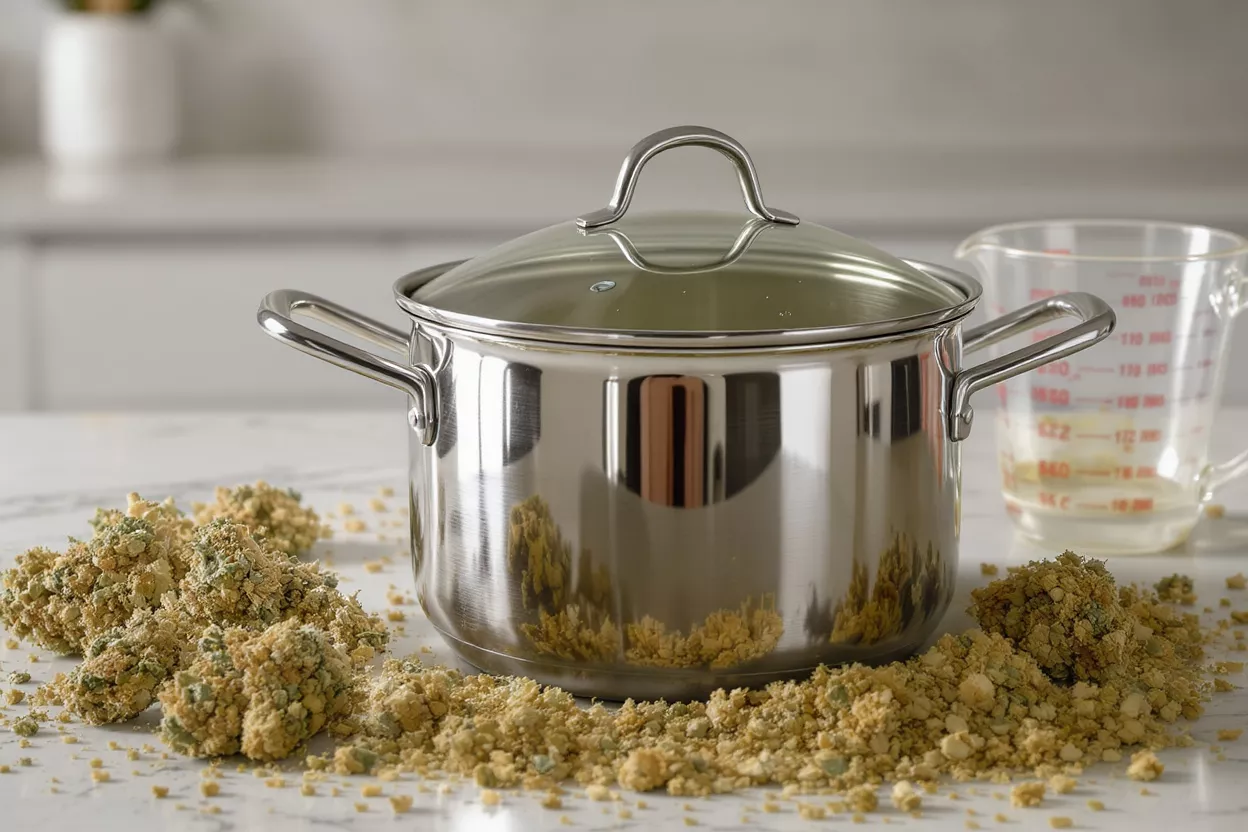
Alcohol extraction methodology for RSO typically uses isopropyl alcohol or ethanol to strip cannabinoids and other compounds from plant material, creating a crude but potent extract. The process begins with completely covering cannabis with solvent for several minutes to dissolve resin. Multiple washes extract maximum cannabinoids though later washes pull more chlorophyll. Straining removes plant material before solvent evaporation. Rice cookers became synonymous with RSO production for controlled evaporation without overheating. Final water addition helps remove residual solvent while maintaining temperatures below decarboxylation thresholds. The resulting tar-like substance contains 60-90% cannabinoids plus various plant compounds. Simplicity enables home production without specialized equipment. Critics note potential solvent residues and lack of precision compared to modern methods. This accessible technique democratized concentrate production for medical users.
Safety considerations for home RSO production include fire hazards from flammable solvents, toxic fume exposure, and potential for dangerous residual solvents in final products. Alcohol vapors create explosion risks requiring outdoor or well-ventilated production areas. Electric heat sources prevent open flame dangers during evaporation. Solvent quality dramatically affects residual contamination levels. Food-grade ethanol provides safer alternative to isopropyl alcohol. Proper purging requires extended low-heat exposure many home producers skip. Testing for residual solvents remains inaccessible to home producers. Burns from hot equipment and splashing solvents pose immediate dangers. Legal risks compound safety concerns in prohibition jurisdictions. These hazards led many jurisdictions to ban home extraction while others provide safety education. Professional extraction offers safer alternatives for those seeking RSO-style products.
Modern variations on RSO production incorporate advanced techniques like vacuum purging, ethanol recovery systems, and CO2 extraction while maintaining full-spectrum philosophy. Commercial producers use closed-loop ethanol systems preventing solvent exposure and enabling recovery. Vacuum ovens remove residual solvents more effectively than rice cookers. Some producers pre-freeze material to reduce chlorophyll extraction while maintaining cannabinoids. CO2 extraction followed by ethanol winterization creates cleaner full-spectrum oils. Precise temperature control during evaporation preserves terpenes better. Laboratory testing ensures safety and potency standards. Some variations incorporate specific ratios of THC:CBD for different conditions. Nano-encapsulation improves bioavailability of traditional RSO. These modernizations address safety and standardization concerns while attempting to maintain RSO's therapeutic properties.
Medical Applications
Cancer Treatment Claims
Anecdotal evidence for RSO's anti-cancer effects includes thousands of patient testimonials claiming tumor reduction, remission, or improved quality of life, though systematic documentation remains limited. Online forums contain detailed accounts of RSO use alongside or instead of conventional treatments. Before-and-after medical imaging shared by patients suggests tumor changes. Skin cancer applications show visible lesion resolution in some cases. Terminal patients report extended survival beyond prognoses. Quality of life improvements during treatment appear consistently even when curative claims prove unfounded. Veterinary applications for pet cancers add interesting comparative data. Documentary films compile compelling individual stories lacking scientific rigor. Medical professionals report occasional surprising outcomes in patients using RSO. These anecdotes drive continued interest despite absence of clinical trials validating specific anti-cancer claims.
Scientific research on cannabinoids and cancer provides mechanistic support for potential anti-tumor effects without validating RSO's specific protocol or curative claims. Preclinical studies demonstrate cannabinoids can induce cancer cell apoptosis through various pathways. Anti-angiogenic effects may limit tumor blood supply. Cannabinoids show potential for reducing metastasis in animal models. Synergy with conventional therapies appears promising for treatment enhancement. Different cancers show varying cannabinoid sensitivity in laboratory studies. The high THC content in RSO aligns with research showing THC's anti-tumor properties. However, translation from petri dishes and animal models to human cancers remains unproven. Optimal dosing, ratios, and delivery methods require clinical investigation. Current evidence supports adjuvant use rather than replacement of conventional treatments. This research gap frustrates both advocates and skeptics seeking definitive answers.
Medical community perspectives on RSO range from cautious interest in cannabinoids' therapeutic potential to concern about patients abandoning proven treatments for unverified alternatives. Oncologists increasingly recognize cannabis benefits for symptom management during cancer treatment. Some physicians quietly support patient experimentation with RSO alongside conventional therapy. Concerns focus on delayed treatment when patients choose RSO over established therapies. Lack of standardization makes medical supervision challenging. Drug interactions with chemotherapy require careful consideration. Psychological effects of high-dose THC concern mental health professionals. Palliative care specialists often show more openness to RSO for quality of life. Medical cannabis specialists attempt bridging between patient demands and evidence-based practice. This professional diversity reflects broader uncertainties about cannabis medicine's role in serious disease treatment.





Comments