


Rig
Learn how a rig works, its parts, types, and best temps for dabbing.
What Is a Dab Rig and How Does It Work
A rig is a specialized water pipe built for one purpose: vaporizing cannabis concentrates rather than burning dried flower. Where a traditional bong relies on a bowl packed with ground bud, a rig channels heat into a small, durable surface called a nail or banger. You apply a measured dab of wax, shatter, or oil to that heated surface, and the concentrate flash-vaporizes into a thick, flavorful vapor that travels through water before reaching your lungs.
The defining feature of a rig is its dedication to high-heat extraction. Concentrates contain far higher concentrations of cannabinoids and terpenes than flower, so they demand a tool engineered to handle intense temperatures while preserving the delicate aromatic compounds that define each extract. The water chamber cools and filters the vapor, smoothing what would otherwise be a harsh, scorching pull.
Because concentrates can carry potency several times that of flower, the rig culture grew alongside the rise of solvent and solventless extraction. As more consumers sought cleaner, more efficient methods of consuming concentrate, the humble rig evolved from a niche curiosity into a centerpiece of modern cannabis ritual.
Rig vs Bong: What Is the Difference
At a glance, a rig and a bong can look like cousins — both use water filtration and a glass body — but they are tuned for fundamentally different jobs. A bong burns flower at the temperature of an open flame and pulls smoke through water. A rig vaporizes concentrate on a heated nail and pulls vapor through water. The distinction shapes everything from the size of the piece to the way you inhale.
Smaller chambers improve concentrate flavor. Rigs tend to be more compact than bongs because concentrate vapor loses its terpene punch when it travels through a large volume of air. A tight, well-designed rig keeps the vapor path short so the flavor arrives intact. Bongs, by contrast, are often larger because flower smoke benefits from a longer cooling journey.
Heat source is the dividing line. With a bong you spark a lighter directly onto the bowl. With a rig you heat a separate nail — often with a torch — and never apply flame to the concentrate itself. This indirect heating is what allows a rig to vaporize rather than combust, delivering cannabinoids without the byproducts of burning plant matter.
- 🔥 Rig: heats a nail or banger for vaporizing concentrates, compact body, terpene-forward hits.
- 💨 Bong: burns flower in a bowl, larger chamber, smoother flower smoke.
- 🌡️ Heat method: rigs use indirect high heat; bongs use direct flame.
- 🧪 Material consumed: rigs handle wax, shatter, rosin and oils; bongs handle dried flower.
Parts of a Dab Rig Explained
Understanding the anatomy of a rig demystifies the whole experience. While designs vary, nearly every rig shares a core set of components that work together to heat, filter, and deliver vapor.
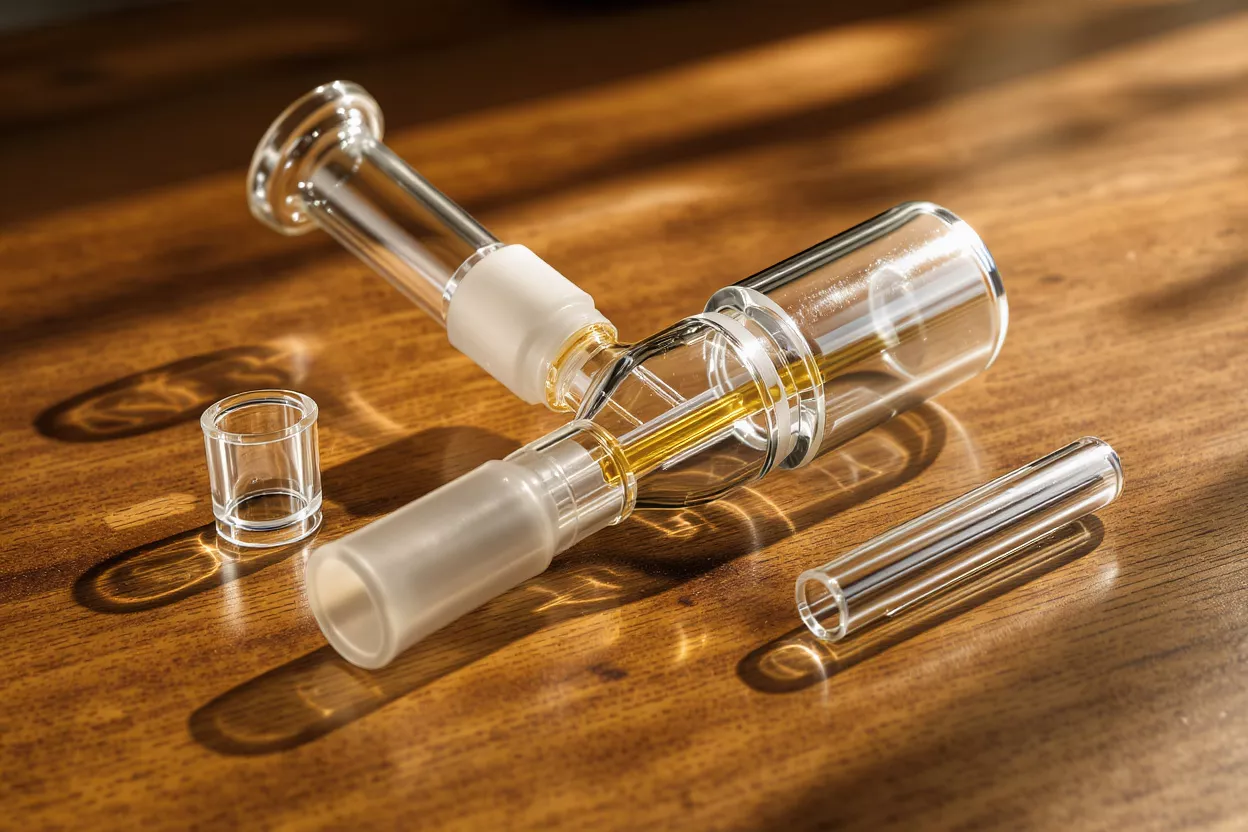
The nail or banger does the heavy lifting. This is the heated surface where your concentrate vaporizes. Quartz bangers are the modern favorite for their fast heat response and clean flavor, while titanium and ceramic each offer their own balance of durability and heat retention. The shape — flat-top, thermal, or bucket-style — influences how evenly your dab spreads and vaporizes.
The water chamber smooths every pull. Just like a bong, the rig holds water that filters and cools the vapor. Percolators and recyclers can add extra diffusion, breaking the vapor into finer bubbles for a softer, cooler inhale. The carb cap, meanwhile, sits over the banger to trap heat and regulate airflow, letting you vaporize at lower temperatures with less waste.
Rounding out the kit is the dabber — a small metal or glass tool used to apply the concentrate to the hot nail — and often a directional carb cap that lets you swirl the oil for even, complete vaporization. Together these pieces transform a raw glob of extract into a controlled, flavorful vapor.
Types of Rigs for Cannabis Concentrates
No single rig suits every consumer. The market spans tiny travel pieces to elaborate glass sculptures with multiple percolators, and each style trades portability, flavor, and smoothness in different proportions.
Mini rigs maximize flavor. Small, low-volume rigs keep the vapor path short, which preserves terpenes and delivers intensely flavorful hits. They are ideal for solo sessions and for anyone who prizes taste over cloud size. The trade-off is that they offer less cooling, so low-temperature dabs work best.
Recycler rigs deliver the smoothest sessions. These pieces continuously cycle water between chambers, providing exceptional filtration and cooling. The constant motion also prevents stale water from sitting against the vapor path, which keeps each hit fresh. They cost more and demand careful cleaning, but the smoothness is hard to beat.
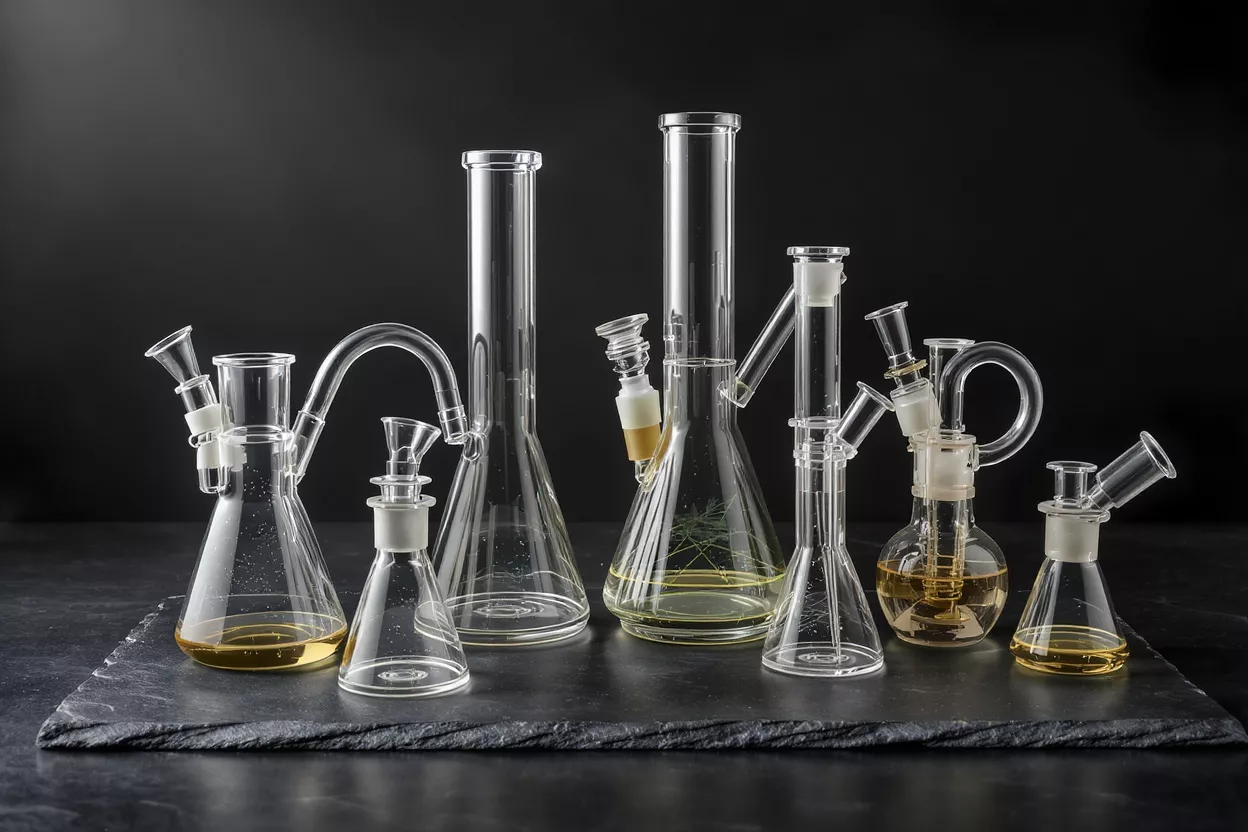
- 🧊 Mini rig: compact, flavor-forward, best for low-temp dabs.
- ♻️ Recycler rig: dual chambers, ultra-smooth, premium filtration.
- ⚡ Electronic rig: battery-powered, no torch, precise temperature control.
- 🎨 Heady glass rig: handcrafted, collectible, functional art.
- 🧳 Travel rig: durable, silicone or thick glass, built for the road.
How to Use a Rig Step by Step
Using a rig for the first time can feel intimidating, but the process becomes second nature quickly. The goal is to heat the nail, let it cool to an ideal temperature, then apply your concentrate and inhale slowly while capping the airflow.
Start by adding fresh water to the chamber — just enough to submerge the downstem percolator without splashing into the nail. Heat your quartz banger with a torch until it glows faintly, then turn off the flame and let it cool. This cooling window is critical: dabbing on a red-hot nail scorches your terpenes and produces harsh, bitter vapor.
Once the banger reaches a suitable temperature, use your dabber to drop a small amount of concentrate onto the hot surface. Immediately place the carb cap over the banger and inhale slowly and steadily. Rotate the directional cap to keep the oil moving so it vaporizes completely, then exhale and clean the banger with a cotton swab while it is still warm.
- 💧 Fill the water: submerge the percolator without overfilling.
- 🔥 Heat the banger: torch until faintly glowing, then stop.
- ⏲️ Let it cool: wait 30–60 seconds for the ideal temperature.
- 🌀 Apply and cap: add the dab, cover with the carb cap, inhale slowly.
- 🧽 Swab clean: wipe the banger while warm to prevent residue buildup.
Best Temperature for Dabbing With a Rig
Temperature is the single biggest lever you control on a rig, and it determines whether your session tastes bright and aromatic or harsh and burnt. Cannabinoids and terpenes vaporize across a range of temperatures, so the heat you choose dictates the flavor, smoothness, and intensity of every hit.
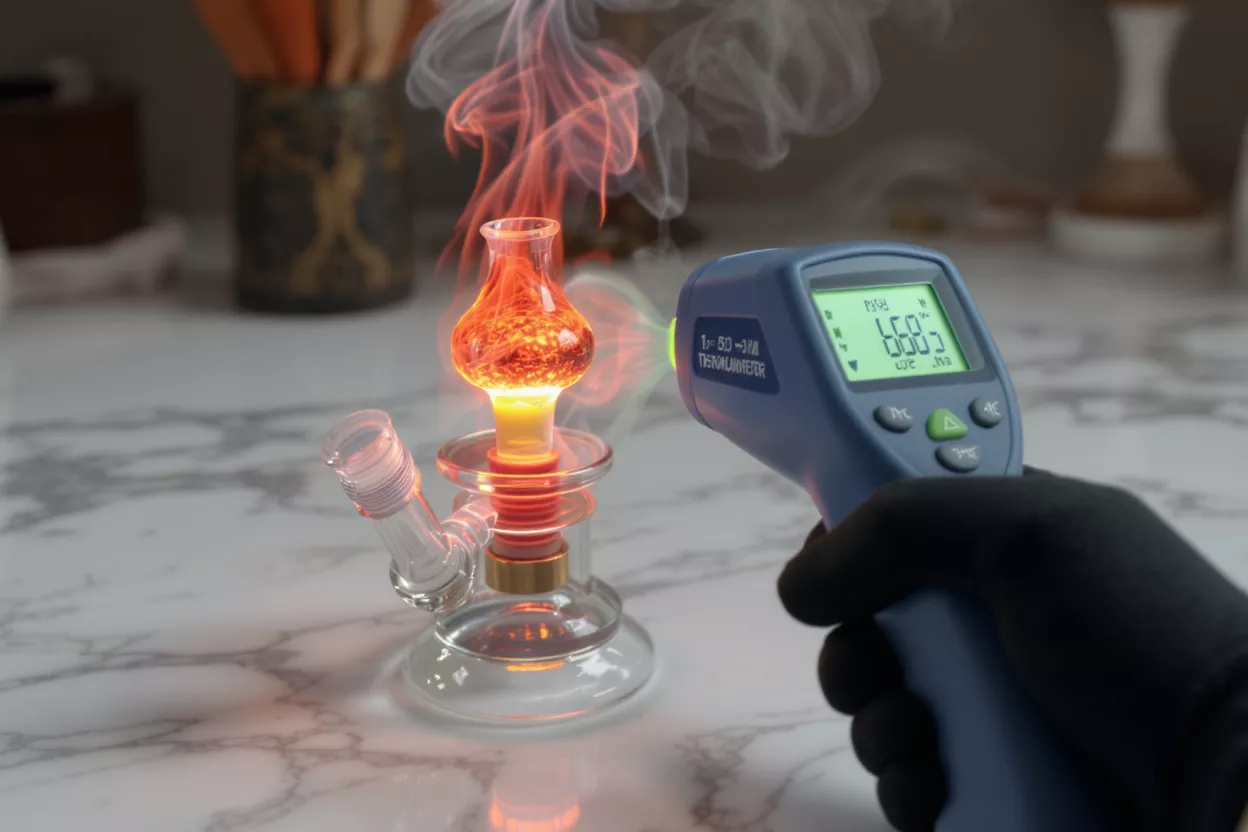
Low-temperature dabs preserve flavor. Vaporizing in the roughly 315–450°F range keeps delicate terpenes intact, producing flavorful, less harsh vapor that is easier on the throat. Low-temp dabbing wastes a bit more concentrate because not everything vaporizes instantly, but most flavor chasers consider that a fair trade for the aromatic experience.
High-temperature dabs maximize vapor. Pushing past 600°F produces bigger, denser clouds and vaporizes the concentrate almost instantly, but the heat destroys terpenes and can carry a burnt taste. Many experienced users settle into a mid-range sweet spot around 500–550°F that balances flavor with satisfying vapor production.
A quartz banger paired with a carb cap and a simple timer or temperature reader takes the guesswork out of the process. Capping the banger after applying your dab traps heat efficiently, letting you achieve full vaporization at lower temperatures than an uncapped nail would allow.
Electronic Rigs vs Traditional Glass Rigs
The rise of electronic rigs — often called e-rigs — has reshaped how many people approach concentrates. These battery-powered devices replace the torch with a precision heating element, removing the open flame from the equation entirely and offering consistent, repeatable temperatures at the press of a button.
E-rigs trade ritual for convenience. An electronic rig heats to your chosen temperature in seconds, holds it steady, and eliminates the guesswork of torch timing. That precision makes them excellent for newcomers and for anyone who values consistency and portability. The downside is reliance on batteries and a slightly less hands-on experience.
Traditional glass rigs reward the purist. A classic glass rig with a quartz banger and torch offers unmatched flavor for many enthusiasts, along with the tactile ritual that defines dab culture. There is no battery to charge and no electronics to fail — just glass, heat, and concentrate. The learning curve is steeper, but the payoff is a deeply customizable session.
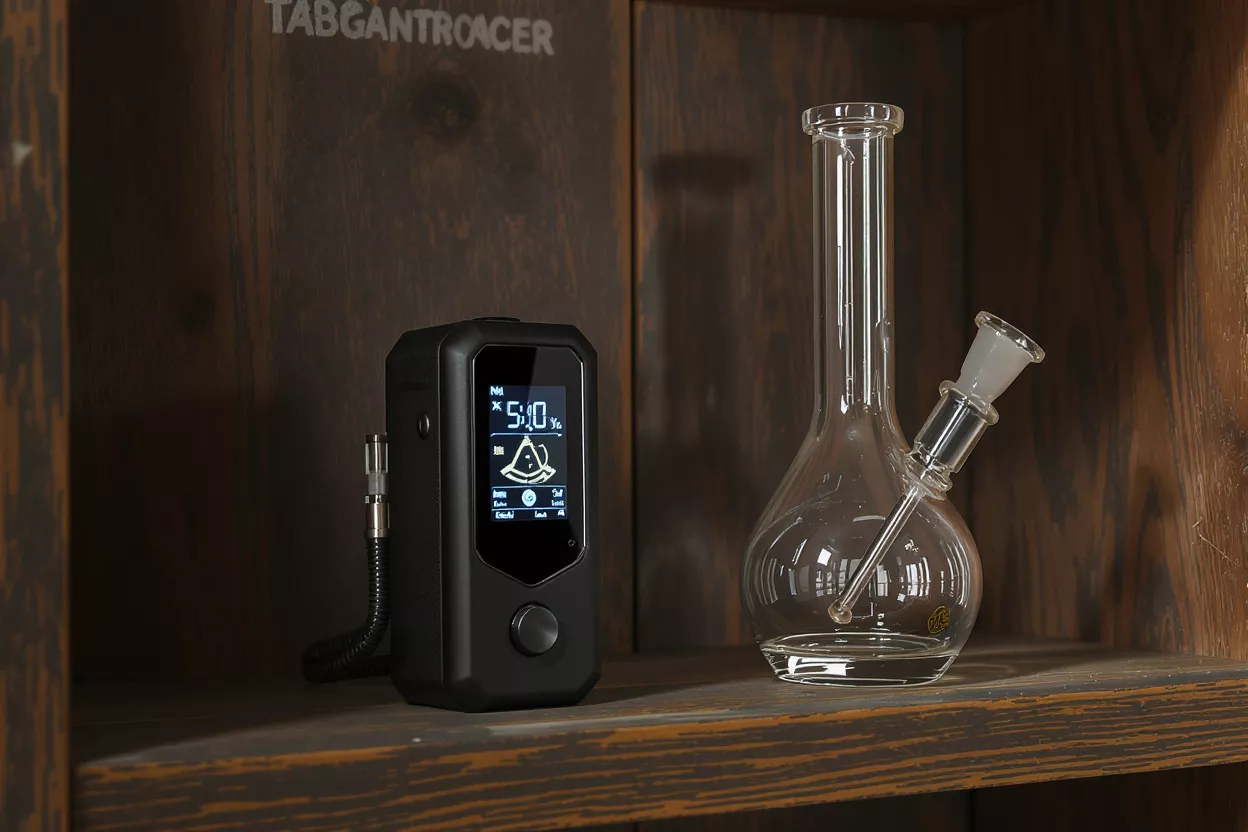
Neither approach is objectively superior. Portability and ease push many toward e-rigs, while flavor obsession and ritual keep others loyal to glass. Plenty of seasoned consumers own both and reach for whichever suits the moment.
Choosing the Right Rig for Your Needs
Selecting a rig comes down to honest answers about how you actually consume. A daily flavor chaser, a weekend social user, and a frequent traveler will all be happiest with very different pieces, and matching the rig to your habits prevents an expensive misfire.
Match size to your priorities. If flavor is your north star, lean small — a mini rig or compact recycler keeps terpenes vibrant. If you host sessions and want smooth, sizable hits, a larger piece with quality percolation serves the group better. Be realistic about how much cooling and filtration you genuinely want.
Quartz remains the gold standard. For the banger itself, quartz offers the cleanest flavor and quickest heat response, which is why it dominates the modern scene. Titanium is nearly indestructible and great for travel, while ceramic holds heat longest for slow, even dabs. Choose based on how you balance durability against flavor.
Budget matters too, but the cheapest rig is rarely the best value. A well-made piece with thick glass and a quality banger lasts for years and consistently delivers a better experience than a flimsy bargain that cracks or scorches your concentrate. Invest in the components you will touch every session.
Cleaning and Maintaining a Rig
A clean rig is a better rig. Residue from vaporized concentrate accumulates quickly on the banger and inside the water chamber, dulling flavor and clouding the glass. Regular maintenance is the difference between crisp, tasty hits and a stale, gunky session.
Swab the banger after every dab. The easiest habit to build is wiping the banger with a cotton swab while it is still warm, right after you exhale. This removes leftover oil before it carbonizes into stubborn black residue. A warm banger releases residue effortlessly; a cold one fights you every step of the way.
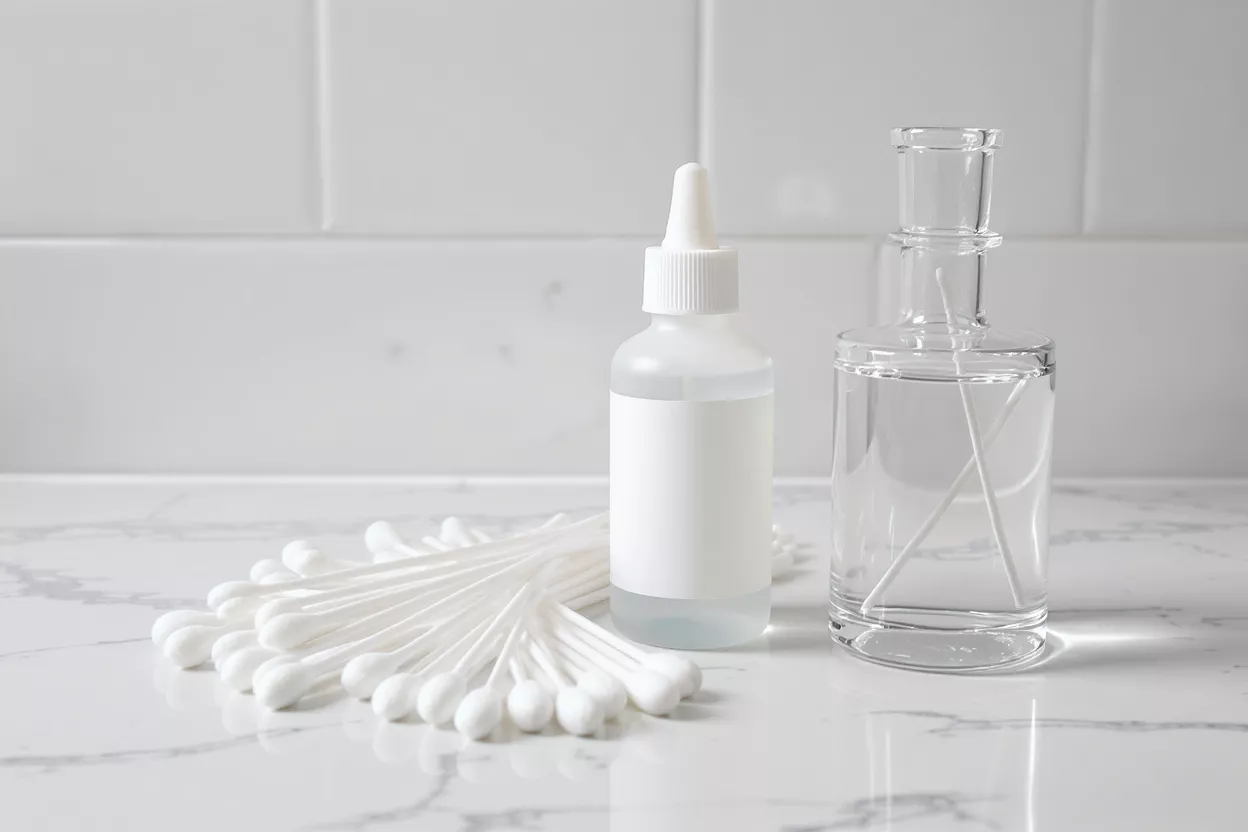
Deep clean with isopropyl alcohol. For periodic deep cleaning, soak the banger and rinse the chamber with high-proof isopropyl alcohol and coarse salt, which acts as a gentle abrasive. Agitate, rinse thoroughly with clean water, and let everything dry before your next session. Fresh water in the chamber before each use also goes a long way toward preserving flavor.
Consistency beats intensity here. A quick swab after each dab and a fresh water change keep your rig performing like new far more effectively than letting grime build up and tackling a heavy cleaning every few weeks.
Are Dab Rigs Safe to Use
Concern about safety is reasonable, especially given the torches and high temperatures involved. Used thoughtfully, a rig is a safe and efficient way to consume concentrates, but a few precautions make a meaningful difference in protecting yourself and getting the most from your cannabis.
Handle heat with respect. A torch and a glowing-hot banger demand attention. Work on a stable, heat-resistant surface, keep the flame away from anything flammable, and never touch the nail until it has fully cooled. Allowing the banger to cool before dabbing also protects you from accidental burns and yields far better flavor.
Mind potency and source quality. Concentrates are dramatically more potent than flower, so start with a small dab — the size of a grain of rice or less — until you understand your tolerance. Equally important is using clean, properly made extracts from a trusted source, since solvent residue from poorly purged products is the real safety concern, not the rig itself.
In the end, a rig is simply a tool, and like any tool its safety rests in how you use it. Respect the heat, dose conservatively, source quality concentrate, and keep your gear clean — follow those principles and the rig delivers one of the most flavorful, efficient cannabis experiences available. The ritual rewards patience and care, making it a centerpiece worth mastering for anyone serious about concentrates.

Comments