Roach
Learn what a roach is in cannabis culture.
What Is a Roach in Cannabis?
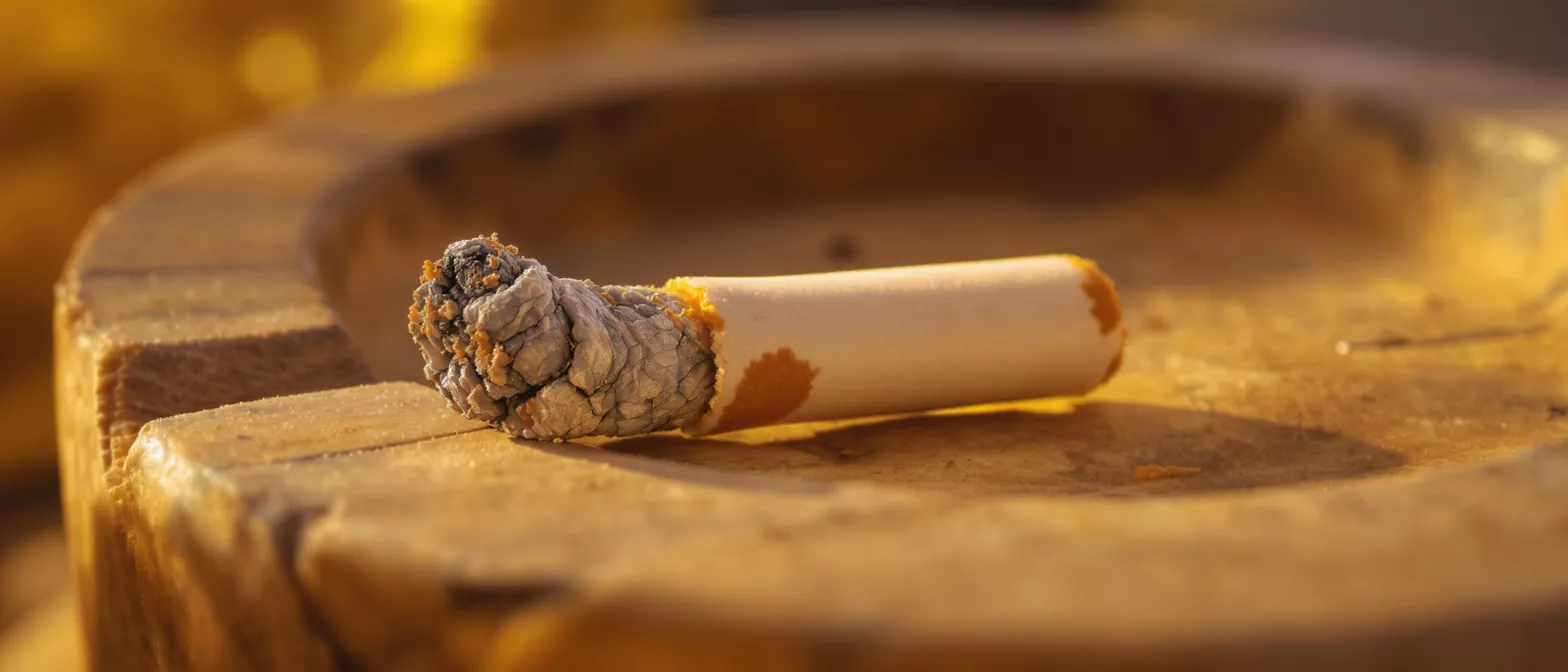
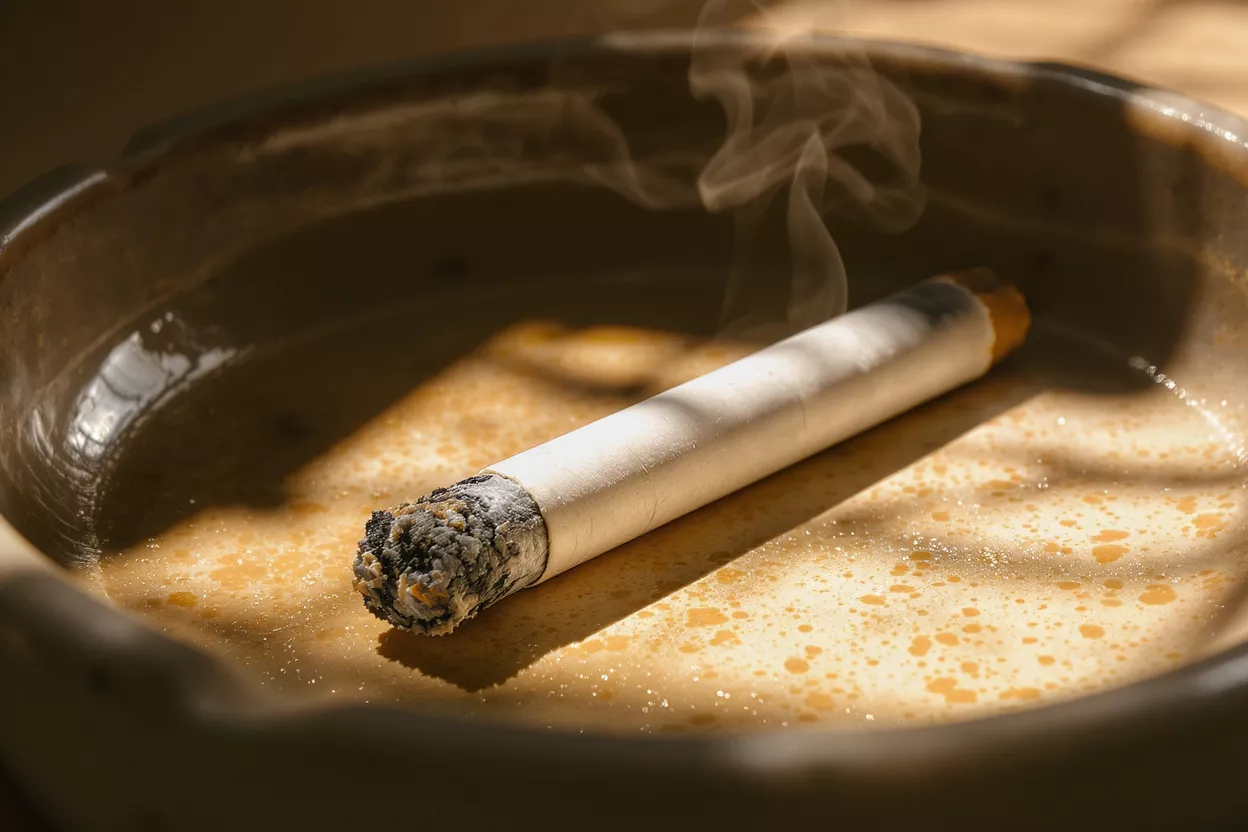
A roach is the small, stubby end of a joint or blunt that remains after most of the cannabis has been smoked. It is the part too short to hold comfortably between your fingers without singeing them, yet it still holds enough trapped resin and partially combusted flower to be worth a second look. For anyone learning the language of the dispensary and the smoke circle, the roach is one of the first slang terms you will encounter, and understanding it tells you a lot about how cannabis is actually consumed in the real world.
The word carries a slightly grungy reputation, but it points to something practical. As a joint burns down, tar, oils, and cannabinoids migrate toward the unburned tip, concentrating in that final inch. This is the same principle behind why the last few hits of a joint often taste harsher and hit a little differently than the first. The roach is essentially a filter that has absorbed a session's worth of residue.
Cannabis culture has built an entire vocabulary around the ritual of smoking, from dank flower to the eighth you bought at the shop, and the roach sits firmly within that shared language. Knowing the term helps newcomers follow conversations, avoid wasting usable material, and understand why some smokers treasure their saved roaches while others toss them without a second thought.
Why Is It Called a Roach?
The origin of the term is delightfully murky, which is fitting for a word rooted in counterculture slang. The most widely repeated explanation traces back to the mid-twentieth century, when the stubby remains of a marijuana cigarette were thought to resemble a cockroach, both in shape and in the way it stubbornly refused to disappear completely.
The musical connection: Many etymology enthusiasts point to the old Mexican folk song "La Cucaracha," which literally translates to "the cockroach." The song's lyrics reference a cockroach that cannot walk because it lacks marijuana to smoke, a wink that helped cement the slang association in Spanish-speaking communities before it filtered into broader American usage. Whether this is the true source or a happy coincidence, it captures how cannabis slang often travels through music and oral tradition rather than dictionaries.
How slang spreads: Terms like dank, dope, and roach rarely have a single documented birthday. They emerge organically within communities and shift meaning as they migrate. The National Institute on Drug Abuse, through resources like NIDA, has long tracked the evolving vocabulary surrounding cannabis use, in part because slang shapes how people talk about and understand the substance. The roach remains one of the most durable entries in that lexicon.
How a Roach Forms When You Smoke
Every joint becomes a roach eventually. As you draw smoke through a rolled cannabis cigarette, the cherry, that glowing ember at the tip, slowly consumes the flower from the lit end toward the part you hold. Combustion never burns perfectly clean, so resinous tar and unburned plant matter collect in the section closest to your lips.
Why the last hits feel different: The accumulated resin in a roach is rich in tar but still contains active cannabinoids that condensed there rather than going up in smoke. This is why the final puffs often taste stronger, harsher, and a little more intense. Some smokers actively chase that concentrated finish, while others find it too acrid and prefer to stop before reaching it.
Most modern joints are rolled with a crutch, also called a filter tip or a glass tip, made of rolled cardstock or borosilicate. This small addition changes the anatomy of the roach considerably. A crutch keeps the end open for airflow, stops bits of flower from reaching your mouth, and gives you something firm to hold as the joint shrinks. Without one, the roach collapses into a soggy, resin-soaked nub that is far less pleasant to handle.
If you roll your own, investing in a pack of quality pre-rolled filter tips dramatically improves how the final third of every joint smokes and how easy the roach is to manage.
Should You Smoke the Roach?
This question divides smokers more than almost any other point of etiquette. Whether you smoke the roach comes down to personal taste, tolerance, and how much you value squeezing every last bit of value from your flower.
The case for smoking it: A roach still holds usable cannabinoids, and finishing it means nothing goes to waste. For people stretching an eighth or simply unwilling to discard anything potent, the roach delivers a final, often heavy-hitting punch. With a good crutch in place, you can smoke right down to the filter without burning your fingers.
The case against it: The concentrated tar that makes a roach hit hard also makes it harsh on the throat and lungs. Some smokers find the flavor unpleasantly acrid, comparing it to scraping the bottom of the barrel. If you are sensitive to harsh smoke, the marginal extra effect may not justify the rough finish, and a smoother session might be worth the small amount of wasted material.
There is no universally correct answer. Plenty of seasoned smokers stop a beat before the roach, while others would never dream of wasting it. Knowing your own preference simply makes the choice easier in the moment.
What Is a Roach Clip and How It Works
A roach clip is a small handheld tool designed to grip the shrinking end of a joint so you can keep smoking without scorching your fingertips. It is one of the oldest and most recognizable accessories in cannabis culture, and it solves a very simple problem with elegant practicality.
Common roach clip styles: Roach clips come in countless forms, from utilitarian to ornate. Below are the types you are most likely to encounter:
- 🔧 Hemostat clips: Repurposed from medical forceps, these lock firmly onto the roach and stay clamped without pressure from your hand.
- 💎 Decorative beaded clips: Adorned with feathers, beads, or stones, these became iconic in the 1960s and 70s and remain popular as collectibles.
- 🪶 Alligator clips: Simple spring-loaded metal clips that grip tightly and cost almost nothing.
- 🍃 Two-in-one tools: Multifunction accessories that combine a clip with a tamper, poker, or stash compartment.
The beauty of a roach clip is that it lets you extract those final, resin-heavy hits safely. A quality metal roach clip set turns a fumbling, finger-singeing moment into a clean, controlled finish to the session.
Best Ways to Hold a Roach Safely
Even without a dedicated clip, smokers have improvised countless methods to hold a roach down to its final embers. Resourcefulness is practically a cannabis tradition, and the tools you reach for say a lot about your setup.
Everyday improvised holders: When a proper clip is not within reach, common objects do the job surprisingly well. Here are reliable stand-ins:
- 🔑 Keys: Pinch the roach in the keyring gap for a quick, always-available grip.
- 📎 Paperclips: Bent into a small loop, a paperclip becomes a passable makeshift clip.
- 🪙 Tweezers: Offer fine control and a firm hold without crushing the roach.
- 🎟️ A folded matchbook: The classic last-resort grip when nothing else is handy.
Whatever you use, the goal is the same: keep the burning end away from your skin while maintaining enough airflow to draw cleanly. A roach pinched too tightly chokes off the airflow and goes out, while one held too loosely drops and scatters embers. Striking that balance is a small skill that comes quickly with practice.
If you keep a dugout or smoking kit, tucking a clip alongside your one-hitter and stash ensures you never end a session burning your fingertips on the final hit.
How to Save Roaches for Later
Among frugal and resourceful smokers, saving roaches is a time-honored practice. A single roach may not amount to much, but a jar full of them represents a surprising reserve of salvageable cannabis that would otherwise go to waste.
Building a roach stash: The simplest method is to drop each finished roach into a dedicated airtight container, like a small glass jar. Over weeks of regular smoking, these accumulate. Once you have a sizable collection, you can break them open, discard the spent filters, and harvest the resin-rich leftover flower inside.
What to do with saved roaches: The salvaged material burns harsh on its own, so most people blend it into a fresh joint or bowl rather than smoking it straight. The resin coating delivers a noticeably heavier effect, which is why a roach joint, one rolled entirely from saved scraps, has a reputation for hitting hard. Storing your stash in a quality airtight glass storage jar keeps the material from drying into useless dust.
According to research summarized by NIDA, the way cannabis is combusted and inhaled affects how cannabinoids and byproducts are delivered to the body, which is precisely why concentrated roach resin feels stronger and harsher than fresh flower. Saving roaches is economical, but the rougher smoke is the tradeoff.
Are Roaches Safe to Smoke?
Smoking a roach carries the same general considerations as smoking any cannabis, with one important caveat: the concentrated tar and resin make the smoke harsher and more irritating to the airways than fresh flower.
The accumulated combustion byproducts in a roach include the same tars and particulates produced by any burning plant material, simply in a more concentrated form because they have collected at the tip. Inhaling harsh smoke can irritate the throat and lungs in the moment, which is why some smokers cough more on the roach than on the rest of the joint.
Reducing the harshness: A few simple habits soften the experience. Always use a crutch or filter tip, which traps a portion of the resin before it reaches your lungs. Take smaller, gentler pulls on the roach rather than deep drags. And if you save and reuse roach material, blending it with fresh flower dilutes the intensity considerably. None of these eliminate the inherent considerations of smoke inhalation, but they make the roach a more comfortable experience.
Roach vs Other Cannabis Terms
The roach is just one entry in a sprawling vocabulary, and it is easy to confuse with neighboring terms. Clarifying the distinctions helps you navigate conversations and product listings with confidence.
Roach versus crutch: These two are frequently mixed up. The crutch, or filter tip, is the deliberately added piece of rolled cardstock or glass at the mouth end of a joint. The roach is the entire stubby remnant left after smoking, which usually includes the crutch. In short, the crutch is a component; the roach is the leftover whole.
Roach versus kief and resin: Kief is the loose, powdery trichome dust that falls off dried flower, prized for its potency. The resin in a roach is sticky, tar-laden residue produced by combustion, which is a different substance entirely. Both are potent, but kief is clean unburned material while roach resin is a byproduct of smoke. Below is a quick reference:
- 🌿 Roach: The leftover tip of a smoked joint, rich in combustion resin.
- ✨ Kief: Unburned trichome powder collected from flower, never combusted.
- 🎯 Crutch: The intentional filter tip rolled into the mouth end of a joint.
- 💧 Resin: Sticky combustion residue that accumulates in pipes and roaches alike.
Cannabis vocabulary is vast, stretching from the dispensary counter to slang like dank and dope, and the roach holds a permanent, if humble, place within it.
Getting the Most From Your Roach
The roach proves that even the smallest, scrappiest part of a joint carries meaning, utility, and a bit of culture. Whether you smoke it down to the filter, clip it for a clean finish, or save it in a jar for a future roach joint, knowing what a roach is empowers you to make a deliberate choice rather than reflexively tossing it.
For most smokers, the practical takeaways are simple. Roll with a crutch to make the roach easier to handle and slightly less harsh. Keep a clip or improvised holder nearby so the final hits never burn your fingers. And if frugality appeals to you, start a roach jar and reclaim the resin you would otherwise lose. Each habit is small, but together they reflect a thoughtful, waste-conscious approach to enjoying your flower.
Ultimately, the roach is a reminder that cannabis culture rewards attention to detail. From the language we use to the accessories we keep, the small rituals add up. Understanding the humble roach connects you to decades of shared knowledge, and it ensures you get genuine value from every eighth you bring home from the dispensary.