

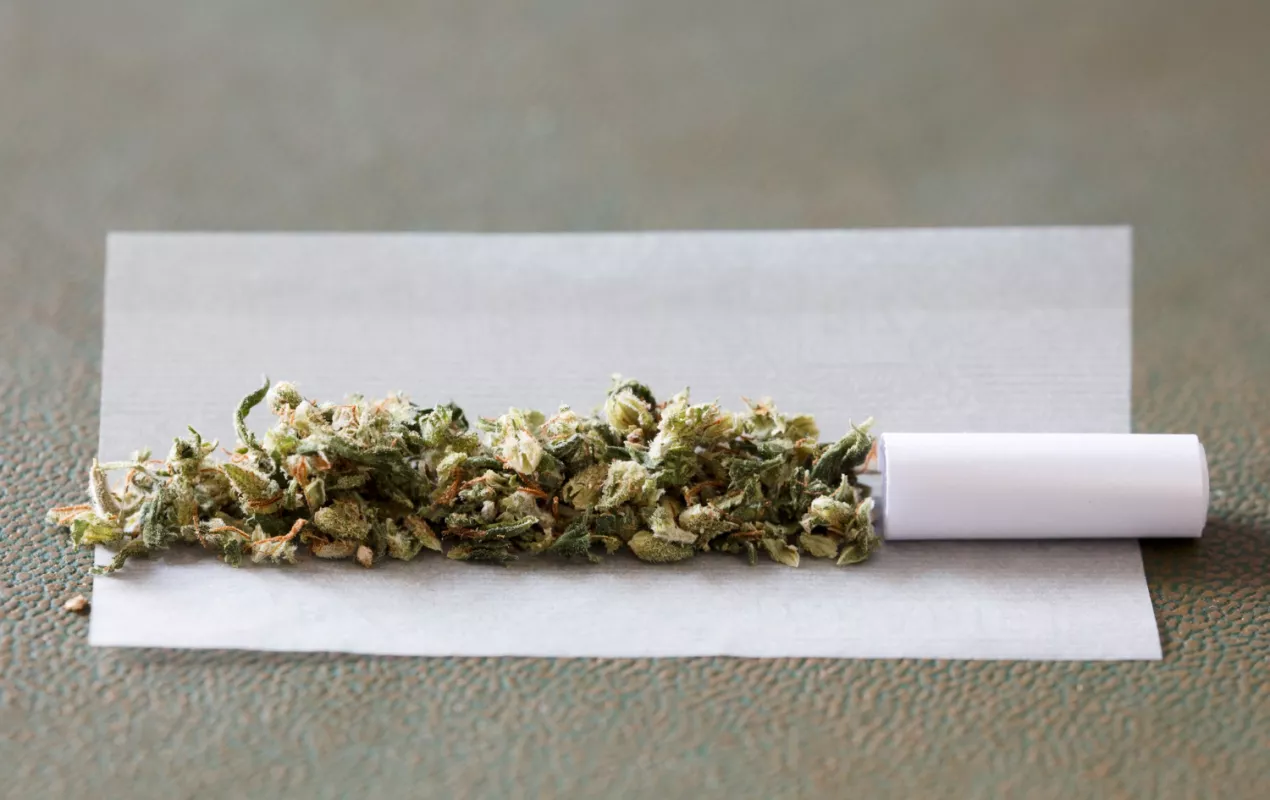
Rolling papers
Explore rolling papers by material, size, and adhesive type.
What Are Rolling Papers
Rolling papers are thin, lightweight sheets designed to wrap ground cannabis into a hand-rolled cigarette, commonly called a joint. They have been a fixture of smoking culture for centuries, originally developed for tobacco and later adopted by cannabis enthusiasts who value the simplicity and portability of a rolled smoke. The appeal lies in their minimalism: no hardware, no batteries, just paper, plant, and a flame.
At their core, rolling papers serve one purpose — to combust cleanly and evenly while letting the flavor of the flower come through. A quality sheet burns slowly, holds its shape, and produces minimal ash and aftertaste. A poor one runs unevenly, canoes down one side, or imparts a papery harshness that masks the terpenes you paid for.
Why rolling papers still matter in a vape-heavy era: Despite the rise of cartridges and dry-herb vaporizers, rolling papers remain enormously popular because they offer an unmatched ritual. Grinding, rolling, and sparking a joint is a tactile experience that many consumers consider part of the enjoyment. They are also inexpensive, discreet to carry, and require no charging or maintenance — a freshly rolled joint is ready whenever you are.
How Rolling Papers Are Made
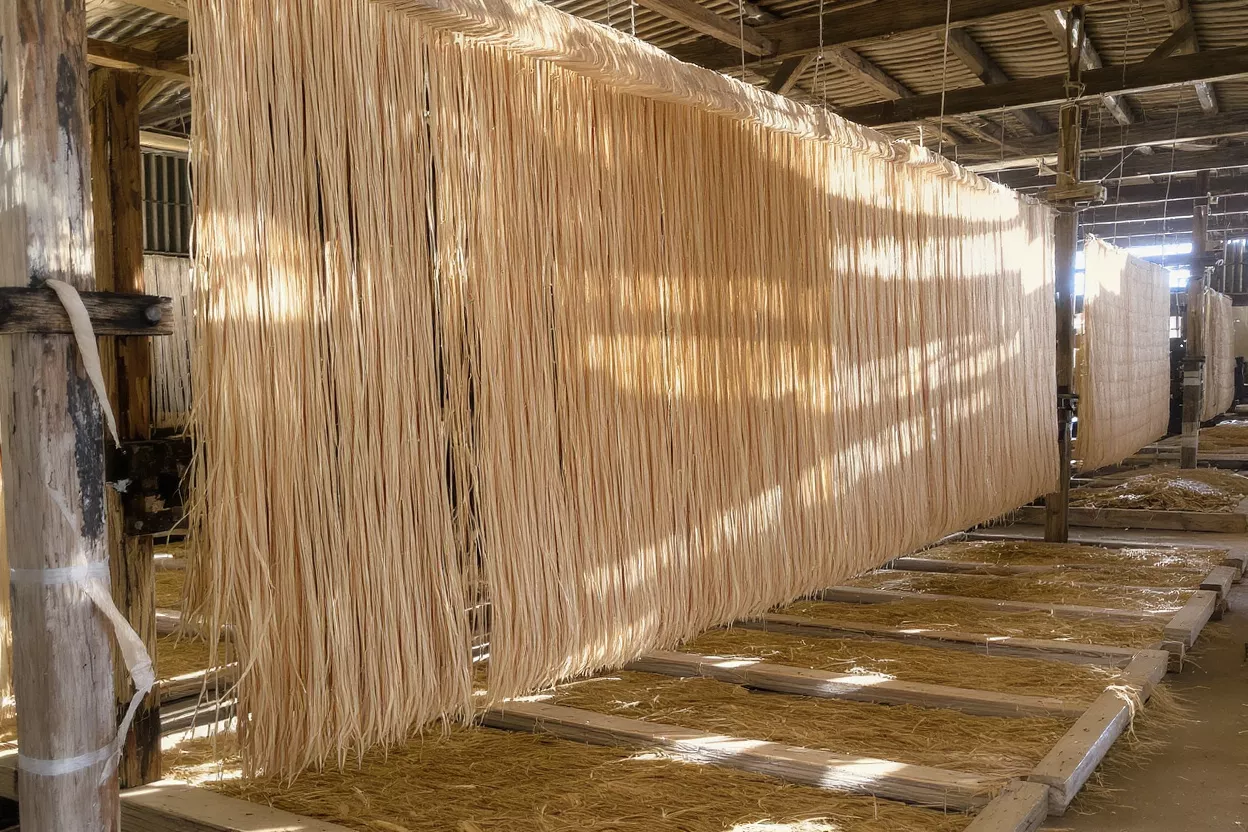
The base fiber determines everything: Most rolling papers begin with a plant-based pulp — wood, flax, hemp, rice, or esparto grass. The raw fibers are processed into a slurry, pressed into ultra-thin sheets, and calendered to a precise thickness. The goal is a paper light enough to disappear into the smoke yet strong enough to survive rolling without tearing.
Manufacturing precision separates premium brands from cheap ones. Thickness is measured in grams per square meter (GSM), and the finest papers hover around 10 to 14 GSM. Thinner sheets contribute less of their own combustion byproduct to the smoke, allowing the cannabis to dominate the experience. The texture, opacity, and burn rate are all engineered during this stage.
Some manufacturers add a watermark pattern pressed into the sheet. This is not decoration — the crosshatch or linear watermark regulates how the paper burns, slowing combustion and helping prevent runs. It is one of the subtle engineering details that distinguishes a thoughtfully designed paper from a generic one.
Types of Rolling Papers by Material
The material a rolling paper is made from shapes its burn rate, flavor neutrality, and overall feel. No single material is universally "best" — each carries trade-offs, and seasoned smokers often keep more than one type on hand depending on the occasion.
- 🌾 Wood pulp: The traditional choice. Easy to roll, widely available, and slightly thicker, which makes them beginner-friendly. Often bleached white, though unbleached versions are common.
- 🌿 Hemp: Made from hemp fibers, these have a slightly textured grip that makes rolling easier and burn at a medium-slow, even pace. A favorite for their natural, earthy character.
- 🍚 Rice: Extremely thin and nearly flavorless, rice papers deliver the cleanest taste but can be tricky for novices because they are smooth and slippery.
- 🌱 Flax and esparto: Used in some ultra-premium and classic European papers, offering a balanced burn and a refined mouthfeel.
Bleached versus unbleached: White papers are bleached for a uniform appearance, while brown unbleached papers skip that chemical step. Many consumers prefer unbleached for a more natural smoke, though high-quality bleaching processes used by reputable brands are considered safe. The visual difference is the most obvious clue to which you are holding.
Flavored and infused papers also exist, coated with natural extracts to add a hint of fruit or sweetness. Purists tend to avoid these because added flavorings can compete with the terpene profile of well-grown cannabis, but they remain a fun novelty for casual sessions.
Rolling Paper Sizes Explained
Size dictates how much you can pack and who you are sharing with: Rolling papers come in standardized dimensions, and choosing the right one depends on your dose and your company. A solo smoker has very different needs than someone rolling for a circle of friends.
- 📏 Single Wide: The narrowest classic size, around 70mm. Holds a modest amount — ideal for a quick personal smoke.
- 📐 1¼: The most popular all-purpose size, slightly wider and roughly 78mm long. A comfortable balance for one or two people.
- 📋 1½: Wider still, giving more room for larger personal joints.
- 👑 King Size: Around 100mm and noticeably longer, built for group sessions and bigger rolls.
- 🎯 King Slim: The same length as king size but narrower, producing an elegant, slow-burning joint with less paper.
The 1¼ size earns its popularity because it suits almost any situation. It accommodates a sensible amount of flower without producing an overwhelming joint, and the paper-to-cannabis ratio keeps the flavor clean. For newcomers, it is the easiest size to learn on.
King slim has become the connoisseur's favorite. By keeping the length of a king size but trimming the width, it minimizes the amount of paper relative to flower, which means a cleaner taste and a longer, more even burn. The trade-off is that the tighter roll demands a little more rolling skill.
Understanding Rolling Paper Adhesives
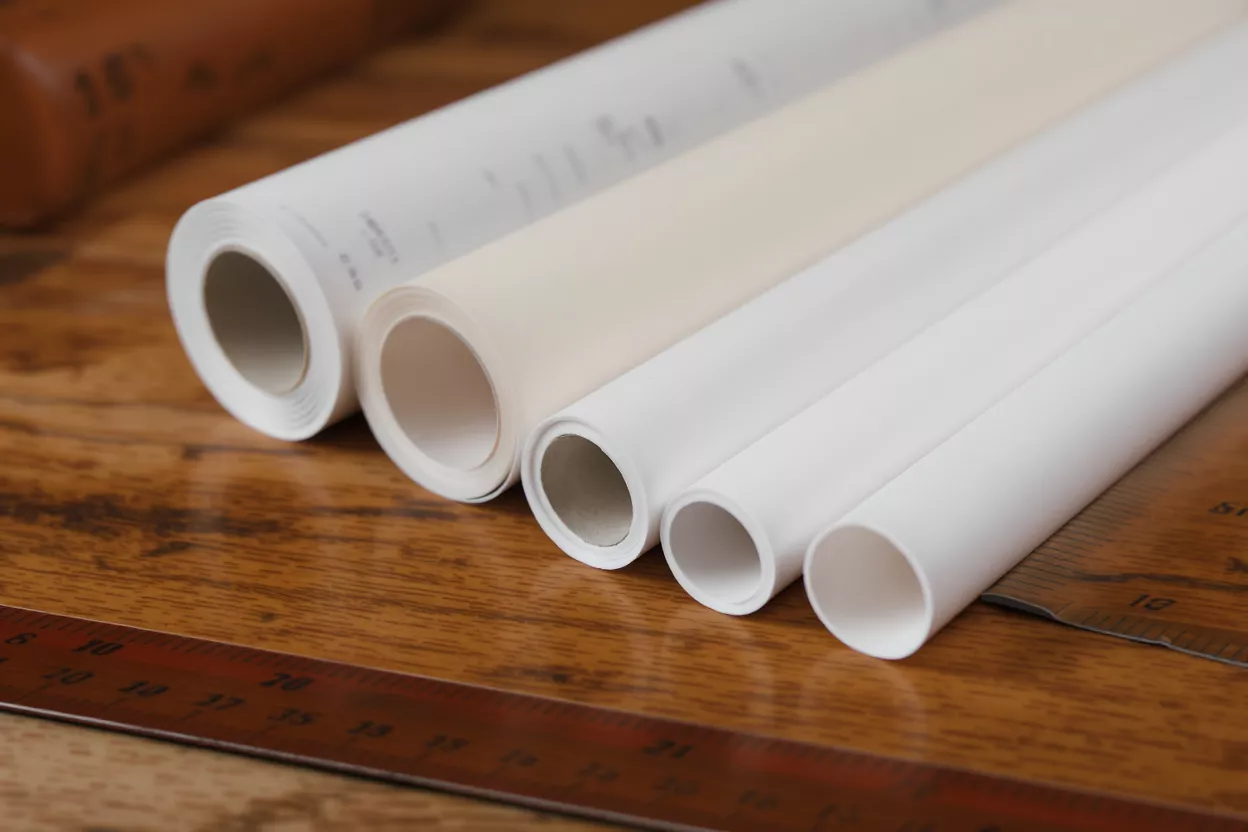
The gum line is what holds your joint together: Along one edge of every rolling paper runs a thin strip of adhesive, typically called the gum or glue line. A light pass of moisture activates it, sealing the rolled paper into a cylinder. The quality and type of this adhesive matters more than most beginners realize.
The most common adhesive is gum arabic, a natural tree sap harvested from acacia trees. It is flavorless, food-safe, and seals reliably with minimal moisture, which is why it dominates the premium market. Cheaper papers sometimes use synthetic adhesives that can leave an off taste or seal inconsistently.
The amount of gum applied also affects the experience. Too little and the joint unravels; too much and it can taste unpleasant or burn unevenly. Reputable manufacturers apply a precise, thin gum line that activates with the lightest lick, striking the balance between a secure seal and a clean smoke.
How to Choose the Best Rolling Papers
Selecting rolling papers comes down to matching the paper to your skill level, your priorities, and the experience you want. There is no objectively perfect paper, but there is a perfect paper for you on any given day.
Match the paper to your experience: Beginners should start with wood pulp or hemp papers, which are thicker and more forgiving. The added grip and structure make a clean roll far more achievable. Once your technique improves, you can graduate to thin rice papers for the purest flavor.
Prioritize what you taste: If terpene clarity is your goal, choose ultra-thin unbleached rice or hemp papers with a natural gum arabic seal. These contribute the least flavor of their own and let the cannabis speak. If convenience and reliability matter more, a well-made wood pulp paper in the 1¼ size is hard to beat.
Are Rolling Papers Safe to Smoke
Any form of combustion produces smoke that carries some risk, and rolling papers are no exception. That said, the paper itself contributes a relatively small fraction of the overall smoke when you choose a thin, clean sheet. The biggest variables are the materials and additives used in the paper.
What to look for and what to avoid: Natural, additive-free papers made from hemp, rice, or unbleached wood pulp are the cleanest options. Avoid papers with synthetic dyes, heavy bleaching, or artificial flavor coatings if you want to minimize what you inhale beyond the cannabis. Gum arabic adhesive is preferable to unidentified synthetic glues.
It is worth remembering that no smoking method is risk-free. Consumers who are concerned about combustion entirely may consider a dry-herb vaporizer as an alternative, which heats flower without burning it. For those who enjoy the ritual of a joint, however, choosing high-quality, natural rolling papers is the most sensible way to keep the experience clean.
How to Roll With Rolling Papers
Rolling a joint by hand is a skill that rewards practice. The first few attempts may be loose or lumpy, but the technique quickly becomes muscle memory. A well-rolled joint burns evenly, draws smoothly, and showcases the flower inside.
- ⚙️ Grind your flower: Use a grinder to break the bud into an even, fluffy consistency for a smooth, consistent burn.
- 🧱 Add a filter tip: Roll a small crutch from thin card to give structure and prevent loose bits from reaching your mouth.
- 👐 Shape the paper: Hold the paper gum-side up and away from you, then distribute the ground flower in an even line.
- 🔄 Roll and tuck: Tuck the unglued edge over the flower, roll it into a cylinder, then lick the gum line and seal.
- 🔥 Pack and twist: Gently tamp the open end, twist it closed, and your joint is ready.
Common rolling mistakes to fix: Overfilling makes a joint that won't seal; underfilling makes it burn too fast. An uneven distribution causes canoeing, where one side burns ahead of the other. Rolling too loosely produces a fast, harsh burn, while rolling too tightly restricts airflow. The fix for all of these is patience and even distribution along the paper.
Rolling Papers vs Other Smoking Methods
Rolling papers occupy a unique space among consumption methods, balancing tradition, affordability, and ritual against the convenience of modern alternatives. Understanding how they compare helps you decide when a joint is the right call.
Joints versus pre-rolls, pipes, and bongs: Compared with a pre-roll, rolling your own gives you full control over the strain, grind, and size. A pipe or bong reuses hardware and conserves flower, but lacks the portability and disposability of a joint. Papers win on travel-friendliness and the social pleasure of passing a freshly rolled joint.
Against vaporizers, rolling papers trade some health considerations for simplicity and cost. A vaporizer avoids combustion and is gentler on the lungs, but it requires charging, cleaning, and a higher upfront investment. Rolling papers cost pennies per session and never run out of battery, which keeps them relevant even as technology evolves.
Caring For and Storing Rolling Papers
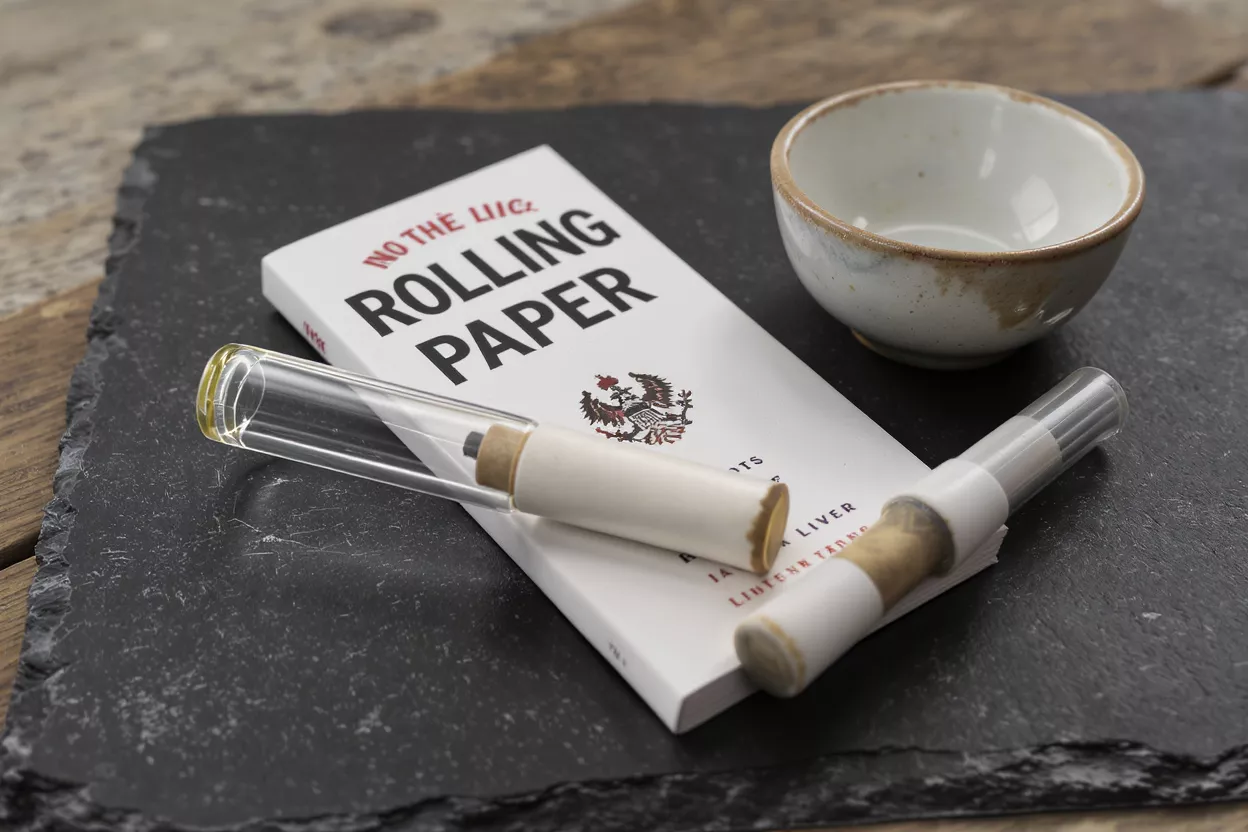
Rolling papers are delicate, and proper storage keeps them rolling smoothly. Because the sheets are so thin, they are sensitive to humidity, which can dry out the gum line or make the paper limp and difficult to handle.
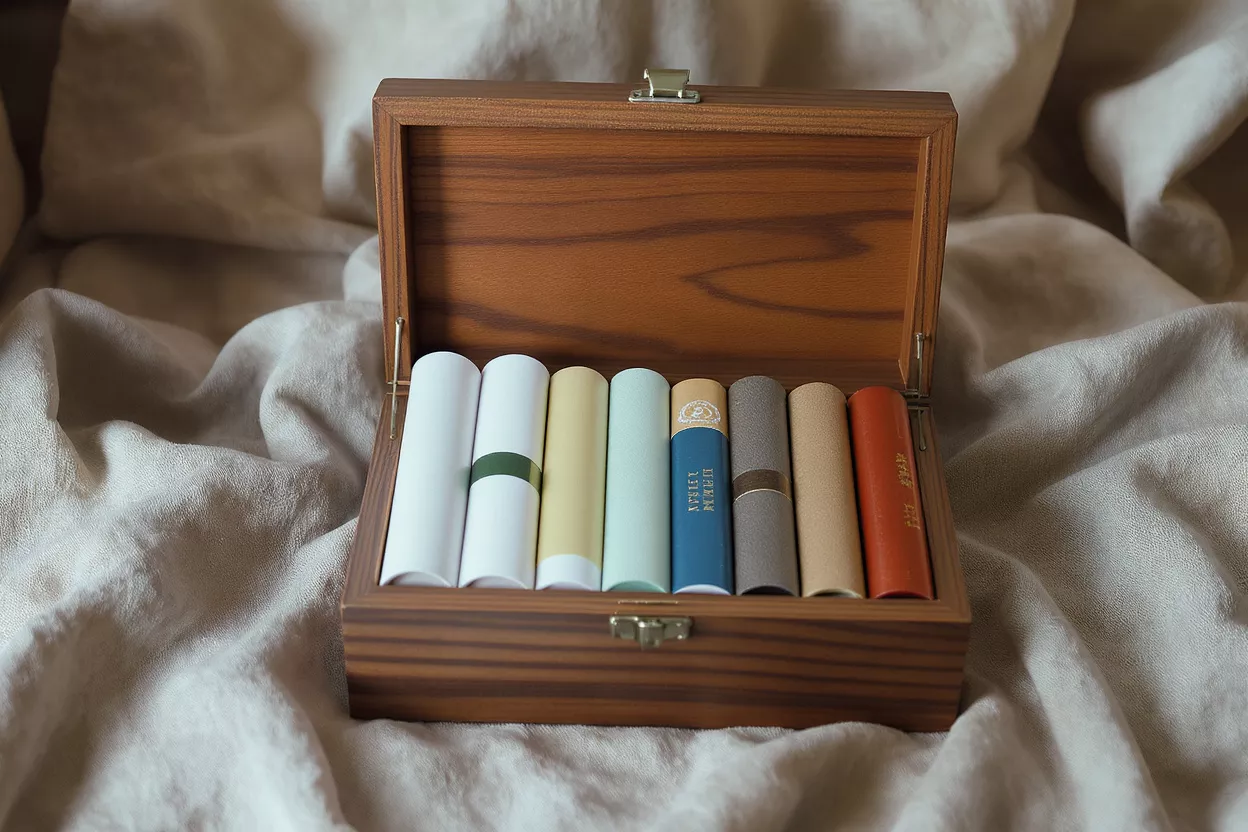
Keeping papers fresh and functional: Store your booklets in a cool, dry place away from direct sunlight and extreme temperatures. The original packaging is designed to protect the gum line, so keep papers inside it until you are ready to roll. A dedicated stash tin or rolling kit keeps everything organized and shields the papers from getting bent or crushed.
If your papers do become brittle or the gum stops sealing well, it is usually a sign they have been exposed to too much heat or dryness. Buying papers in sensible quantities you will actually use ensures you are always rolling with fresh, pliable sheets that seal on the first lick.
Rolling papers remain one of the most enduring and accessible tools in cannabis culture, prized for their simplicity, low cost, and the satisfying ritual they enable. From understanding materials and sizes to mastering the roll and storing your papers properly, a little knowledge goes a long way toward a cleaner, more enjoyable smoke. Whether you favor ultra-thin rice papers for pure flavor or forgiving hemp sheets for an easy roll, choosing quality papers and treating them well ensures every joint lives up to the flower inside it.




Comments