


Sativa
Explore Sativa strains—energizing effects, origins, and benefits.
Sativa Cannabis
Cannabis sativa represents one of the most recognized yet scientifically debated classifications in cannabis taxonomy, traditionally associated with tall-growing, narrow-leafed varieties producing energetic, cerebral effects distinct from their indica counterparts. This classification system, deeply embedded in cannabis culture and commerce, shapes consumer expectations, product marketing, and cultivation decisions despite mounting scientific evidence that morphological appearance poorly predicts chemical composition or effects. The sativa designation encompasses diverse genetic lineages from equatorial regions worldwide, including legendary landrace strains from Thailand, Colombia, and Africa that formed the foundation for modern hybrid development.
The cultural significance of sativa extends far beyond botanical classification to embody an entire spectrum of experiences, medical applications, and lifestyle associations that influence billions of dollars in commercial transactions annually. Consumers seeking daytime functionality, creative enhancement, or mood elevation gravitate toward sativa-labeled products based on deeply ingrained beliefs about their unique properties. This market-driven reality persists even as researchers demonstrate that terpene profiles and minor cannabinoid ratios better predict effects than traditional sativa/indica distinctions. The terminology has become so commercially entrenched that abandoning it would require massive consumer reeducation and market restructuring.
Understanding sativa's true nature requires examining the intersection of botanical science, cultural tradition, and commercial pragmatism that maintains this classification system despite its limitations. Modern genomic analysis reveals extensive hybridization has blurred whatever genuine distinctions may have existed between pure sativa and indica lineages, with most contemporary strains containing mixed heritage. Yet the sativa concept remains valuable for communicating general tendencies about growth patterns, effect profiles, and optimal use cases, serving as useful shorthand even if scientifically imprecise. This paradox between scientific accuracy and market utility illustrates broader challenges in cannabis nomenclature as the industry professionalizes while maintaining connections to traditional knowledge.
Botanical Classification
Historical taxonomy of Cannabis sativa dates to Carl Linnaeus's 1753 classification, originally describing all cannabis as single species before subsequent botanists proposed separate species for different growth forms and geographic origins. Linnaeus based his classification on European hemp specimens, establishing Cannabis sativa as the type species for all cannabis plants. Jean-Baptiste Lamarck later described Cannabis indica in 1785 based on specimens from India, noting differences in growth form and intoxicating properties. Russian botanist Janischewski proposed Cannabis ruderalis in 1924 for wild-growing varieties. Debates continue whether these represent separate species, subspecies, or merely variants within highly variable single species. Modern taxonomists increasingly favor single species interpretation with multiple biotypes. Nomenclature conventions in botanical literature differ from commercial usage significantly. These classification controversies reflect cannabis's complex domestication history and extensive human-directed evolution.
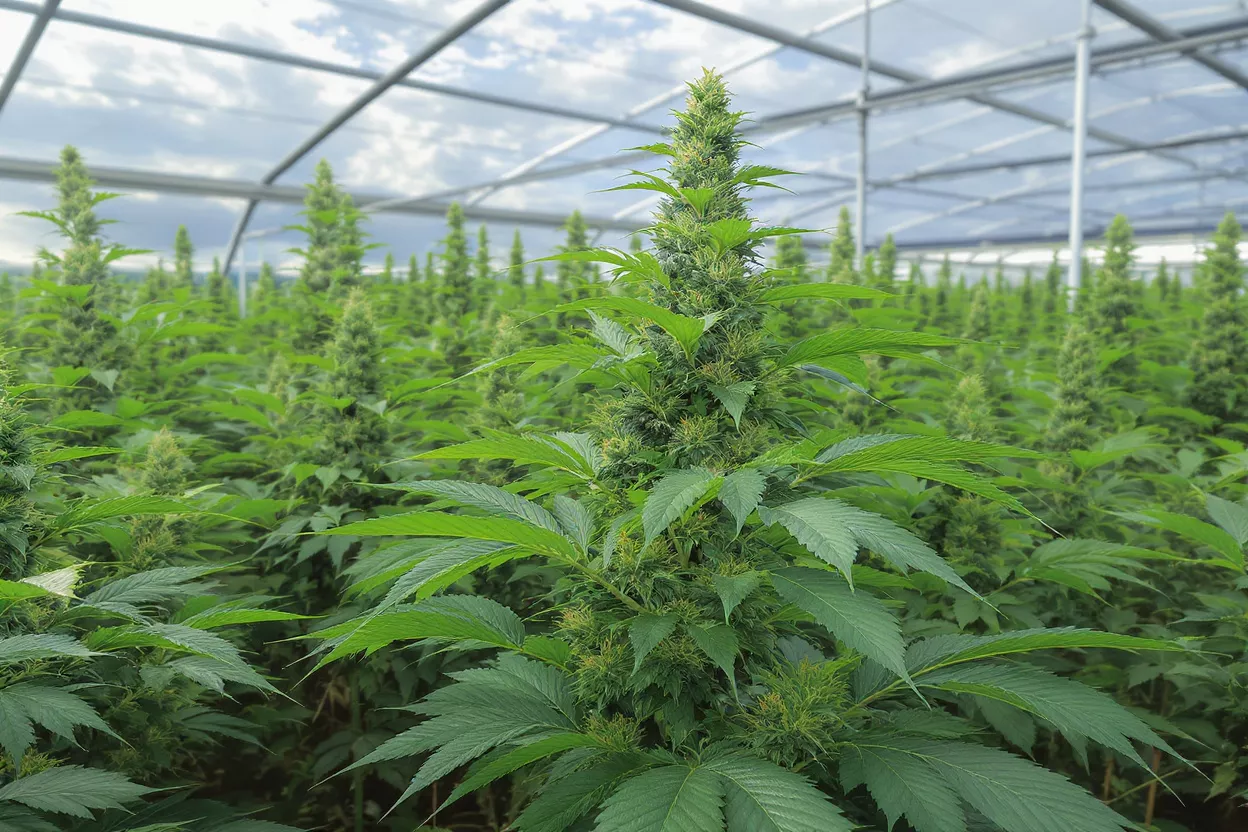
Morphological characteristics traditionally associated with sativa include heights exceeding 12 feet, narrow serrated leaves with long slender fingers, and loose, elongated flower structures adapted to humid equatorial climates. Internodal spacing typically exceeds that of indica varieties, creating open plant architecture facilitating airflow in humid environments. Leaf coloration tends toward lighter greens with individual leaflets sometimes exceeding 13 fingers on mature plants. Root systems develop extensively to support tall growth and extended flowering periods. Stem thickness remains relatively thin compared to plant height requiring support in cultivation. Flower development occurs along entire branch lengths rather than concentrated terminal colas. These physical traits evolved in response to consistent photoperiods and high humidity near equator. However, extensive hybridization means few modern strains display pure sativa morphology, making visual identification unreliable for predicting effects.
Genetic analysis reveals sativa populations share common ancestors from equatorial regions but show significant diversity suggesting multiple domestication events and extensive gene flow between populations. Molecular markers identify distinct genetic clusters corresponding roughly to geographic origins rather than morphological types. Southeast Asian varieties show different genetic signatures from African or South American populations despite similar appearance. Extensive introgression from indica gene pools complicates genetic distinction in modern strains. Phylogenetic studies suggest morphological traits used for classification evolved independently multiple times. Gene expression differences rather than presence/absence of specific genes may drive phenotypic variations. Epigenetic factors significantly influence trait expression blurring genetic boundaries. These findings challenge simple binary classification systems while supporting more nuanced understanding of cannabis diversity based on ancestral lineages and biosynthetic capabilities.
Effects and Characteristics
Traditional effect profiles attributed to sativa strains emphasize cerebral stimulation, enhanced creativity, increased energy, and reduced sedation compared to indica varieties, shaping consumer expectations and usage patterns. Users report improved focus, motivation, and social engagement from sativa consumption, making them popular for daytime use. Anecdotal evidence suggests reduced body heaviness and couch-lock effects associated with indica strains. Medical patients often choose sativas for depression, fatigue, and attention disorders based on these energizing properties. The uplifting effects align with needs for functional consumption allowing productivity. However, some users report increased anxiety or paranoia from sativa strains, particularly at higher doses. These effect profiles influence product positioning and marketing significantly despite limited scientific validation. Consumer education materials routinely describe sativas as energetic alternatives to sedating indicas.

Chemical composition analysis of strains labeled sativa reveals inconsistent patterns challenging traditional effect attributions, with terpene profiles and minor cannabinoids showing stronger correlations to reported experiences. THC:CBD ratios in commercial sativas vary widely without clear patterns distinguishing them from indicas. Terpene analysis shows some tendency toward limonene and pinene dominance in sativa-labeled strains potentially contributing to alertness. However, extensive overlap exists in chemical profiles between market categories. Minor cannabinoids like THCV appear more frequently in certain African sativa lineages possibly contributing to unique effects. Biosynthetic capacity for specific compounds may represent true genetic differences lost in morphological classification. Analytical testing rarely supports consistent chemical signatures for sativa versus indica labels. These findings suggest effects attribution based on appearance lacks scientific foundation while supporting chemotype-based classification systems.
Placebo and expectancy effects significantly influence perceived differences between sativa and indica experiences, with consumer beliefs potentially creating self-fulfilling prophecies about strain-specific effects. Studies where participants receive mislabeled strains report effects consistent with false labels rather than actual chemistry. Marketing messages and budtender recommendations shape expectation more than genetic lineage. Cultural conditioning about sativa effects influences subjective experiences powerfully. Ritual and setting differences between perceived strain types may contribute to effect variations. Price premiums for exotic sativas might enhance placebo responses through value perception. Social consumption contexts differ between strain types affecting experiences. These psychological factors complicate efforts to validate genuine pharmacological differences between traditional categories while highlighting the power of belief in shaping drug experiences.
Cultivation Considerations
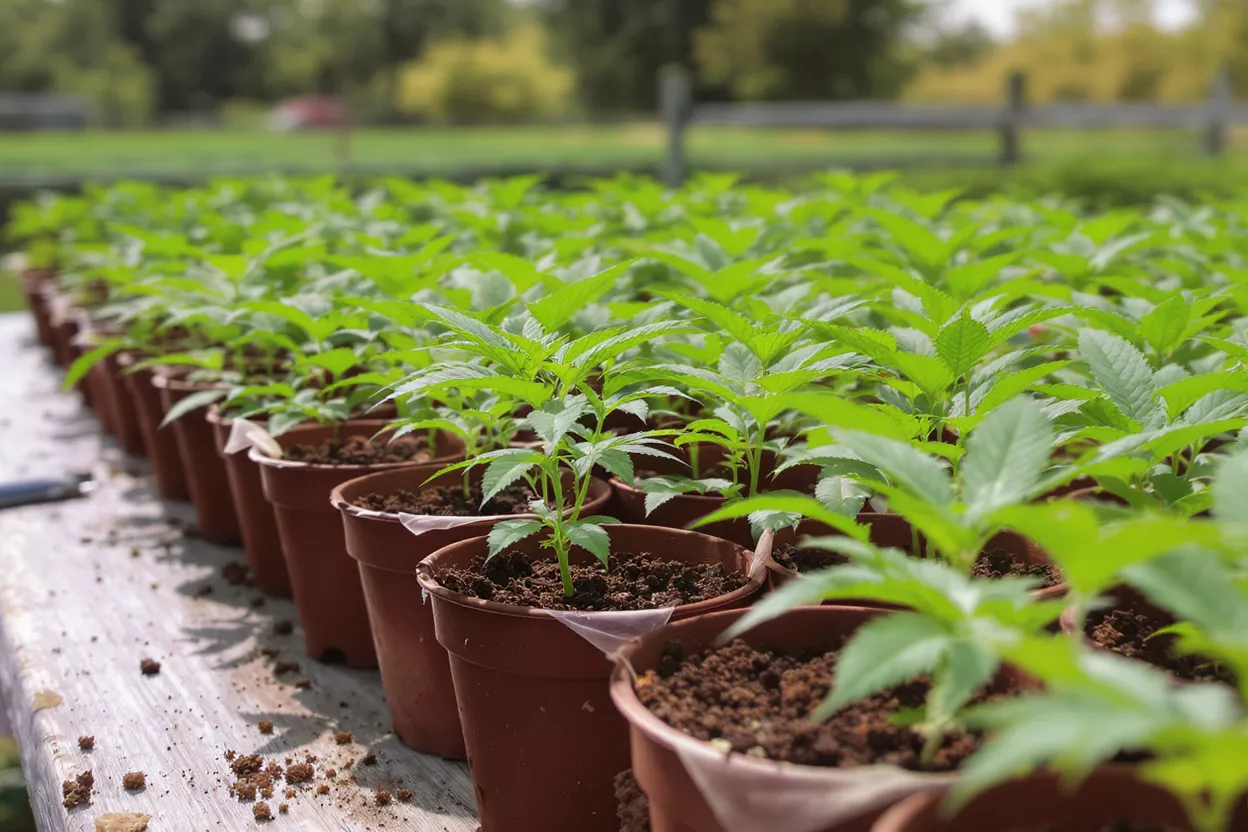
Growing requirements for traditional sativa varieties present unique challenges including extended flowering periods, height management needs, and specific environmental preferences evolved for equatorial conditions. Flowering periods often extend 12-16 weeks compared to 8-10 weeks for indica varieties, requiring patient cultivation and increased resources. Height control becomes essential in indoor environments where sativas rapidly outgrow spaces designed for compact plants. Training techniques like topping, super-cropping, and screen of green become necessary for space management. Light intensity requirements reflect adaptation to intense equatorial sun. Nutrient needs during extended flowering differ from faster-finishing varieties. Humidity tolerance varies with landrace origins, with some Thai varieties handling moisture better than African strains. These cultivation challenges led many commercial producers to favor indica-dominant hybrids, contributing to loss of pure sativa genetics in modern markets.
Environmental adaptation strategies for sativa cultivation include greenhouse production, light deprivation techniques, and selective breeding for earlier maturation while maintaining characteristic effects. Greenhouse cultivation allows height accommodation while controlling photoperiods for tropical varieties. Light deprivation triggers flowering in photosensitive sativas regardless of natural season length. Breeding programs cross pure sativas with earlier finishing varieties attempting to preserve effects while improving cultivation practicality. Auto-flowering genetics introduction creates day-neutral sativas suitable for northern latitudes. Indoor cultivation techniques evolved specifically for tall-growing varieties including vertical farming approaches. Climate control systems replicate equatorial conditions optimizing expression. Nutrient programs adjusted for extended flowering periods prevent deficiencies. These adaptations enable sativa cultivation outside native ranges while presenting ongoing challenges for commercial viability.
Yield considerations often disadvantage pure sativa varieties in commercial cultivation where production efficiency drives profitability, leading to market scarcity of traditional genetics. Extended flowering periods increase labor, energy, and facility costs per harvest cycle. Lower flower density compared to indica varieties reduces weight yields from equivalent spaces. Trimming labor increases with loose, airy bud structures typical of sativas. Market prices rarely compensate for reduced yields and increased production costs. Risk of hermaphroditism increases with flowering period length potentially ruining crops. Pest and disease pressure accumulates over longer growth cycles. These economic realities drive commercial preference for faster, higher-yielding hybrids. Boutique producers focusing on quality over quantity maintain limited sativa production. Preservation efforts for pure sativa genetics require subsidization through premium pricing or ideological commitment.
Market Evolution
Consumer preference shifts toward sativa-labeled products reflect changing usage patterns emphasizing functionality, wellness, and daytime consumption over traditional intoxication-focused approaches. Market data shows increased sativa sales correlating with cannabis normalization and professional consumer adoption. Microdosing trends favor sativa products perceived as less impairing for workplace proximity. Wellness-oriented consumers choose sativas for exercise enhancement and mood support. Creative industries show particular affinity for sativa products aligning with productivity needs. Morning and afternoon consumption occasions drive sativa preferences over evening indica use. Product innovations like sativa-specific vaporizers and fast-acting edibles cater to functional usage. These preference shifts influence cultivation decisions and product development strategies industry-wide despite questionable scientific basis for effects differentiation.
Marketing strategies leveraging sativa classifications create powerful brand narratives around energy, creativity, and lifestyle alignment that resonate with target demographics despite taxonomic limitations. Packaging design for sativa products often features bright, energetic colors and active lifestyle imagery. Strain names emphasize uplifting concepts like "Green Crack" or "Durban Poison" reinforcing energetic associations. Celebrity endorsements from athletes and artists strengthen sativa-creativity connections. Social media campaigns showcase sativa use in productive, social contexts. Educational materials position sativas as sophisticated choices for discerning consumers. Premium pricing strategies leverage sativa mystique for margin enhancement. International brands build identity around sativa heritage from specific regions. These marketing approaches demonstrate commercial value of maintained classifications regardless of scientific accuracy.
Future classification systems may move beyond simplistic sativa/indica dichotomies toward chemotype-based categories, though market inertia and consumer familiarity create substantial barriers to nomenclature changes. Terpene-focused classification systems gain traction among educated consumers seeking predictable effects. Cannabinoid ratio categories provide more accurate effects prediction than morphological types. Genetic marker classification could group strains by biosynthetic capabilities rather than appearance. Effect-based categories like "focused," "relaxed," or "balanced" avoid botanical terminology entirely. App-based recommendation engines use chemical data bypassing traditional classifications. Laboratory shopping by chemotype rather than strain name increases among medical users. However, massive consumer education requirements and industry resistance slow classification evolution. Hybrid terminology acknowledging spectrum rather than binary nature represents compromise position. These evolutionary pressures suggest gradual refinement rather than revolutionary change in cannabis classification systems.




Comments