

Seed
Learn everything about the cannabis seed — how it forms, types, viability, and saving tips.
What Is a Cannabis Seed
A cannabis seed is the reproductive unit of the plant — a small, self-contained package of genetic material capable of growing into an entirely new specimen. Inside that hard outer shell sits the embryo, the dormant blueprint that encodes everything from cannabinoid potential to leaf shape, flowering time, and resistance to stress. For growers and breeders alike, the seed is where every cultivation journey truly begins.
Unlike clones, which are exact genetic copies of a parent, a seed represents a fresh combination of two parents' DNA. That recombination is what makes seeds so valuable: it introduces variation, vigor, and the raw material for selective breeding. A single quality seed can carry the lineage of generations of careful selection.
Understanding what a seed is — and what it is not — sets the foundation for everything that follows. A seed is not simply a way to start a plant; it is a vault of heritable information that determines how that plant will grow, smell, taste, and perform under your specific conditions.
How Cannabis Seeds Form
Cannabis is typically dioecious, meaning individual plants are usually either male or female. Seed formation begins when pollen from a male plant reaches the flowers of a female plant. Once a flower is pollinated, the female redirects energy away from producing resin-heavy buds and toward developing seeds within the calyxes.
The pollination window matters: Female flowers are receptive for a limited period during early-to-mid flowering. Breeders often hand-pollinate by collecting pollen and applying it to specific branches with a brush, which lets them control exactly which genetics combine. This precision is the difference between an accidental seedy harvest and a deliberate breeding project.
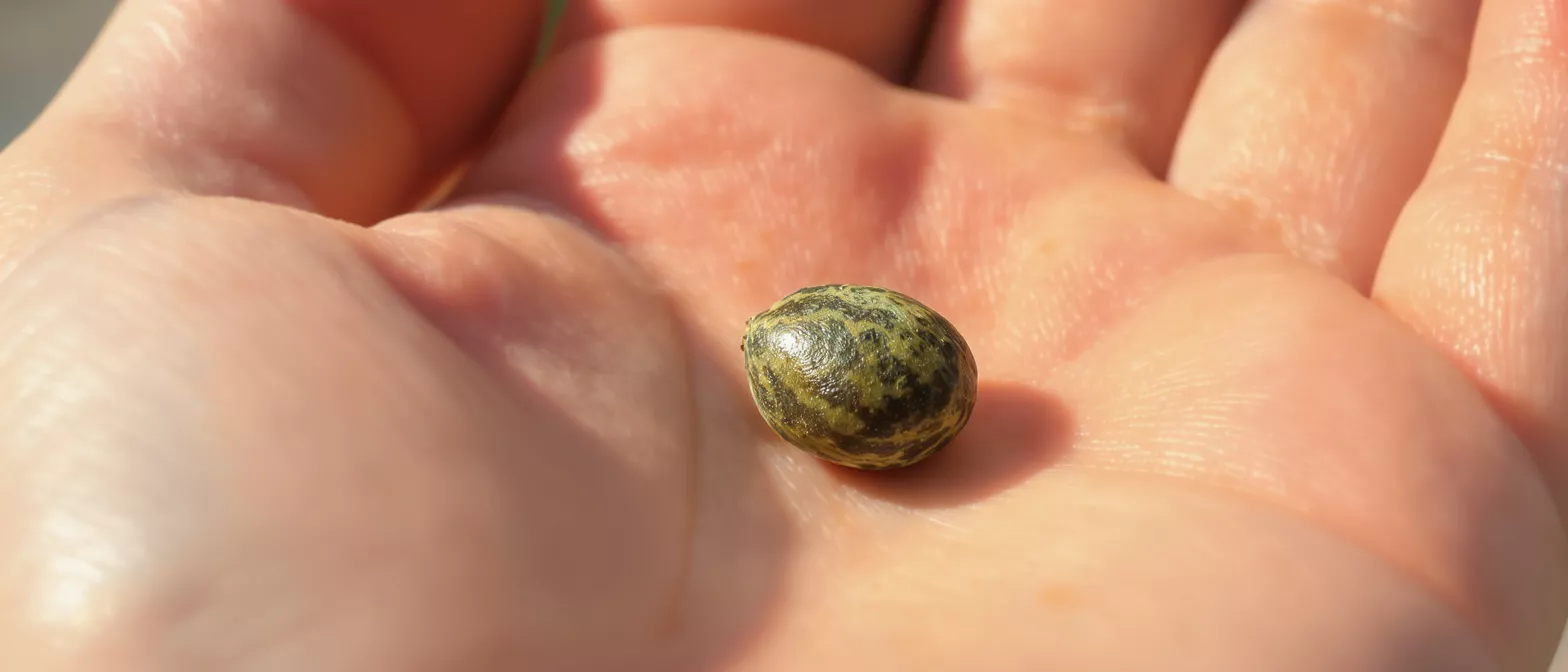
After fertilization, seeds mature over several weeks. A ripe seed develops a firm shell, often with a tiger-stripe or mottled pattern, and the surrounding bracts begin to swell and split as the seed reaches full size. Harvesting too early yields immature, pale seeds with poor viability, while waiting for proper maturation produces the dark, robust seeds breeders prize.
Anatomy of a Healthy Seed
A mature seed is more sophisticated than it looks. The outer shell, or testa, protects the contents and resists moisture loss during dormancy. Inside lies the embryo — including the radicle that becomes the root and the cotyledons that emerge as the first seedling leaves — surrounded by stored nutrients that fuel early growth before the plant can photosynthesize on its own.
Healthy, viable seeds share several visual and tactile traits worth knowing before you plant:
- 🌑 Color and pattern: Deep brown, grey, or black tones, often with tiger-stripe mottling, signal maturity.
- 💪 Hardness: A viable seed resists gentle pressure between fingers rather than crushing easily.
- ✨ Sheen: A faint waxy or glossy coating indicates a fresh, well-developed shell.
- ⚖️ Weight: Plump, heavier seeds tend to hold more viable embryos than light, hollow ones.
Pale green or white seeds are generally immature and unlikely to germinate. Cracked or crushed shells expose the embryo to air and pathogens, sharply reducing the odds of success. Learning to read these signals saves time and prevents disappointment at the germination stage.
Types of Cannabis Seeds
Not all cannabis seeds behave the same way. Modern breeding has produced several distinct categories, each suited to different goals, skill levels, and growing environments. Choosing the right type before you buy or save a seed can dramatically change your results.
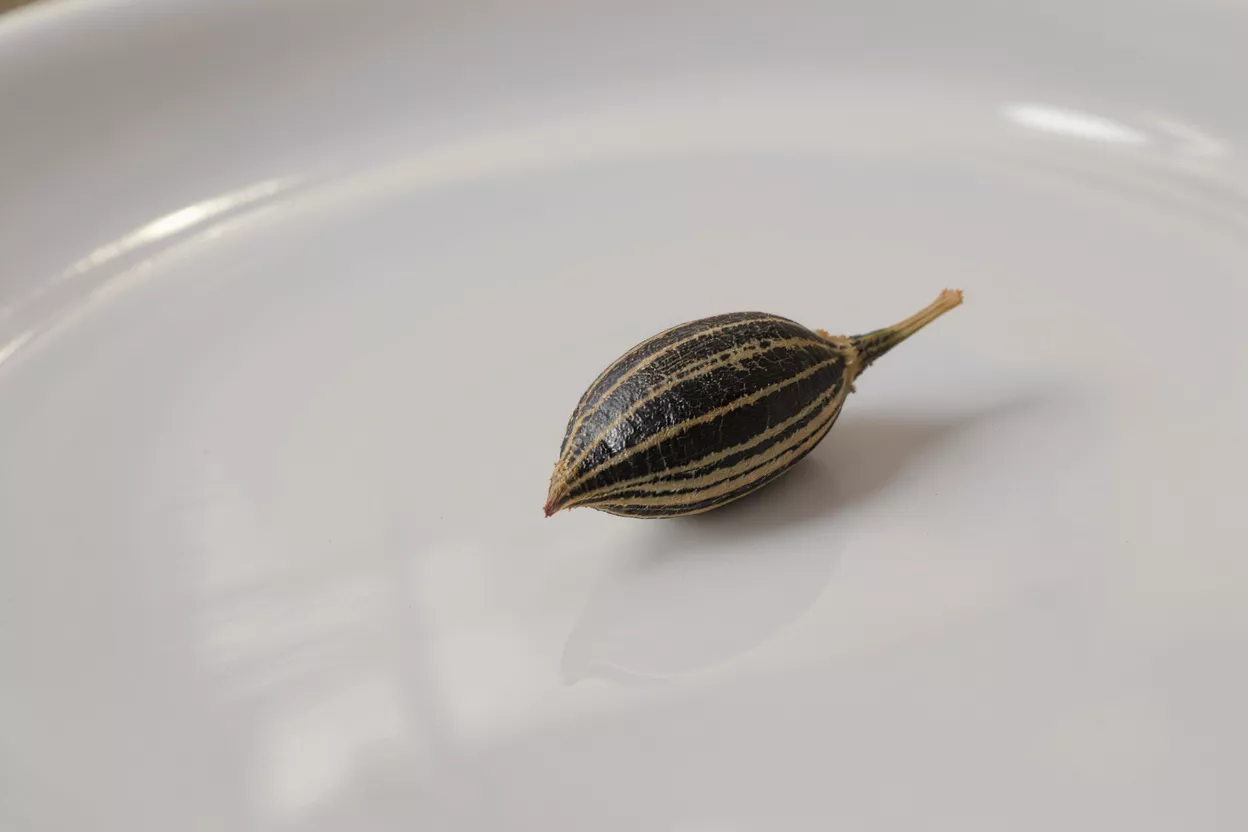
Regular seeds are the traditional, unmodified option, producing roughly equal numbers of male and female plants. They are the backbone of serious breeding because they preserve the full genetic toolkit. Feminized seeds are bred to produce almost exclusively female plants, the ones that yield smokable, cannabinoid-rich flowers. Autoflowering seeds carry ruderalis genetics that trigger flowering based on age rather than light cycle.
Here is a quick comparison of the main seed categories and what they offer:
- 🌱 Regular: Mixed male and female plants; best for breeding and preserving genetics.
- 🌸 Feminized: Nearly all female; ideal for growers who only want flower.
- ⏱️ Autoflowering: Flowers by age, not light; fast and forgiving for beginners.
- 🧬 Fast-version: Photoperiod genetics bred for shorter flowering times.
Feminized vs Regular Seeds Explained
The choice between feminized and regular seeds is one of the first real decisions a grower faces, and it shapes the entire project. Each has a place, and the "better" option depends entirely on your intent.
Why growers choose feminized seeds: Eliminating males removes the risk of accidental pollination and the labor of sexing plants midway through the grow. For someone cultivating a handful of plants purely for flower, feminized seeds maximize usable yield from limited space. The trade-off is that they offer less value to breeders, since you cannot easily produce new crosses without male plants.
Why breeders keep regular seeds: Regular seeds preserve the natural male-to-female ratio and the full expression of recessive traits. Serious breeders need males to introduce pollen and create stable new lines. Regular seeds also tend to show fewer hermaphroditic tendencies than poorly produced feminized stock, which matters for long-term genetic health.
How to Tell If a Seed Is Viable
Before committing soil, space, and weeks of effort, it helps to estimate whether a seed is likely to sprout. Viability assessment combines visual inspection with a few simple physical tests that experienced growers rely on.
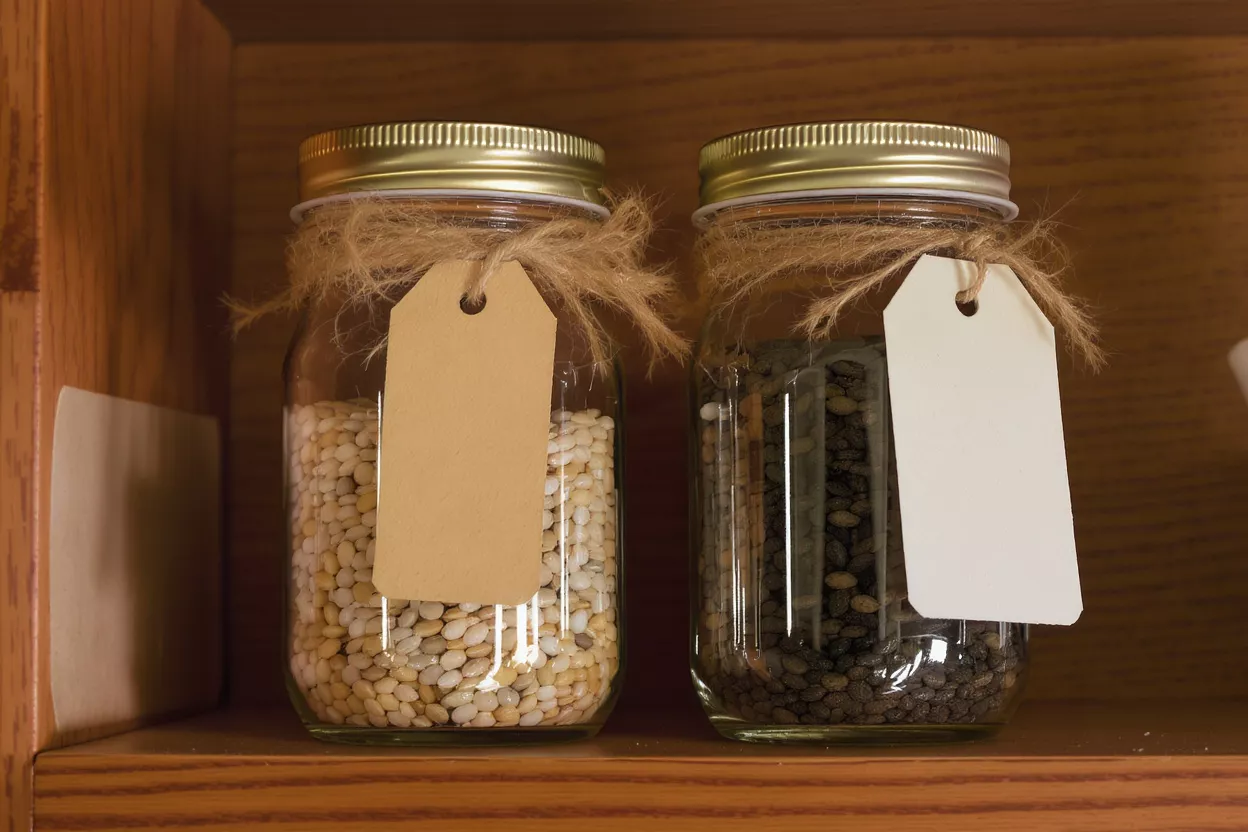
The float test is a common starting point: drop seeds in a glass of room-temperature water and wait an hour or two. Seeds that sink are generally denser and more likely viable, while floaters are often hollow or immature. It is not infallible — some viable seeds float briefly — but combined with visual cues it gives a useful first read.
Beyond floating, a gentle squeeze tells you a great deal. A healthy seed feels firm and springs back; a viable one will not collapse. Color and finish, as covered earlier, round out the picture. When several of these signals align — dark color, firm shell, good weight, and a clean sink — the odds of a strong germination climb significantly.
How to Save Seeds From Good Plants
Saving seeds from your best plants is one of the most rewarding skills in cultivation. It lets you preserve genetics you love, adapt strains to your local conditions over generations, and reduce dependence on outside sources. The process starts with selection and ends with patient harvesting.
Selecting parent plants thoughtfully: Choose plants that excel in the traits you care about — aroma, vigor, mold resistance, potency, or structure. Save seeds only from healthy, well-developed specimens, because weak or stressed parents tend to pass along weak traits. The quality of your saved seed can never exceed the quality of the plants that produced it.
Once pollination has occurred and seeds have matured, harvest them when the shells are dark and firm and the surrounding bracts have swelled and started to open. Gently break apart the dried flower material to release the seeds, then separate them from chaff. Follow these steps for a clean save:
- 🔍 Inspect: Sort seeds, discarding pale, cracked, or undersized ones.
- 🧹 Clean: Remove plant debris that can trap moisture and invite mold.
- 🌬️ Dry: Let seeds air-dry in a cool, dark spot for one to two weeks.
- 🏷️ Label: Record strain, parents, and date before storage.
Storing Seeds for the Long Term
A well-saved seed can remain viable for years — sometimes a decade or more — if stored correctly. The enemies of seed longevity are heat, light, moisture, and fluctuating conditions. Control those four variables and you preserve your genetics far into the future.
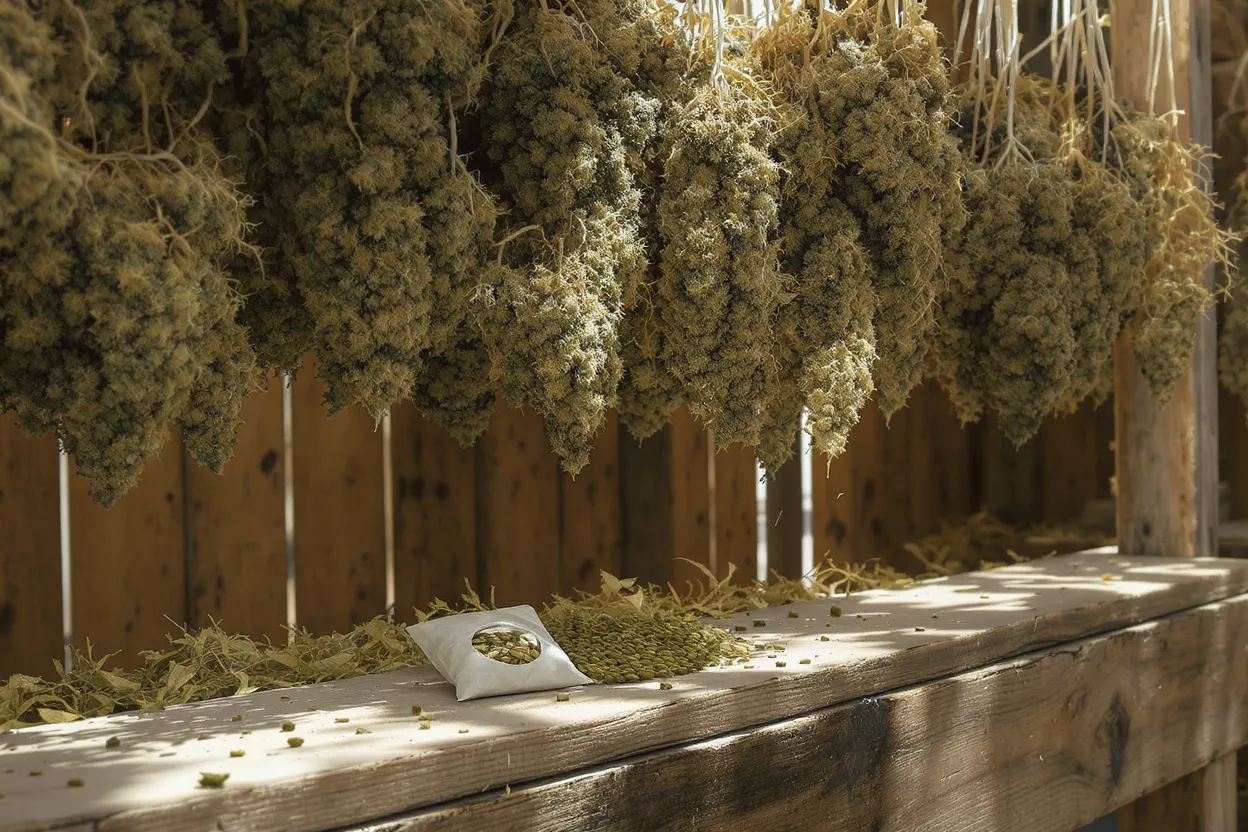
The ideal storage environment is cool, dark, dry, and stable. Many growers keep seeds in airtight containers with a desiccant pack to absorb stray moisture, then store those containers in a refrigerator. Consistency matters more than achieving a single perfect temperature; repeated warming and cooling cycles stress the embryo and shorten viability.
Avoid the freezer unless seeds are thoroughly dry, since ice crystals can rupture cells inside a damp seed. Label everything with strain and date, and resist the urge to open containers frequently, as each opening introduces humidity and temperature swings. Treated with this care, your saved seeds become a living archive of the genetics you value most. 🧊
Seed Genetics and Breeding Traits
Every seed carries a genetic story written by its parents, and understanding that story is the key to intentional breeding. Traits like potency, terpene profile, flowering time, and resilience are governed by genes that may be dominant, recessive, or expressed only under certain conditions.
Phenotype versus genotype: The genotype is the full genetic code a seed carries, while the phenotype is how those genes actually express in a given environment. Two seeds from the same parents can produce noticeably different plants — different heights, aromas, or colors — because each inherits a unique mix of genetic material. This is why breeders grow out many seeds and select the standout phenotype to work with.
Stabilizing a new line takes patience and repetition. Breeders cross and back-cross over multiple generations to lock in desirable traits and eliminate unwanted ones, gradually producing seeds that reliably express the same characteristics. A strain is considered stable when its seeds consistently grow into plants that match the intended profile, generation after generation.
Are Cannabis Seeds Legal and Safe
The legality of cannabis seeds varies widely by jurisdiction, and the rules around possessing, germinating, and cultivating them are not always the same. In many regions, mature seeds contain no measurable cannabinoids and are treated differently from flower, while in others any part of the plant is regulated. Always check the laws specific to your location before acquiring or planting seeds.
Handling seeds safely is straightforward, as the seeds themselves pose minimal risk. The main considerations are storage hygiene — keeping them dry and free of mold — and ensuring any germination or cultivation complies with local regulations. Seeds purchased from reputable sources are typically clean and free of contaminants.
From a cultivation standpoint, starting from quality seed gives a plant the strongest possible foundation. A healthy seed produces a vigorous taproot and a resilient seedling, setting the stage for a productive grow. Whether you are preserving a beloved strain or experimenting with new crosses, respecting both the plant's biology and your local laws ensures the experience stays rewarding.
From its hard protective shell to the genetic blueprint inside, the cannabis seed is far more than a starting point — it is a record of breeding history and a promise of future harvests. Knowing how seeds form, how to judge their viability, how to save and store them, and how genetics shape the plants they become turns a simple seed into a powerful tool. Treat your seeds with care, select your parents wisely, and store your genetics well, and you will always have the foundation for your next great grow.

Comments