


Shatter
Discover what shatter is, how it's made, and how to use this potent cannabis concentrate.
What Is Shatter Cannabis Concentrate
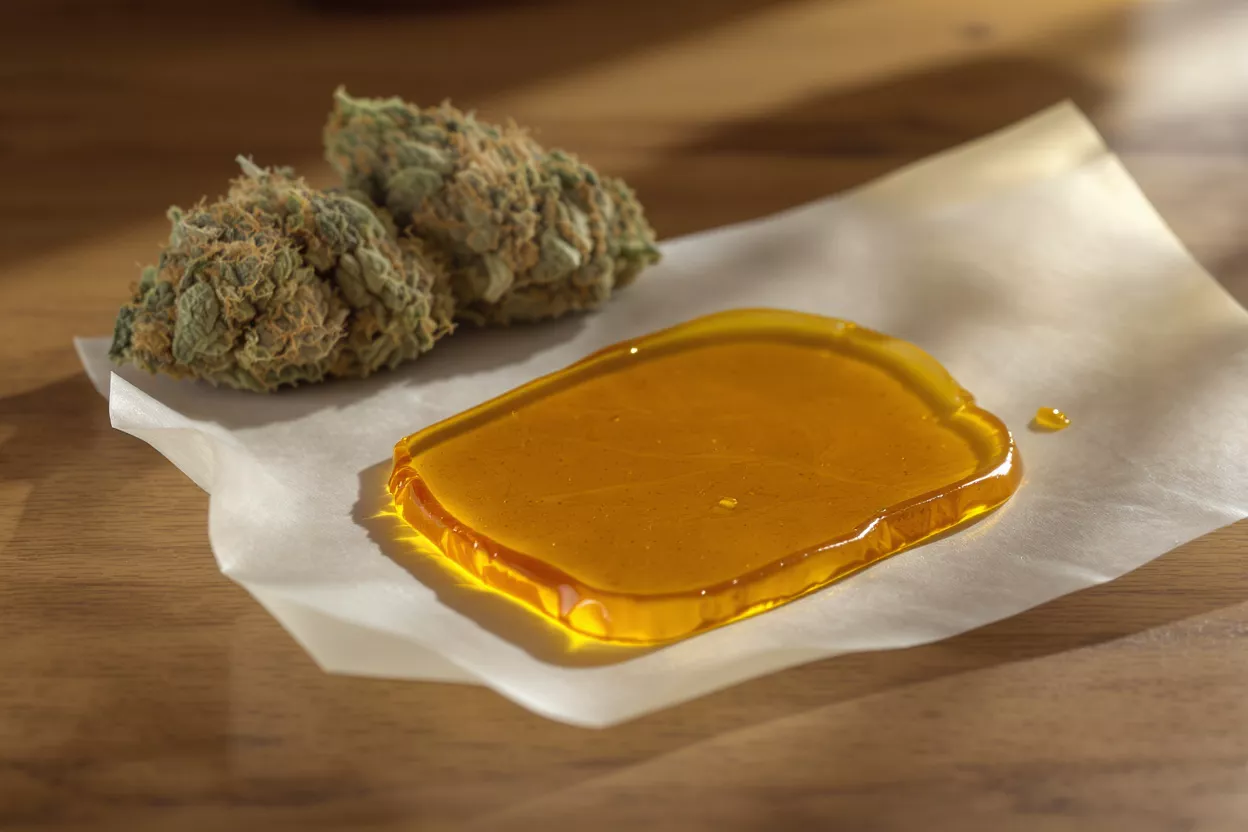
Shatter is a cannabis concentrate defined by its translucent, glass-like appearance and brittle texture that snaps cleanly when broken. It belongs to the broader family of concentrate products, where the active compounds of the cannabis plant are extracted and condensed into a far more potent form than dried flower. The name comes directly from its defining trait: at room temperature, a quality slab can fracture like a thin pane of amber glass.
For anyone exploring the world of cannabis extracts, shatter is often the first product that comes to mind because of its striking visual signature. It typically ranges in color from pale honey to deep amber, with clarity that hints at how carefully it was processed. The cleaner and more transparent the slab, the more refined the extraction tends to be.
Unlike crumbly or waxy concentrates, shatter holds together as a stable, solid sheet. This stability is not just cosmetic — it reflects a specific molecular arrangement of cannabinoids that stays uniform rather than separating or crystallizing. That consistency is exactly what producers aim for when they pour and cure each batch.
How Shatter Is Made From Cannabis
The journey from plant to shatter begins with extraction, most commonly using a solvent such as butane or propane. In a process known as BHO production, the solvent is passed through packed cannabis material to dissolve the resin glands, pulling cannabinoids and terpenes away from the inert plant matter.
Once the solvent strips the desired compounds, the resulting solution is collected and the solvent must be carefully removed. This is achieved through a vacuum purge, where low heat and reduced pressure coax the residual butane out of the mixture without agitating it. Agitation is the key variable here — it is what separates a glassy shatter from a creamy wax.
Because shatter requires an undisturbed cure, technicians keep the extract still and apply gentle, even heat over a long purge. The end result is a transparent slab where the cannabinoid molecules remain in a tight, glass-like lattice rather than tangling into an opaque texture.
Why Shatter Looks Like Glass
The signature transparency of shatter comes down to molecular behavior during the cure. When cannabinoids cool without being disturbed, they settle into a stable, amorphous state that lets light pass through. This is why a well-made slab looks like stained glass and snaps with a satisfying crack.
Temperature plays a major role in how a finished slab behaves. In cooler conditions, shatter is firm and brittle — the classic snap. As it warms, the same material can soften and become taffy-like, sometimes drifting toward a stickier consistency. This is normal and reflects the natural physics of the concentrate rather than any flaw.
Color and clarity also tell a story about the source material and processing. Lighter, more transparent slabs generally indicate fresher input and a cleaner purge, while darker shades can point to more mature plant material or higher heat during extraction. Neither extreme is automatically better, but clarity remains a useful visual cue for quality.
Shatter THC Potency Explained
Shatter is prized for its potency, with THC levels frequently landing between 70% and 90%. Compared to dried flower, which typically sits in the 15% to 25% range, this represents a dramatic concentration of active cannabinoids into a small amount of material.
This intensity is the direct result of the extraction process stripping away the bulk of the plant — fibers, moisture, and inert matter — and leaving behind a refined resin. What remains is a dense reservoir of cannabinoids that delivers a fast, powerful effect when vaporized.
Because of this strength, portion control matters more with shatter than almost any other product. A piece the size of a grain of rice can be plenty for many users. Consider these potency reference points:
- 🌿 Dried flower: roughly 15–25% THC, the everyday baseline.
- 💧 Shatter: commonly 70–90% THC, a major step up in concentration.
- ⚖️ Dosing rule: start with a tiny dab and wait before adding more.
Shatter vs Other Cannabis Concentrates
Shatter sits within a crowded family of extracts, and understanding how it compares helps you choose the right product. The main differences come down to texture, terpene content, and how each one is processed after extraction.
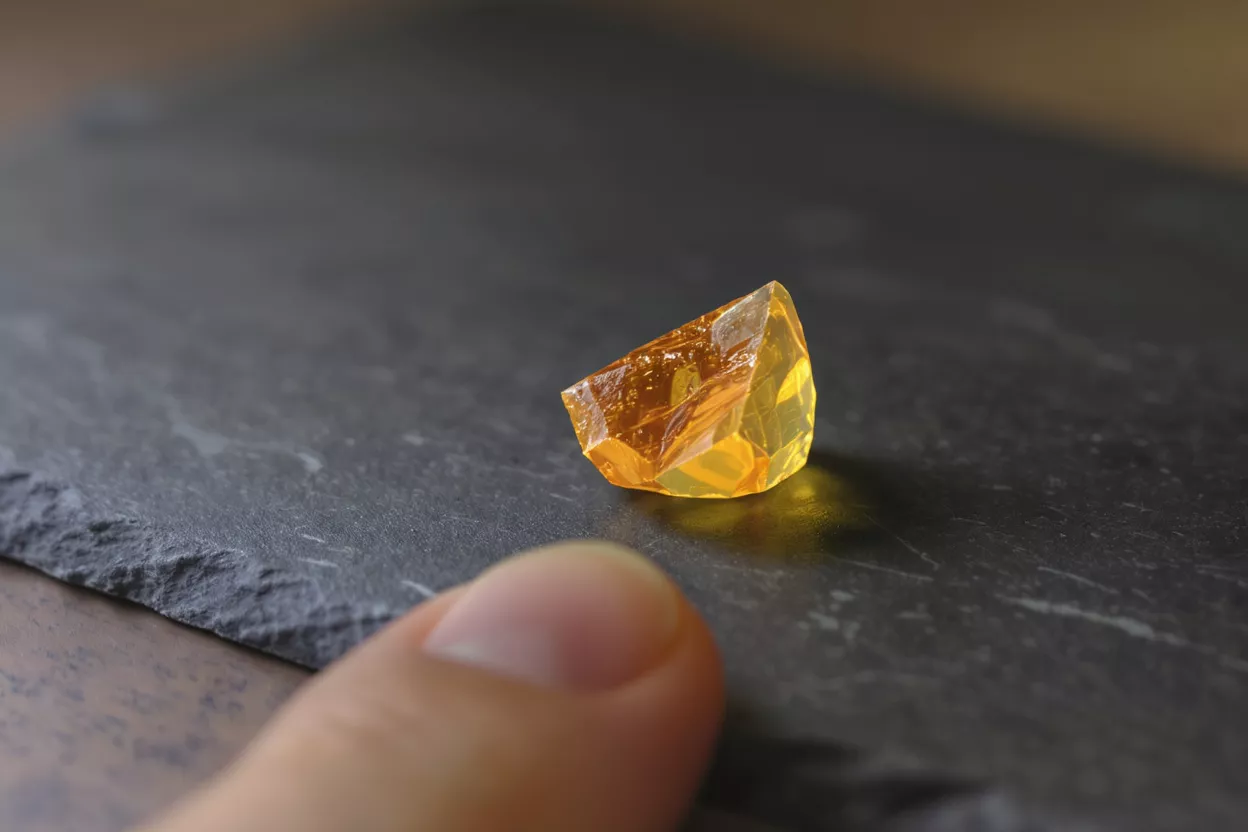
The texture divide is the easiest place to start. Shatter is hard and glassy, while wax and budder are soft and opaque thanks to deliberate agitation during the cure. Live resin takes yet another path, preserving more terpenes by extracting from frozen, fresh-frozen plant material for a more aromatic experience.
Here is a quick comparison of where shatter stands among popular concentrates:
- 🔷 Shatter: glassy, brittle, stable, lower terpene retention.
- 🧈 Wax/Budder: soft and creamy from whipping during the purge.
- ❄️ Live Resin: terpene-rich and aromatic, made from frozen flower.
- 💎 Diamonds: crystalline THCA structures, often paired with terpene sauce.
The trade-off with shatter is that its long, undisturbed purge tends to drive off more terpene content than gentler methods. You gain stability and clean potency but lose some of the aromatic complexity that terpene-forward extracts deliver.
How to Use Shatter the Right Way
Dabbing is the most common way to enjoy shatter. This involves heating a surface — a nail or banger on a specialized rig — and applying a small piece of the concentrate so it vaporizes instantly. The vapor is then inhaled, delivering rapid onset and a clean expression of the cannabinoids.
For those without a dab rig, many vaporizers designed for concentrates accept shatter directly. These devices heat the material to a precise temperature, producing vapor without combustion and offering a more portable, discreet option than a full glass setup.
Shatter can also be added to a bowl of flower or sprinkled into a joint to boost potency, though its brittle texture makes it slightly awkward to handle this way. Warming the slab gently between your fingers softens it enough to work with. Whatever method you choose, the golden rule is restraint — start small and build up.
Shatter Storage Tips for Freshness
Proper storage protects both potency and texture. Shatter is sensitive to heat, light, and air, all of which can degrade cannabinoids and cause the slab to soften, darken, or lose its signature snap over time. Keeping it in a cool, dark environment slows this natural breakdown considerably.
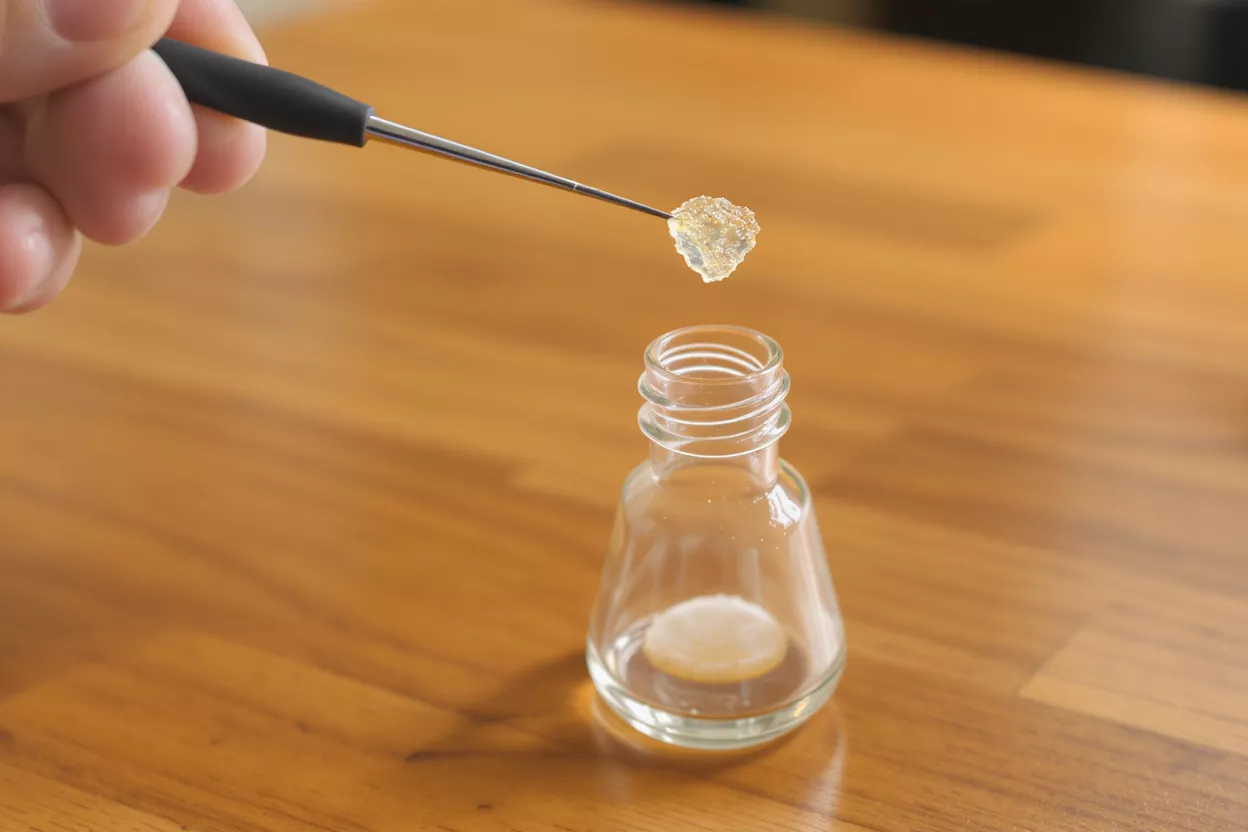
Non-stick parchment and silicone containers are the standard for storage because shatter clings stubbornly to most surfaces. A small airtight container kept away from direct sunlight preserves the concentrate far longer than leaving it exposed on a tray or open dish.
Follow these practical storage habits to keep your shatter at its best:
- 🌡️ Stay cool: store in a cool, dark spot away from heat sources.
- 🫙 Seal it up: use airtight silicone or glass to block air exposure.
- 🌞 Avoid light: UV exposure degrades cannabinoids quickly.
- 📄 Use parchment: non-stick surfaces prevent waste and mess.
Is Shatter Safe to Consume
Safety with shatter starts at the source. Because it is made using solvents, the quality of the purge directly affects how clean the final product is. Properly processed shatter from a licensed producer undergoes residual solvent testing to confirm that butane and other solvents fall well within safe limits.
This is the single biggest reason to buy from regulated, lab-tested sources rather than untested homemade extracts. A reputable producer will provide a certificate of analysis showing cannabinoid potency alongside screens for residual solvents, pesticides, and contaminants. Without that testing, there is no reliable way to know what you are inhaling.
The high potency of shatter also calls for mindful use. Because cannabinoid concentration is so high, effects arrive fast and hit hard, which can overwhelm newcomers. Starting with a minuscule amount and giving it time to settle is the safest approach for anyone new to concentrates.
Choosing Quality Shatter
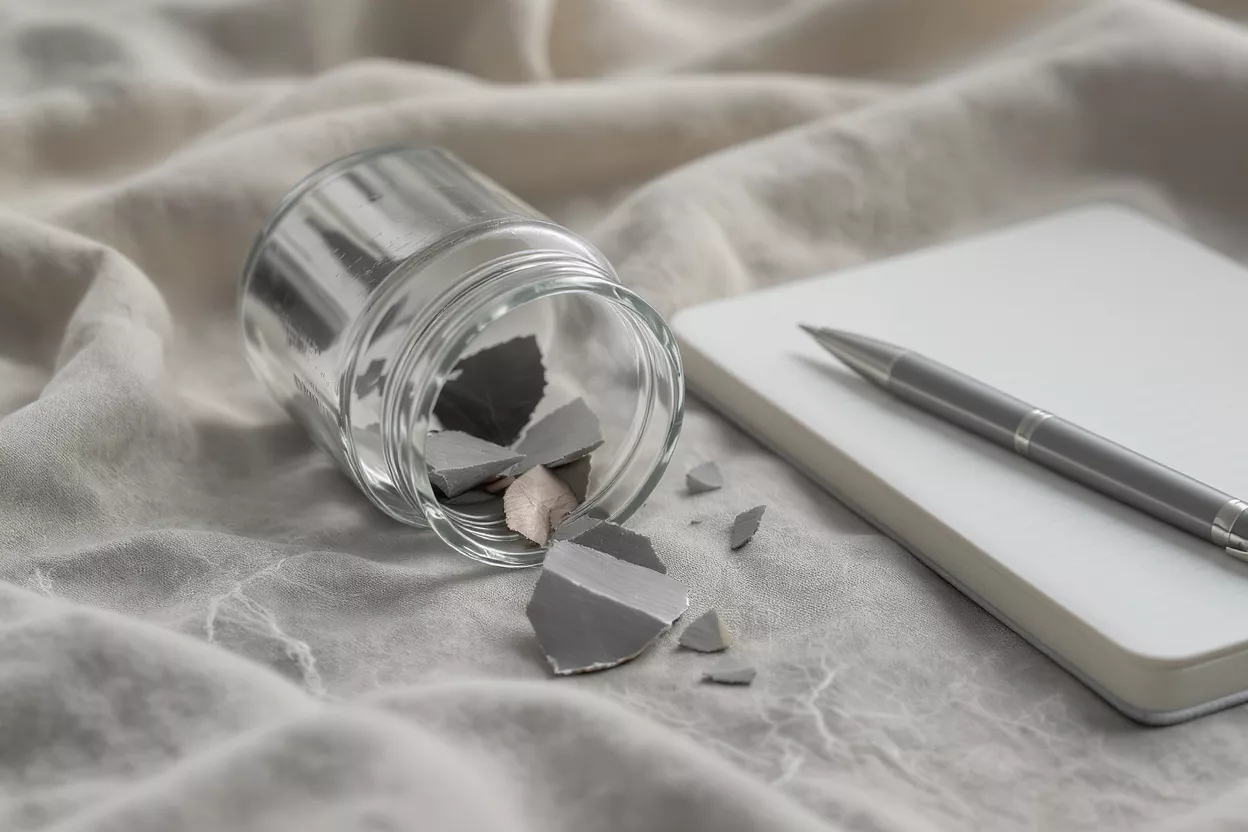
Clarity and color are your first clues when evaluating a slab. A high-quality shatter tends to be translucent and consistent in tone, free of cloudy patches or visible debris. While darker shatter is not necessarily bad, an unusually murky or grainy appearance can signal a rushed purge or lower-grade input material.
The snap test is another reliable indicator. Genuine shatter should fracture cleanly at room temperature rather than stretching like taffy. A slab that is excessively soft or sticky may have been improperly purged or stored in conditions that compromised its structure.
Above all, lab results separate good shatter from questionable shatter. Check for verified THC content, a clean residual solvent screen, and confirmation that the product was tested by an accredited lab. Transparency from the producer is the strongest signal that you are getting a safe, well-made concentrate.
Shatter Questions Answered
Why does my shatter turn into wax? This transformation, sometimes called auto-buddering, happens when heat, light, agitation, or residual moisture nudges the cannabinoids out of their stable glassy state. It does not make the concentrate unsafe — it simply changes the texture from brittle to creamy while the potency remains intact.
Is shatter stronger than flower? Considerably. With THC levels often three to four times higher than dried flower, even a small dab delivers a far more intense effect. This is precisely why measured dosing and a slow approach matter so much for anyone working with concentrates.
Shatter remains one of the most recognizable and respected products in the cannabis concentrate world, prized for its purity, potency, and that unmistakable glass-like snap. By understanding how it is made, how to use it responsibly, and how to spot quality, you can approach this powerful extract with confidence. Buy from tested sources, store it carefully, and start low — and shatter offers a clean, potent experience that has earned its place as a concentrate staple.
Comments