


Spliff
Learn what a spliff is, how it differs from joints and blunts, and how to roll one.
What Is a Spliff?
A spliff is a hand-rolled cigarette that blends cannabis with tobacco, sitting somewhere between a pure marijuana joint and a conventional tobacco cigarette. The word carries different meanings depending on where you stand in the world, but in most of Europe and large parts of the cannabis community, it specifically refers to that mix of flower and tobacco wrapped in rolling paper. Understanding the spliff means understanding a long tradition of stretching cannabis, modifying its burn, and shaping its effects.
The distinction matters because terminology gets muddy fast. In North America, some people use "spliff" loosely to mean any joint, while in the UK, Jamaica, and continental Europe, the tobacco component is the whole point. When someone hands you a spliff in Amsterdam, you can reasonably expect a tobacco blend. When someone in California offers one, you may want to ask.
At its core, the spliff exists because of how cannabis and tobacco behave differently when combusted. Tobacco burns hotter and more evenly, while cannabis flower can be dense, sticky, and prone to going out. Combining the two creates a smoking experience that many rollers find smoother and more consistent, even if the health calculus becomes more complicated.
Spliff vs Joint vs Blunt: What's the Difference?
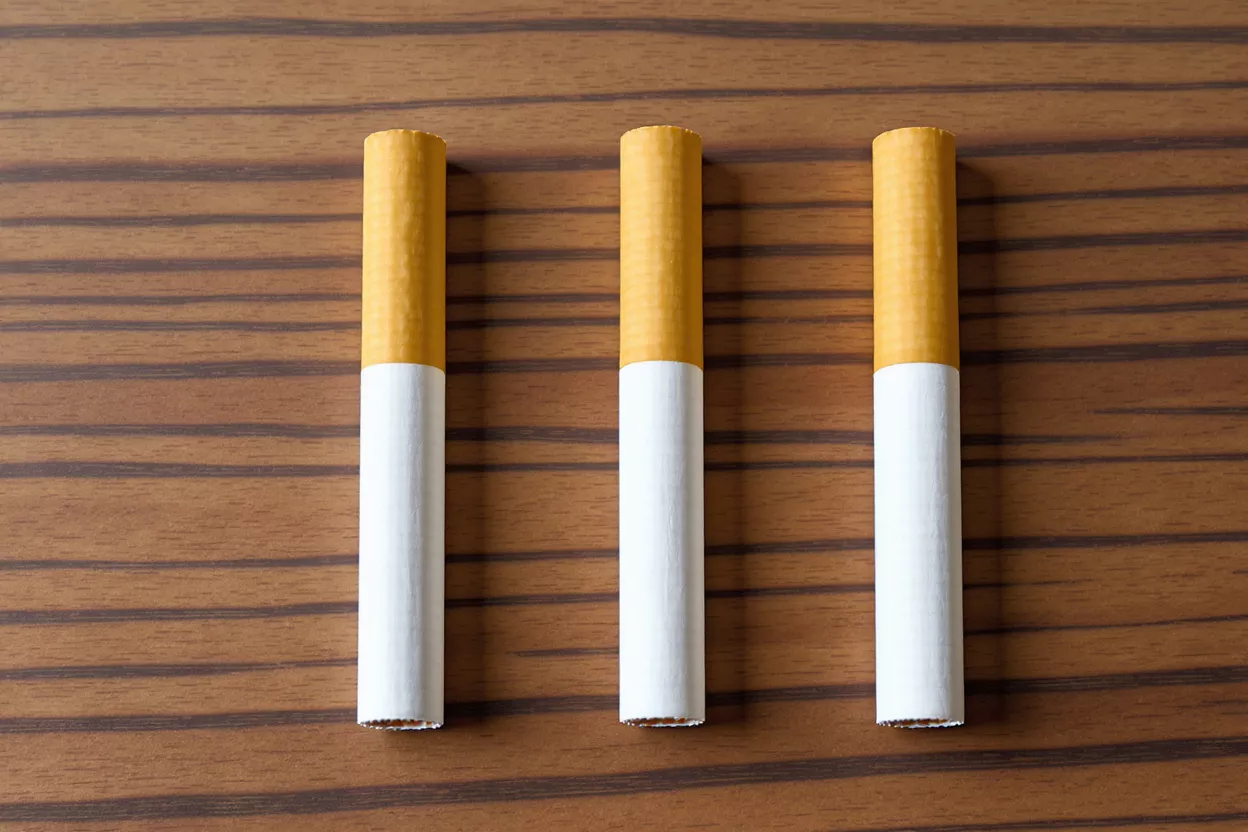
The joint is the purest of the three. A joint contains only ground cannabis rolled in thin paper, usually with a small cardboard filter or crutch at one end. There is no tobacco, no cigar leaf, nothing but flower. This makes the joint the go-to for people who want the unaltered taste and effect of their cannabis without anything else in the mix.
The blunt swaps paper for tobacco leaf. A blunt uses a hollowed-out cigar or a tobacco-leaf wrap to hold the cannabis. While a blunt does introduce tobacco through its wrapper, the filling itself is typically all flower. Blunts burn slowly, hold more cannabis, and carry the earthy flavor of the cigar leaf.
The spliff is the hybrid that mixes tobacco directly into the cannabis filling. Here is a quick reference to keep the three straight:
- 🌿 Joint: Cannabis only, rolled in paper. No tobacco anywhere.
- 🚬 Spliff: Cannabis blended with loose tobacco, rolled in paper.
- 🍂 Blunt: Cannabis filling wrapped in a tobacco leaf or cigar shell.
Why People Roll a Spliff
Stretching the stash is the oldest reason. Cannabis has long been more expensive and harder to obtain than tobacco, especially in regions where it remained illegal for decades. Mixing in tobacco lets a small amount of flower fill a full-sized roll, which made the spliff an economical choice for generations of smokers working with limited supply.
A smoother, more even burn draws others in. Pure cannabis joints can be finicky. Dense or sticky flower may tunnel, canoe, or extinguish itself mid-session. Tobacco acts as a burn agent, helping the roll stay lit and combust evenly from end to end. For rollers who struggle with cannabis that just won't stay burning, the tobacco solves a practical frustration.
The nicotine component also changes the experience. Tobacco delivers a stimulating head-rush that some smokers enjoy layering on top of the cannabis effect. This combined buzz is part of why spliffs developed a loyal following in Europe, where the tobacco-and-cannabis pairing became the cultural default rather than the exception.
How to Roll a Spliff Step by Step
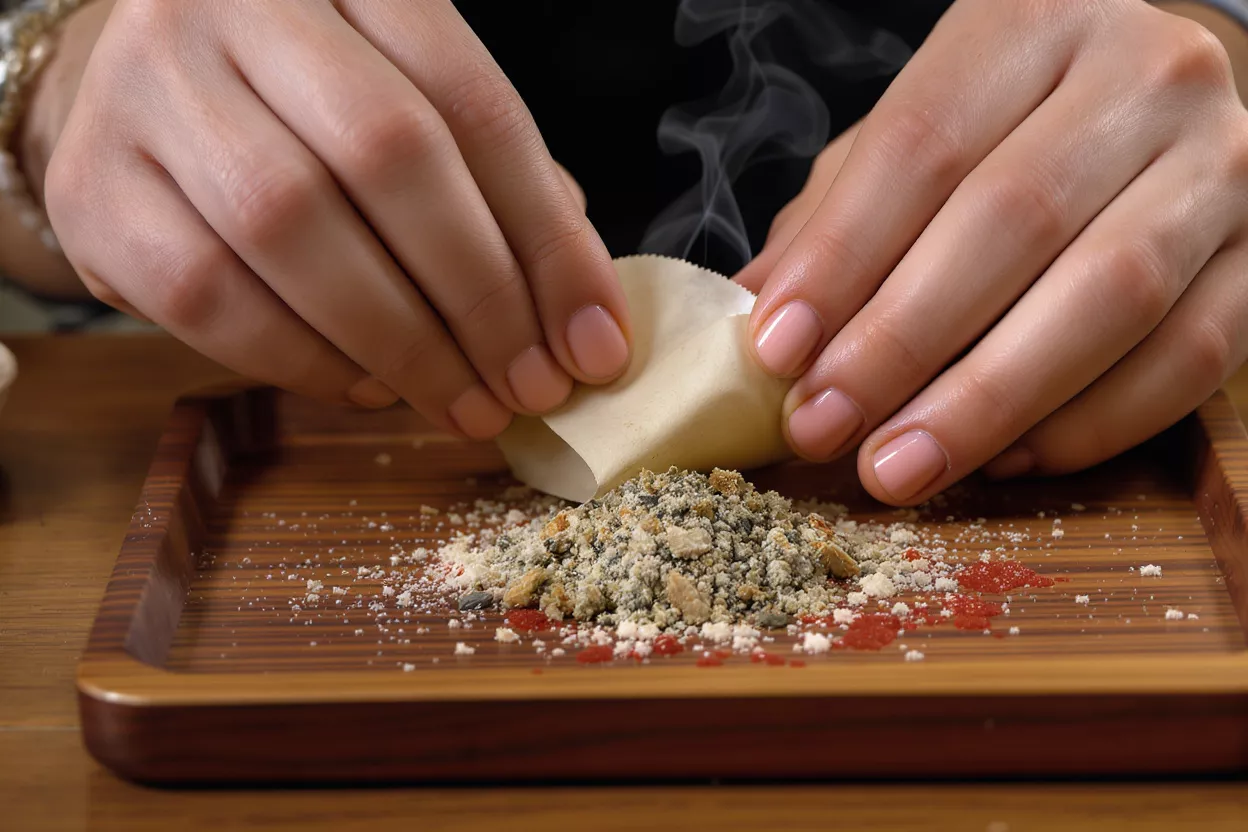
Rolling a good spliff is a learnable skill, and the technique borrows from both joint rolling and cigarette making. The goal is an even blend that burns smoothly without the tobacco and cannabis separating or clumping. Start by grinding your cannabis to a medium consistency, not so fine that it packs tight and not so coarse that it burns unevenly.
Here is a straightforward sequence for a first-timer:
- 🌬️ Prep your materials: Grind the flower, measure out your tobacco, and grab a rolling paper plus a filter tip or crutch.
- 🤝 Mix the blend: Combine cannabis and tobacco in your chosen ratio, distributing them evenly so no section is all one or the other.
- 📜 Load the paper: Lay the blend in a line along the crease of the paper, leaving room at the crutch end.
- 🔄 Roll and tuck: Pinch and roll back and forth to shape the blend, then tuck the near edge under and roll it up.
- 🔥 Seal and finish: Lick the gummed strip, seal the roll, and gently pack the open end so it burns cleanly.
Practice matters more than any single trick. The first few spliffs may roll loose or lumpy, but the muscle memory comes quickly. A crutch at the mouth end keeps the blend from falling into your mouth and gives the roll structure, which is especially helpful when tobacco makes the mix looser than pure flower.
Choosing the Best Tobacco for a Spliff
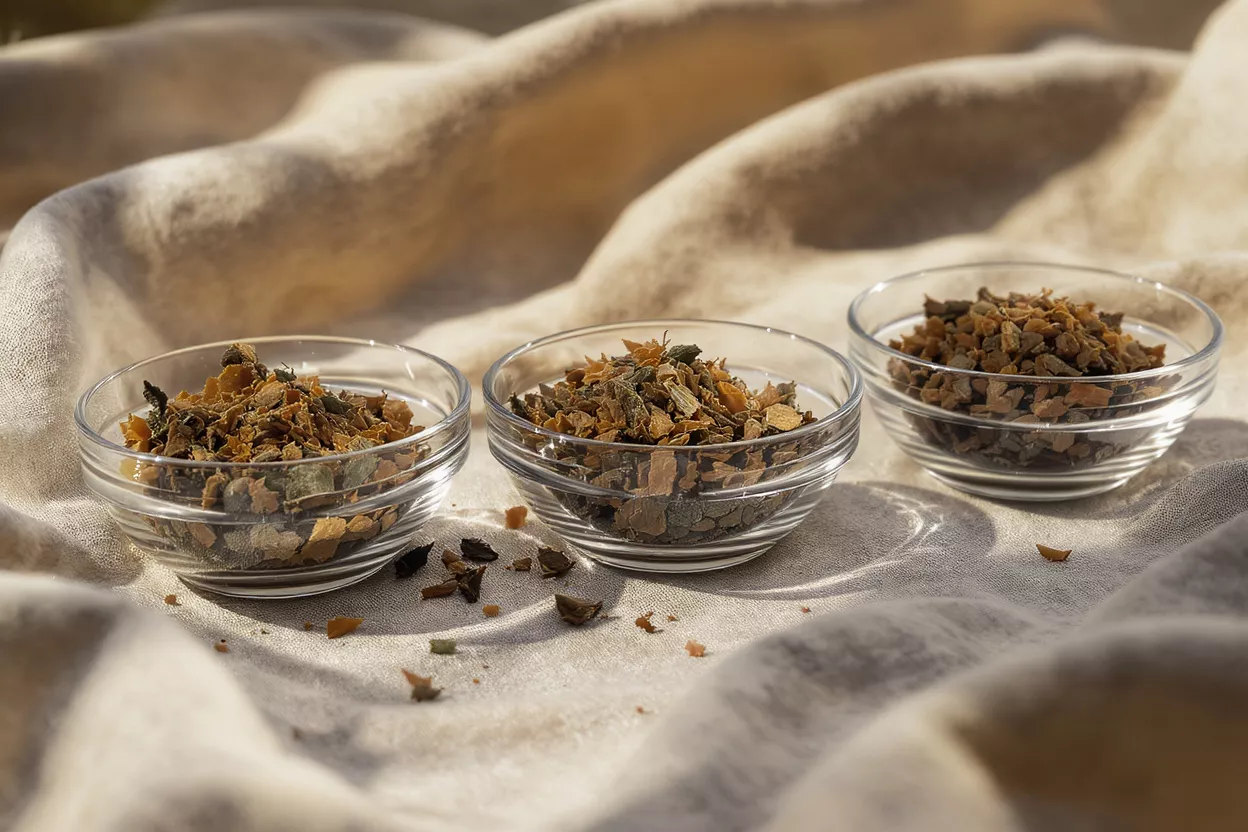
Rolling tobacco is the common default. Loose rolling tobacco, the kind sold for hand-rolled cigarettes, blends easily with ground cannabis and comes in a range of cuts and strengths. Many spliff rollers reach for it because the texture mirrors ground flower and the two combine without large stems or chunks disrupting the burn.
Some smokers prefer to gut a regular cigarette, emptying the tobacco from a manufactured stick and mixing it with their cannabis. This works in a pinch but often introduces additives and a harsher character. Others experiment with pipe tobacco or specialty blends, though these can burn unpredictably and overpower the cannabis flavor.
A growing number of people skip nicotine entirely by using herbal smoking blends as the tobacco substitute. These mixes of mullein, damiana, mint, or other herbs replicate the burn-agent benefit of tobacco without the nicotine or its dependency profile. The result is technically no longer a traditional spliff, but it scratches the same itch for those who want the smoothness without the stimulant.
Spliff Ratios Explained
The ratio of cannabis to tobacco defines the entire character of a spliff, and there is no single correct answer. Your ideal blend depends on tolerance, the potency of your flower, and how much you actually want the tobacco to contribute. Beginners often start tobacco-heavy and shift toward cannabis as they learn what they prefer.
Common starting points break down roughly like this:
- ⚖️ 50/50 blend: Equal parts deliver a balanced burn and a pronounced nicotine layer alongside the cannabis.
- 🌿 70/30 cannabis-heavy: More flower than tobacco, favored by those who mainly want the cannabis with a light burn assist.
- 🚬 30/70 tobacco-heavy: Stretches a small amount of flower, common where cannabis is scarce or expensive.
Potency plays a quiet but important role. High-THC flower lets you use less cannabis while still feeling the effect, which naturally pushes your ratio toward more tobacco without sacrificing the high. Lower-potency flower may need a heavier cannabis share to register. There is real value in adjusting your blend session by session rather than locking into a fixed formula.
Is a Spliff Safe? The Tobacco Question
The tobacco fundamentally changes the health picture. Whatever your view on cannabis smoke, adding tobacco introduces nicotine and the well-documented harms associated with tobacco combustion. Nicotine is addictive, and pairing it with cannabis can create a dependency that pure cannabis use would not. This is the single most important thing to understand before reaching for a spliff over a joint.
Research has explored how tobacco interacts with cannabis use, and some findings suggest the combination may reinforce smoking habits and complicate efforts to cut back on either substance. The pleasant synergy that makes spliffs appealing is the same mechanism that can make them harder to quit. People who would never smoke a cigarette sometimes find themselves nicotine-dependent through spliffs alone.
None of this is meant to lecture, only to inform. Combustion of any plant material produces tar and irritants, and stacking tobacco on top of cannabis adds a known carcinogen profile to the mix. For those weighing their options, the joint, the vaporizer, and tobacco-free herbal blends all offer ways to enjoy cannabis without the specific risks that tobacco brings to the table.
The Cultural History of the Spliff
The term spliff has deep roots in Jamaican culture, where it became associated with Rastafarian spiritual practice and the wider reggae movement that carried cannabis culture around the globe. In that context, the word sometimes referred to large cannabis cigarettes regardless of tobacco content, and the meaning traveled and shifted as it spread.
Europe cemented the tobacco-blend definition. As cannabis culture took hold across the UK, the Netherlands, and the rest of the continent, mixing with tobacco became standard practice rooted in both economics and habit. Hashish, which was historically more common in Europe than herbal flower, also pairs naturally with tobacco since hash needs a burn agent to combust well. This practical pairing helped lock in the European spliff tradition.
Today the spliff occupies an interesting cultural crossroads. In legal markets where pure flower is abundant and affordable, the economic argument for tobacco has faded, and many newer consumers have never rolled with it. Yet the spliff endures as a tradition, a flavor preference, and for some a deeply ingrained ritual that no amount of cheap legal flower will change.
Spliff Effects and What to Expect
The combined buzz is the defining sensation. A spliff layers nicotine's quick, stimulating head-rush over cannabis's slower, fuller effect. Many smokers describe a brief lightheaded lift in the first minute or two, courtesy of the tobacco, followed by the familiar cannabis experience settling in. For some this synergy is the entire appeal; for others the nicotine rush is an unwanted distraction.
The experience also tends to feel smoother in the throat and lungs than a pure joint, partly because the tobacco moderates how the cannabis burns. That said, smoother does not mean safer, and the gentler draw can mask how much smoke you are actually taking in. People sometimes find they inhale more deeply or smoke more frequently with spliffs than they would with joints.
Tolerance is worth watching closely. Because nicotine is fast-acting and reinforcing, regular spliff use can build a craving that feels like a cannabis craving but is actually nicotine talking. If you notice you reach for a spliff when you do not particularly want to be high, the tobacco may be steering the wheel. Recognizing that distinction helps you keep your habits intentional.

Spliff Takeaways and Common Questions
The spliff is best understood as cannabis culture's pragmatic hybrid, born from economics and habit and sustained by genuine preference. It blends flower with tobacco to create a smoother, more reliable burn and a distinctive combined buzz, while introducing the real complications that nicotine brings. Whether it suits you comes down to honest self-assessment about what you want from the experience.
Does a spliff get you higher than a joint? Not from the cannabis alone, since the same flower produces the same cannabinoid effect. What changes is the added nicotine layer, which alters the overall sensation and can make a spliff feel more intense in its opening moments even though the cannabis dose may be lower than in a comparable joint.
Can you roll a spliff without nicotine? Absolutely, and many people do by substituting herbal smoking blends for tobacco. You keep the burn-agent benefit and the ritual while dropping the addictive component, which makes it a sensible middle path for anyone who likes the spliff format but wants to avoid nicotine. Between the classic joint, the herbal-blend spliff, and the vaporizer, there is a way to enjoy your flower that fits nearly any preference.


Comments