


Stamen
Learn what a stamen does in cannabis plants.
What Is a Stamen in Cannabis
The stamen is the pollen-producing male reproductive organ of a flowering cannabis plant. In botany the stamen is the structure responsible for generating and releasing the male gametes — pollen grains — that fertilize a female flower. Cannabis is overwhelmingly dioecious, meaning individual plants are typically either male or female, so the stamen appears on male specimens and, occasionally, on stressed females that produce mixed sex traits.
For anyone learning the language of the cannabis plant, the stamen is a foundational term. It sits at the heart of how the plant reproduces, how breeders design new cultivars, and why growers chasing seedless flower work so hard to keep stamens out of their gardens entirely.
Understanding the stamen also clarifies a great deal of grow-room vocabulary. Words like pollen sac, anther, filament, and staminate flower all orbit this single organ. Once you can picture what a stamen does and where it forms, the rest of cannabis reproductive biology becomes far easier to follow, whether your interest is academic, horticultural, or commercial.
Stamen Anatomy and Structure
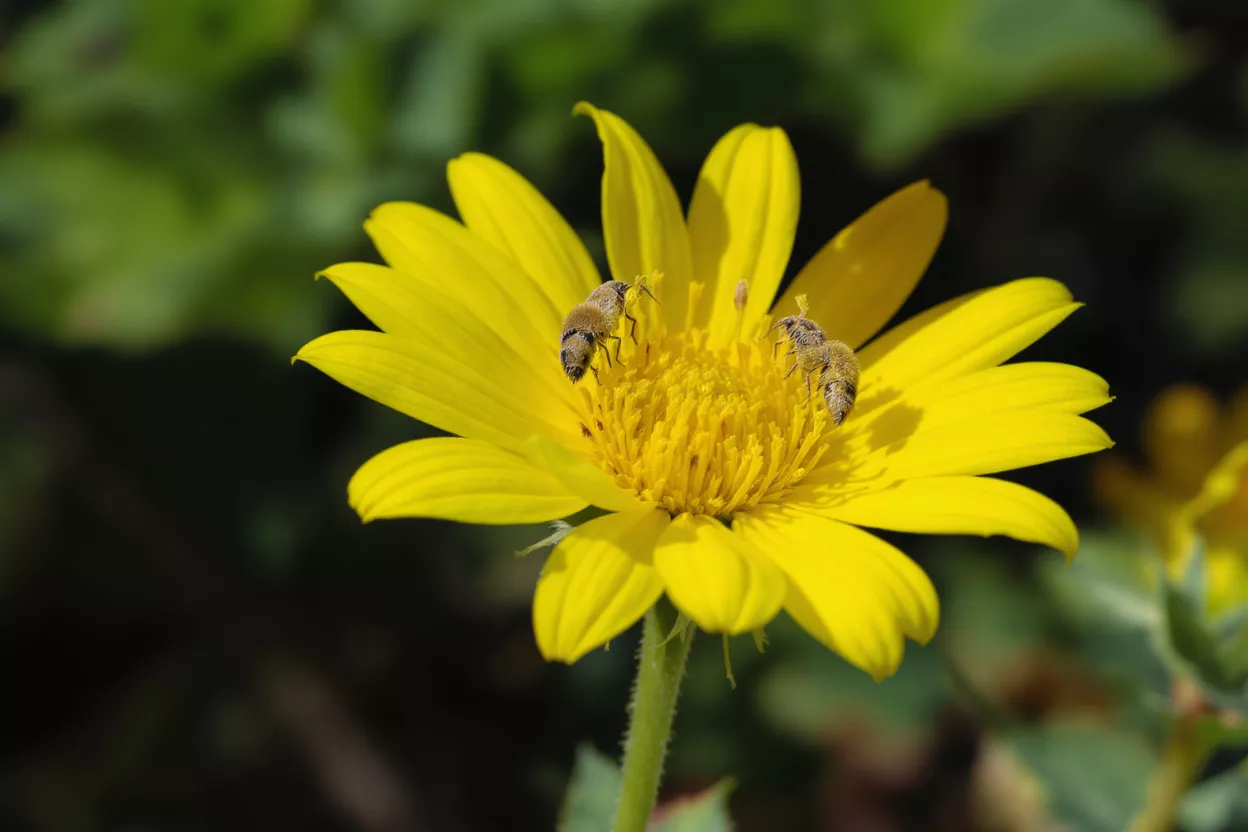
A cannabis stamen has two main parts: the anther and the filament. The filament is the slender stalk that supports the structure, while the anther is the sac-like tip where pollen actually develops. When people talk about cannabis "pollen sacs," they are describing clusters of anthers packed into the small, pale green or yellowish staminate flowers that hang in loose bunches from a male plant.
The anther is the working heart of the stamen. Inside each anther are chambers called pollen sacs, technically microsporangia, where pollen grains mature. As the flower ripens, these chambers swell, change color, and eventually split open along a seam in a process called dehiscence, releasing a fine dust of viable pollen into the air.
The filament plays a structural and delivery role. By elongating as the flower opens, the filament lifts and positions the anther so that gravity and the slightest breeze can carry pollen away from the plant. This simple lever system is why even a single overlooked male in a grow room can pollinate dozens of nearby females with surprising speed.
How Stamens Produce Pollen
Pollen production begins inside the anther long before any sac visibly opens. Specialized cells undergo meiosis to create haploid microspores, each of which develops into a mature pollen grain carrying half of the plant's genetic material. When this grain later reaches a receptive female pistil, fertilization combines that genetic contribution with the female's to form a seed.
The timing of pollen release is tied closely to the plant's light cycle and maturity. Under a flowering photoperiod, male plants generally reveal their staminate clusters earlier than females show their first pistils. Once the anthers reach full ripeness, they can shed pollen continuously over a span of days to weeks, which is why male plants are usually identified and removed quickly in seedless gardens.
Cannabis pollen is remarkably light and durable. A healthy male can produce millions of grains, and that pollen can travel considerable distances on air currents or cling to clothing, tools, and hands. Breeders take advantage of this durability by collecting and storing pollen for controlled crosses, while sinsemilla growers treat the same property as a serious contamination risk to guard against.
Stamen vs Pistil: Male and Female Parts
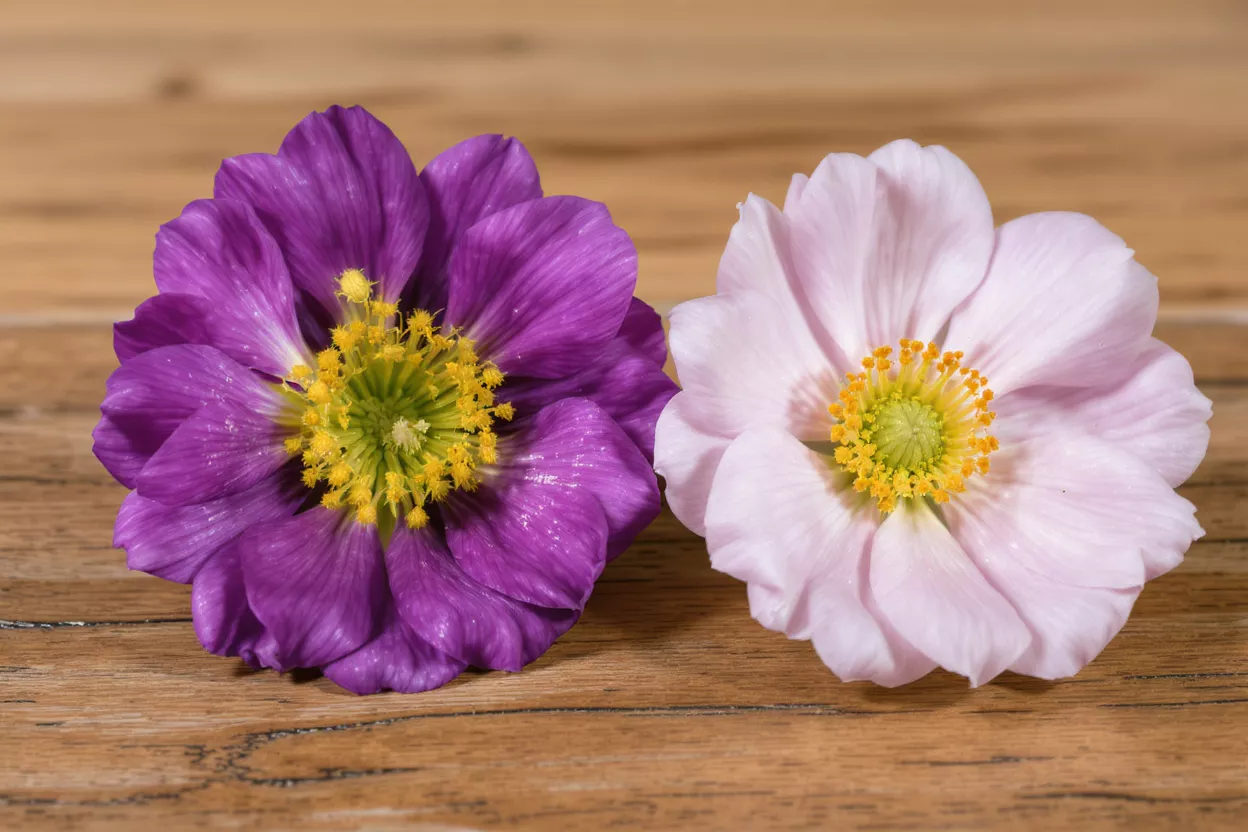
The stamen and the pistil are the male and female counterparts of the flowering plant. The stamen produces and delivers pollen, while the pistil receives it. Recognizing the difference is the single most valuable skill for a grower trying to control whether a crop sets seed or stays seedless.
Visually, the two structures are easy to tell apart once you know what to look for. Stamens form rounded, ball-like sacs that dangle in grape-like clusters, while pistils emerge as paired white or cream hairs reaching upward from a small teardrop-shaped calyx.
- 🔬 Stamen (male): pollen-producing organ made of anther and filament; forms hanging sacs that open to release pollen.
- 🌸 Pistil (female): pollen-receiving organ with stigma and ovary; shows wispy white hairs that catch airborne grains.
- 🌱 Result of contact: pollen from a stamen landing on a pistil triggers fertilization and seed formation.
- 🚫 Sinsemilla goal: keeping stamens entirely separate from pistils so flowers remain seedless and resin-rich.
How to Identify Stamens on Male Plants
Early identification saves an entire harvest. The first sign of a male plant is the appearance of small, rounded pre-flowers at the nodes where branches meet the main stem. Unlike the pointed calyx of a female, these male pre-flowers look like tiny smooth balls on short stalks. They are the immature stamens before the sacs swell and the filaments extend.
As the plant matures, these structures develop into the recognizable cluster of pollen sacs. Before they open, the sacs resemble small bunches of grapes or a tightly closed bundle of greenish-yellow pods. Spotting them at this stage, while they are still closed, gives a grower the window needed to remove the plant before any pollen is released into the room.
A magnifying loupe or jeweler's lens makes identification dramatically more reliable, especially on young plants where the difference between a male sac and a female calyx is only a millimeter or two. Checking the lower interior nodes first, where pre-flowers typically show earliest, is the fastest way to sex a plant with confidence.
Stamen Development During the Flowering Stage
Stamen development is driven by the shift into the flowering stage, which in photoperiod plants begins when daily darkness extends to roughly twelve hours. This light change signals the plant to commit to reproduction, and male plants respond by forming staminate flowers ahead of the female timeline.
Through the early weeks of bloom, the sacs enlarge and the filaments lengthen inside each cluster. The anthers transition from firm and closed to swollen and ready, and a subtle color shift toward yellow often signals that dehiscence is near. This is the critical moment when a male becomes capable of pollinating everything around it.
Environmental factors influence how quickly stamens mature. Warmer temperatures, intense light, and the plant's own genetics all affect the pace of development. Autoflowering varieties compress this entire timeline because their flowering is governed by age rather than light cycle, so their stamens appear and open in a much shorter overall window.
Why Stamens Matter for Breeding Cannabis
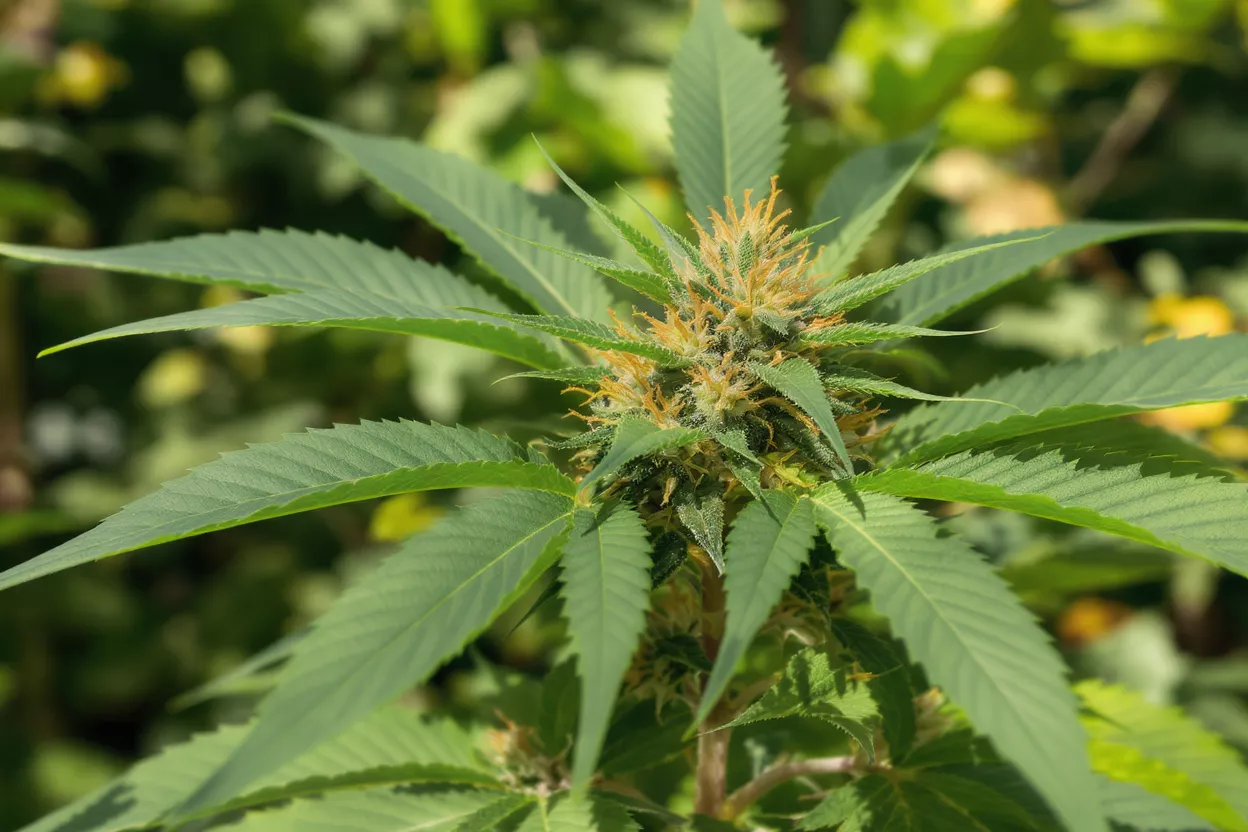
Breeding is where stamens become an asset rather than a threat. Every new cultivar, every stabilized cross, and every commercial seed line depends on controlled pollen from selected male plants. Breeders evaluate males for vigor, structure, disease resistance, and the traits they pass to their offspring, then use the stamens of the best candidates to fertilize chosen mothers.
Controlled pollination is a precise art. Rather than letting a male shed pollen freely, breeders often isolate it, collect pollen from ripe anthers onto clean surfaces, and apply it to specific branches with a brush. This lets a single plant carry several different crosses at once and keeps unwanted genetics out of the equation.
The genetic contribution of the stamen is exactly half of every resulting seed. That is why male selection matters as much as female selection, even though the male plant itself produces no smokable flower. A breeder reading a population for the right stamen donor is making a decision that echoes through every generation that follows.
Stamens, Hermaphrodite Plants, and Bananas
Sometimes stamens appear where they are least wanted: on plants that are otherwise female. A hermaphrodite plant develops both male and female organs, often as a stress response, and the male portions can pollinate the plant itself or its neighbors.
Growers use the nickname "bananas" or "nanners" for a particular form of these intruding stamens. Instead of forming full sacs, they emerge as elongated yellow structures, often protruding directly from the buds without a protective sac, that can release pollen the moment they appear.
- 🍌 Bananas (nanners): exposed anthers that grow straight from flowers and shed pollen almost immediately.
- ⚠️ Stress triggers: heat spikes, light leaks, late harvest, and physical damage can all push a female to produce stamens.
- 🧬 Genetic tendency: some unstable lines are simply more prone to throwing male parts under pressure.
- 🔍 Late-bloom checks: inspecting mature buds regularly catches nanners before they pollinate a whole tent.
Because these structures can self-pollinate, a single overlooked banana can seed a finishing flower from the inside out. Stable genetics and a steady, low-stress environment are the best defenses against unexpected stamens on female plants.
Managing Stamens in a Sinsemilla Garden
The word sinsemilla means "without seeds," and the entire practice revolves around keeping stamens away from pistils. Seedless flower is preferred because the plant pours its energy into resin and cannabinoids rather than seed production, yielding cleaner, more potent buds.
Vigilance is the core discipline of seedless growing. Most cultivators sex their plants early, removing any males the moment staminate pre-flowers are confirmed. In photoperiod gardens this often means daily checks during the first two weeks of bloom, when the visual difference between male and female pre-flowers first becomes clear.
Beyond removing obvious males, careful growers control the conditions that coax stamens out of female plants. Sealing light leaks, holding stable temperatures, avoiding harvest delays, and choosing genetically stable seed or clone stock all reduce the odds of an unwanted stamen appearing. The payoff is a crop of mature, seedless flowers with full resin development.
Stamen FAQs for Growers and Students
A few questions come up again and again once people start studying the stamen, and clear answers make the concept stick. The summary below pulls together the practical points most growers and students want to confirm.
- ❓ Is a stamen male or female? The stamen is the male organ; it produces pollen, while the female pistil receives it.
- ❓ What are the parts of a stamen? The anther, which holds pollen, and the filament, the stalk that supports and positions it.
- ❓ Do female plants ever have stamens? Yes, hermaphrodite or stressed females can produce stamens, including the exposed "banana" form.
- ❓ Why remove stamens from a grow room? Their pollen seeds nearby females, reducing potency and ruining sinsemilla flower.
The stamen is small, but its role is enormous. As the pollen-producing male organ, it drives reproduction, anchors the work of every breeder, and stands as the one structure that sinsemilla growers spend a whole season trying to keep out of their flowers. Whether you are sexing seedlings under a loupe or designing a deliberate cross, understanding the anatomy and behavior of the stamen turns a confusing tangle of plant parts into a clear, manageable picture.
Keep this guide handy as a reference, and the next time you spot a cluster of pollen sacs forming at a node, you will know exactly what you are looking at and exactly what to do about it.

Comments