

Sugar
Learn what cannabis sugar means — from frosty buds to sugar wax extract.
What Is Sugar in Cannabis
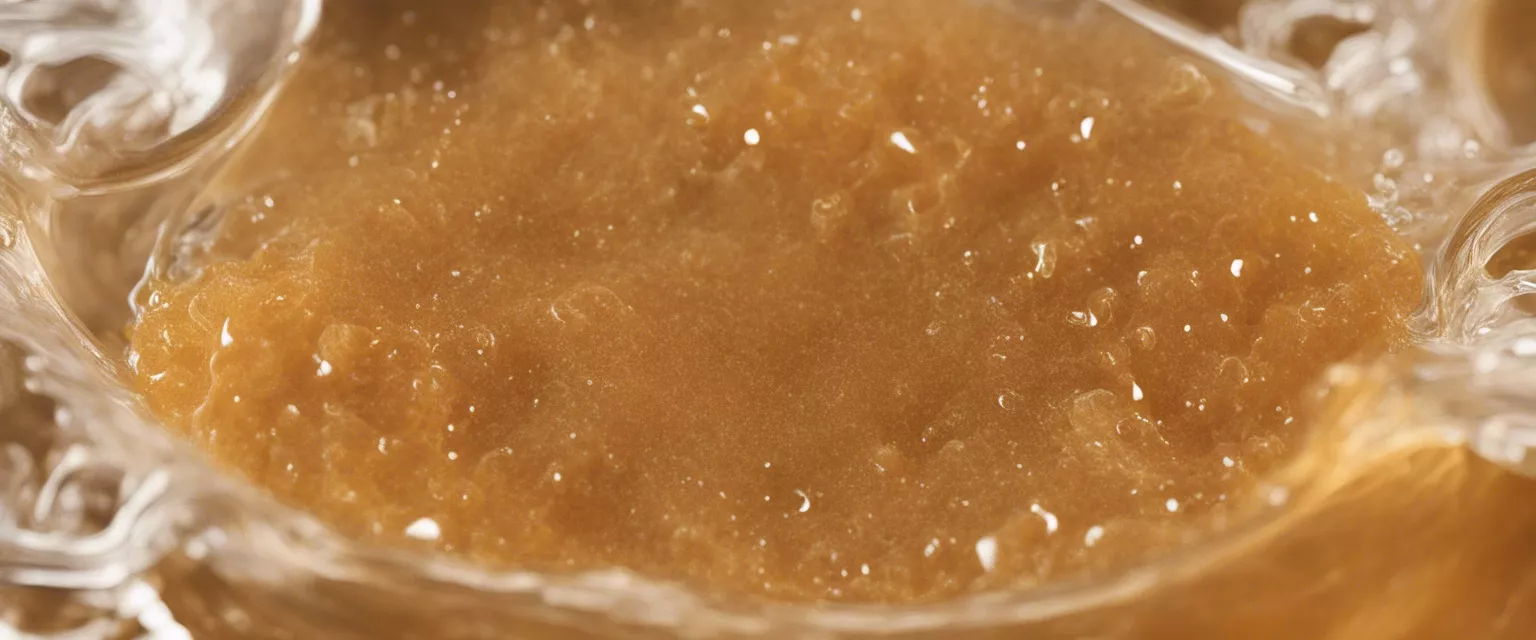
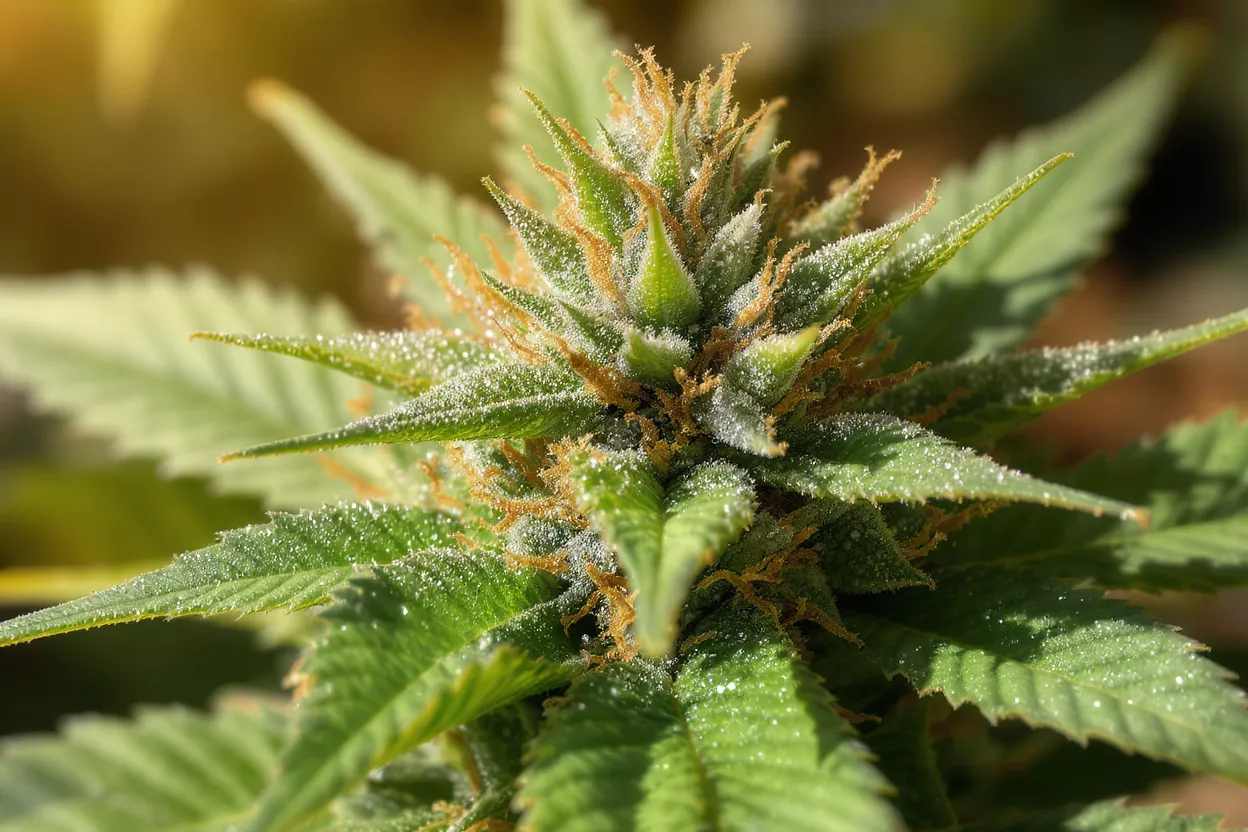
The word sugar carries two distinct meanings in cannabis culture, and understanding both helps demystify a term that gets tossed around in dispensaries, extract menus, and grower forums alike. On one hand, sugar describes the frosty, crystalline coating of trichomes that blankets well-grown cannabis flower, giving buds that sparkling, sugar-dusted appearance. On the other hand, sugar refers to a specific concentrate texture that looks and feels like wet, granular crystals — somewhere between sauce and crumble.
Both meanings trace back to the same visual cue: tiny crystalline structures catching the light. Whether you are looking at a nug that seems dipped in powdered sugar or scooping a spoonful of amber-hued extract that resembles raw cane sugar, the name describes texture and appearance rather than any actual sweetener.
This guide unpacks both definitions in depth, explores how sugar concentrate is produced, compares it to neighboring extract textures, and offers practical advice on use, storage, and quality. By the end, you will read any extract menu with confidence.
How Cannabis Sugar Forms on Buds
Trichome secretion is the engine behind sugary buds. The visible frost on a flowering cannabis plant comes from glandular trichomes — microscopic, mushroom-shaped resin factories that secrete a sticky blend of cannabinoids and terpenes. As the plant matures, these glands swell with resin and develop a crystalline, frosted look that growers casually call sugar.
Genetics and environment both shape sugar density. Some cultivars are simply predisposed to heavier trichome production, while light intensity, temperature swings, and harvest timing all influence how thick that frosty layer becomes. Cooler night temperatures late in flowering, for example, can encourage trichomes to stand tall and shimmer.
For growers and buyers, a heavy sugar coating is often read as a marker of quality and potency, since dense trichome coverage usually correlates with a richer cannabinoid and terpene profile. That said, appearance alone never tells the full story — lab testing remains the only reliable measure of strength.
What Is Sugar Wax Concentrate
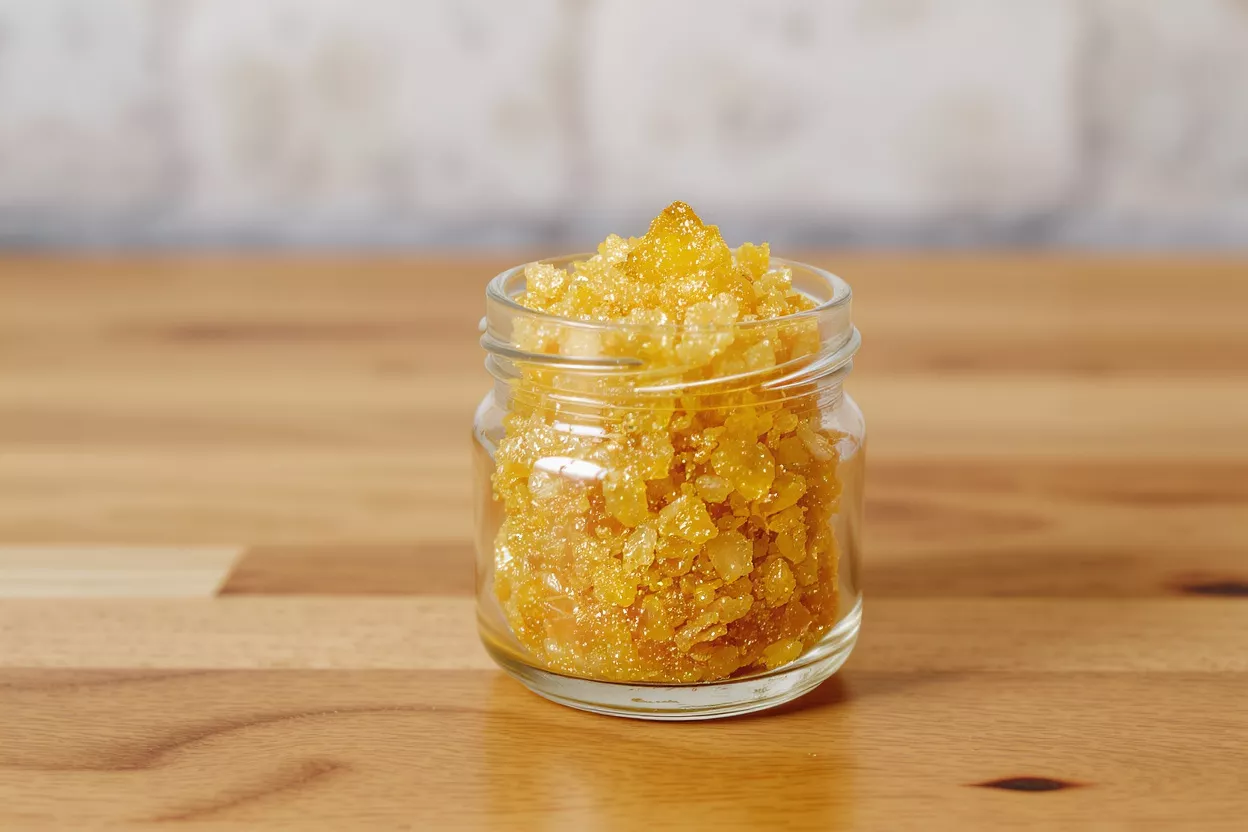
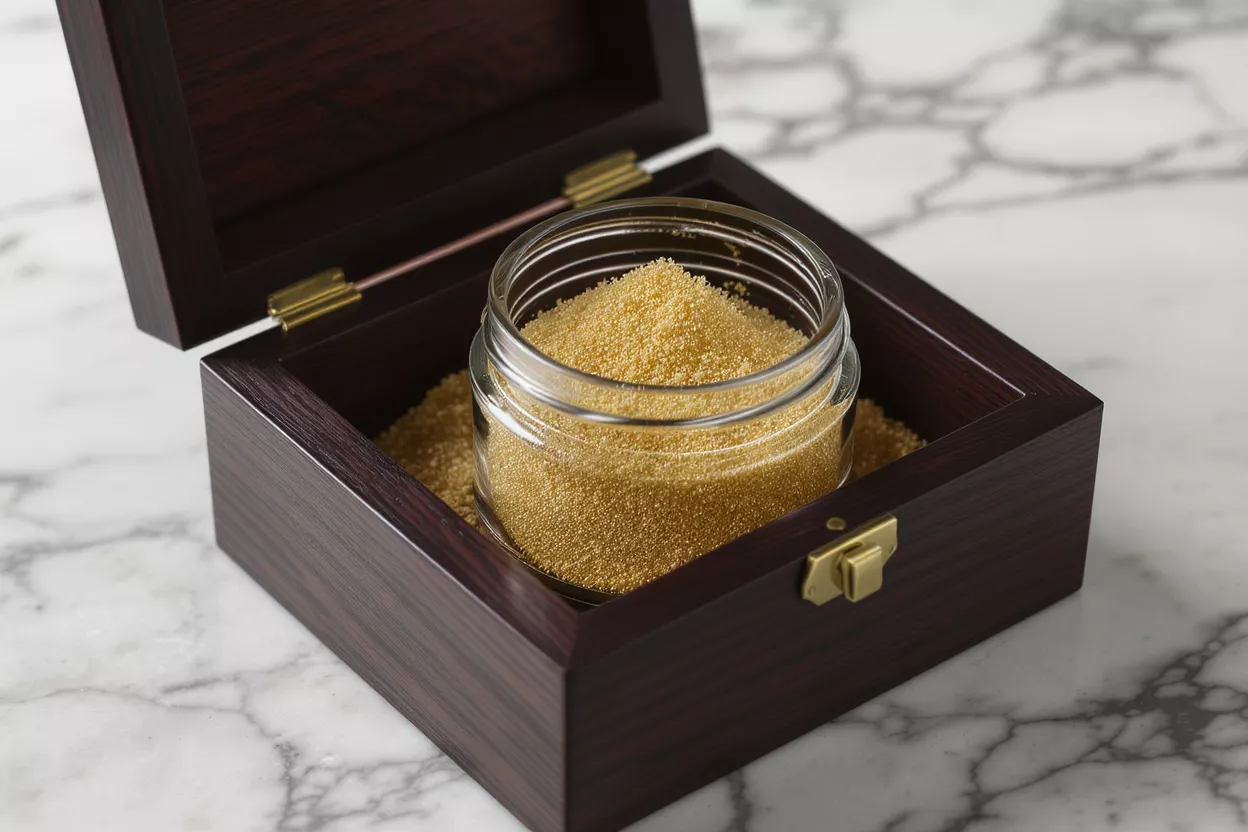
Sugar wax is a granular cannabis extract. When people order sugar at a concentrate counter, they are referring to a solvent-based extract that has crystallized into a wet, sandy consistency. It typically ranges from pale gold to deep amber and looks remarkably like coarse, syrup-soaked sugar — hence the name. The texture results from THCA molecules separating out of the terpene-rich oil and forming small crystals suspended in a thinner liquid.
The "sugar" and "sauce" connection runs deep. Sugar sits on a spectrum with terp sauce, the difference being the ratio of crystal to liquid. More liquid and you drift toward sauce; more crystalline grain and you land firmly in sugar territory. This crystallization is a natural process called nucleation that happens as the extract sits and separates.
Because sugar retains a generous helping of terpenes alongside its cannabinoid crystals, it tends to be prized for flavor and aroma. Many extract enthusiasts gravitate toward sugar precisely because it keeps that loud, fragrant terpene character intact rather than purging it away.
How Sugar Concentrate Is Made
Extraction starts with a solvent wash. Most sugar concentrate begins life as a BHO or hydrocarbon extract, where butane or propane strips cannabinoids and terpenes from the plant material. The resulting solution is then purged of residual solvent under carefully controlled heat and vacuum, leaving a concentrated oil behind.
The granular texture emerges during the post-processing and curing stage. Rather than whipping the extract to make budder or pressing it flat for shatter, processors let it sit under specific temperature and agitation conditions that encourage THCA to crystallize. The extract effectively separates into two phases: solid crystalline grains and a surrounding terpene-rich liquid.
Several factors steer the final consistency:
- 🌡️ Temperature: Warmer curing accelerates crystal formation, while cooler conditions slow it down and alter grain size.
- 💧 Moisture and terpene content: Higher terpene levels keep the mixture wetter and more sauce-like.
- ⏳ Time: Longer cures allow larger, more defined crystals to develop.
- 🌿 Starting material: Fresh-frozen plant matter often yields more aromatic, flavorful sugar.
Types of Sugar Cannabis Textures
Not all sugar looks the same on the spoon. The category spans a range of consistencies, each shaped by its terpene-to-crystal ratio and the specific cultivar used. Knowing these variations helps set expectations before you ever open the jar.
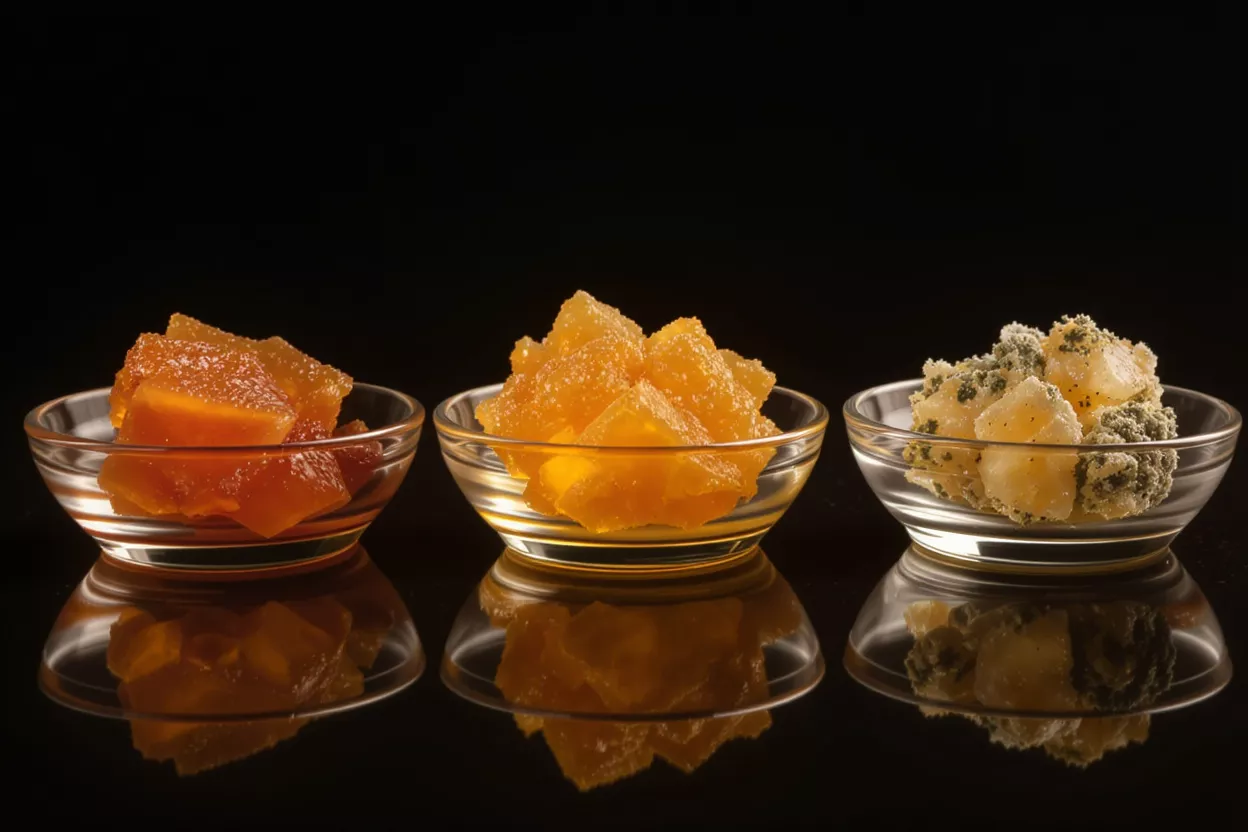
The visual spectrum tells you a lot. A drier, more crystalline sugar handles almost like coarse salt, while a wetter version glistens and clumps. Color also signals freshness and source material, ranging from light blonde to rich amber depending on the strain and processing.
Here is how the common sugar textures break down:
- ✨ Dry sugar: Heavily crystallized with minimal liquid, easy to portion and scoop.
- 🍯 Wet sugar: A juicier blend with more visible terpene liquid coating the grains.
- 🪨 Sugar crumble: A firmer, more cohesive version that breaks apart into chunks.
- 💎 Sugar diamonds in sauce: Larger crystal formations floating in a pool of terpene sauce.
None of these is inherently superior — preference comes down to whether you prioritize ease of handling, terpene intensity, or sheer visual appeal. Many connoisseurs keep several styles on hand for different moods and sessions.
Sugar vs Other Concentrate Textures
The concentrate world is a crowded shelf of textures, and sugar occupies a distinct middle ground. Understanding how it relates to its neighbors clarifies what you are actually buying and how it will behave.
Texture is mostly about processing, not quality. Shatter is glassy and brittle, budder is whipped and creamy, and wax is soft and pliable. Sugar distinguishes itself through that signature granular, crystalline grain. The same starting extract could become any of these depending on how it is agitated, heated, and cured.
Here is a quick comparison of where sugar fits among popular concentrate textures:
- 🔶 Sugar: Granular, crystalline, terpene-rich and aromatic.
- 🔷 Shatter: Hard, translucent, glass-like and stable.
- 🧈 Budder: Smooth, creamy, whipped to a frosting-like feel.
- 🟫 Crumble: Dry, brittle, easy to crumble into a bowl.
- 💧 Sauce: Wet, viscous, with high terpene content and floating crystals.
The practical takeaway: sugar offers a balance of dab-friendly handling and bold flavor, making it a favorite entry point for people moving from flower into concentrates.
How to Use Sugar Concentrate
Dabbing is the most popular method. A small grain of sugar dropped onto a heated banger or nail vaporizes almost instantly, delivering a flavorful, terpene-forward hit. Because sugar is granular, a dab tool with a flat or scoop end makes portioning far easier than trying to handle a sticky, stringy extract.
Vaporizers and infusions broaden the options. Many concentrate-compatible vaporizer cartridges and chamber-style pens accept sugar, offering a discreet, portable way to enjoy it. Sugar can also be sprinkled over a bowl of flower to boost potency, or decarboxylated and infused into oils and butters for homemade edibles.
Whatever the method, start small. Sugar concentrate is dramatically more potent than flower, so a grain the size of a rice kernel is often plenty for a single session. You can always take another dab, but you cannot undo one that was too large.
How to Store Cannabis Sugar
Cool, dark, and airtight is the golden rule. Heat and light degrade both cannabinoids and terpenes, so sugar should live in a sealed container — ideally silicone or glass — kept away from sunlight and warm spots. A drawer or cupboard well away from any heat source works well for everyday storage.
Temperature also influences texture over time. Warmth can cause sugar to continue crystallizing and stiffen, while cooler storage helps preserve its original consistency and aromatic terpene punch. For longer-term keeping, an airtight container in a refrigerator slows degradation considerably, though you should let it return to room temperature before opening to avoid condensation.
Handle it with clean, dry tools every time. Introducing moisture or contaminants shortens shelf life and can dull both flavor and potency. A dedicated dab tool and a steady, sealed jar will keep your sugar fresh for months.
Is Sugar Concentrate Potent
Sugar is a high-potency concentrate. Like most solvent-based extracts, sugar typically tests well above flower, often landing in the 60% to 90% cannabinoid range depending on the source material and processing. The crystalline portion is largely THCA, which converts to active THC when heated during dabbing or vaping.
What sets sugar apart is its balance of potency and flavor. Many high-percentage extracts sacrifice terpenes during purging, but sugar's curing process tends to preserve a robust terpene fraction. The result is a concentrate that hits hard while still tasting vivid and true to the original cultivar.
For newcomers, that strength deserves respect. The combination of high cannabinoid content and rapid onset means effects arrive quickly and intensely. Pacing yourself, hydrating, and choosing a comfortable setting all make for a better experience with a concentrate this powerful.
Choosing Quality Sugar Extract
Lab testing is non-negotiable. Quality sugar should come with accessible lab results confirming cannabinoid content and, just as importantly, screening for residual solvents, pesticides, and contaminants. A clean purge and a transparent certificate of analysis separate premium extract from questionable product.
Beyond the paperwork, your senses offer real clues. Fresh, high-grade sugar carries a vibrant, strain-specific aroma and a consistent color free of dark, oxidized patches. The texture should look uniform — well-formed crystals in a clean terpene liquid rather than a muddy, separated mess.
Sugar earns its place as one of the most approachable and rewarding concentrate textures available. It marries the easy handling of a granular extract with the loud, terpene-rich flavor that flower lovers crave, all while delivering serious potency. Whether you are admiring the sugary frost on a fresh nug or scooping a spoonful of crystalline sauce, understanding what sugar really means lets you shop smarter, dab better, and appreciate the craft behind every glittering grain.

Comments