

Sun-grown
Discover what sun-grown cannabis really means, how it's cultivated, and why it matters.
What Is Sun-Grown Cannabis?
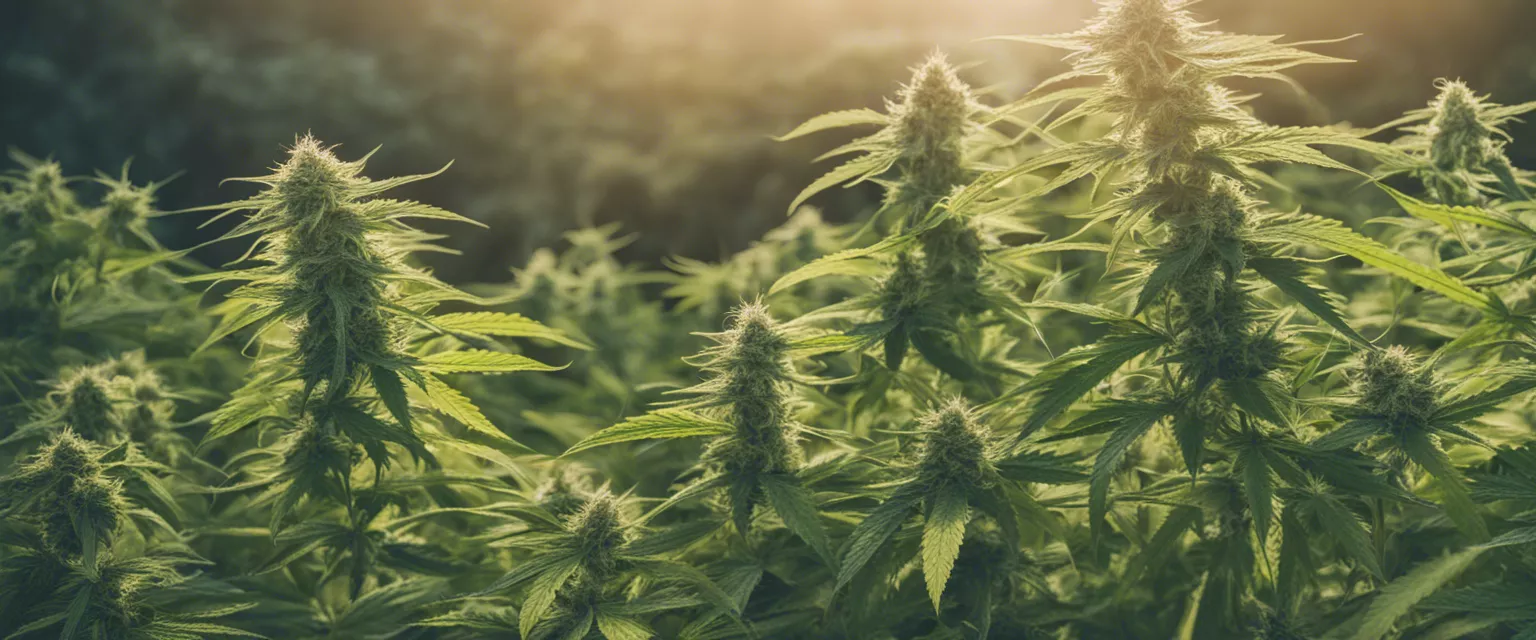
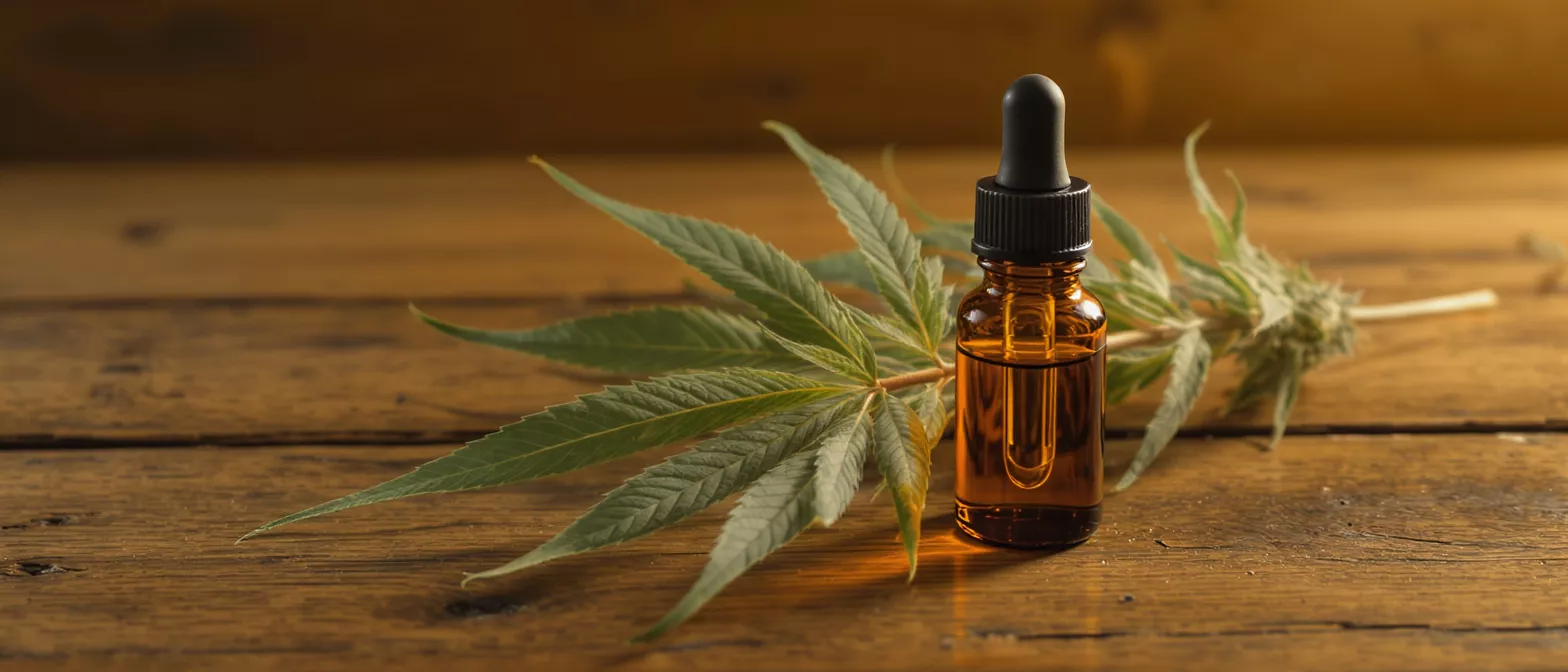
Sun-grown cannabis is exactly what the name suggests: cannabis cultivated outdoors under the open sky, relying entirely on natural sunlight rather than artificial lamps. The plants experience real weather, real soil, and the full spectrum of light that no LED array can perfectly replicate. For thousands of years, this was the only way cannabis was ever grown, and it remains the method that most closely mirrors how the plant evolved in the wild.
The term has gained fresh relevance as consumers grow more conscious of how their products are made. Where indoor growing once carried a prestige association, a counter-movement now celebrates sun-grown flower for its authenticity, sustainability, and connection to the natural growing cycle. Much like wine drinkers who value terroir, many cannabis enthusiasts seek out flower that reflects the specific place and season in which it was raised.
Why the label matters to consumers: Knowing a product is sun-grown tells you something about its environmental footprint, its likely cost, and often its character. It signals that the plant completed its life cycle outdoors, following natural light cues to flower in autumn, and that the grower worked with seasonal rhythms rather than overriding them with technology. For a growing segment of the market, that story is part of the appeal.
How Sun-Grown Cannabis Is Cultivated
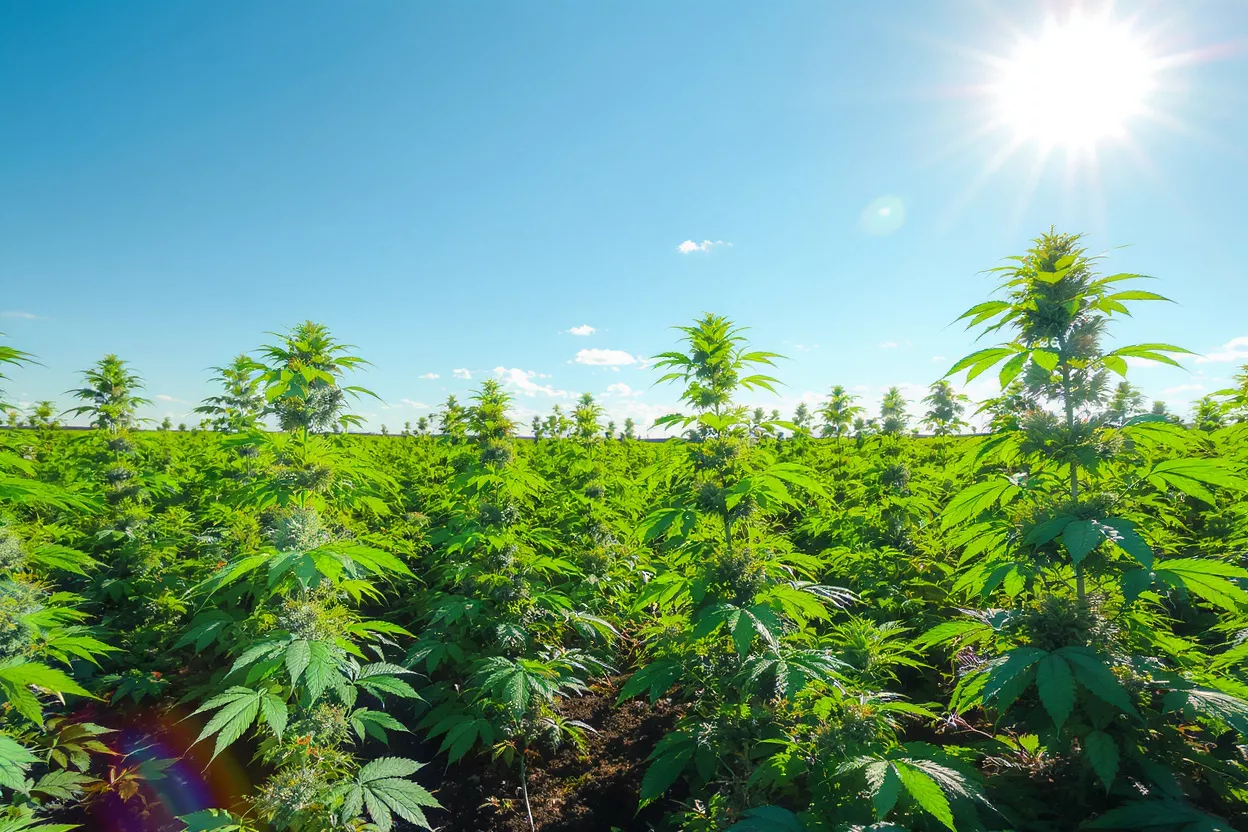
Outdoor cultivation follows the natural calendar. Growers typically start seeds or clones in spring, transplant them outdoors once the threat of frost passes, and harvest in autumn when shortening days trigger the flowering stage. The entire process is governed by the sun's seasonal arc, which is why most sun-grown harvests happen just once a year in any given region.
Photoperiod and the flowering trigger: Cannabis is a photoperiod-sensitive plant, meaning it begins to flower when nights grow long enough. Outdoors, this happens naturally as summer fades into fall. Growers don't need to manipulate light schedules the way indoor cultivators do—the changing day length does the work, prompting plants to shift energy from vegetative growth into producing dense, resinous buds.
Soil quality plays an enormous role in the final product. Many sun-grown operations invest heavily in living soil, compost, and organic amendments, allowing the plant to draw nutrients the way it would in nature. This is where the terroir concept comes alive: minerals in the ground, local microbial life, and regional climate all leave their fingerprint on the harvested flower.
Sun-Grown vs Indoor Cannabis
The debate between sun-grown and indoor cannabis is one of the most enduring in the industry. Indoor flower has long commanded premium prices for its consistency, manicured appearance, and tight quality control. Sun-grown flower, meanwhile, offers a different value proposition centered on natural character and lower cost of production.
Neither method is universally superior—they simply produce different results suited to different priorities. Indoor growing gives total control over every variable, while outdoor growing trades some of that precision for the irreplaceable intensity and full spectrum of real sunlight.
- ☀️ Light source: Sun-grown relies on free, full-spectrum sunlight; indoor depends on costly LED or HPS lamps that approximate it.
- 💰 Cost: Outdoor cultivation is dramatically cheaper per gram, passing savings to consumers.
- 📅 Harvest frequency: Indoor grows can run multiple cycles per year; sun-grown typically yields one annual harvest.
- ✨ Appearance: Indoor buds often look more uniform and trichome-frosted; sun-grown can be larger and more rugged.
- 🌍 Footprint: Sun-grown uses a fraction of the energy, making it the more sustainable option by a wide margin.
Benefits of Sun-Grown Cannabis
The advantages of sun-grown cannabis extend well beyond a marketing angle. The most immediate is economic: without the staggering electricity bills that indoor facilities incur for lighting, climate control, and ventilation, outdoor growers produce flower at a fraction of the cost. Those savings often reach the consumer in the form of more affordable, high-quality product.
Full-spectrum light and plant development: Sunlight contains a complete and ever-shifting range of wavelengths that even the best artificial lights only imitate. Many cultivators believe this natural spectrum encourages more robust cannabinoid and terpene development, contributing to a more complex, expressive end product.
There is also the matter of scale. Outdoor plants are not confined by ceiling height or footprint the way indoor plants are, so they can grow into towering specimens yielding pounds of flower each. This natural vigor, combined with sunlight's intensity, is something indoor environments struggle to match without enormous resource investment.
Environmental Impact of Sun-Grown Weed
The environmental case for sun-grown cannabis is compelling and increasingly central to consumer choices. Indoor cultivation is notoriously energy-intensive—studies have estimated that indoor cannabis production can account for a substantial share of electricity use in regions with legal markets, with a single indoor operation consuming as much power as a small data center.
Energy and carbon footprint: By harnessing free sunlight, outdoor growers eliminate the single largest energy demand of cannabis cultivation. No grow lights, no constant air conditioning fighting the heat those lights generate, and no round-the-clock ventilation. The resulting carbon footprint per gram is a fraction of what indoor production demands.
Water and soil practices round out the picture. Many sun-grown operations embrace regenerative agriculture, building healthy living soil that retains moisture and sequesters carbon over time. When done thoughtfully, outdoor cannabis farming can resemble sustainable food agriculture far more than the industrial model that dominates indoor production.
- ⚡ Energy savings: No artificial lighting slashes the largest electricity cost in cannabis production.
- 🌱 Soil health: Living soil and organic amendments build long-term land fertility.
- 💧 Water efficiency: Healthy outdoor soil retains moisture, reducing irrigation demands.
- ♻️ Carbon impact: Sun-grown flower carries a dramatically smaller carbon footprint per gram.
Does Sun-Grown Cannabis Have Less THC?
One of the most persistent myths is that sun-grown cannabis is inherently weaker than indoor flower. The reality is more nuanced. Potency is determined primarily by genetics, not by where the plant was grown. A high-THC strain grown well outdoors can easily match or exceed an average indoor crop.
Why the myth persists: Indoor flower often tests slightly higher on lab reports and looks more saturated with trichomes, leading to the assumption that it is stronger. But laboratory numbers don't capture the full experience. Sun-grown flower frequently delivers a fuller, more rounded effect thanks to its rich terpene and cannabinoid profile, even when the headline THC figure is comparable or marginally lower.
What matters most for the consumer is the overall quality of the cultivation. A skilled outdoor grower working with strong genetics and healthy soil can produce flower that rivals anything grown under lights. The growing environment shapes character and nuance more than it dictates raw strength.
Terpenes and Flavor in Sun-Grown Flower
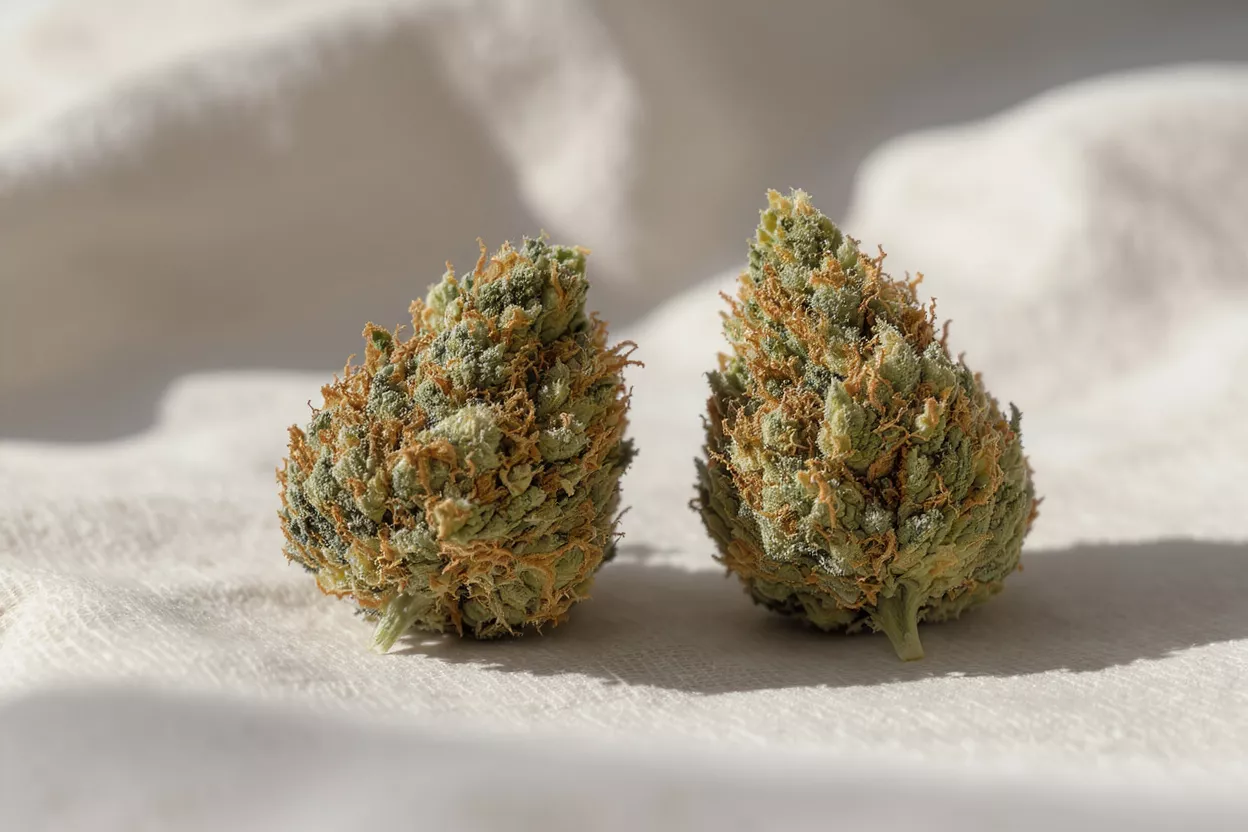
Flavor and aroma are where sun-grown cannabis often shines brightest. Terpenes—the aromatic compounds responsible for cannabis's vast range of scents and tastes—appear to flourish under the stress and variation of natural conditions. Cool nights, warm days, and the full spectrum of sunlight can coax out a depth of flavor that many connoisseurs prize.
The role of natural stress: Plants exposed to genuine environmental fluctuation—temperature swings, breezes, varying light angles—tend to produce protective compounds, including terpenes, as part of their natural defense response. This mild stress, impossible to fully replicate in a climate-controlled room, contributes to the complex, layered profiles found in quality outdoor flower.
This connection to place gives sun-grown cannabis its terroir-driven identity. Just as grapes from different vineyards yield distinct wines, the same strain grown in two different regions can express noticeably different aromas and flavors. For enthusiasts chasing nuance and authenticity, that variation is a feature, not a flaw.
Best Climates for Sun-Grown Cannabis
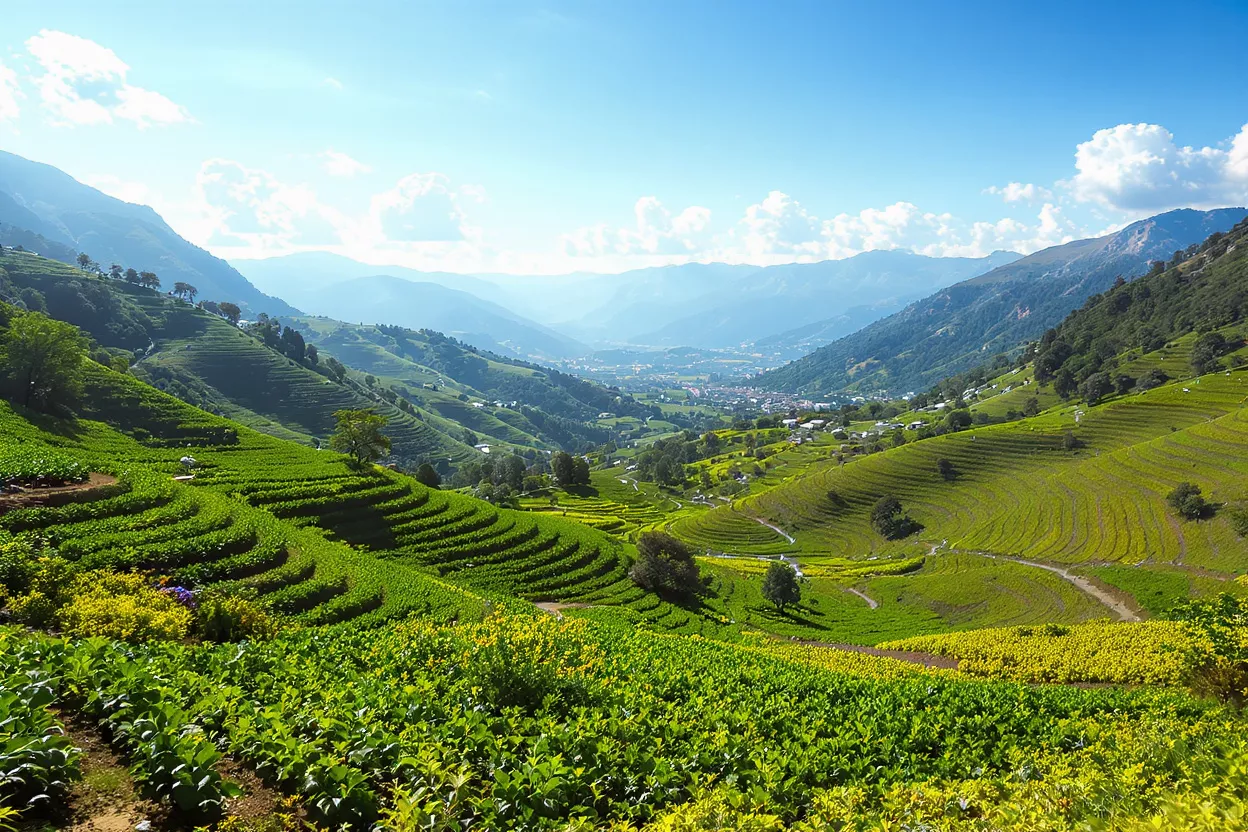
Not every location is suited to outdoor cannabis. The plant thrives in regions with long, warm growing seasons, ample sunlight, and a dry harvest window that minimizes mold risk. Mediterranean-style climates—think California's Emerald Triangle, parts of Spain, and similar latitudes—are renowned for producing exceptional sun-grown crops.
What makes a climate ideal: The most successful outdoor regions combine abundant summer sunshine with relatively low humidity as harvest approaches. Excess moisture late in the season invites bud rot, so dry autumns are a major asset. Consistent temperatures and protection from extreme weather events further improve outcomes.
- 🌞 Long growing season: Regions with extended frost-free periods give plants time to fully mature.
- 🏜️ Dry harvest window: Low autumn humidity protects dense buds from mold and rot.
- 🌡️ Stable temperatures: Warm days and cool—not cold—nights support resin and terpene production.
- 🌤️ High light intensity: Strong, direct sunlight fuels vigorous growth and potent flower.
Challenges of Growing Cannabis Outdoors
For all its advantages, sun-grown cultivation comes with real challenges that indoor growing sidesteps. The grower surrenders control over the elements, and nature does not always cooperate. A single unexpected storm, heat wave, or early frost can damage or destroy an entire season's work.
Pests, weather, and timing: Outdoor plants are exposed to insects, mold, mildew, and animals, all of which require vigilant, often organic management. Weather is the biggest wildcard—an unseasonable rain during the final weeks can trigger devastating bud rot. And because most regions allow only one harvest per year, there is no quick second attempt if a crop fails.
Consistency is another hurdle. Because conditions vary from year to year, the same strain from the same farm may differ subtly between seasons. For some consumers that variation is part of the charm, but for those who want identical results every time, the predictability of indoor flower can be appealing. Skilled outdoor growers mitigate these risks through careful site selection, strain choice, and seasoned timing.
Is Sun-Grown Cannabis Right for You?
Choosing sun-grown cannabis comes down to your priorities as a consumer. If sustainability, value, and natural character matter to you, sun-grown flower delivers on all three. It offers a genuine connection to the plant's heritage and the land it came from, often at a more accessible price than its indoor counterpart.
Matching the product to your values: Eco-conscious consumers gravitate toward sun-grown for its minimal environmental footprint. Flavor seekers appreciate the terroir-driven complexity. Budget-minded buyers benefit from the lower production costs. If any of these resonate with you, sun-grown flower is well worth exploring with an open mind.
Ultimately, the rise of sun-grown cannabis reflects a broader shift toward transparency, sustainability, and appreciation for how products are made. Far from being a lesser option, well-cultivated outdoor flower stands as a testament to working with nature rather than against it. Whether you prioritize the environment, the experience, or your wallet, understanding what sun-grown means empowers you to make a choice that aligns with what you truly value in your cannabis.


Comments