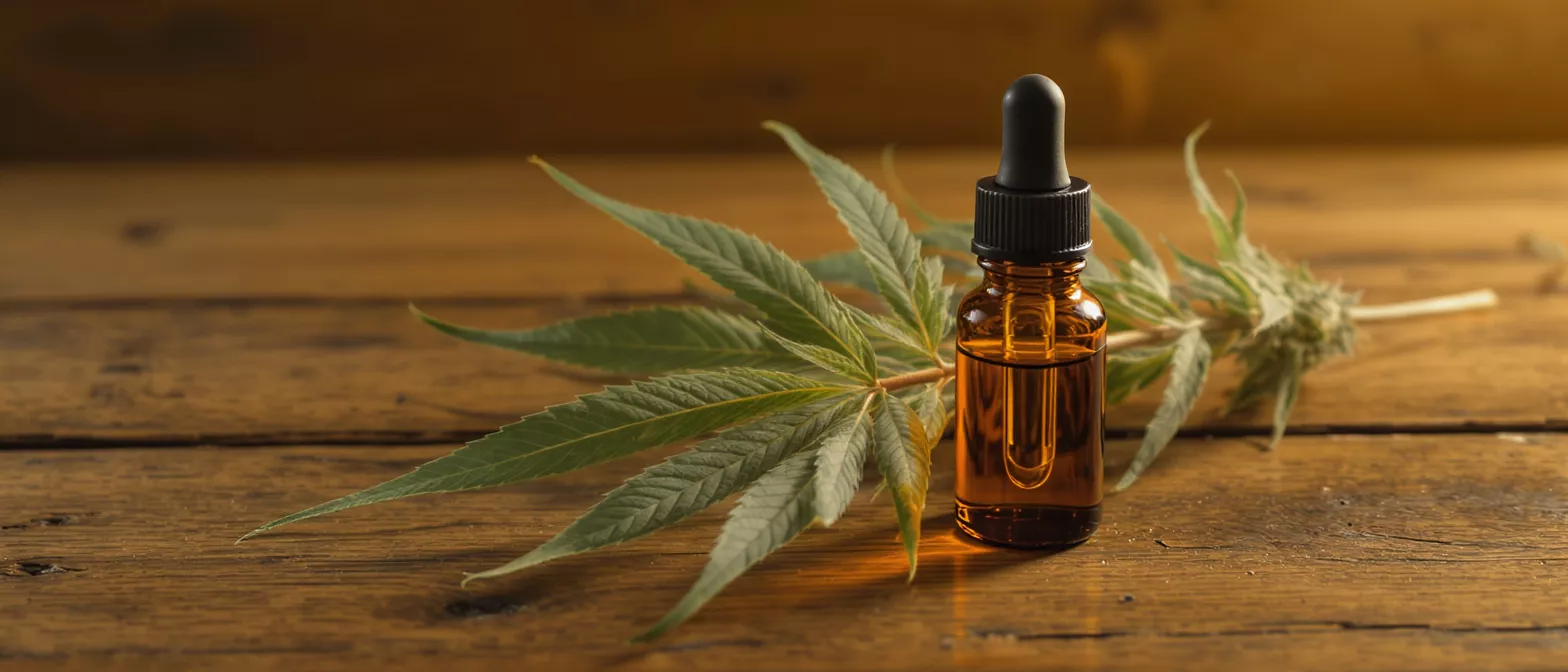
Synergy
Discover how synergy cannabis compounds create effects greater than the sum of their parts.
What Is Synergy in Cannabis?
Synergy cannabis describes the phenomenon where the combined effect of multiple cannabis compounds exceeds the sum of their individual contributions. Rather than acting in isolation, cannabinoids, terpenes, and flavonoids work together within the plant to produce outcomes that no single molecule could achieve alone. This concept has reshaped how researchers, formulators, and consumers think about the cannabis experience.
The word "synergy" comes from the Greek synergos, meaning "working together." In a pharmacological context, it refers to interactions where compounds amplify, modulate, or balance one another's effects. When applied to cannabis, synergy explains why whole-plant preparations often feel qualitatively different from isolated molecules consumed on their own.
Why synergy matters to consumers: Understanding synergy helps explain why two products with identical THC percentages can deliver entirely different experiences. The supporting cast of minor cannabinoids and aromatic terpenes shapes everything from onset speed to the overall character of the effect, making synergy a practical concern rather than an abstract theory.
How Synergy in Cannabis Works
At the biochemical level, synergy in cannabis operates through several mechanisms. Compounds can act on the same receptor with complementary effects, target different receptors that influence overlapping pathways, or alter how the body absorbs and metabolizes one another. These interactions occur within the endocannabinoid system and adjacent signaling networks.
One important mechanism is receptor modulation. CBD, for instance, can influence how THC binds to the CB1 receptor, often softening some of THC's more intense psychoactive characteristics. This interaction is a textbook example of synergy: the presence of one compound reshapes the behavior of another.
Pharmacokinetic versus pharmacodynamic synergy: Scientists distinguish between two broad categories. Pharmacokinetic synergy affects how compounds are absorbed, distributed, and broken down, changing how much of a molecule reaches its target. Pharmacodynamic synergy involves compounds acting together at the receptor level to enhance or temper a response. Cannabis frequently displays both types simultaneously, which is part of why its effects are so nuanced.
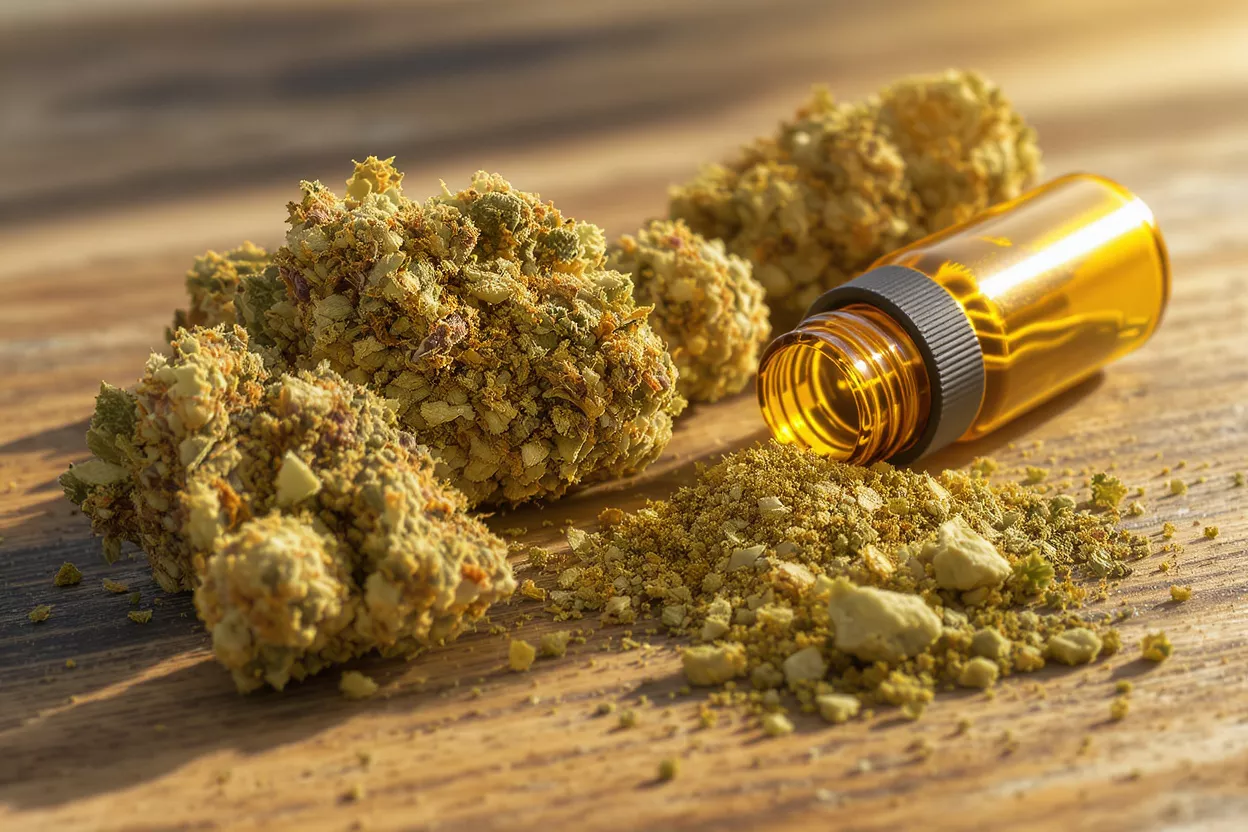
The Entourage Effect Explained
The term most closely associated with synergy cannabis is the entourage effect. First proposed by researchers in the late 1990s, this concept describes how the full chemical profile of cannabis contributes to its therapeutic and experiential outcomes. The entourage effect is essentially synergy applied to the cannabis plant as a complete system.
The original research focused on endocannabinoids and how inactive metabolites could enhance the activity of active ones. The idea was later expanded to encompass the relationships between phytocannabinoids and terpenes, suggesting that the plant's aromatic compounds were not merely incidental but functionally important to the overall effect.
Today the entourage effect informs product design across the industry. Formulators deliberately preserve or recombine compounds to recreate the synergy found in whole-plant material, recognizing that stripping cannabis down to a single isolated molecule often sacrifices the richness and balance that many users seek.
Cannabinoid Interactions and Synergy
Cannabis produces more than a hundred distinct cannabinoids, and their interactions form the backbone of synergy. While THC and CBD receive the most attention, minor cannabinoids such as CBG, CBN, and CBC each contribute to the collective effect in measurable ways.
The THC and CBD relationship: This is the most studied cannabinoid pairing. CBD can moderate the anxiety and rapid heartbeat sometimes associated with high doses of THC, creating a more balanced experience. The ratio between these two compounds is one of the most reliable predictors of how a product will feel, which is why ratio-based formulations have become so popular.
Minor cannabinoids add further dimension to synergy. Consider how each contributes:
- 🌿 CBG: Often called the "mother cannabinoid," it may support focus and contributes to balanced formulations.
- 🌙 CBN: Frequently associated with the sedating qualities of aged cannabis and evening-oriented products.
- 🍃 CBC: Works alongside other cannabinoids and may reinforce the broader synergistic profile.
- ⚖️ THCV: A unique compound that can modulate appetite and shift the character of the effect at certain doses.
Terpene Contributions to Synergy
Terpenes are the aromatic compounds responsible for the distinctive scents of different cannabis varieties, and they play a central role in synergy. Beyond fragrance, terpenes interact with cannabinoids and with the body's own receptors, shaping the overall texture of an experience in subtle but meaningful ways.
Research suggests that certain terpenes can influence how cannabinoids cross membranes, modulate neurotransmitter activity, or contribute their own mild effects. Myrcene, for example, is often discussed in relation to relaxation, while limonene is associated with brighter, more uplifting impressions.
Common terpenes and their synergistic roles: The interplay between terpenes and cannabinoids is where much of cannabis's individuality comes from. A few notable examples include:
- 😌 Myrcene: Earthy and musky, frequently linked to soothing, relaxing qualities.
- 🍋 Limonene: Citrus-forward and often associated with elevated, energetic moods.
- 🌲 Pinene: Sharp and piney, sometimes connected to mental clarity and alertness.
- 💜 Linalool: Floral and lavender-like, commonly tied to calming, gentle effects.
Together these aromatic molecules help explain why two strains with similar cannabinoid content can feel remarkably different from one another.
Research Validating Cannabis Synergy
The scientific case for synergy cannabis has grown considerably over the past two decades. Early observations were largely anecdotal, but laboratory studies and clinical investigations have since provided more rigorous support for the idea that whole-plant preparations behave differently from isolated compounds.
Studies comparing whole-plant extracts to purified cannabinoids have frequently found differences in efficacy, dosing windows, and side-effect profiles. Some research indicates that whole-plant CBD preparations show a broader therapeutic range than CBD isolate alone, a finding often cited as evidence of synergy in action.
Where the science still needs work: Despite encouraging results, synergy research faces challenges. The sheer number of compounds and possible combinations makes controlled study difficult, and not every claimed interaction has been confirmed under rigorous conditions. Responsible discussion of synergy acknowledges both the compelling evidence and the gaps that remain, treating it as an evolving area rather than settled fact.
Synergy in Full-Spectrum Products
Full-spectrum products are designed specifically to capture the synergy of the whole plant. By preserving the complete range of cannabinoids, terpenes, and other compounds present in the original material, these products aim to deliver the layered, balanced experience that synergy makes possible.
Full-spectrum sits at one end of a spectrum of formulation choices. Broad-spectrum products retain most compounds while removing THC, offering a partial version of synergy for those who prefer to avoid psychoactive effects. Isolates, by contrast, contain a single purified cannabinoid and sacrifice synergy in exchange for precision and predictability.
Comparing formulation types: Each approach serves different needs. Full-spectrum appeals to those seeking the richest expression of the plant, broad-spectrum suits users who want synergy without THC, and isolates work well for applications requiring exact dosing of a single compound. None is inherently superior; the right choice depends on the goals of the individual.
Formulation and Product Applications
Modern product development treats synergy as a design principle rather than a happy accident. Formulators select and combine cannabinoids and terpenes deliberately, building products around specific intended experiences. This intentional approach has produced a generation of offerings engineered for particular moods, times of day, or wellness goals.
Terpene reintroduction is a common technique. During extraction, delicate aromatic compounds can be lost, so manufacturers often reintroduce terpene blends to restore the synergy of the original flower. This practice allows for consistent, repeatable products that still capture the nuanced character of whole-plant cannabis.
Practical applications of synergy-driven design: The principle shows up across many product categories. Some highlights of how synergy informs real-world formulation include:
- 🎯 Targeted ratios: Products formulated with specific THC-to-CBD ratios to match desired outcomes.
- 🌅 Time-of-day blends: Daytime and nighttime formulations built around stimulating or sedating terpene profiles.
- 🧪 Strain-specific extracts: Concentrates that preserve a cultivar's complete chemical signature.
- 🍬 Enhanced edibles: Gummies and tinctures infused with full-spectrum oil for a more rounded effect.
Choosing Products for Synergistic Effects
For consumers hoping to experience cannabis synergy, product selection makes a real difference. The label and accompanying lab results offer valuable clues about whether a product is designed to deliver the layered effects that synergy provides.
Reading a certificate of analysis: A detailed lab report, or certificate of analysis, reveals the full cannabinoid and terpene profile of a product. Looking beyond the headline THC number to the presence of minor cannabinoids and a robust terpene profile is the surest way to identify products built for synergy rather than potency alone.
Whole-flower cannabis remains one of the most direct ways to experience synergy, since it contains the plant's complete chemical profile in its natural proportions. For those who prefer processed products, full-spectrum oils and extracts that retain terpenes offer a comparable depth of experience.
Ultimately, experimentation guided by good information is the best path. Keeping notes on which cannabinoid and terpene profiles produce the most satisfying results helps consumers learn their own preferences and choose synergistic products with growing confidence.
The Future of Cannabis Synergy Research
The study of synergy cannabis is still in its early chapters, and the coming years promise to deepen our understanding considerably. As analytical technology improves and legal barriers to research ease in many regions, scientists are gaining the tools to map cannabis interactions with unprecedented precision.
Emerging fields like cannabinomics aim to catalog how specific combinations of compounds produce particular effects, potentially allowing for highly personalized formulations. This kind of data-driven approach could transform synergy from an appreciated phenomenon into a predictable, engineerable feature of cannabis products.
As the evidence base grows, synergy is likely to become an even more central concept in how cannabis is cultivated, formulated, and consumed. Understanding that the whole plant offers something its individual parts cannot is a foundational insight that will continue shaping the industry for years to come. Synergy, in the end, is a reminder that in cannabis the relationships between compounds matter just as much as the compounds themselves.