


Taffy
Discover cannabis taffy: a soft, pliable extract that's easy to work with.
What Is Cannabis Taffy?
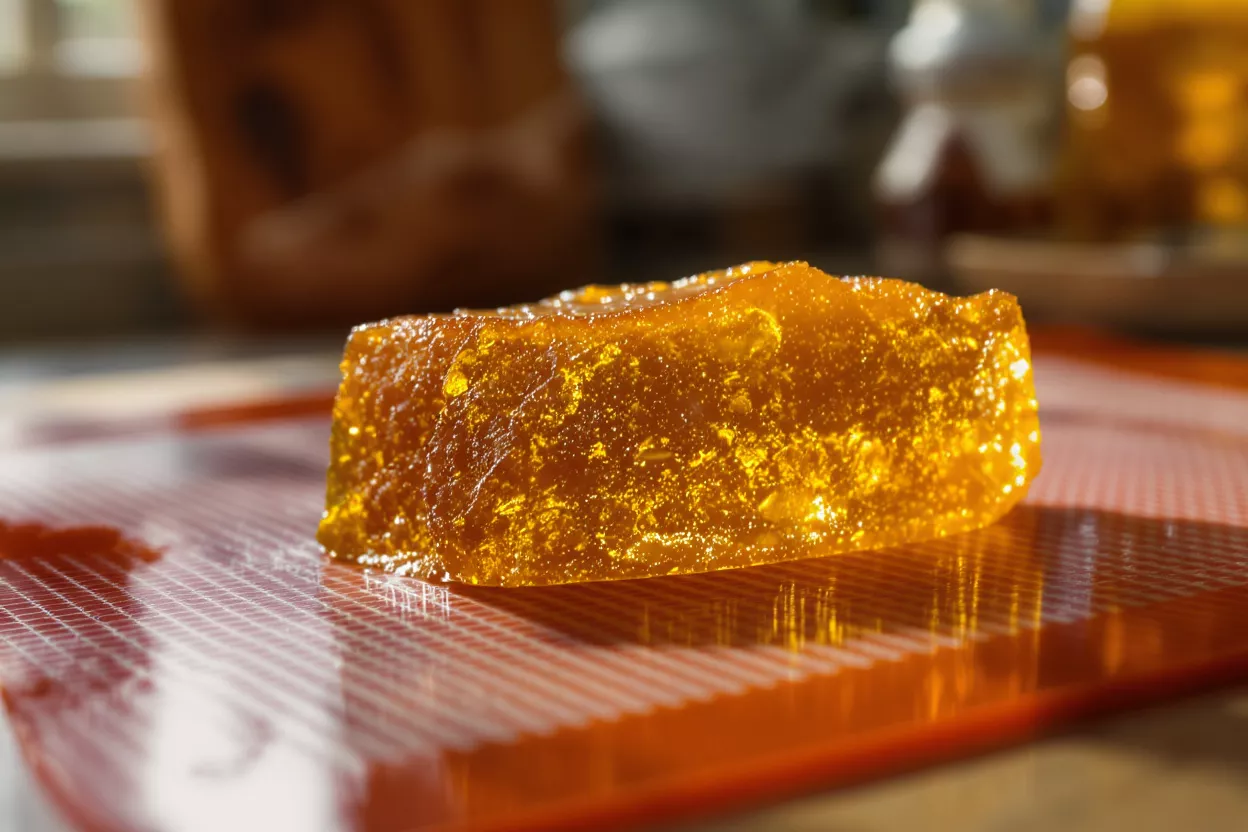
Cannabis taffy is a type of concentrate defined entirely by its physical consistency: a soft, pliable, stretchy texture that resembles the sugary candy it borrows its name from. Where some extracts snap and crack, taffy bends, pulls, and folds back on itself. At room temperature it sits somewhere between a thick syrup and a workable putty, tacky to the touch and easy to manipulate with a dab tool.
The name is descriptive rather than chemical. Taffy is not a separate cannabinoid or a distinct extraction method so much as a final-form designation that producers and consumers use to describe how the finished product behaves in the hand. Two extracts made from the same starting material can end up as brittle shatter or stretchy taffy depending on how they are processed and cured.
For anyone newer to concentrates, taffy is one of the more forgiving textures to work with. It does not shatter into shards, it does not run off the tool the way a thin oil might, and it holds its shape long enough to portion accurately. That balance of workability and stability is a big part of why this consistency has a dedicated following among dab enthusiasts.
How Taffy Texture Forms During Extraction
The role of agitation and heat: Taffy consistency is largely a product of post-extraction handling. After the initial extract is pulled from the plant material—often using a hydrocarbon solvent like butane or propane—the resulting oil is purged of residual solvent under controlled heat and vacuum. The way temperature, agitation, and timing are applied during this purge nudges the extract toward one texture or another.
Terpene content matters: Extracts that retain a higher proportion of terpenes tend to stay softer and more malleable. Terpenes act almost like a plasticizer within the concentrate, keeping cannabinoids from crystallizing into a rigid lattice. This is why terpene-rich extracts so often land in the taffy, sauce, or budder family rather than turning glassy.
The line between a stable shatter and a stretchy taffy can come down to small variables: a few degrees of purge temperature, the moisture content of the starting flower, or how recently the batch was whipped. Skilled extractors learn to read these signs and steer the product toward the texture they want.
Taffy vs Shatter vs Budder: Texture Comparison
Concentrate textures exist on a spectrum, and understanding where taffy falls helps set expectations before you buy. Shatter sits at the rigid, glassy end—translucent, brittle, and prone to snapping. Budder and badder occupy the creamy, whipped middle ground. Taffy lands between them: more cohesive than budder, far more flexible than shatter.
Here is how the most common consistencies compare at a glance:
- 🍬 Taffy: Pliable and stretchy, tacky at room temperature, easy to portion and fold.
- 🪟 Shatter: Hard, glass-like, and translucent; snaps when cold but can be sticky when warm.
- 🧈 Budder: Soft, opaque, and creamy from heavy whipping; spreads like a thick frosting.
- 🍯 Sauce: Wet and grainy, with crystalline cannabinoids suspended in a terpene-rich liquid.
- 💎 Diamonds: Crystalline THCA structures, often paired with sauce for dabbing.
None of these textures is inherently superior. They reflect different processing choices and starting materials, and each suits a slightly different handling style. Taffy appeals to people who want a workable, mess-tolerant extract that still delivers a robust terpene profile.
What Makes Taffy Stretchy and Chewy
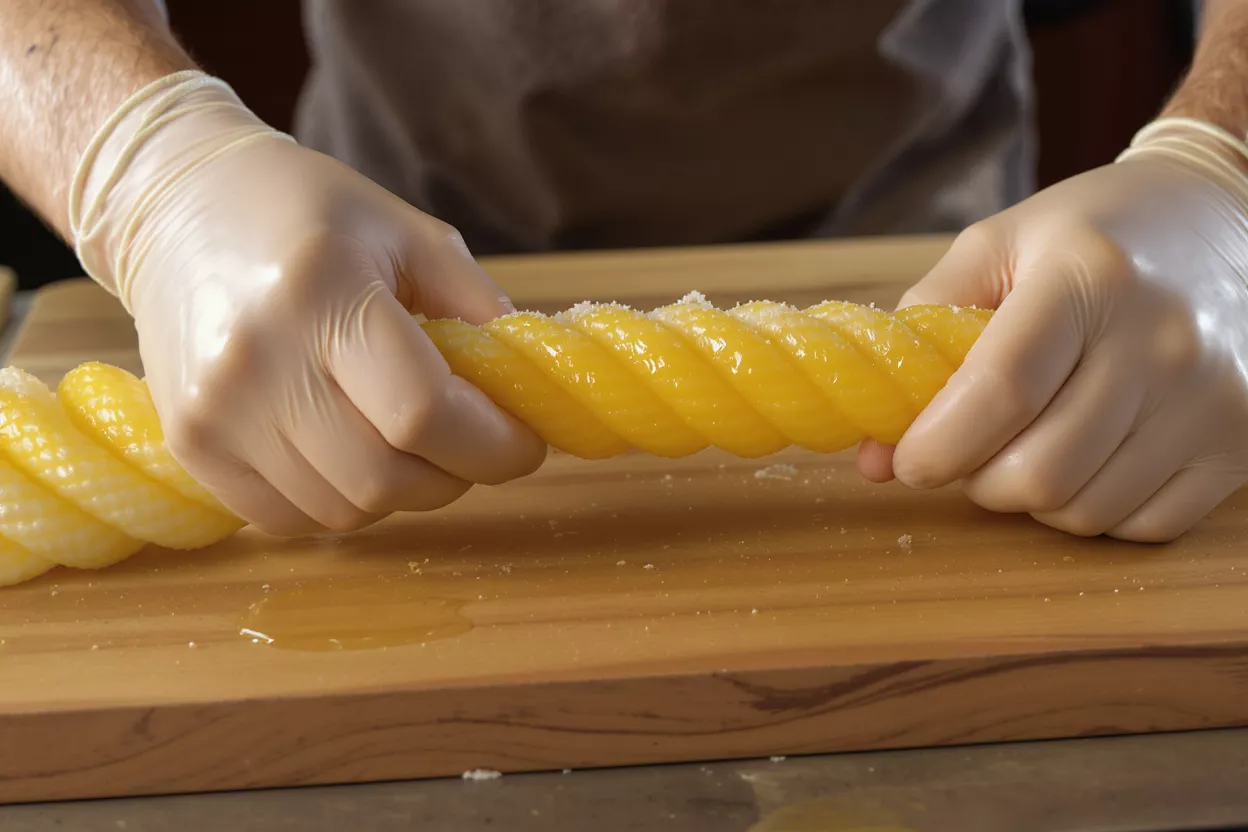
The stretch in taffy comes from the molecular relationship between cannabinoids and the compounds suspended alongside them. When THC and other cannabinoids remain partially amorphous—meaning they have not organized into a crystalline solid—the concentrate behaves like a viscoelastic material. It flows slowly under sustained pressure but resists a quick pull, giving that signature chewy stretch.
Why some extracts crystallize and others stay soft: Purity is the deciding factor. Extracts that are very high in isolated cannabinoids tend to crystallize, since pure compounds want to form ordered structures. A taffy that stays soft usually carries a meaningful terpene load and a blend of cannabinoids that interfere with one another's crystallization, keeping the whole mass loose and bendable.
Temperature plays a role you can feel in real time. Warm taffy slightly between your fingers and it becomes more elastic and easier to stretch; chill it and it firms up considerably. This responsiveness is part of what makes the texture so satisfying to handle and so practical for measured dosing.
Types of Cannabis Taffy Concentrates
Although taffy describes a texture rather than a single product, you will encounter several variations depending on the extraction method and source material. Each carries its own flavor character and potency range.
- 🔥 BHO taffy: Made with butane extraction, prized for strong terpene retention and a pronounced aroma.
- 🌿 Live resin taffy: Produced from flash-frozen fresh plant material, capturing the brightest, most true-to-flower terpene profile.
- 💧 Solventless taffy: Derived from rosin pressed with heat and pressure, with no chemical solvents involved.
- 🍊 Cured resin taffy: Extracted from dried and cured flower, offering a deeper, more mellow terpene expression.
Solventless versus solvent-based: The solventless route appeals to consumers who prefer a product made entirely without hydrocarbons. Rosin-based taffy can achieve a beautifully stretchy consistency through careful temperature control during pressing and cold-curing, and it carries no risk of residual solvent.
The starting material shapes the result as much as the method. A live resin taffy from a citrus-forward cultivar will taste worlds apart from a cured resin pulled from an earthy, gas-heavy strain. Exploring different sources is half the fun of getting into concentrates.
How to Use Cannabis Taffy
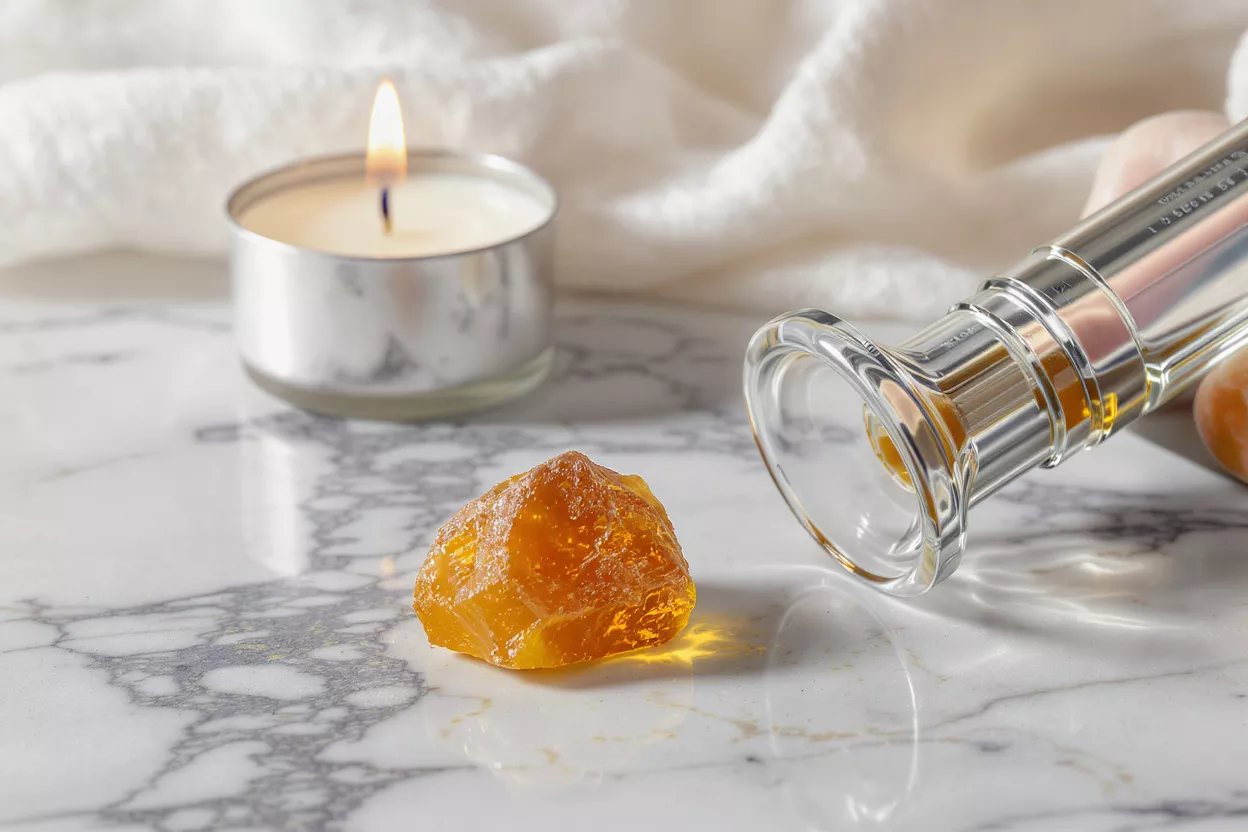
Dabbing is the most common method: Most people enjoy taffy by dabbing—heating a nail or banger, then applying a small portion of the concentrate to vaporize it. Because taffy is pliable, it is easy to pull off a measured dab with a heated or room-temperature tool without crumbling or running. Start with a portion no larger than a grain of rice if you are new to concentrates.
Taffy also works well in a quality dab pen or vaporizer designed for thicker extracts. Its consistency loads cleanly into a chamber and resists the messy dripping you sometimes get with runnier oils. Some users add a small amount to a bowl of flower for a potency boost, though dabbing preserves the terpene flavor best.
Whatever method you choose, low-temperature vaporization tends to deliver the fullest flavor. Excessive heat scorches terpenes and produces a harsher inhale, so a controlled, lower-temp dab around the 500–600°F range is a good starting point for tasting the nuances of a terpene-rich taffy.
Taffy Potency and Effects
As a concentrate, taffy delivers significantly higher cannabinoid levels than flower. Many taffy products test in the 60–80% THC range, with some pushing higher, so the effects arrive faster and feel more intense than smoking the equivalent strain. This concentration is exactly why careful portioning matters.
The entourage effect in terpene-rich taffy: Because taffy typically retains a generous terpene load, it tends to produce a fuller, more rounded experience than a high-purity isolate. Terpenes and minor cannabinoids interact with THC to shape the character of the high—a phenomenon often described as the entourage effect. Many people find this makes the experience feel more complete than a flavorless distillate.
Onset from dabbing is rapid, usually within minutes, and the intensity depends heavily on your tolerance and dab size. New consumers should respect the potency, hydrate, and give each dose time to settle before considering more. A modest, terpene-forward dab is often more enjoyable than chasing the largest possible hit.
How to Store Cannabis Taffy Properly
Proper storage keeps taffy stretchy and protects its delicate terpenes. Heat, light, and air are the three enemies of any concentrate, and taffy is no exception. Exposure to warmth can cause it to become greasy and run, while excessive cold makes it stiff and harder to handle—though a brief chill is useful for portioning.
Best containers for taffy: Store the concentrate in an airtight, non-stick container—silicone jars or glass with a silicone insert work well. Keep it in a cool, dark place such as a drawer away from windows and appliances. A consistent, moderate temperature prevents the texture from sliding toward either runny or rigid extremes.
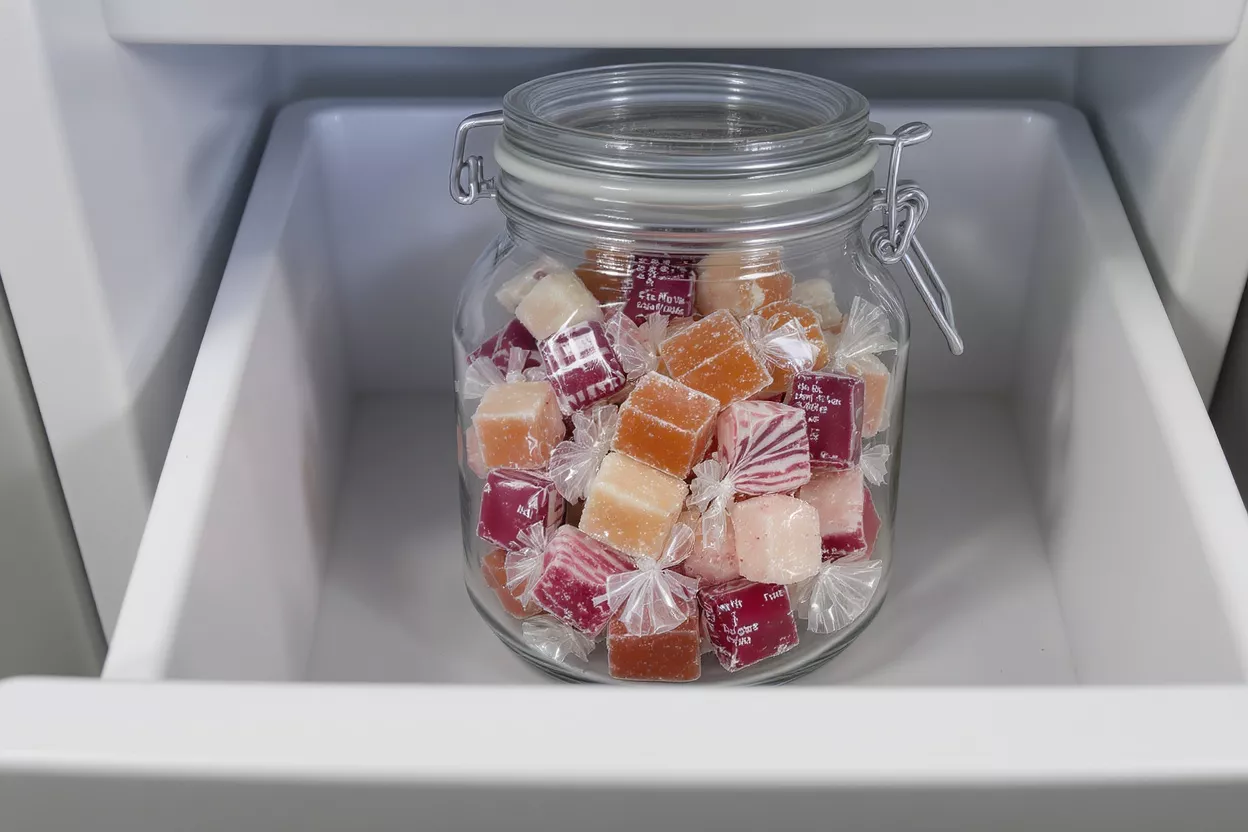
For longer-term storage, some users keep concentrates in the refrigerator, letting the product return to room temperature before handling so condensation does not form. With sensible storage, a quality taffy holds its flavor, potency, and signature stretch for many months.
Is Cannabis Taffy Safe to Consume?
Taffy made by a reputable producer and properly purged of residual solvents is considered safe for adult use when consumed responsibly. The most important safety variable with any solvent-based concentrate is thorough purging—lab testing confirms that residual butane or propane levels fall within safe limits. This is one reason third-party testing matters so much.
What lab testing tells you: A certificate of analysis verifies cannabinoid potency and screens for residual solvents, pesticides, and other contaminants. Buying taffy that comes with accessible lab results gives you confidence that the product is clean and accurately labeled. Solventless taffy sidesteps the residual-solvent question entirely, which appeals to cautious consumers.
The main practical risk is overconsumption rather than the product itself. Because concentrates are so potent, taking too large a dab can lead to uncomfortable effects like dizziness, anxiety, or an elevated heart rate. These pass with time, but the lesson is simple: start small, especially with an unfamiliar product or a higher tolerance threshold than usual.
Choosing Quality Taffy Concentrate
Recognizing a quality taffy comes down to a few sensory and informational cues. The color should be clean—typically a warm amber to light gold—without dark patches or a muddy appearance that can signal poor starting material or overheating during processing. The aroma should be vivid and true to the source strain.
What to look for before you buy: Prioritize products with full lab transparency, fresh terpene-driven scent, and a consistency that genuinely stretches rather than simply being a soft, structureless puddle. A good taffy folds and pulls; a poor one may be greasy or separated.
- ✅ Clear lab results: Verified potency plus screening for solvents and contaminants.
- 👃 Vibrant aroma: A loud, strain-true terpene profile signals careful extraction.
- 🎨 Clean color: Amber to gold tones, free of dark or muddy patches.
- 🤲 True stretch: Pliable and cohesive, not greasy or separated.
Cannabis taffy rewards a little knowledge. Its stretchy, chewy texture makes it one of the more approachable concentrates to handle, while its rich terpene content delivers a flavorful, full-bodied experience that many enthusiasts prefer over flavorless isolates. By understanding how the texture forms, how to use and store it, and how to spot a clean, well-made batch, you can confidently choose a taffy that suits your taste and get the most from this satisfying corner of the concentrate world.


Comments