


Terp sauce
Discover what terp sauce is, how it's made, and why it's the top pick for flavor chasers.
What Is Terp Sauce in Cannabis?
Terp sauce is one of the most aromatic cannabis concentrates available today, prized by enthusiasts who chase flavor as much as potency. The name comes from its high concentration of terpenes — the volatile aromatic compounds that give cannabis its distinctive smell and taste. Where many extracts strip away these delicate molecules during processing, terp sauce deliberately preserves and even amplifies them, producing a runny, syrup-like consistency studded with crystalline structures.
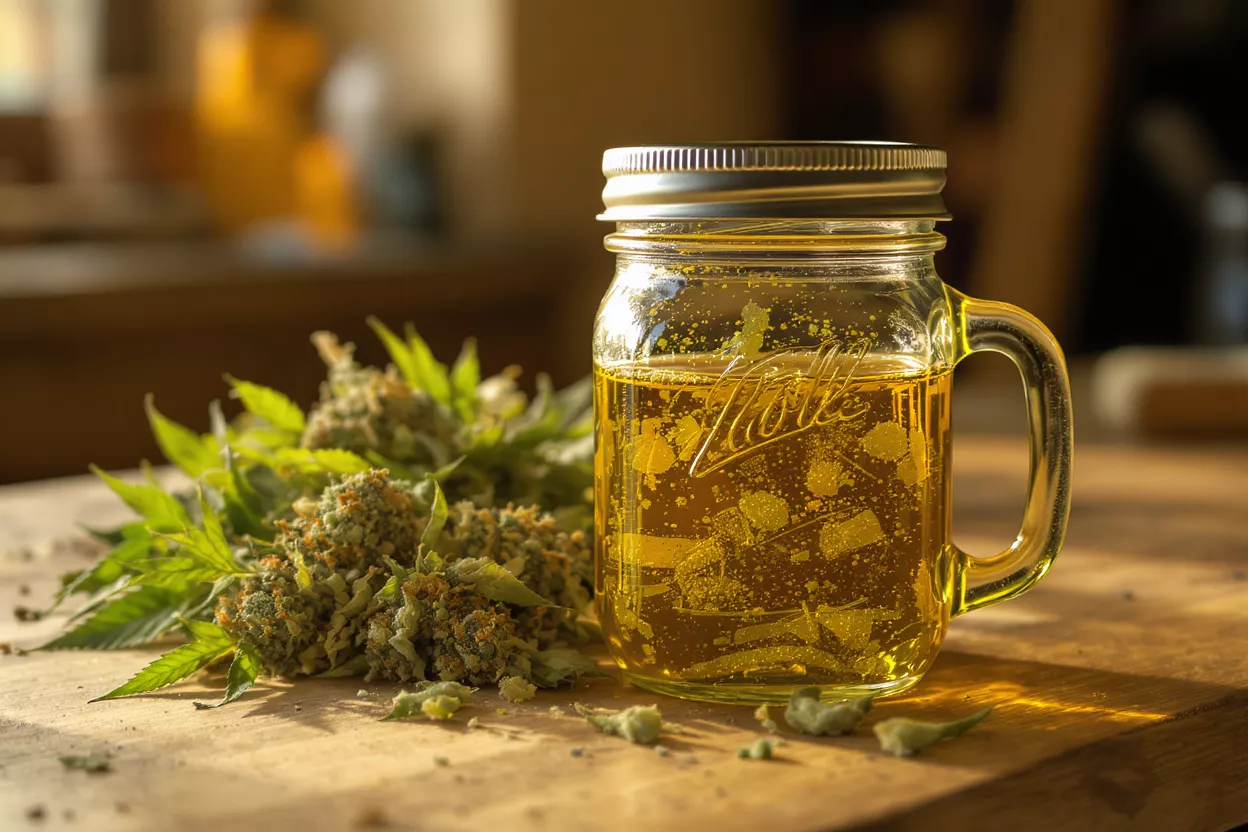
At a glance, terp sauce looks like a jar of thick honey with sugar granules suspended throughout. That texture is no accident. The liquid portion is dense with terpenes, while the solid crystals are THCA that has separated and crystallized over time. This two-phase appearance is the visual signature that separates true sauce from other extracts.
Why flavor chasers love terp sauce: Because terpenes are responsible for the entourage effect alongside cannabinoids, a terpene-rich concentrate delivers a fuller, more nuanced experience. Strains expressed as sauce retain the citrus, pine, diesel, or floral notes of the original flower far more faithfully than a distillate ever could. For many connoisseurs, that fidelity is the entire point.
How Terp Sauce Is Made
Producing terp sauce begins with high-quality starting material, often fresh-frozen flower that locks in the plant's full aromatic profile before degradation sets in. The plant matter is run through a hydrocarbon extraction process, typically using butane or propane as a solvent. This solvent pulls cannabinoids and terpenes from the plant, creating a rich extract that is later purged of residual solvent under carefully controlled heat and vacuum.
The crystallization stage: What turns a standard extract into sauce is a period of controlled rest. The freshly extracted oil is left in a sealed container under specific temperature conditions for days or even weeks. During this time, the THCA naturally separates from the terpene-rich liquid and forms crystalline diamonds. This slow separation is the heart of sauce-making and demands patience from the producer.
Quality control matters enormously at every step. Improper purging can leave residual solvent behind, while poor starting material yields a flat, lifeless product no amount of processing can rescue. The best live resin sauces come from fresh-frozen genetics handled by extractors who treat terpene preservation as a craft rather than an afterthought.
Terp Sauce vs Other Cannabis Concentrates
Cannabis concentrates span a wide spectrum of textures, potencies, and flavor profiles, and terp sauce occupies a distinct niche. Compared to shatter, which is glassy and brittle, sauce is wet, fluid, and far more aromatic. Shatter prioritizes a stable, glass-like consistency, often at the cost of some terpene content lost during processing.
Understanding where sauce sits among its peers helps you choose the right concentrate for your goals:
- 🍯 Terp sauce: Runny, terpene-saturated liquid with THCA crystals — flavor-forward and aromatic.
- 💎 Diamonds: Isolated THCA crystals with minimal terpene content — extreme potency, muted flavor.
- 🧈 Budder and badder: Whipped, creamy textures that balance potency with ease of handling.
- 🪟 Shatter: Glassy and stable but typically lower in preserved terpenes.
- 🌿 Live resin: Fresh-frozen extract that shares sauce's terpene focus with a softer consistency.
Many products blur these lines. A jar labeled "diamonds and sauce" combines crystalline THCA suspended in a terpene bath, giving you both extreme potency and rich flavor in a single dab. This hybrid format has become the gold standard for premium concentrate lines.
What Makes Terp Sauce So Flavorful
The flavor of terp sauce comes down to its extraordinary terpene concentration, which can reach 13 to 40 percent of the total product by weight — dramatically higher than most other extracts. These aromatic compounds are the same molecules that perfume the flower in its raw form, and preserving them at high concentration is what makes sauce taste like the strain it came from.
Common terpenes you will taste: Myrcene brings earthy, musky notes; limonene delivers bright citrus; pinene contributes sharp pine; and caryophyllene adds a peppery spice. Each strain expresses its own ratio of these compounds, and a well-made sauce captures that fingerprint with remarkable clarity.
Beyond pure enjoyment, terpenes may shape the overall experience through the entourage effect, the theory that cannabinoids and terpenes work together synergistically. A sauce rich in calming terpenes may feel more relaxing, while one heavy in energizing compounds can feel brighter and more uplifting. This is part of why flavor and effect are so closely linked in quality concentrates.
Types of Terp Sauce You Will Encounter
Not all terp sauce is created equal, and the category has expanded as extraction techniques have matured. The starting material and process used dramatically affect the final character of the product, from its aroma to its cannabinoid profile.
Here are the main varieties you are likely to come across at a dispensary or online:
- ❄️ Live resin sauce: Made from fresh-frozen plants, delivering the most vibrant, true-to-strain terpene profiles.
- 🌬️ Cured resin sauce: Produced from dried and cured flower, often slightly less aromatic but still flavorful.
- 💠 Diamonds and sauce: Large THCA crystals submerged in a terpene-rich liquid for maximum potency and taste.
- 🍊 HTE sauce: High terpene extract that isolates and concentrates the terpene fraction for intense flavor.
Choosing between them: If flavor is your priority, live resin sauce and HTE are hard to beat. If you want a balance of head-spinning potency and full taste, diamonds and sauce offers the best of both worlds. Your tolerance, palate, and intended use should guide the decision more than any single label.
How to Dab Terp Sauce the Right Way
Dabbing remains the most popular way to enjoy terp sauce, and doing it correctly makes an enormous difference in flavor. The key principle is low-temperature dabbing. Terpenes are delicate and volatile, evaporating or degrading at high heat, so a blazing-hot nail will scorch the very flavors that make sauce worth buying.
The low-temp method: Heat your nail or banger, then let it cool for 30 to 60 seconds before applying the sauce. A surface temperature in the range of 315 to 450 degrees Fahrenheit preserves terpenes while still vaporizing cannabinoids effectively. A carb cap is essential here, trapping heat and helping the concentrate vaporize fully at a lower temperature.
Because sauce is liquid and sticky, a dab tool with a flat or scooped end works best for handling it cleanly. Start with a small amount — sauce is potent, and you can always take more. Many newcomers overdo their first dab and find the experience overwhelming, when a rice-grain portion would have been plenty.
Can You Vape Terp Sauce?
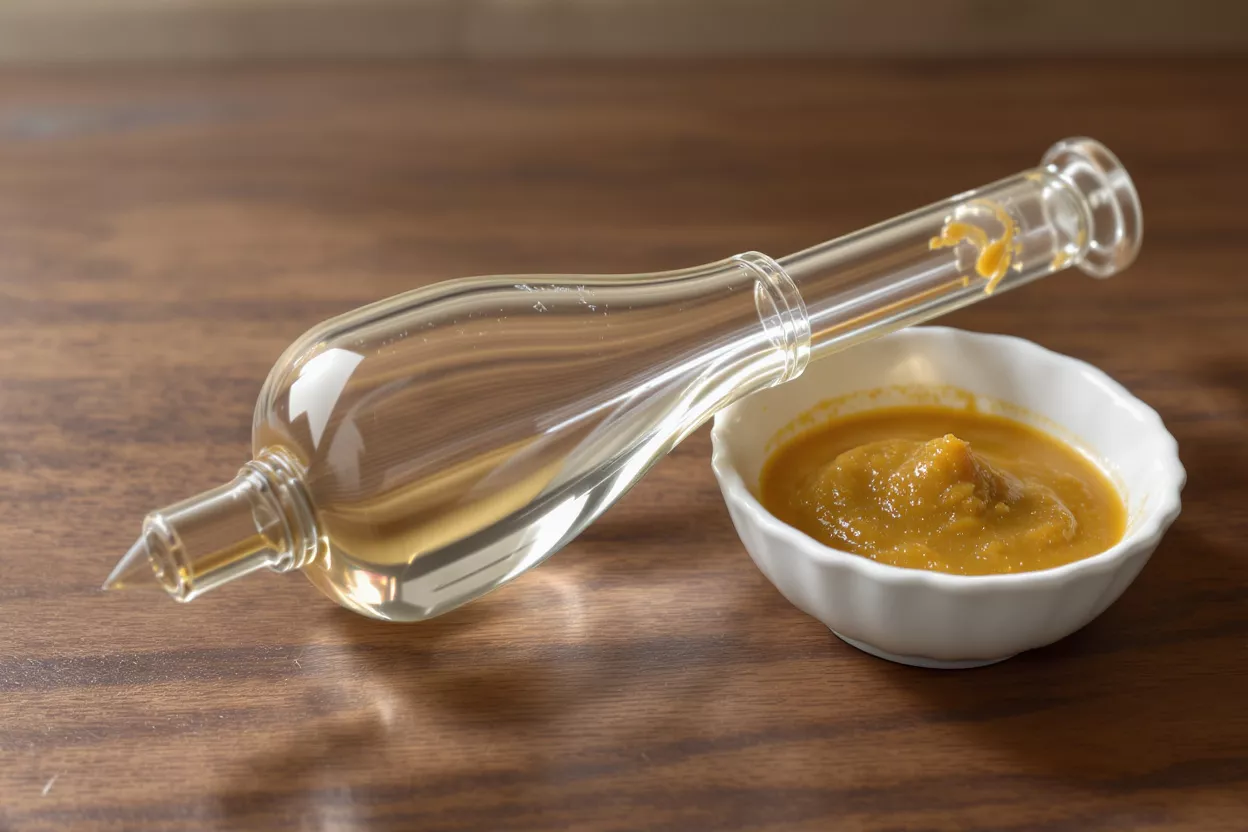
Yes, terp sauce can absolutely be vaporized, and many users prefer it to traditional dabbing for its convenience and discretion. A quality concentrate vaporizer with a coil or ceramic chamber designed for thick extracts handles sauce well, delivering smooth, flavorful vapor without the need for a torch and rig setup.
Vape pens and cartridges: Some producers formulate sauce into pre-filled cartridges, though the high terpene content and crystalline THCA can make this technically challenging. When done well, a sauce cart delivers exceptional flavor compared to distillate-based carts. Look for live resin or sauce cartridges specifically, as these retain the aromatic complexity that makes the format special.
Temperature control on a vaporizer offers the same advantage as low-temp dabbing. Starting at a lower wattage or temperature setting preserves terpenes and produces a tastier, smoother draw. If you crank the heat too high, you sacrifice flavor and risk a harsh, throat-irritating experience that defeats the purpose of buying a flavor-rich concentrate.
Terp Sauce Potency and Effects
Despite its flavor focus, terp sauce is far from weak. The THCA crystals suspended in the terpene liquid convert to active THC when heated, and total cannabinoid content frequently lands in the 50 to 90 percent range. This makes sauce considerably stronger than flower, which typically tests in the teens to mid-twenties for THC percentage.
What the high feels like: Because of the rich terpene content, many users describe the effects of sauce as more rounded and full-bodied than effects from a cannabinoid-isolated product. The interplay of compounds can feel smoother, with the strain's character coming through in both flavor and the texture of the high itself.
Onset is rapid when dabbed or vaped, with effects arriving within minutes and peaking quickly. This makes sauce easy to titrate — you feel the result almost immediately and can decide whether to take more. For those managing tolerance or seeking precise control over their experience, that fast feedback loop is a genuine advantage.

How to Store Terp Sauce Properly
Proper storage protects the terpenes that make your sauce worth the investment. Heat, light, and air are the enemies of terpene preservation, degrading those volatile compounds and flattening both flavor and aroma over time. Treating your concentrate with care keeps it tasting fresh for months.
Storage best practices: Keep terp sauce in an airtight, non-stick container, ideally silicone or glass designed for concentrates. Store it in a cool, dark place away from direct sunlight and heat sources. Refrigeration can help for long-term storage, though you should let the sauce return to room temperature before handling, as cold concentrate becomes thick and difficult to work with.
Avoid leaving your sauce exposed to air for extended periods. Every time the container sits open, terpenes evaporate and the product slowly loses the aromatic intensity you paid for. Scoop what you need, seal the jar promptly, and your sauce will reward you with consistent flavor dab after dab.
Is Terp Sauce Right for You?
Terp sauce sits at the intersection of flavor and potency, making it an excellent choice for experienced consumers who appreciate the full aromatic spectrum of cannabis. If you have grown bored of flavorless distillate or want to taste exactly what a strain has to offer, sauce delivers an experience few other concentrates can match.
That said, the format suits some users better than others. Beginners may find the potency intense and the dabbing setup intimidating, while seasoned dabbers and terpene enthusiasts will feel right at home. The investment in quality sauce pays off in a richer, more satisfying session, especially when paired with proper low-temperature technique and careful storage.
Ultimately, terp sauce represents cannabis extraction at its most expressive, capturing the living character of the plant in a concentrated, flavor-forward form. Whether you dab it, vape it, or explore diamonds-and-sauce hybrids, you are getting a product built to celebrate the aromatic soul of the strain. For anyone serious about flavor, it is well worth a place in the rotation.



Comments