


Terpenes
Discover how terpenes shape cannabis flavor and effects.
What Are Terpenes in Cannabis
Terpenes are the aromatic compounds responsible for the distinctive scents and flavors of cannabis, from the citrus brightness of one strain to the earthy, pine-forward depth of another. These molecules are produced in the same resinous trichomes that generate cannabinoids like THC and CBD, and they exist throughout the plant kingdom as a chemical signaling system. In cannabis specifically, they do far more than perfume the flower — they shape the entire sensory and, increasingly, the therapeutic experience.
The chemistry behind the aroma: Terpenes are hydrocarbons built from repeating isoprene units, and cannabis can express more than 150 distinct varieties, though only a dozen or so appear in concentrations high enough to matter. When you crack open a jar of flower and the smell fills the room, you are experiencing volatile terpenes evaporating into the air. This volatility is precisely why curing, storage, and low-temperature consumption all influence how much aromatic character survives to reach you.
Plants evolved terpenes as survival tools long before humans took an interest. They deter grazing insects, attract pollinators, and even protect the plant from ultraviolet stress and fungal threats. Understanding this evolutionary origin helps explain why these compounds are so chemically active — they were never just decoration. To dig deeper into the foundational vocabulary, the trichomes that house them are worth a closer look.
How Terpenes Work With Cannabinoids
The most fascinating aspect of terpenes is not how they smell but how they may interact with the rest of the cannabis plant's chemistry. Cannabinoids such as THC and CBD bind to receptors in the body's endocannabinoid system, and emerging research suggests terpenes can modulate those interactions in subtle but meaningful ways.
Receptor interactions and signaling: Some terpenes appear to influence how cannabinoids cross cell membranes, while others may interact directly with neurotransmitter systems like serotonin and GABA. This is why two strains with nearly identical THC percentages can produce noticeably different experiences — the supporting cast of terpenes is steering the outcome. The science is still maturing, but the pattern is consistent enough that breeders and clinicians now treat terpene profiles as serious data rather than trivia.
Temperature matters enormously to these interactions. Each terpene has a specific boiling point, and consuming cannabis at the right heat preserves the compounds that contribute to a desired effect. Vaporizing at lower temperatures retains delicate terpenes that combustion would simply destroy, which is one reason precision vaporizers have grown so popular among attentive consumers.
Common Cannabis Terpenes and Their Aromas
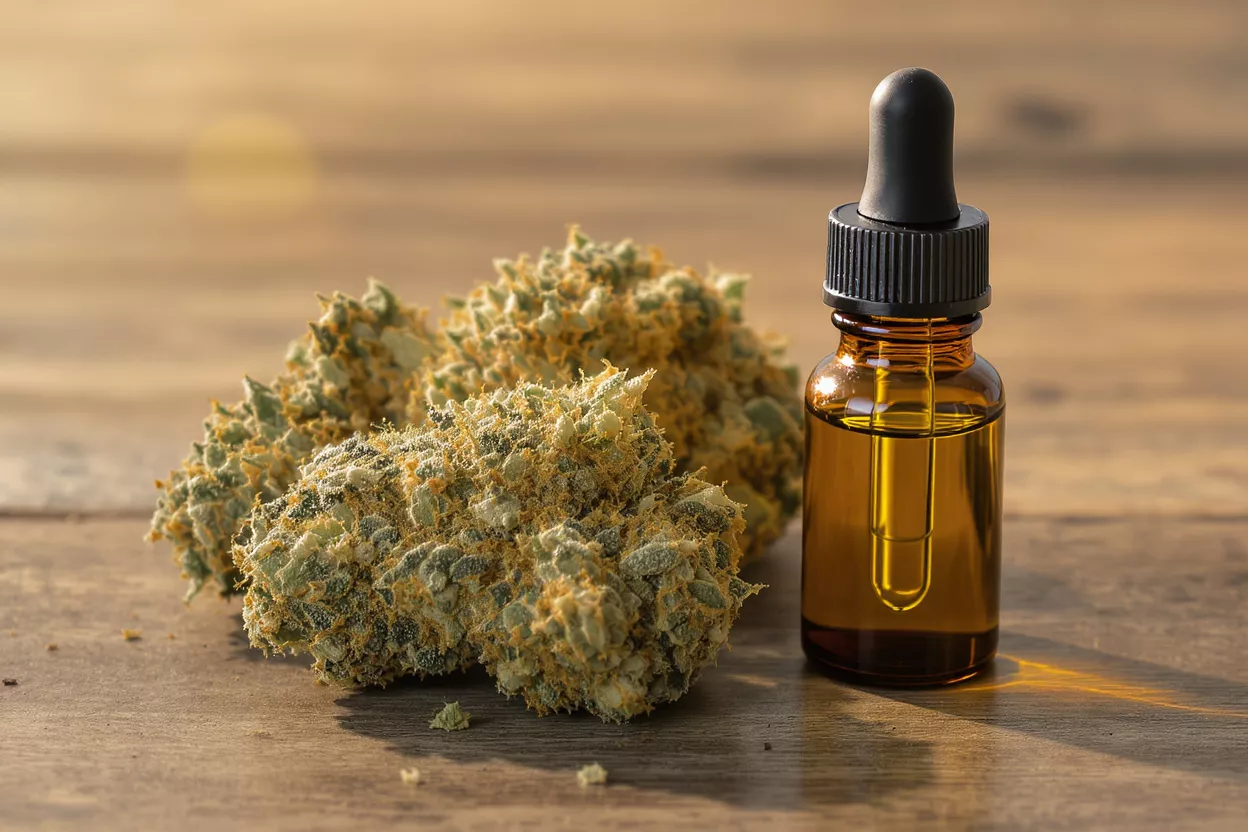
While the cannabis plant produces a vast terpene library, a handful dominate most commercial profiles. Learning to recognize these by smell turns a dispensary visit into something closer to wine tasting — you begin to predict effects before you ever consume.
Here are the terpenes you are most likely to encounter, along with the aromas and associations that define them:
- 🍋 Limonene: Bright citrus aroma found in lemon and orange peels, often linked with uplifted, energetic moods.
- 🌲 Pinene: Sharp pine scent shared with conifer forests and rosemary, frequently associated with mental clarity and alertness.
- 💜 Linalool: Floral lavender notes prized for calming, soothing qualities.
- 🌶️ Caryophyllene: Peppery, spicy character that uniquely binds to cannabinoid receptors directly.
- 🥭 Myrcene: Earthy, musky, slightly fruity aroma and the most abundant terpene in many strains.
- 🌿 Humulene: Hoppy, woody scent shared with brewing hops and noted for its grounding quality.
Why profiles vary so widely: Genetics set the baseline for which terpenes a plant can produce, but growing conditions, soil, light, and harvest timing all tune the final concentrations. Two cuts of the same strain grown in different environments can smell distinctly different, which is why experienced consumers pay attention to specific lab results rather than relying on strain names alone.
Terpenes and the Entourage Effect
The entourage effect is the theory that cannabis compounds work better together than in isolation, and terpenes sit at the heart of this idea. Rather than THC acting alone, the full spectrum of cannabinoids and terpenes is thought to create a combined effect greater than the sum of its parts.
What the research actually shows: Laboratory studies have demonstrated that certain terpenes can enhance or soften the effects of cannabinoids, though human clinical evidence remains in its early stages. The most compelling support comes from observations that whole-plant extracts often produce different outcomes than isolated, purified cannabinoids at equivalent doses. This has pushed product developers toward full-spectrum and broad-spectrum formulations that preserve the natural terpene matrix.
Skeptics rightly note that much of the entourage evidence is preliminary, and responsible discussion acknowledges that gap. Still, the consistency of anecdotal reports combined with mechanistic plausibility keeps the concept central to how modern cannabis is bred, extracted, and marketed. The honest position is that terpenes clearly contribute something — quantifying exactly how much remains an active scientific frontier.
Terpenes vs Cannabinoids: What's the Difference
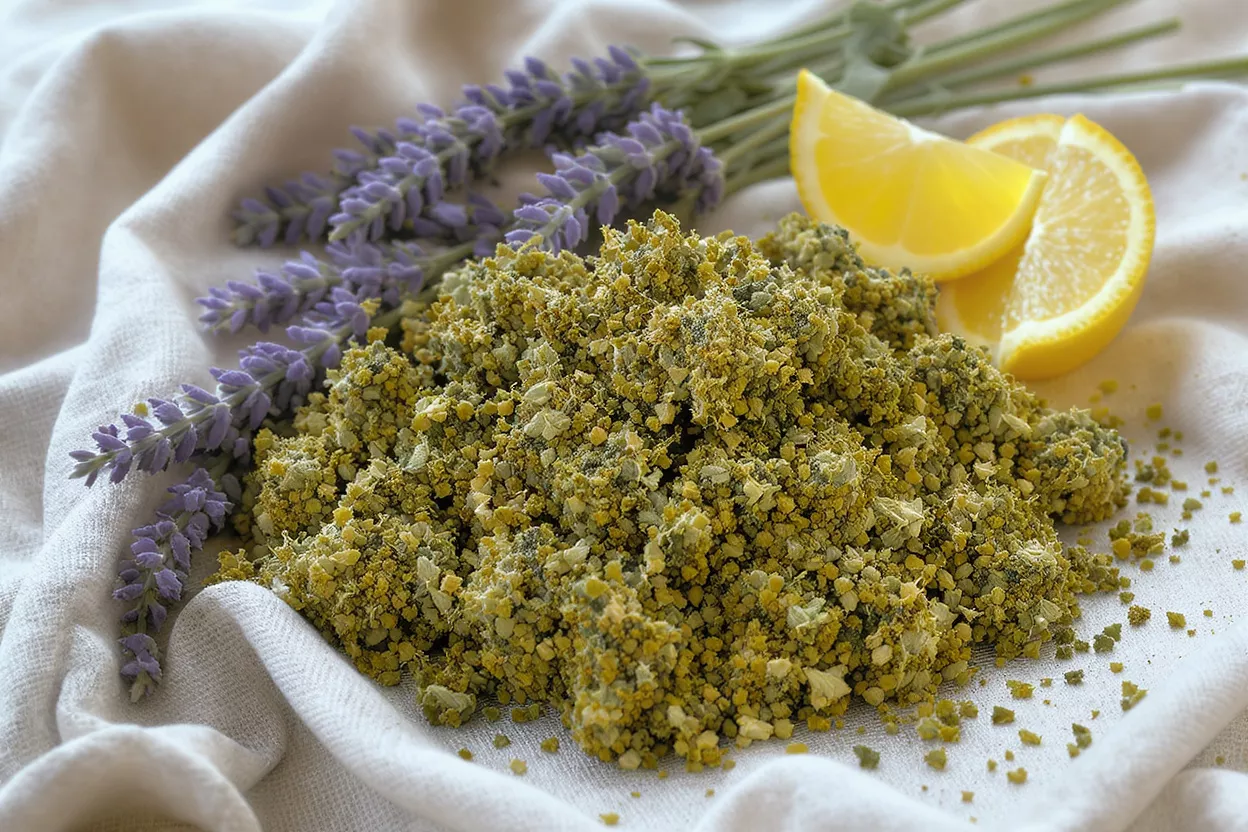
Newcomers often blur the line between terpenes and cannabinoids, but the distinction is important. Both are produced in the plant's trichomes, yet they belong to different chemical families and play different roles in your experience.
Structural and functional differences: Cannabinoids like THC and CBD interact primarily with cannabinoid receptors and are responsible for the psychoactive and major physiological effects of cannabis. Terpenes are aromatic compounds that govern smell and flavor while exerting more subtle, modulating influences. You can think of cannabinoids as the headliners and terpenes as the producers shaping the overall sound.
The key takeaways that separate these two compound classes:
- 🧪 Cannabinoids: Drive primary effects like euphoria or relief, bind strongly to endocannabinoid receptors, mostly odorless on their own.
- 👃 Terpenes: Create aroma and flavor, modulate the experience, found throughout nature beyond cannabis.
- 🔬 Shared origin: Both form in trichomes and respond to genetics, cultivation, and curing conditions.
- ⚖️ Together: Their combined ratios define a strain's true character far better than THC percentage alone.
How Terpenes Shape Flavor and Effects
The flavor of cannabis is almost entirely a terpene story. When you taste sweet berry, sharp diesel, or creamy vanilla notes, you are detecting specific terpene combinations interacting with your palate and olfactory system, which are deeply intertwined.
From nose to experience: The aroma you perceive before consuming primes both expectation and physiology. Citrus-forward limonene profiles tend to feel brighter and more energetic, while myrcene-heavy strains often read as relaxing and heavy. These associations are not purely placebo — they reflect genuine interactions between terpenes and your nervous system, layered on top of learned expectation.
Preservation is everything when it comes to flavor. Heat, light, oxygen, and time all degrade terpenes, flattening a once-vibrant profile into something muted. Proper storage in cool, dark, airtight conditions protects these volatile compounds, and consuming flower while it is fresh delivers the fullest sensory range. This is why connoisseurs treat curing and storage with such reverence.
Best Terpenes for Relaxation and Sleep
For those seeking calm or better sleep, certain terpenes have earned reputations grounded in both tradition and emerging research. Choosing strains rich in these compounds can meaningfully shape an evening experience.
The calming terpene roster: Myrcene leads the list, prized for its sedating, couch-locking reputation, especially in higher concentrations. Linalool, the same compound that makes lavender a sleep aid staple, brings floral calm and is widely studied for its anxiety-easing potential. Caryophyllene rounds out the trio, offering relief through its unique direct binding to cannabinoid receptors.
The interplay of these terpenes with cannabinoids like CBD can deepen relaxation without necessarily increasing intoxication. This is why many nighttime and wellness products are formulated specifically around these profiles rather than chasing maximum THC. If your goal is rest, the terpene label often tells you more than the potency number printed in bold on the front.
It is worth experimenting deliberately. Keep a simple log of which terpene profiles preceded your best nights, and patterns will emerge surprisingly quickly. Personal chemistry varies, so the terpenes that relax one person may energize another.
Where Else Terpenes Are Found in Nature
Terpenes are anything but exclusive to cannabis. They are among the most widespread organic compounds on Earth, appearing in fruits, herbs, flowers, trees, and spices that fill everyday life.
Familiar everyday sources: The pinene that brightens certain strains is the same compound you smell walking through a pine forest. Limonene gives citrus peels their zest, linalool perfumes lavender fields, and humulene defines the aroma of hops in your favorite beer. Recognizing these connections demystifies cannabis terpenes — you have been encountering them your whole life.
This ubiquity has practical implications. Because terpenes are so common in the food and fragrance industries, they have long histories of safe use that inform how we understand them in cannabis. The aromatherapy traditions built around essential oils rest on the same molecules cannabis produces, which is part of why terpene-focused wellness has gained such traction.

How to Choose Strains by Terpene Profile
Once you understand terpenes, you can shop more intelligently than relying on vague indica-versus-sativa labels. A strain's terpene profile, ideally backed by lab testing, is a far more reliable predictor of how it will make you feel.
Reading a terpene panel: Many dispensaries and licensed producers now publish detailed terpene breakdowns alongside cannabinoid content. Look for the dominant terpene first, then the secondary players, since their ratio shapes the overall character. A strain led by myrcene and linalool suggests relaxation, while one fronted by limonene and pinene leans bright and clear-headed.
Trust your nose as a complementary tool. If a flower smells appealing to you, that intuitive pull often aligns with terpenes your body responds to well. Combining the objective lab data with your subjective aromatic preference is the most practical path to consistently satisfying choices. Over time you build a personal map of which profiles serve which moods and moments.
Do not overlook freshness when selecting. Even the most promising terpene panel means little if the flower has been stored poorly, so buy from sources that handle and package their product with care.
Are Terpenes Safe to Consume
Terpenes carry long records of safe consumption, given their abundance in everyday foods and beverages. The citrus you eat and the herbs you cook with deliver terpenes routinely without concern, which provides a reassuring baseline.
Context and concentration matter: Safety always depends on dose and delivery method. Terpenes consumed naturally within whole-plant cannabis or food sit comfortably within familiar exposure levels. Highly concentrated isolated terpenes, particularly those added to vape products, warrant more caution since heating certain compounds at high temperatures can change their chemistry. Choosing products from reputable sources that test for purity addresses most of these concerns.
As with anything you inhale or ingest, individual sensitivity exists, and a small number of people may react to specific terpenes just as they might to a particular food. Starting low and paying attention to how your body responds remains sound practice. For the vast majority of consumers, the terpenes naturally present in quality cannabis are a benefit to be enjoyed rather than a risk to be feared.
Terpenes transform cannabis from a single-note compound into a rich, multidimensional plant worth exploring with curiosity. They explain why strains smell and feel so different, they likely amplify the effects of cannabinoids through the entourage effect, and they connect cannabis to the broader natural world of plants we already love. Whether you are chasing relaxation, clarity, or simply a more flavorful experience, learning to read terpene profiles is one of the most rewarding skills a cannabis enthusiast can develop — and one that turns every jar into an invitation to discover something new.





Comments