

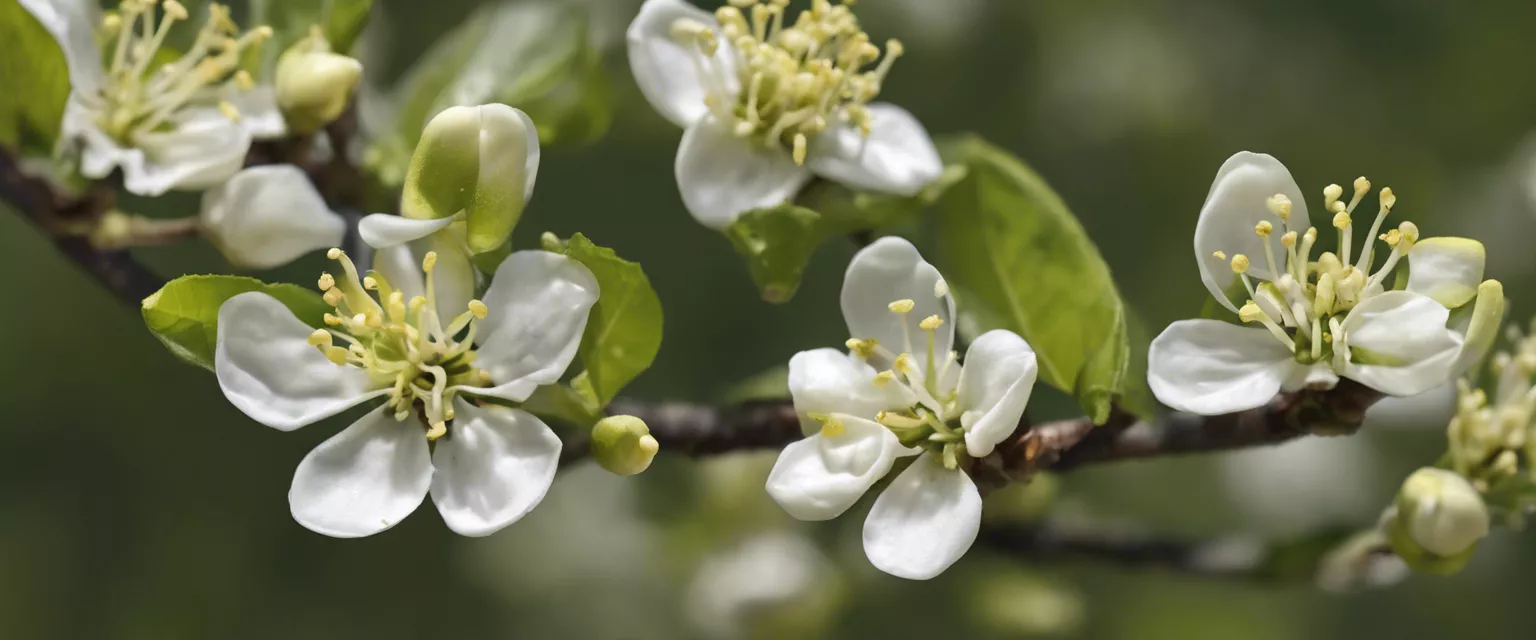
Terpinolene
Discover terpinolene, the rare cannabis terpene behind piney floral aromas.
What Is Terpinolene in Cannabis?
Terpinolene is one of the most intriguing aromatic compounds in the cannabis plant, prized for its complex bouquet and its relative rarity. While terpenes like myrcene and limonene dominate the chemical profile of most modern cultivars, Terpinolene appears in meaningful quantities in only a small slice of strains, making it something of a connoisseur's marker. When you catch that fresh, slightly piney, floral-citrus aroma drifting from a jar, there is a good chance this terpene is responsible.
The chemistry behind the aroma: Terpinolene is a monoterpene, meaning it is built from two isoprene units and shares a structural family with compounds like pinene and limonene. Its molecular formula is C₁₀H₁₆, and it exists as a colorless liquid at room temperature. Plants synthesize it in glandular trichomes—the same resin-producing structures that generate cannabinoids like THC and CBD.
Unlike cannabinoids, which interact directly with receptors to produce psychoactive effects, terpenes like Terpinolene contribute to the overall sensory and therapeutic character of a cultivar. They are part of the reason two strains with identical THC percentages can feel and smell completely different. Understanding Terpinolene gives you a sharper vocabulary for reading a strain before you ever consume it.
What Does Terpinolene Smell and Taste Like?
A multi-layered aromatic signature: Terpinolene is notoriously difficult to pin down with a single descriptor because it presents as a blend rather than a single note. Most people detect a fresh, woody pine character first, followed by floral and herbal undertones and a faint citrus brightness. There is often a subtle spiciness lurking underneath—think of the smell of fresh apples, lilac, and a sprig of conifer all at once.
This complexity is exactly why Terpinolene is so valued by flavor chasers. Where a myrcene-heavy strain smells earthy and musky, and a limonene-rich one smells sharply of lemon peel, Terpinolene-forward cultivars tend to read as bright, crisp, and almost perfume-like on the nose.
On the palate, the terpene translates into a smooth, slightly sweet smoke or vapor with herbal and floral accents. Because terpenes are sensitive to heat, gentler consumption methods such as low-temperature vaporization tend to preserve the delicate top notes that would otherwise be lost to combustion.
- 🌲 Pine and conifer: the dominant fresh, resinous top note many people notice first.
- 🌸 Floral and lilac: a perfume-like sweetness that softens the sharper edges.
- 🍏 Crisp apple and citrus: a bright fruity lift that adds dimension.
- 🌿 Herbal and spicy: a faint savory undertone that rounds out the profile.
Where Terpinolene Is Found in Nature
Terpinolene is far from exclusive to cannabis. It is widely distributed across the plant kingdom, which is part of why its scent feels so familiar even to people who have never studied terpenes. The compound shows up in everyday herbs, fruits, and trees, and the fragrance industry has relied on it for generations to build fresh, green, and floral accords.
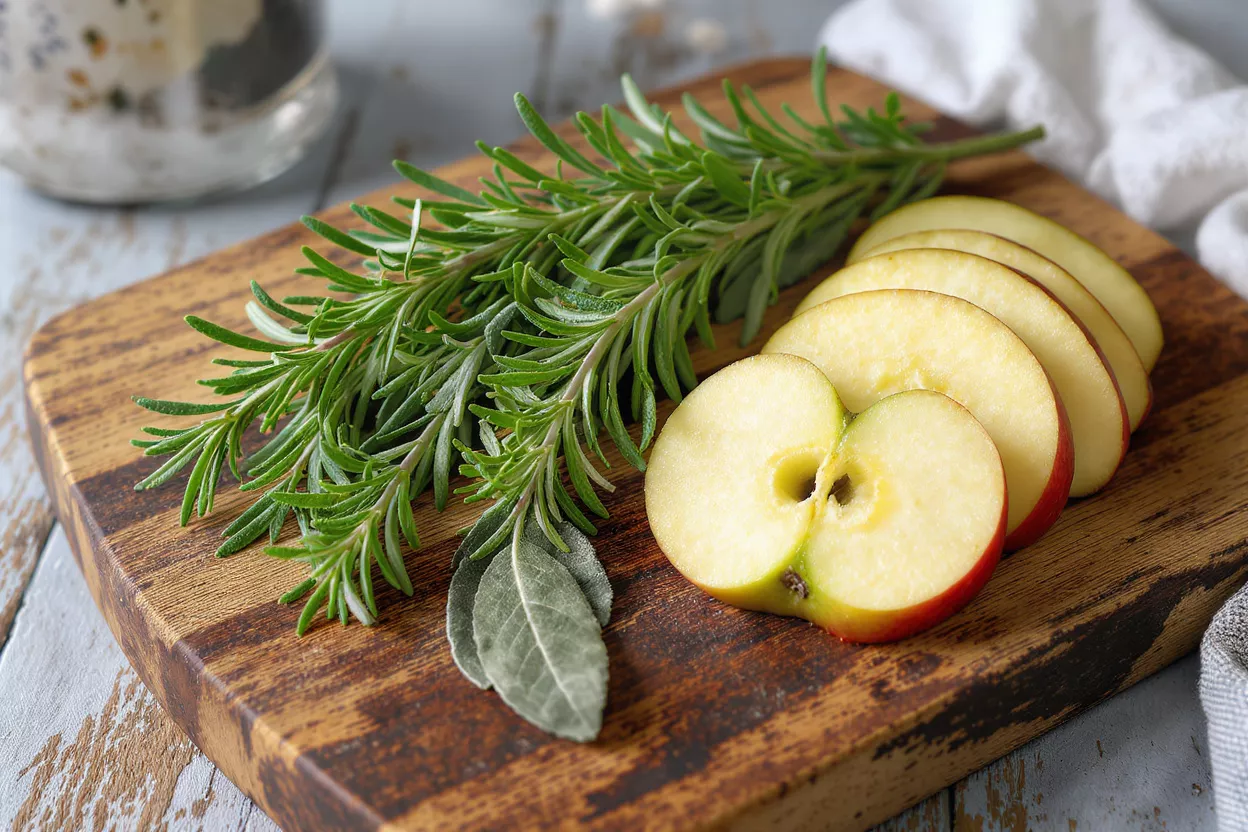
Common natural sources: You encounter Terpinolene more often than you might expect. It is a notable component in nutmeg, cumin, lilac blossoms, apples, tea tree, and several conifer species. Because it carries this fresh, clean character, it is also a frequent ingredient in soaps, perfumes, and household cleaning products where a crisp scent is desirable.
This broad natural presence matters for understanding safety and sourcing. Terpinolene used in cannabis-adjacent products may be derived from the plant itself or botanically sourced from these other species. Either way, it is the same molecule, and its long history in food and fragrance speaks to a well-established familiarity with the compound.
How Terpinolene Works in the Body
Terpinolene does not bind to cannabinoid receptors the way THC does, so it will not get you high on its own. Instead, it appears to exert subtle biological effects through several other pathways, including antioxidant activity and interactions with cellular signaling. Research into terpene pharmacology is still maturing, but early findings paint a picture of a compound with genuine, measurable activity.
Antioxidant and cellular activity: One of the most consistently reported properties of Terpinolene is its antioxidant capacity. Antioxidants help neutralize free radicals—unstable molecules that contribute to cellular stress and aging. In laboratory studies, Terpinolene has demonstrated the ability to reduce oxidative damage, which is the foundation for much of the interest in its potential health applications.
When consumed alongside cannabinoids, Terpinolene is also thought to participate in what researchers call the entourage effect. This is the theory that cannabis compounds work better together than in isolation, with terpenes modulating how cannabinoids feel and behave. While this synergy is still being formally validated, anecdotal reports and emerging studies suggest terpenes meaningfully shape the cannabis experience.

Terpinolene Effects and the Entourage Effect
One of the more debated topics around Terpinolene is whether it leans stimulating or sedating. Anecdotally, strains rich in this terpene are frequently described as uplifting and energizing, often associated with bright, cerebral, and creative experiences. However, isolated studies on the molecule itself have shown sedative effects in animal models, which is a useful reminder that the whole plant rarely behaves like a single ingredient.
Why context shapes the experience: The apparent contradiction makes sense when you consider that Terpinolene almost never acts alone. In a real strain it sits within a matrix of dozens of other terpenes and cannabinoids, each pulling the experience in a particular direction. The energizing reputation of Terpinolene-rich cultivars likely owes as much to the company it keeps as to the terpene in isolation.
For consumers, the practical takeaway is to treat Terpinolene as one signal among many rather than a guaranteed outcome. Pairing it with a stimulating cannabinoid profile and other bright terpenes like terpenes such as limonene tends to reinforce the uplifting character that the strain is known for.
Terpinolene Health Benefits and Research
The scientific literature on Terpinolene, while still early, points to several promising avenues. Researchers have investigated its antioxidant, antimicrobial, and even anti-proliferative properties, and the results have been encouraging enough to sustain ongoing interest. It is important to frame these findings as preliminary—most come from cell or animal studies rather than large human trials—but they are far from trivial.
What the research suggests: Several published studies highlight Terpinolene's potential across multiple domains. While none of this constitutes medical advice, the breadth of activity reported is genuinely interesting for a single small molecule.
- 🛡️ Antioxidant protection: reduces oxidative stress and free radical damage in laboratory models.
- 🦠 Antimicrobial action: shows activity against certain bacteria and fungi in vitro.
- 🔬 Anti-proliferative interest: early studies have explored its effect on certain cancer cell lines.
- 😴 Sedative potential: isolated animal studies have observed calming, sleep-supportive effects.
- ❤️ Cardiovascular research: some work suggests it may help reduce LDL oxidation, a factor in heart health.
Taken together, these threads explain why Terpinolene has become a focus for terpene researchers. As cannabis science continues to mature and more human trials become feasible, our understanding of which of these effects translate to real-world wellness benefits will sharpen considerably.
Cannabis Strains High in Terpinolene
Because Terpinolene is the dominant terpene in only a minority of cultivars, knowing which strains feature it helps you target the experience you want. Several well-known genetics consistently test high in this compound, and they tend to share that bright, complex, slightly piney character on the nose.
Recognizable Terpinolene-forward genetics: A handful of strains have become reference points for this terpene. Jack Herer and its many descendants are perhaps the most famous examples, alongside cultivars in the Dutch Treat, Golden Goat, and Ghost Train Haze families. Many of these are celebrated for energetic, daytime-friendly experiences that align with the terpene's uplifting reputation.
If you are shopping by terpene, the most reliable approach is to ask for a certificate of analysis or terpene panel rather than relying on strain names alone. Genetics drift, phenotypes vary, and growing conditions strongly influence terpene expression. A lab report tells you exactly how much Terpinolene a given batch contains, which is far more dependable than a label.
Is Terpinolene Safe to Consume?
Terpinolene has a long and reassuring history of human exposure. It appears in foods we eat daily, in spices, and in countless consumer products, and regulatory bodies generally recognize it as safe when used in normal quantities. For the vast majority of cannabis consumers, the small amounts present in flower and extracts pose no meaningful concern.
Sensible precautions: As with any concentrated botanical compound, context and dosage matter. Pure, isolated terpenes are highly potent and should never be applied or ingested undiluted—they are intended to be present in trace concentrations. When consuming whole-plant cannabis, the natural ratios keep Terpinolene well within comfortable, food-grade exposure levels.
People with known sensitivities to fragrances or essential oils should approach concentrated terpene products thoughtfully, and anyone with specific health conditions or who is pregnant should consult a healthcare professional before adding new botanical compounds to their routine. For everyday use within whole-flower or properly formulated products, Terpinolene is considered well tolerated.
Terpinolene vs Other Common Terpenes
Placing Terpinolene alongside its more abundant cousins clarifies what makes it special. Where myrcene brings earthy, couch-lock sedation and caryophyllene delivers peppery spice, Terpinolene occupies a fresher, brighter, more floral lane that few other terpenes match.

How it stands apart: The defining trait of Terpinolene is its complexity. Most terpenes can be summarized in a word or two—lemon, pine, pepper—but Terpinolene resists easy categorization precisely because it blends so many notes at once. This makes it a key contributor to nuanced, hard-to-describe aromas in premium cultivars.
Its rarity also sets it apart. Because it is the lead terpene in only a small number of strains, Terpinolene-forward genetics are often sought out specifically by enthusiasts who have grown familiar with that signature scent and the experiences associated with it. In a market where myrcene dominates, finding a genuinely Terpinolene-rich strain feels like a small discovery.
Choosing Terpinolene-Rich Products
If Terpinolene's profile appeals to you, the good news is that targeting it has never been easier. The expansion of lab testing means terpene content is increasingly listed right on product packaging, allowing you to shop by aroma and effect rather than guesswork. Look for products that publish a full terpene breakdown alongside their cannabinoid percentages.
What to look for when shopping: Prioritize freshness and proper storage, since terpenes degrade with heat, light, and time. A well-cured, properly stored flower will retain far more of its Terpinolene than an old, dried-out batch. For concentrates, live resin and other terpene-preserving extraction methods tend to capture delicate compounds more faithfully than processes that use high heat.
Terpinolene rewards curiosity. As one of the most distinctive and least common terpenes in cannabis, it offers a fresh, floral, pine-forward experience that stands out in a crowded field—and a growing body of research hints at meaningful antioxidant and antimicrobial potential beneath its pleasant aroma. Whether you are chasing flavor, effect, or simply a deeper understanding of what makes each strain unique, learning to recognize Terpinolene adds a valuable dimension to how you appreciate cannabis.





Comments