

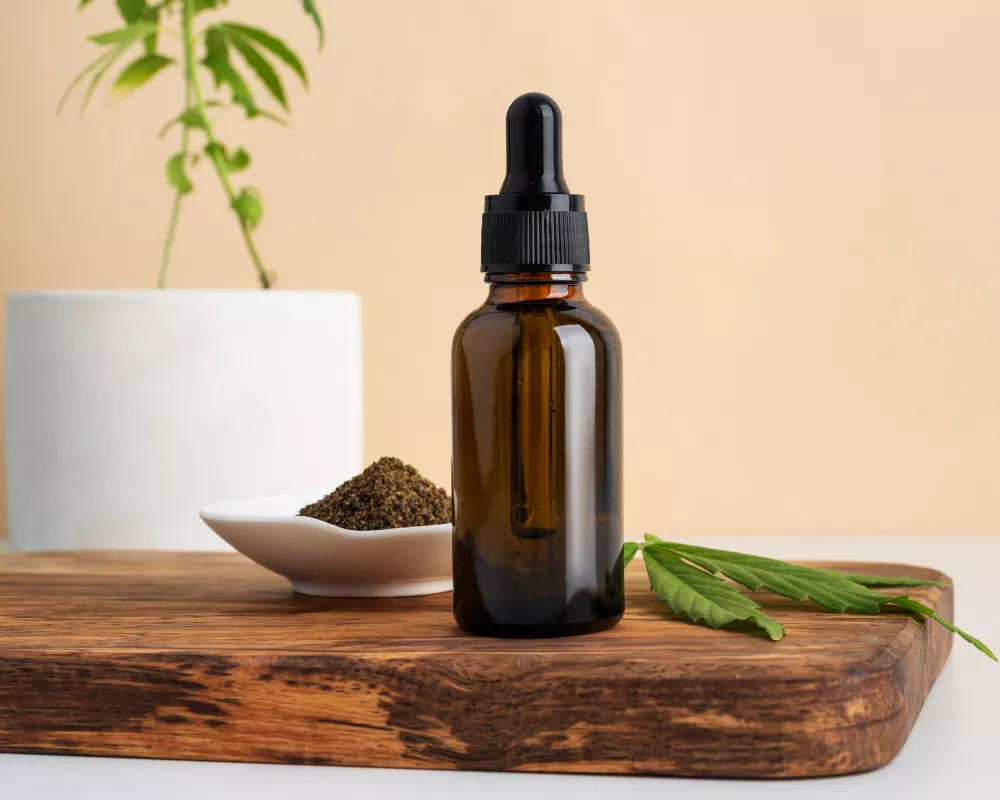
Tincture
Learn how a cannabis tincture delivers fast, precise relief sublingually.
What Is a Cannabis Tincture
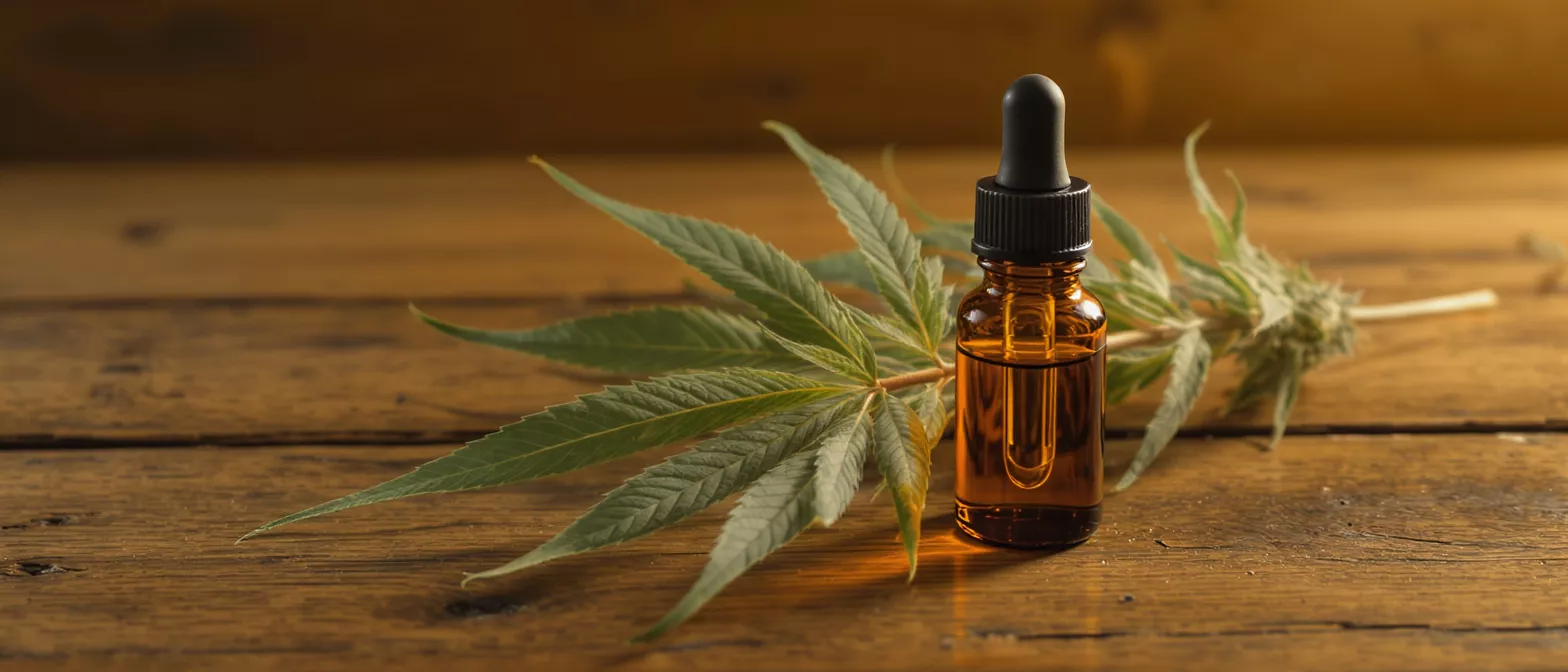
A tincture is one of the oldest and most reliable ways to consume cannabis, predating modern vapes, edibles, and pre-rolls by well over a century. At its simplest, a tincture is a concentrated liquid extract made by steeping cannabis flower or trim in a solvent—most often high-proof alcohol—until the cannabinoids and terpenes dissolve into the liquid. The result is a potent, shelf-stable solution that delivers compounds like THC and CBD in a precise, easy-to-measure format.
Before cannabis prohibition took hold in the early twentieth century, tinctures were a standard pharmacy item, listed in medical formularies and dispensed by physicians for everything from pain to insomnia. Their return to popularity tracks closely with the modern wellness movement and the demand for discreet, smoke-free options. Today they sit alongside edibles and topicals as a cornerstone of the non-inhalation category.
What separates a tincture from a generic cannabis oil is the delivery vehicle and the method of use. A tincture is designed to be measured by the dropperful and, in many cases, absorbed under the tongue. That combination of controlled dosing and rapid sublingual uptake is exactly why so many consumers—both medical and recreational—keep a bottle in the cabinet.
How Does a Tincture Work
The way a tincture delivers its effects depends heavily on how you take it. When placed under the tongue and held there, cannabinoids pass through the thin mucous membranes of the mouth directly into the bloodstream. This sublingual route bypasses the digestive system, allowing effects to begin in roughly fifteen to forty-five minutes—considerably faster than a swallowed edible.
Sublingual absorption versus swallowing: If you swallow a tincture instead of holding it under the tongue, it behaves much more like an edible. The cannabinoids travel through the stomach and liver, where THC is converted into the stronger, longer-lasting metabolite 11-hydroxy-THC. This means the same dose can feel different depending on your method, with swallowing producing a slower onset but a more prolonged body effect.
The active compounds in a quality tincture have usually been decarboxylated during production. Raw cannabis contains acidic cannabinoids like THCA and CBDA, which are not intoxicating until heat converts them into THC and CBD. A properly made tincture activates these compounds so the product works as intended without any further preparation.
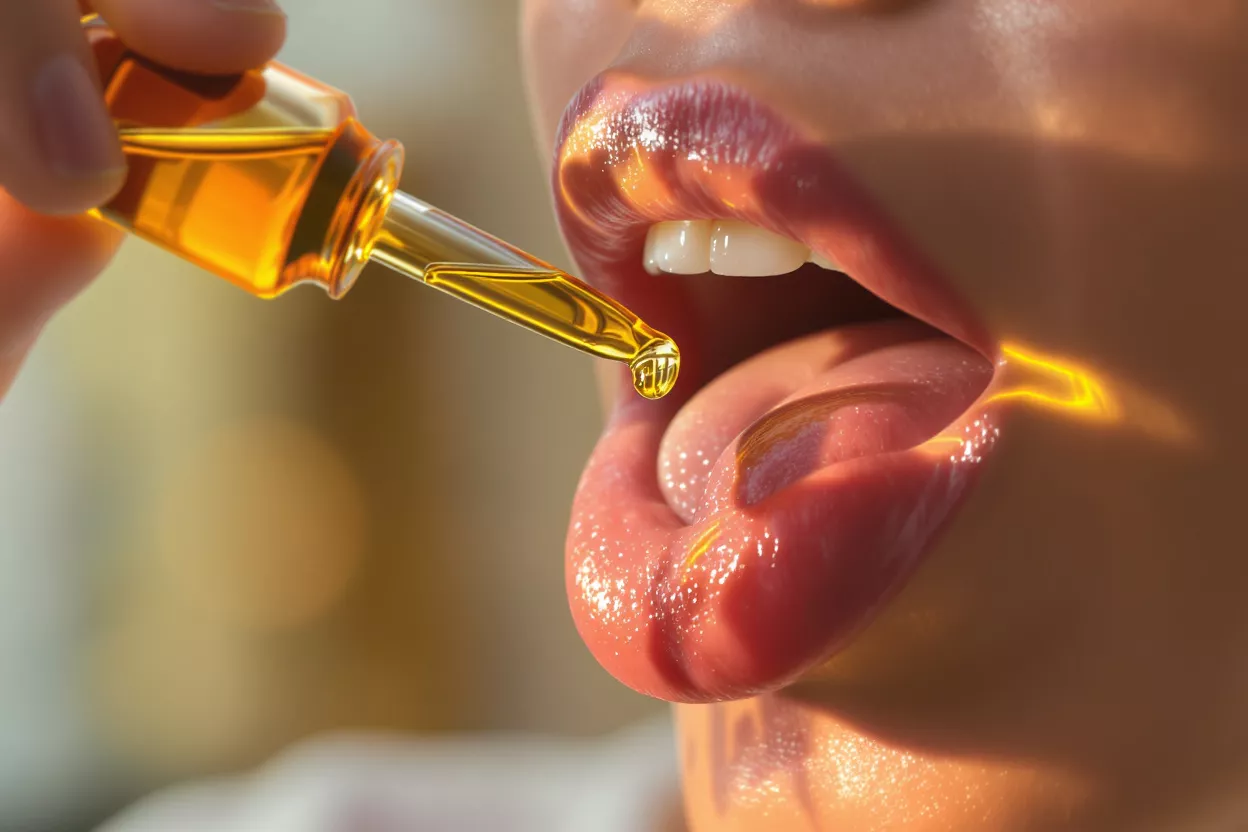
Alcohol vs Glycerin Tincture Base
The solvent used to make a tincture shapes its potency, flavour, and shelf life. The two most common bases are high-proof alcohol and vegetable glycerin, and each comes with clear trade-offs that are worth understanding before you buy or brew your own.
Why alcohol is the traditional choice: Ethanol is an exceptionally efficient solvent for cannabinoids and terpenes, pulling a high concentration of active compounds into the liquid. Alcohol-based tinctures tend to be more potent, absorb quickly under the tongue, and last for years when stored properly. The downside is a sharp, sometimes bitter taste and a brief burning sensation when held in the mouth.
Why glycerin appeals to some users: Vegetable glycerin is naturally sweet and far gentler on the palate, making it a popular alcohol-free option for those who dislike the bite of ethanol. The trade-off is efficiency—glycerin extracts cannabinoids less effectively, so these tinctures are often weaker and have a shorter shelf life. Here is how the two compare at a glance:
- 🔥 Potency: Alcohol extracts more cannabinoids, producing a stronger finished tincture per millilitre.
- 🍬 Taste: Glycerin is sweet and mild; alcohol is sharp and slightly bitter.
- ⏳ Shelf life: Alcohol tinctures last for years; glycerin versions degrade faster and may need refrigeration.
- 👅 Sublingual speed: Alcohol absorbs faster under the tongue than thicker glycerin solutions.
Types of Cannabis Tinctures
Not all tinctures are created equal, and the label tells you a great deal about what to expect. The most important distinction is the cannabinoid profile—whether the product leans toward THC, CBD, or a balanced blend of both. This choice determines how intoxicating the experience will be and which effects dominate.
Beyond the cannabinoid ratio, tinctures are categorized by their extract type. A full-spectrum tincture preserves the complete range of cannabinoids, terpenes, and other plant compounds, harnessing the entourage effect. Broad-spectrum versions retain that complexity but remove THC, while isolate tinctures contain a single purified cannabinoid and nothing else.
Understanding these categories helps you match a product to your goals, whether that means a buzz-free wellness routine or a relaxing evening. The main options break down like this:
- 🌿 THC-dominant: Intoxicating, favoured for relaxation, appetite, and evening use.
- 💧 CBD-dominant: Non-intoxicating, popular for daytime calm and general wellness support.
- ⚖️ Balanced 1:1: Combines THC and CBD for moderated effects with reduced intensity.
- 🔬 Isolate: A single purified cannabinoid with no terpenes or accompanying compounds.
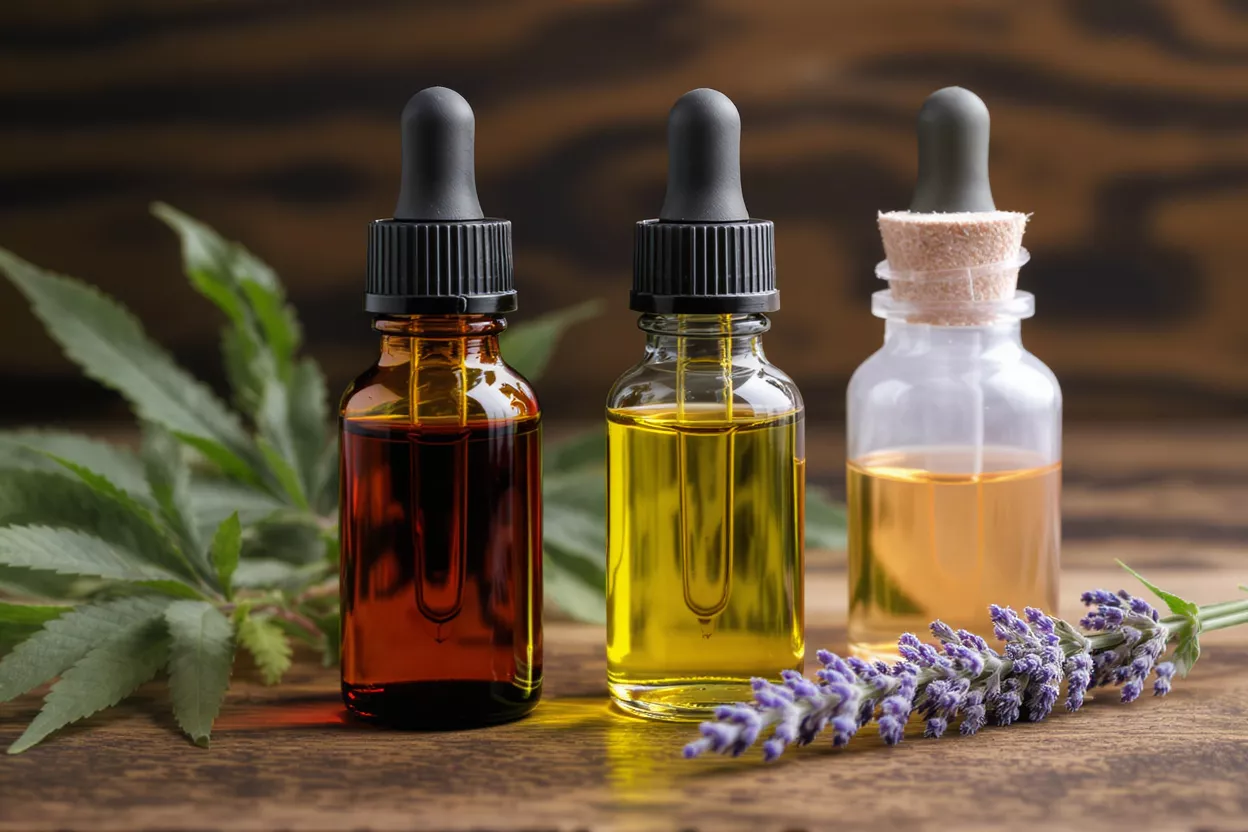
How to Take a Tincture Sublingually
Taking a tincture correctly makes a noticeable difference in how quickly and predictably it works. The classic method is sublingual administration—placing the liquid under the tongue and letting it sit. Use the dropper to dispense your measured dose, then hold it in place for sixty to ninety seconds before swallowing. This window gives the cannabinoids time to absorb through the oral tissue rather than being swallowed immediately.
Getting the timing and technique right: Resist the urge to swallow straight away or to talk and move the liquid around. Keeping it pooled under the tongue maximizes contact with the absorptive membranes. A small amount will inevitably be swallowed, producing a mild secondary edible-style effect later—this is normal and part of how tinctures deliver a layered experience.
If the taste of an alcohol tincture is too harsh, you can still add it to food or a beverage, though doing so converts it into an edible with a slower onset. For the fastest, most efficient results, the sublingual route remains the gold standard. Always start with a small dose and wait to gauge the effect before taking more.
Cannabis Tincture Dosing Guide
One of the biggest advantages of a tincture is the precision it offers. Because the liquid is dispensed by the dropper, you can fine-tune your dose milligram by milligram in a way that smoking or even some edibles simply cannot match. The key is knowing the concentration of your specific bottle, usually printed as total milligrams of cannabinoid per millilitre of liquid.
How to calculate your dose: Divide the total cannabinoid content by the bottle volume to find the strength per millilitre, then by the number of drops in a full dropper to estimate the dose per drop. A 30 ml bottle containing 300 mg of THC delivers roughly 10 mg per millilitre, so a quarter dropper offers a modest, manageable serving for most people.
The golden rule for newcomers is to start low and go slow. Begin with 2.5 to 5 mg, wait at least a couple of hours if you are swallowing the dose, and only increase gradually across separate sessions. Tolerance, body chemistry, and whether you take it on an empty stomach all influence the outcome, so patience prevents an uncomfortably strong experience.
Tincture Benefits Over Other Methods
Tinctures occupy a unique middle ground between the speed of inhalation and the longevity of edibles, which is a large part of their enduring appeal. They offer fast sublingual onset without any smoke or vapour, making them a clean choice for anyone protecting their lungs or seeking discretion. A small bottle slips easily into a bag and draws no attention.
Why precision and consistency matter: Unlike a homemade edible where potency can vary wildly from bite to bite, a tincture provides a uniform concentration throughout the bottle. Every dropperful delivers the same predictable dose, which is invaluable for medical users managing symptoms and for anyone who values control over their experience.
Their versatility is another standout quality. The same bottle can be taken sublingually for speed, swallowed for a longer body effect, or stirred into tea, coffee, or food when you prefer an edible-style result. Few other formats offer this much flexibility from a single product. Key benefits include:
- 💨 No smoke: A lung-friendly option with no combustion or vapour involved.
- 🎯 Precise dosing: Measure exact amounts by the drop for repeatable results.
- 🤫 Discreet: Compact, odourless in use, and easy to carry anywhere.
- 🍵 Versatile: Take it under the tongue or mix it into food and drinks.
How to Make a Tincture at Home
Making a tincture at home is straightforward, though it rewards patience and attention to detail. The process begins with decarboxylation: spreading ground flower on a baking sheet and heating it gently in the oven, typically around 110°C for thirty to forty minutes. This step activates the cannabinoids so your finished tincture actually works.
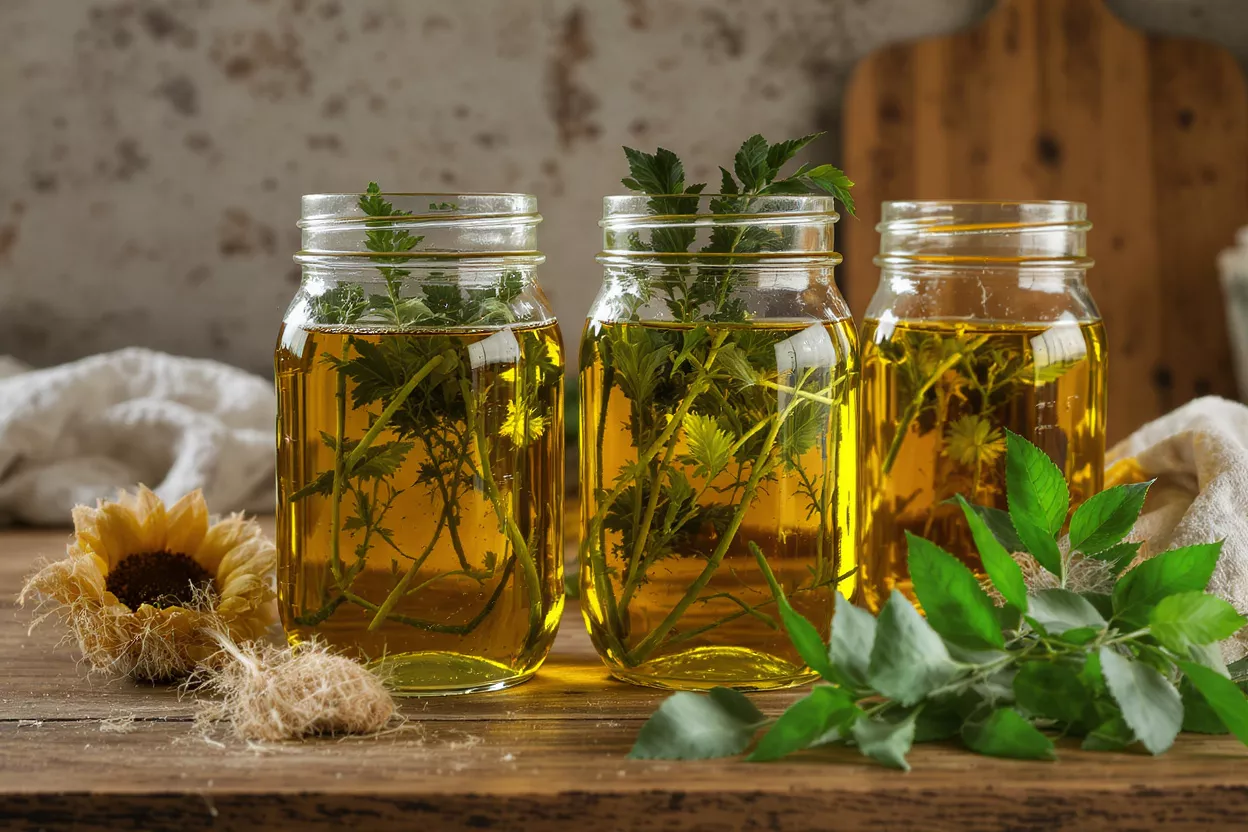
The cold infusion method: Once decarboxylated, the cannabis is combined with high-proof alcohol in a sealed jar and stored in the freezer. The cold helps preserve flavour and reduces the extraction of unwanted chlorophyll, which can add a grassy bitterness. Shaking the jar daily over several weeks gradually pulls the cannabinoids into the alcohol, after which the plant material is strained out through cheesecloth.
For those wanting faster results, a gentle warm infusion using a double boiler can extract compounds in a few hours, though it demands careful temperature control to avoid burning off volatile terpenes or igniting the alcohol. Whichever method you choose, label your finished bottle with its date and an estimate of potency so you can dose responsibly down the line.
How Long Does a Tincture Last
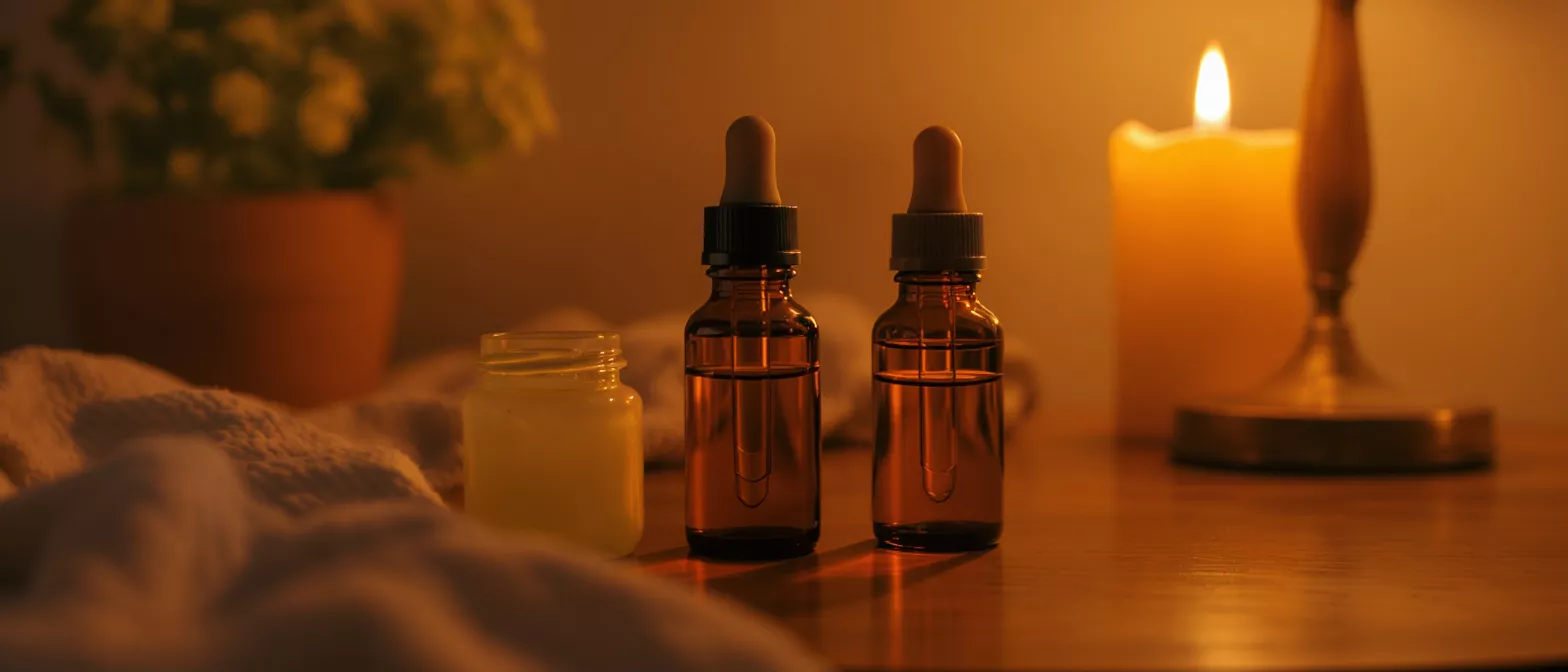
A well-made alcohol tincture is remarkably durable, and proper storage is the single biggest factor in how long it stays potent. Stored in a cool, dark place in an airtight amber glass bottle, an alcohol-based tincture can retain its strength for three to five years. The alcohol acts as a natural preservative, which is one reason this format has survived since the nineteenth century.
What degrades a tincture over time: Light, heat, and air are the main enemies. Ultraviolet light breaks down cannabinoids, oxygen slowly oxidizes them, and warmth accelerates both processes. This is why amber or cobalt bottles are standard—they filter out damaging light—and why you should keep the cap tight and the bottle away from sunny windowsills.
Glycerin-based tinctures have a shorter lifespan, often around one year, and may benefit from refrigeration. If a tincture develops an off smell, cloudiness, or a sudden change in colour, its quality has likely degraded even if it remains safe. In practice, most bottles are used long before potency becomes a concern.
Are Cannabis Tinctures Safe
For most adults, a properly made cannabis tincture is a safe and controllable way to consume cannabinoids, and the precise dosing it allows actually reduces the risk of overconsumption common with unpredictable edibles. As with any cannabis product, the main risks come from taking too much too quickly rather than from the format itself.
Knowing the sensible precautions: The most common misstep is impatience—taking a second dose before the first has taken effect, especially when swallowing rather than absorbing sublingually. Starting low, waiting the full onset window, and storing the bottle securely away from children and pets covers the vast majority of safety concerns. Alcohol tinctures should also be kept away from anyone avoiding alcohol for health or personal reasons.
Cannabis can interact with certain medications and may not suit everyone, so consulting a healthcare professional is wise if you are pregnant, nursing, on prescription drugs, or managing a medical condition. Choosing lab-tested products from a reputable source ensures you know exactly what is in the bottle and that it is free from contaminants.
From their nineteenth-century pharmacy roots to their place in the modern wellness cabinet, tinctures remain one of the most practical and precise ways to enjoy cannabis. With smoke-free delivery, milligram-level dosing control, and the flexibility to be taken sublingually or mixed into food, a quality tincture earns its spot as a staple worth understanding—and keeping on hand.

Comments